The Tampon Tax

-
Dates2023 - Ongoing
-
Author
- Location Ghana
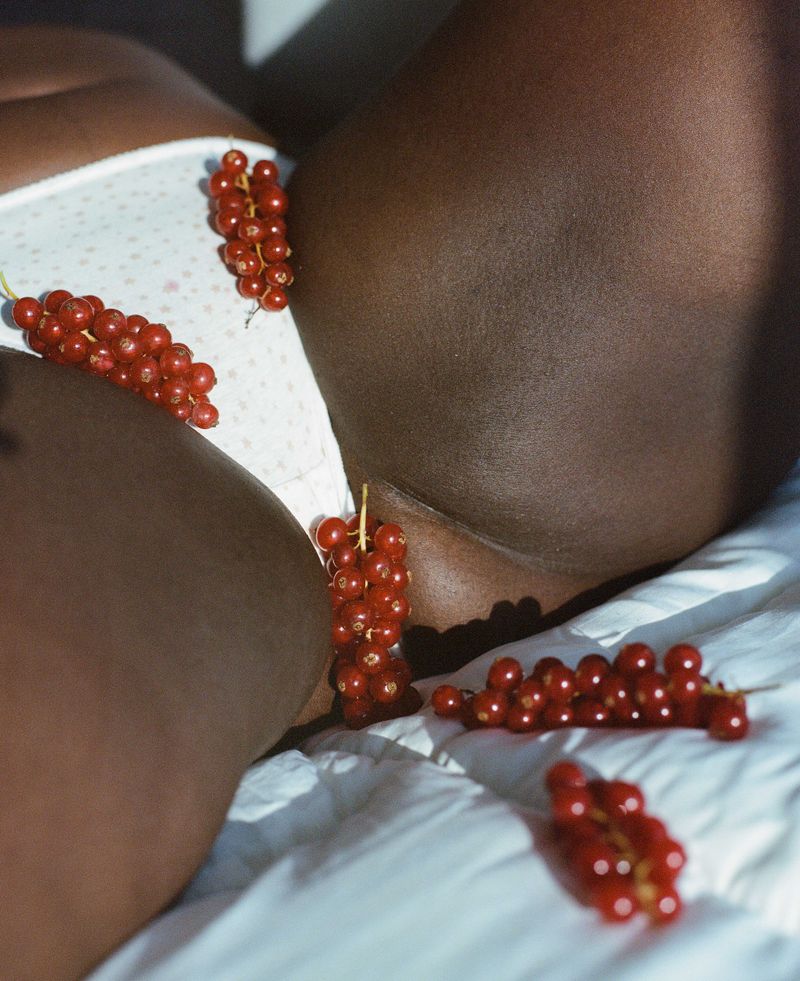
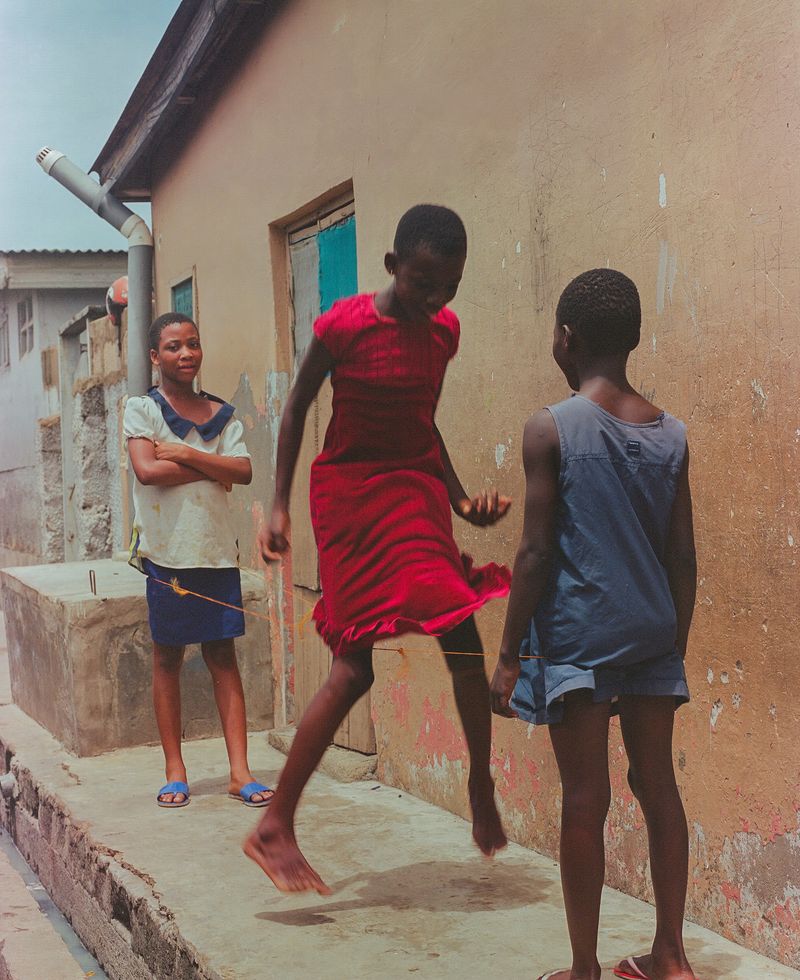
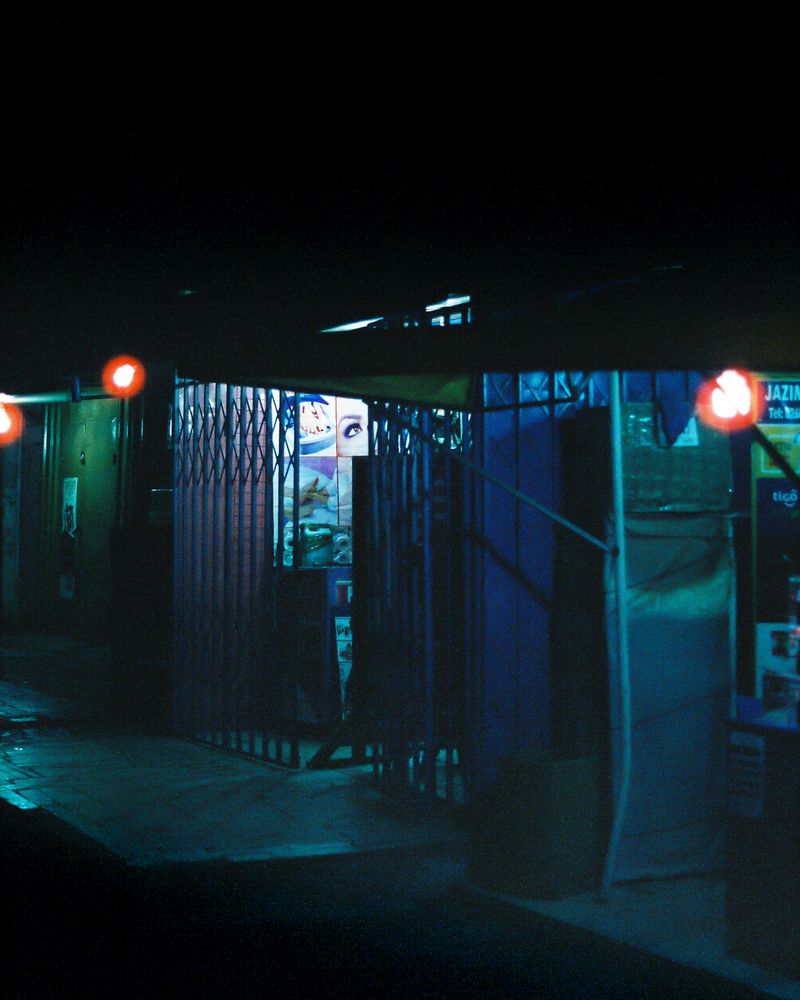
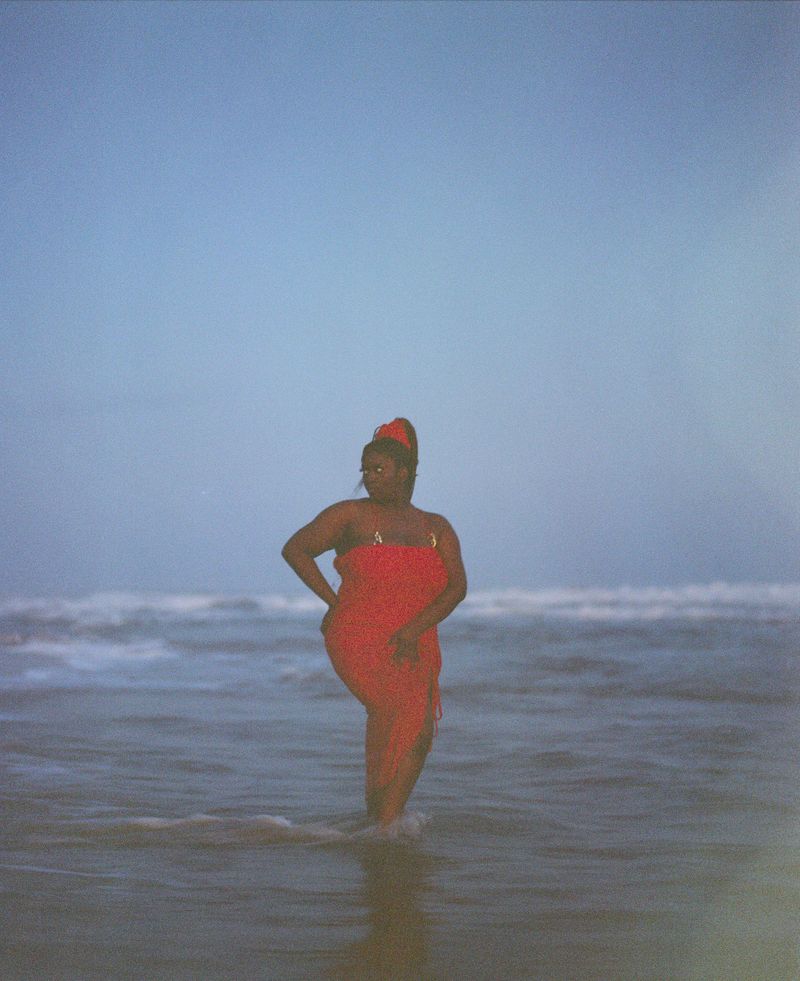
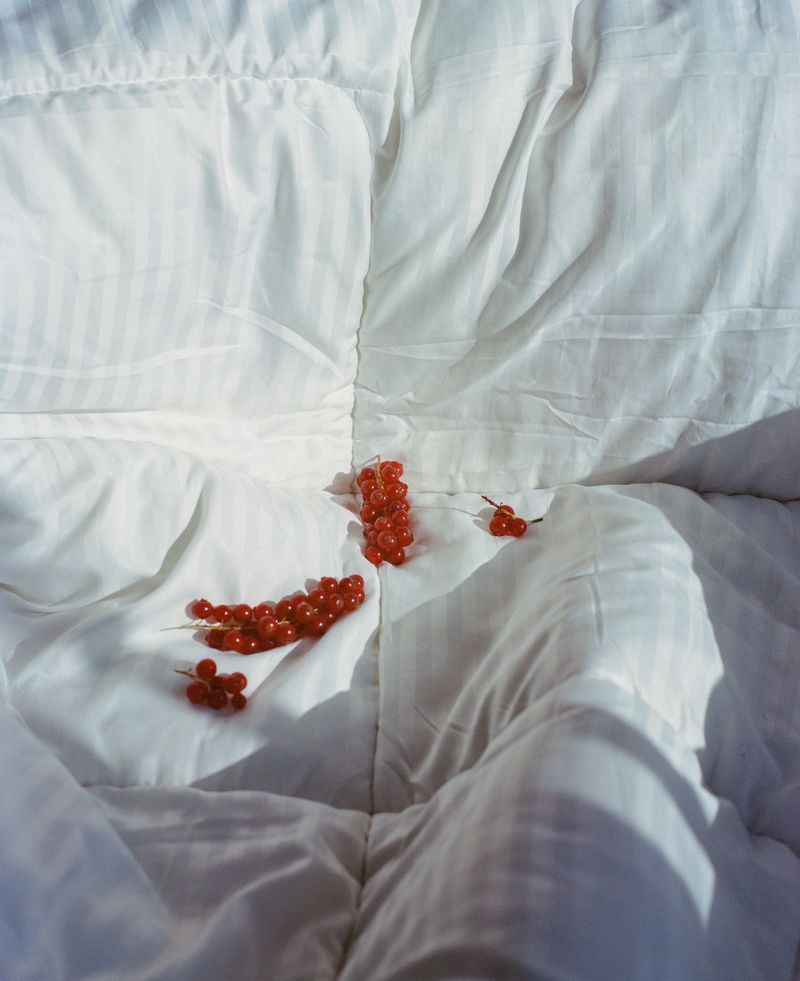
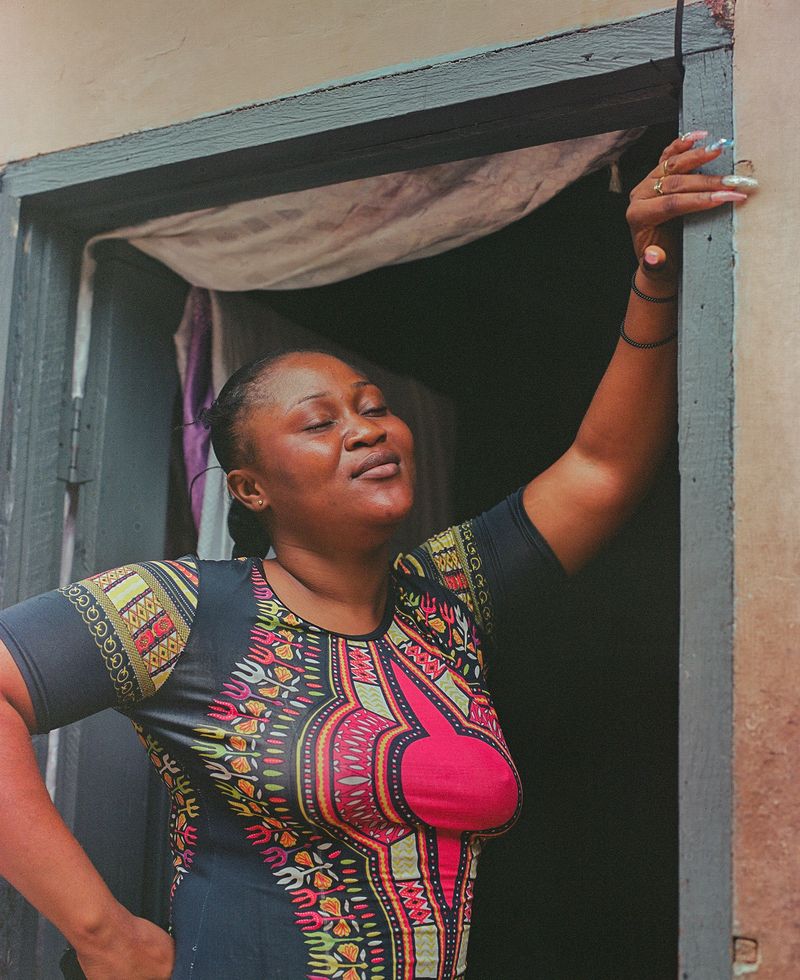
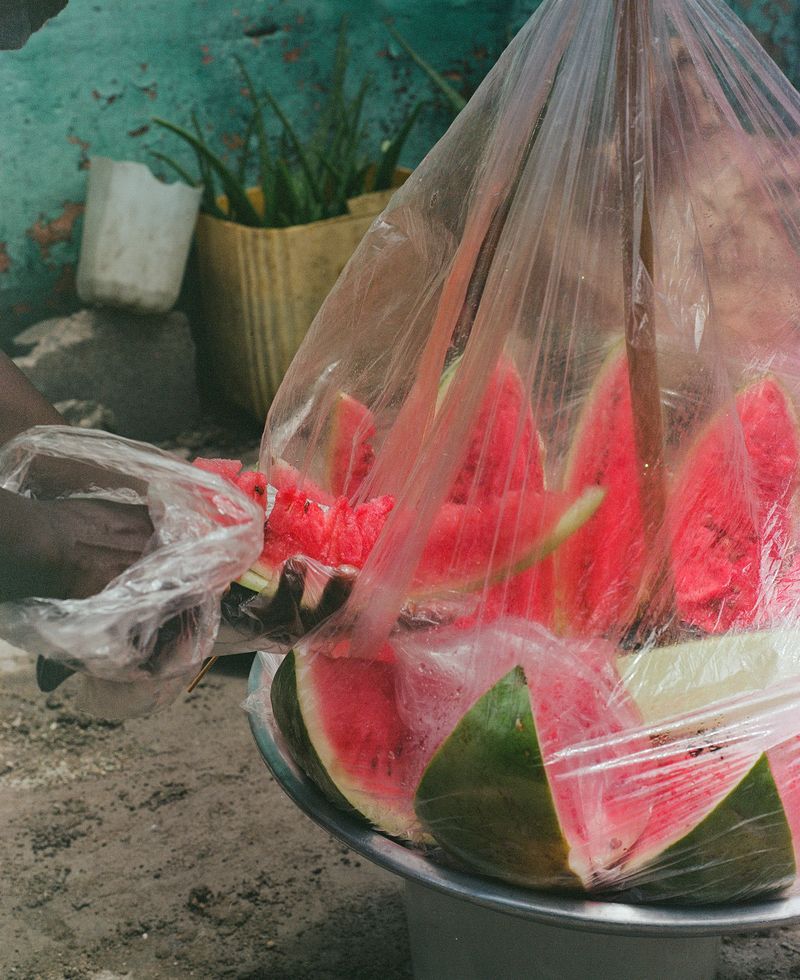
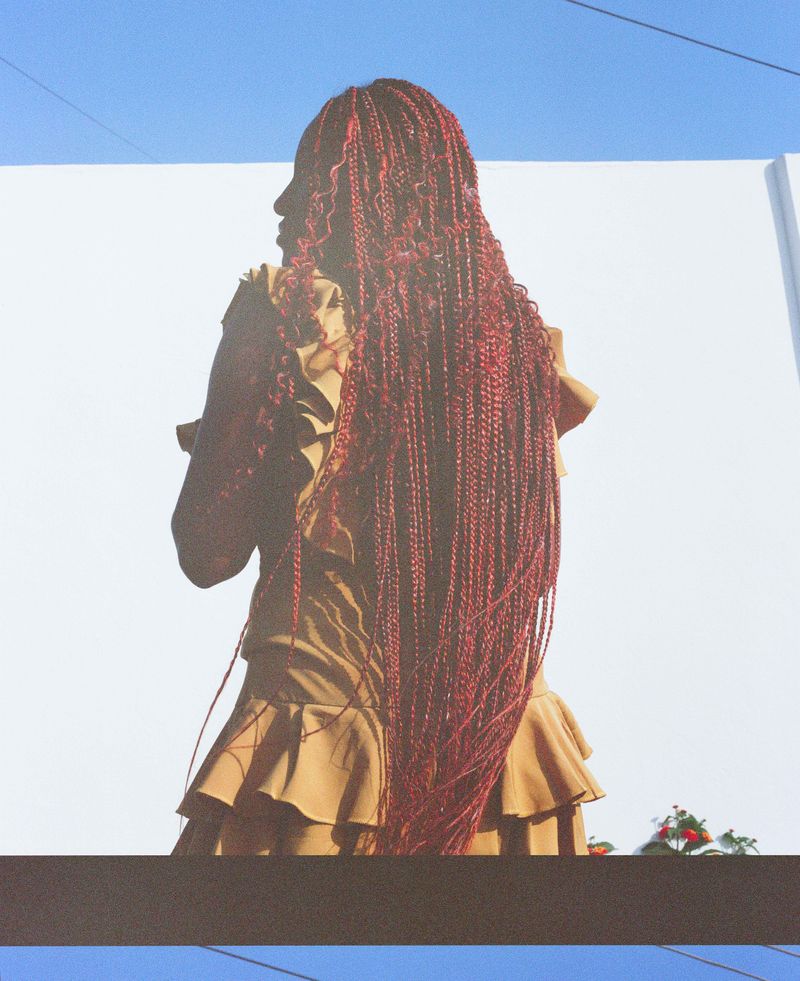
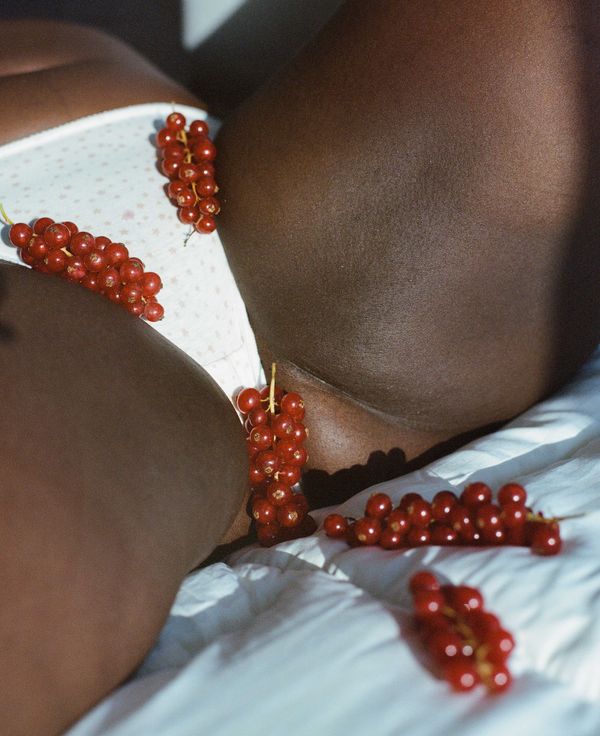
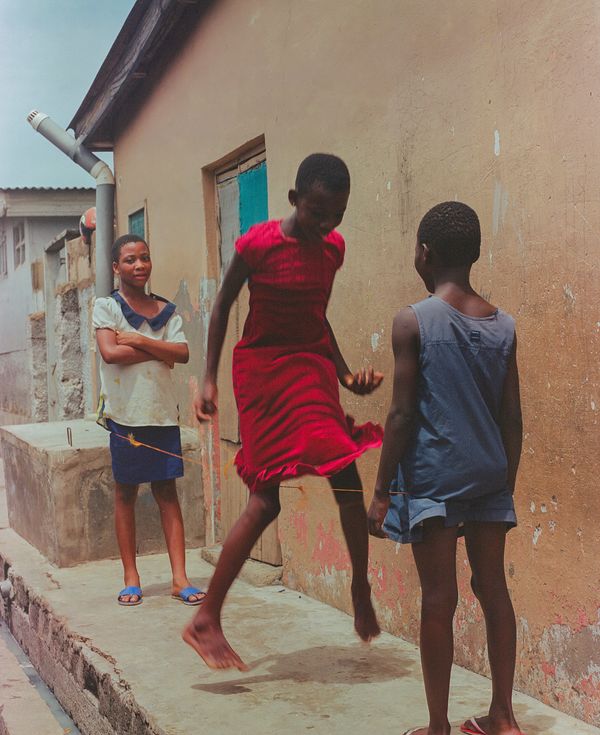
‘The Tampon Tax’ (working title) is an on-going conceptual photographic essay aiming to raise awareness about the challenges faced by people who menstruate in accessing menstrual products in Ghana due to period poverty.
Each month, 1.8 billion people across the world menstruate. Millions of these girls, women, transgender men and non-binary persons are unable to manage their menstrual cycles in a dignified, healthy way, due to stigma and taboo associated with menstruation, and period poverty caused by high taxes imposed on menstruation products. Having dignified periods is a fundamental human right. Periods are biological to menstruating people, and the lack of access to products and facilities needed to help us manage our period makes this a human rights violation.
As of 2023, Ghana imposes some of the highest taxes on menstrual hygiene products in the world, putting essential products deemed “luxury goods” out of reach for many of those in low-income communities, and oftentimes forcing young girls to be absent from school for several days each month. Vulnerable women, girls and others who menstruate have resorted to various life-threatening means to manage their periods, in some cases resulting in teenage pregnancies and serious reproductive health complications.
‘The Tampon Tax’ (working title) is an on-going conceptual photographic essay aiming to raise awareness about the challenges faced by people who menstruate in accessing menstrual products in Ghana due to period poverty. Through a striking visual narrative, this series aims to break down the cultural taboos and stigmas surrounding menstruation, and to encourage open conversations about the topic, bringing attention to the urgent need for policy reform and inspiring collective action for change. This series envisions a world where every menstruating person has access to the basic resources and education they need to manage their periods with dignity, and hopes to contribute to a future where period poverty is no longer a barrier to anyone’s dreams and aspirations.