The Sumida River Almanac
-
Dates2012 - 2022
-
Author
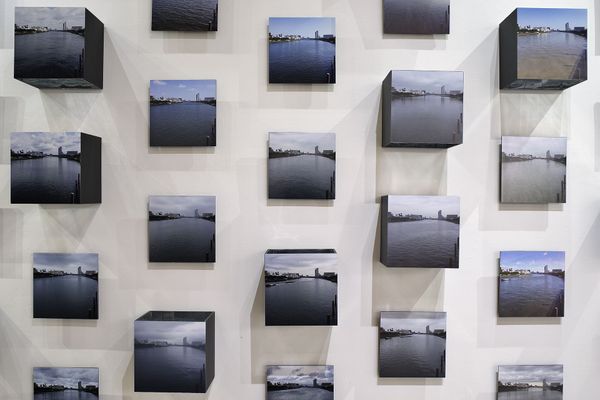
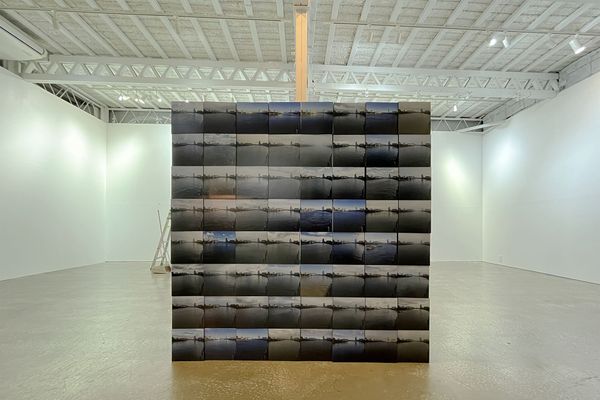
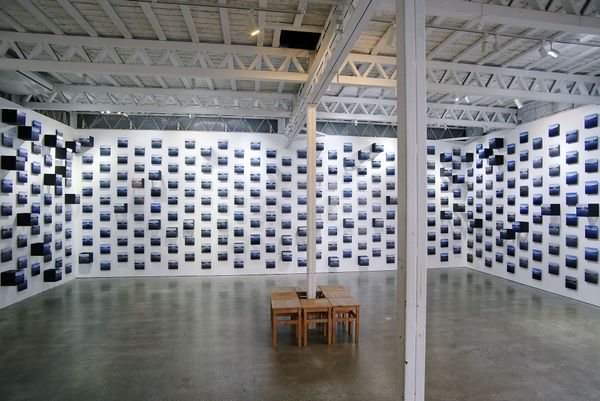
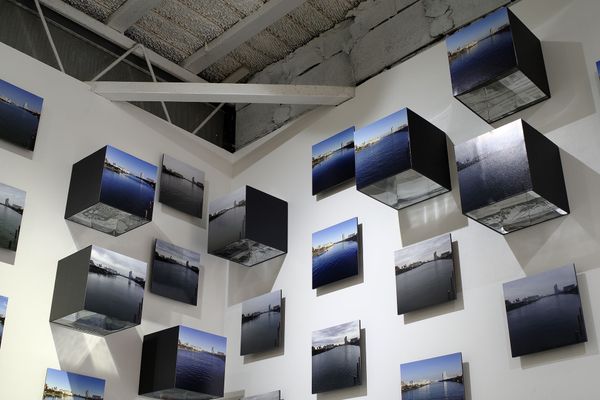
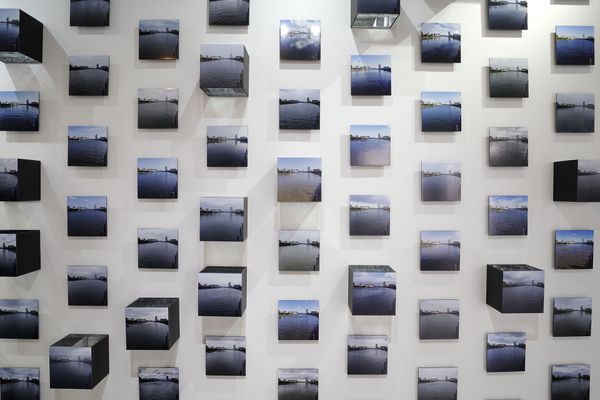
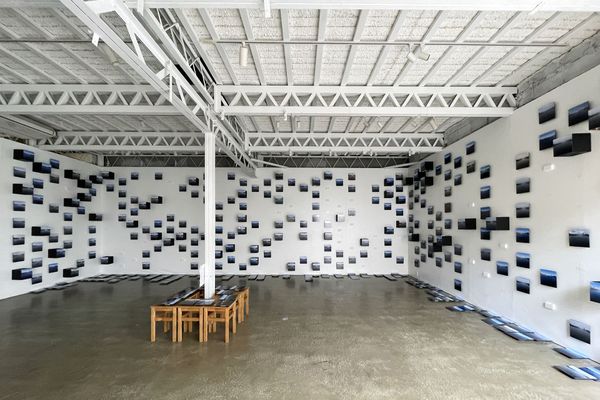
This work is based on fixed-point observation of the Sumida River, exploring The Shape of Time. I shot daily from 2019 to 2020, while researching its history. The photo book contrasts subtle daily and historical changes, prompting reflection on time.
Project Statement
I have kept on a fixed-point observation of the Sumida River from since around 2012. The surface of the water always looks different depending on the weather or the ebb and flow, and the trees along the river show a variety of expressions through all seasons. In addition, the river view never looks the same from one moment to the others in changes of the boats that pass by the water, the architectures on the riverbank, in other words, human activities. However, we are surprisingly insensitive in terms of the visual attention and perception, to such subtle changes.
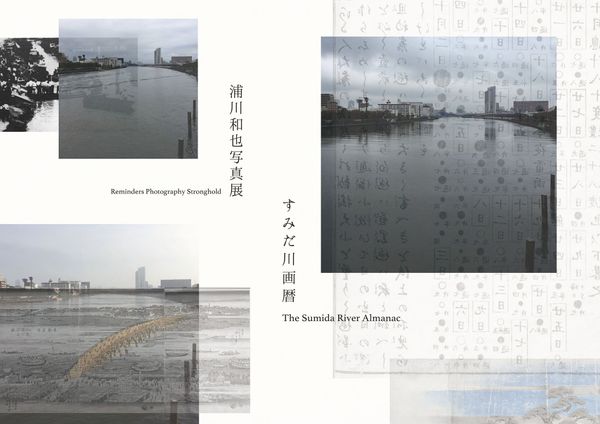
In the course of my research, conducted in parallel with the fixed-point observation of the Sumida River, I encountered a set of three Ukiyo-e prints by Hiroshige Utagawa. Hiroshige’s depiction of the river did not resemble its view of today, but I came to realize that the course of the river depicted in those prints looked exactly like the point I had been facing at that time. Luckily, I was able to confirm this coincidence from the nearby toponyms, shrines, and temples shown in the Ukiyo-e. The contrast between the subtle changes I found in my daily observations and the Ukiyo-e drawn 178 years ago reminded me of the “Systematic age” proposed by art historian George Kubler, which was the beginning of my tracing of the history of the Sumida River.
“Systematic age” is a standard of duration that is opposed to “Absolute age,” the time axis we use in our daily lives, according to Kubler. He explains that all things have a unique time axis of Systematic age. They have characteristics attributed to their Systematic age, and are recognized as a complex entity with the characteristics and appearance of the time in which they existed. He argues that time has characteristics such as plurality and asynchrony, which you may not be able to fully explain by a conventional, standardized historical perspective based on Absolute age. The same applies to a city. A city is a complex entity enfolding various Systematic ages, and based on Kubler’s theory, you recognize its history as a compound of Systematic ages.
Tokyo has transformed itself into one of the world’s largest cities in a short period of about 400 years, yet the city, lacking its historical memories, has still been changing at a considerable speed. The Sumida River, one of the most important and iconic features of the capital city, has been witnessing a drastic historical transformation of where once called Edo, then Tokyo now. In this project, I compressed the elements such as the contrast between the complete transformation (views over the riverbank) and the unchangingness (the course of its flow) over the last 200 years, the subtle changes I saw in over the seasons, and the various episodes about the river, into one object. In doing so, I tried bringing Systematic age of the Sumida River to light, to recognize it as a living witness of Tokyo.
Book Description
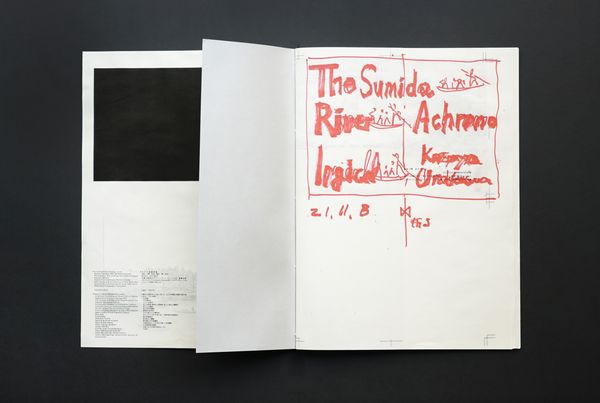
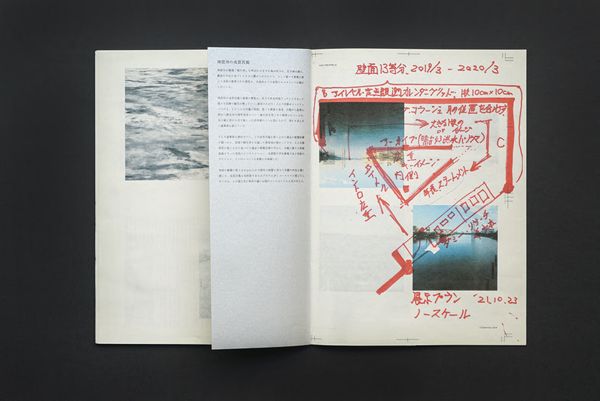
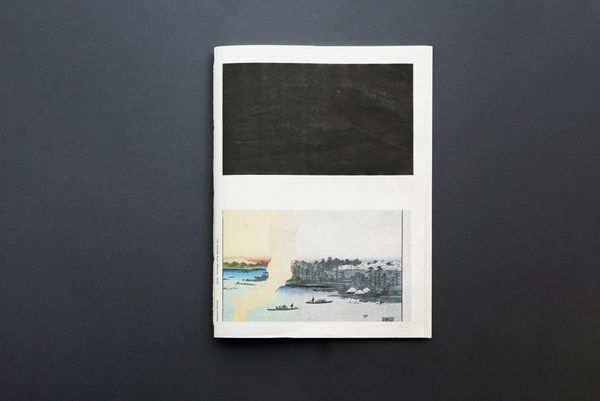
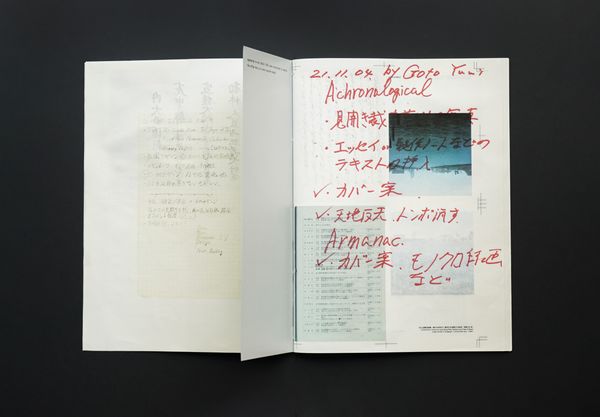
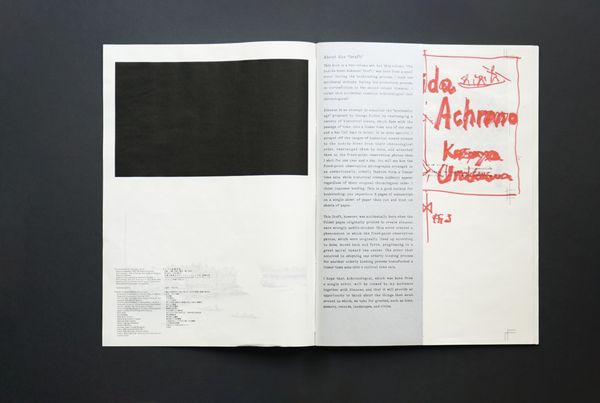
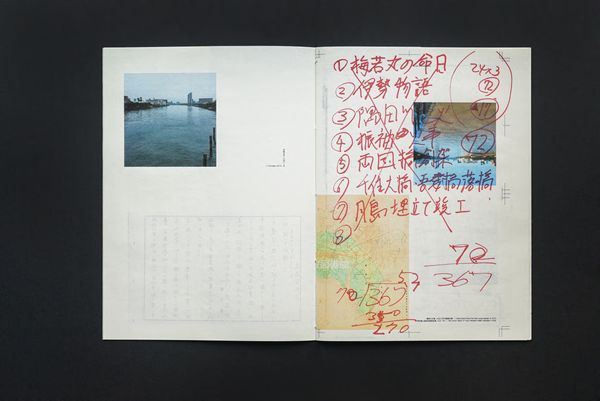
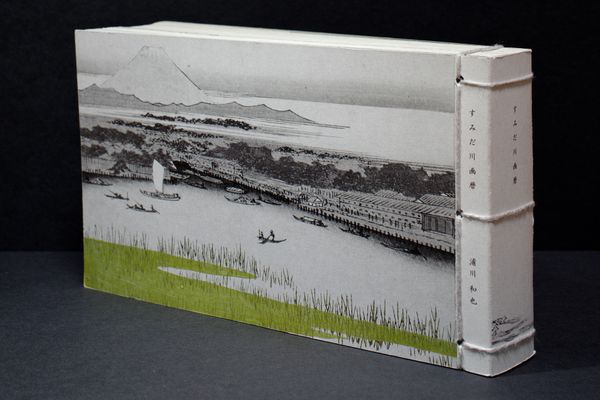
This two-volume photobook objectifies the time stacked on the Sumida River. While the structure of the main volume, The Sumida River Almanac, implies a linear timeline, the structure of second volume, 'Draft', suggests a circular timeline.
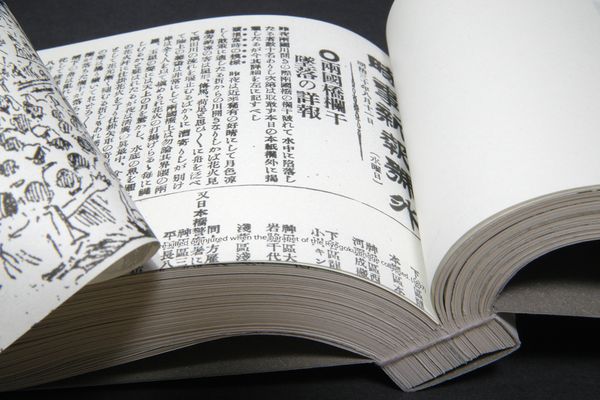
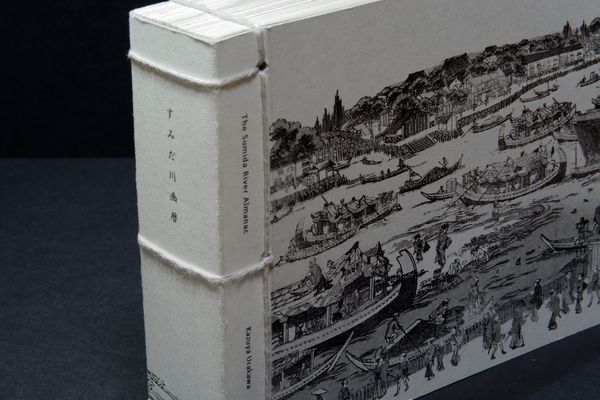
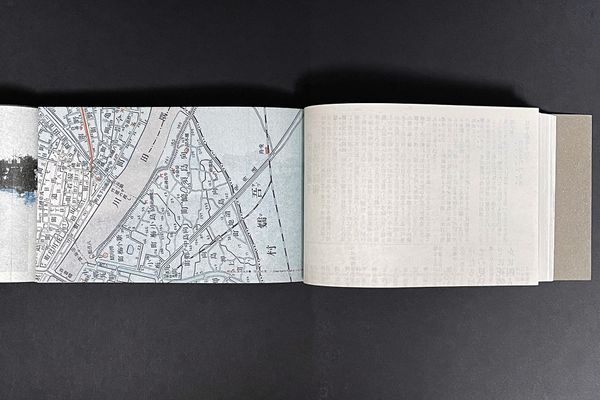
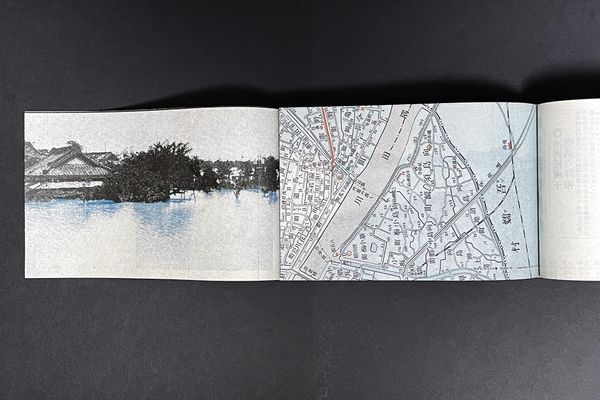
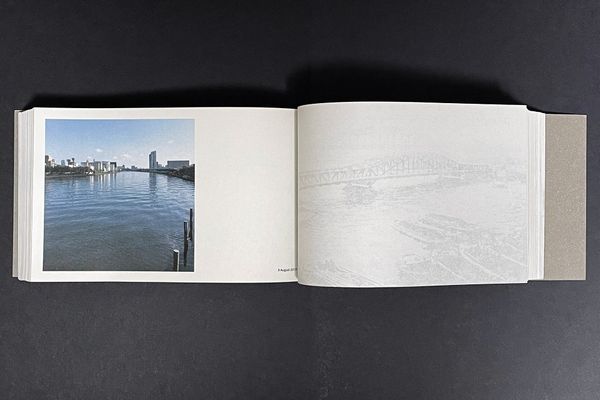
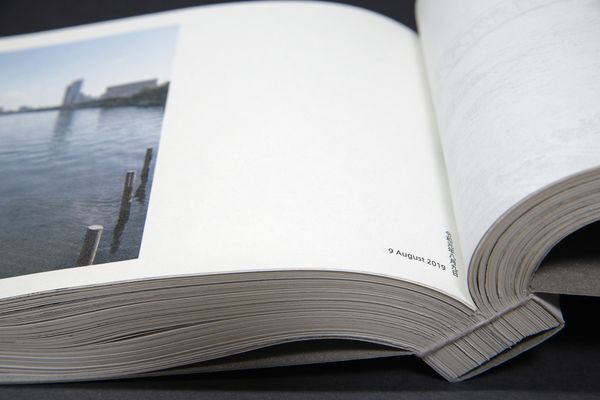
The Sumida River Almanac is bound in the traditional Japanese style and contains fixed-point observations of the river taken daily from 24 March 2019 to 24 March 2020, alongside archival images of historical river-related events that occurred on the same day in previous years.
The image of the Sumida River, taken from a fixed observation point, depicts the same location as Hiroshige Utagawa's “Toto meisho zue Sumida-gawa watashi no zu (Famous Places in the Eastern Capital: A Picture of Sumida River Ferry)”. And the historical archive images are stored on a fold-out page and presented in panoramic format. In contrast, The Draft contains production notes and ten essays about the Sumida River, serving as a 'making of' companion to this work.