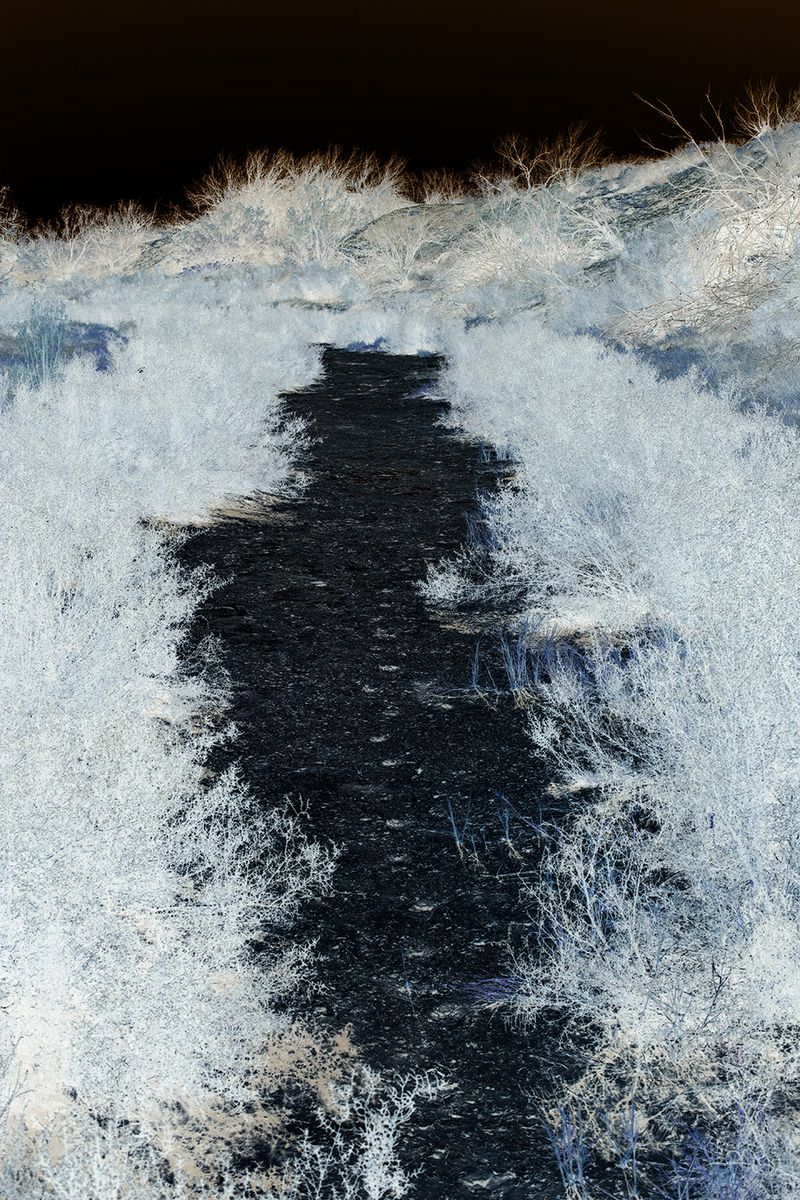
The Sky is Bigger in Texas
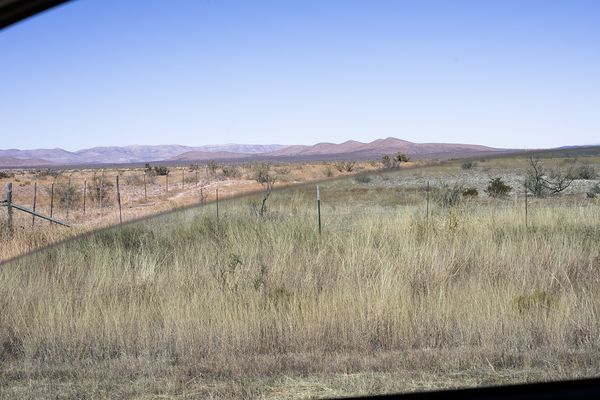
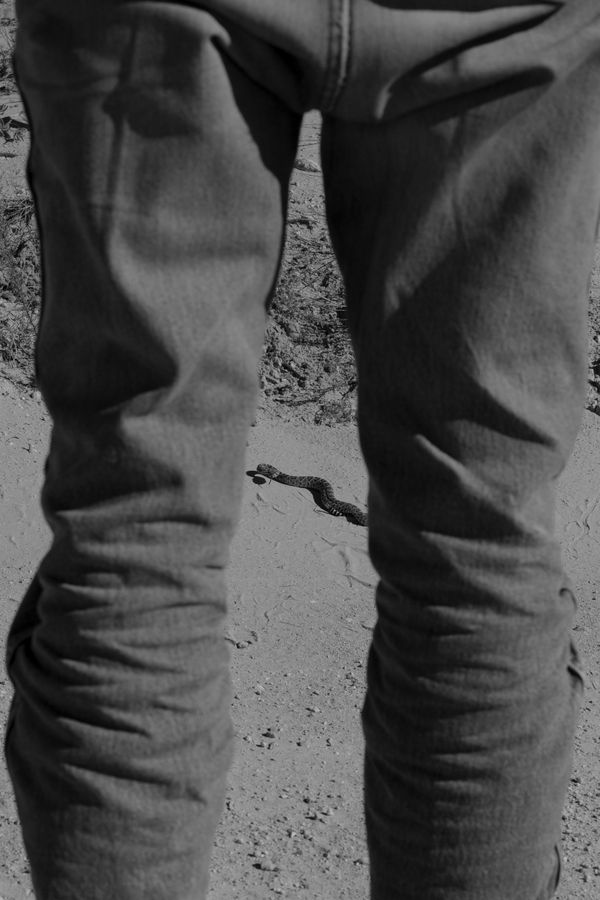
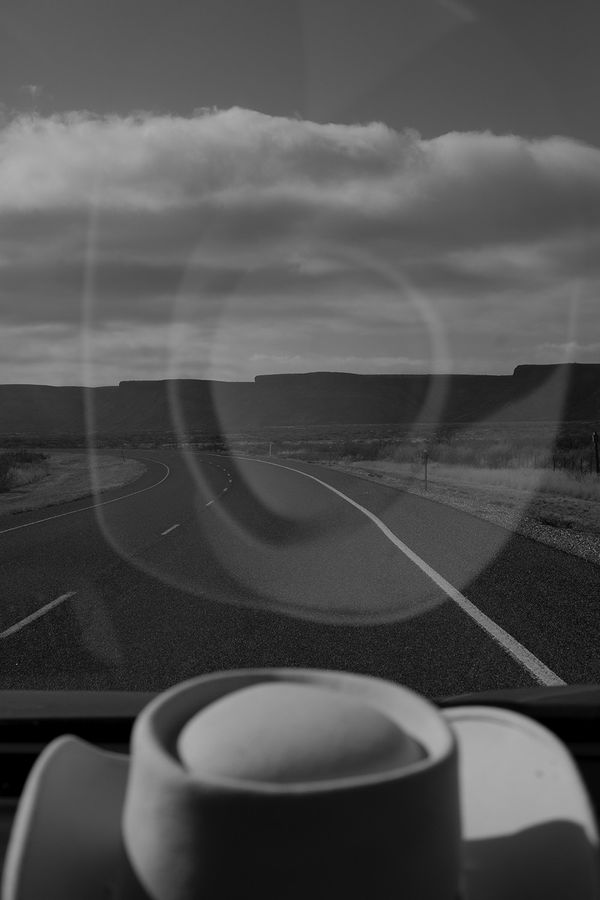
-
Dates2024 - Ongoing
-
Author
- Location Texas, United States
This project as an investigation into our relationship with nature and the land. Having lived in Texas, I was familiar with the many ambiguities Texans share with their territory.
The sky is bigger in Texas
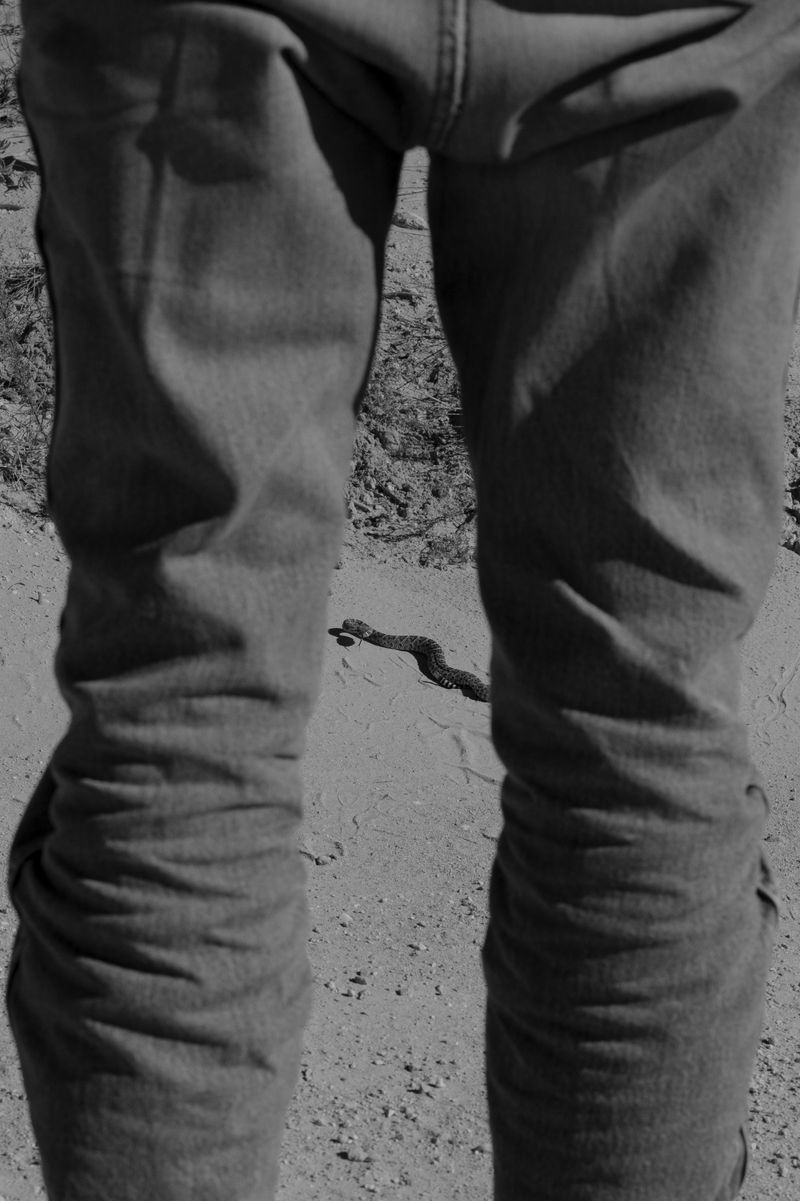
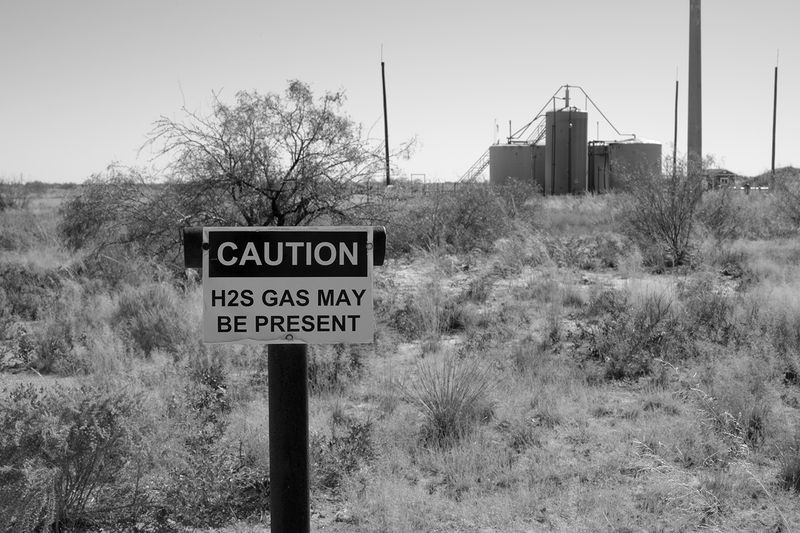
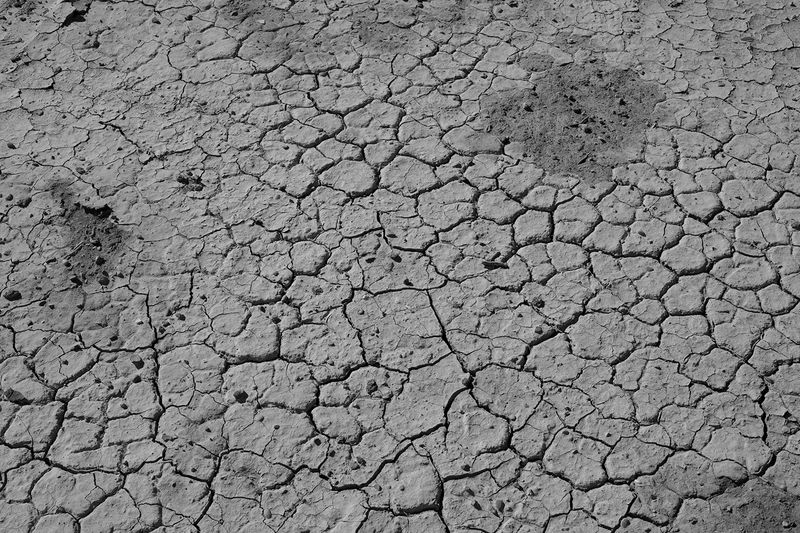
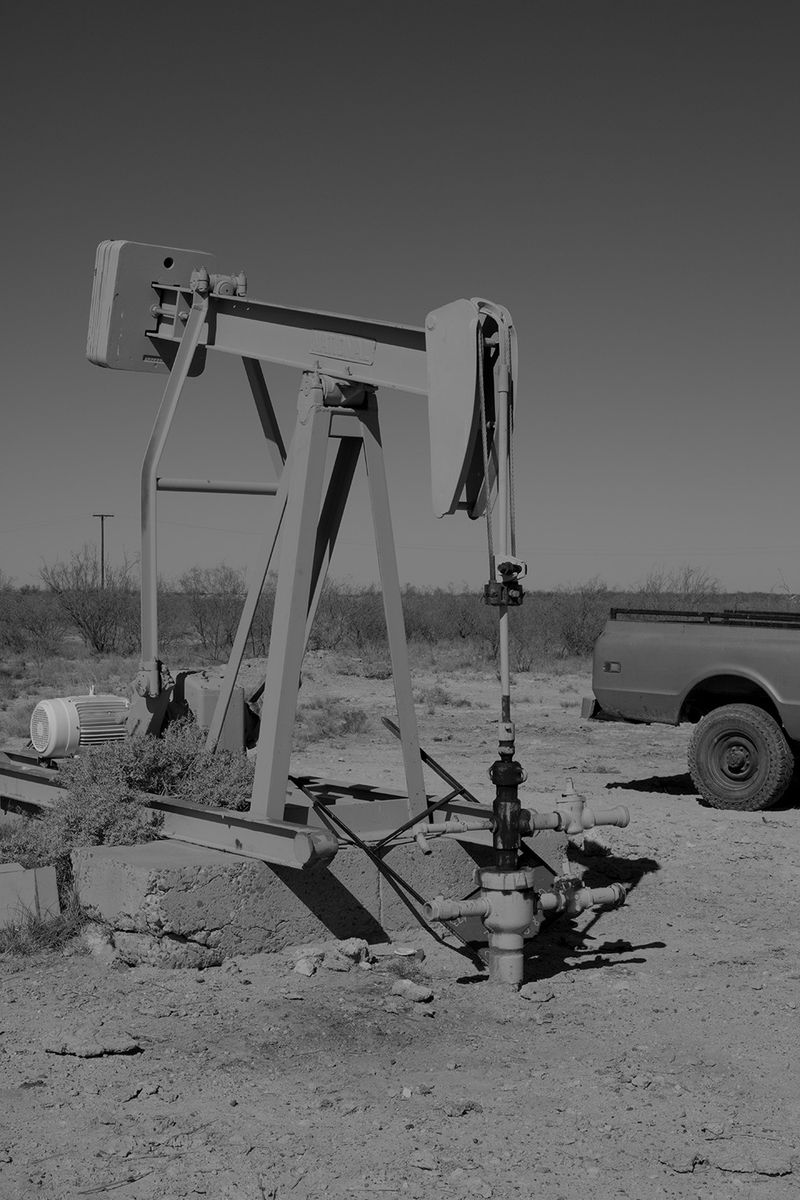
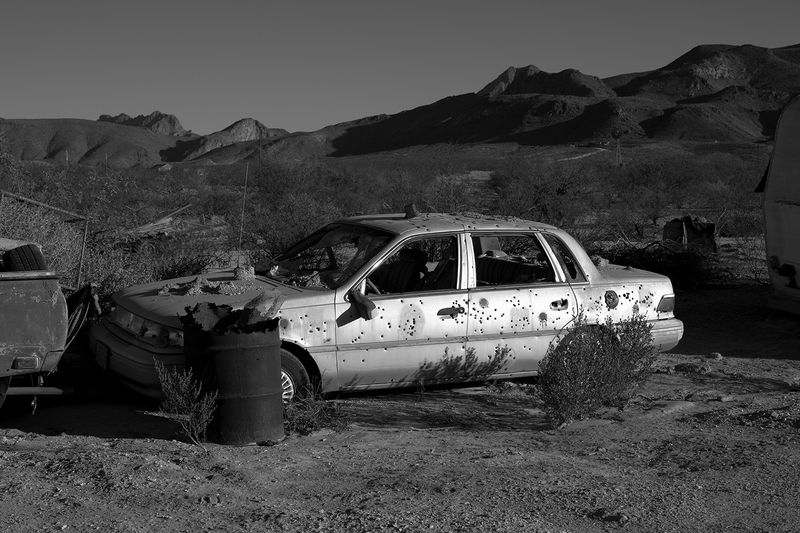
I began this project as an investigation into our relationship with nature and the land. Having lived in Texas, I was familiar with the many ambiguities Texans share with their territory. On one hand, there’s this proud “born and raised” identity, this almost mystical connection to the vast landscape. On the other hand, north of Highway 10, which divides West Texas in two, lies another territory—destroyed, ravaged, and grappling with an ecological disaster caused by fossil fuels. What interested me was this duality that many of us share: between ecological awareness and the persistent desire to consume; between profit at all costs and stewardship—a concept deeply rooted among Texan landowners. The idea is that we are merely temporary caretakers of the resources we use, with a moral and ethical responsibility to pass them on in better condition.
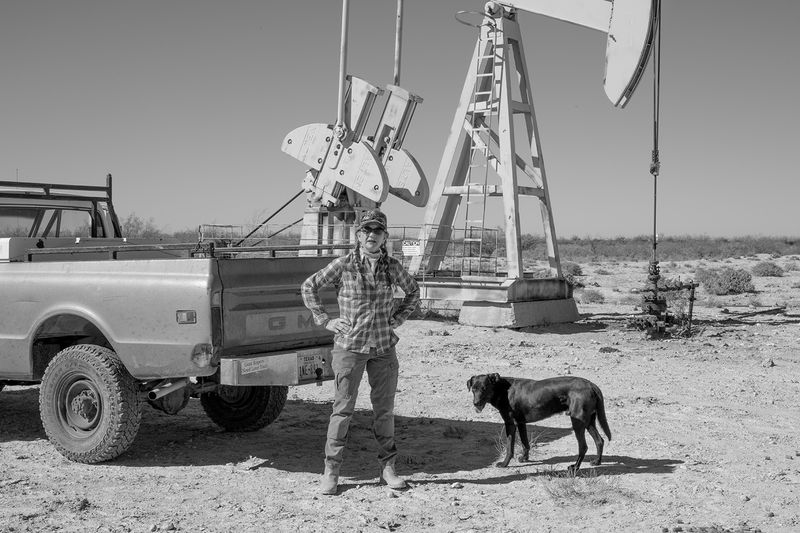
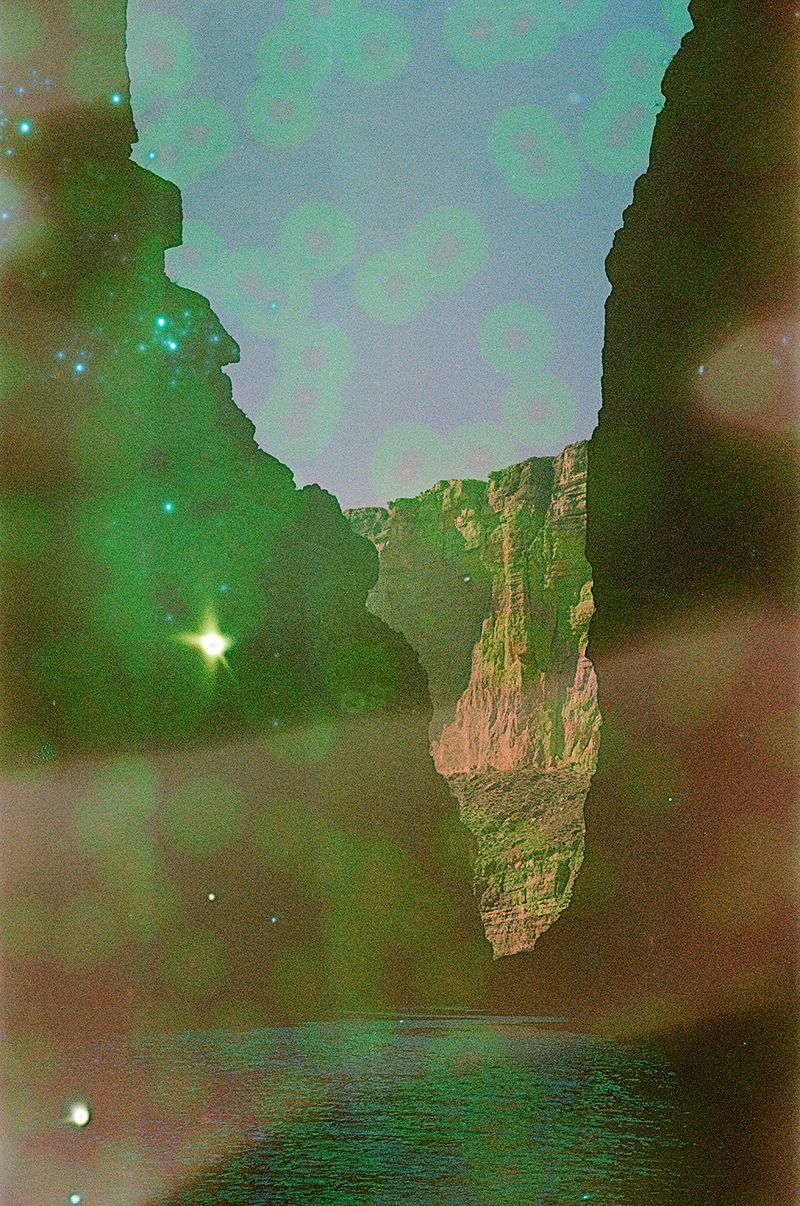
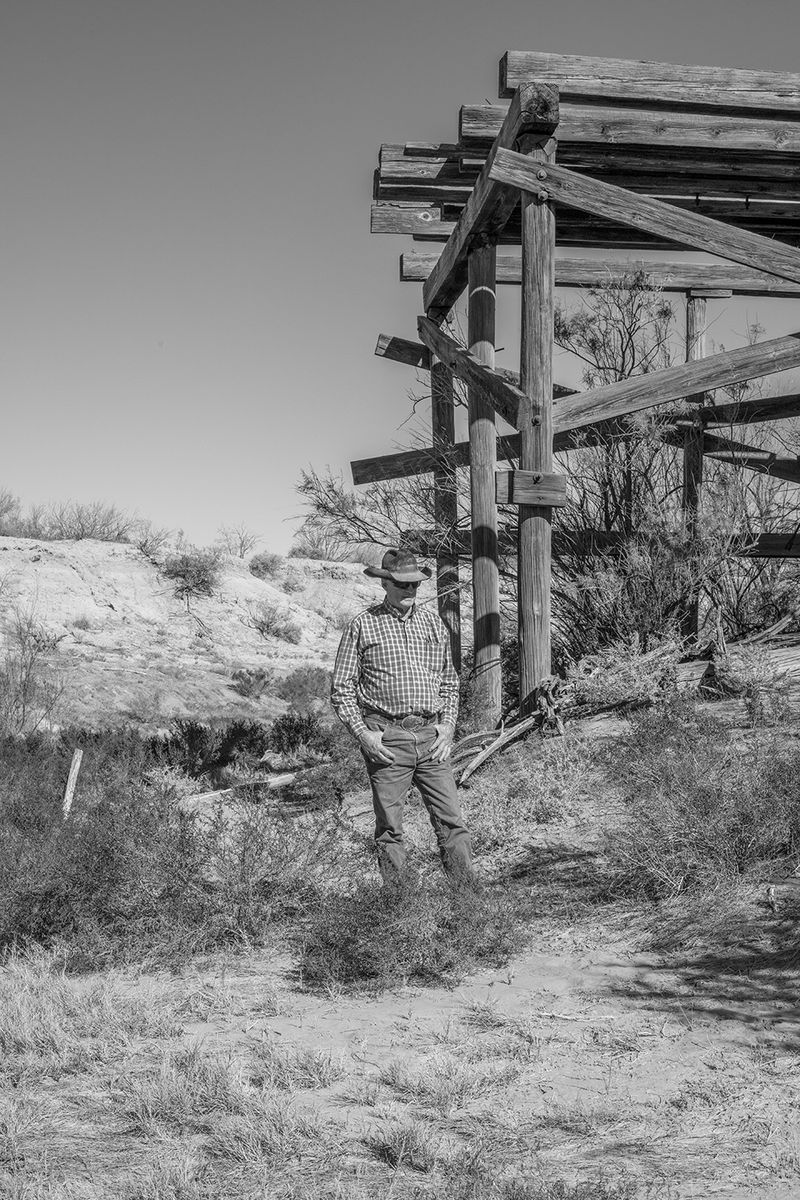
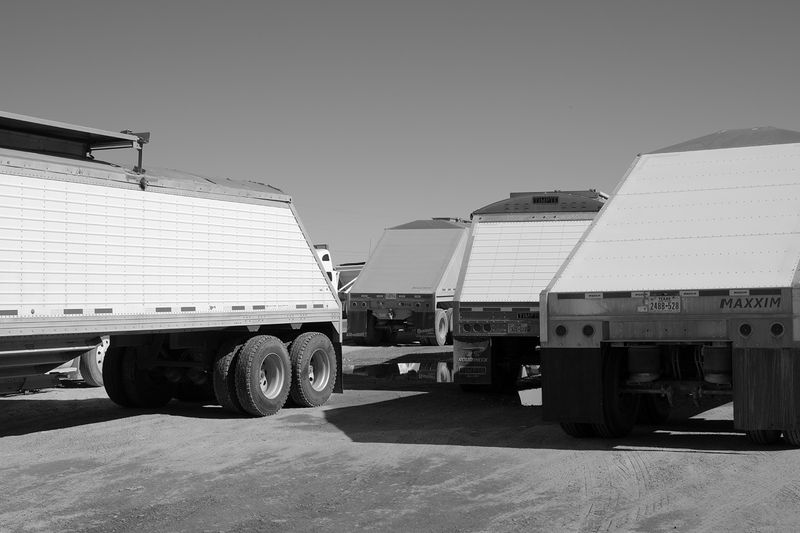
At the end of this year, I spent five weeks around the small town of Marfa, where I met a rancher deeply involved in changing legislation on the accountability of oil companies for orphan wells—old, unplugged oil wells that leak dirty, salty water. I discovered the extent of this pollution in the Permian Basin, and at the same time, farther south, I drove through the breathtaking landscapes of Big Bend National Park.
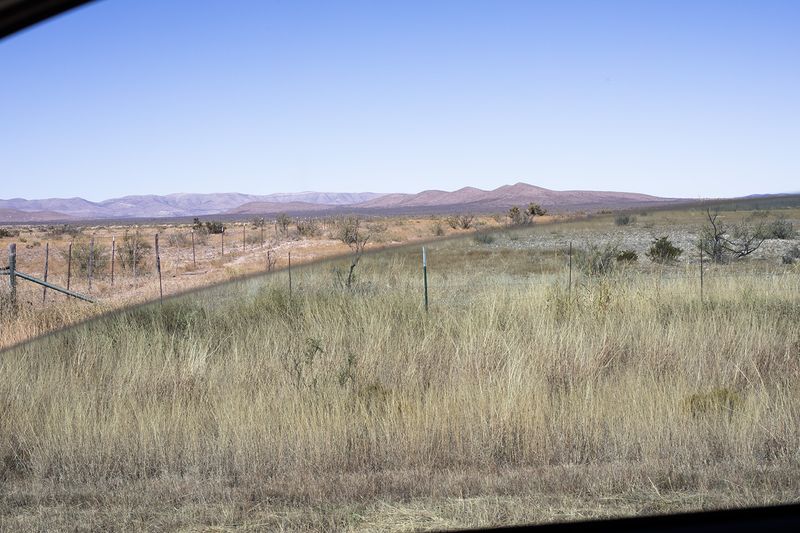
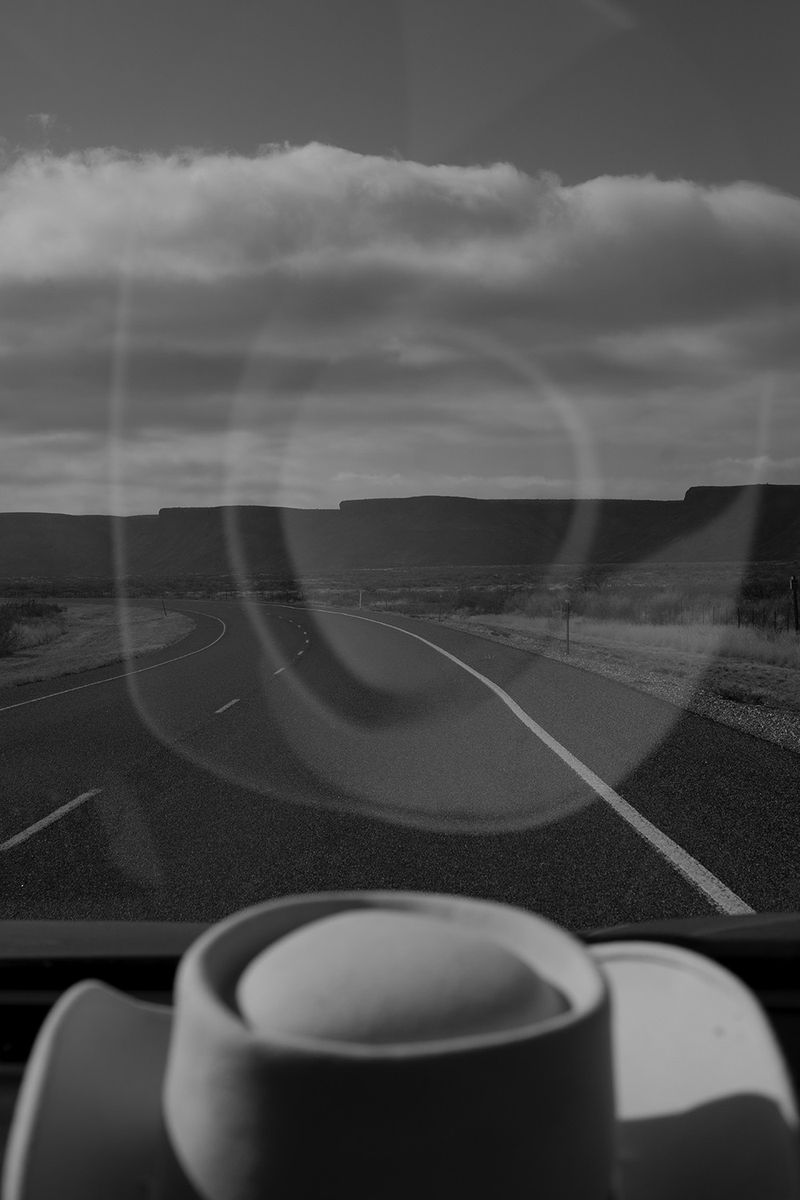
In cultural imagination, the road trip often symbolizes adventure and freedom, inviting us to see the landscape as a vast, open frontier. Yet, the car window, while framing the view, also distances us from it. It transforms the outside world into a series of fleeting images, suggesting that while we may physically traverse the landscape, we remain separate from its full sensory experience.
In my work, I’m driven by liminal spaces, so I quickly began reflecting on the road, the mythology of the road trip, and how I could make visible the exchanges and destruction inflicted on the land to satisfy our desire for elsewhere. How could I subvert the beautiful images of American highways to incorporate the disaster they entail?
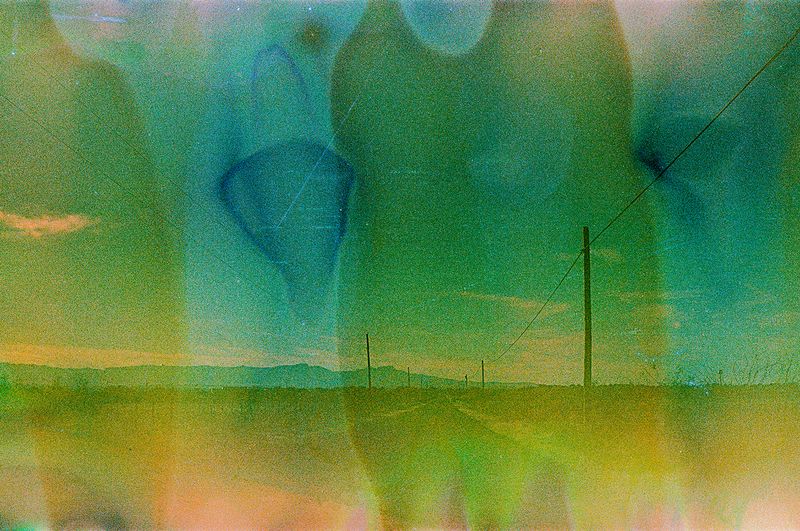
At first, I focused on making the car visible in every landscape photo—a window edge, a shadow, a rearview mirror, a presence that invades the space. Back in France, I also wanted to weave together road images to create the idea of exchange. Asphalt represents the contamination of the environment by oil—a visible scar that the film industry and the Beat Generation have transformed into a promise of self-discovery.
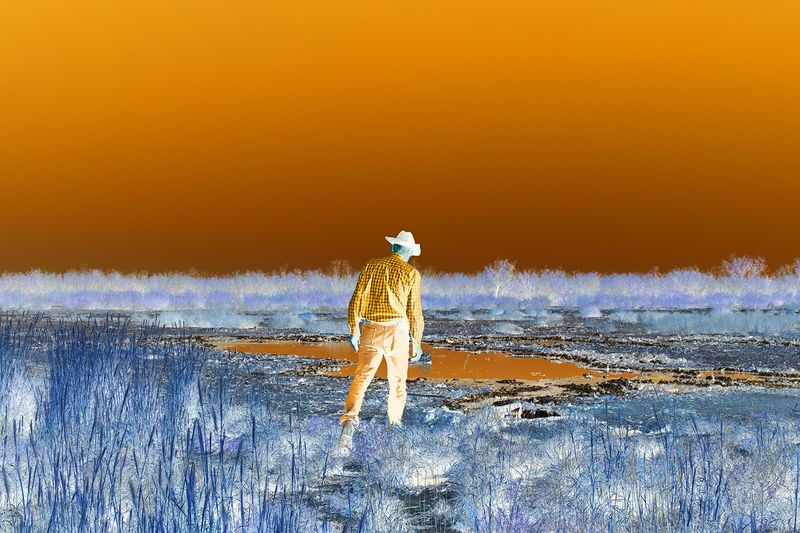
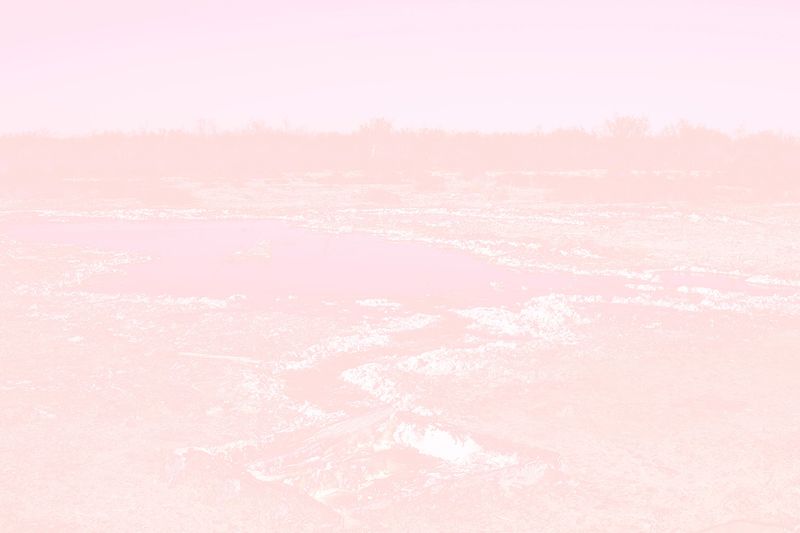
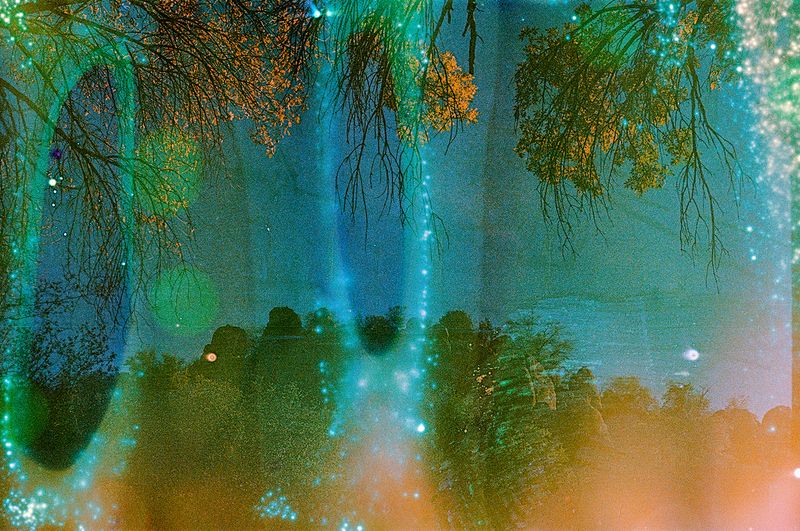
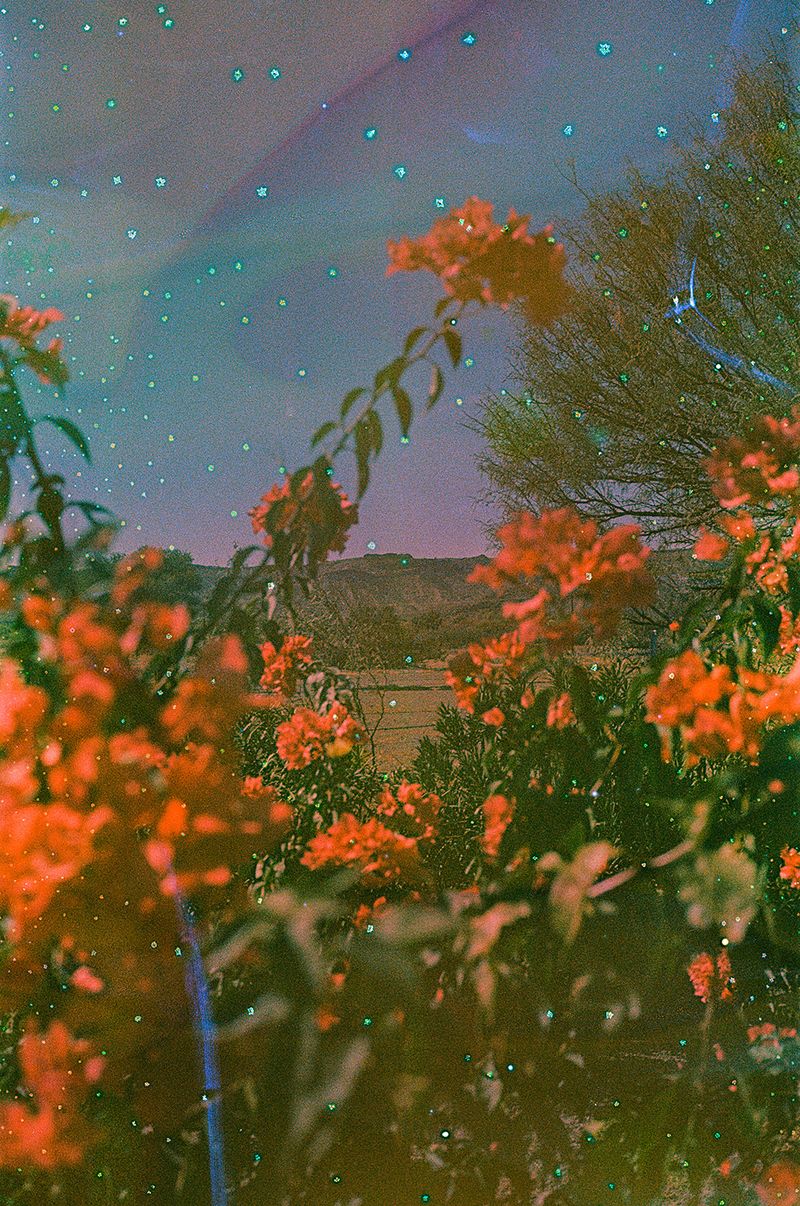
Then I discovered northern Texas with the rancher, who took me to his land and, like Tarkovsky’s Stalker, showed me the mutilated and polluted landscapes. He collected for me a sample of water used in shale gas production, which I used to immerse my film rolls. The water, being highly polluted, caused the images to fade rapidly. Suddenly, the destruction of the landscape by cars and fossil fuels became visibly real.