The Place Where I Used To Play...
-
Dates2022 - Ongoing
-
Author
- Location Dhaka, Bangladesh
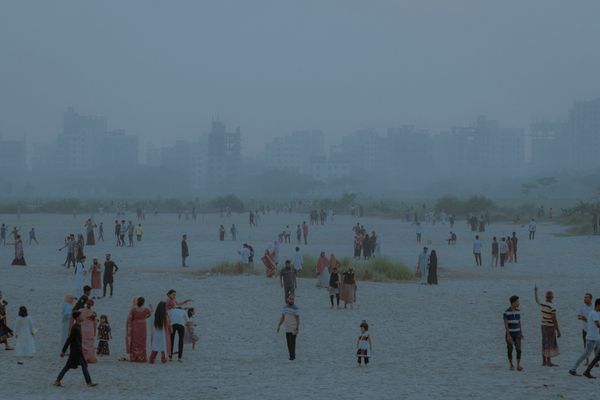
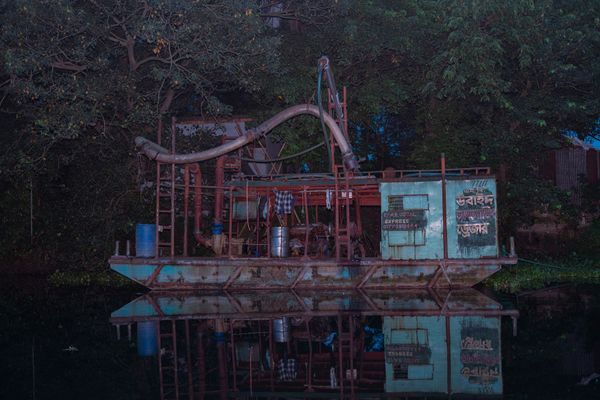
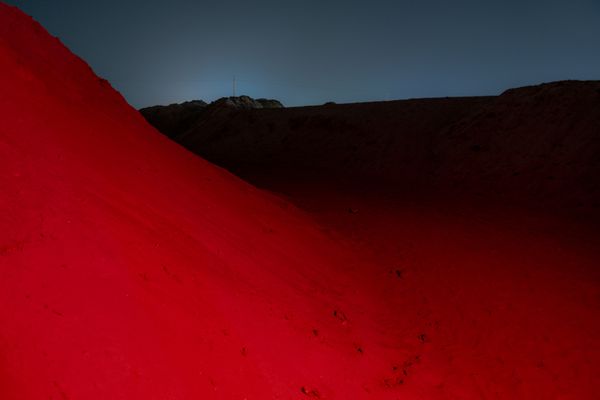
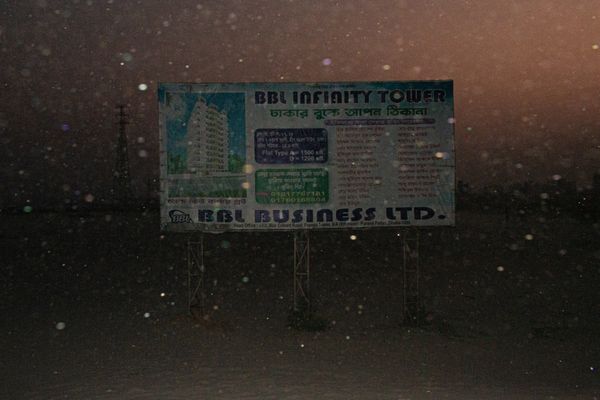
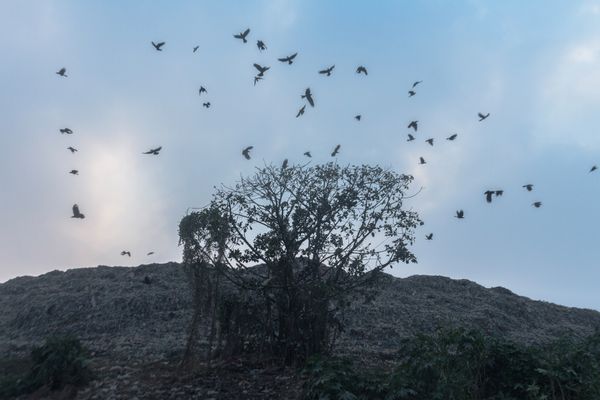
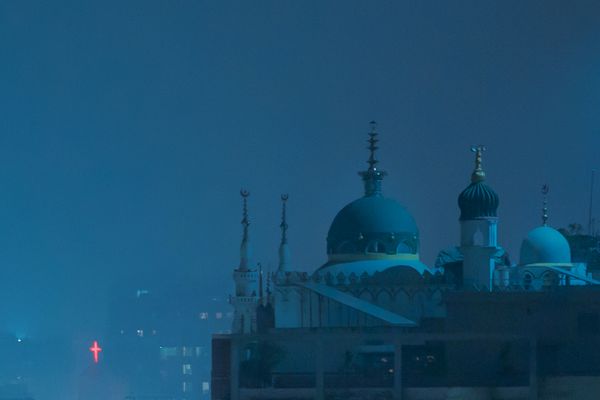
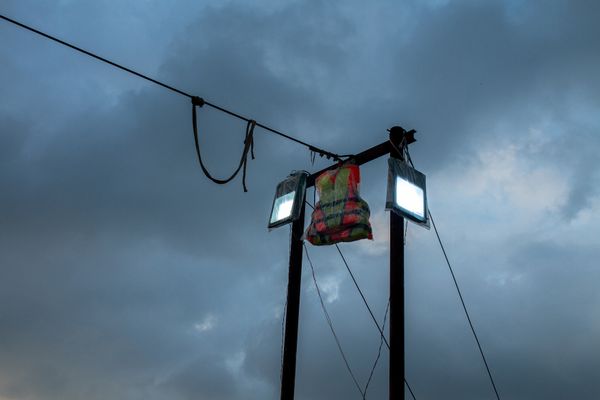
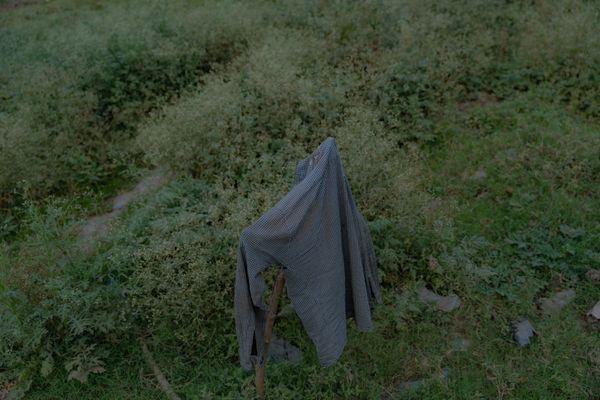
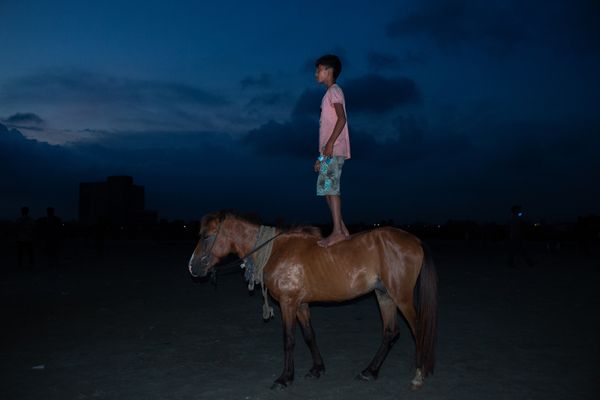
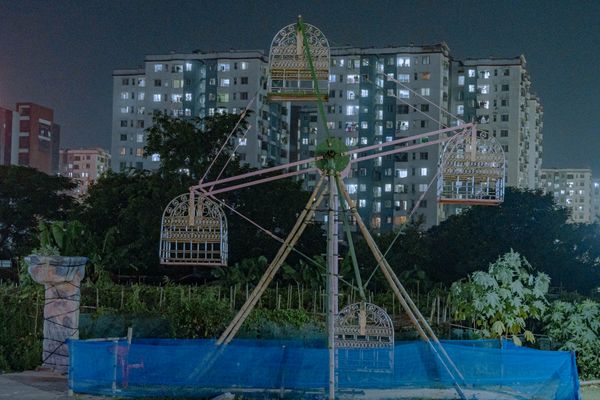
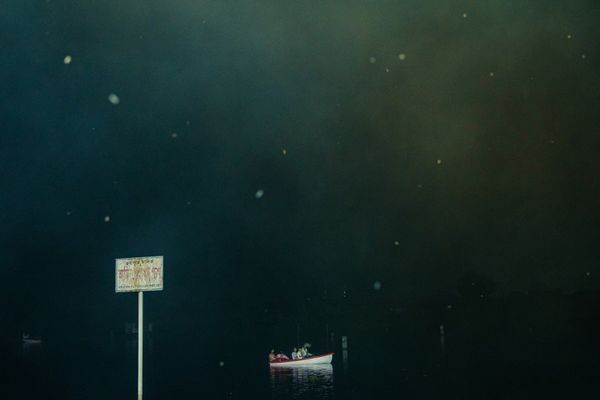
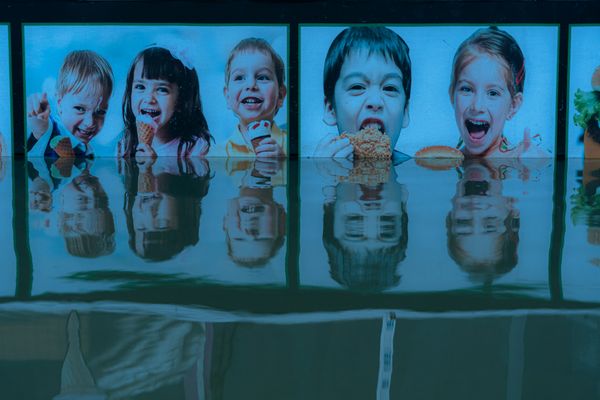
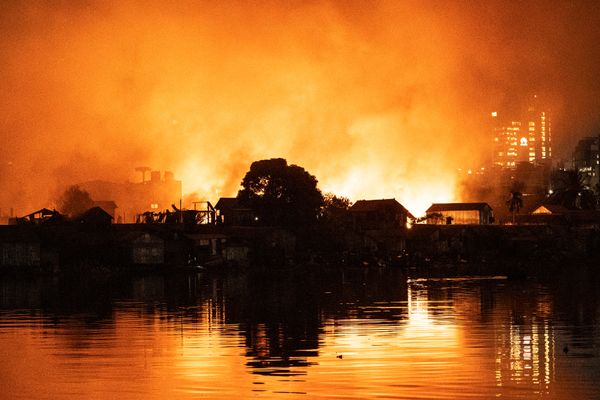
The Place Where I Used to Play explores the human and environmental costs of rapid urbanization in Dhaka, Bangladesh. Through a surreal documentary lens, it captures disappearing landscapes and fading communities, questioning the true meaning of progress.
“What is the city but the people?” — William Shakespeare.
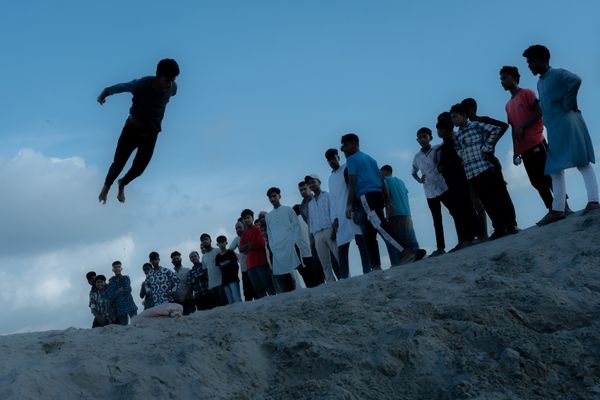
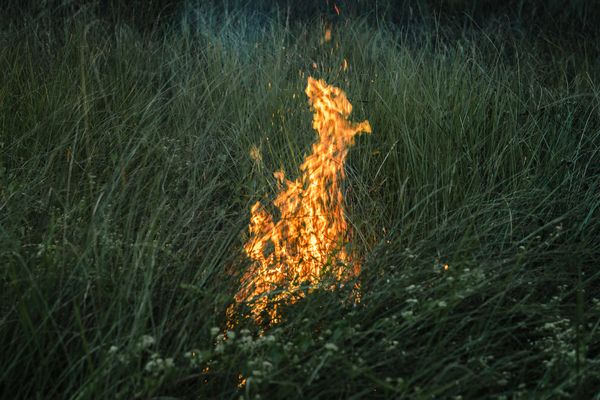
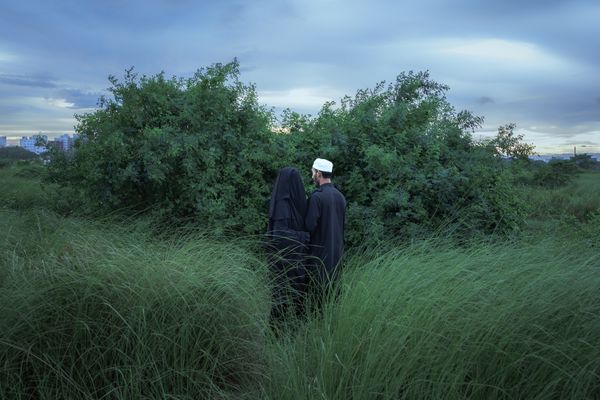
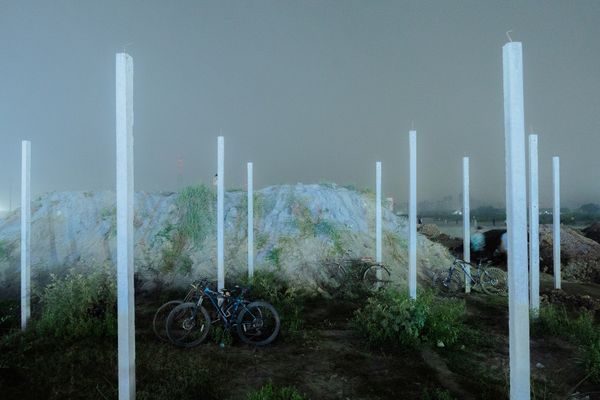
I often return, in memory, to Green Model Town, on the edge of Dhaka, Bangladesh, where I swam in a canal that flowed into the Balu River, and we played under wide trees, sharing laughter that echoed through the fields. The river is a cracked canal, fields are covered by concrete, and the trees—the silent witnesses of my childhood—have nearly vanished. The grief and nostalgia I feel toward this disappearing landscape are shared by the people I photograph.
Urbanization is global, yet Dhaka’s transformation is a striking example of human and environmental cost. With a population now exceeding 25 million, it is among the world’s 2nd largest megacities, expanding at roughly 3–4% annually—nearly twice the current global urban growth rate of about 1.8–2%. This population is compressed into approximately 306 square kilometers, resulting in a density of over 23,000 people per square kilometer, more than 15 times the global urban average. In 1974, only 18% of Bangladeshis lived in cities; by 2050, this figure is projected to rise to around 60–65%. Migration to Dhaka is driven by both the search for opportunity and climate displacement, as loss of arable land, river erosion, flooding, and rising seas push rural families into the city.
Dhaka sits in a high-risk seismic zone—where experts warn that even a magnitude-6 to 6.5 earthquake could turn parts of Old Dhaka into a “death zone.” With an estimated 90–95% of buildings constructed without proper approval or full compliance with building codes, this project captures a city where everyday living has become a silent negotiation with danger.
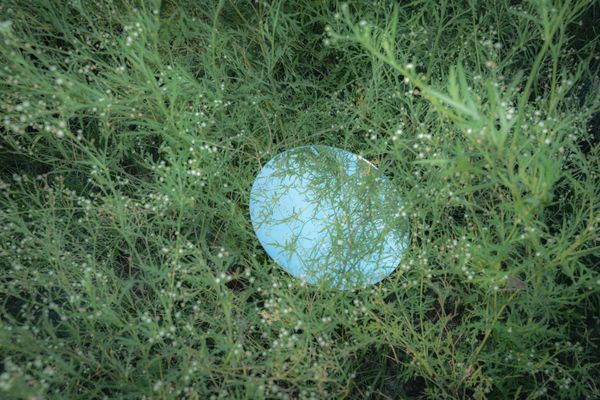
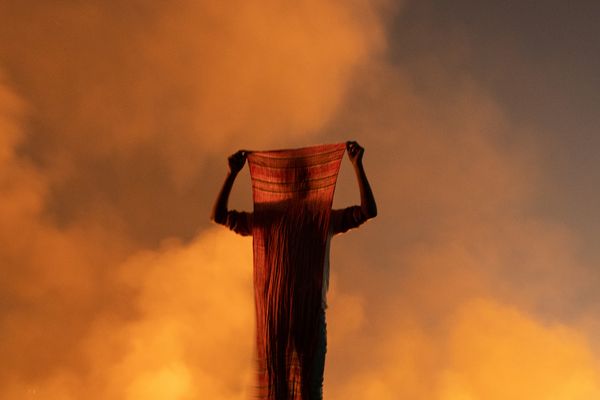
For the past three years, I’ve self-funded this project, building trust within communities and staying close as change unfolds. I’ve spent years walking the same lanes, photographing not just what’s being built—but what’s being buried. As an artist shaped by this landscape, I see myself as both participant and witness—carrying memory while confronting its erasure. My dreamy, surreal style evokes loss rather than simply showing it. Alongside photographs, I collect oral histories, ambient sounds, and fragments of memory, layering them with recorded voices, water, wind, and silences that speak of absence. This blending of mediums moves documentary beyond fact into felt experience, capturing not only what is seen but also what is remembered and longed for.
The urgency is immediate. Each week, new construction wipes away rivers, trees, and homes. If we do not record these changes now, they will be lost to memory alone. My work asks: What does development mean if it erases the spaces that once gave us joy, belonging, and connection to nature? What do people carry forward when their landscapes disappear?
To me, photography is a form of moral witnessing. This work is not only a record of what is disappearing in Dhaka, but a mirror for cities everywhere racing toward the same fate.