The Fifth Quarter

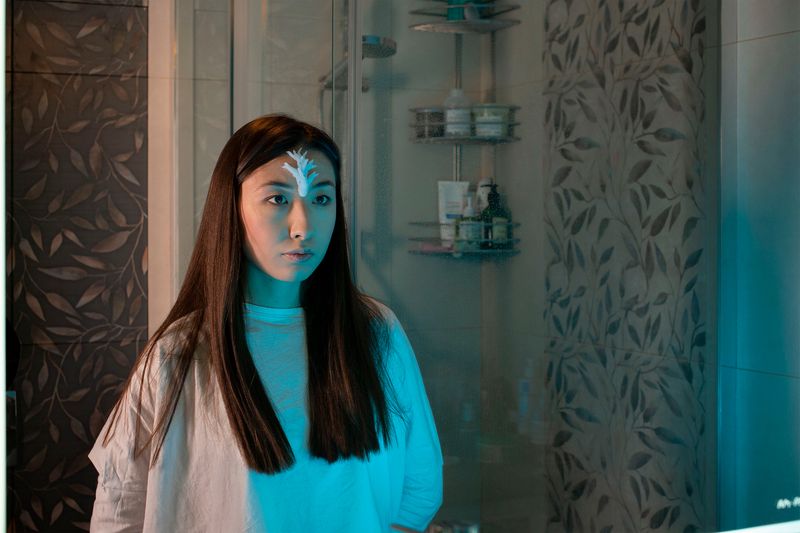
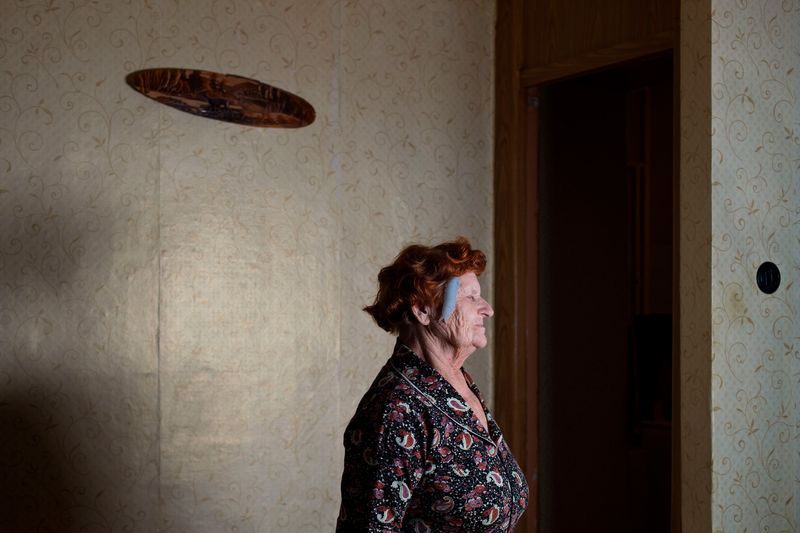
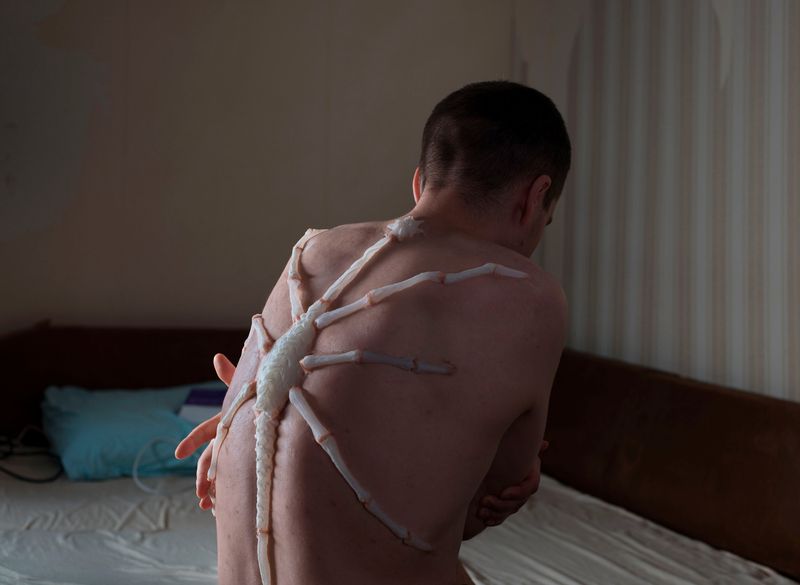
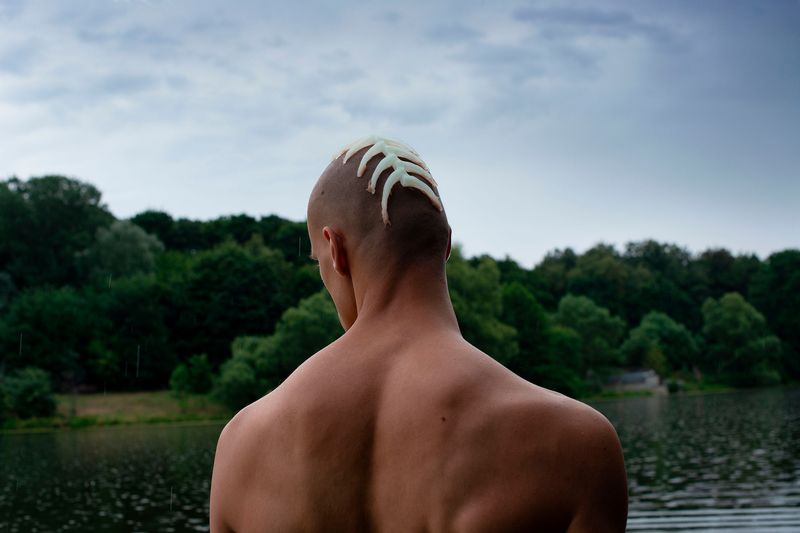
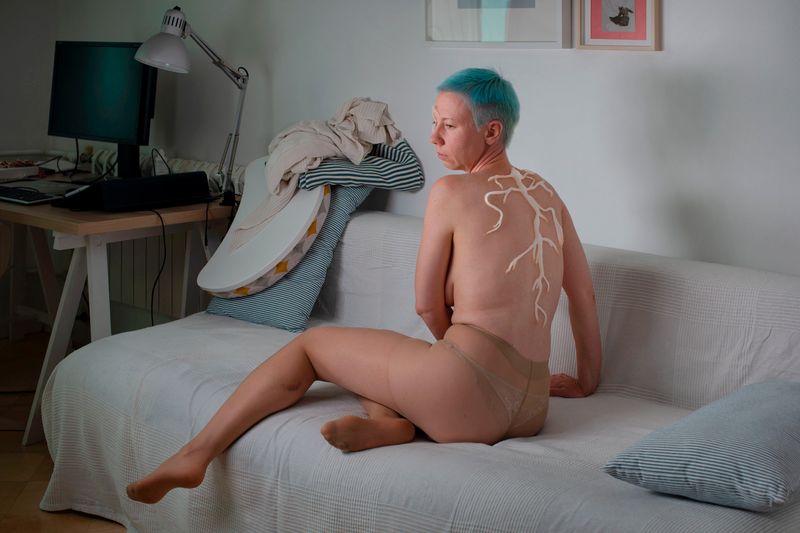
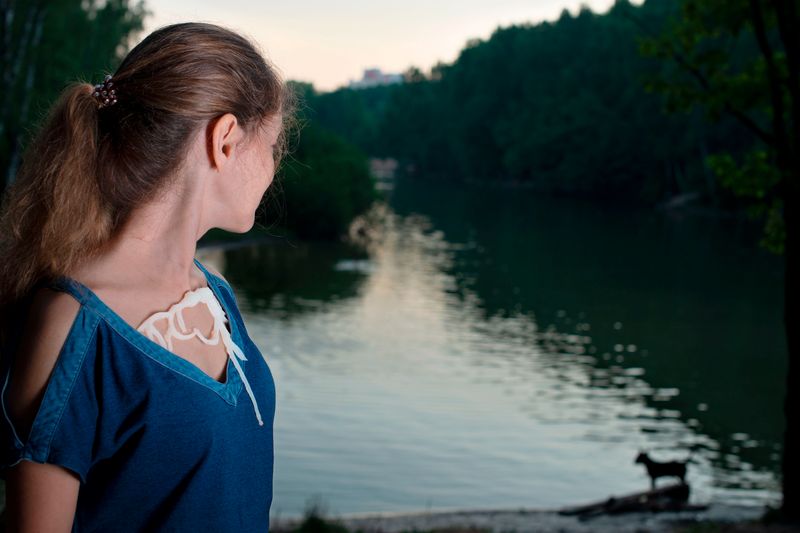
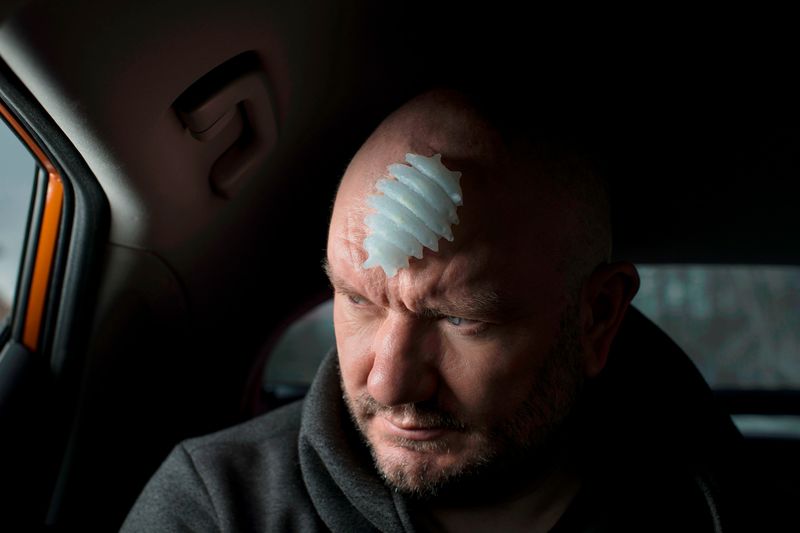
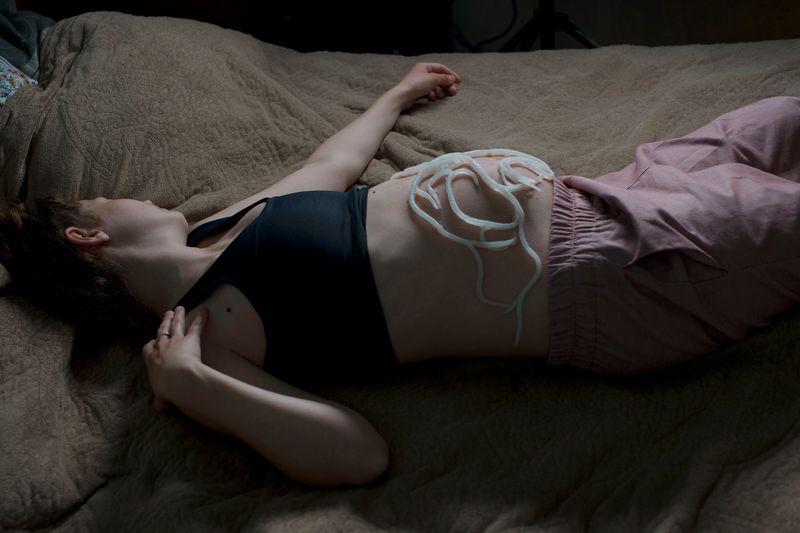
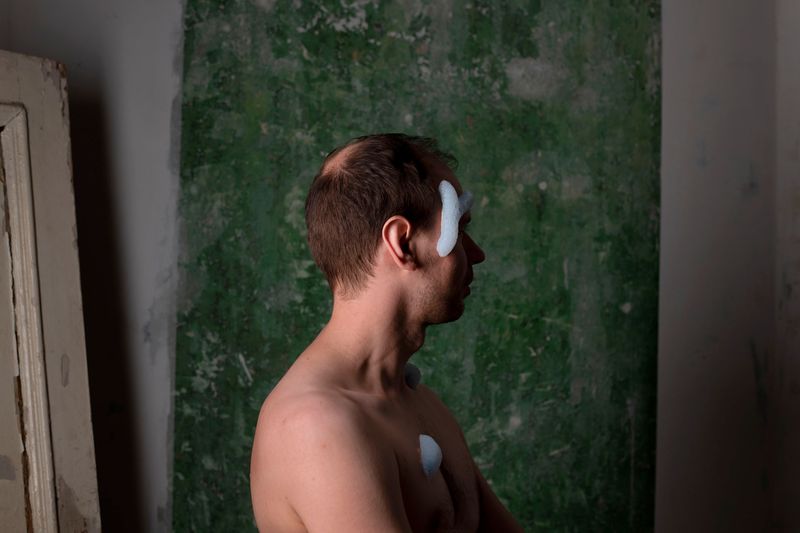
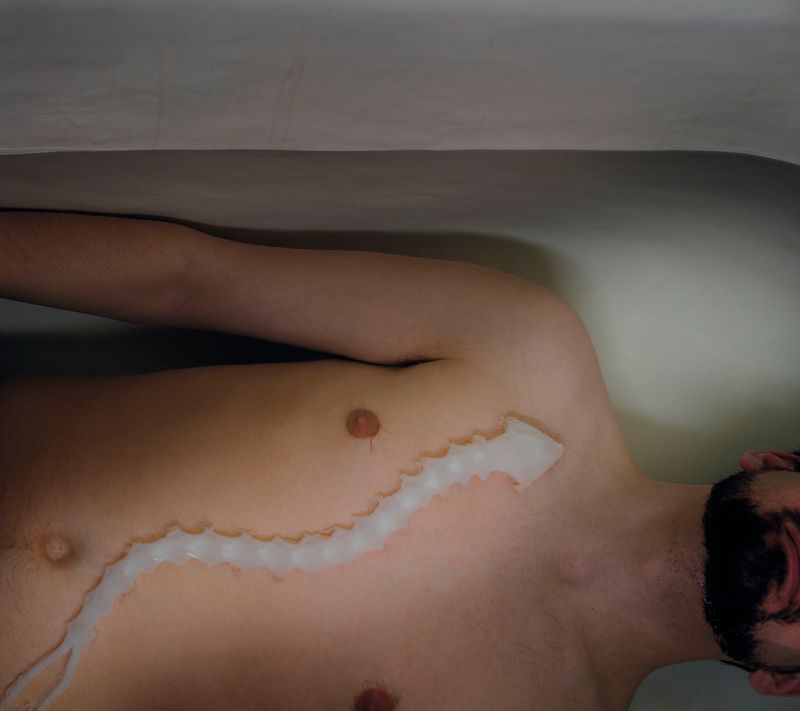
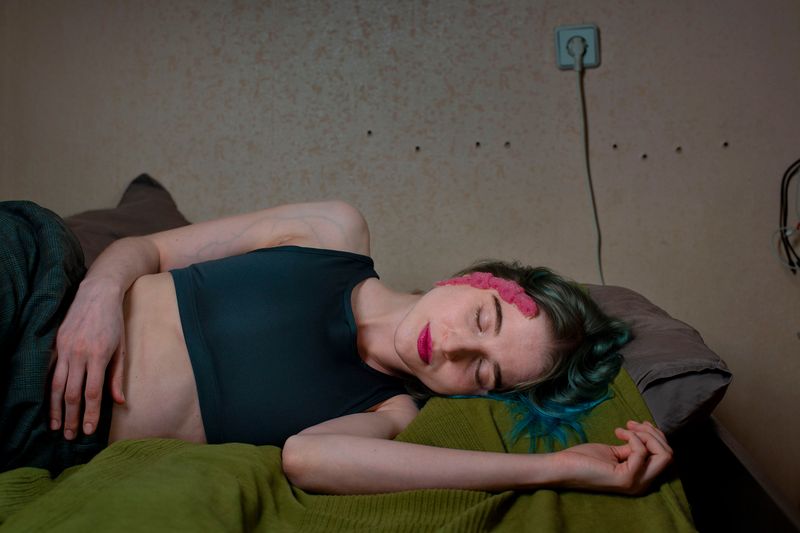
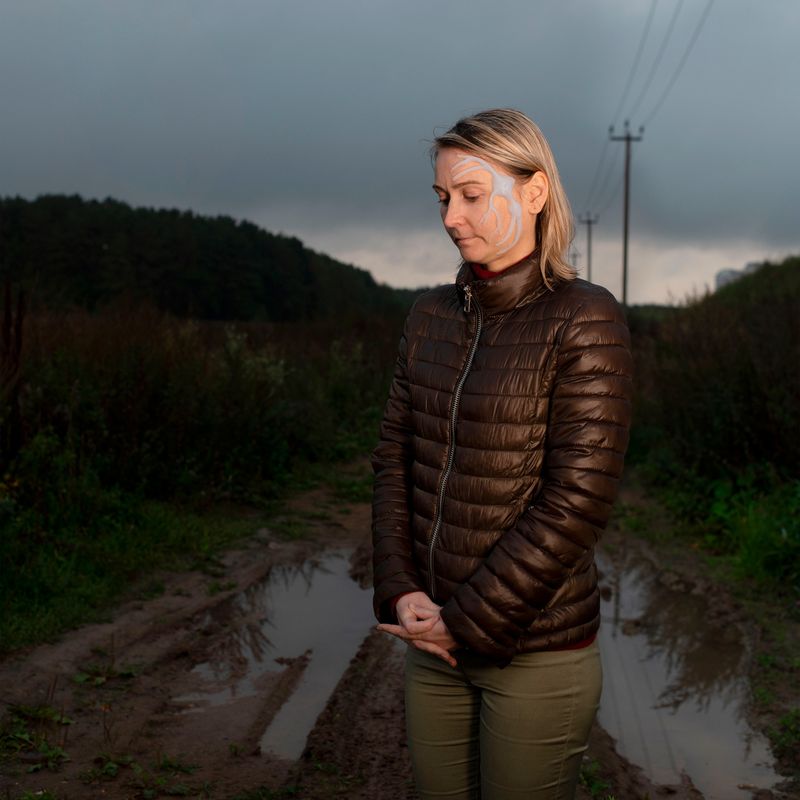
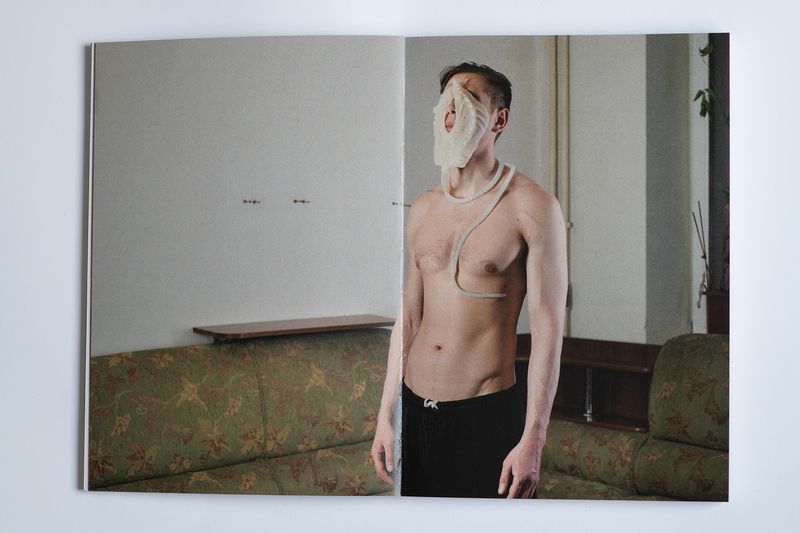
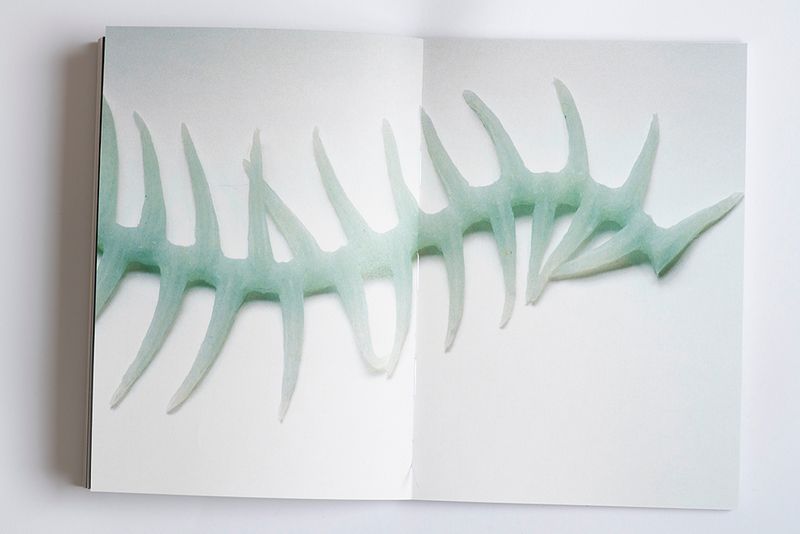
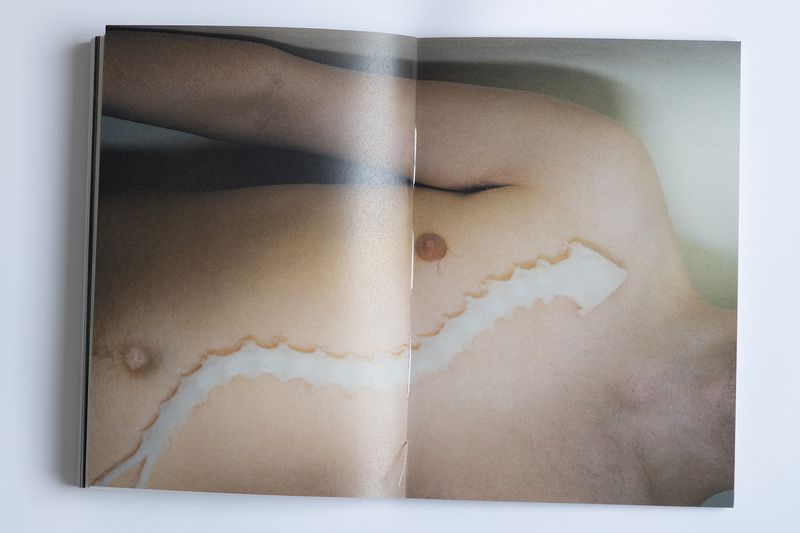
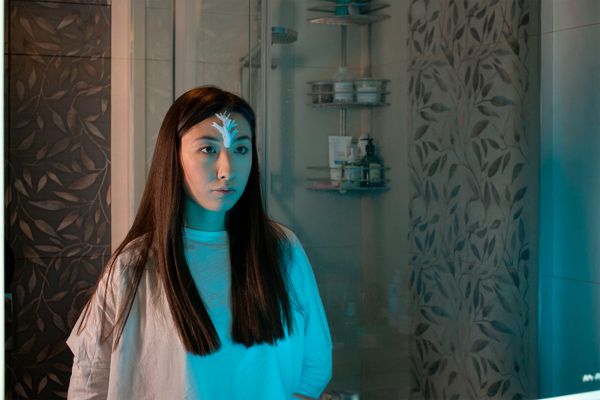
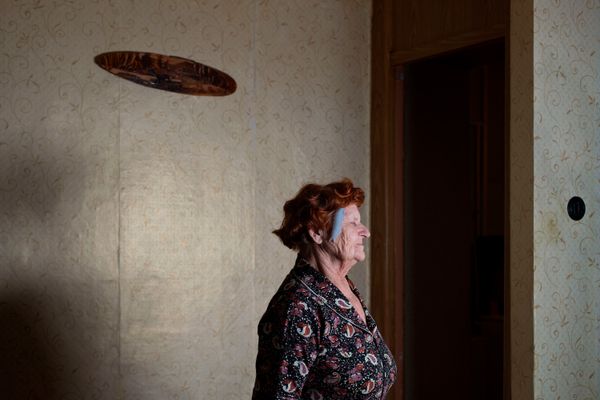
This mockumentary-style work explores a future where bioengineering alters human nature. What will happen when we abandon evolution and create semi-living beings? Who will use whom — us them, or them us?

The Fifth Quarter

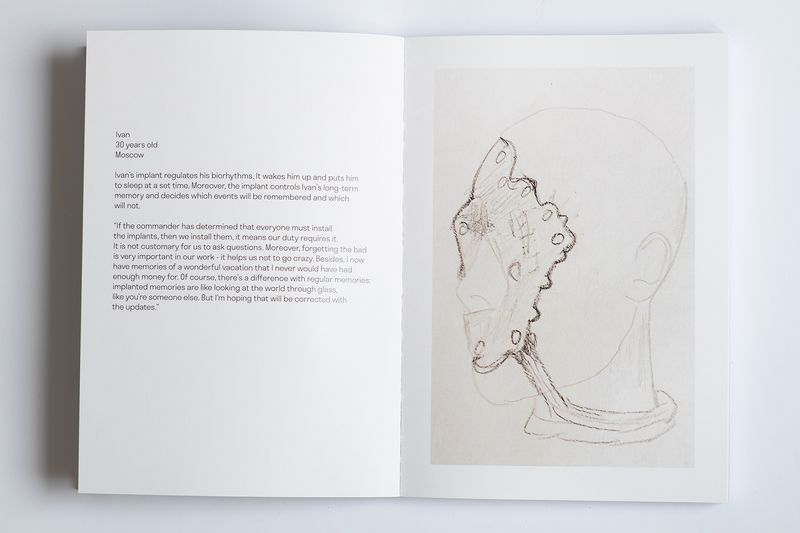
The work is made in the genre of mockumentary. Each hero of the series has his own story and all the stories are put together in a huge puzzle - the supposed history of the future.

Now bioengineering has become one of the most promising areas of science: - Biomimicry; - Bionics; - Biomimetics; - Neuroimplantation. But any technological progress is connected with changes in the social order and in social relations. Even now it is impossible to hide from progress and we have no choice, we just accept the rules of the game. In the paper we consider what will happen to humanity, the moment we change our nature and can abandon the Darwinian revolution. Ethical questions will arise: Do we have the right to create half-living creatures and use them for our own purposes? And who is using whom now, we them or they us? How will improved humans treat those humans who didn't agree to it, perhaps the way we now treat animals? And what kind of world will it be after Homo Sapiens?

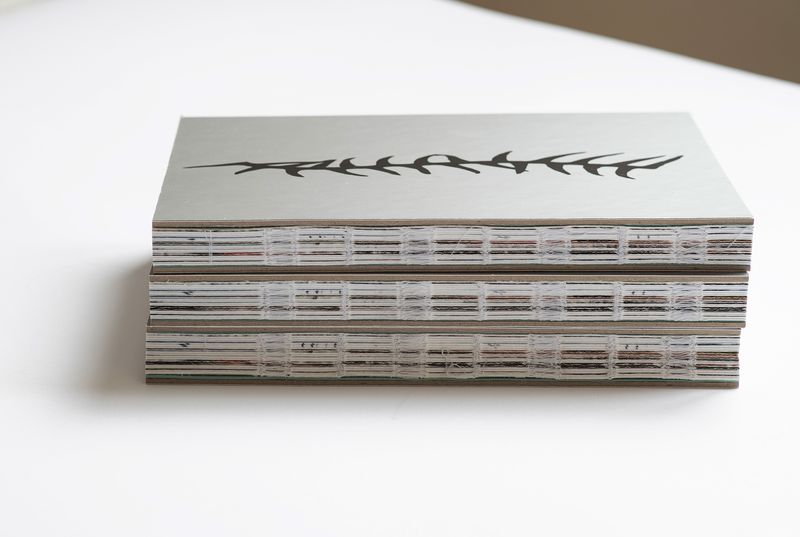
hardcover

148x210 mm

paper inside the block: Munken Lynx Rough 150 g/m, back cover: Neobond Blue 200 g/m, cover: Bingakote Silver 250 g/m

typeface: Stratos Light

144 pp.

edition of 30

Printed in Alta Nova, Belgrade, 2025
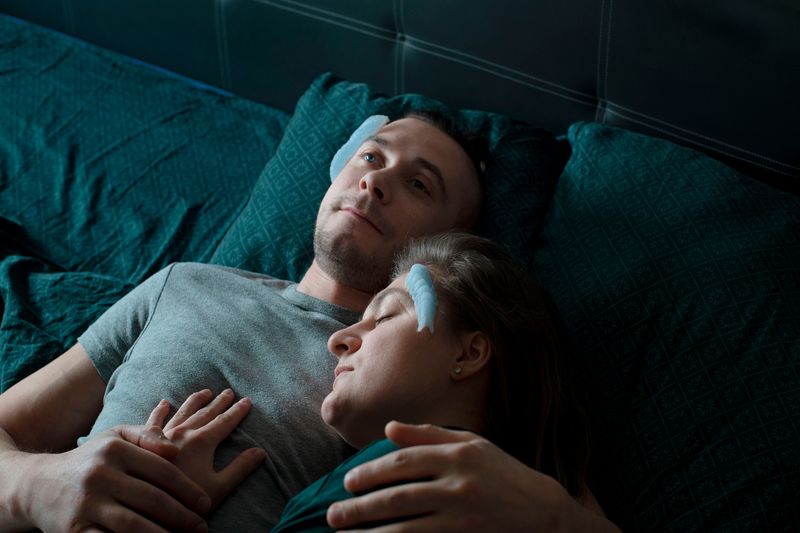
© Natalia Ershova - Image from the The Fifth Quarter photography project
i

Anastasia and Pyotr28 & 31, Moscow — Anastasia.I got the implant because everyone had one and I felt left behind — it also fixed my memory issues. Now it feels like a natural part of me, though my parents say I’ve changed. Despite rumors that Amphibia uses unethical “necrobot” materials, I don’t believe them — I’m even interviewing there because I see it as the future.

© Natalia Ershova - Image from the The Fifth Quarter photography project
i

Albina, 29, Moscow.Born after the “living revolution” into a traditional family uninterested in implants, I saved for my first at 18 after growing up labeled a “third-rater.” In school I was moved to a simplified track, denied basic privileges, and later marked “unreliable species.” Now without an implant you can’t get loans, rent housing, or live normally — everything is restricted.

© Natalia Ershova - Image from the The Fifth Quarter photography project
i

Alina, 122, MoscowHer implant monitors cells, destroys infections and mutations, and extends life indefinitely. She chose it after cancer, finding Amphibia online. Though it works, it has darkened and sometimes convulses — she keeps aging but feels unable to die.

© Natalia Ershova - Image from the The Fifth Quarter photography project
i

Artyom, 33, Moscow.The implant improves medulla function and can connect with others to read emotions. Artyom was the first volunteer — he joined after seeing an online ad from “Amphibia” offering a bonus, agreeing because he was in debt.

© Natalia Ershova - Image from the The Fifth Quarter photography project
i

Nikola, Age unknown, Moscow.People grow up believing humanity is inherently good — raised on ideals like “a real human.” But I see humans as aggressive and dangerous, reshaping the world without care. So I chose to remove nature’s flaws — even if it means we stop being Homo sapiens.

© Natalia Ershova - Image from the The Fifth Quarter photography project
i

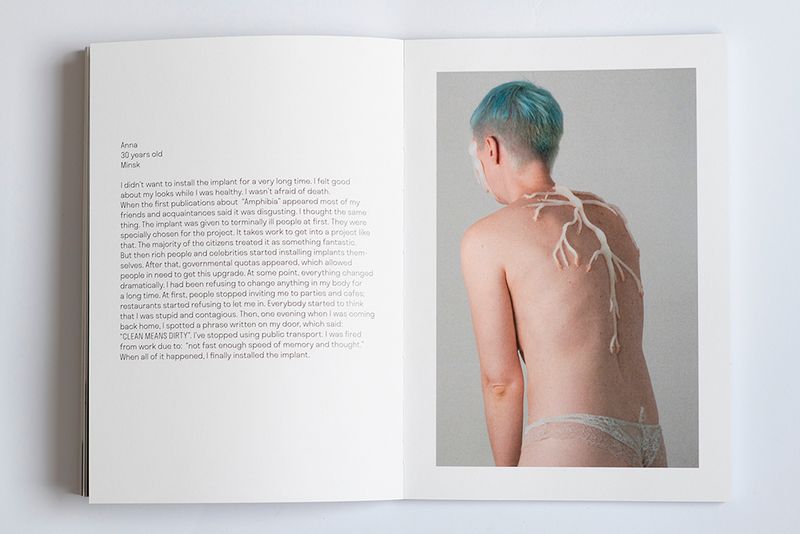
Anna, 30 years old.I resisted getting the implant for a long time — I felt fine and shared the early public disgust. At first it was only for terminal patients, then celebrities and the wealthy adopted it, and later quotas made it widespread. As society shifted, I was excluded — barred from places, mocked, fired for being “too slow,” even targeted at home. Eventually, I gave in and installed it.

© Natalia Ershova - Image from the The Fifth Quarter photography project
i

Olga, 30–35, Moscow.Olga survived a hack of her old implant but lost memories of her childhood, family, and even her name. Volunteers from Remember Everything are helping her recover. She only recalls wanting a dog, but for now refuses pets due to memory damage. Amphibia funded a new implant; if she passes tests, she can apply for a dog in six months.

© Natalia Ershova - Image from the The Fifth Quarter photography project
i

110, Moscow — Anji.His implant constantly scans for disease and slows aging, giving near-immortality. He got it through a company deal in his 40s hoping to stay healthy. Over time, fear of accidents or violence took over — he hired bodyguards, follows strict safety rituals, and now rarely leaves home. Amphibia provided the technology.

© Natalia Ershova - Image from the The Fifth Quarter photography project
i

Assol, 24, Moscow.Afraid of pregnancy and health risks, I agreed to an implant that monitors and protects the fetus. Though it frightened me at first, I grew to trust it during a difficult pregnancy and now feel safer — I even want to keep it after the birth.

© Natalia Ershova - Image from the The Fifth Quarter photography project
i

35, Moscow, Alexey.His implant, required by his employer, boosts focus and suppresses emotions so he can meet strict efficiency standards; those who refused were fired. Reflecting on The Terminator, he believes the real danger isn’t technology itself but how people depend on it — and that implants may be as unavoidable as electricity.

© Natalia Ershova - Image from the The Fifth Quarter photography project
i

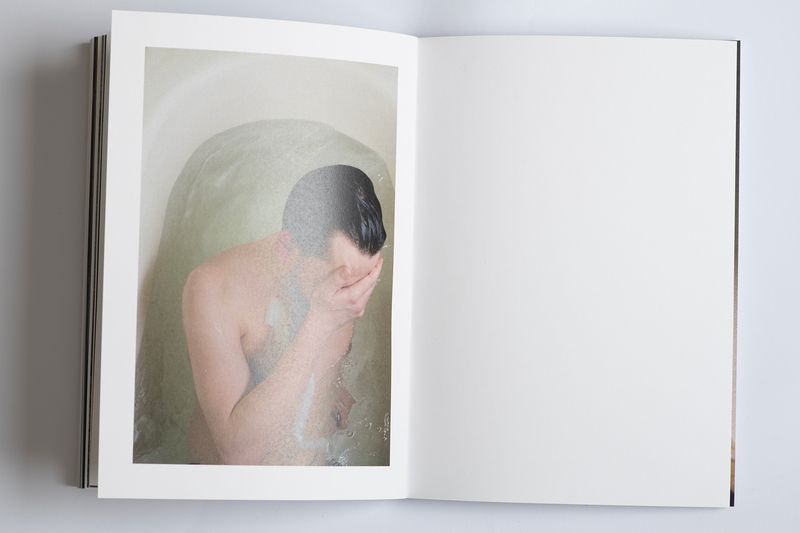
Daniil, 35, Saint Petersburg.My implant boosts strength and stamina, suppresses fatigue, and connects me to an “immersion game.” After replacing it with a cheap one, it began controlling everything — games, meals, sleep, heart rate. Doctors say I can’t live without it, but I can’t afford a certified one; warm water calms it enough to talk.

© Natalia Ershova - Image from the The Fifth Quarter photography project
i

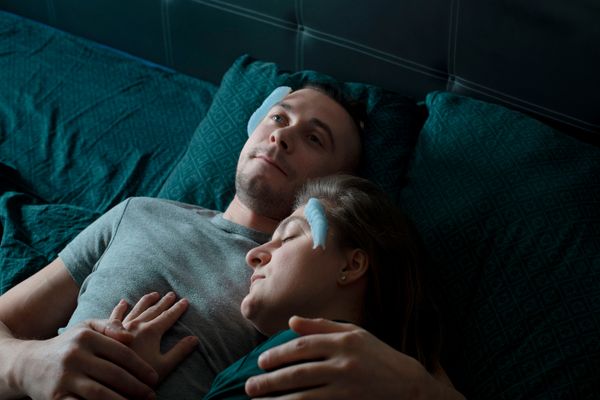
Aurora, 30, Moscow.I struggled with insomnia and took pills until I got an implant — a creature I could customize. It worked at first, but after an incident at a concert, it now enforces a strict sleep schedule. I can’t negotiate with it and must choose between disabling it or using other pills to override it.

© Natalia Ershova - Image from the The Fifth Quarter photography project
i

Olesya, 35 years oldTambov district,Sosnovka villageOlesya was one of “Amphibia’s” key scientists. She was with the company from the beginning but resigned after the product was released to the market. Now she lives a hermit-style life in the Tambov district. She refused to answer any questions after finding out I was a journalist.

© Natalia Ershova - photo book spine
i

photo book spine

© Natalia Ershova - photo book spread
i

photo book spread

© Natalia Ershova - photo book spread
i

photo book spread

© Natalia Ershova - photo book spread
i

photo book spread

© Natalia Ershova - photo book spread
i

photo book spread

© Natalia Ershova - photo book spread
i

photo book spread

© Natalia Ershova - photo book spread
i

photo book spread