The Education I Never Had
-
Dates2019 - 2019
-
Author
- Topics Portrait, Documentary
- Location India
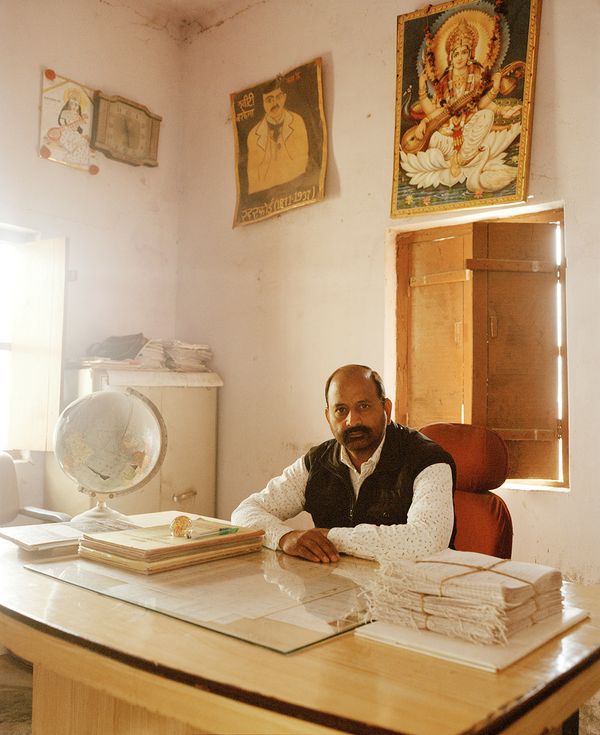
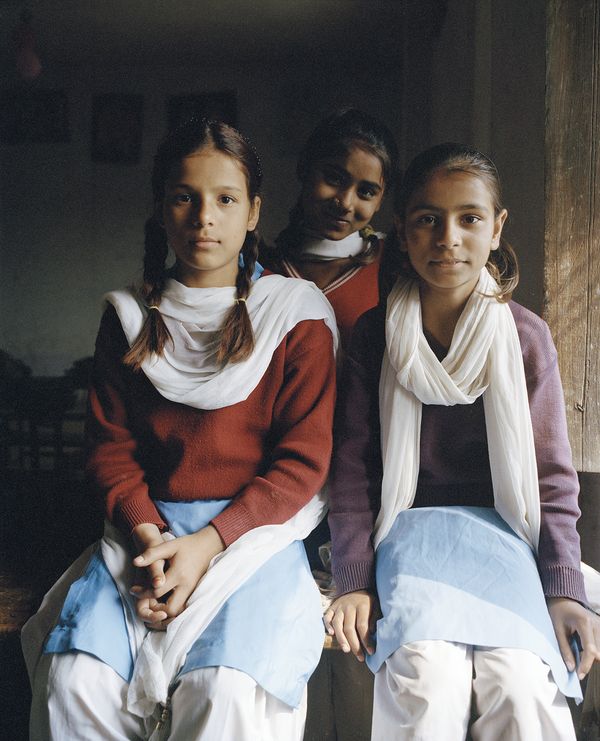
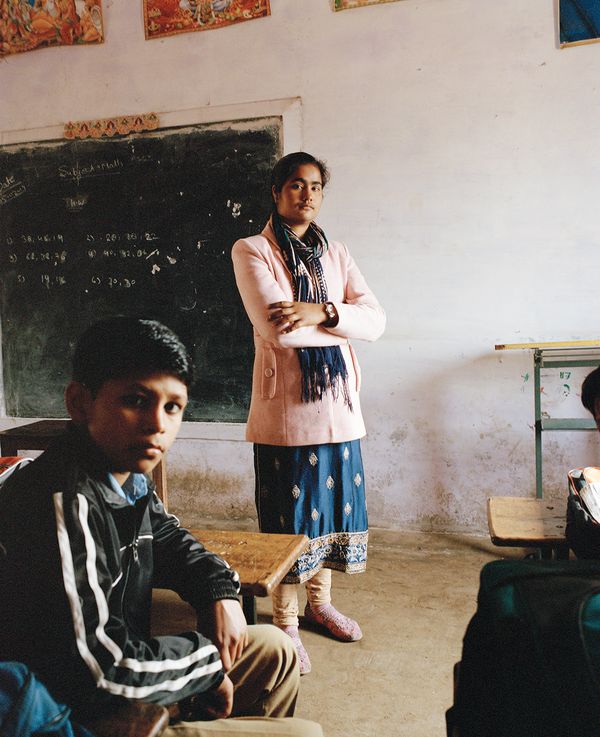
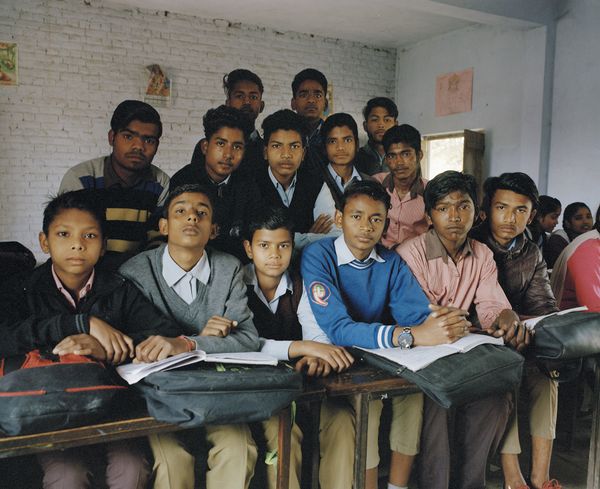
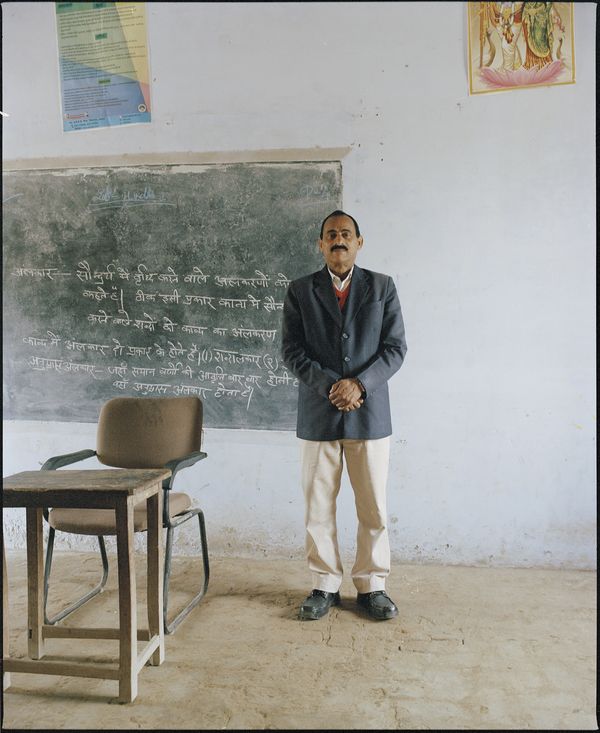
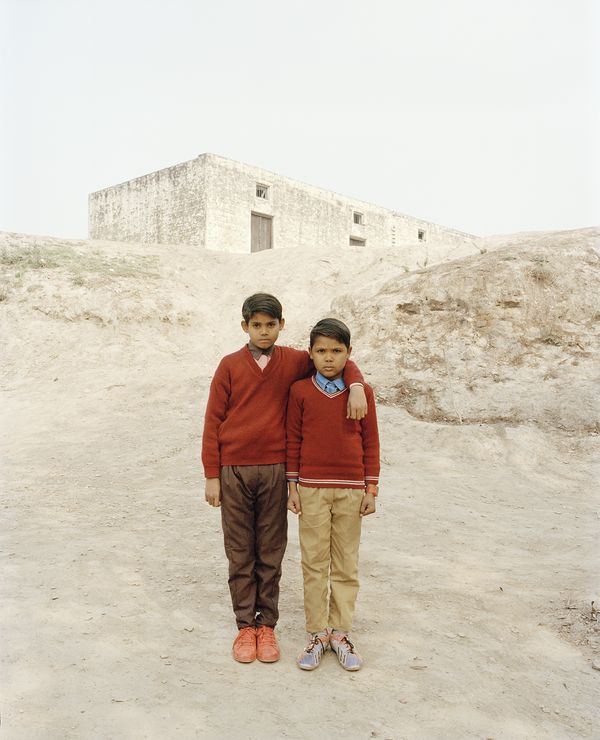
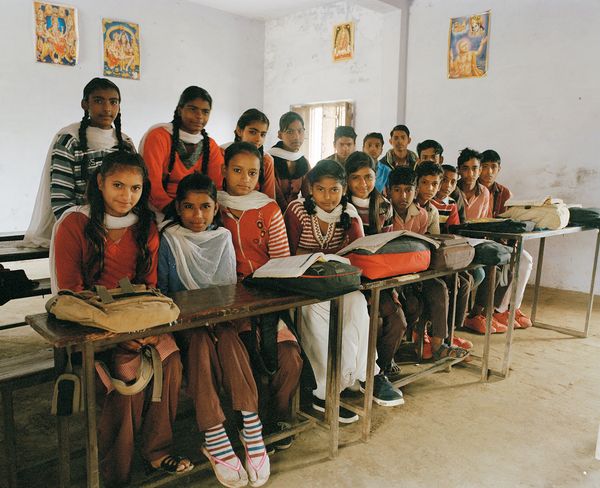
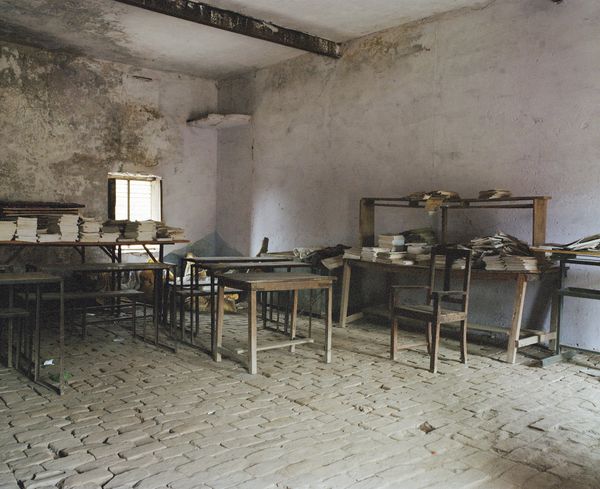
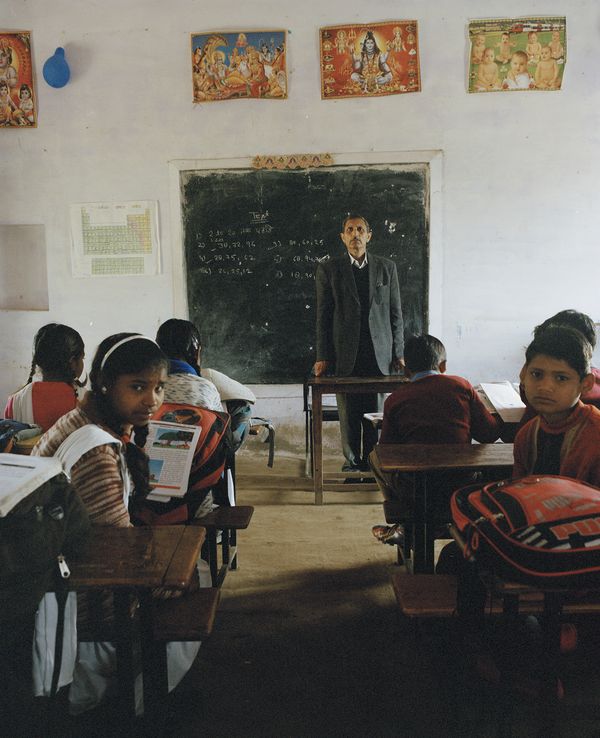
These photos represent my family - every member of it having been educated in a school like this, except for me. ‘The Education I Never Had' is a reflection of what could have been and a deeply personal tribute to my father’s sacrifices and enduring love.
At the time of photographing this project - The Education I Never Had - in 2019, for 35 years, throughout the course of my entire life, my father had been a schoolteacher at a government school in rural Uttar Pradesh, one of the poorest states in India. Until February of that year, I had never once been to his school. Only when I told him that I wanted to see where he went for work before he retired the following year, did he begrudgingly arrange a visit. Perhaps he didn’t want two worlds poles apart, to come face to face.
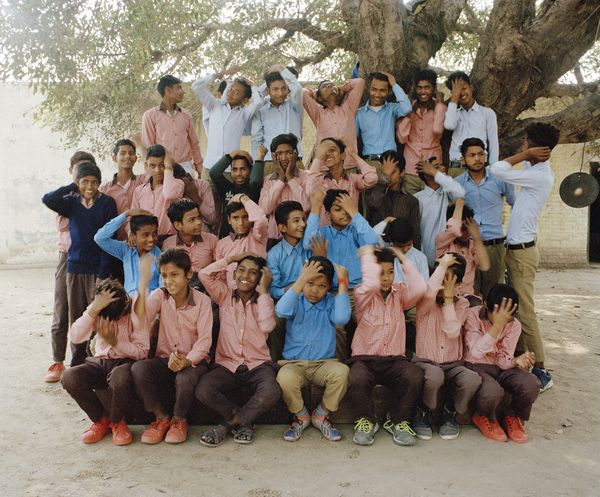
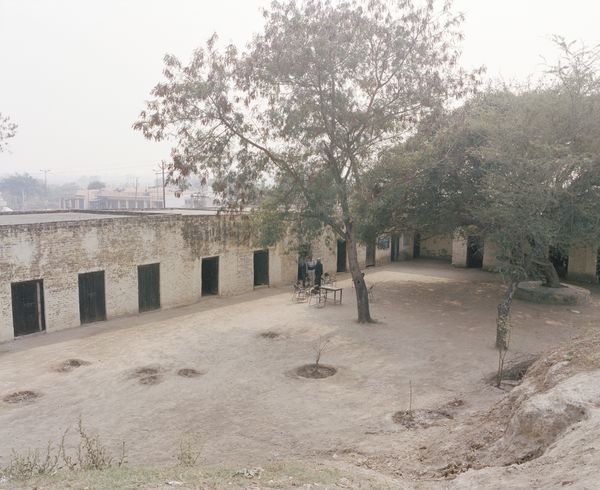
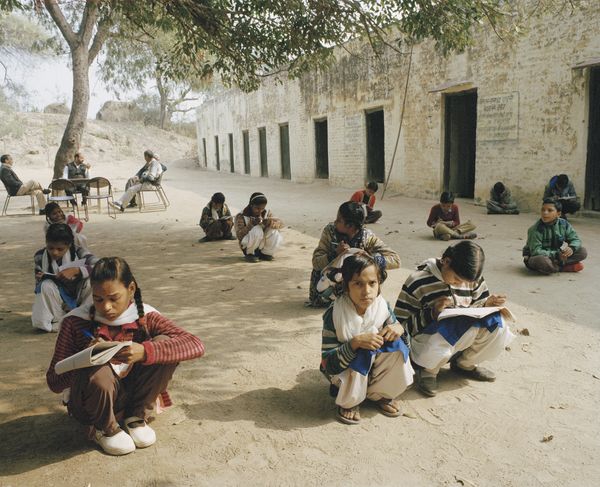
My father is the son of a farmer, the youngest of six children who survived infancy. The school in which he worked had no electricity and in the hot summer months, classes were held under a large Ficus tree. In the spring, during examination season, I marvelled as I watched him write results in large exam ledgers. When he finished, he rolled the ledgers, which look as if they'd survived the Victorian Era.
My father was 25 when he was arranged into a marriage with my mother, who was only 16. Less than a year later, I was born. By the time I was three-years-old, my father had sent me to an elite boarding school in the Himalayan foothills, not because he did not love me, but because he wanted a better life for me than what he had for himself, a better life than the children at the village school where he taught. He sold most of his share of ancestral property and took out massive bank loans.
For the 1980s, my father was incredibly progressive and forward-thinking. He and my mother had no other children, as they knew they could not afford this kind of education for more than one child. Really, they could not afford it for me either. They lived in a one-room shack for eighteen years while I played cricket and basketball, and studied physics with the sons of diplomats, industrialists, and movie stars.
Recently, on the Indian festival of Holi, I received a phone call from my cousin, who still lives in my father’s ancestral village with his mother and father, as well as his wife and two kids. He was drunk when he called. He asked about my life in the UK, and he lamented about our other cousin who has been missing, along with his family, since we were children. When we hung up the call, I knew I could have been him.
The children in these images are beautiful, playful, diverse—simply, they are human. Yet, their intellect and talents may never fully be expressed as they are also poor. These children and teachers represent my family, and the school their material condition—every member of it having been educated in a place like this… except for me.
There is a cliché about being a photographer—that they are both part of and yet, inherently separate from what they are photographing. Photographing my father’s school, I felt deeply part of the scene. His meagre government teaching salary somehow, against the odds, provided me with an extraordinary life—one in which I became an artist (a profession my parents still do not understand), and moved abroad (perhaps the hardest of all for them to accept). This government school is the India I came home to during school holidays, while my classmates went on lavish vacations to Dubai and America. Of course, I never told my classmates that my father taught in a government school. To avoid being bullied about my impoverished background, I lied and told them he was a teacher in Delhi Public School, which was far more respectable. Photographing at his school, I knew it was both my India and not at all my India.
Despite being quite a simple man, my father knew there was more to the world—beyond dirt-floor classrooms and decades-old textbooks. He wanted me to find what was out there, even though it meant that I would leave him behind, time and again. Yet, as in most journeys, there is a return, and after seeing so much of the world, really, what I wanted most was to come back to him, to know him and his life, to understand his sacrifices and his enduring love for me.