The Dual Gaze of the Moon

-
Dates2022 - Ongoing
-
Author
- Location Japan
The moon was once a sacred mediator—shaping time, harvest, and collective life. Now it is mapped, measured, and claimed. Can sensation recover what abstraction has taken? This project asks whether we might find our way back.
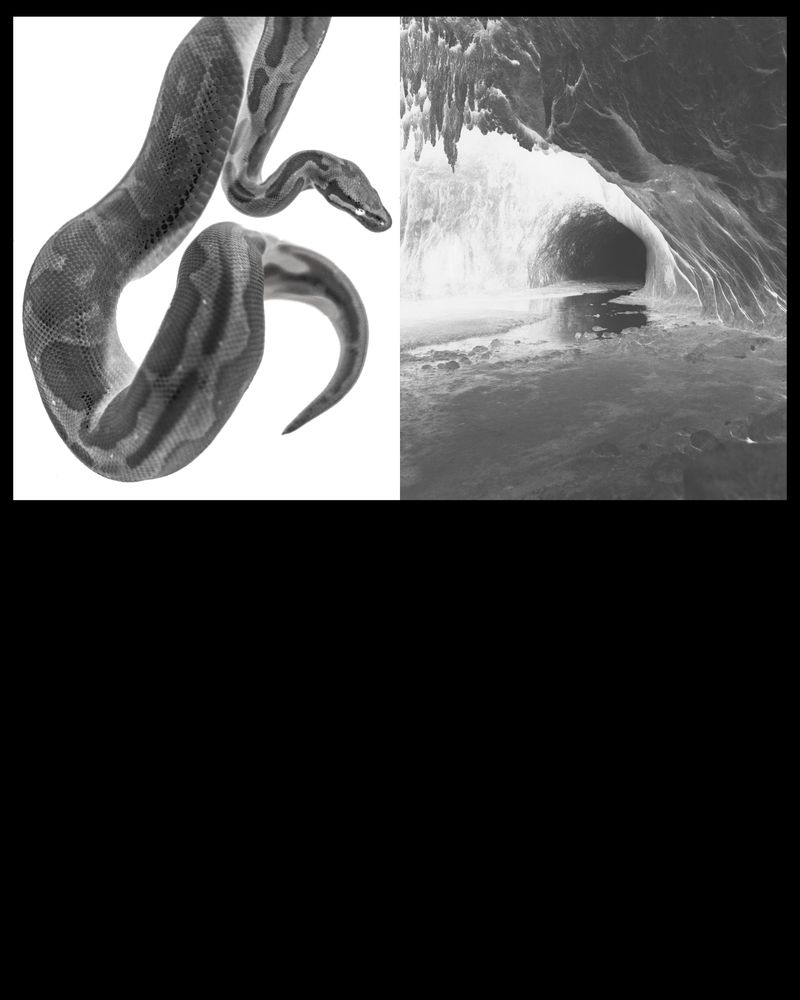
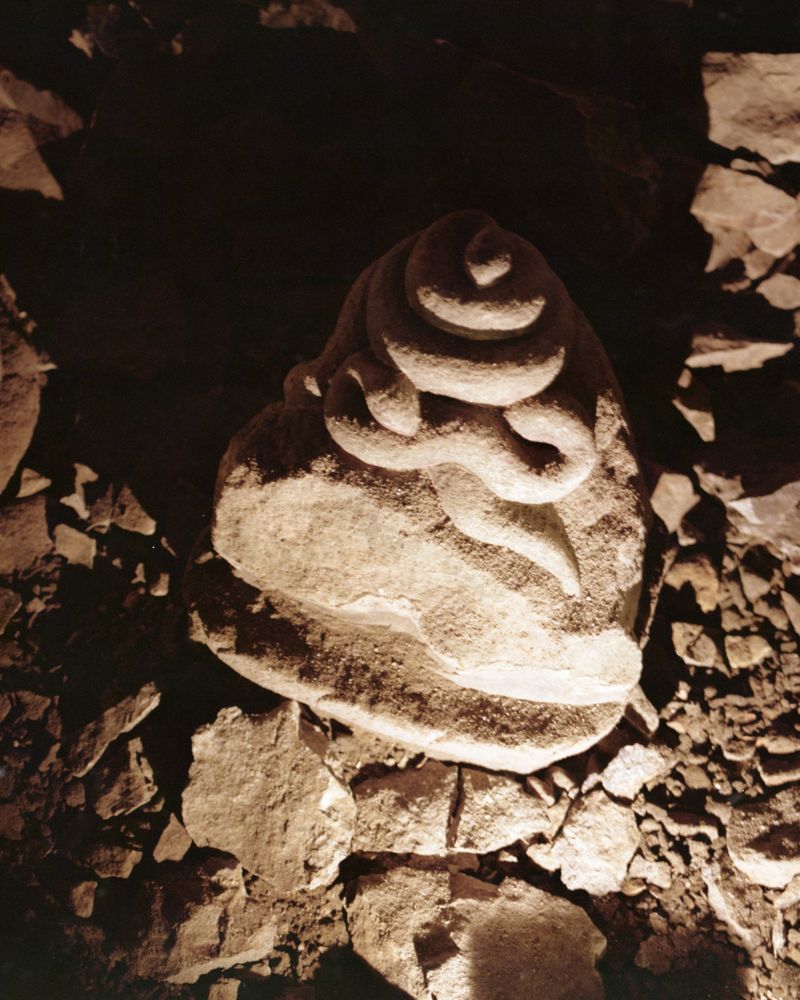
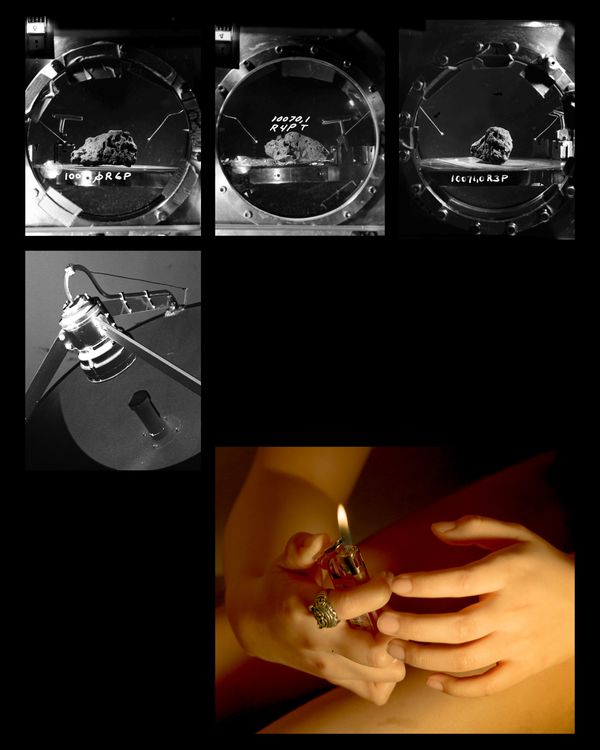
This project explores two ways of observing the moon. The first is rooted in ancient religious and ritual practices, where the moon functioned within a symbolic order that shaped timekeeping, agricultural cycles, and collective rhythms. It served as a shared reference through which humans understood their relationship to the cosmos.
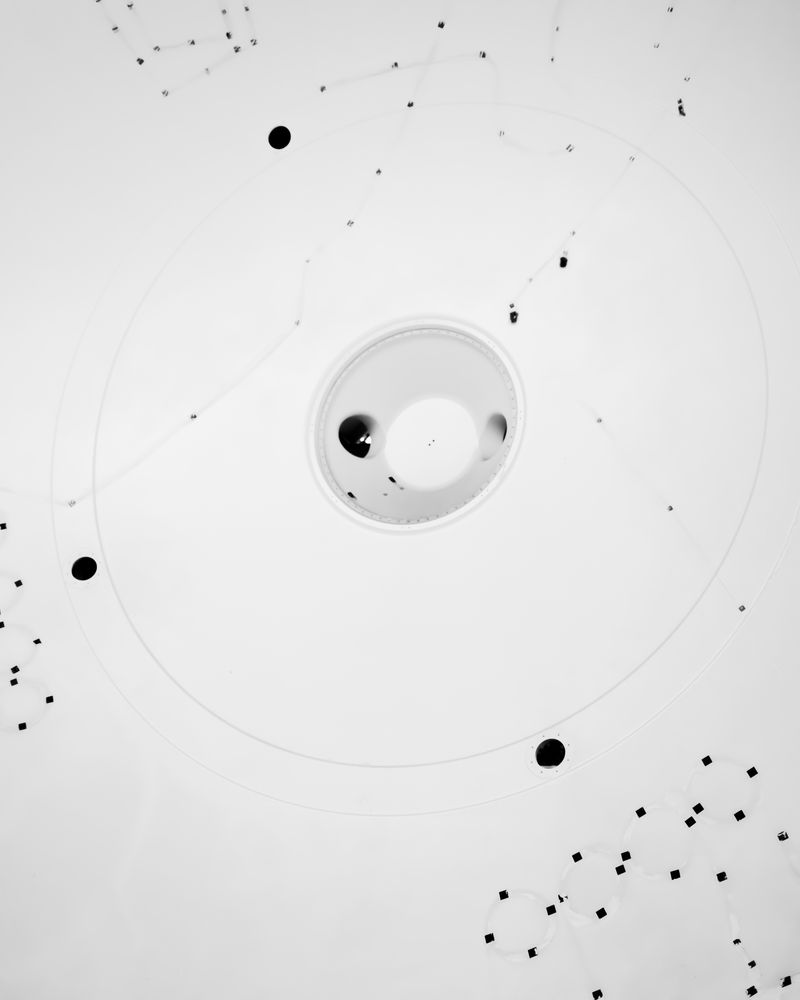
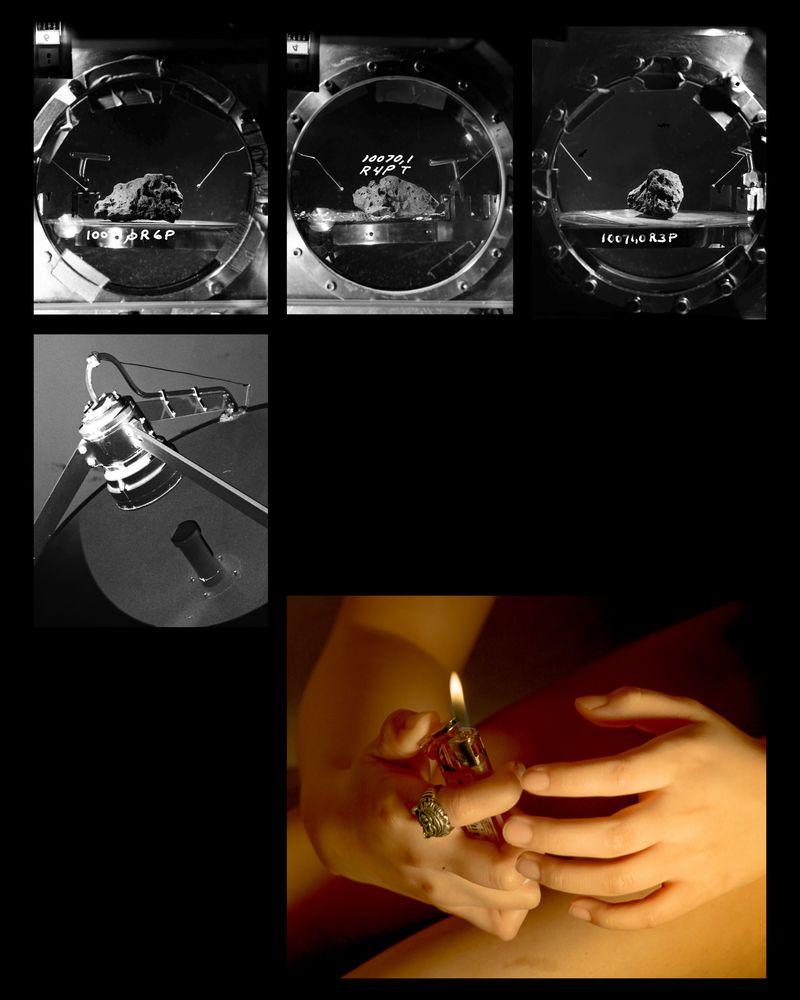
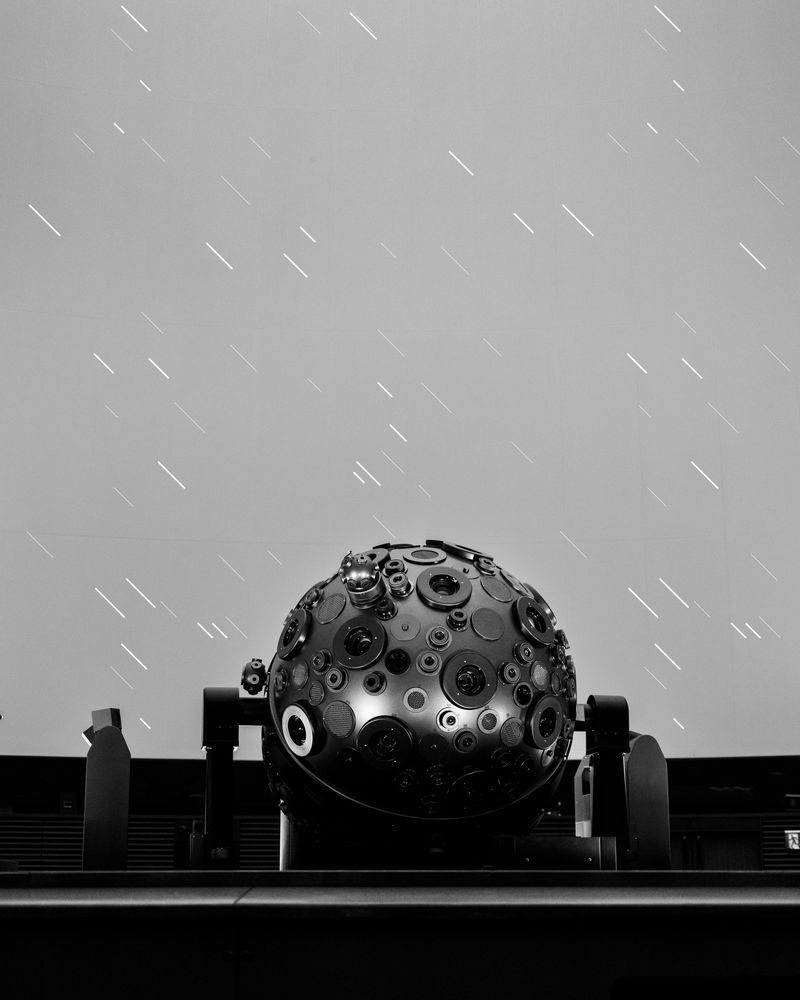
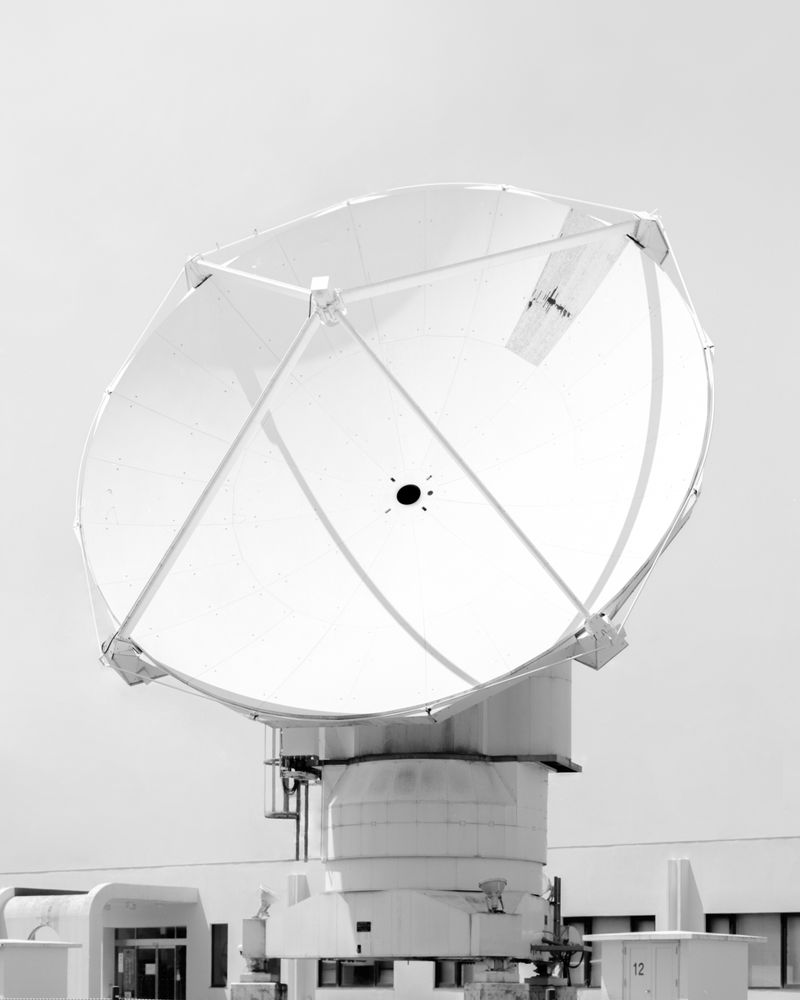
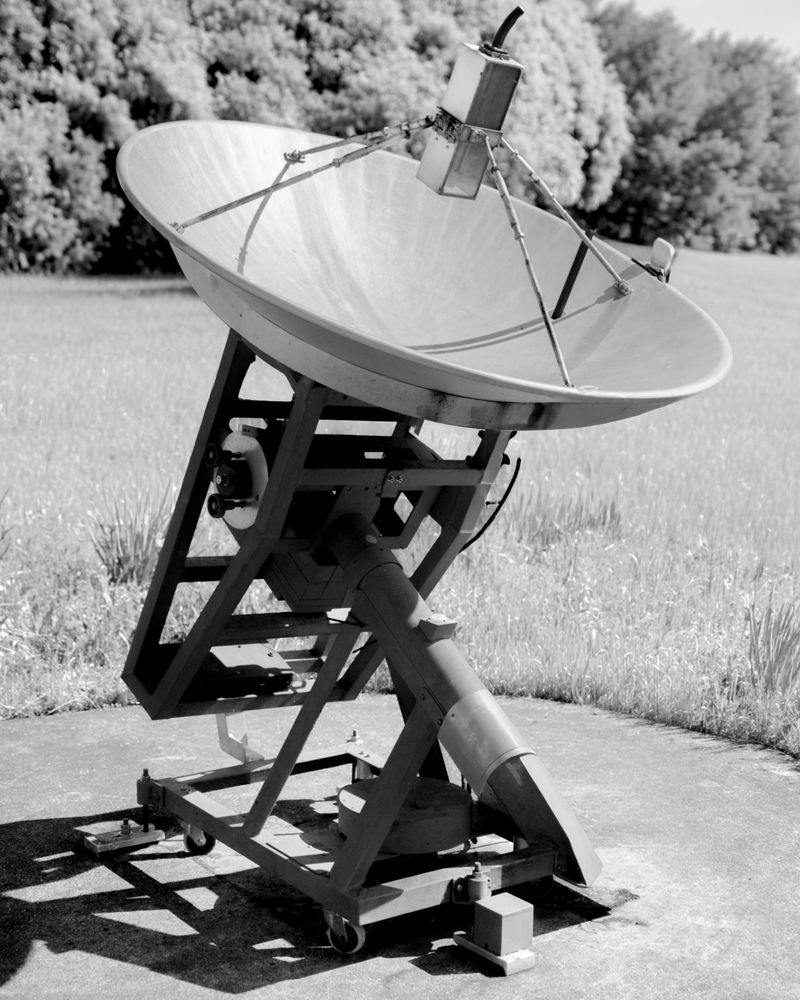
The second approach emerges within modern scientific and technological systems. Here, the moon is treated as an object of observation, measurement, and geopolitical interest. It is mapped, analyzed, and instrumentalized through devices, data, and models that mediate human vision.
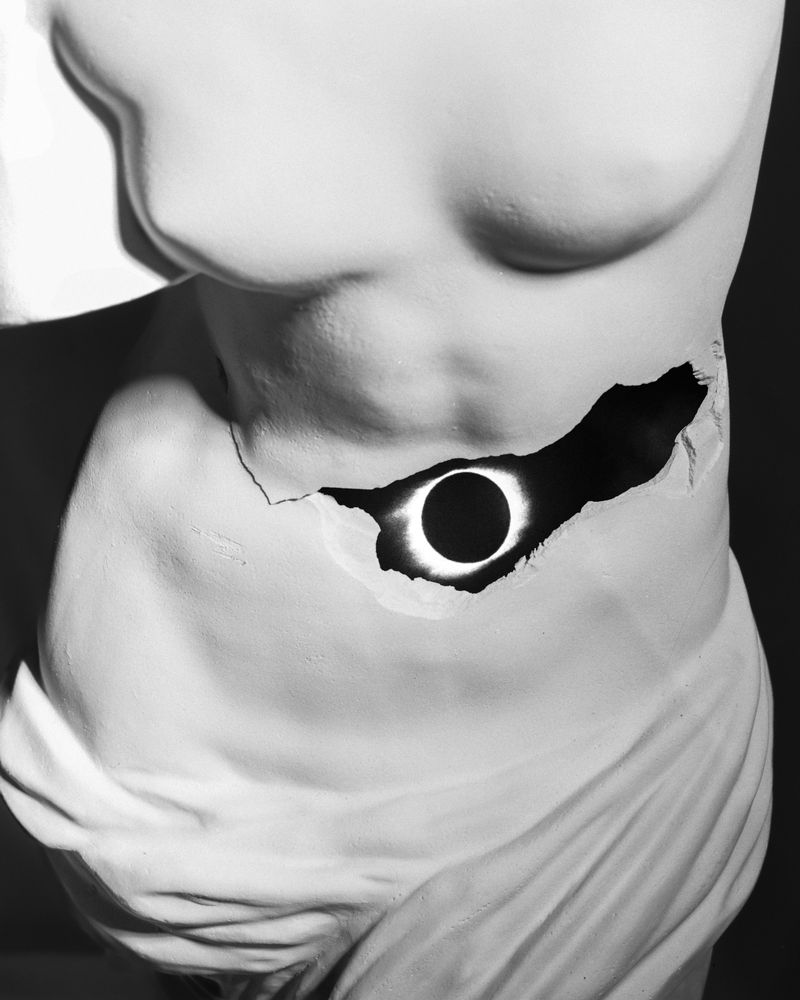
As modes of observation change, shared systems of belief gradually give way to abstract and quantitative structures. Meaning becomes less collectively anchored and increasingly shaped by technological and rational frameworks. The moon shifts from a symbolic mediator to a distant object defined by function and control.
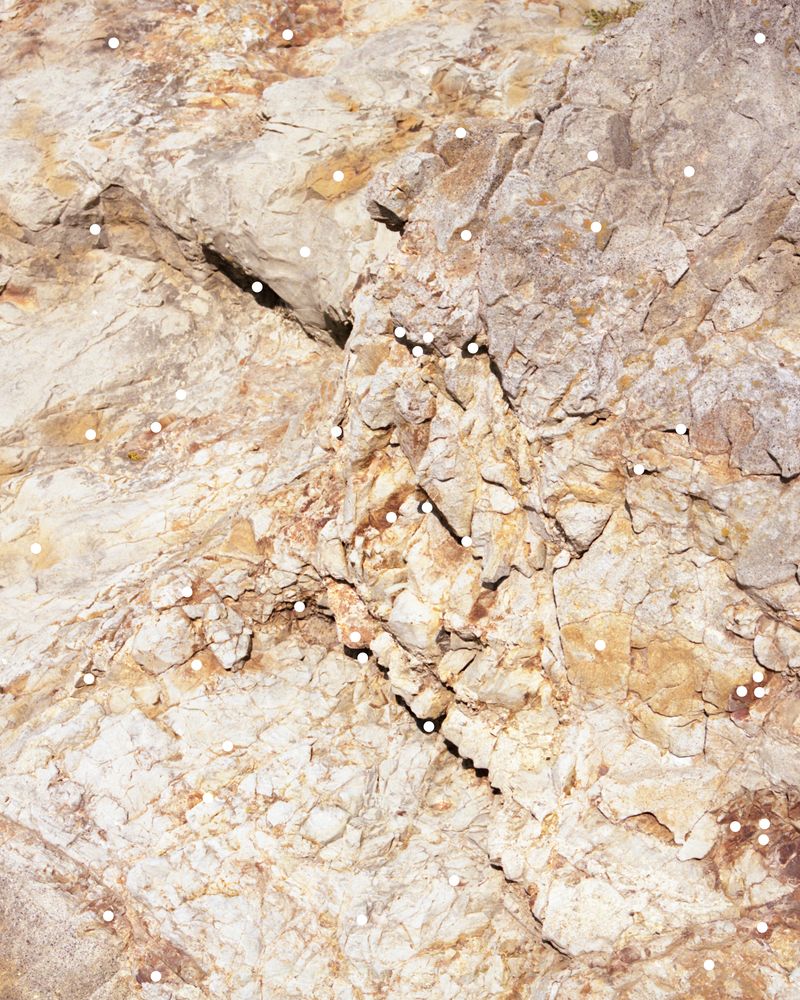
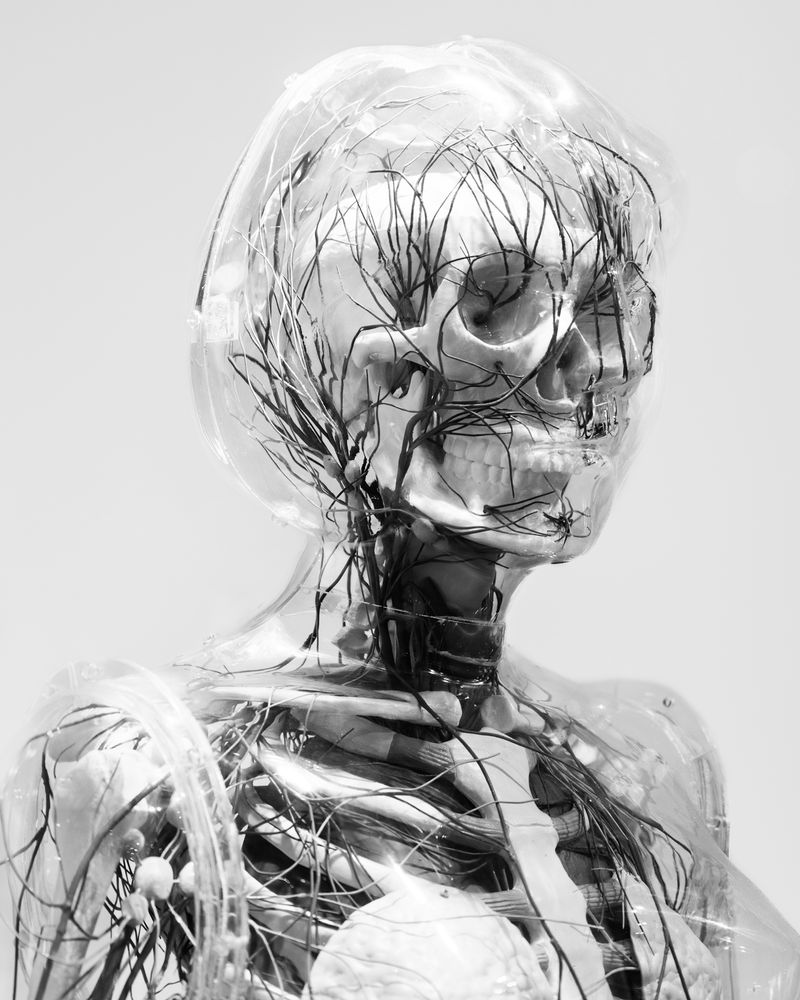
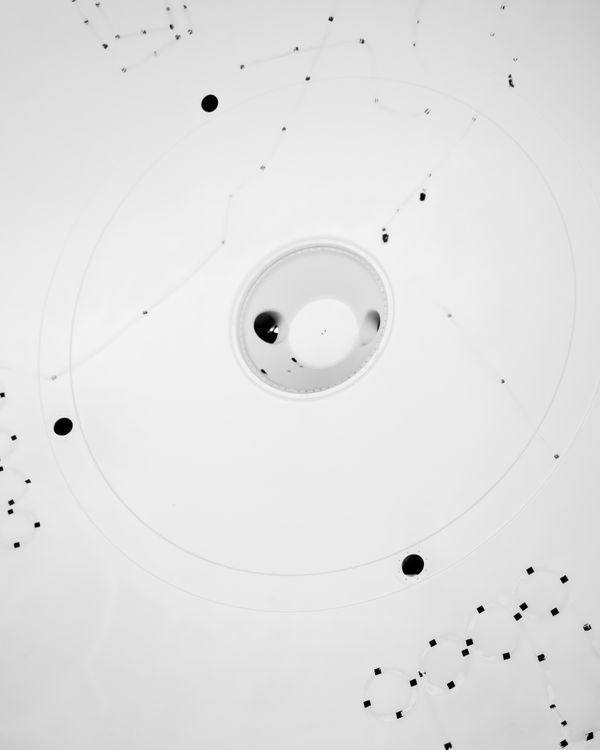
Through the juxtaposition of ancient visual records and contemporary images of observation, the project traces this movement from proximity to distance. The work reflects on how changes in vision correspond to changes in psychological structure and ways of relating to the world.