The Colour of Ash

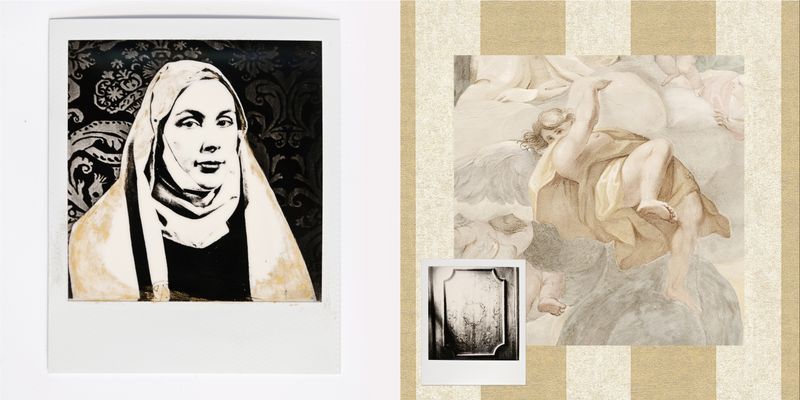
This series is a monochrome dream, a threshold opened in darkness. The images are crystallised in a timeless dimension. What emerges is a visual narrative that does not seek to explain, but to preserve a profound, intimate, irreducible emotional truth.

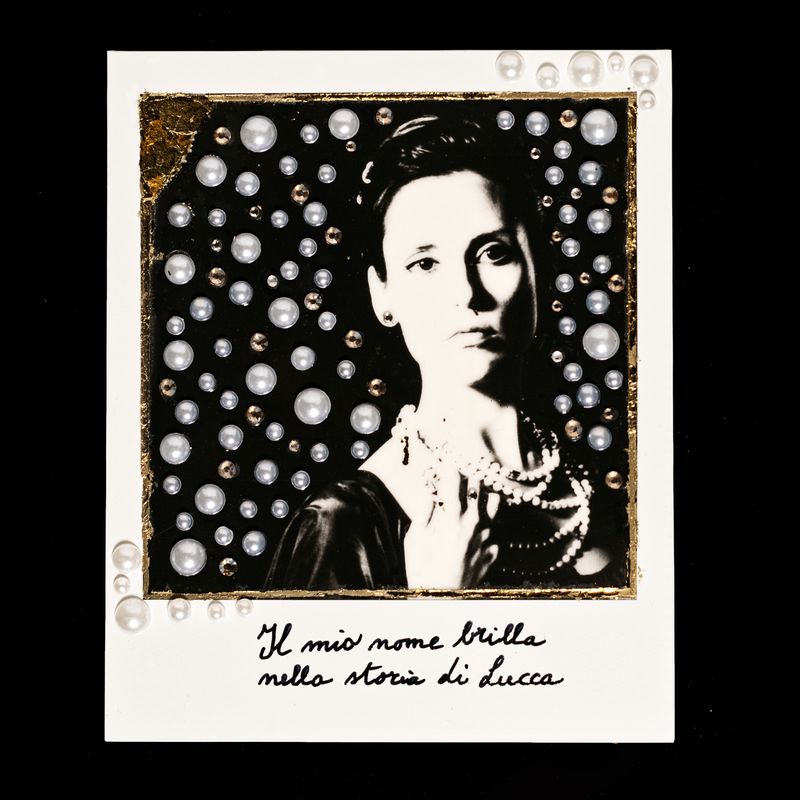
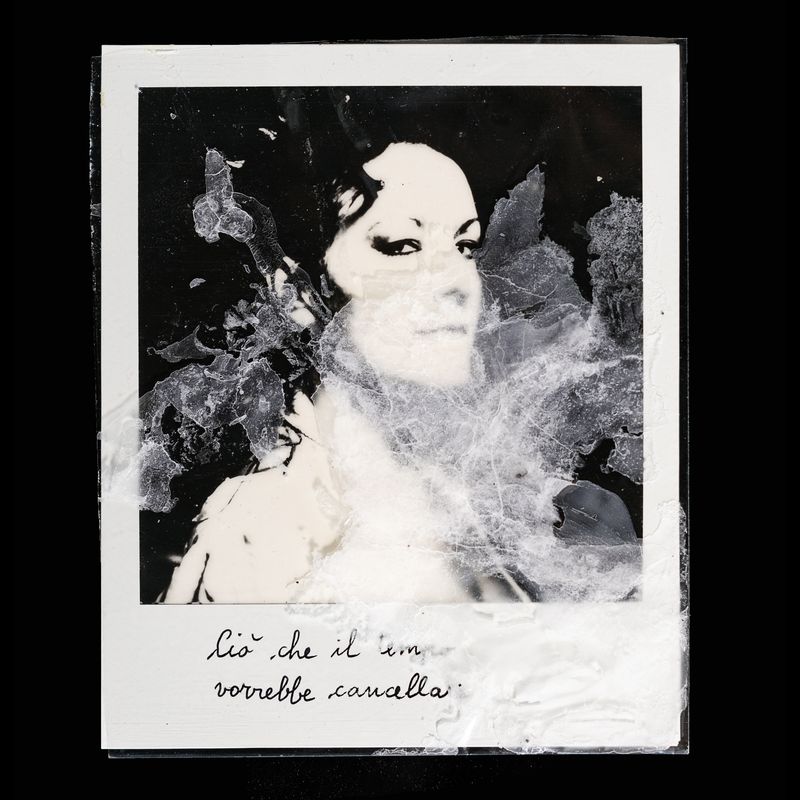
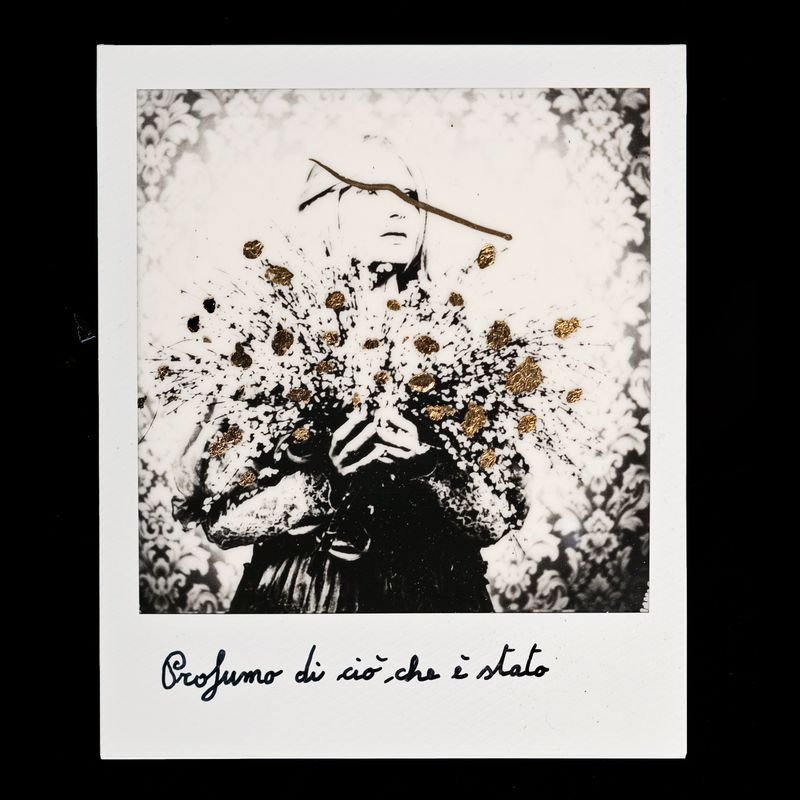
To enter this book is to cross a threshold between history and myth, where photography becomes a passage across time—an invitation to grasp the essence of what has been and to resist oblivion. It is not a historical reconstruction, but a narrative that privileges emotion: a gesture that allows the soul of things to emerge — subtle signs, intimate resonances, presences that elude us yet remain. Each Polaroid is a fissure in time, a light that endures even when everything seems to dissolve.

Each portrait is an enigma to be deciphered. Each gaze refers to other times and opens itself to multiple readings: stories that slip away from us yet deserve to be rediscovered. Not mere faces, but interpreters of forgotten histories, suspended between past and present, asking only to be observed and recognised.

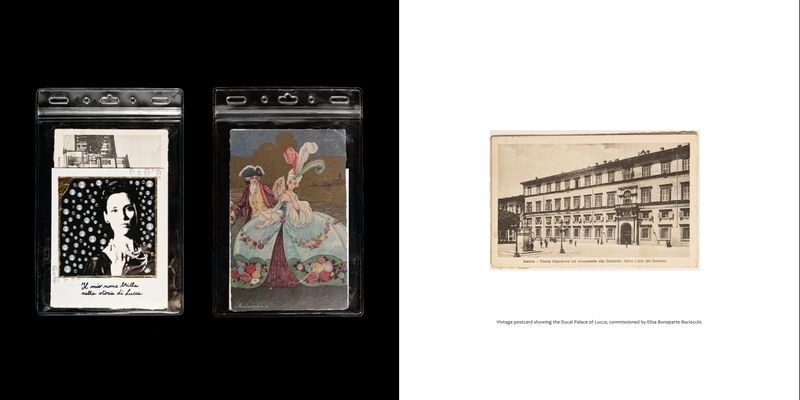
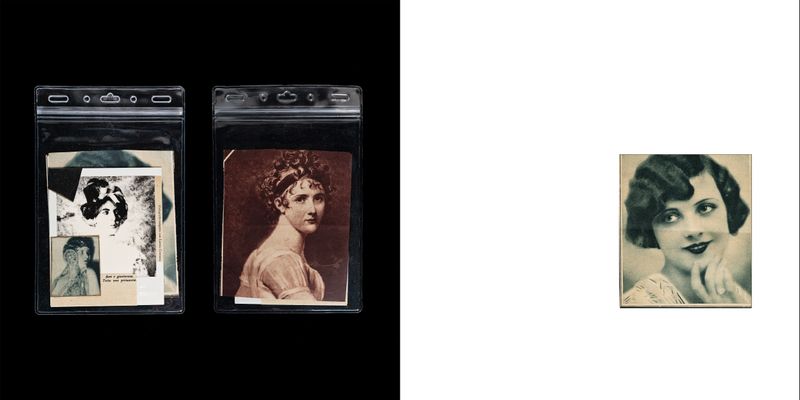
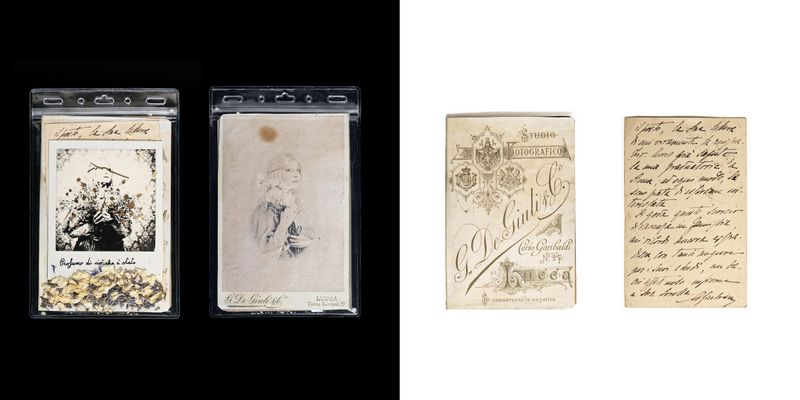
The archival materials — fragments of newspapers, letters, documents — presented alongside the images and texts, are traces of lives suspended between reality and imagination. They help to reconstruct the context of the figures portrayed, amplify their resonance, and open onto a broader temporal and cultural depth. The black background is set against luminous white, like the intimacy of memory opposed to the grandeur of history.

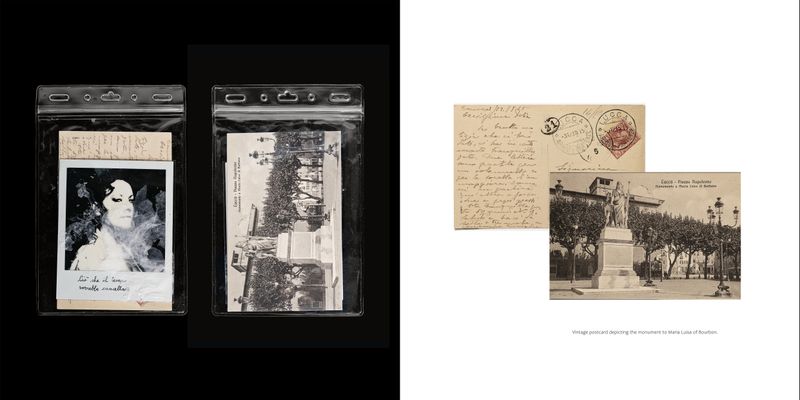
Postcards and representations restore authentic landscapes, monuments, lived-in places: visual anchors that ground the vision in a concrete elsewhere, discreetly suggesting that this story truly happened. That this woman really walked those streets, even if time has tried to render her invisible.

Plastic both preserves and separates, like the thin line that divides memory from the void of a lost recollection. Fragments of what has been and of what might have been urge contemplation. Gold is not merely decoration, but a tangible sign of fragility transformed into strength: an open wound, exposed. The images do not conceal pain; they reveal it. Each name is an identity that resists, refusing to fade.

Time may erase contours and swallow days, but it cannot extinguish the stories that still ask to be heard. The memory of these women — fragile and luminous — shines once more and lives on in the gaze of those who look.
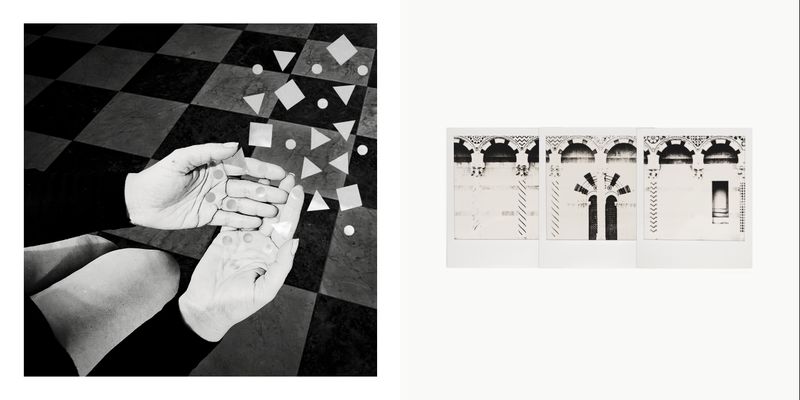
© Nicoletta Cerasomma - Image from the The Colour of Ash photography project
i

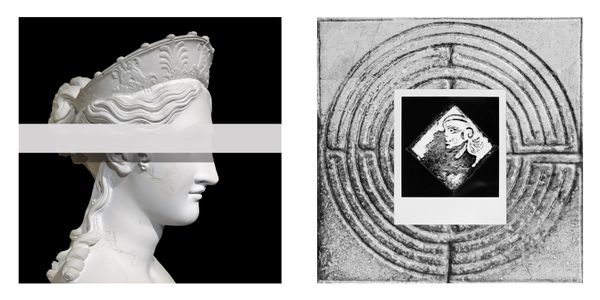
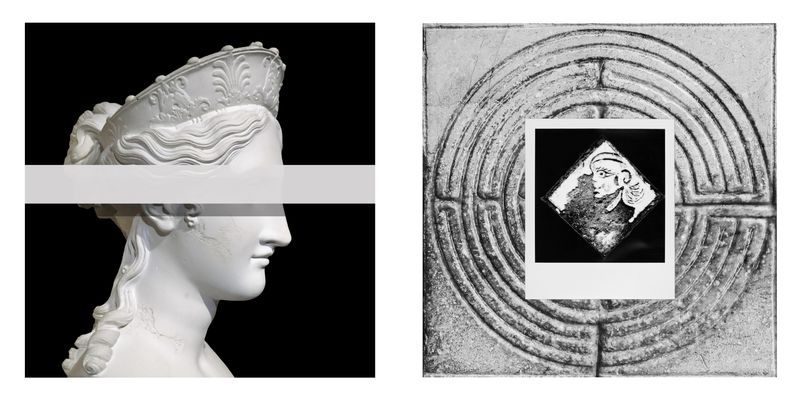
Elisa Bonaparte and the Enigma of the Labyrinth. Here, celebrated identity confronts erosion, obliterated legacies, and the absence of memory.In a refined play of contrasts — marble and stone, defined features and worn ones, the signature of the artist and the anonymity of a medieval stonemason — the work challenges the mechanisms of representation and invites us to re-read the legacy of the city

© Nicoletta Cerasomma - Image from the The Colour of Ash photography project
i

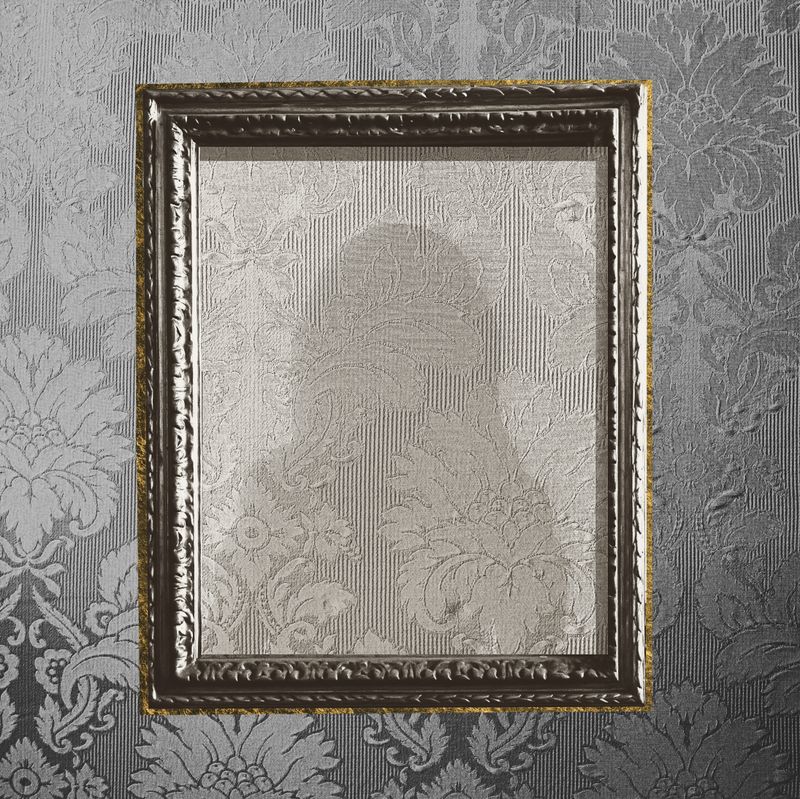
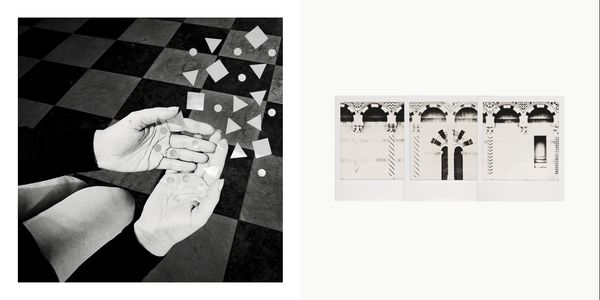
The image is symbolic. These mirrors are truths no longer containable, identities which shatter when gazed upon by the observer.Alongside, three overlapping Polaroids depict a minimal fragment of the façade of San Martino. The diptych becomes an act of iconic resistance, a rite denouncing History’s failure to hold space for those who have lost their essence.

© Nicoletta Cerasomma - Image from the The Colour of Ash photography project
i

There is no death in there.Only the fear of those who look at loveand cannot bear its beauty.— out of a dream left unfinished by Lucrezia Buonvisi

© Nicoletta Cerasomma - This is the place where pain takes shape. And you stand there, silent, before a truth that has no answers.
i

This is the place where pain takes shape. And you stand there, silent, before a truth that has no answers.

© Nicoletta Cerasomma - Image from the The Colour of Ash photography project
i

ELisa Bonaparte was guardian of a city, a reflected image of Paris,yet chose the silence of night to withdraw,freeing Lucca from the burden of an impending invasion.A queen’s gesture, where renunciation becamethe highest act of sovereignty and grace.

© Nicoletta Cerasomma - Image from the The Colour of Ash photography project
i

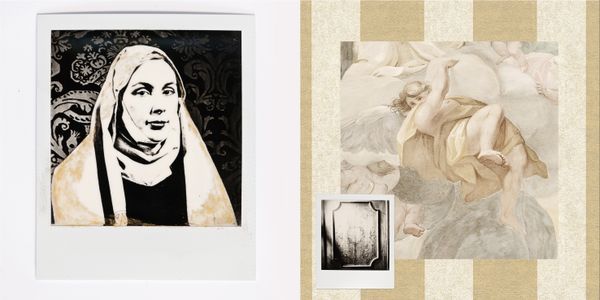
In this dialogue of images and symbols, Elisa becomes an icon of a memory that resists and reclaims, with grace and resolve, her rightful place in history. Her image, embroidered with splendour and delicacy, becomes a manifesto.A narrative where past and present blur, and memory comes alive—restoring dignity to a feminine history woven from ambition, struggle, and resilience.

© Nicoletta Cerasomma - Image from the The Colour of Ash photography project
i

Stone guards what time tries to erase.The sea returned to her the wonder of herself,and the sky offered her a place to dream.Maria Luisa di Borbone, Duchessa di Lucca

© Nicoletta Cerasomma - Image from the The Colour of Ash photography project
i

The transparent envelope holds fragments of a past that remains vividly irretrievable. The stone of the monument does not celebrate; it bears witness to an era.This work evokes a stratified feminine memory: political, public, private, and intimately veiled.Maria Luisa appears as a figure steeped in power, grace, and silent suffering—caught between what remains and what time has tried to erase.

© Nicoletta Cerasomma - Beauty that dared to defy time,and was marked foreverby longing and the shadow of fate.Lucida Mansi
i

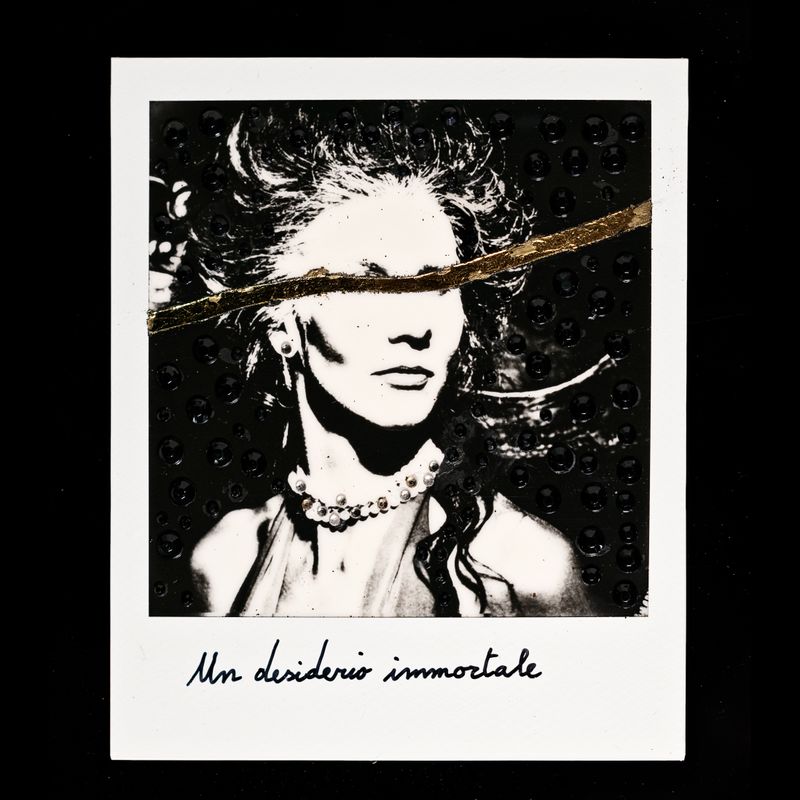
Beauty that dared to defy time,and was marked foreverby longing and the shadow of fate.Lucida Mansi

© Nicoletta Cerasomma - Image from the The Colour of Ash photography project
i

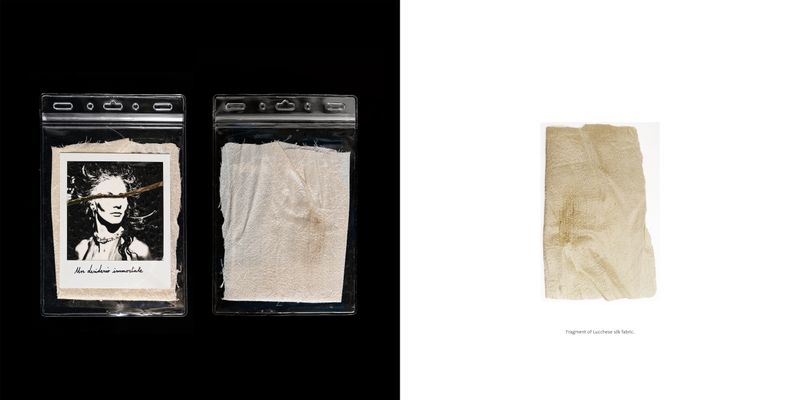
In this diptych, beauty becomes absence — not celebration, but reflection. Not damnation, but testimony. Lucida Mansi emerges as a timeless icon, imprisoned by the thirst for eternity, marked by the pitiless fate of passing time.Even in her tragic end, she lives on — and still captivates.

© Nicoletta Cerasomma - A textile memory evoking trade routes and the refined opulence of the Mansi family.
i

A textile memory evoking trade routes and the refined opulence of the Mansi family.

© Nicoletta Cerasomma - Image from the The Colour of Ash photography project
i

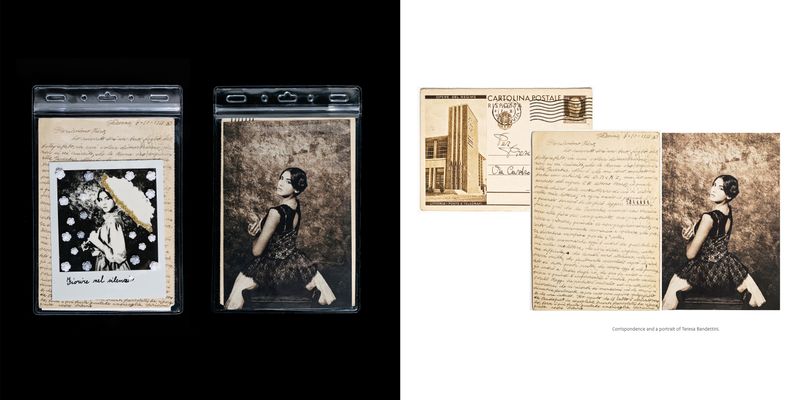
If hope does not deceive me, soon will come the day when my memory will be joyful — and it comforts my heart. Teresa Bandettini

© Nicoletta Cerasomma - Image from the The Colour of Ash photography project
i

A luminous figure of Neoclassical Italy, Teresa Bandettini was far more than a poetic prodigy. She was a pioneer when the world offered women little room to speak. Here intimacy is the key. One must listen—to read in the signs the life that once was, and that still speaks to us.

© Nicoletta Cerasomma - Fragile yet incorruptible.An absence that continues to live like a breath held in.Ilaria Del Carretto
i

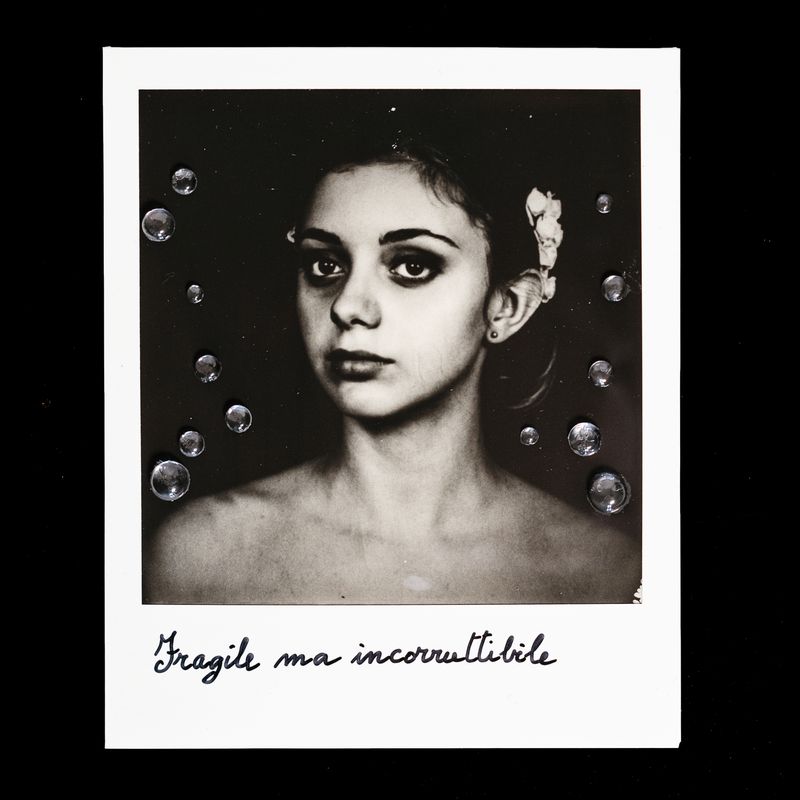
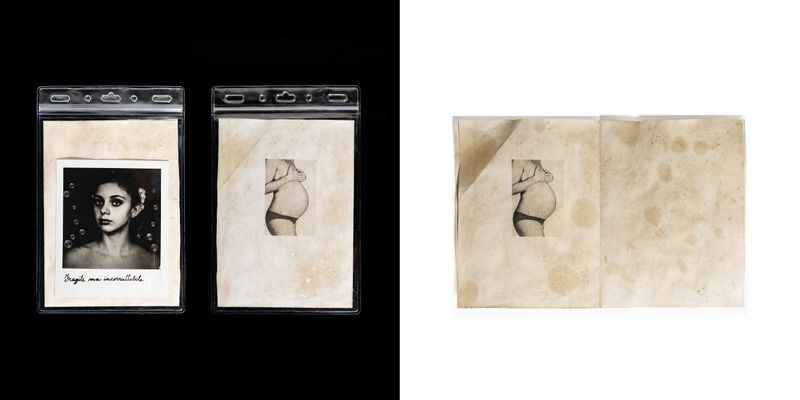
Fragile yet incorruptible.An absence that continues to live like a breath held in.Ilaria Del Carretto

© Nicoletta Cerasomma - Image from the The Colour of Ash photography project
i

Ilaria del Carretto died giving birth to her child, leaving behind love, mystery, and silence. Her tale, wrapped in legend, had slumbered beneath a veil of idealisation.And yet, every day, women's hands brush the sculpted features of her face, as if searching — in marble — for hope.This work is a gesture of love. A humble attempt to mend what time has torn. To return Ilaria to her own light.

© Nicoletta Cerasomma - My words are stars, scattered across the infinite night of memory and time. Amarilli Etrusca.
i

My words are stars, scattered across the infinite night of memory and time. Amarilli Etrusca.

© Nicoletta Cerasomma - Image from the The Colour of Ash photography project
i

Words as light, as rebellion and with her, all women — as protagonists of history.This diptych is a cry against invisibility. A call to recognise a truth long buried.

© Nicoletta Cerasomma - A fragment preserved through time, where memory allows us to breathe and gold grants us rebirth. Fantasma of the Garfagnana
i

A fragment preserved through time, where memory allows us to breathe and gold grants us rebirth. Fantasma of the Garfagnana

© Nicoletta Cerasomma - Image from the The Colour of Ash photography project
i

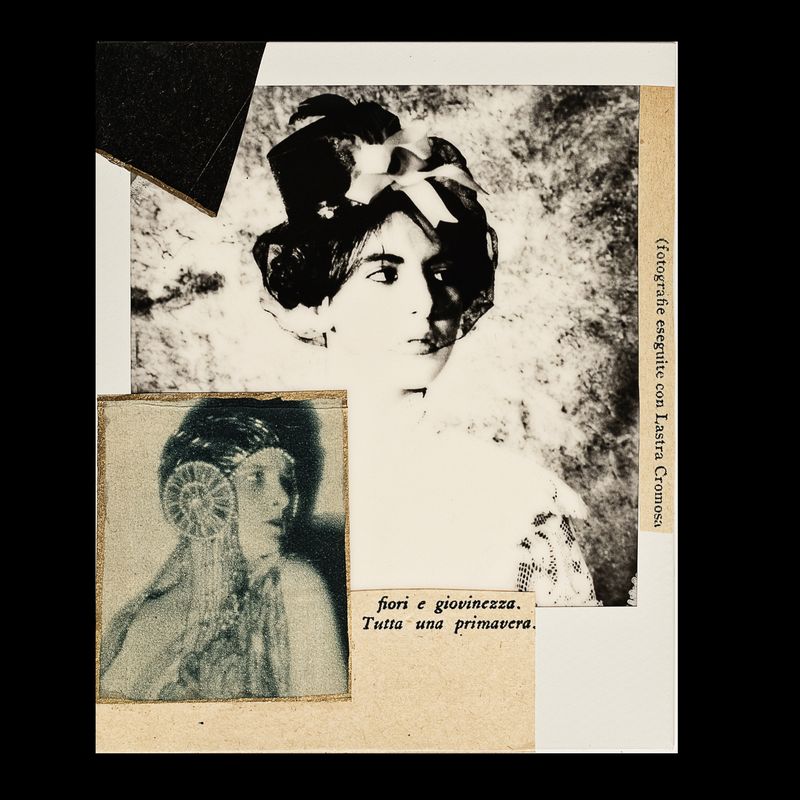
The dried flowers, muted in tone, speak of a metamorphosis in which what withers does not die, but changes form.This composition is a tribute to the resilience of women erased or transformed by time. In them, memory is not denied but redeemed. The gold becomes an emblem of rebirth — as delicate as the scent of spring.

© Nicoletta Cerasomma - On her path, dew and rust intertwine.
i

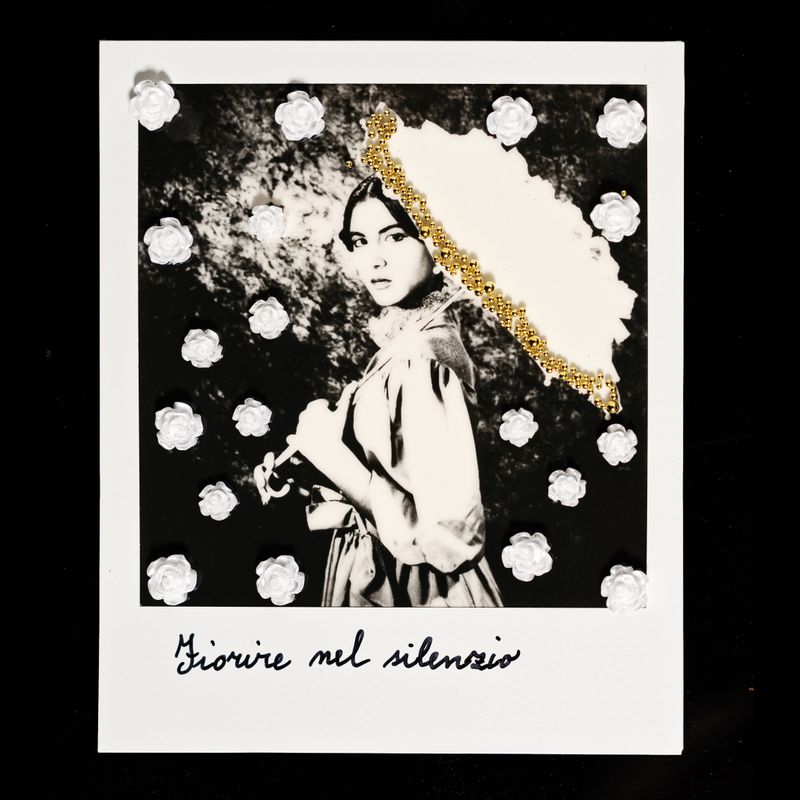
On her path, dew and rust intertwine.