The Colour of Ash
-
Dates2025 - 2025
-
Author
- Location Lucca, Italy
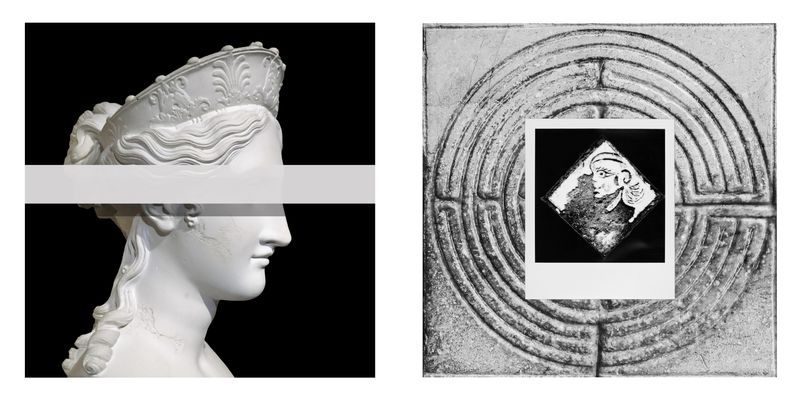
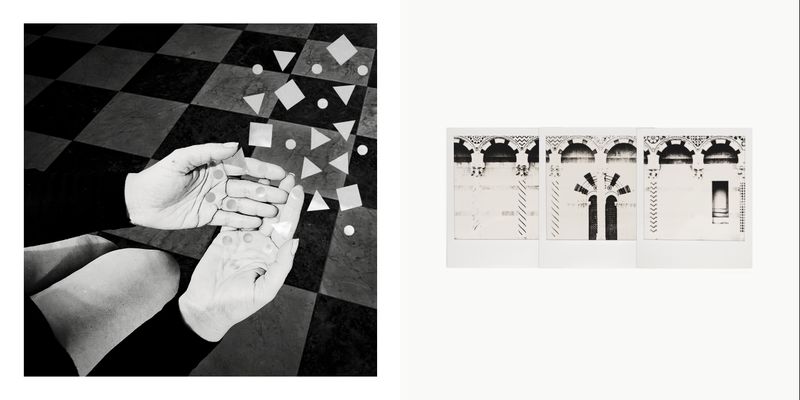
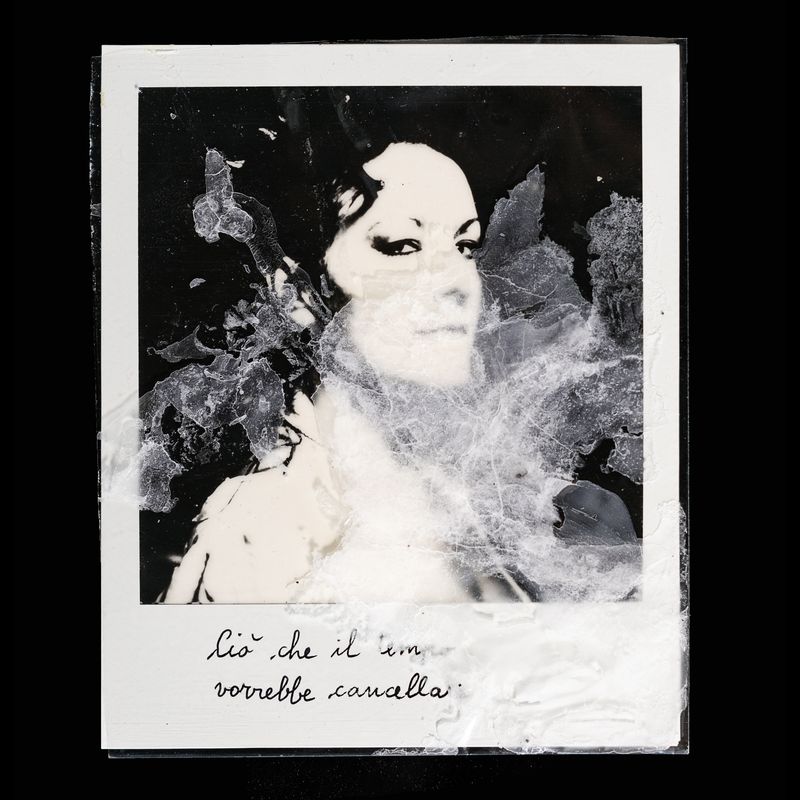
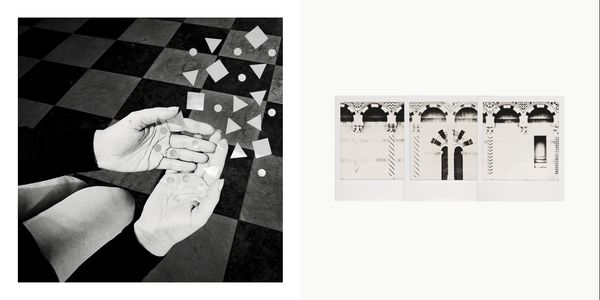
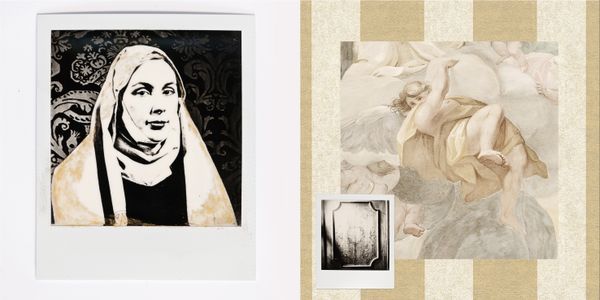
This series is a monochrome dream, a threshold opened in darkness. An inner place where losing oneself becomes a necessary act. The images are crystallised in a timeless dimension. As in dreams, incongruity finds its own truth.
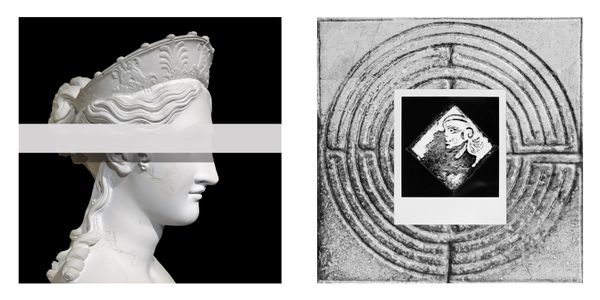
This book is a journey between story and myth, in which photography becomes a passage across time—an invitation to understand the essence of what has been and not to forget. It is not a historical reconstruction, but a narrative that privileges emotion.
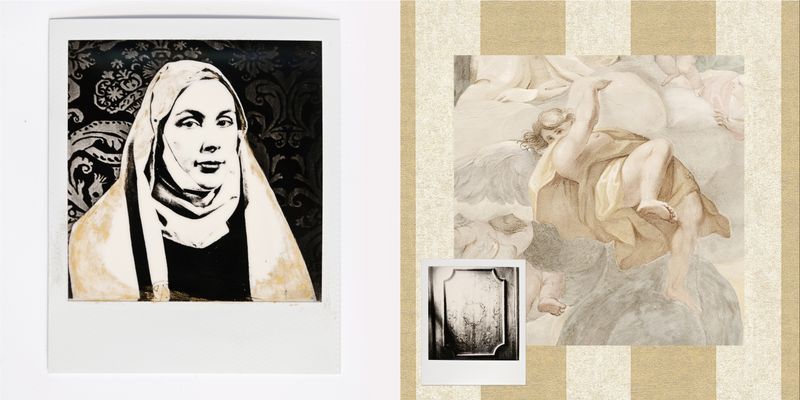
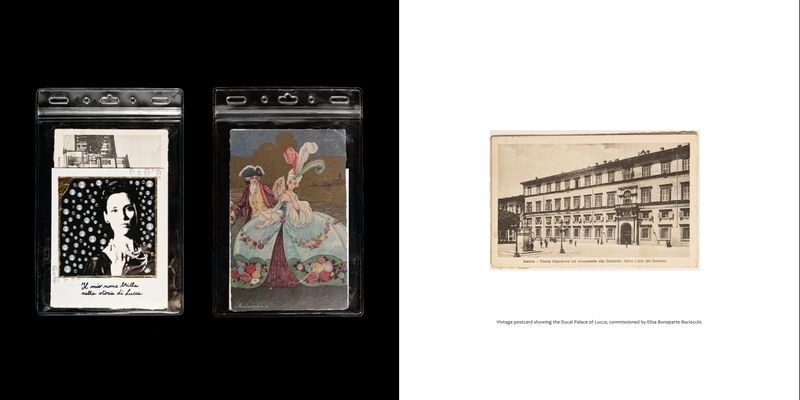
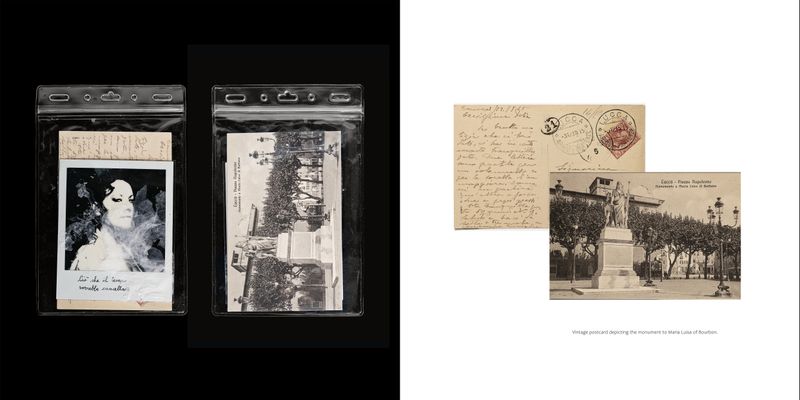
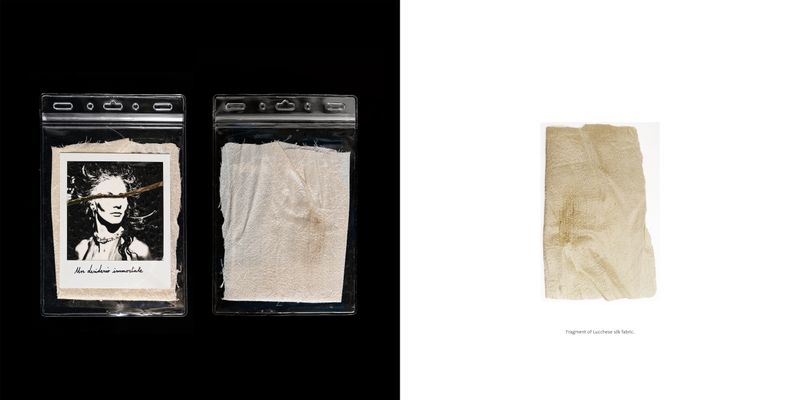
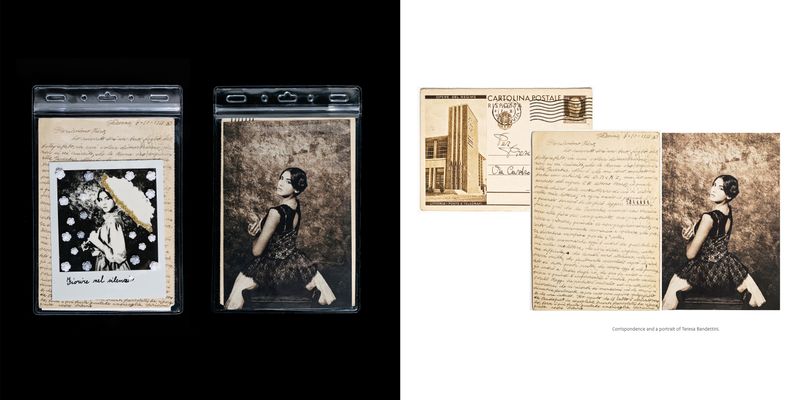
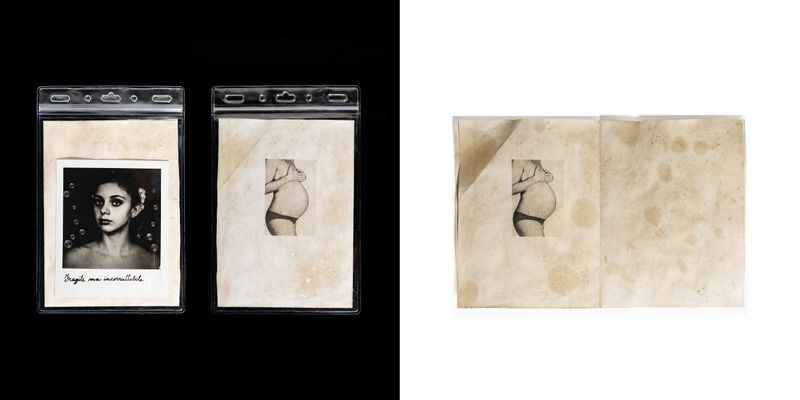
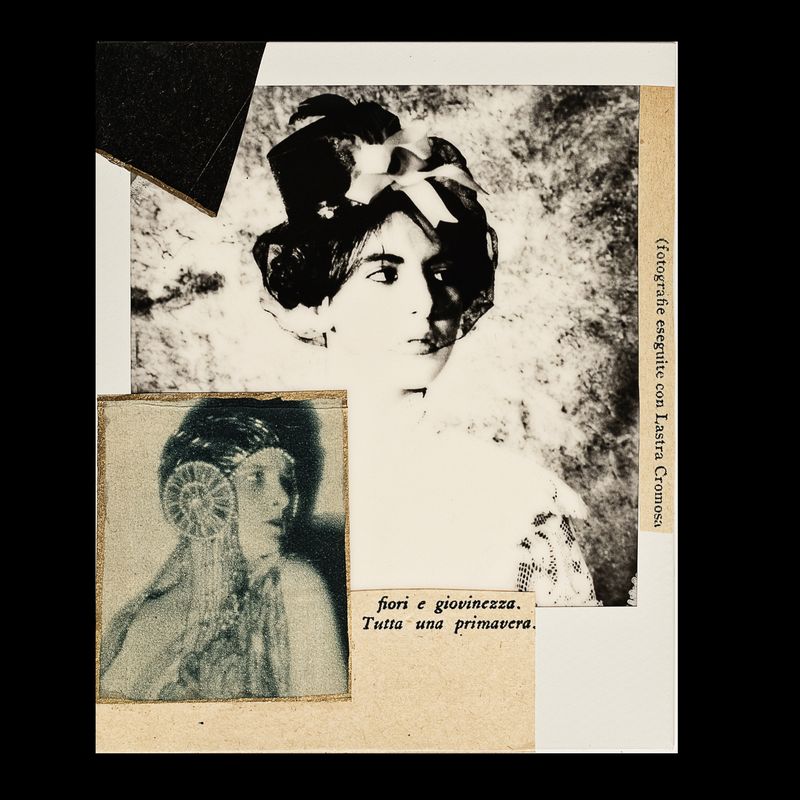
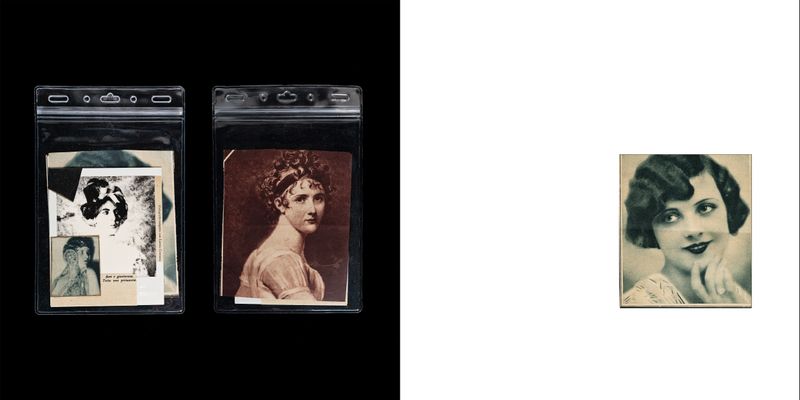
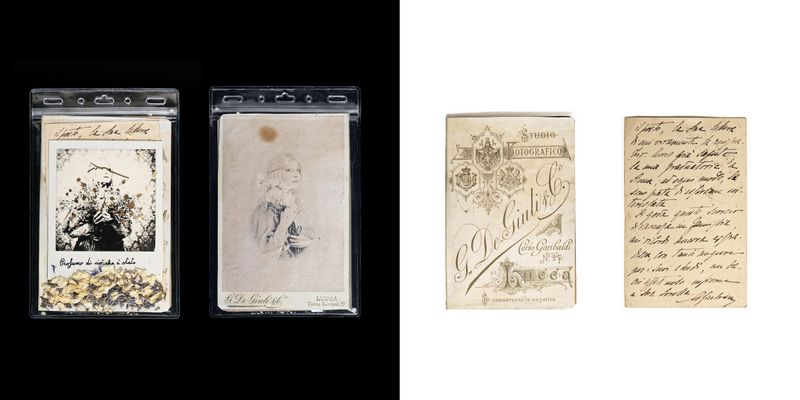
The archival materials presented alongside the images and texts, are traces of lives suspended between reality and imagination. They help to reconstruct the context of the figures portrayed, amplify their resonance, and open onto a broader temporal and cultural depth. The black background is set against white, like the intimacy of memory opposed to the grandeur of history.
Postcards and representations restore authentic landscapes, monuments, lived-in places: they ground the vision in a concrete elsewhere, discreetly suggesting that this story truly happened. That this woman really walked those streets, even if time has tried to render her invisible.
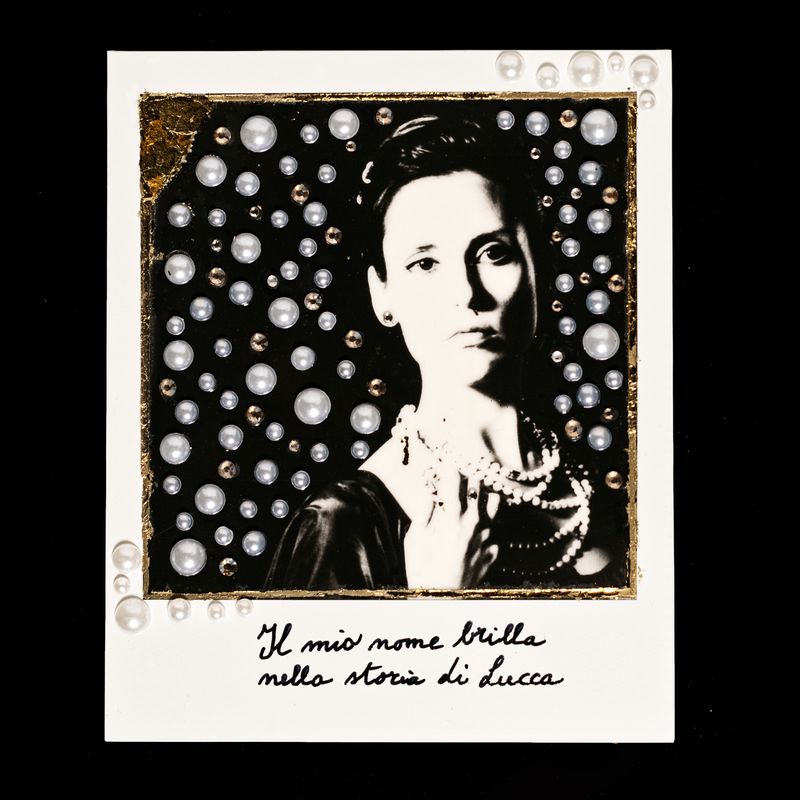
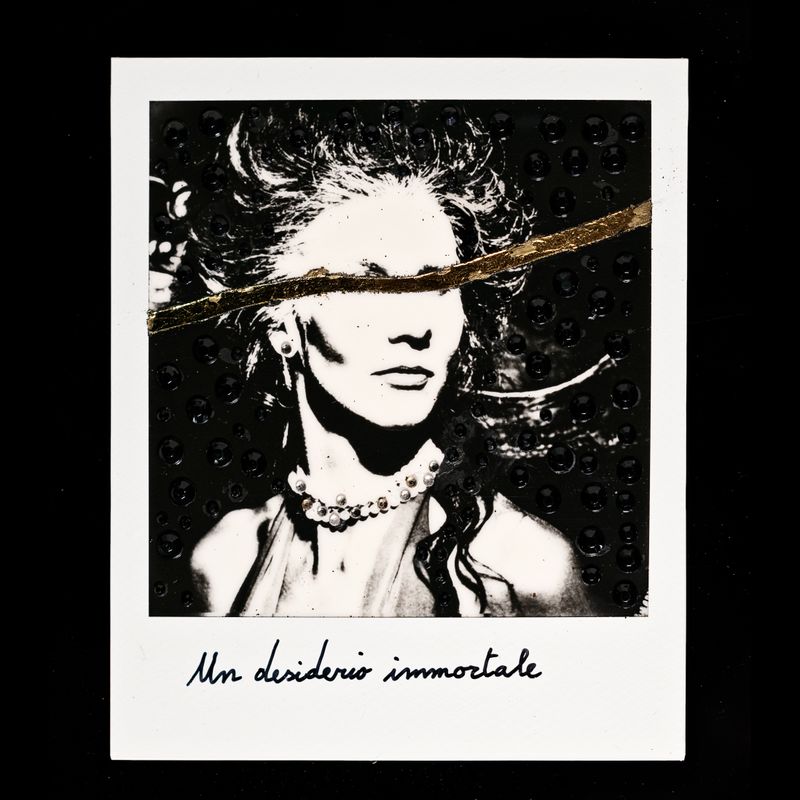
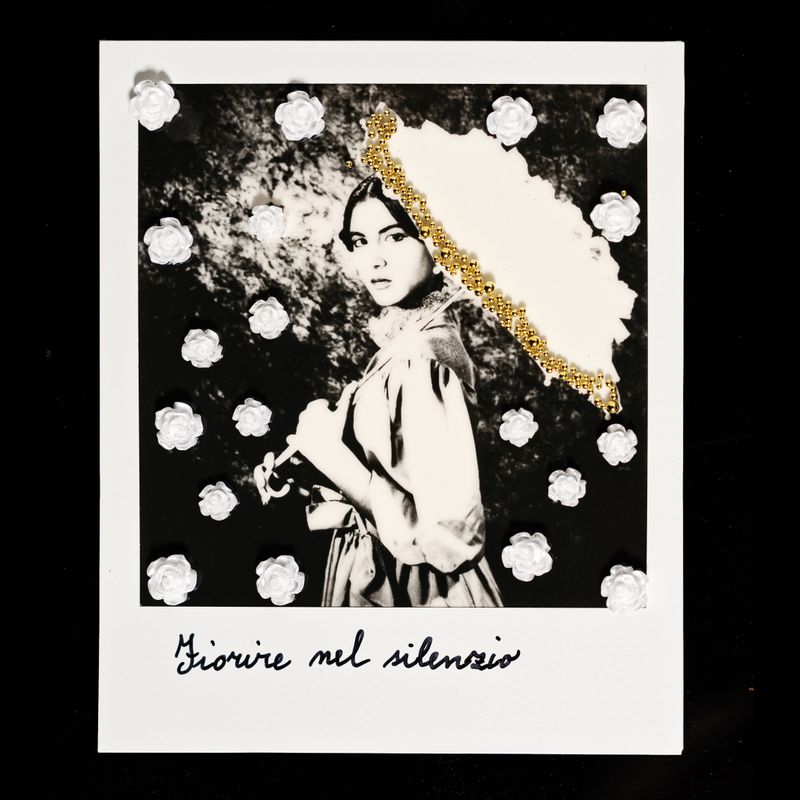
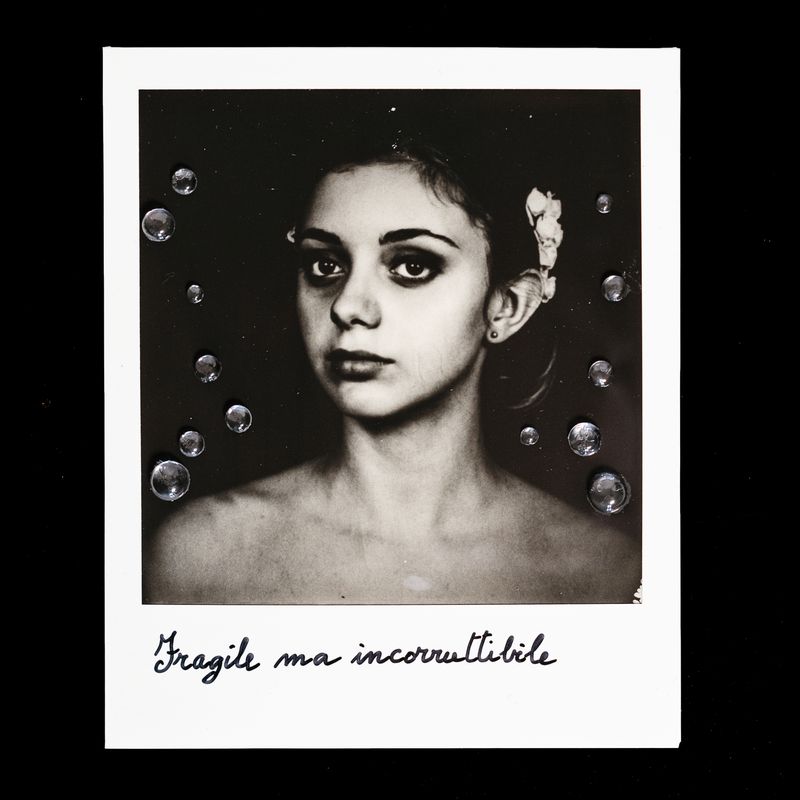
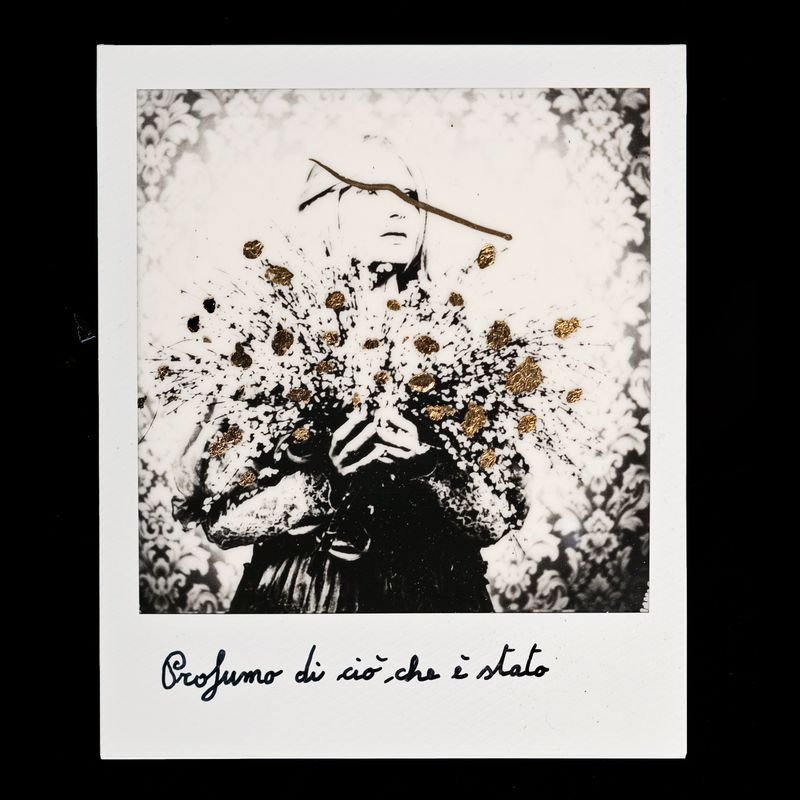
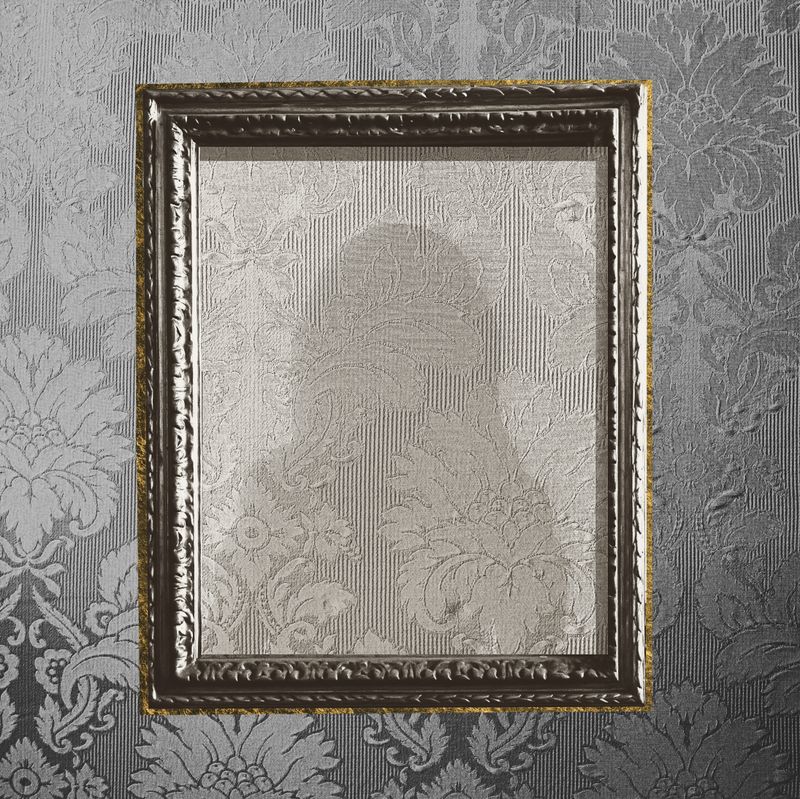
Plastic both preserves and separates, like the thin line that divides memory from the void of a lost recollection. Fragments of what has been and of what might have been urge contemplation. Gold is not merely decoration, but a sign of fragility transformed into strength: an open wound, exposed. The images do not conceal pain; they reveal it. Each name is an identity that resists, refusing to fade.
Time may erase contours and swallow days, but it cannot extinguish the stories that still ask to be heard. The memory of these women — fragile and luminous — shines once more and lives on in the gaze of those who look.