Tasvir Archive
-
Dates2024 - Ongoing
-
Author
Tasvir Archive — Volume One is a critical publication documenting the first phase of a research-based project on Iranian image-based art, featuring exhibitions, artist bios, essays, installation views, and scholarly texts on photography post-1979.
Project Narrative: Tasvir Archive — Volume One
A Curatorial and Archival Publication of Contemporary Iranian Image-Based Art
The Tasvir Project is a research-based initiative that aims to document, preserve, and interpret the expansive field of Iranian image-based art. Its primary objective is to collect and archive critical information and resources related to Iranian photographers, image-based artists, scholarly articles, and critical analyses. The project intends to offer a comprehensive resource base for researchers, critics, writers, students, and others interested in exploring the diverse landscape of Iranian image-based art. Tasvir sets out to address a long-standing gap in regional and global art discourse by creating a platform that strives to bring transparency, scholarly rigor, and visibility to the works of contemporary Iranian artists. By initiating the process of compiling critical information, documenting artistic practices, and making resources accessible, Tasvir aims to provide an essential context for understanding and engaging with contemporary Iranian visual culture.
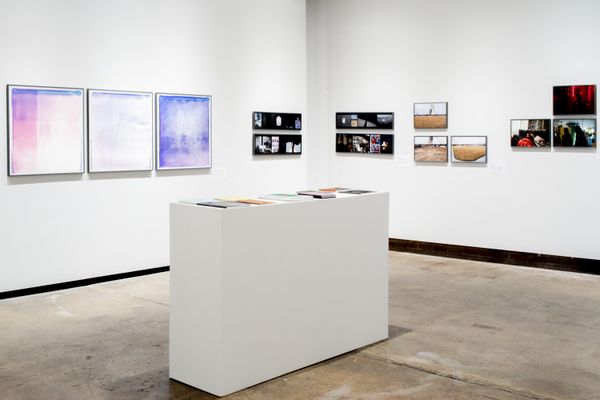
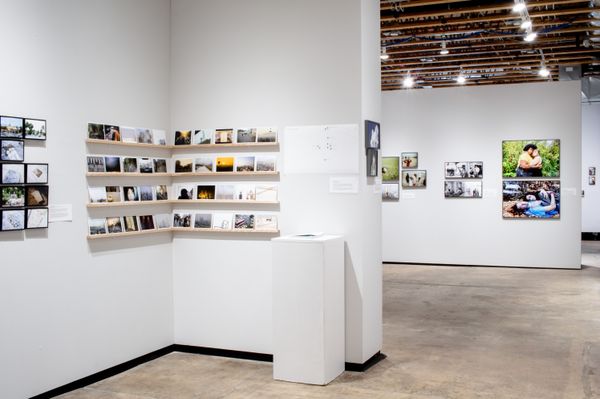
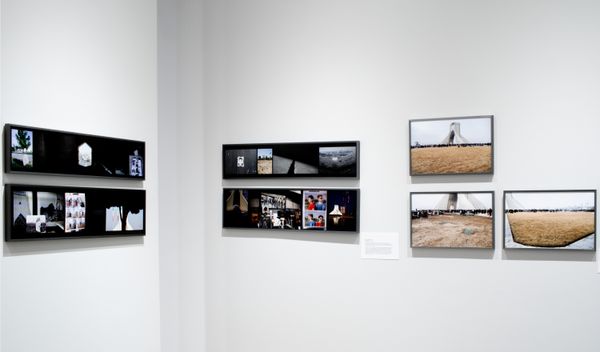
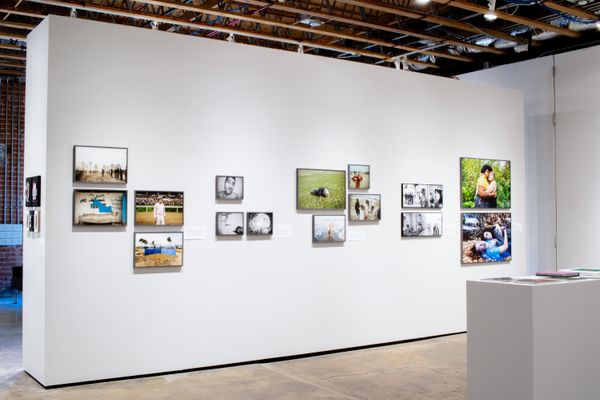
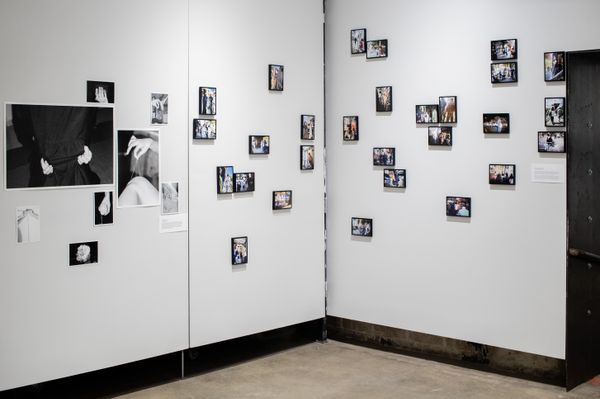
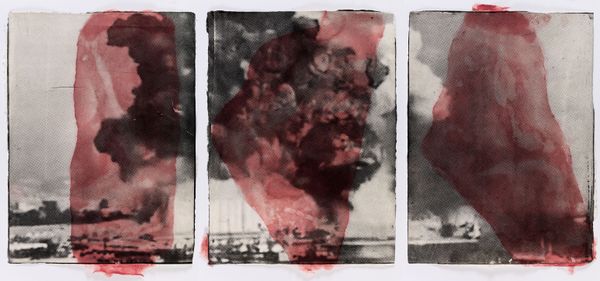
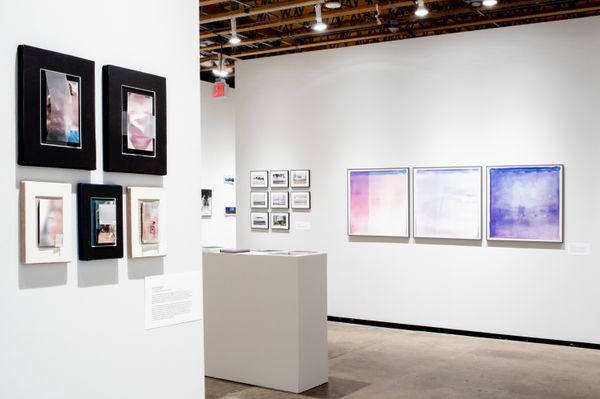
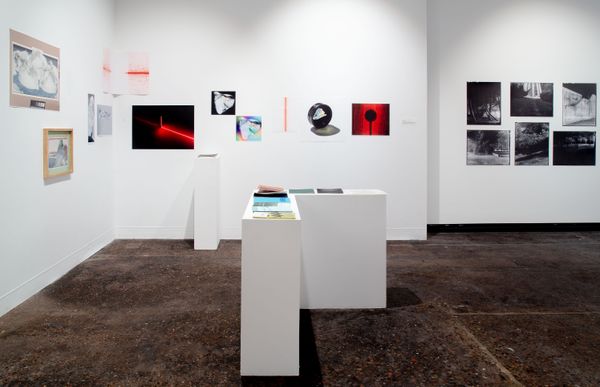
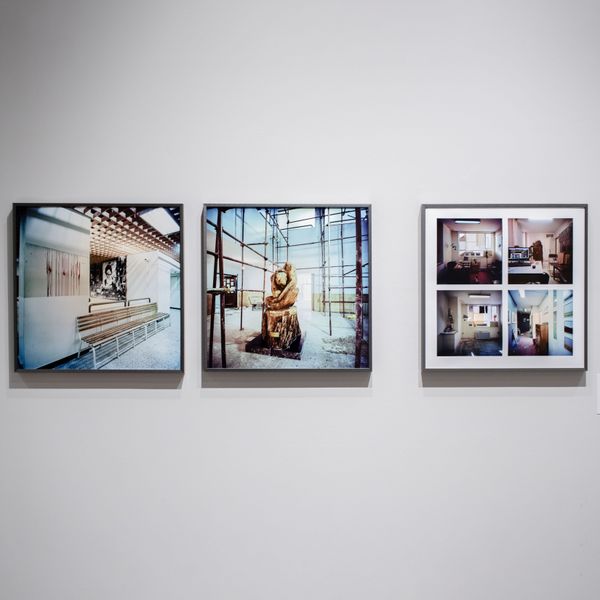
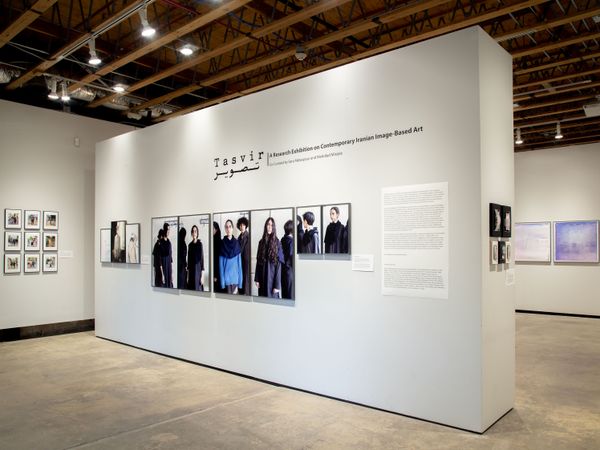
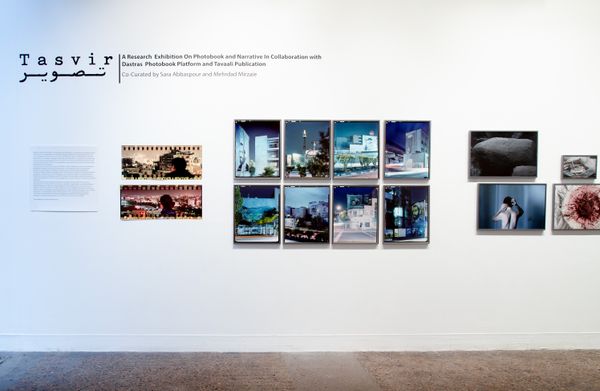
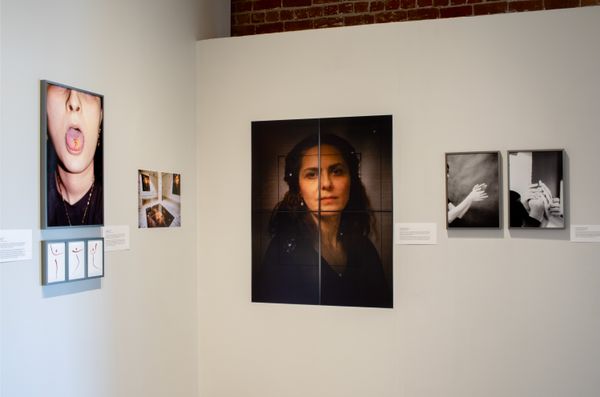
In September 2024, the first and second editions of the Tasvir research exhibitions were presented at Northlight Gallery and Step Gallery at Arizona State University in Phoenix, Arizona. These two interconnected exhibitions, co-curated by Mehrdad Mirzaie and Sara Abbaspour, showcased the work of nearly sixty Iranian-identifying artists from across twelve countries. The exhibitions highlighted over 170 works across photography, photobooks, prints, and time-based media, drawing from over 4,000 image artworks collected over two years. The Northlight Gallery contextualized the larger research archive, while the Step Gallery—organized in collaboration with Tavaali Publications and Dastras Photo Book Platform—explored the photobook as a narrative medium.
I am now seeking to produce a comprehensive publication documenting this first phase of the Tasvir Project. The book, first and foremost, is intended to document and publish critical texts on contemporary image-based art in Iran. Unlike a traditional exhibition catalog, this volume will serve as both an archival record and a scholarly resource. It will offer an in-depth curatorial and historical framework that reflects the project's long-term research goals.
This foundational volume in a growing series of publications will include:
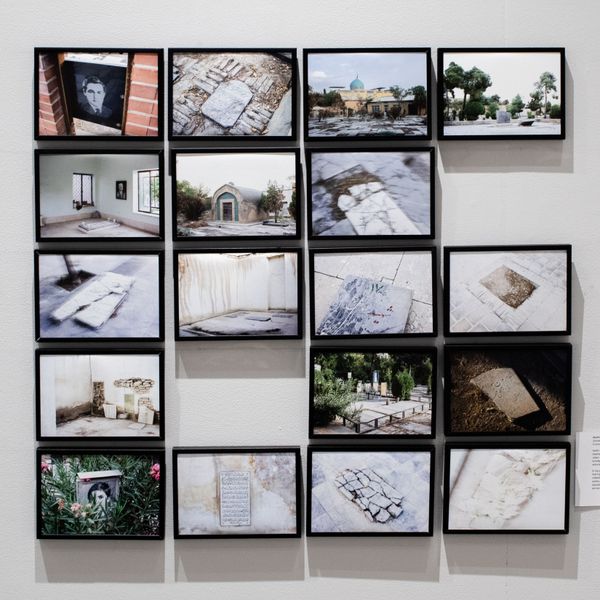
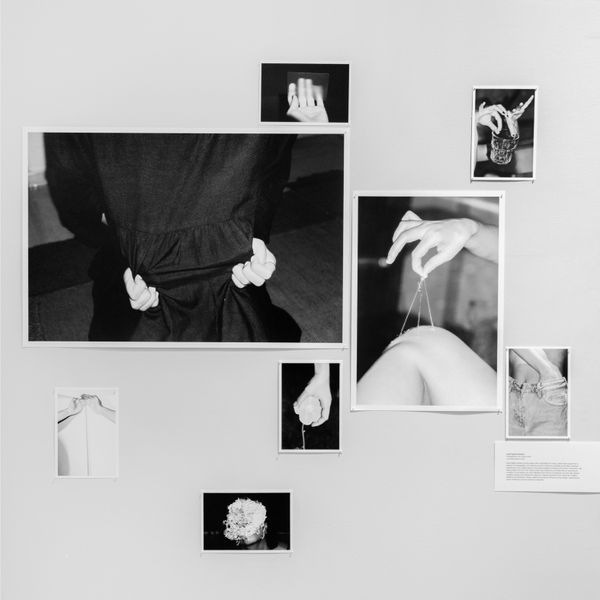
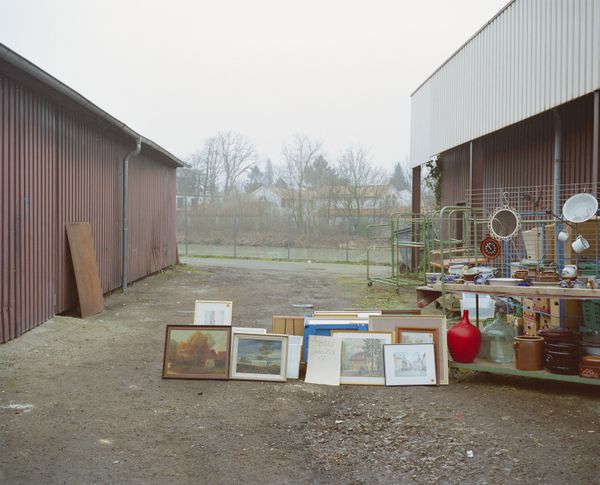
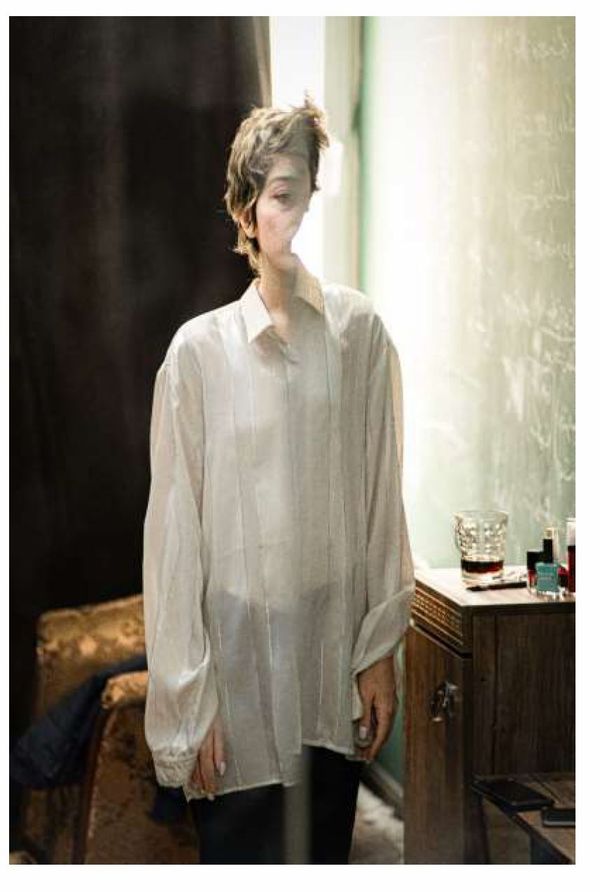
Exhibited works
Installation views of both exhibitions
Biographies and statements of artists in the archive
All critical texts associated with the exhibitions, including curatorial essays and invited scholarly contributions
Additionally, the book will contain several new scholarly contributions developed specifically for this volume:
A long-form introduction tracing the history of photography in Iran after the 1979 revolution, offering a framework to understand the socio-political and aesthetic shifts that inform contemporary practices
Critical essays focused on the history and development of photobooks in Iran, contributing to a growing body of knowledge in this field, in collaboration with Dastras Photo Book Platform
Interviews with participating artists, offering insight into their individual practices and how they navigate the complex intersections of politics, identity, and image-making
New essays reflecting on the Tasvir exhibitions themselves and the broader implications of the project in the landscape of Iranian contemporary art
Beyond being a record of two exhibitions, this book is a critical intervention in Iranian art historiography. It will function as a counter-archive—a platform that foregrounds multiplicity, dissent, and situated knowledge. The artists represent a broad range of identities, aesthetics, and concerns—from environmental degradation and gender identity to the politics of exile and the aesthetics of protest. The book will highlight these pluralities and offer a structure for future exhibitions and research.