Stripped & Crowned Through the Looking-Glass World of Exotic Dancers
-
Dates1990 - Ongoing
-
Author
- Locations United States, Massachusetts
Stripped & Crowned revisits photographs and recorded voices of women who worked as topless dancers in New England, bringing this archive into the present through a feminist lens that shifts perceptions of power, identity, sexuality, and the gaze.
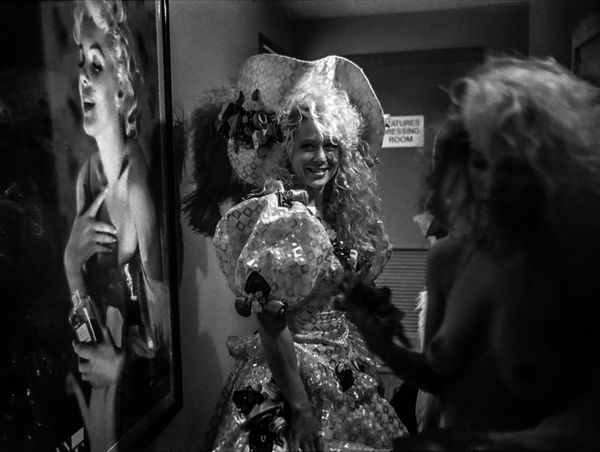
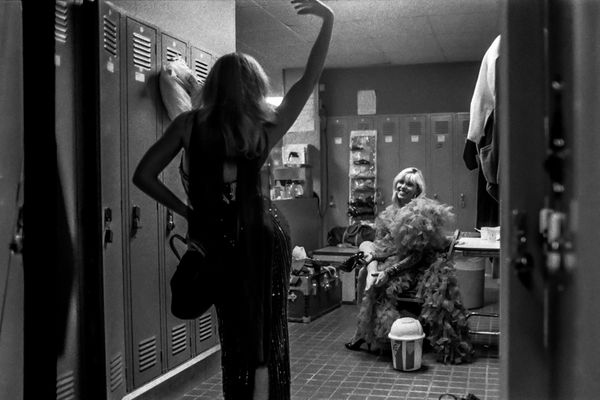
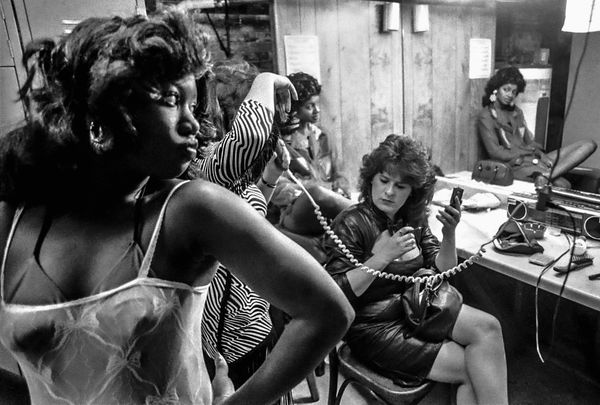
Stripped & Crowned: Through the Looking-Glass World of Exotic Dancers is an in-progress documentary and oral history project exploring the lives of women who worked as topless dancers in New England. Through a female lens, the work offers a feminist counter-narrative to a community that has been historically hyper-visible yet profoundly unseen. More than three decades after being made, I returned to the photographs and recorded interviews and began shaping the archive into a book. Looking at this work from the present has opened new perspectives on images and stories that remain strikingly relevant.
The project began in 1990 after an exotic dancer asked me for headshots and described her work as fun, lucrative, and empowering. That conversation challenged my assumptions, sparked my curiosity and led to a four-year photographic journey into the world of exotic dancers across Massachusetts, Maine, and Rhode Island. The first dancers I met embraced the project, sharing contacts, introducing me to other women, and facilitating access to clubs, private events, dressing rooms, and eventually their lives beyond the stage. The project grew through these relationships, allowing me a depth of access I could not have found as an outside observer.
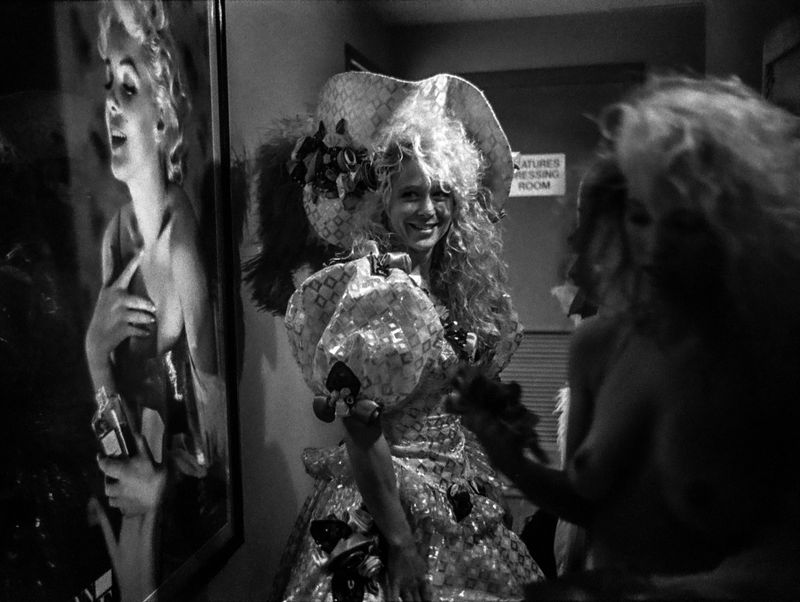
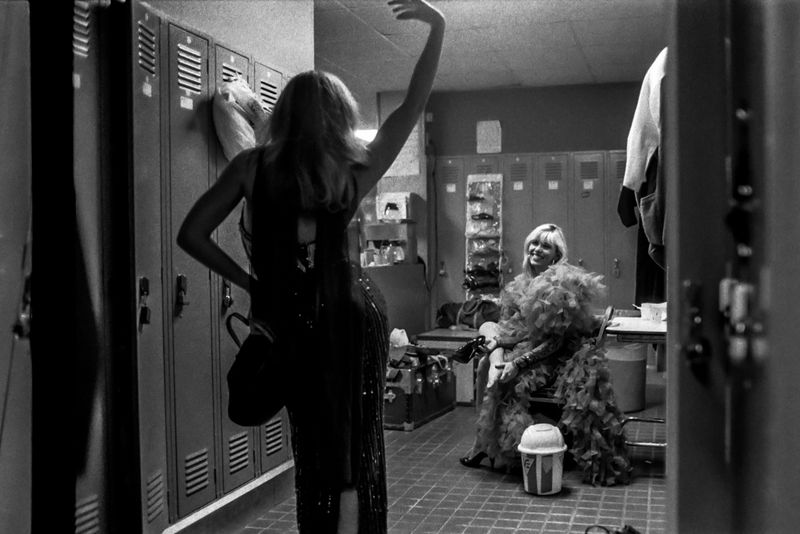
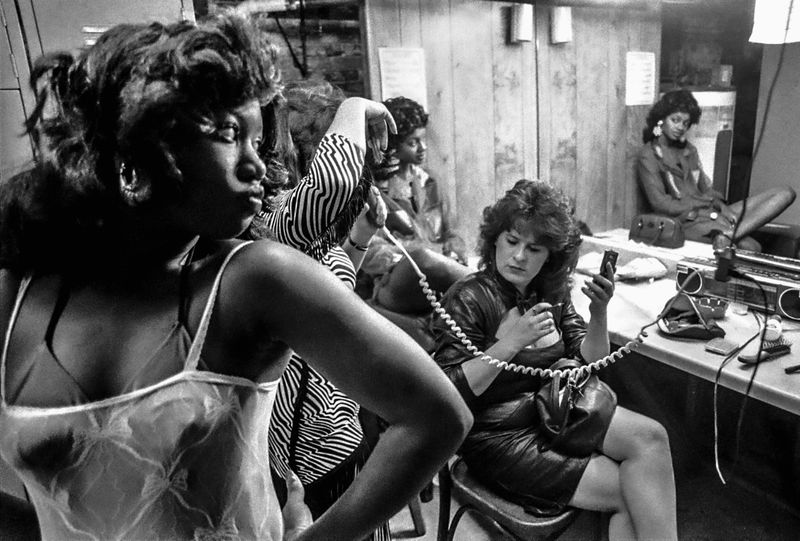
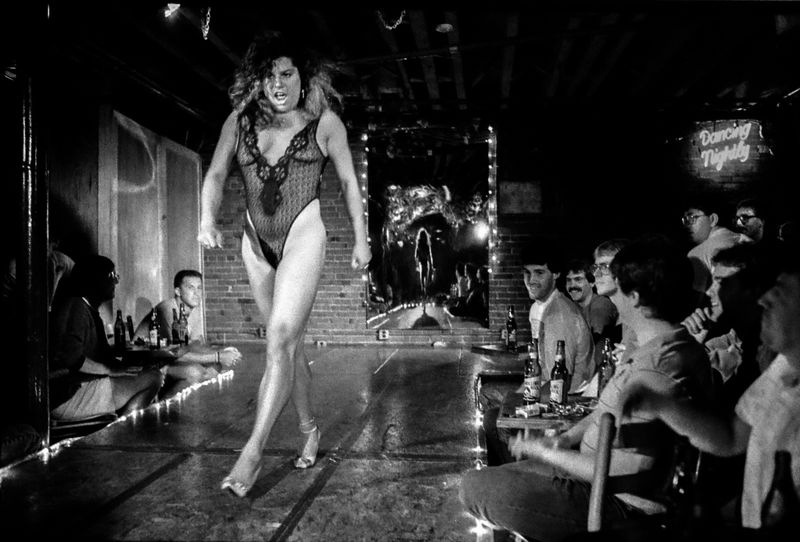
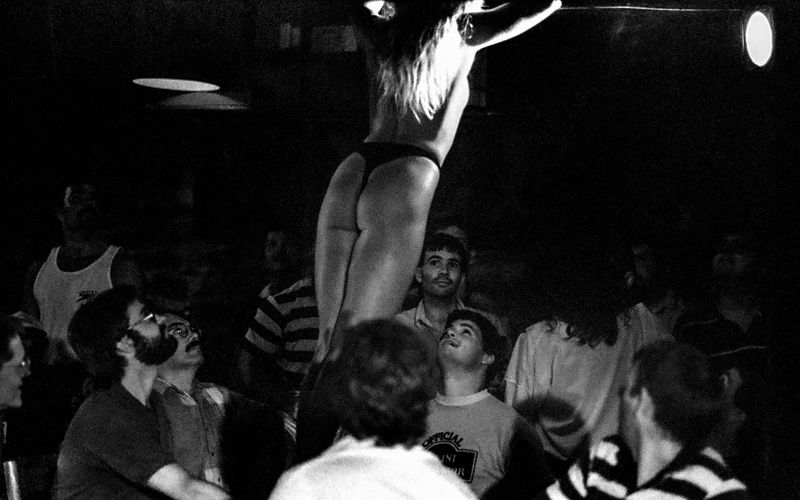
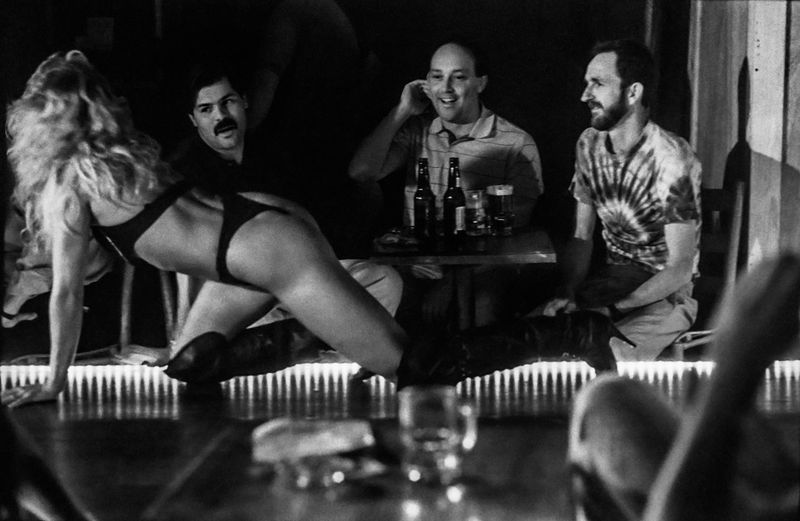
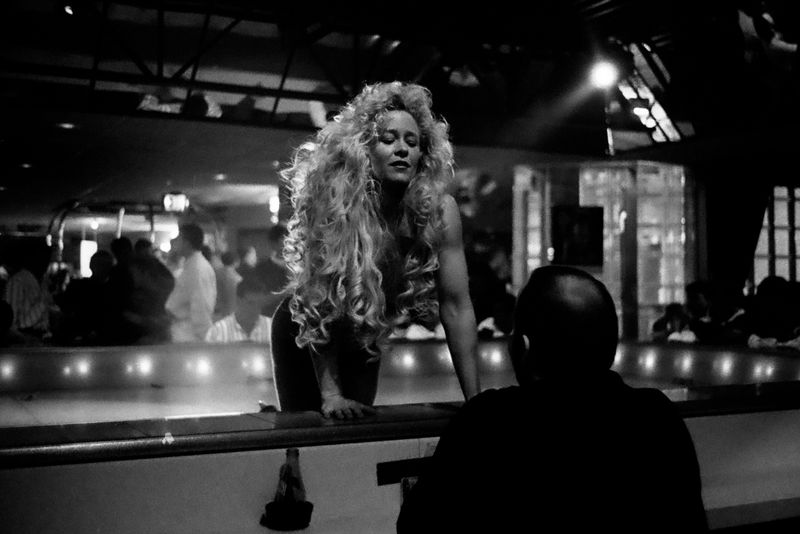
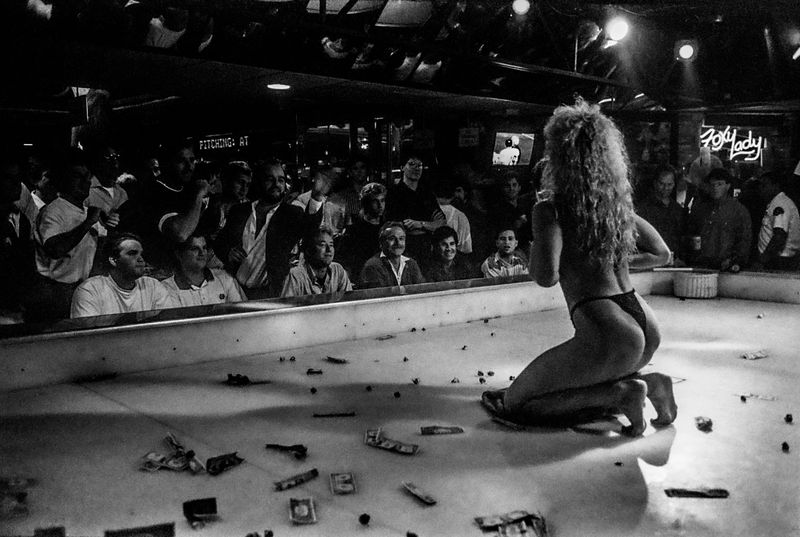
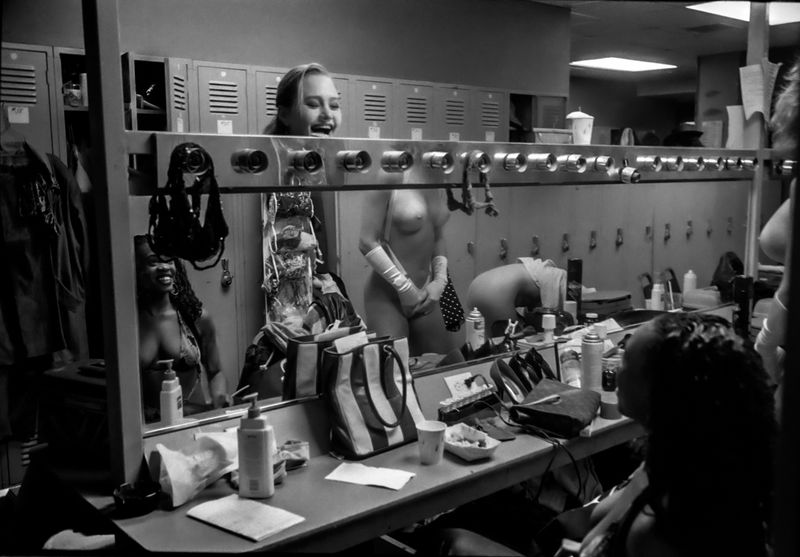
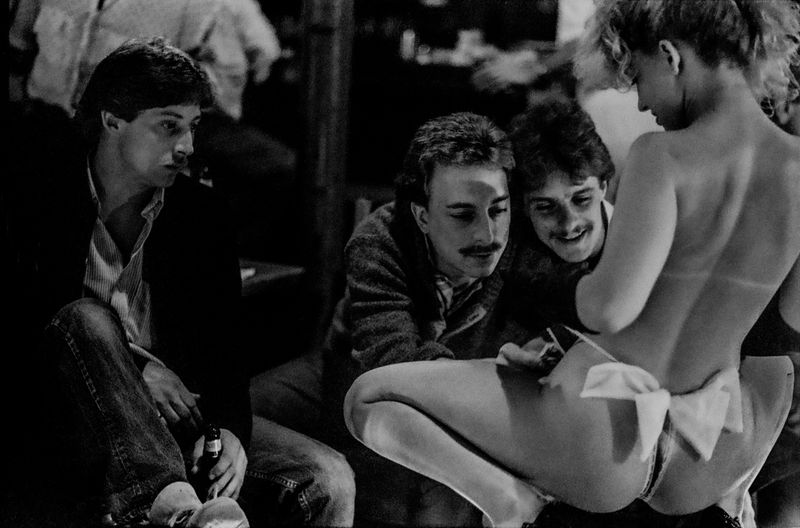
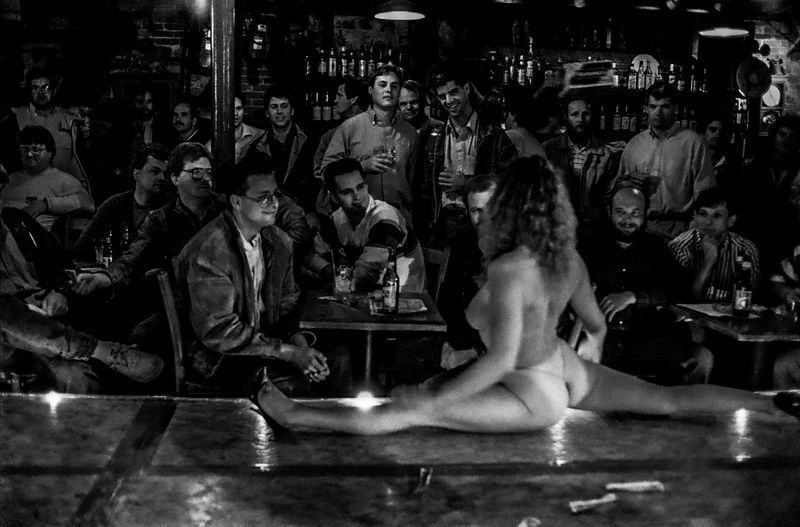
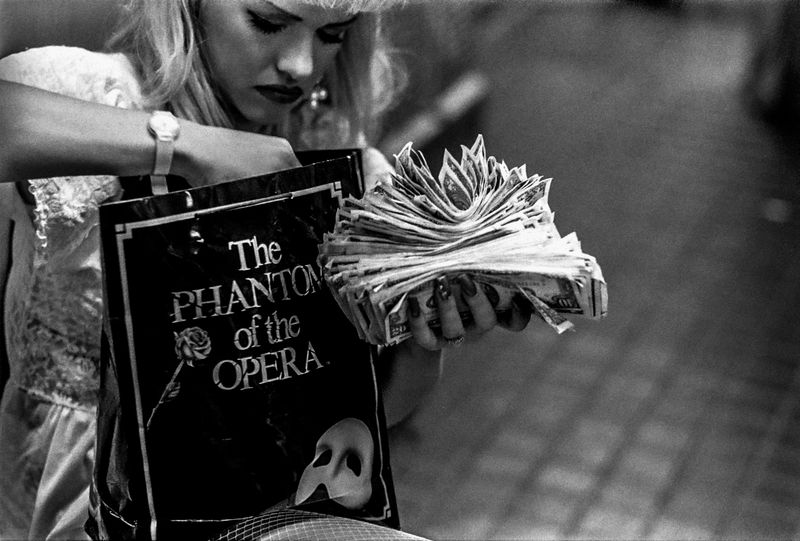
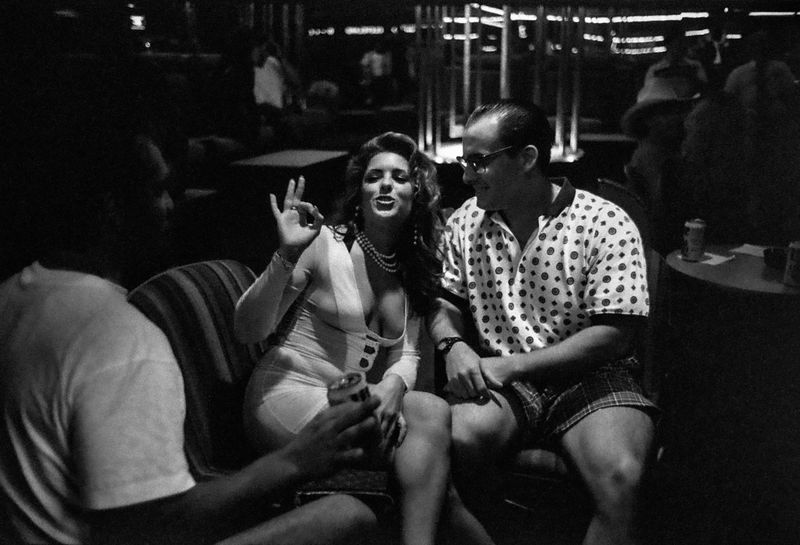
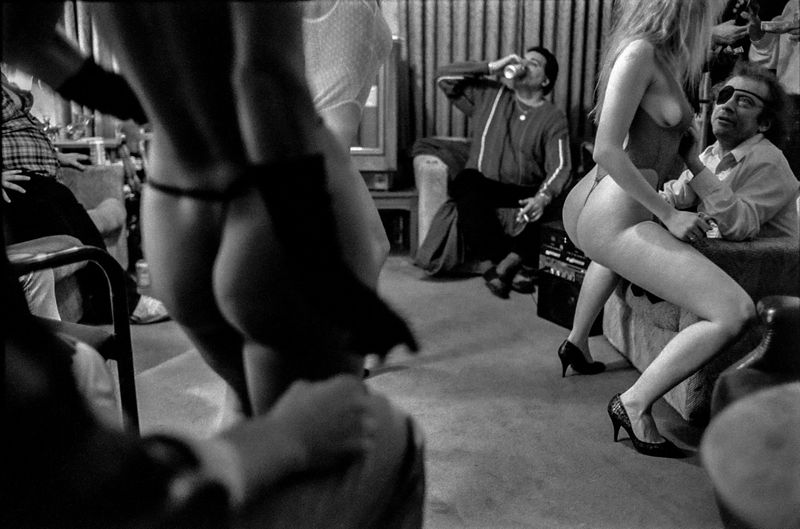
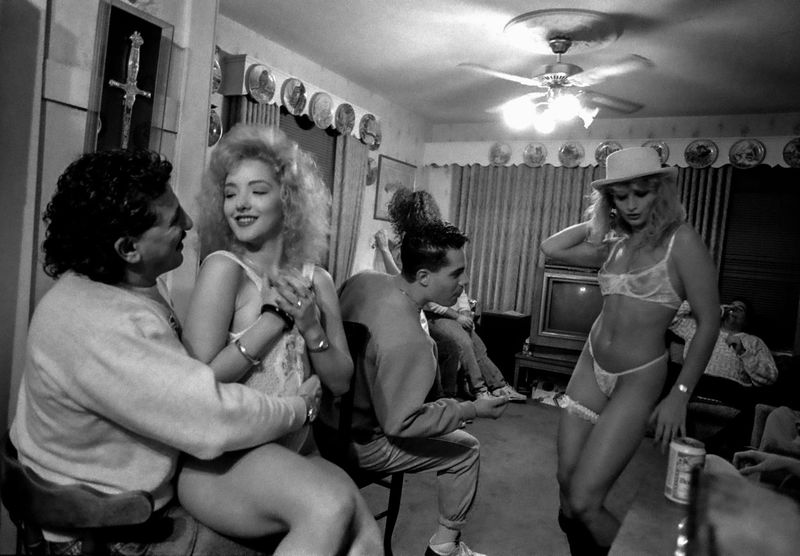
Entering those dimly lit venues carried a surreal sense of dislocation. Moving through male audiences, past neon-lit stages, behind backstage curtains, and into female-only dressing rooms, I photographed women between the ages of twenty-one and thirty-four who chose to dance topless. They were students, mothers, and professionals using striptease to fund futures, support families, and gain financial independence while exercising agency over their time, bodies, and income.
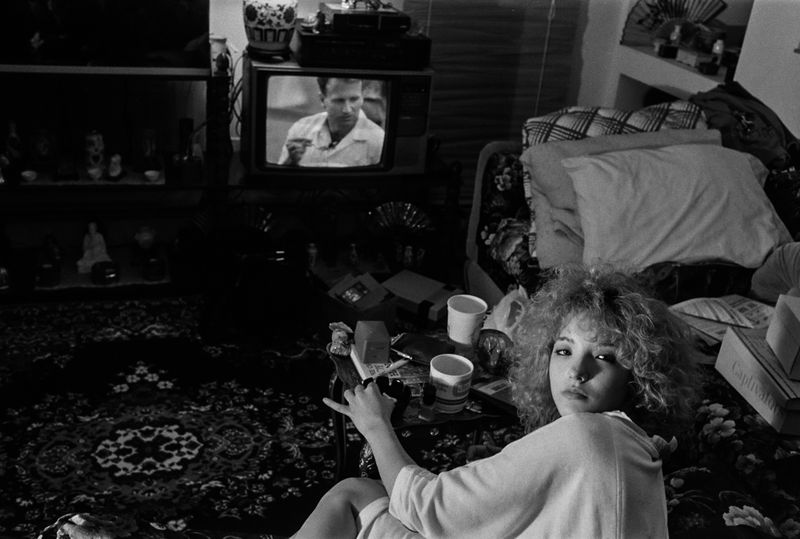
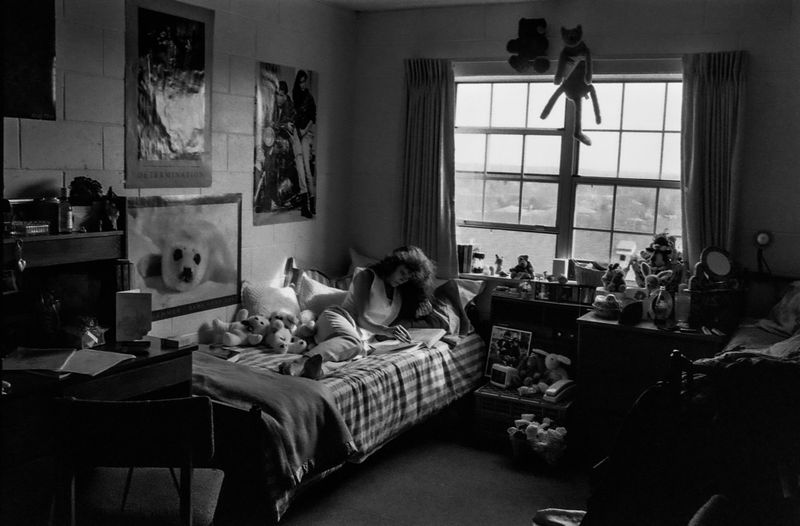
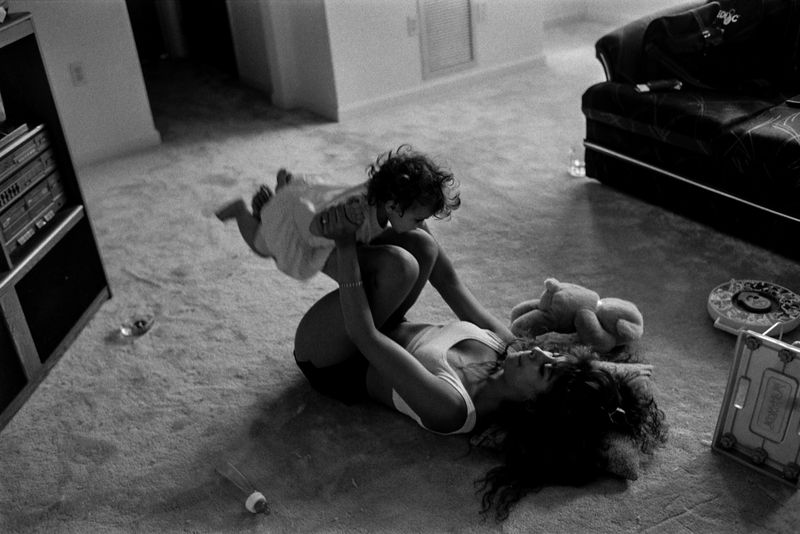
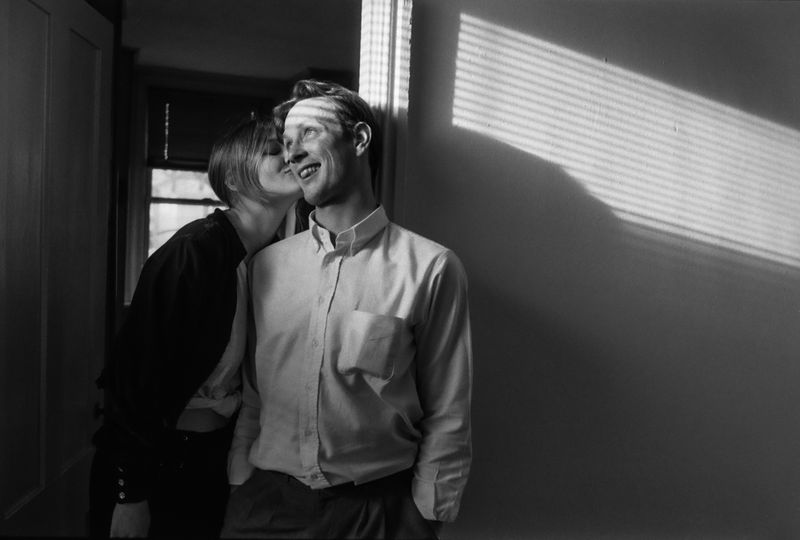
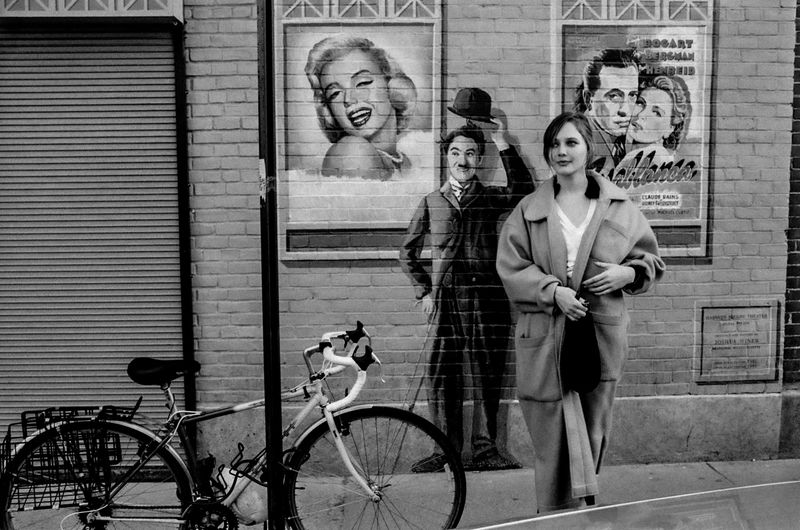
I shot on high-speed black-and-white film using Nikon and Leica cameras, embracing heavy grain and available light to capture how the environment looked and felt. What I encountered was a world where performance and perception shifted depending on where you stood. Onstage, the dancers commanded the room. Offstage, they moved through ordinary routines of friendship, laughter, fatigue, motherhood, work, and care. The photographs complicate the traditional gaze, allowing the shifting dynamics of looking, performance, power, and vulnerability to emerge through the images themselves.
As I spent more time with the dancers, their stories became as essential as the photographs. In 1993, I began recording their voices on tape so their words could live alongside the images. They spoke about money, relationships, motherhood, confidence, stigma, sexuality, and the choices that shaped their lives. Their voices deepened what I was able to see. What began as observation became a collaboration built on trust, with the women inviting me further into both their working environments and private lives.
The women's voices carry equal narrative weight, deepening and often transforming the viewer's understanding of what is being seen. The photographs do not illustrate their words, nor do the words explain the photographs. Together, they allow perception to shift, gradually revealing a more complex reality beyond the personas created on stage. The photobook becomes both a documentary record and a process of discovery, allowing new perspectives to emerge as the images and voices are brought together.
Drawing on Lewis Carroll's Through the Looking-Glass, the book creates a mirrored world where familiar assumptions about gender, power, sexuality, identity, and looking begin to shift. Returning to the archive from the present has revealed layers within the work that extend beyond the time in which the photographs were made.