Step work
-
Dates2007 - 2026
-
Author
- Location United States
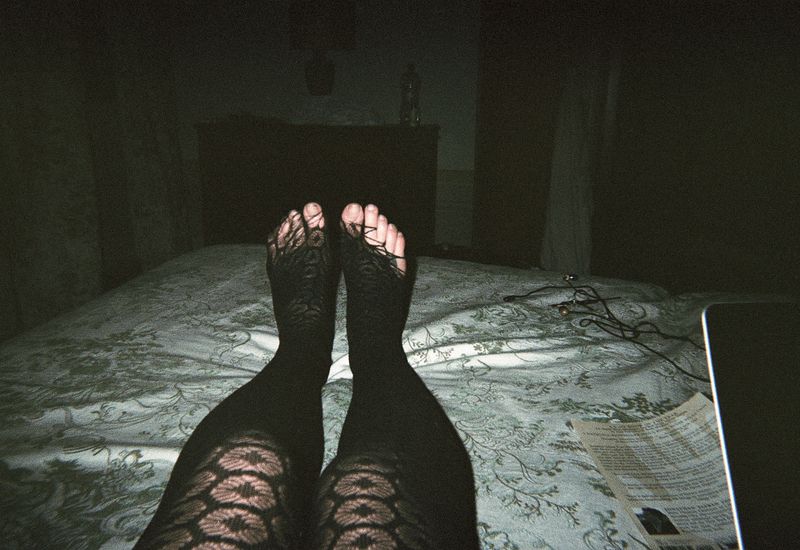
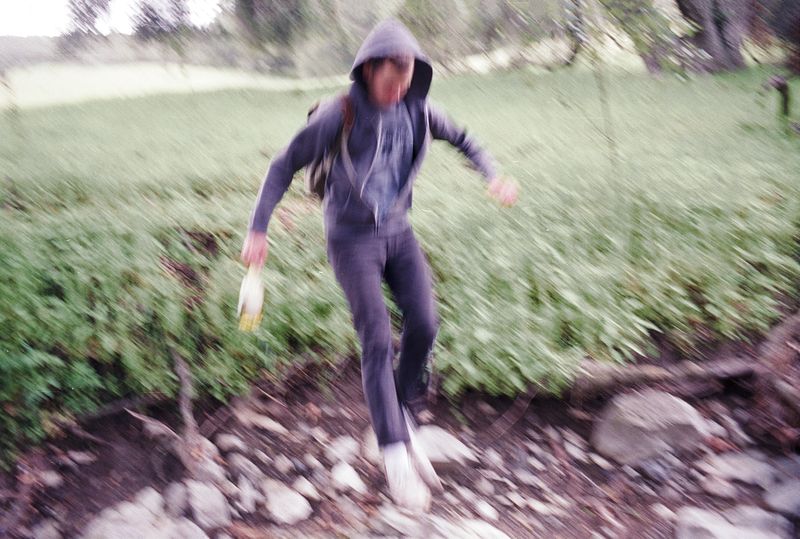
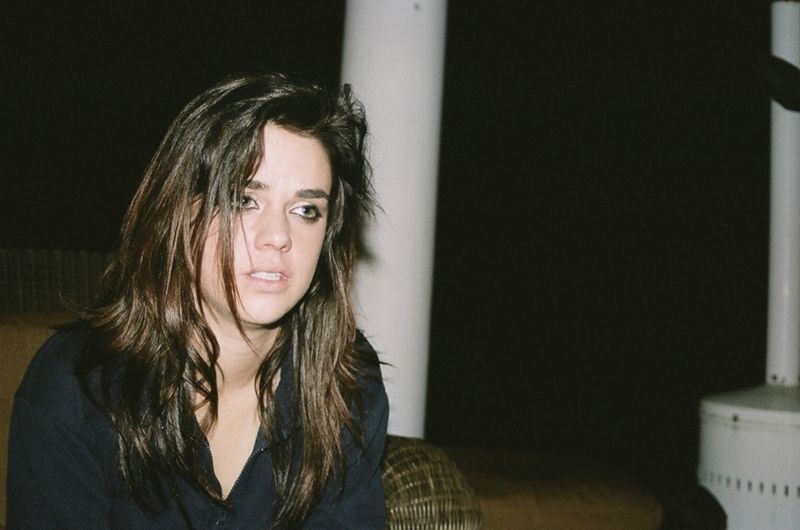
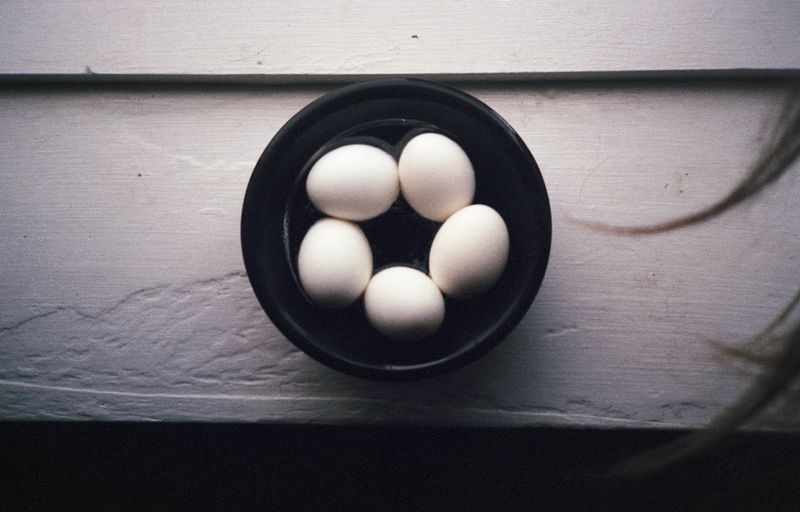
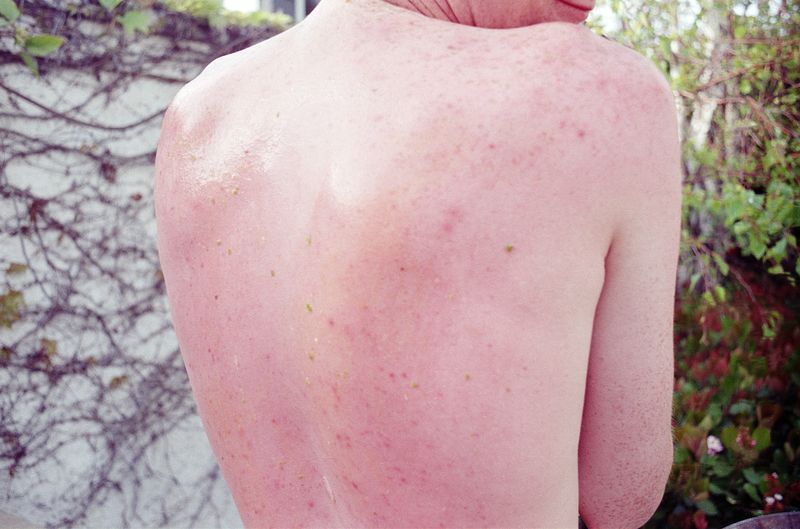
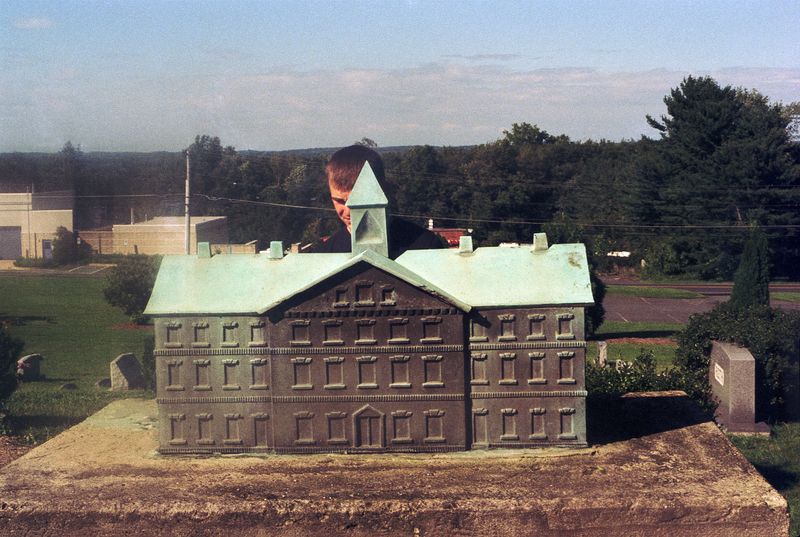
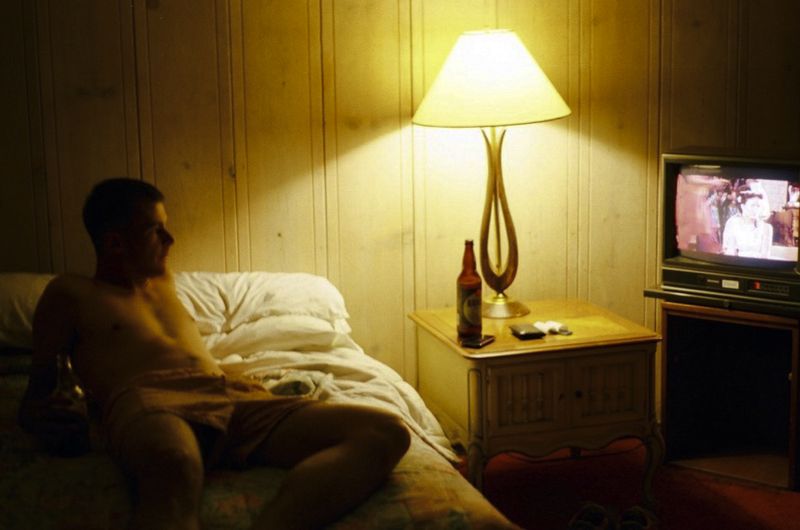
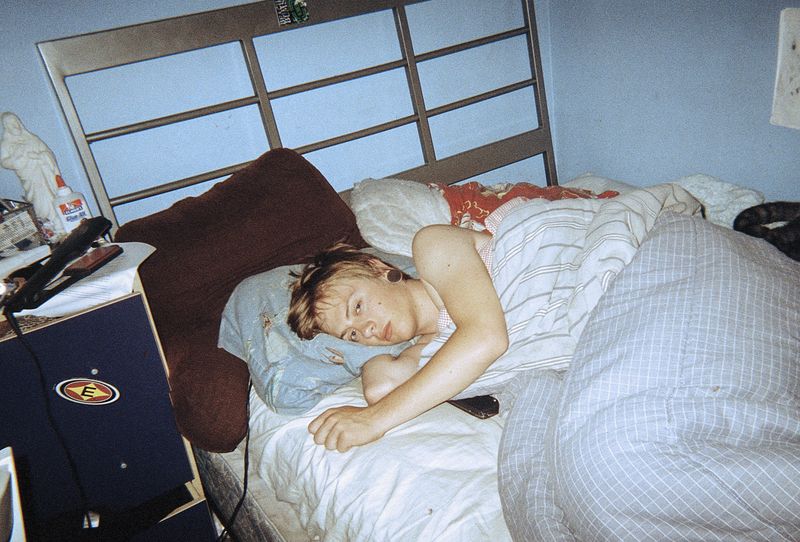
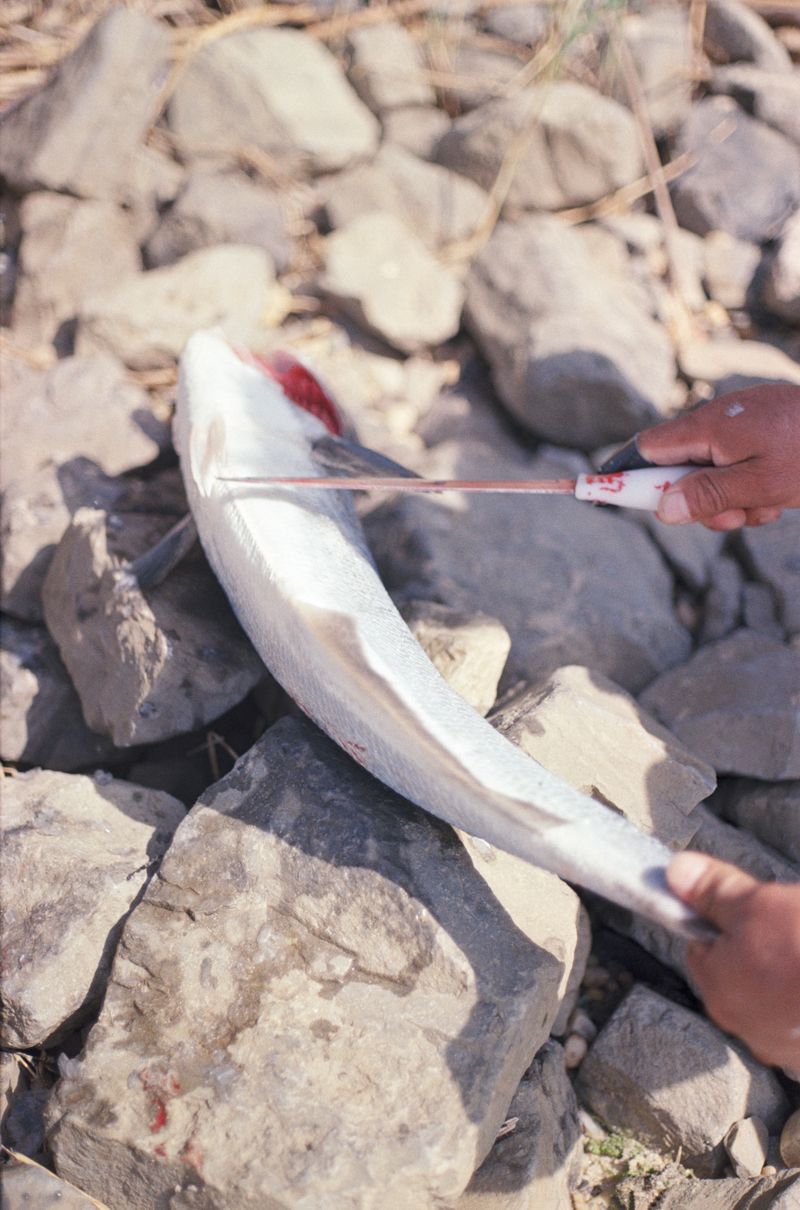
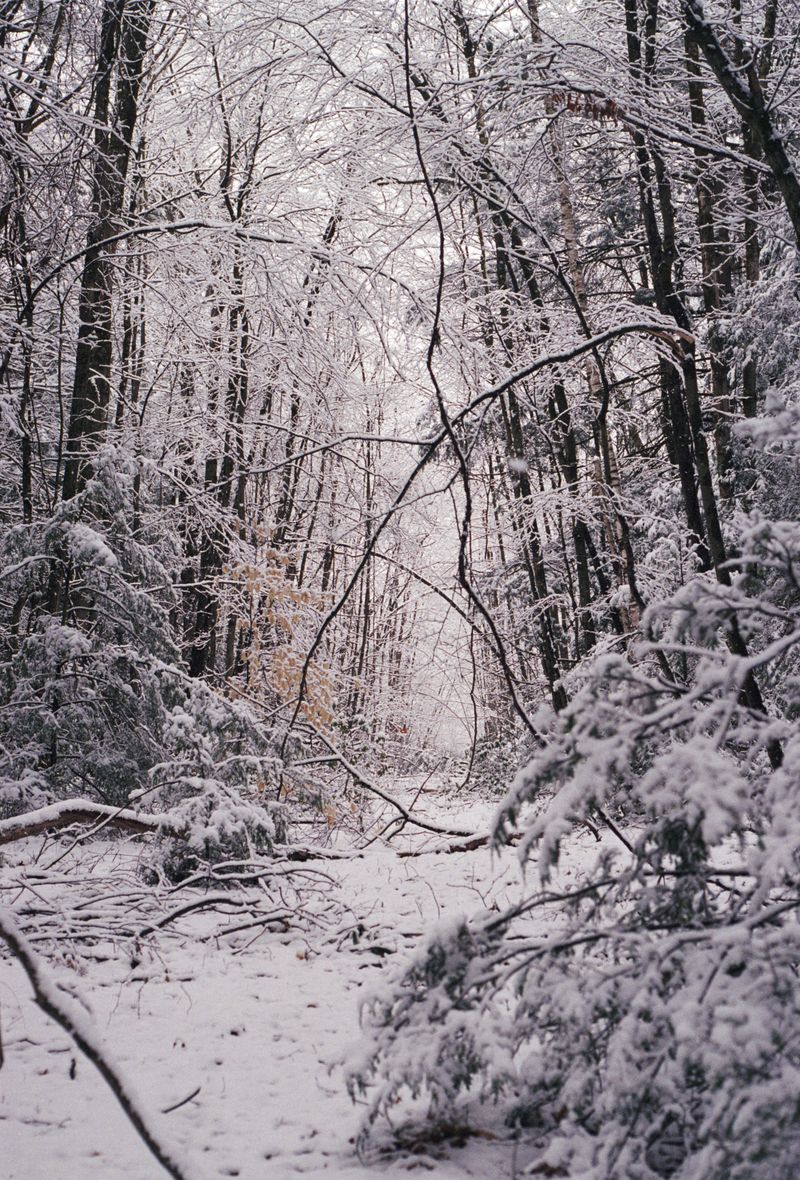
Spanning work over 19 years, Step work wrestles with self-inventory through photography. With a focus on remove and alienation, it acknowledges the men in my family who have worked towards sobriety as I navigate it myself.
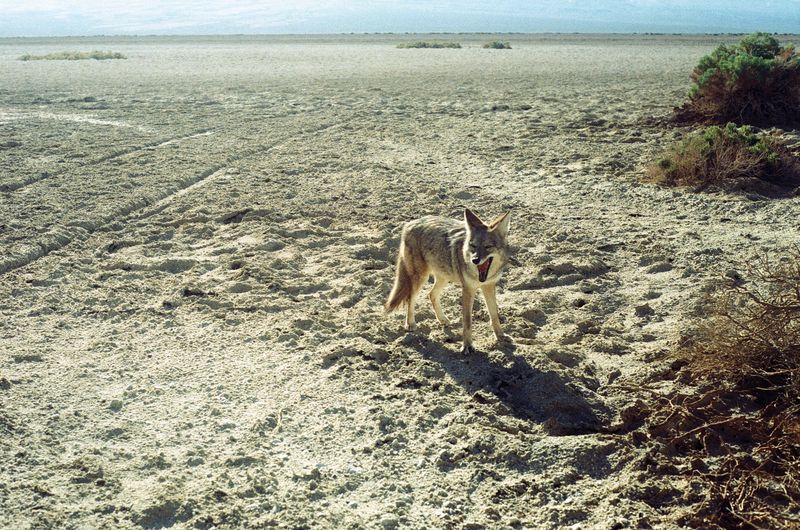
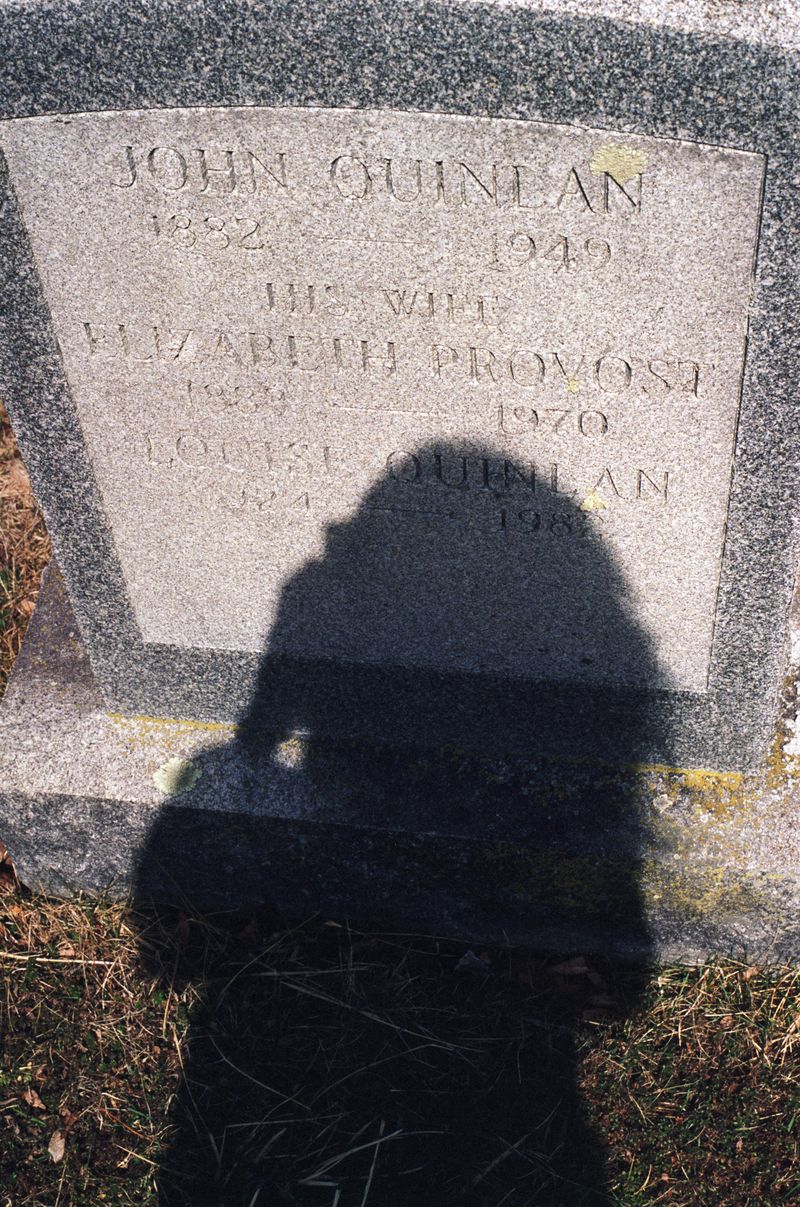
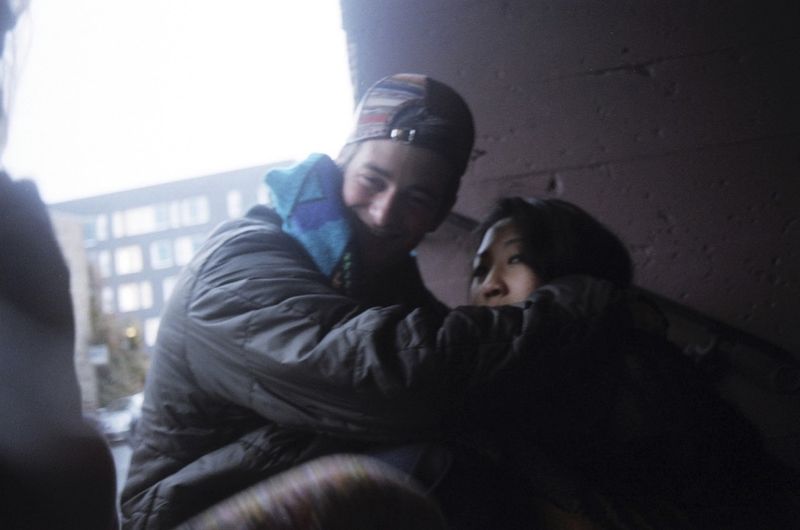
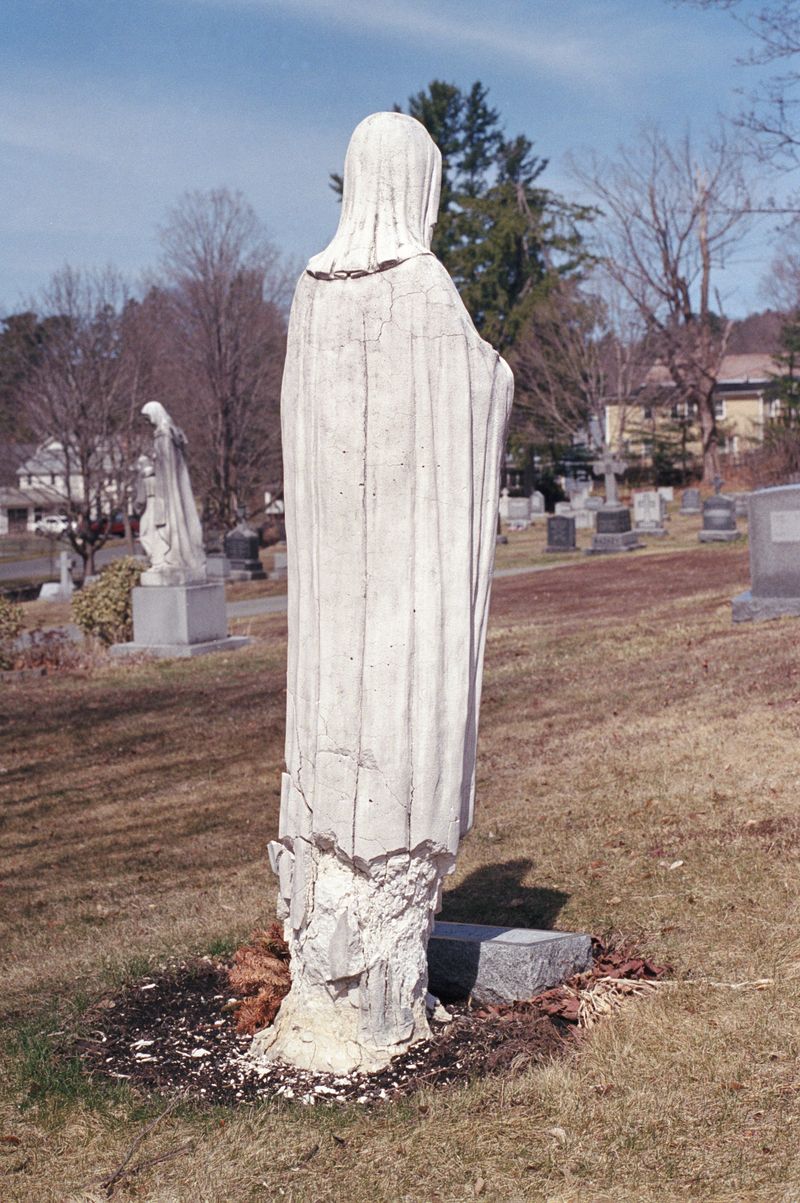
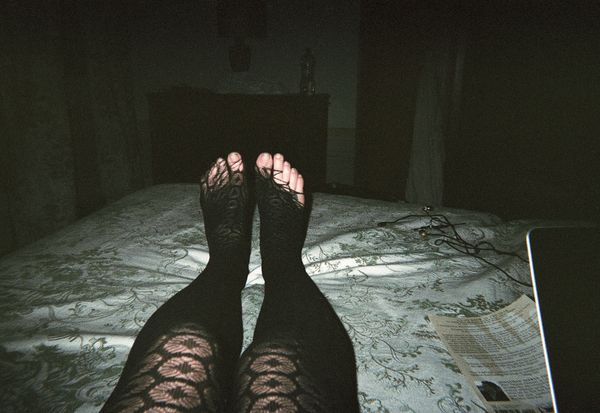
My life is nothing like a hammer, but I am impatient, so often times I’ll behave like one. Matt once told me that if I were to lose everyone I loved it wouldn’t make a difference. I would be just fine. I agreed with him later, buying mushrooms tucked in empty American Spirit packs from a VFW bartender in Missoula. I could walk into the wind. I used to rescue toads from pool filters and bring tarantulas to school. I fell in love at 15 after Max sang me Bright Eyes at an open mic and slid bottles of smirnoff in his sock drawer while playing house. I am afraid of being left behind so I left, I came back, I left, and left again. Came back, left once more, then left for good. I often behaved poorly. I thought I was accumulating new beginnings. Something made me afraid to photograph the people I love, but that something was different from the thing that made me afraid to photograph all the ones I didn’t. Before, I rested only against my will. Now, I rest only against my will but acknowledge that it is not sustainable. I have three phrases taped to the wall above me, “make it simple and sad”, “use what’s lying around the house” and “try being fed by the stammering, oncoming brightness of life itself”. I leaned on photographs as a substitute for memory, but neither were successful. I took a photograph while playing house, of neon lights, of standing among the familiar dead, of a coyote because it felt nice to not inspire fear in something else and to instead stand calmly in the desert heat.
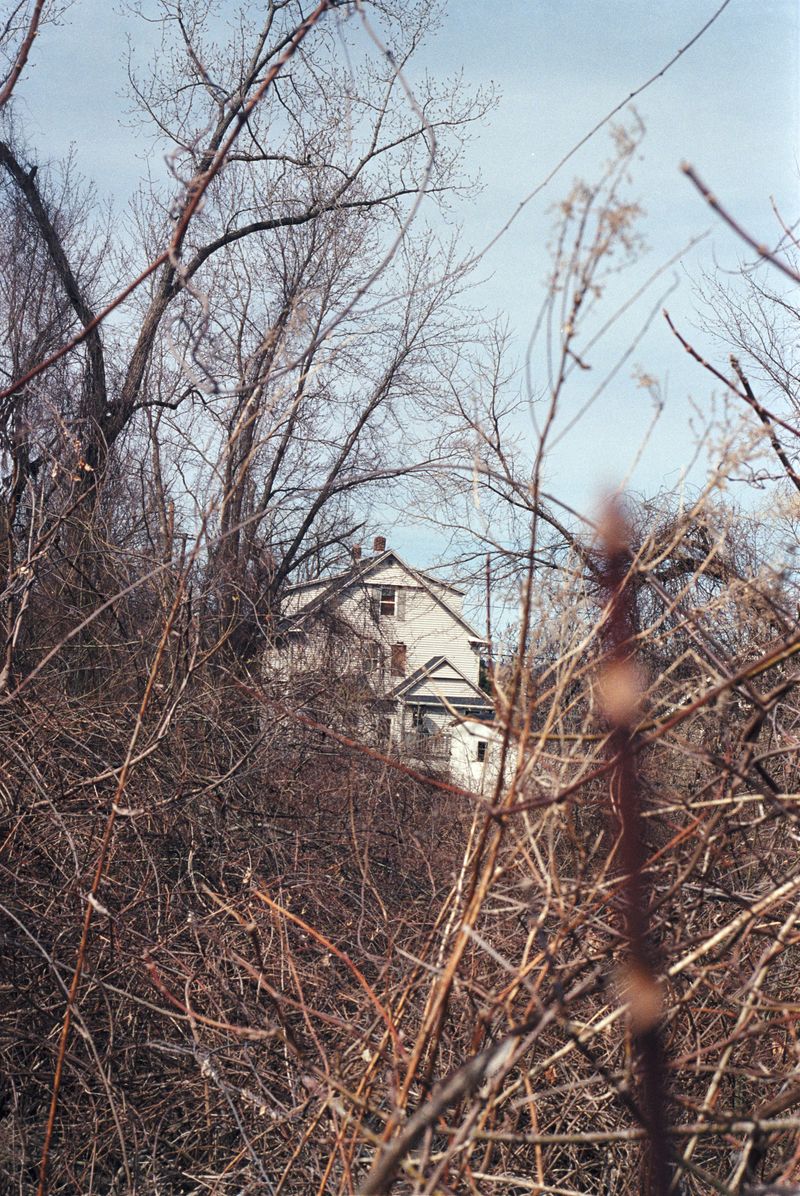
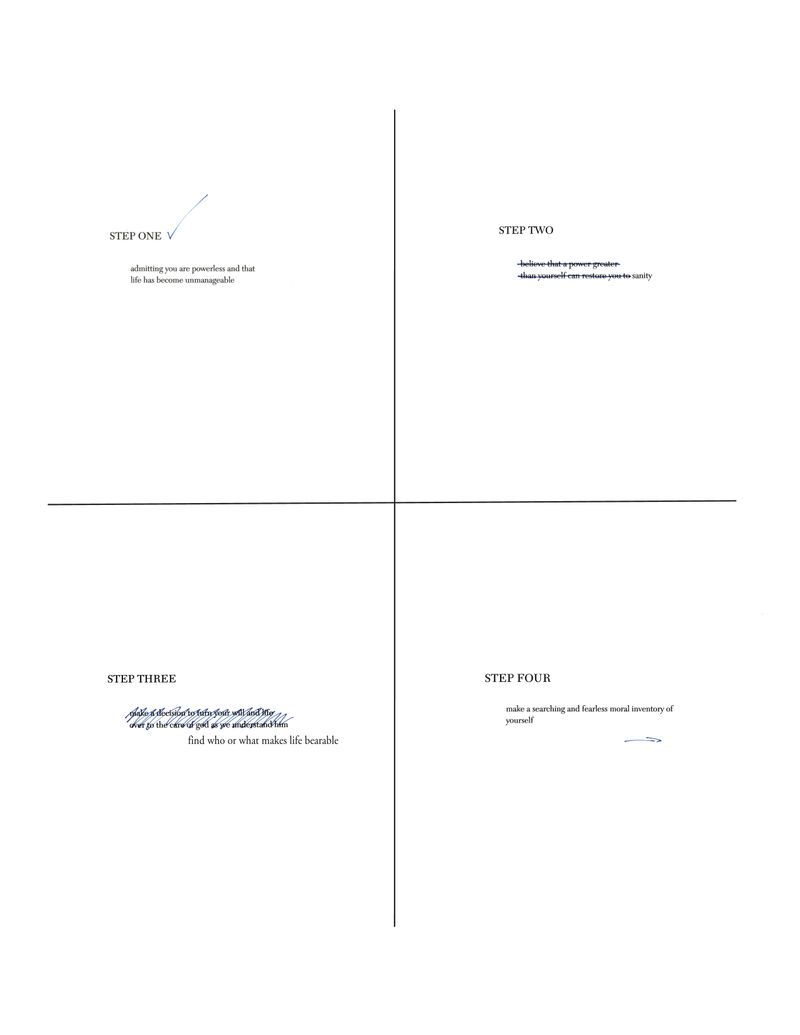
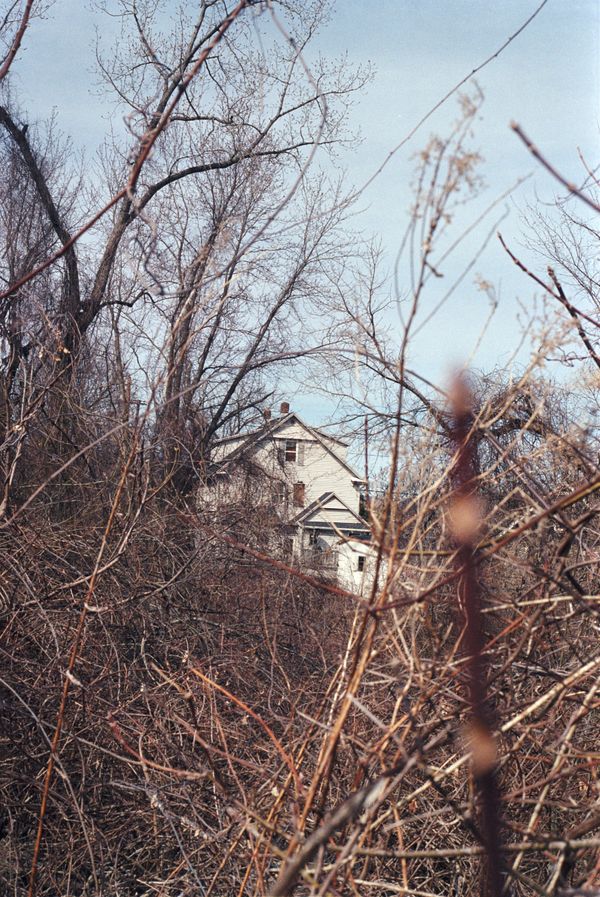
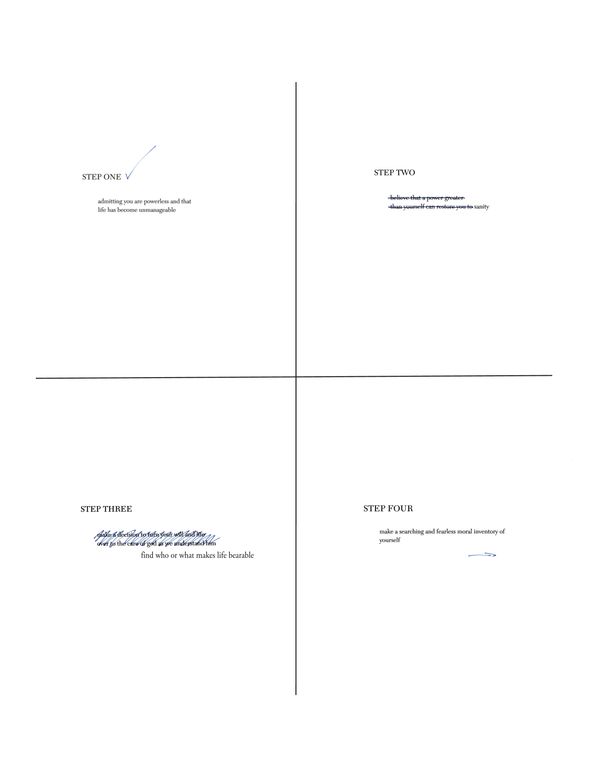
Photography brought me back from something, a specific kind of ledge. My early relationship to photography was difficult and intimidating, a desire to extricate myself rather than ingratiate. Now, making images is a way of being and reaffirming myself in relation to the world. This work, Step Work, represents that transition from past to present. I wrestle with self-inventory through photographs made within the last eighteen years, weaving in contemporary images where I discovered unknown family roots in Central Massachusetts. Less concerned with youth and excess, but instead remove and alienation, Step work is a nod to how men in my family have approached sobriety as I navigate it myself. Acknowledging my reticence and refusal to give too much of myself away along with the ambivalence associated with organizational structures and language.