SON. Becoming Visible
-
Dates2024 - Ongoing
-
Author
- Location Bulgaria
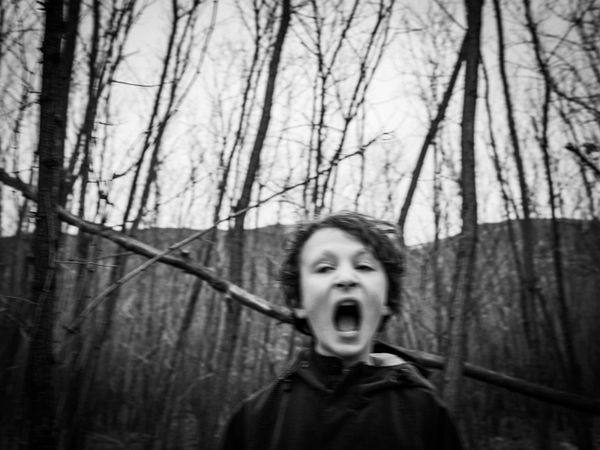
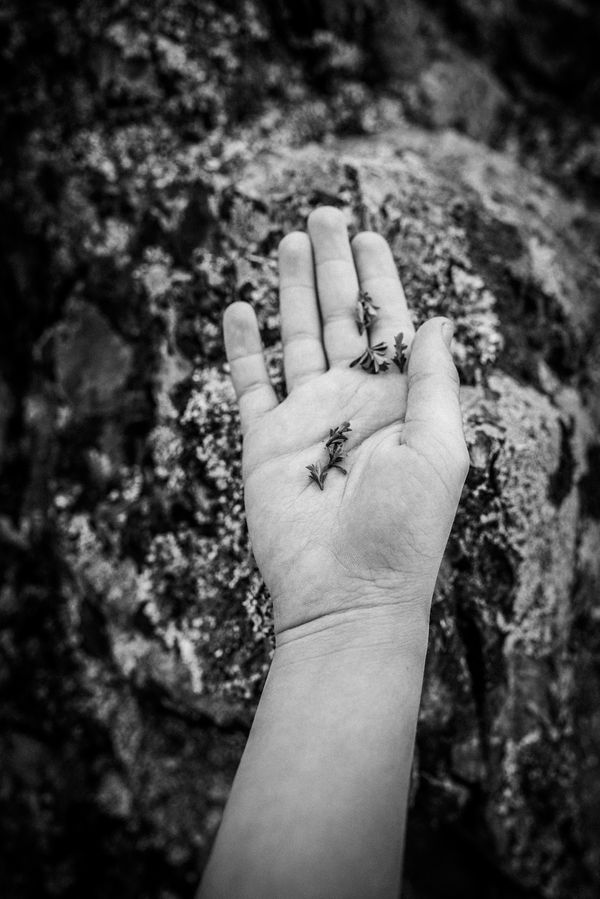
This project explores the coming-of-age of my autistic son. After the struggle of acceptance, it now focuses on his encounter with peers, society, and the fragile balance between difference and belonging.
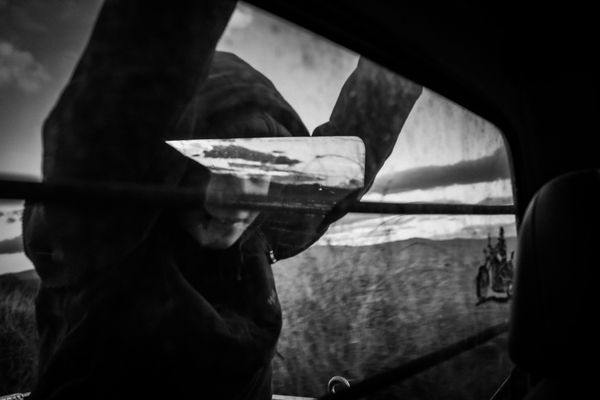
This is the story of my son, who is autistic, and of our parallel journeys of growing up. The project Son is divided into two parts, reflecting two different stages – both in his life and in my inner world as a mother.
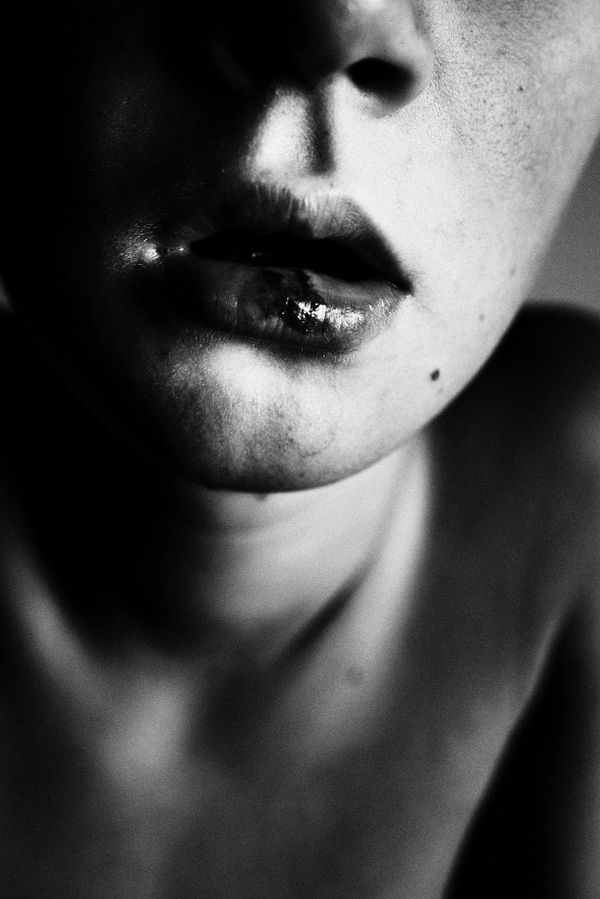
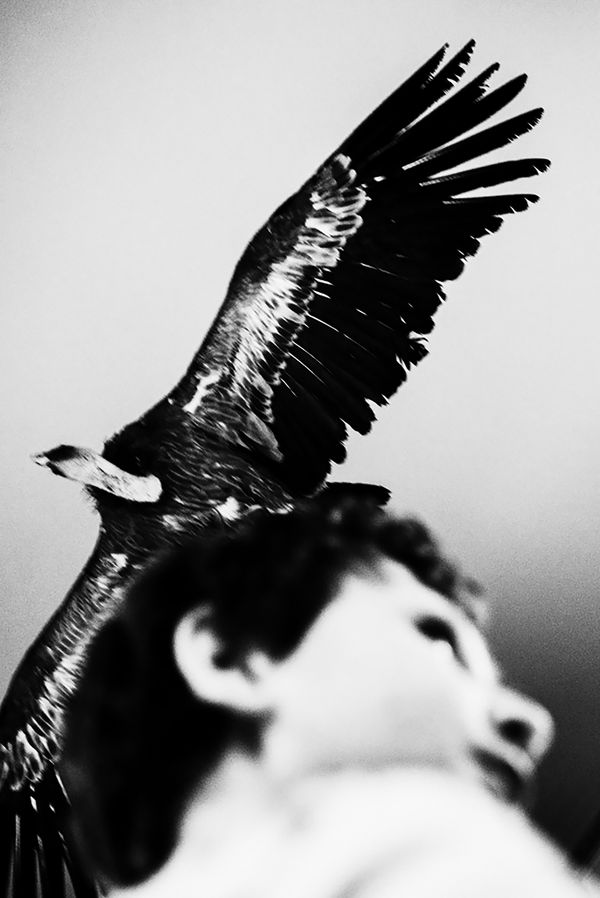
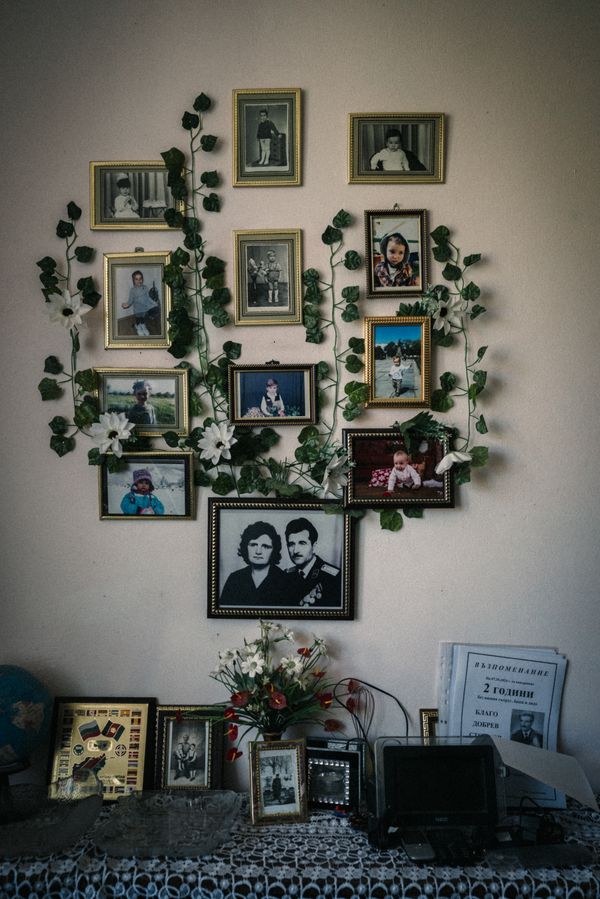
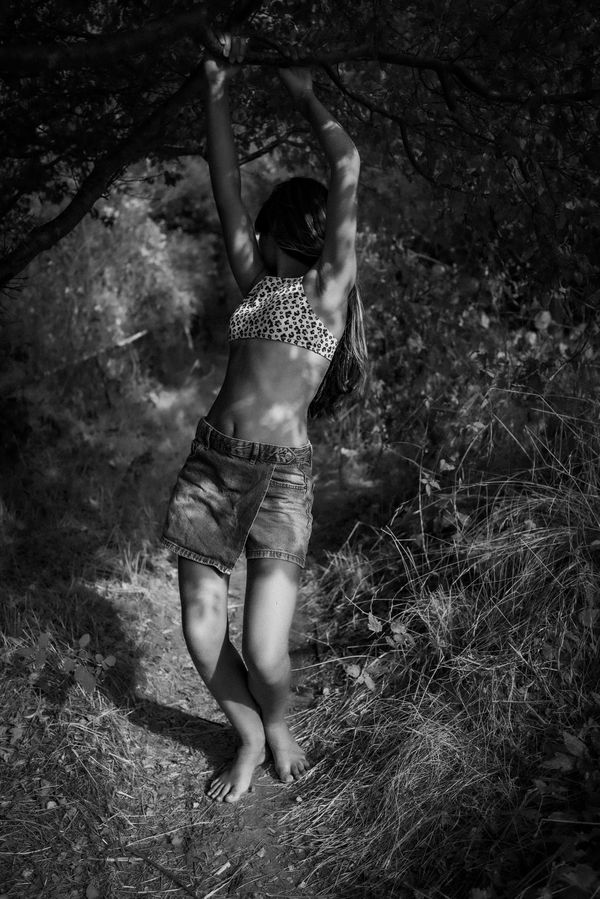
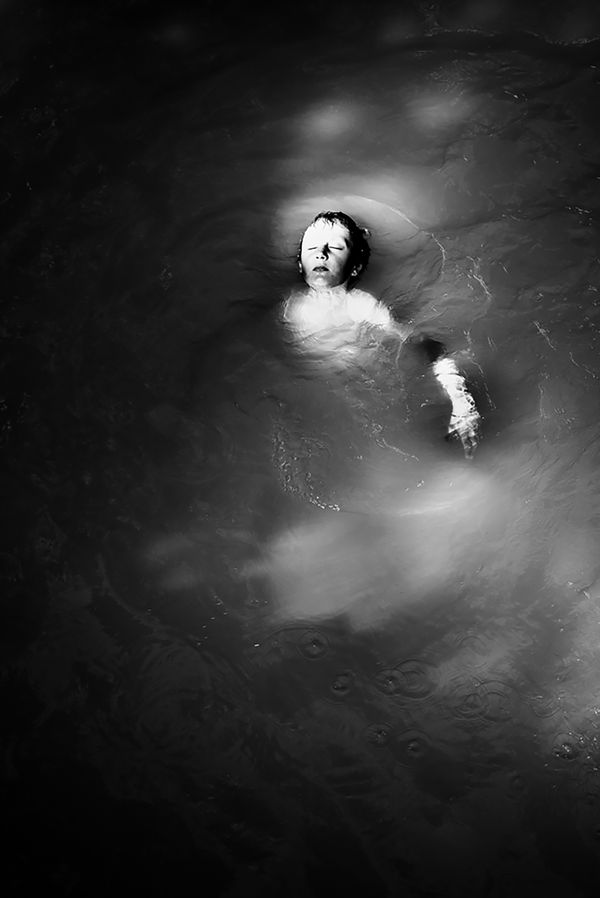
The first part was a deeply emotional and painful process. Through photography, I confronted fear and confusion and learned to accept and love my different child. Photography became a bridge, a way to enter his world and to overcome my own prejudice and grief. Visually, this first series was created in stark black and white, with sharp contrasts and raw emotionality, reflecting the tension of that time. After finishing it, I took a break of almost a year to live through and process everything.
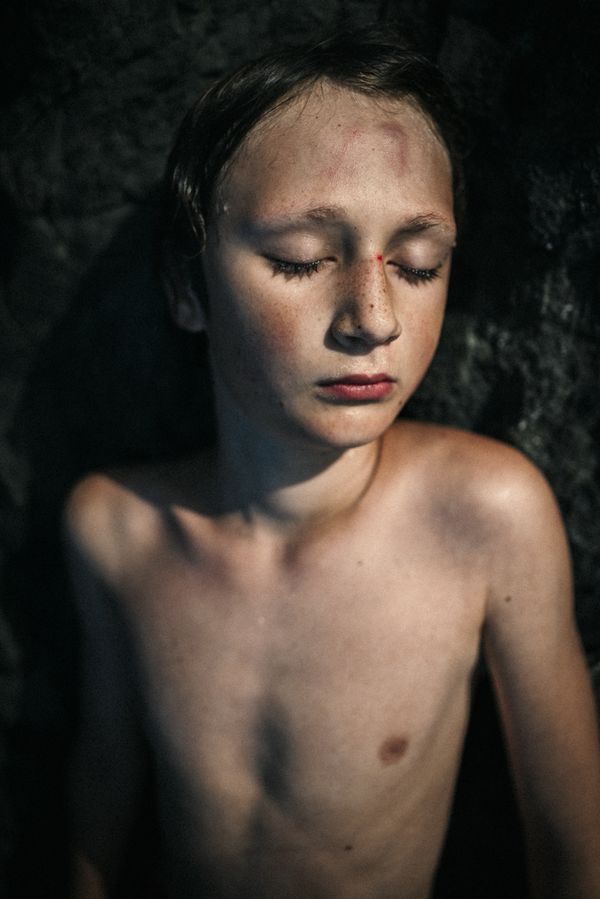
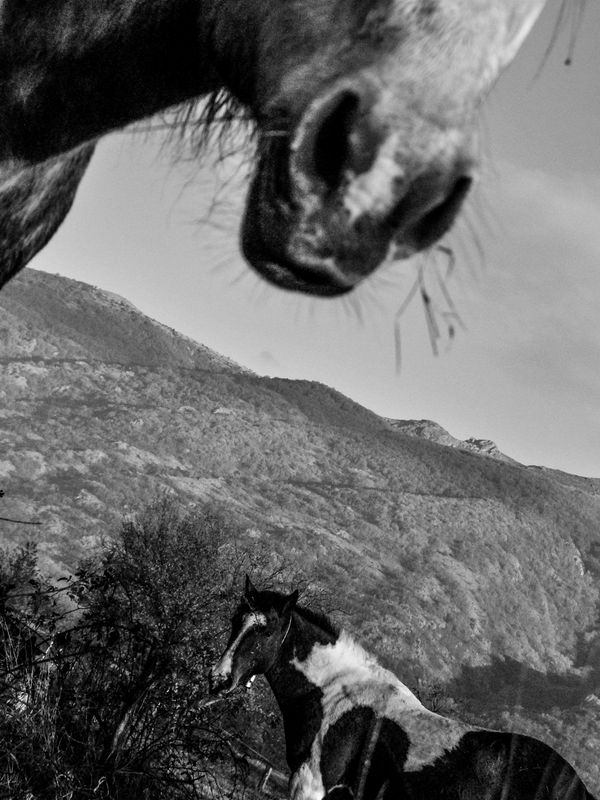
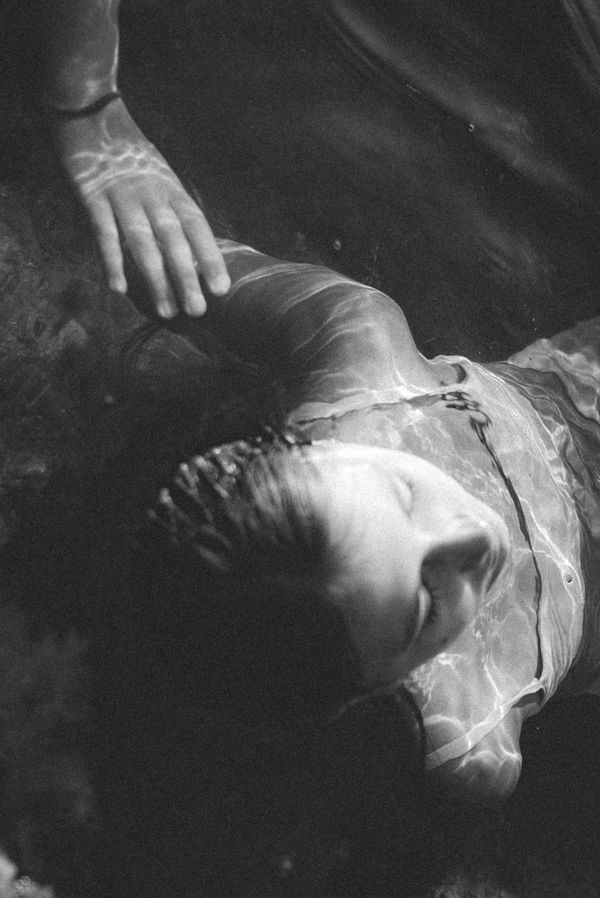
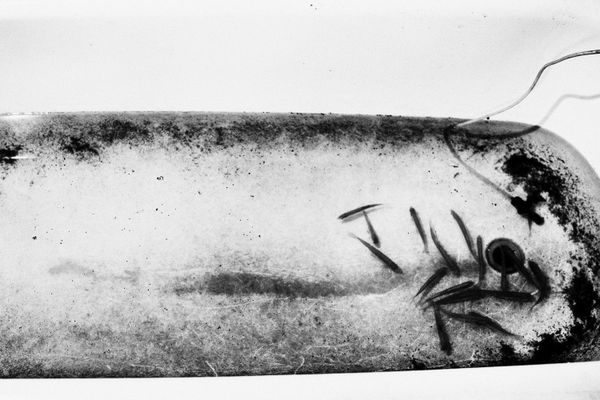
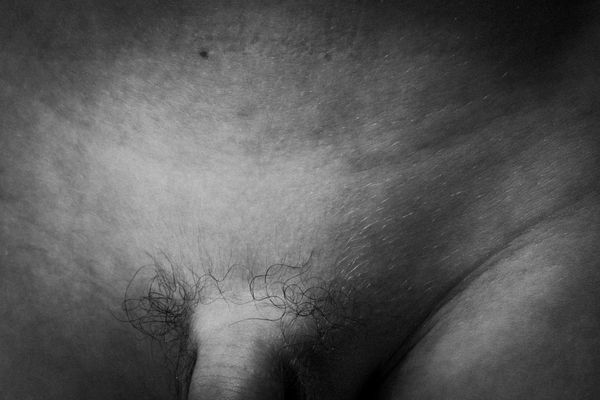
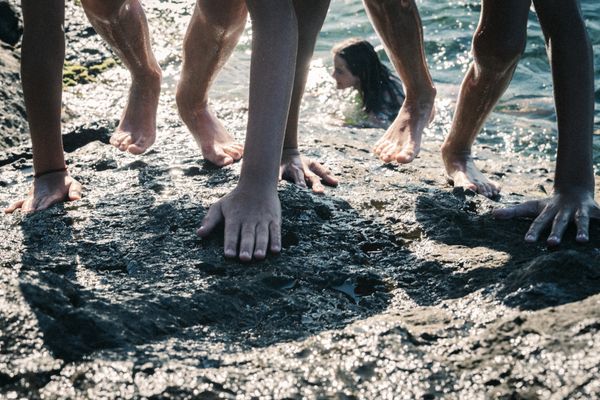
The second part, titled Becoming Visible, comes with a softer visual language – black and white with subtle tones, with the occasional use of color as a highlight. It focuses on my son’s adolescence – not only physical but also social. The photographs show his first attempts to connect with peers, his curiosity (still locked within the frame of the spectrum), and his uncertain signs of interest towards the opposite sex.
Here lies a paradox: physically, these boys grow, entering puberty and experiencing the storm of hormones, but mentally they often remain children. The body speaks the language of adulthood, while the mind remains in the realm of childhood. This tension is not only personal but universal, raising questions about maturity, belonging, and human identity within the context of difference.
The project will continue to evolve as he grows – and as I grow alongside him as a mother. It is a process of parallel becoming: his in the world, and mine in accepting and understanding that world.
Cases of autism are increasing globally, and more families face similar challenges. This project therefore goes beyond our personal story and addresses a socially urgent question: how will societies open space for this new generation of people? How will we adapt our perceptions, environments, and structures so they can be visible, accepted, and included?