S&M (saints & martyrs)
-
Dates2017 - Ongoing
-
Author
- Topics Landscape, Studio, Fine Art
- Locations New York, United States, Brazil, Rio de Janeiro
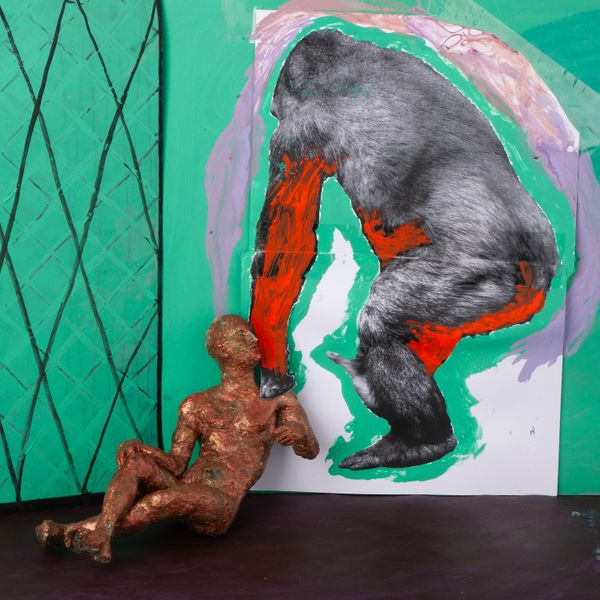
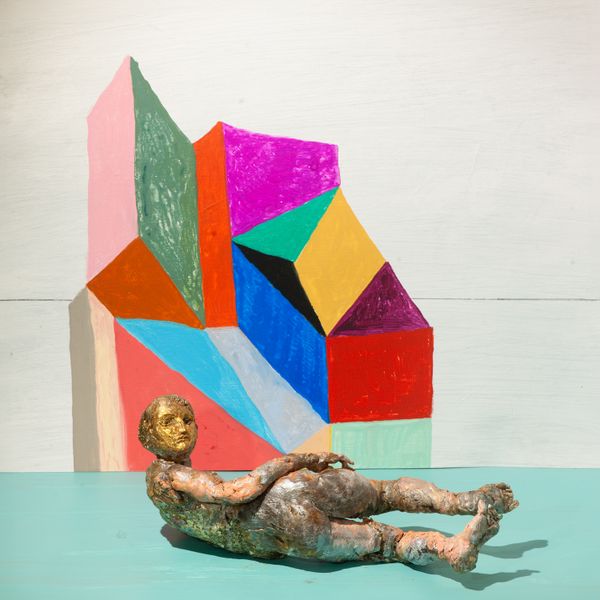
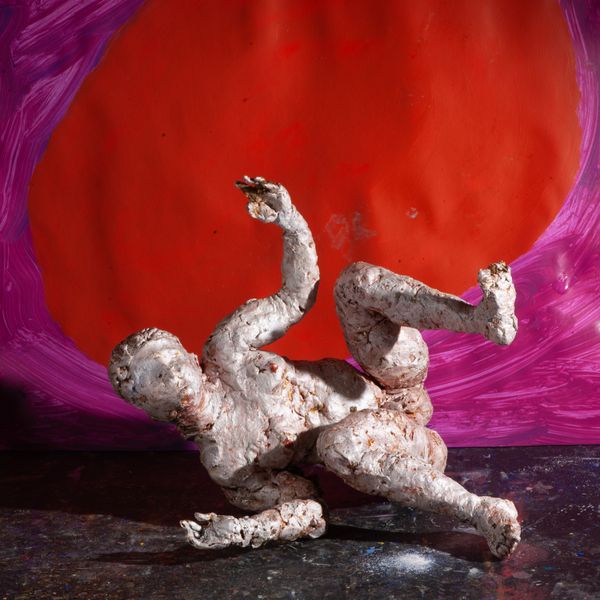
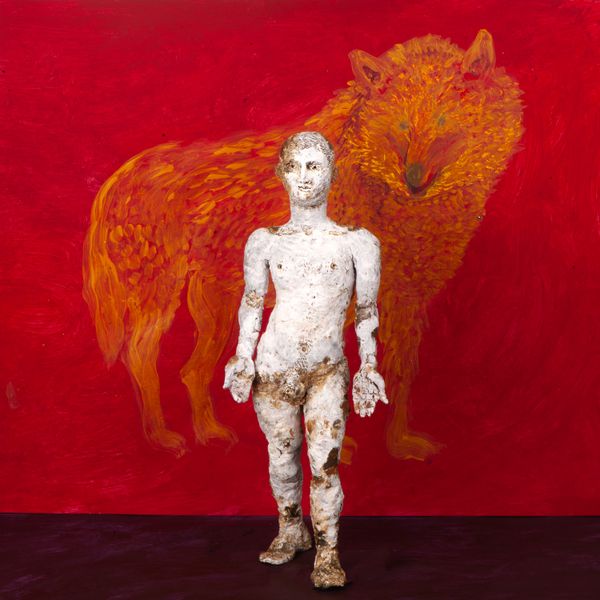
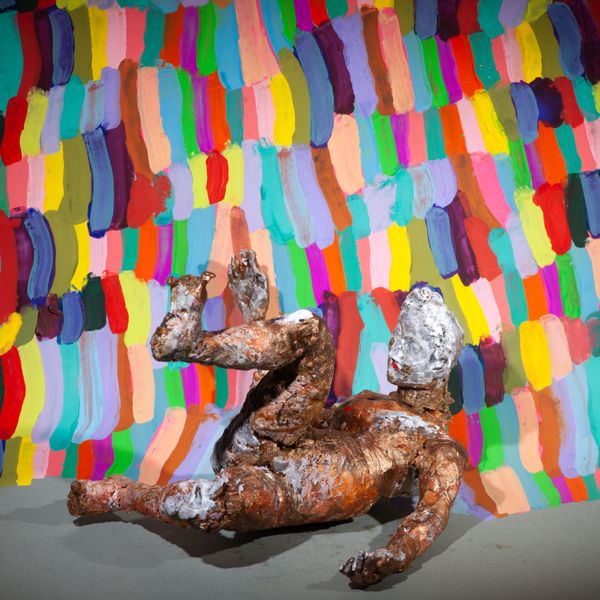
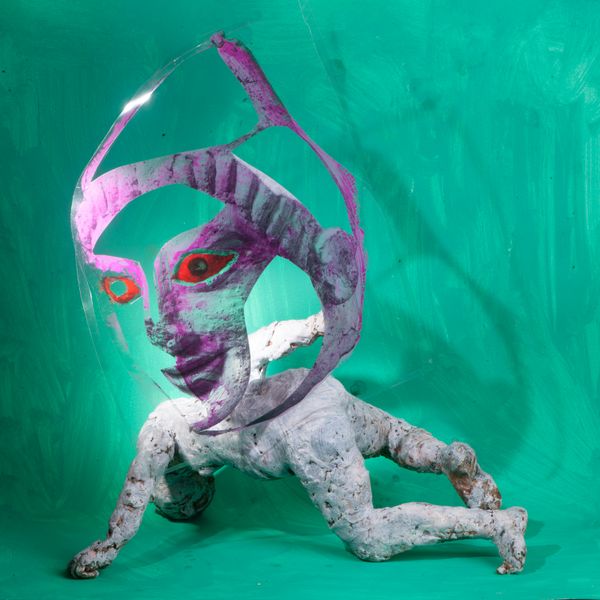
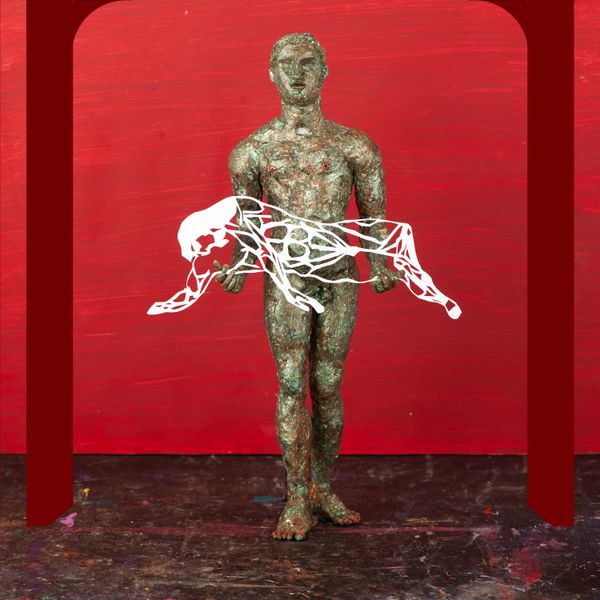
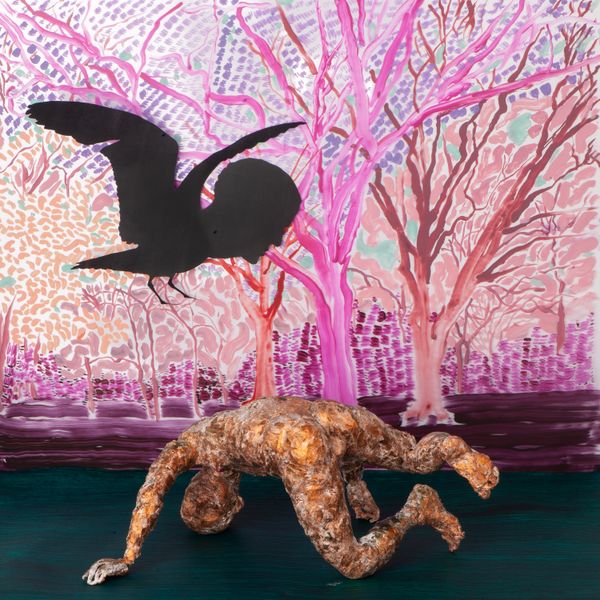
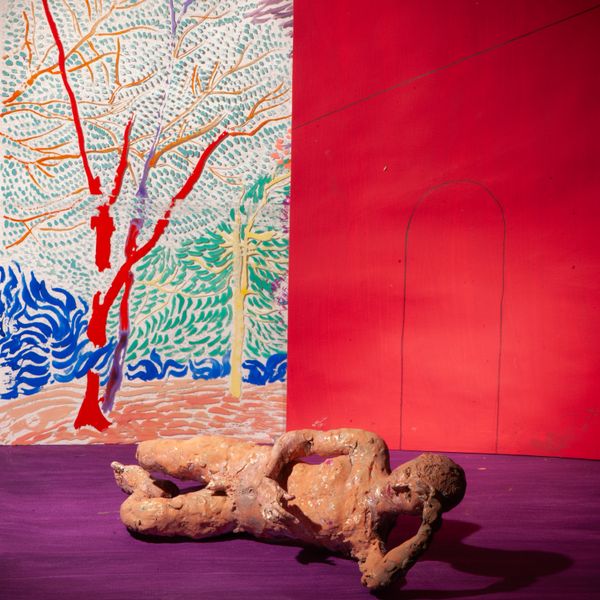
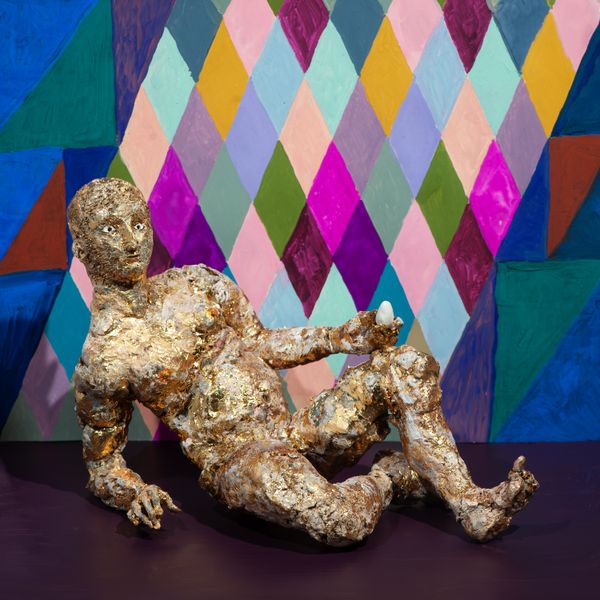
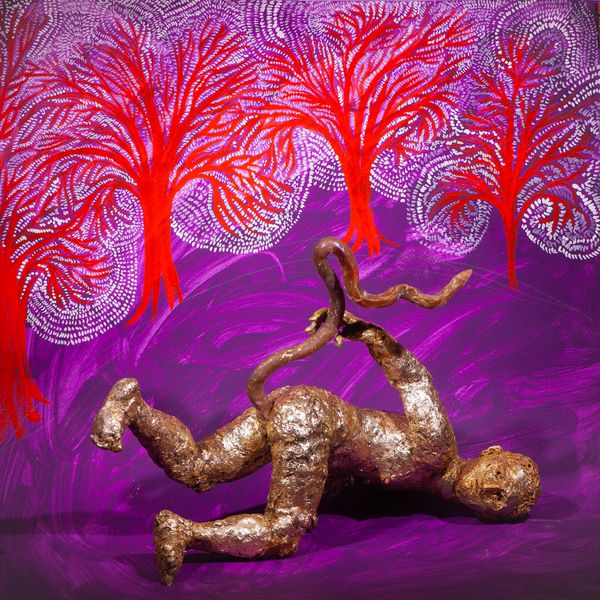
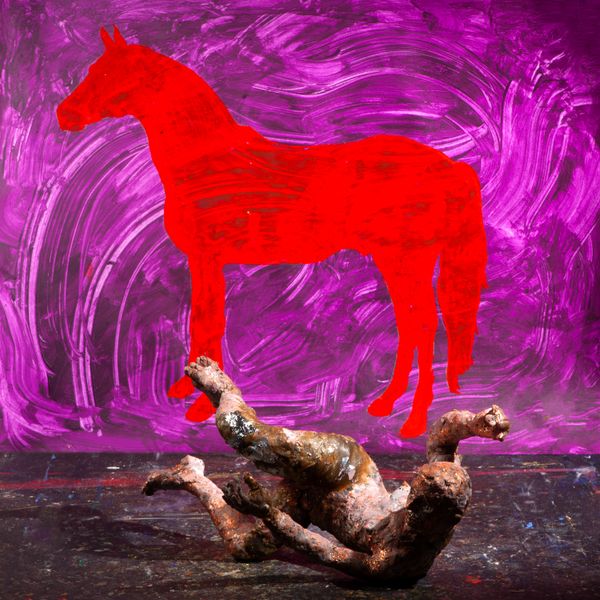
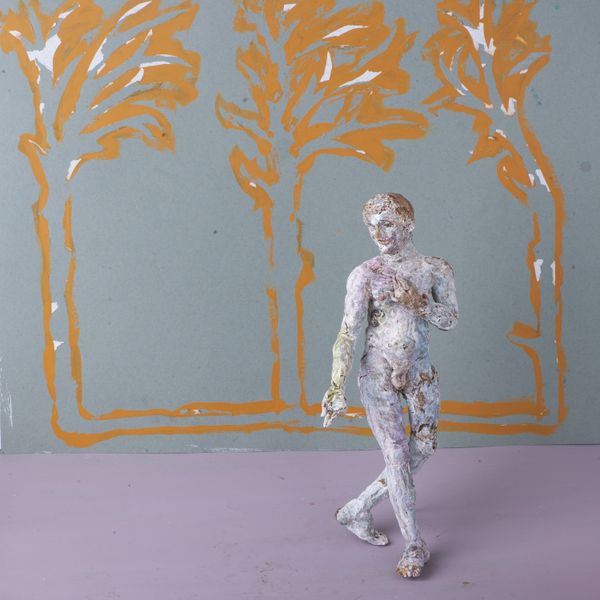
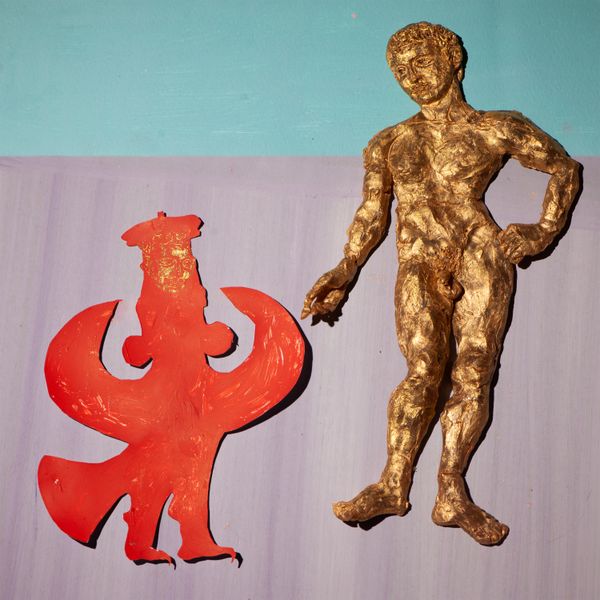
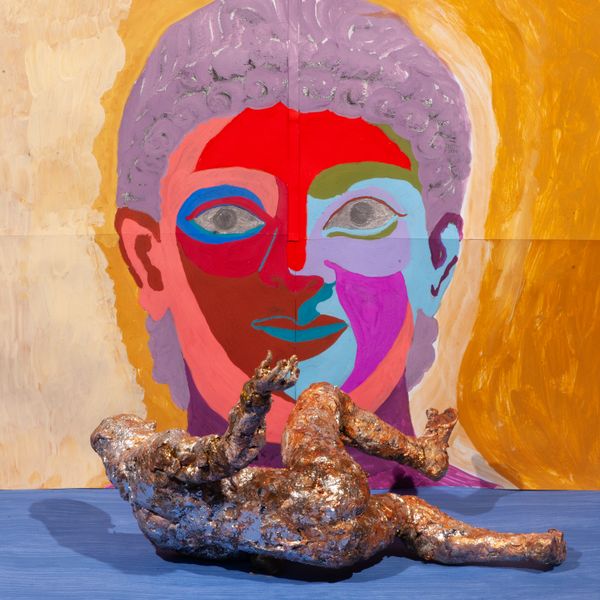
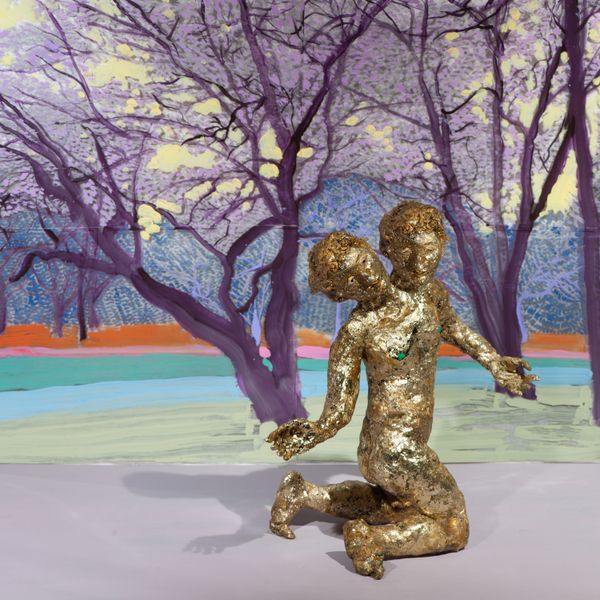
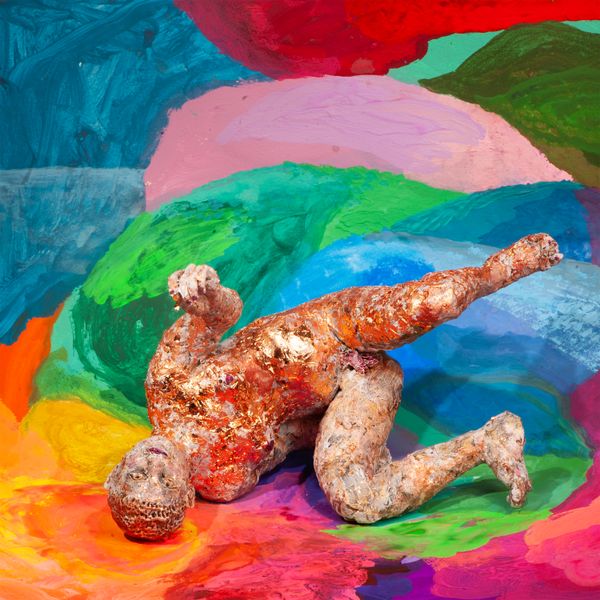
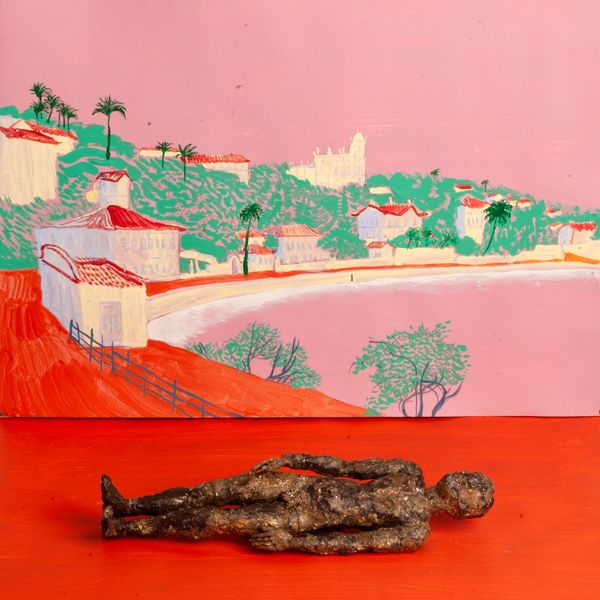
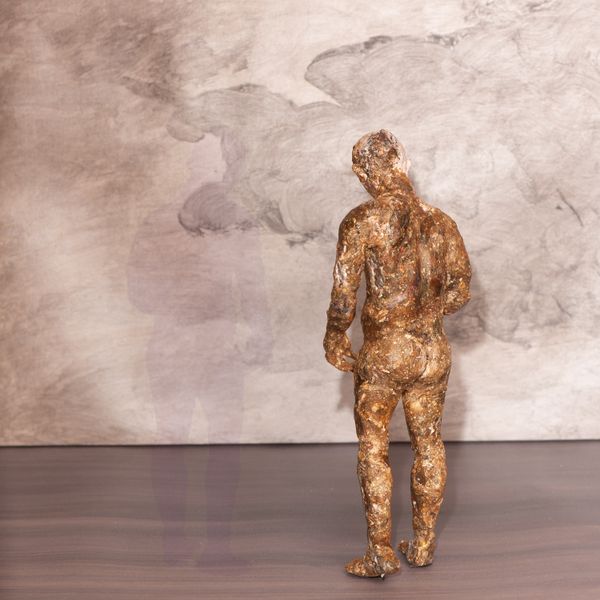
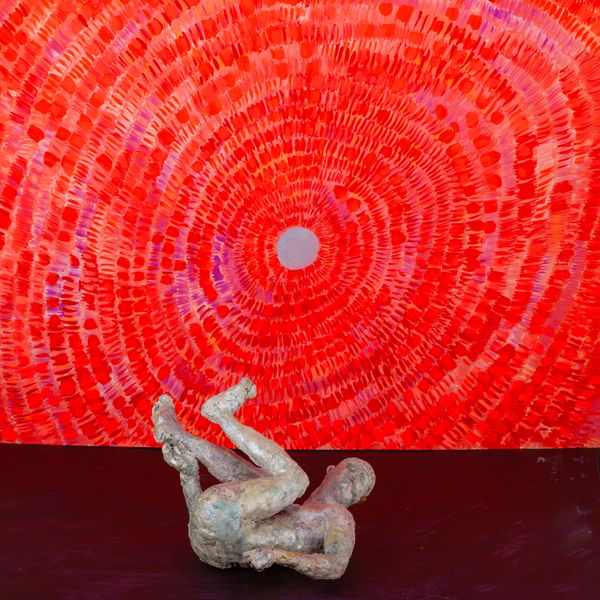
Sculptures and paintings that exist only, if briefly, to become photography. S&M (saints & martyrs) happens in between ecstasies of pleasure and agony, queer in form and content.
Structure: Actors-sculptures + Stage-paintings + The Unexpected-the unconscious. Variation without repetition.
1.
S&M (saints & martyrs) is a series on ecstatic moments of doom and apotheosis. The sculptures, paintings and drawings are photographed and then destroyed. They were created for the lens. The work is hybrid, genre fluid, queer in content and form (‘Purity is a Myth,’ proclaimed Hélio Oiticica). To the present tense of sculpture, which normally occupies the world like/with our bodies, I add the past tense of photography, its necromancy.
2.
The erotics of surrender queers the tradition of saints in churches, who give their bodies to Him with lustmord.
3.
Growing up I saw international art mostly in photos. There was a boycott against the dictatorship and artworks did not travel to Brazil. I was fascinated by the choices that photographers made to translate sculptures, paintings, drawings; their presence gushing from those printed rectangles.
4.
All Art History survey books are books of photographs. Like porn to sex. Photos that are blamed for the degradation of the aura of the originals. And yet, it is often through them that we fall in love with works of art in painting and sculpture. We fell in love with photographs pretending to be paintings and sculptures.
5.
A lgbt+ person who visits a historical art museum is forced to be a detective, a decoder. She tries to read the repressed. She engages in secret handshakes with the artworks. Or else she doubts her reading as projection. Or else she reinvents the works at her own image. Then a circuitous history is formed, a history of whispers and chuckles and secret: a history of cruising artworks looking for connections.
I learned how to be a foreigner by being a gay kid.
6.
In my native Rio, I lived in front of the statue of Saint Sebastian, patron saint of the city, of gay people, and oxóssi for the African-Brazilian religions. His beautiful, penetrated, semi-naked body - in pain and ecstasy - so Carioca, so multiple.