Sea of Distress
-
Dates2020 - 2022
-
Author
- Topics Portrait, Contemporary Issues, Documentary
- Location India
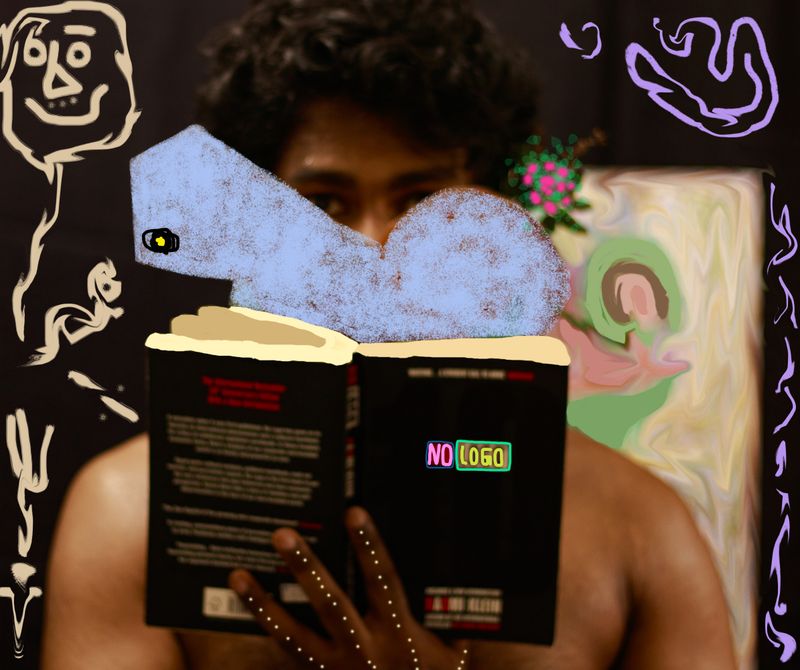
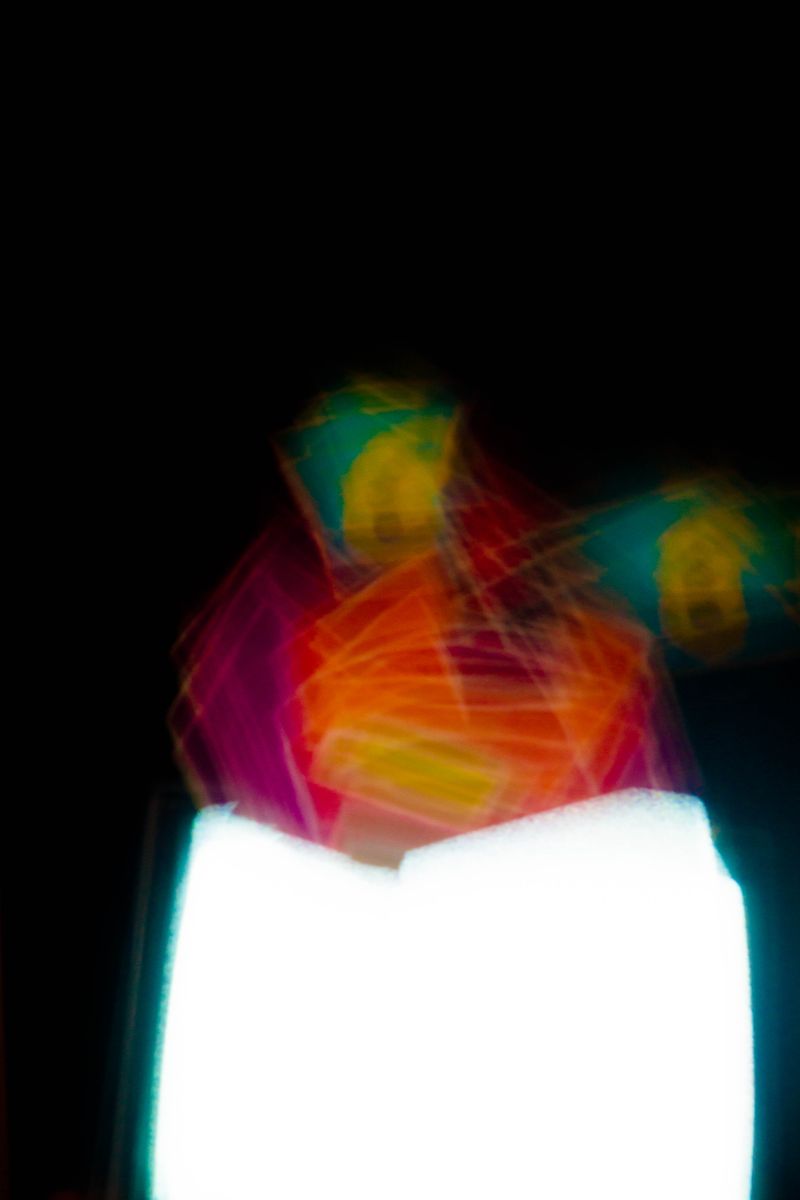
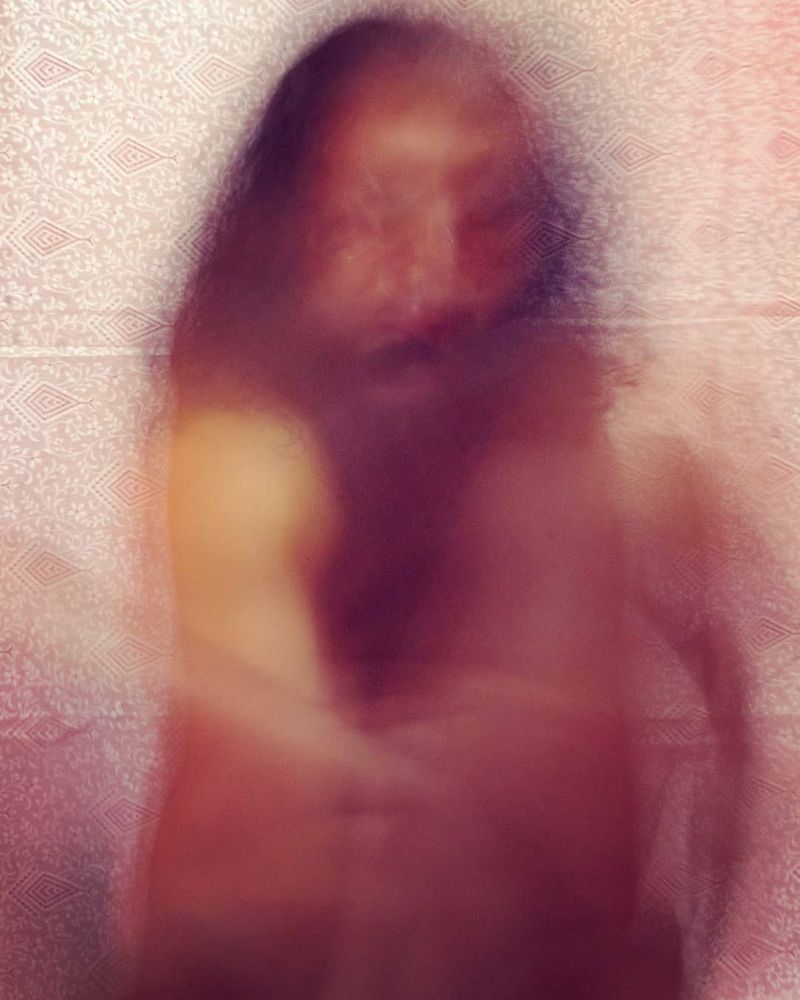
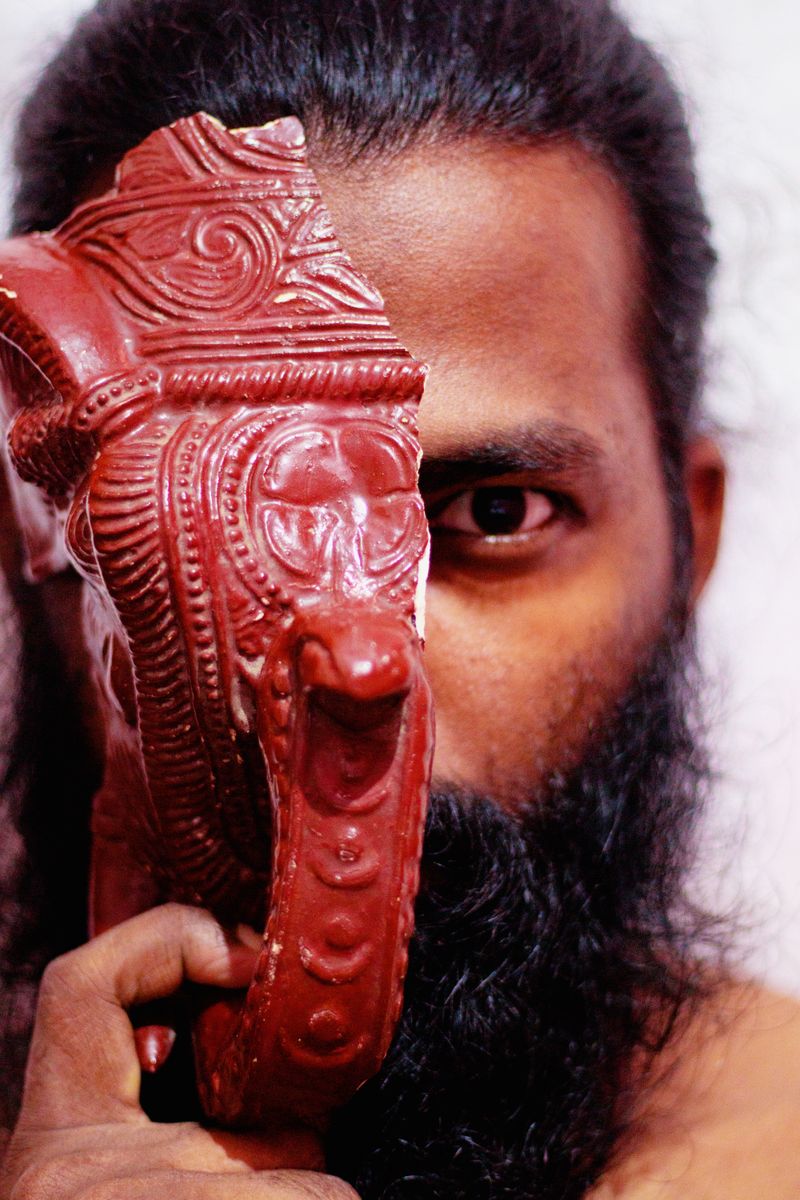
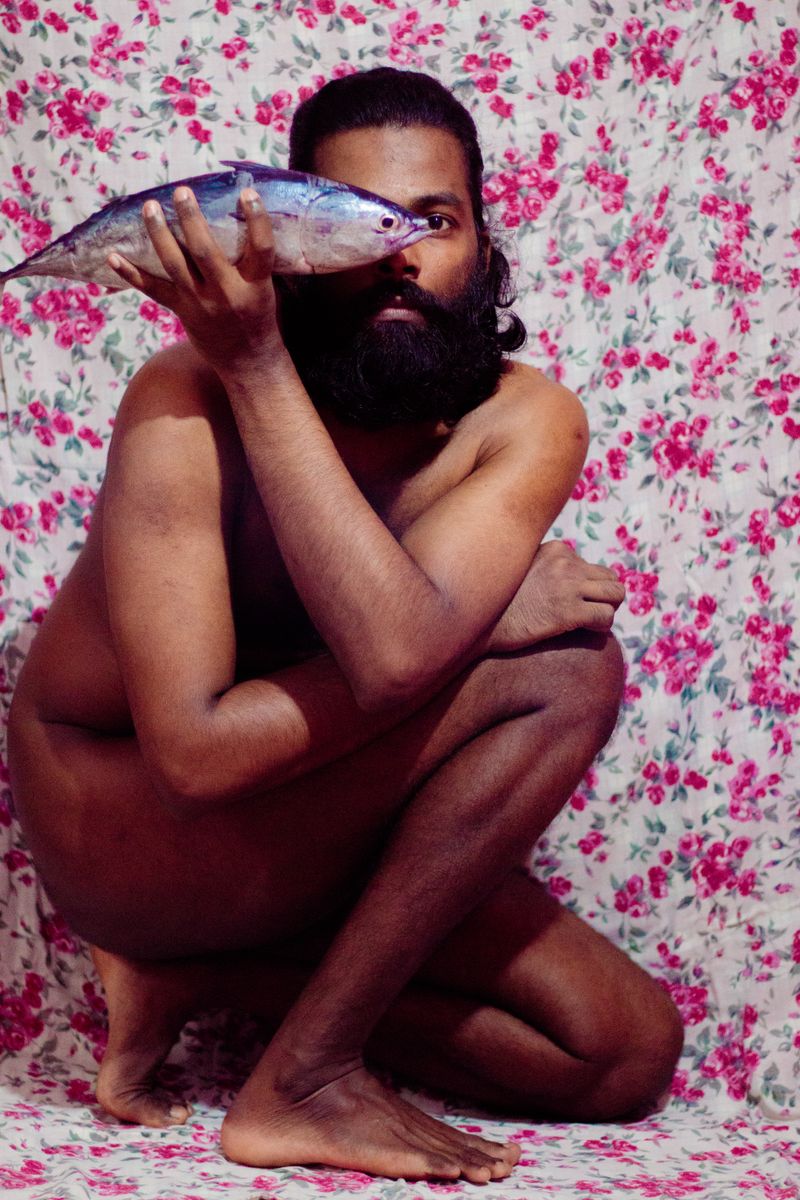
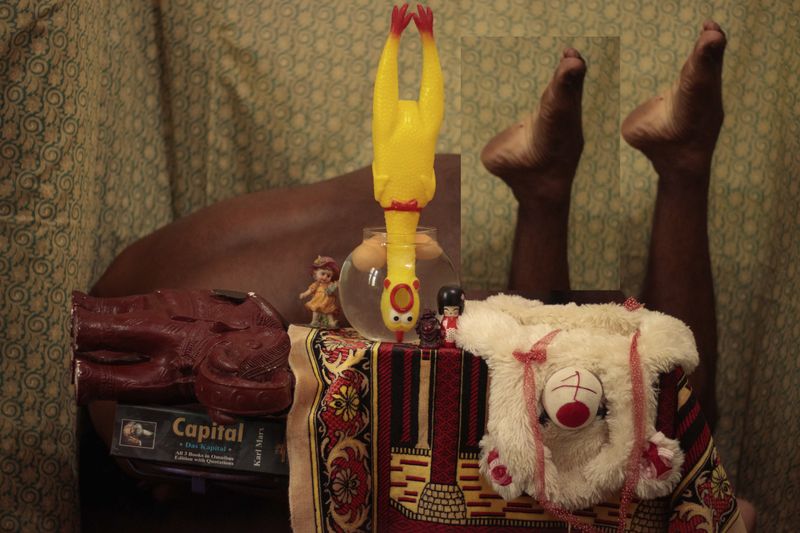
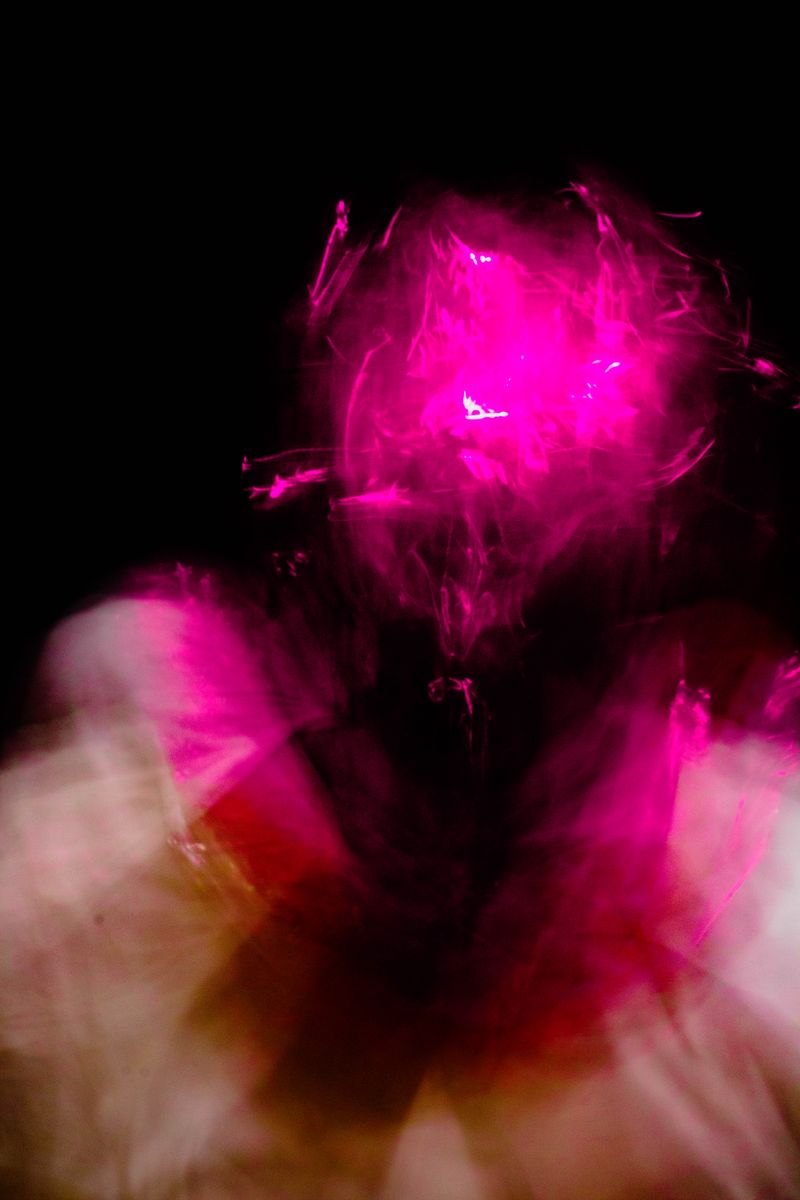
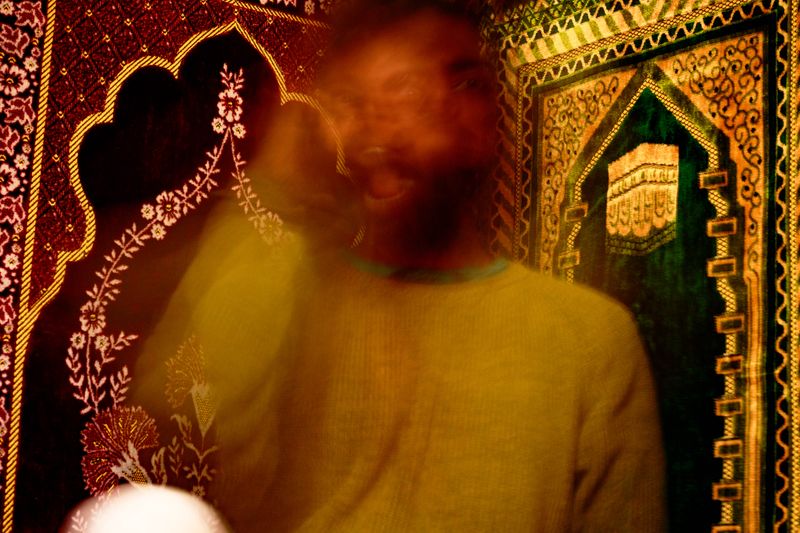
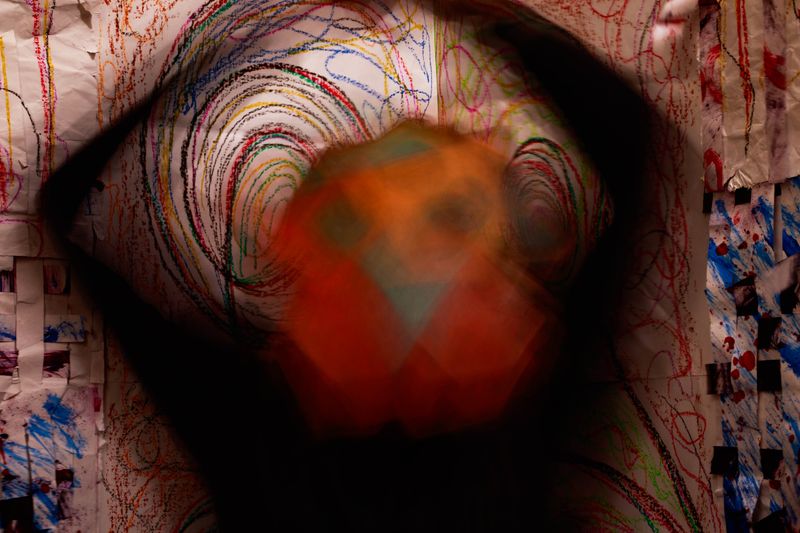
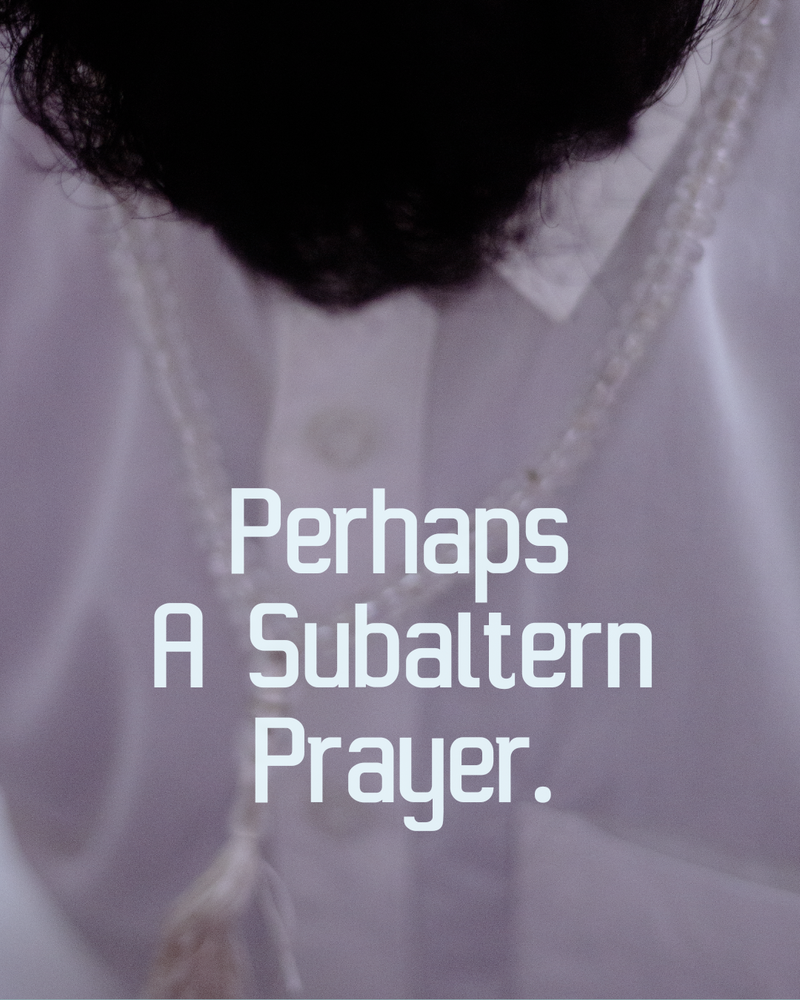
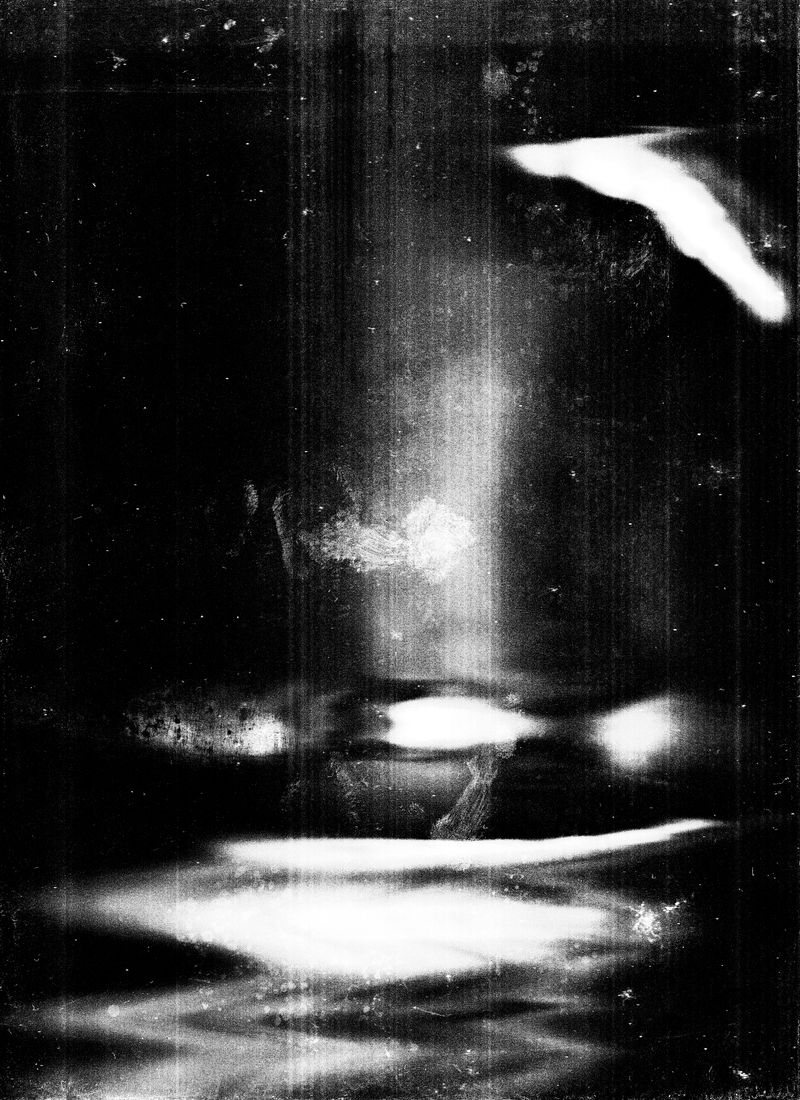
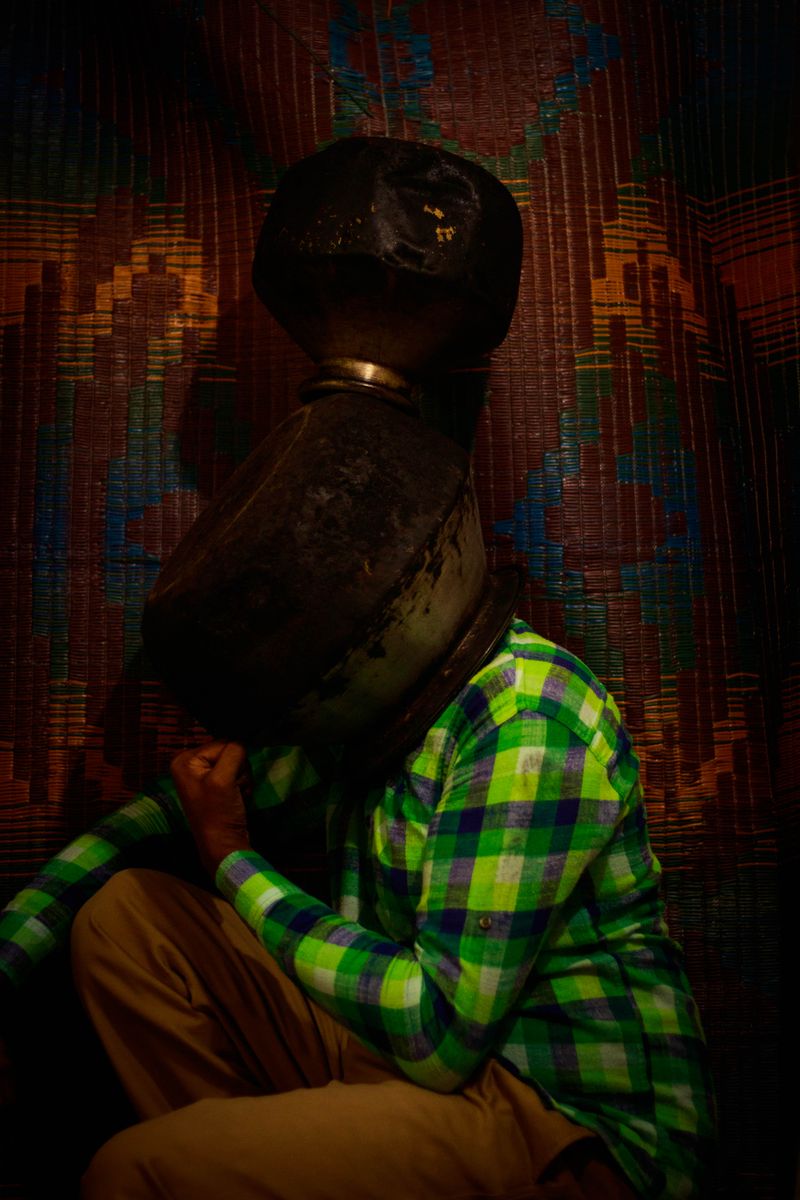
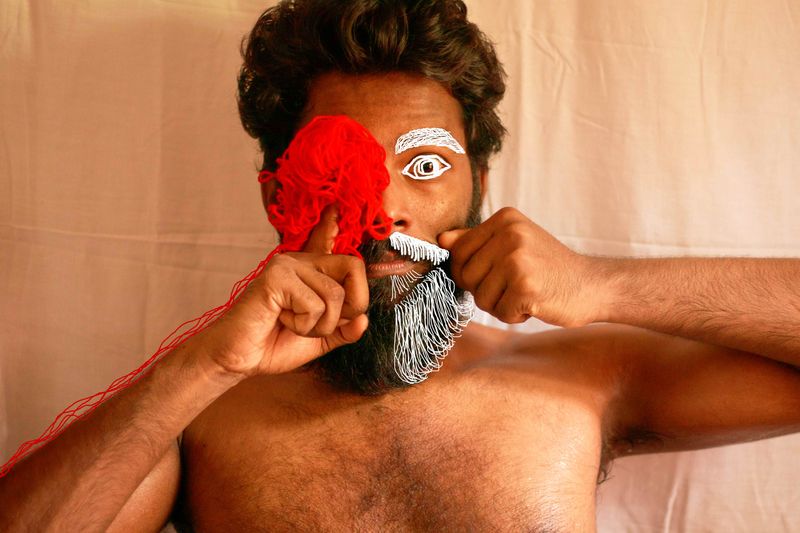
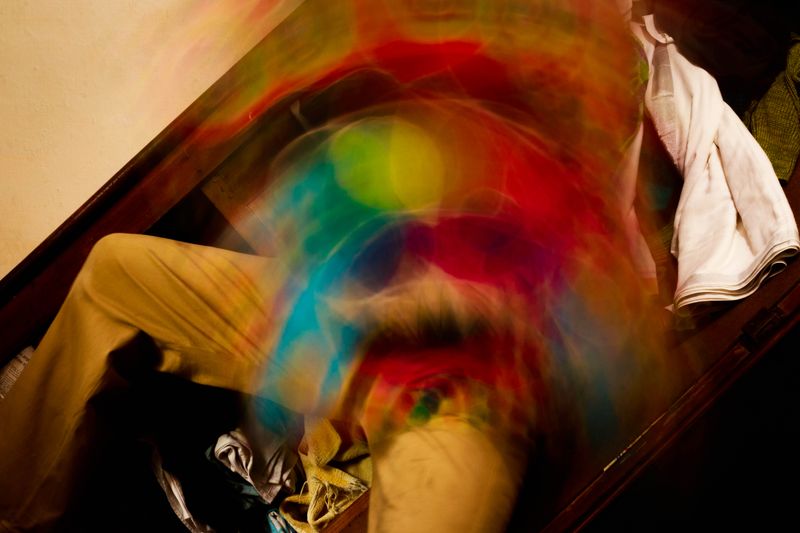
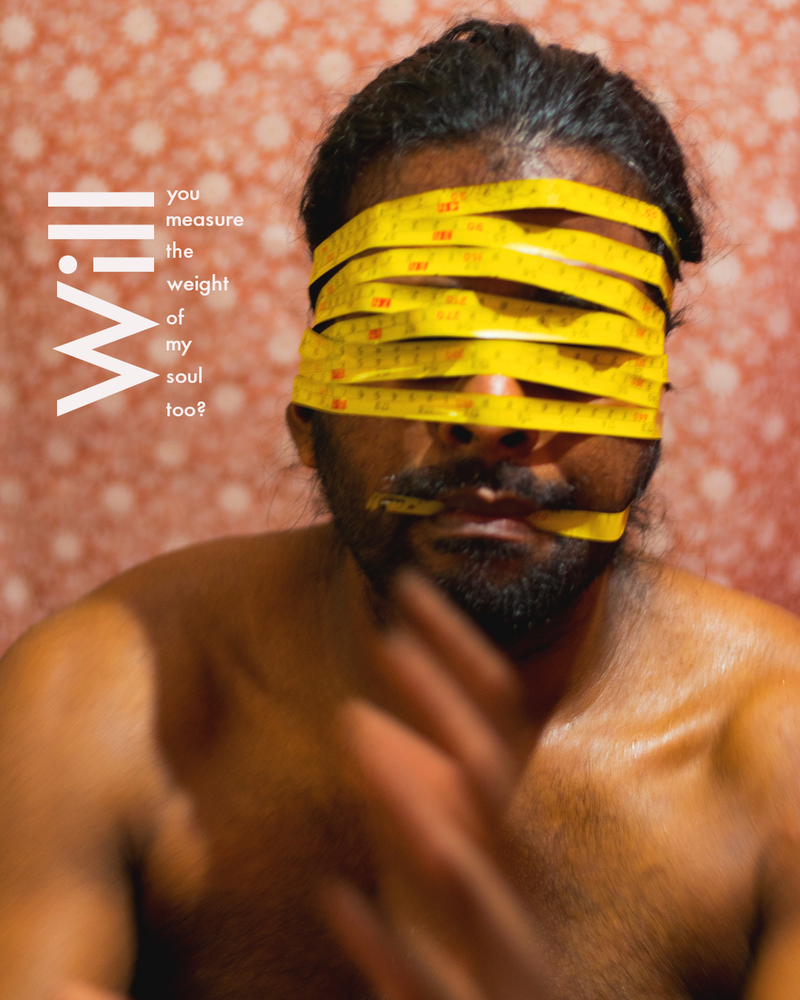
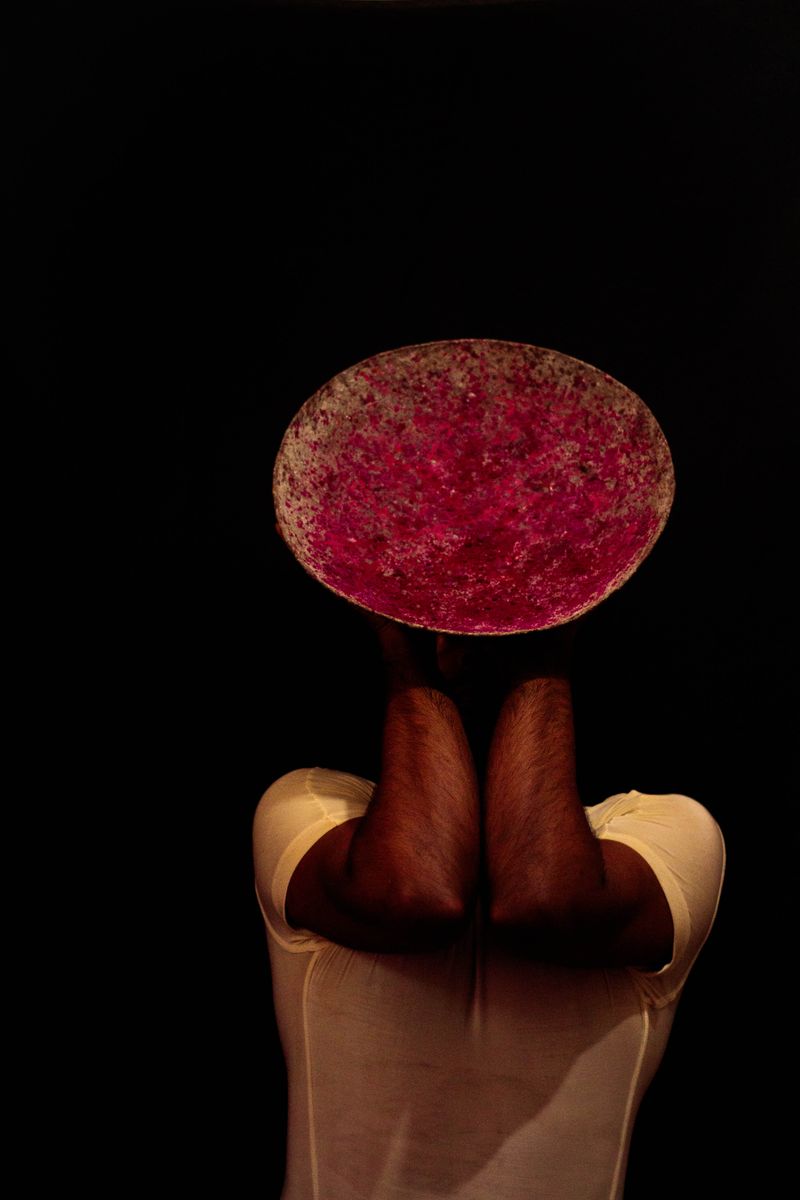
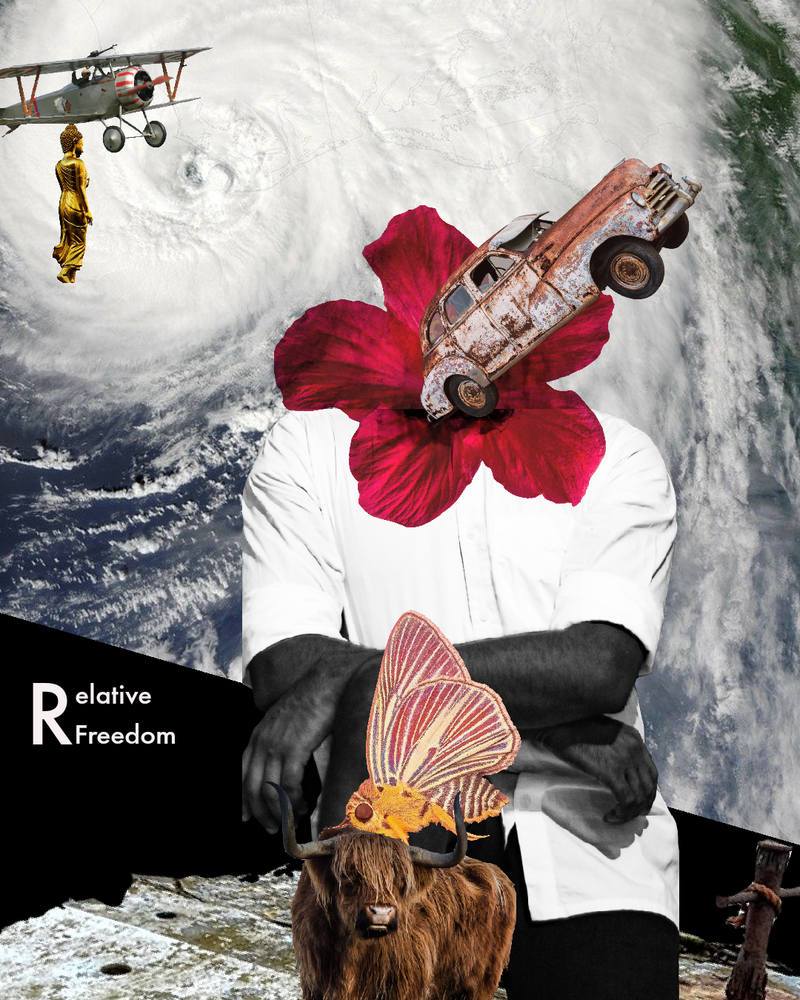
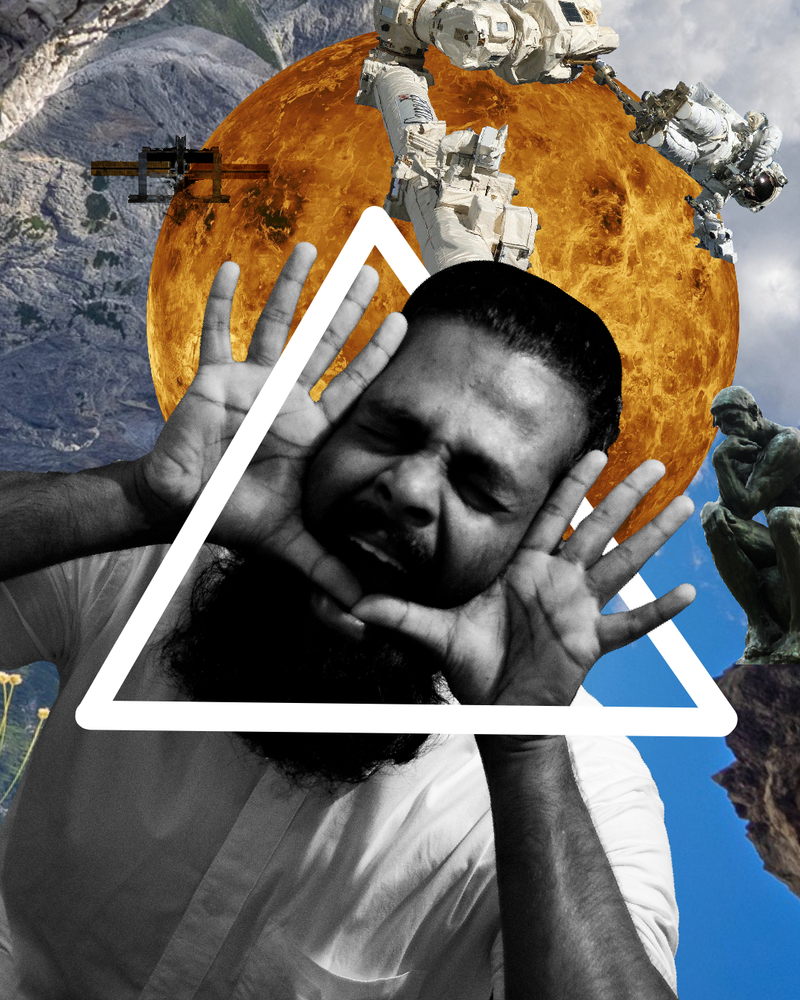
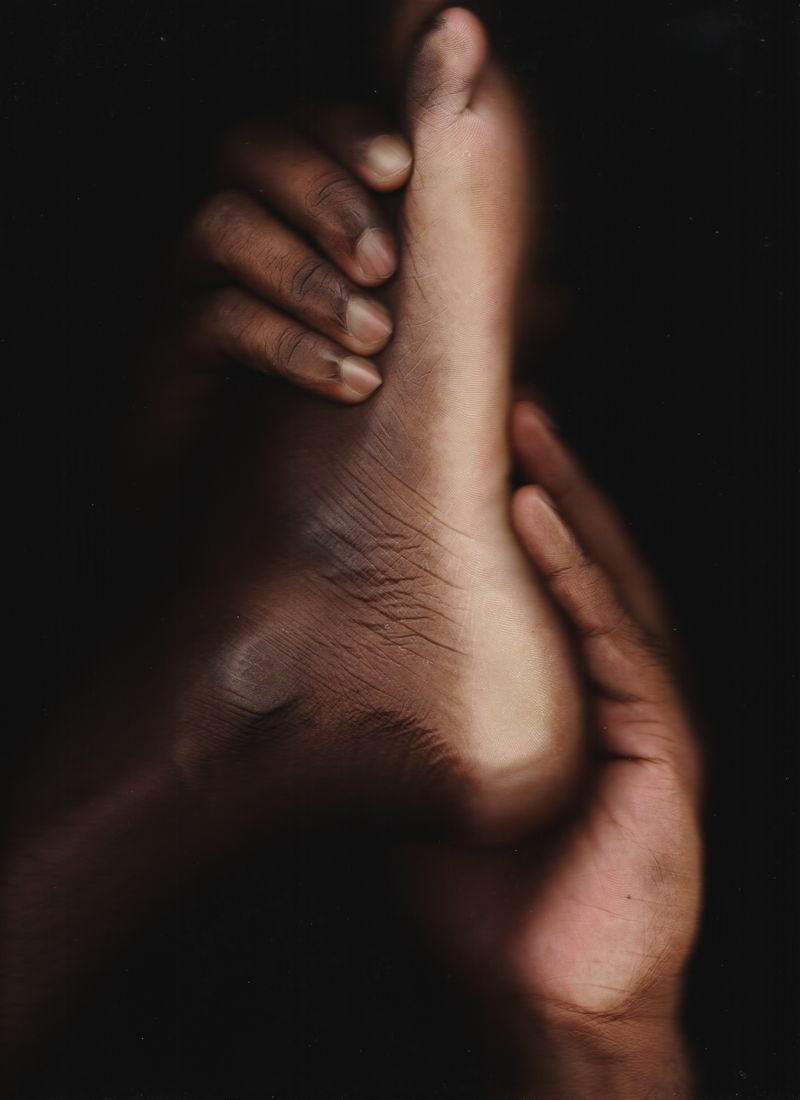
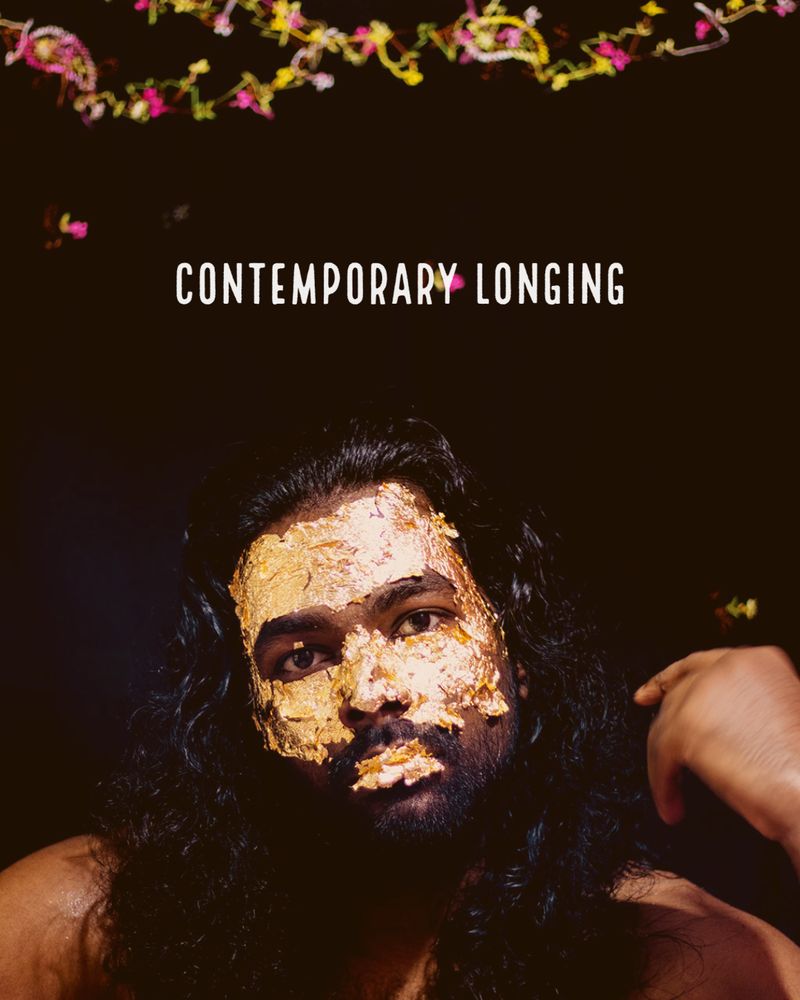
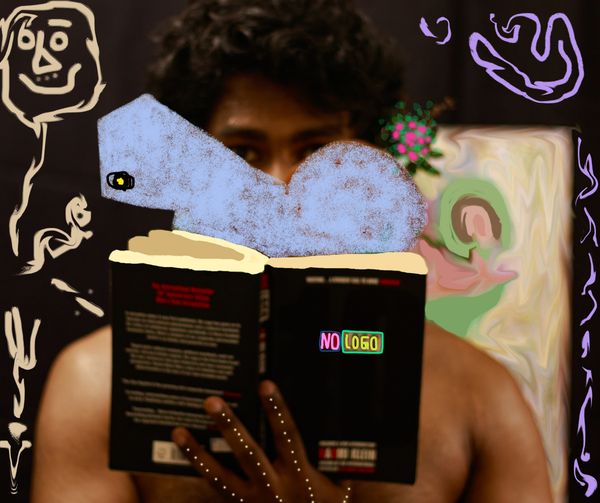
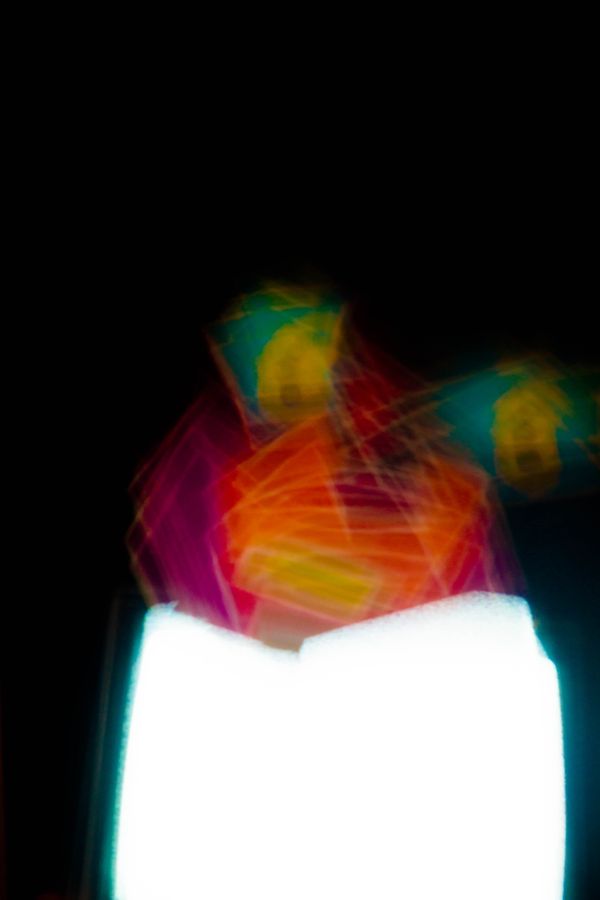
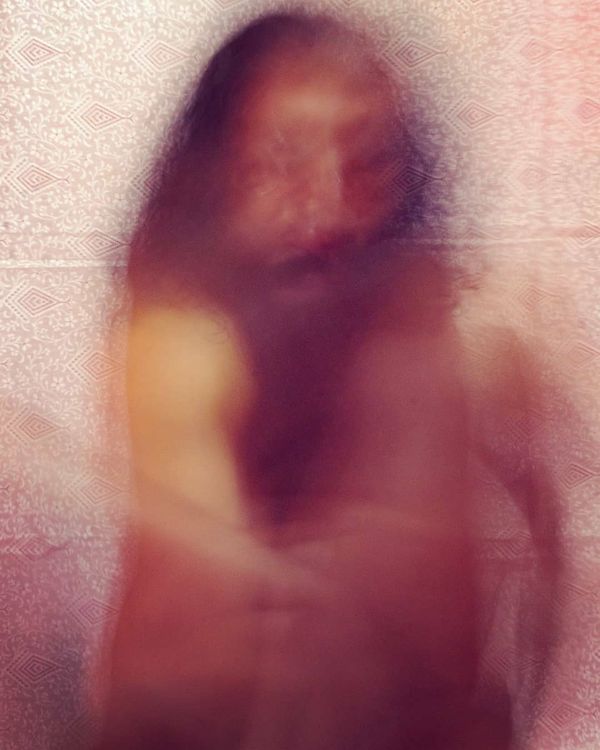
Documented during the COVID-19 lockdown, these self-portraits depict the notion of high-stress moments in personal, intimate locations of belonging. Hope and despair are captured at the extreme poles of glitches and formations.
The only reality we trust the most is our own human body, the reality through which we can perceive everything- the planetary, the universe, or what itself is a universe is our own human body. Capitalism and globalization spread this sorts to an anthropocentric imagination, but it’s also necessary to go away from this notion of species shaming. And considering our body as a kind of structure which we can relate, associate, communicate, re-wild, and re-connect. Looking at the body in this spectrum, our conflicts and frictions, the images in this project speculate on the contradiction or invisibility of one’s psyche when confined to a restricted place intimate to one's own body and the materials its sarround. Something that is not only just as political but as bio(logical) and psychic. Because the body-mind and mind-body are always in friction. And this body-mind and mind-body, when it comes to facing societal or structural bodies. The friction multiplies and layers and becomes invisible. The bodies of societies are mostly invisible. But we recognise, or we are in contact with, society in terms of societal psych. So the psychology of society, or the psych of society, is a kind of dominant factor or device that decides who we are and how we must negotiate with the world we live in. For example, the constitutions, the bill/act that structural body’s device to tell citizens how to behave, what to eat, and whom they love. So society always judges, constantly judging, constantly surveilling individual bodies. In terms of how each individual is coherent and capable to control/tackle with this body-mind, mind-body symbionts. It’s important to consider this while extreme fascist personalities or identities, supposed to be abnormal, come as normal or ordinary. That means that this extraordinary nature of fascism or other sorts of controlled regimes becomes ordinary.
This friction, the conflict between these intimate bodies and the structural bodies there distance relations are always in friction or always in conflict. And the distance between them is coming shorter and shorter. The intensity, the wavelength of its conflicts/friction, gets higher and higher. The relevance of the artistic body comes in there.
In the project, the artistic body manifests gestures of something not ordinary or not extraordinary but something in between, which shackle the ideas of normalcy deliberated by the structural bodies and invisible bodies of power and organize the political and social bodies of life and beyond.