scòtoma (or the impossibility of leaving)
  • Dates
    2026 - Ongoing
  • Author
  • Locations Naples, Ercolano, Torre del Greco, Torre Annunziata, Boscoreale, Boscotrecase, Somma Vesuviana, Pollena Trocchia, Terzigno

Scotoma (or the impossibility of leaving) explores life on Vesuvius’ slopes, where one of Europe’s densest urban areas coexists with an active volcano dormant since 1944. Borrowing the psychiatric term, it reflects on denial and attachment.

In the language of optics, a scotoma (from the greek σκότος, darkness) is an area of reduced or absent vision within the line of sight. The term has been borrowed from psychiatry, psychology, anthropology: the common theme in these figurative senses is a mechanism of alienation not from vision itself, but from cognition or a particular perspective on the world; not the impossibility of understanding reality, but a conscious process, a strategy of selection and defence aimed at coping with daily life to overcome anxiety.

The Somma–Vesuvius, an active volcano which has been dormant since 1944, is known as the first ever studied and photographed: its historical Observatory is the most ancient in the world. The towns on its slopes form one of the most densely populated urban areas in Europe: anyone living here has, at least once, been asked about this paradox. In the photographs, takenby the author in the archeological sites and in the urban areas designated as ‘at risk’ as well as in archival materials –  drawn from the Herculaneum papyri (Philodemus’s On death),   – the volcano reveals itself not merely through the catastrophe that is its own: it manifests as a protagonist of social crises, in arsons in building abuses or in a simple sunny day. Rather than providing an answer, Scòtoma asks a question in turn: how many ways are there (to live and) to die?

This project is a candidate for PhMuseum 2026 Women Photographers Grant

Learn more Present your project
© Manuela Naddeo - Image from the scòtoma (or the impossibility of leaving) photography project
i

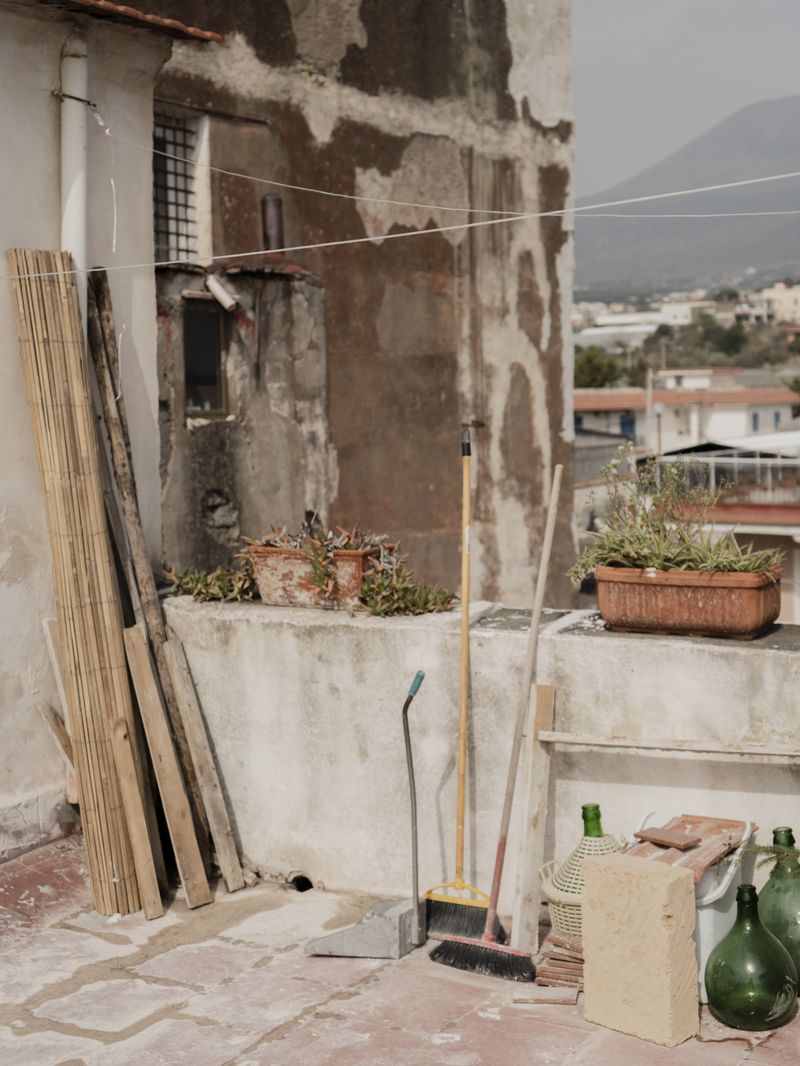
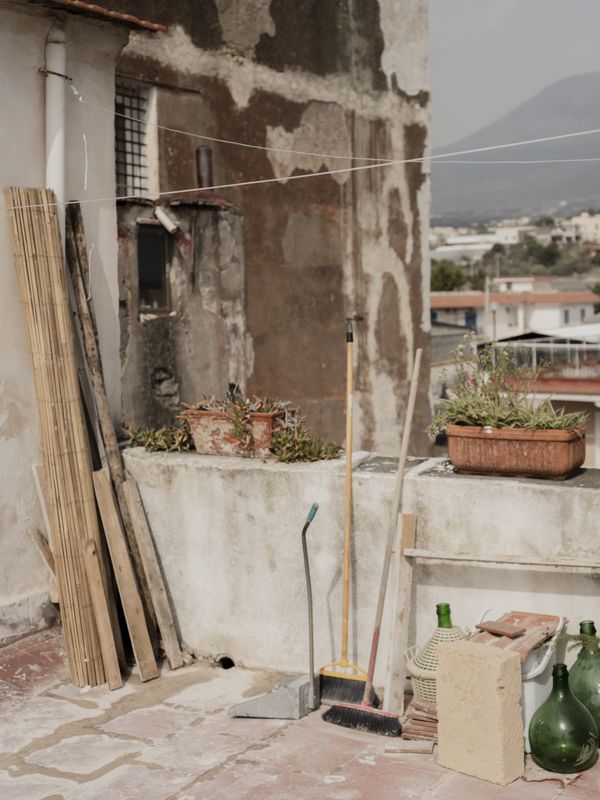
The balcony of one of the so-called Vesuvian villas, residences built in the 18th century, in tandem with the rise of the Grand Tour, symbolising the shift from the city to the countryside in search of peace, healthier air and the desire to make the most of the fertility of the volcanic soil. Here, in Torre del Greco, you can see the mountain sleeping close in the background

© Manuela Naddeo - Image from the scòtoma (or the impossibility of leaving) photography project
i

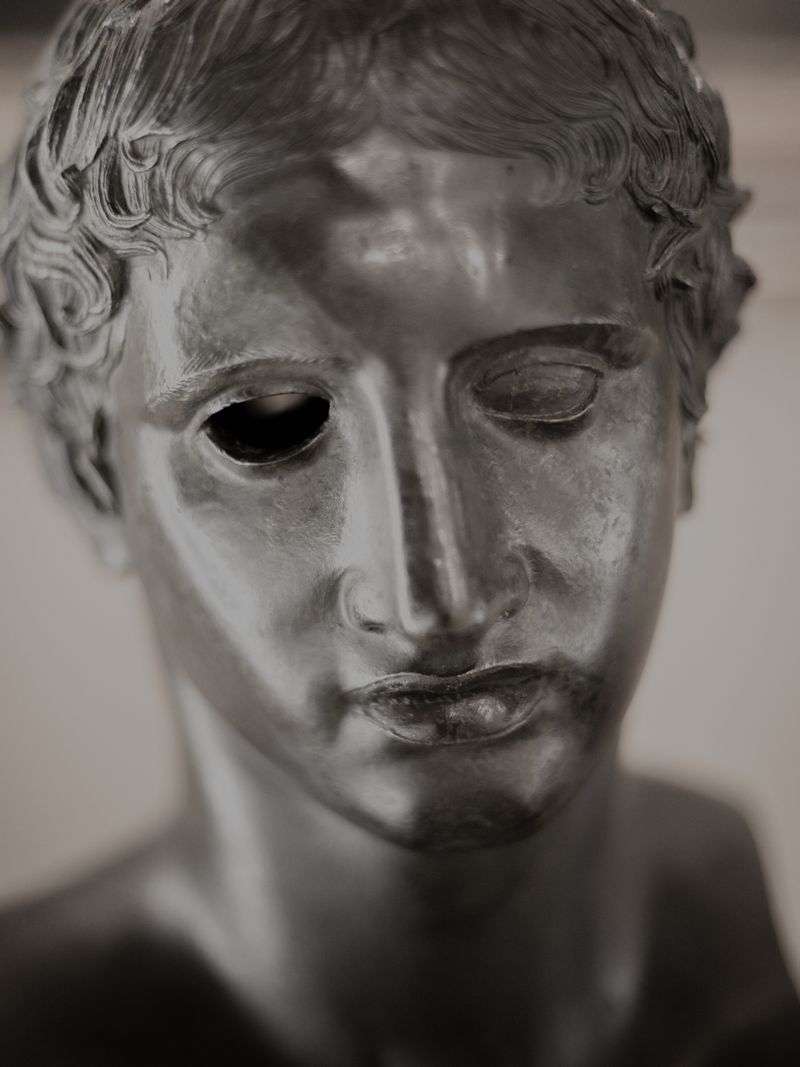
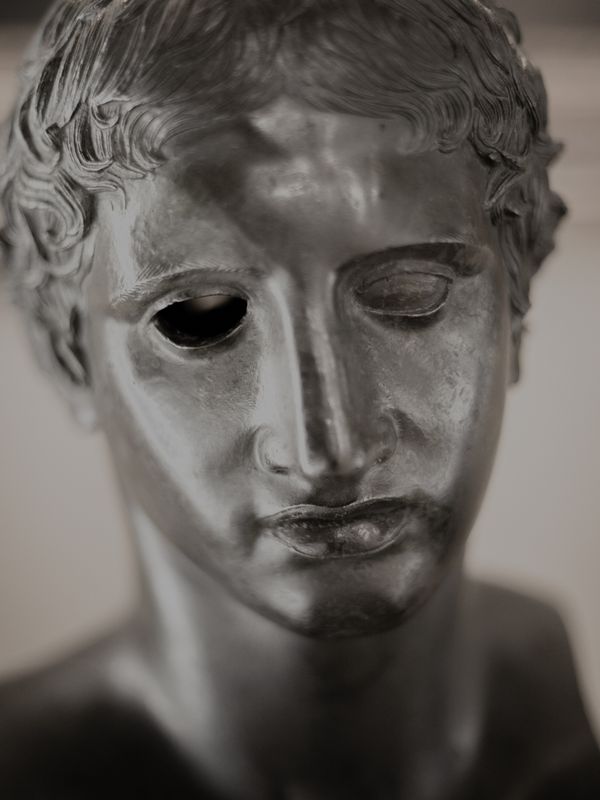
A bronze bust attributed to Heracles, from the Villa dei Papiri in Herculaneum (which contains one of the oldest preserved libraries in the world, buried and preserved by the famous eruption of 79), now on display at the National Archaeological Museum in Naples.

© Manuela Naddeo - Image from the scòtoma (or the impossibility of leaving) photography project
i

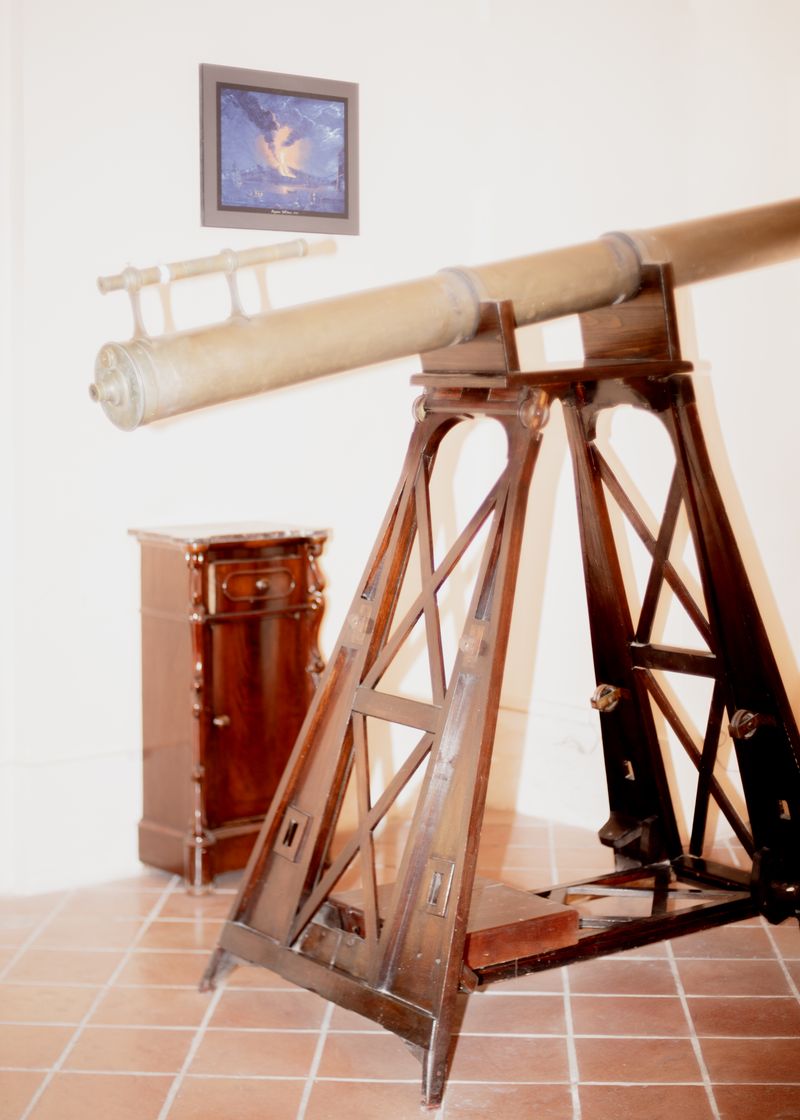
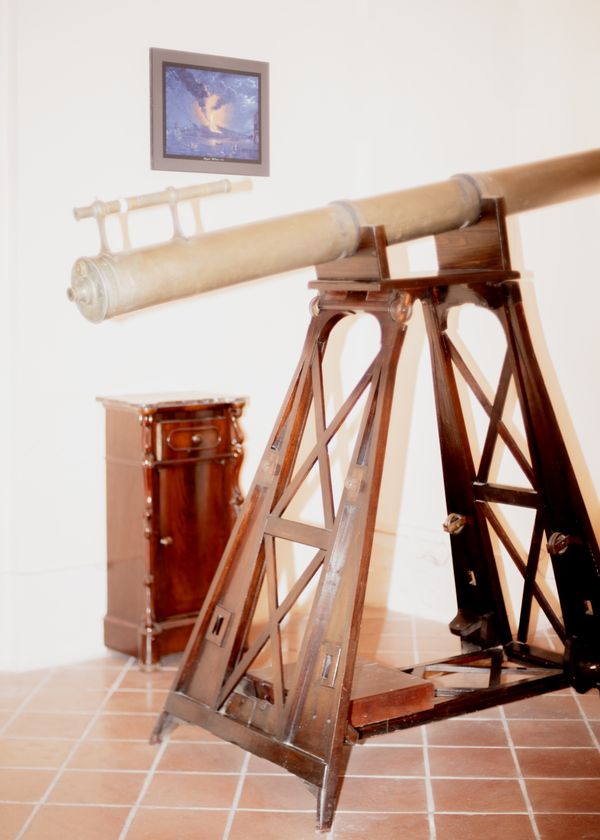
An antique telescope on display at the Vesuvian Observatory museum, in Ercolano. Vesuvius was the first volcano in the world to be studied by a specialised branch of science, thanks to the establishment of the observatory.

© Manuela Naddeo - Image from the scòtoma (or the impossibility of leaving) photography project
i

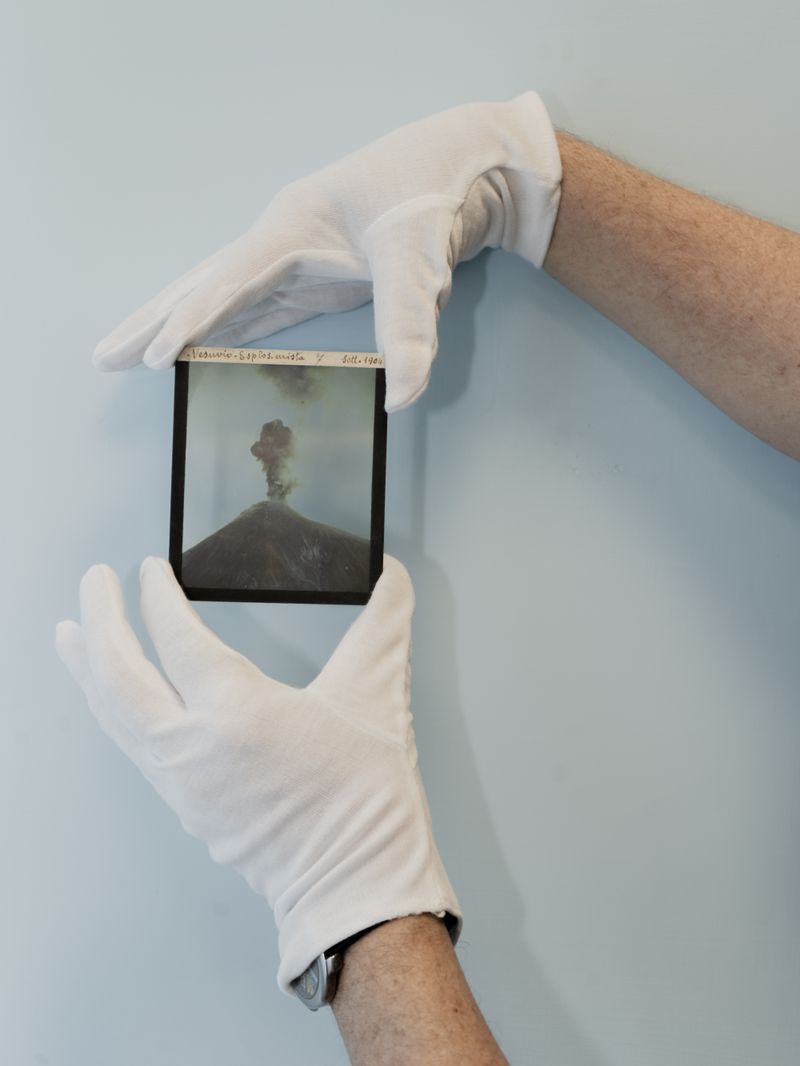
A photograph from the Vesuvius Observatory’s archive, showing the volcano in eruption at the start of the 20th century, held by Sandro De Vita, one of the volcanologists currently on duty.

© Manuela Naddeo - Image from the scòtoma (or the impossibility of leaving) photography project
i

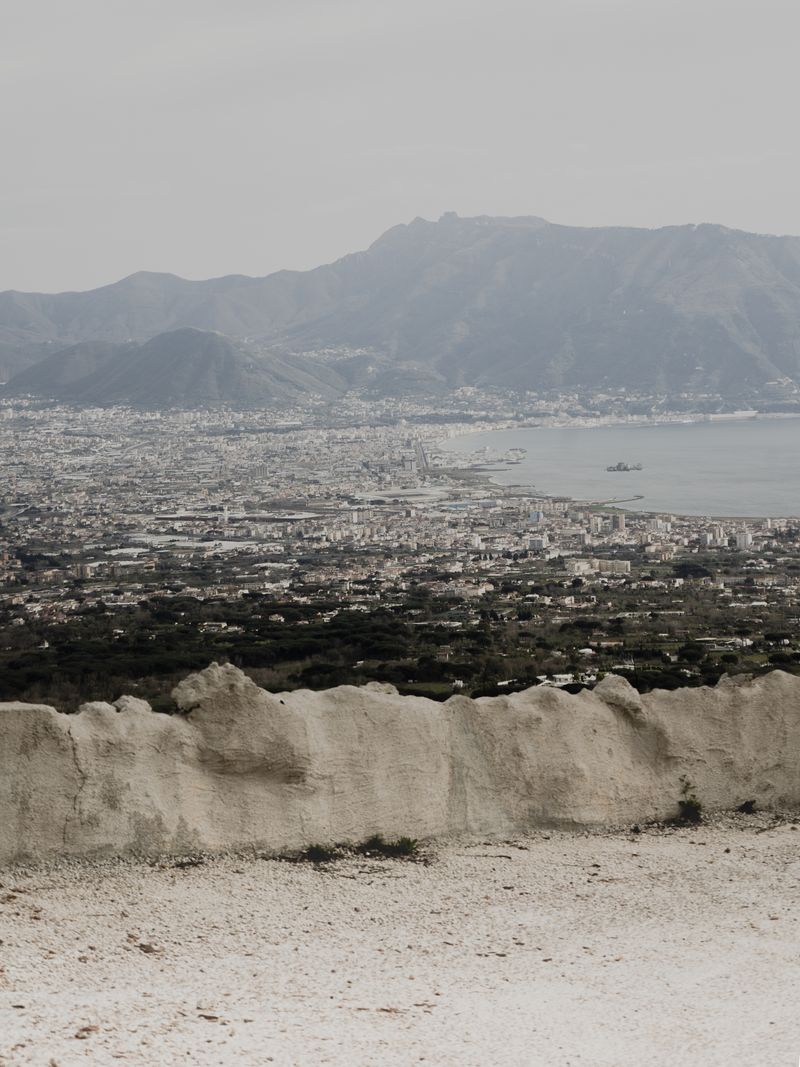
The densely populated landscape as seen from the summit of Somma–Vesuvius, along the Strada Matrone, in Boscotrecase, one of the first roads to be specifically developed, in the early decades of the twentieth century, for tourist purposes.

© Manuela Naddeo - Image from the scòtoma (or the impossibility of leaving) photography project
i

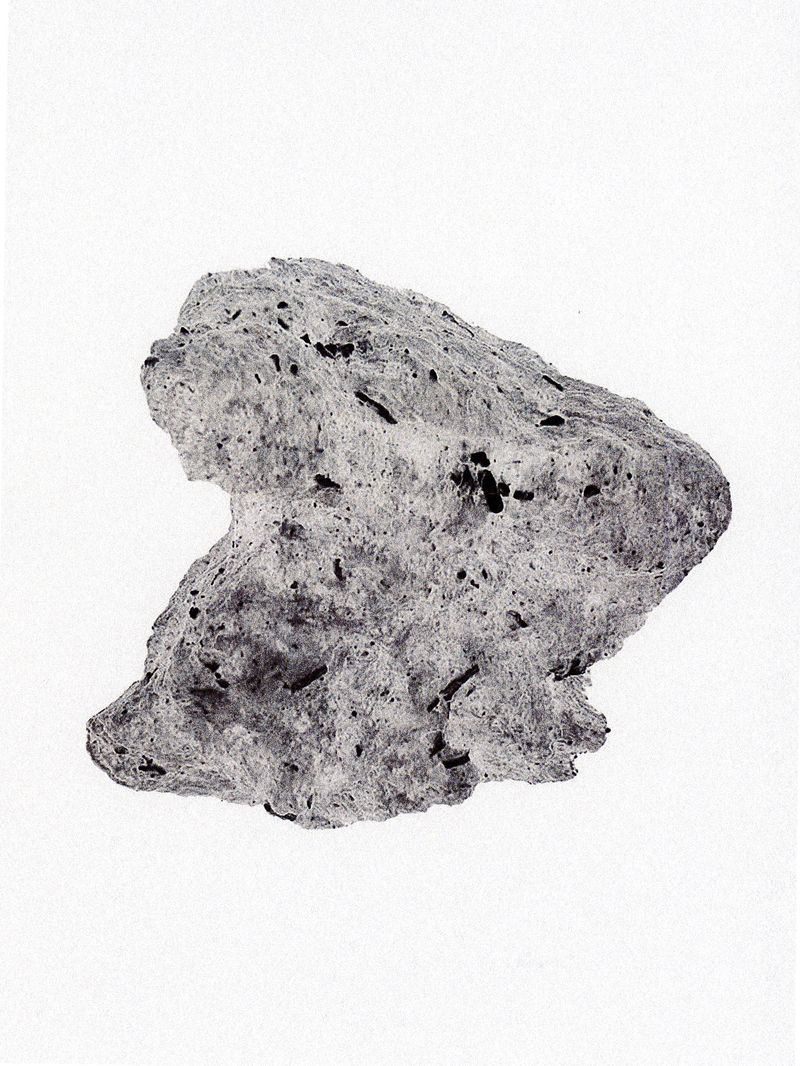
Photograph of a lapilli from 79 AD, taken in the microtomography laboratory. In this section of the observatory, the volcano’s activity is studied retrospectively by photographically analysing the density and formation of the rocks in an attempt to predict the future, since the last eruption (1944) happened before the development of modern scientific instrumentation.

© Manuela Naddeo - Image from the scòtoma (or the impossibility of leaving) photography project
i

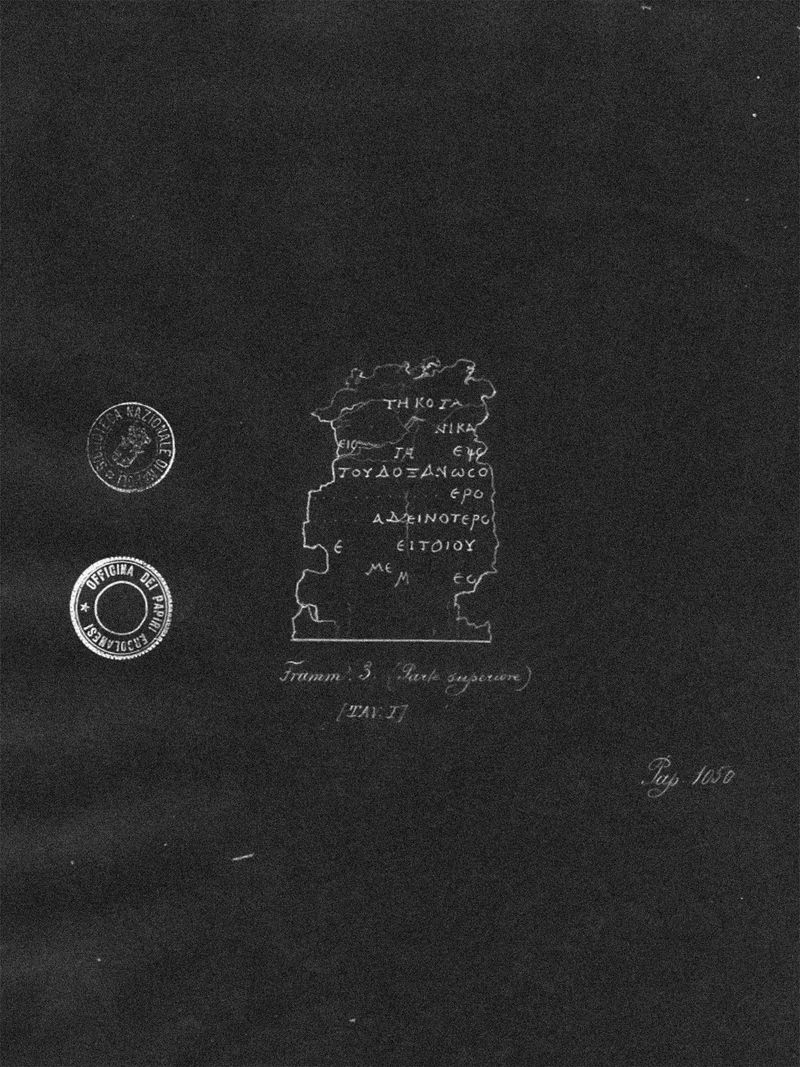
A photo–graphic reconstruction of a fragment from Philodemus’s On Death, preserved in the library of the Villa dei Papiri: it is a treatise in the Epicurean tradition, a philosophical school opposed by the Roman political class because, by regarding death as the mere disintegration of matter and recommending the pursuit of pleasure as the sole antidote, it made its followers difficult to control.

© Manuela Naddeo - Image from the scòtoma (or the impossibility of leaving) photography project
i

Stereocaulon vesuvianum, a native lichen whose main characteristic is its adaptation to extreme environmental conditions. It is the first organism to develop at the exact sites of the eruption, paving the way for the development of other forms of life.

© Manuela Naddeo - Image from the scòtoma (or the impossibility of leaving) photography project
i

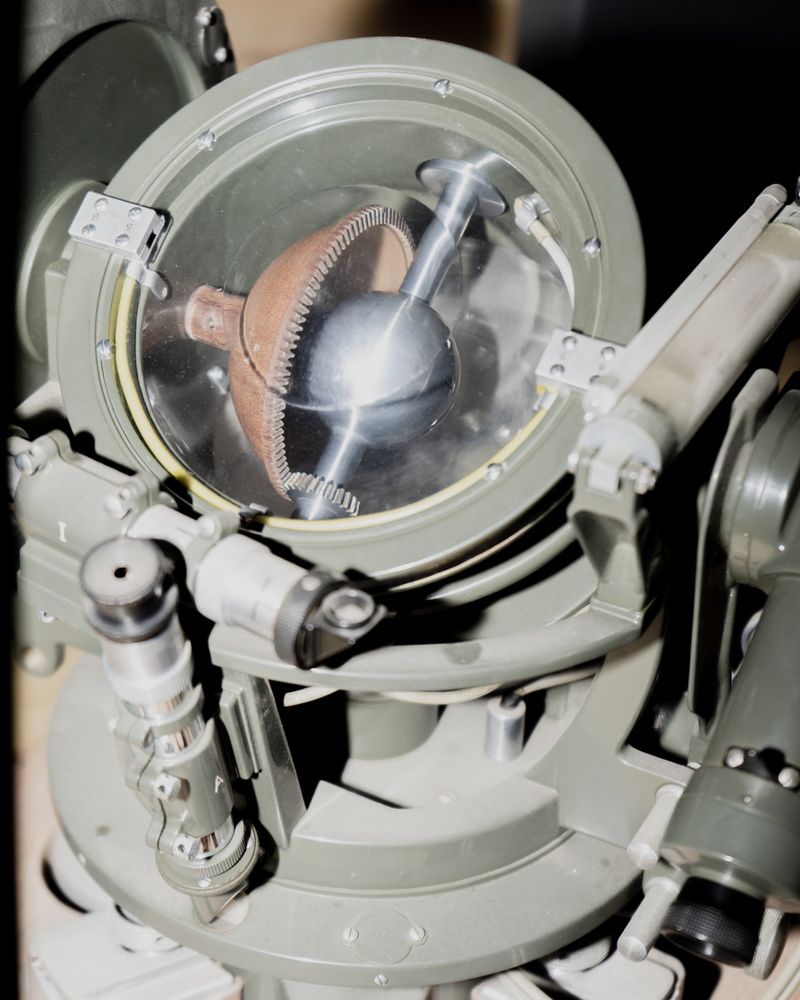
An antique theodolite in the section currently being set up at the Vesuvian Observatory Museum. In volcanology, it was used to study ground deformation.

© Manuela Naddeo - Image from the scòtoma (or the impossibility of leaving) photography project
i

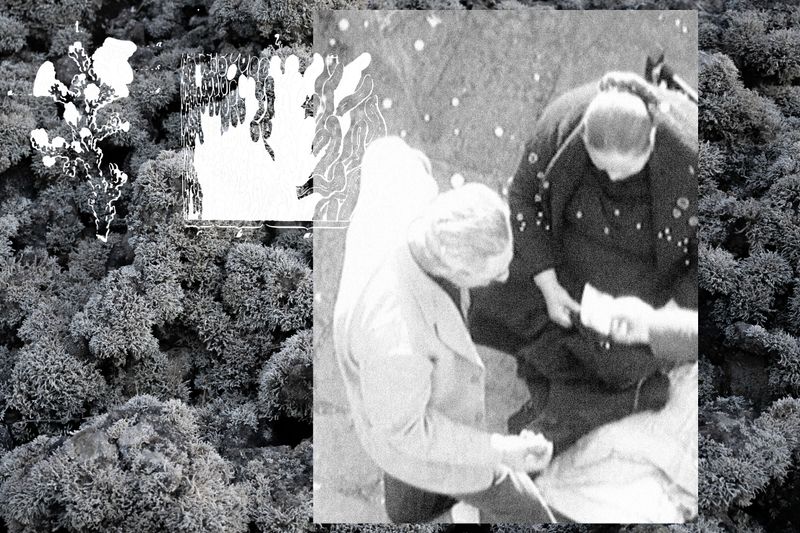
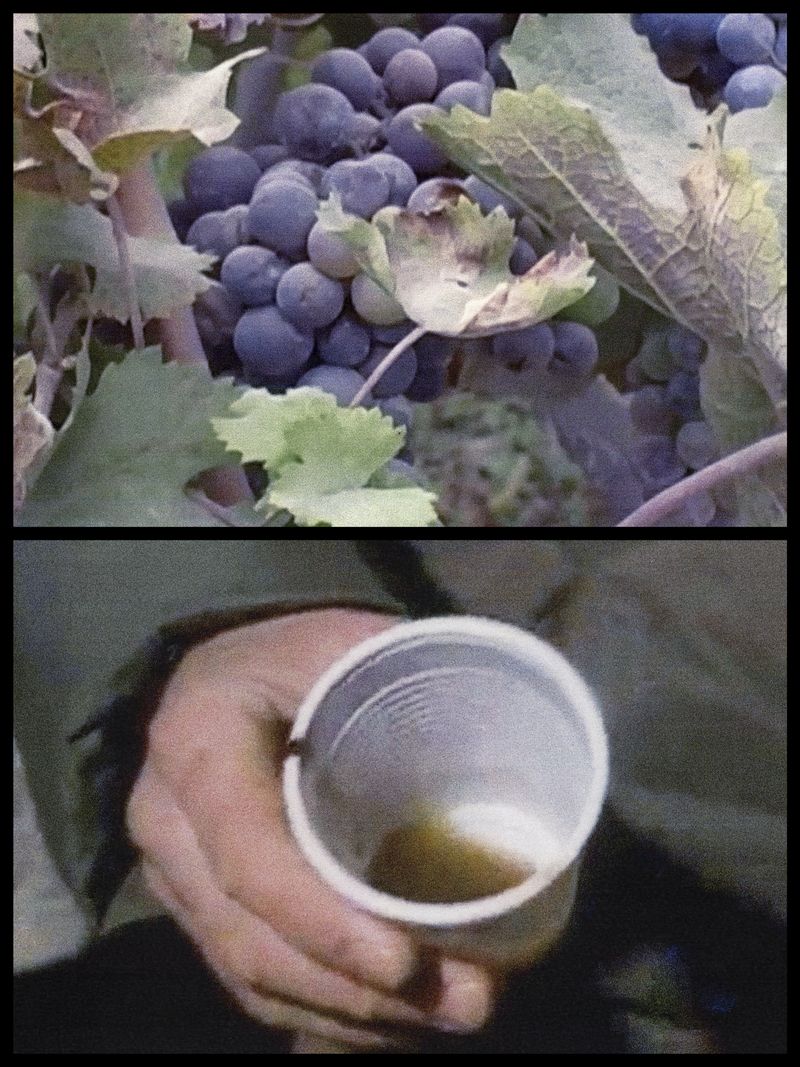
Screenshots from amateur videos showing the damage caused by the amnesty on illegal rubbish dumps in the Somma–Vesuvius area during the waste crisis in Campania, which reached its peak in the 2010s. Two farmers show the devastation to the Lachrima Christi vineyards, one of the region’s signature products.

© Manuela Naddeo - A sample taken in 1927 from the crater of Vesuvius by Malladra, who was director of the Observatory at the time.
i

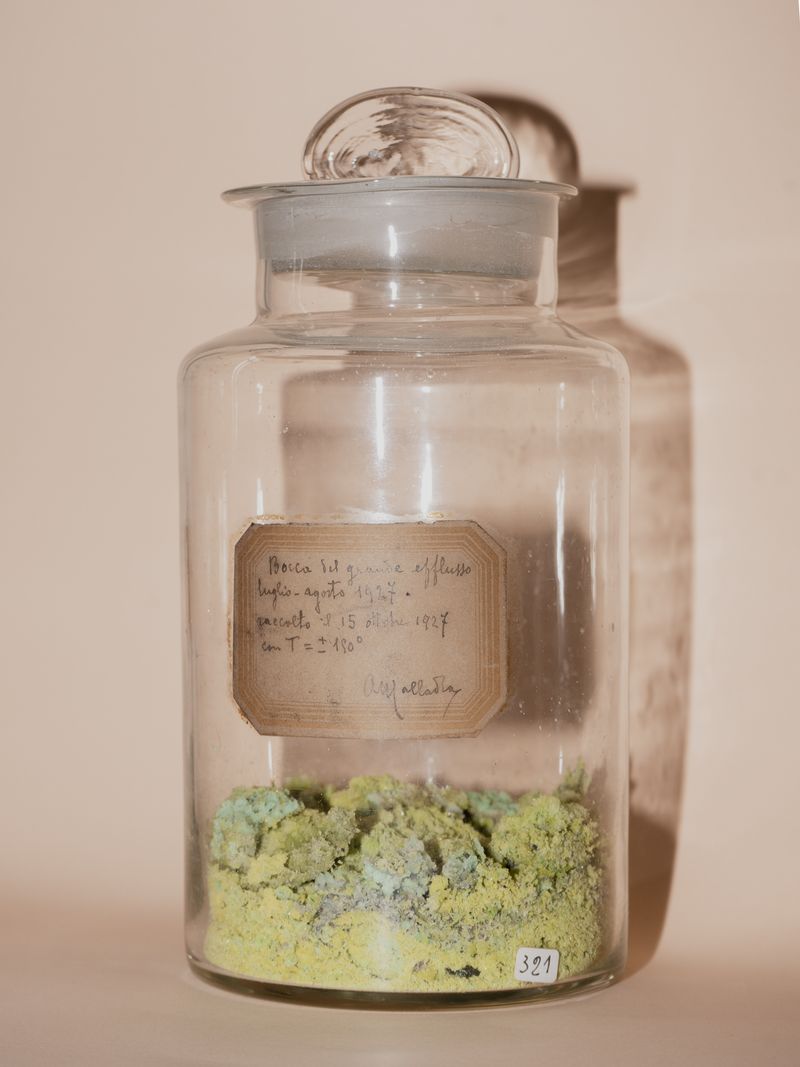
A sample taken in 1927 from the crater of Vesuvius by Malladra, who was director of the Observatory at the time.

© Manuela Naddeo - Image from the scòtoma (or the impossibility of leaving) photography project
i

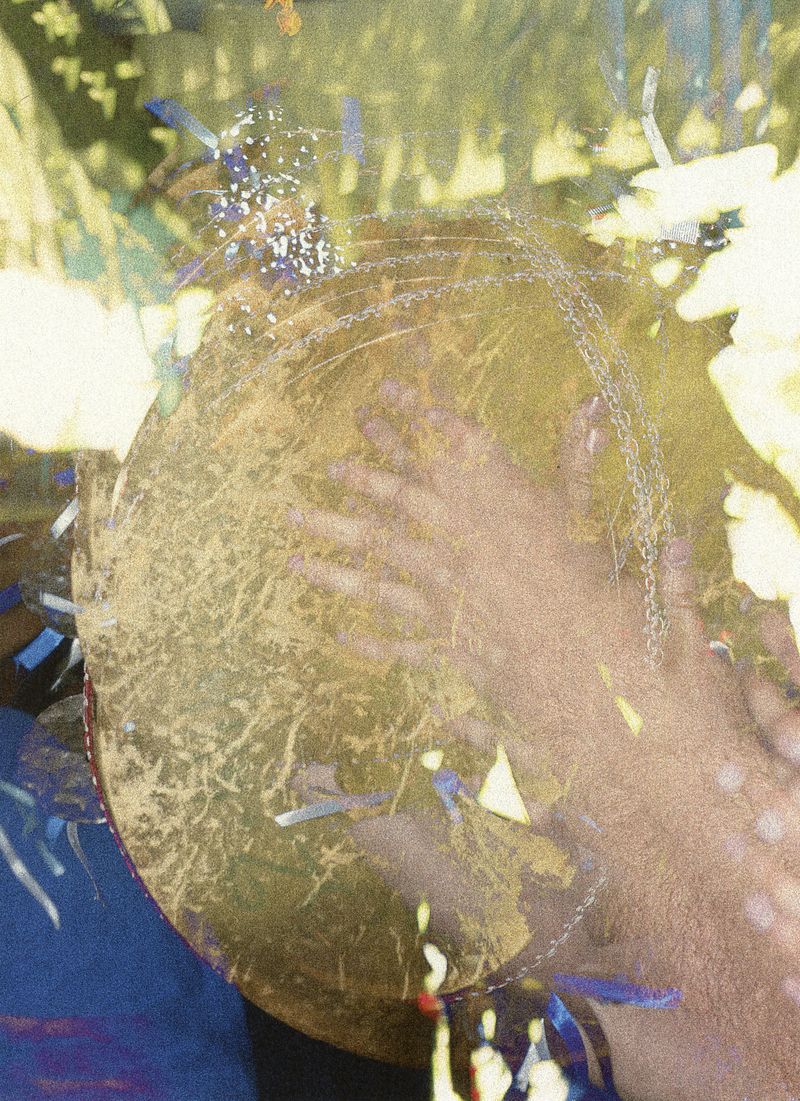
A tammorra player during the Festival of 3 May, a day on which, every year, thousands of people gather on the slopes of Mount Somma, as part of the various festivals linked to the worship of the mountain.

© Manuela Naddeo - Image from the scòtoma (or the impossibility of leaving) photography project
i

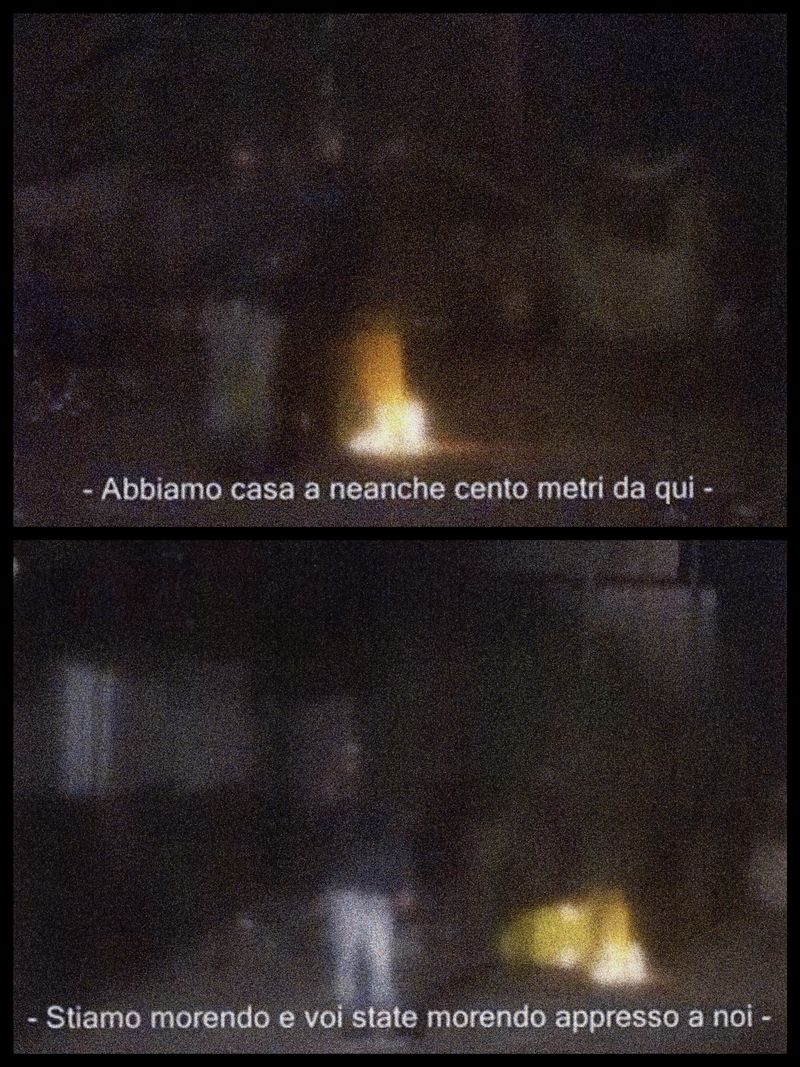
Screenshots from news footage showing protests against the opening of unauthorised landfill sites – which were later legalised by the state – within the Somma–Vesuvius National Park, during the waste crisis in Campania, which reached its peak in the 2010s. The person in the photo addresses the police: «Our homes are less than a hundred metres from here. We are dying, and you are dying with us».

© Manuela Naddeo - Portrait of my younger sister looking at the world through the filter of a sheet of gelatine.
i

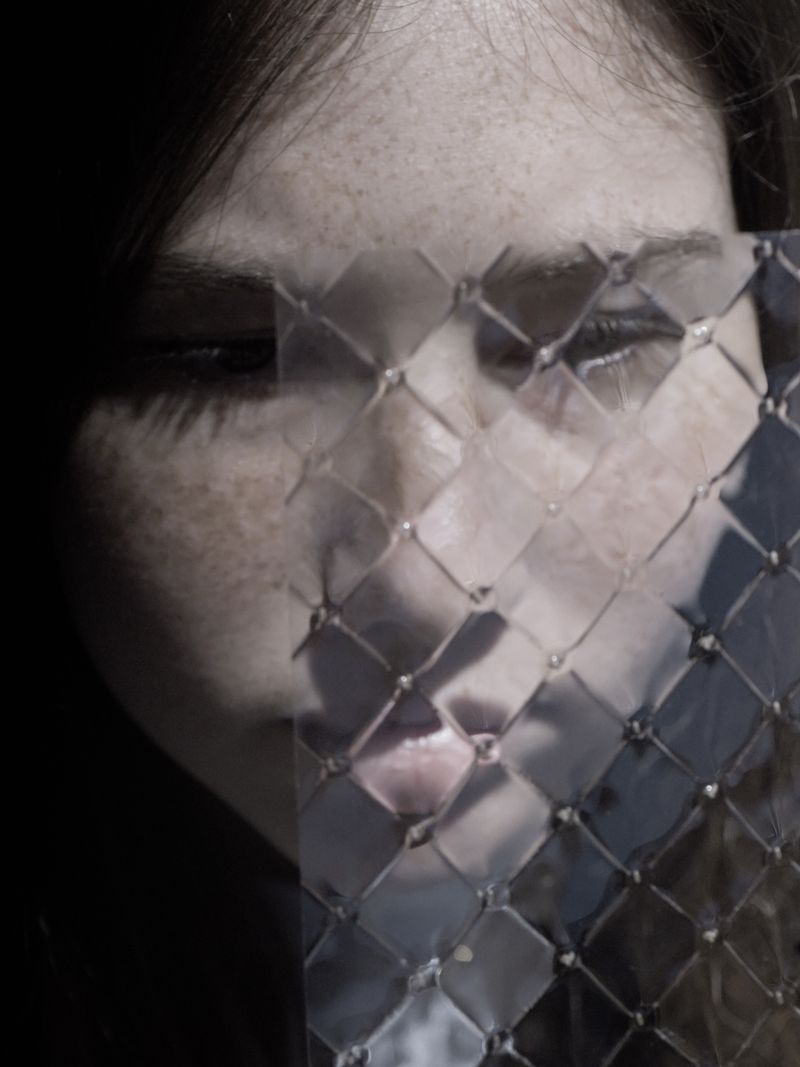
Portrait of my younger sister looking at the world through the filter of a sheet of gelatine.

© Manuela Naddeo - A fire on the slopes of the volcano, as seen from the roof of my house.
i

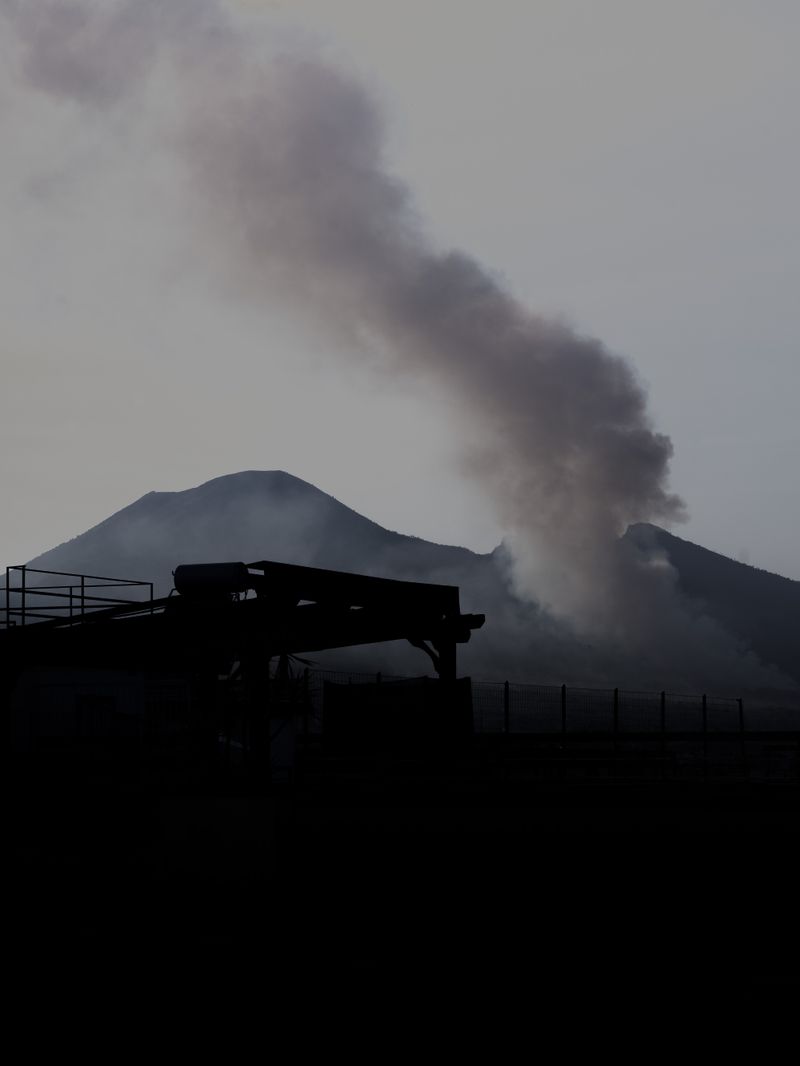
A fire on the slopes of the volcano, as seen from the roof of my house.

© Manuela Naddeo - The desk of Gianmarco, a researcher working at the Vesuvian Observatory, in the microtomography laboratory.
i

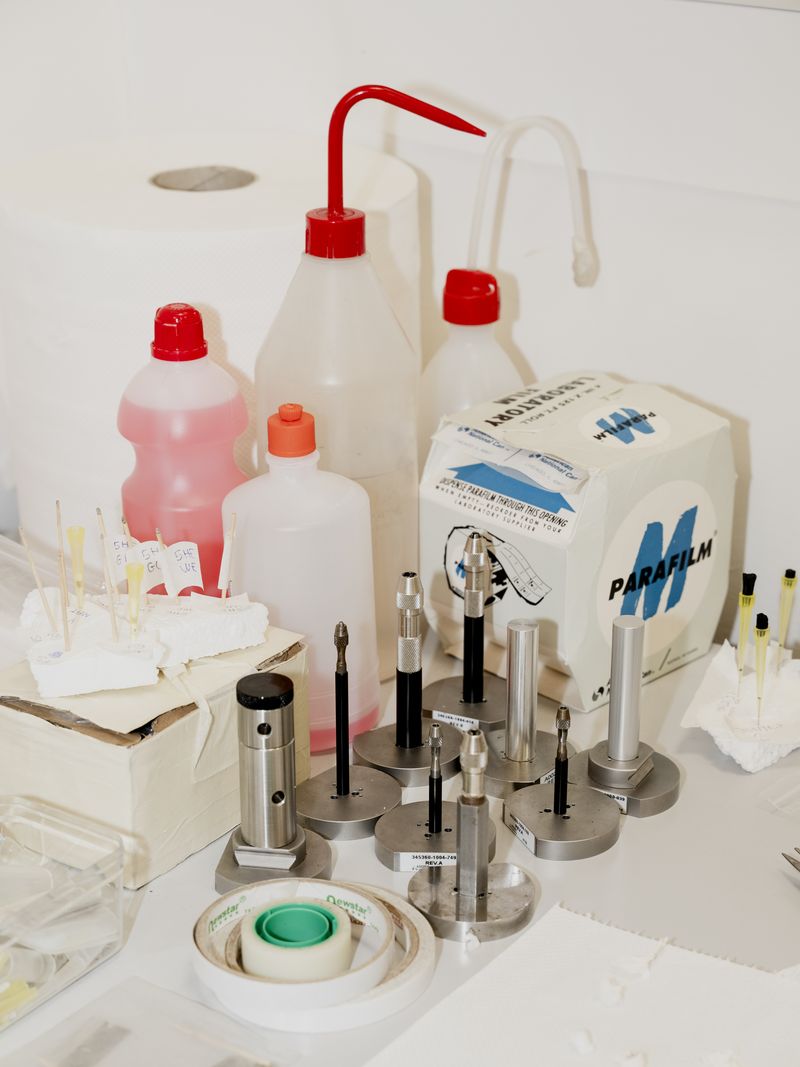
The desk of Gianmarco, a researcher working at the Vesuvian Observatory, in the microtomography laboratory.

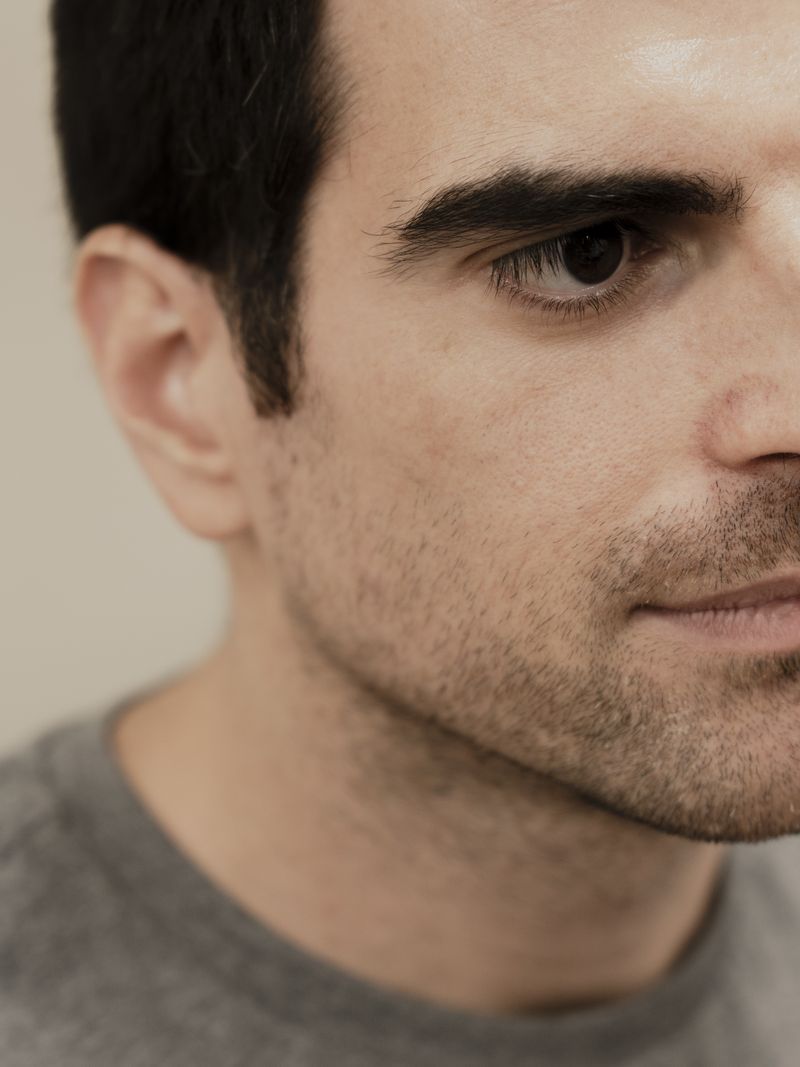
© Manuela Naddeo - Gianmarco's eye, a researcher working at the Vesuvian Observatory, in the microtomography laboratory.
i

Gianmarco's eye, a researcher working at the Vesuvian Observatory, in the microtomography laboratory.

© Manuela Naddeo - Image from the scòtoma (or the impossibility of leaving) photography project
i

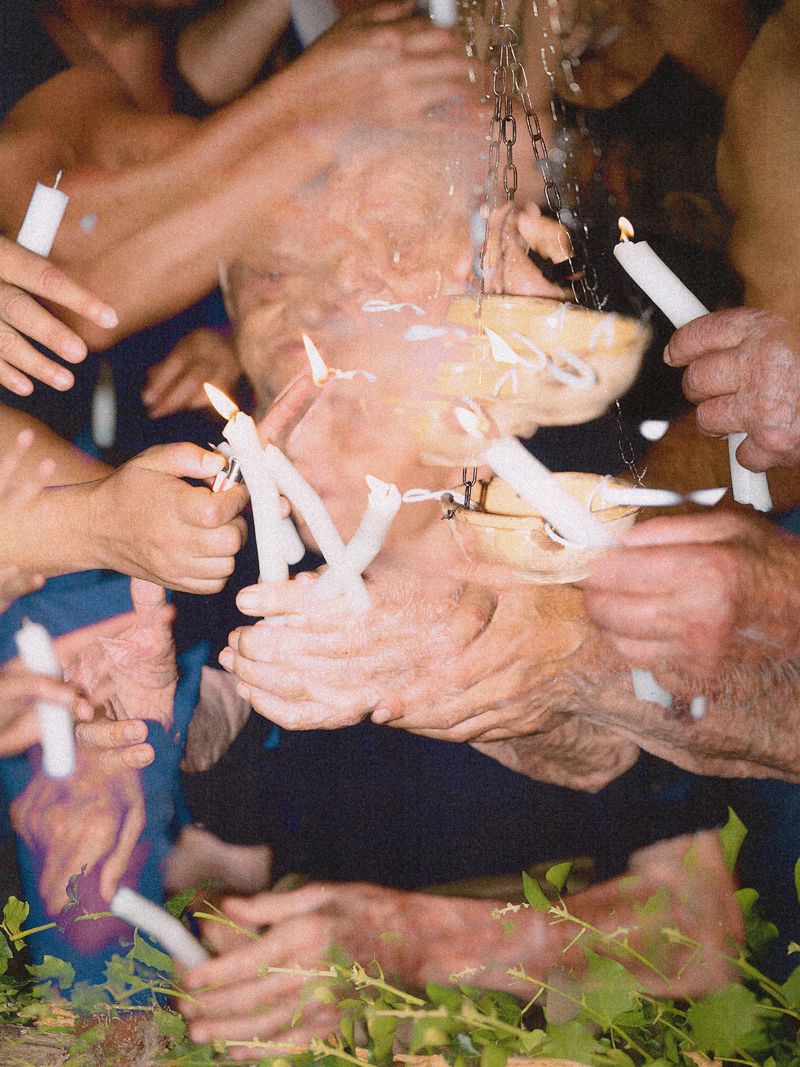
The lighting of the lanterns in Somma Vesuviana, a celebration held every four years, one of the many local festivals linked to the worship of the mountain.

© Manuela Naddeo - Image from the scòtoma (or the impossibility of leaving) photography project
i

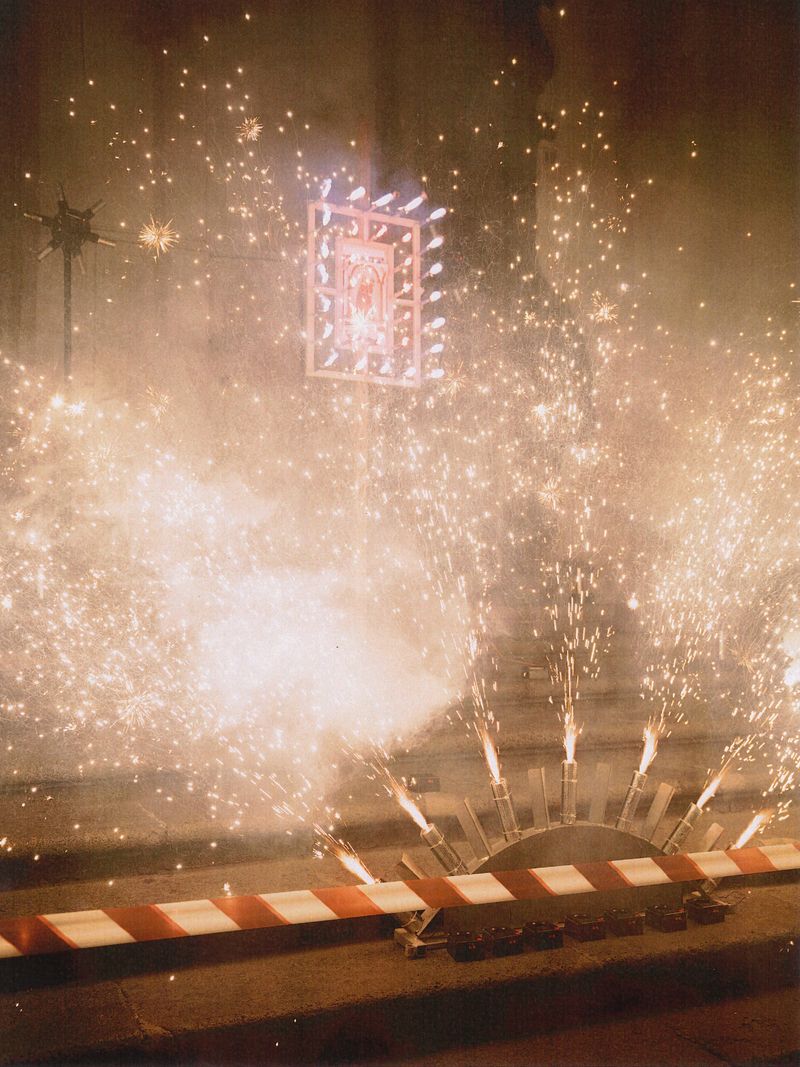
Fireworks ending the 'Lanterns feast' in Somma Vesuviana, a celebration held every four years, one of the many local festivals linked to the worship of the mountain.

© Manuela Naddeo - Image from the scòtoma (or the impossibility of leaving) photography project
i

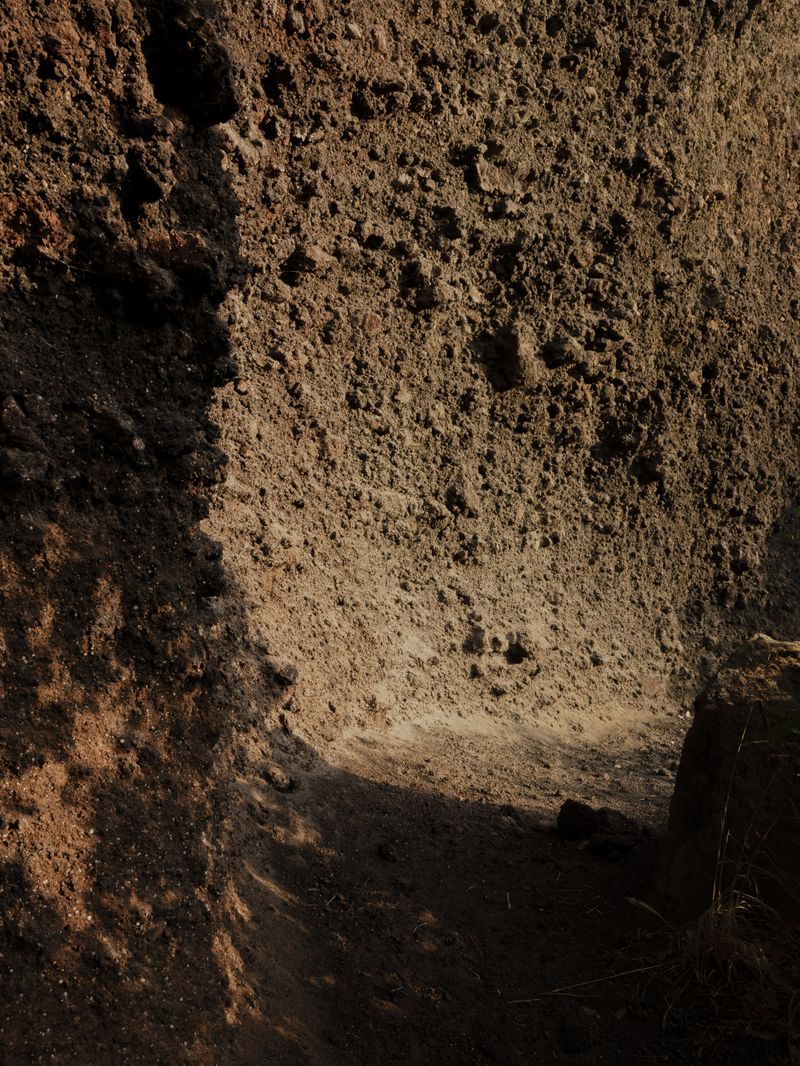
A detail of the so-called ‘Pollena cones’, volcanic vents that formed centuries ago and are now among the attractions of the Vesuvius National Park.