Salted Hands
-
Dates2023 - Ongoing
-
Author
- Location New York, United States
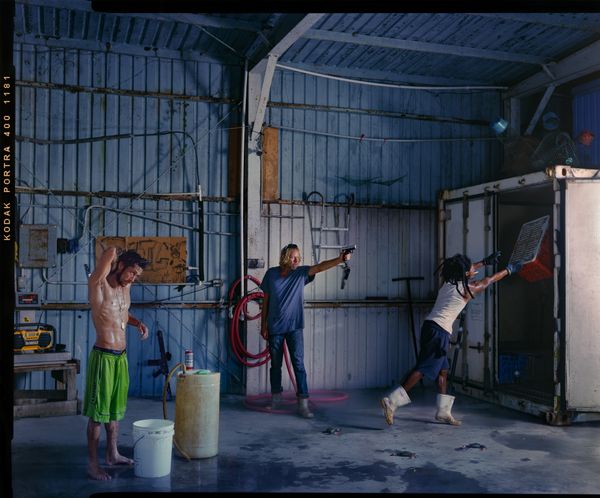
Salted Hands pairs oral testimony with staged tableaux to survey identity in St. Bernard Parish. Rooted in spoken self-definition, the image is a site where performance meets perception, tracing how memory, vernacular, and landscape script identity.
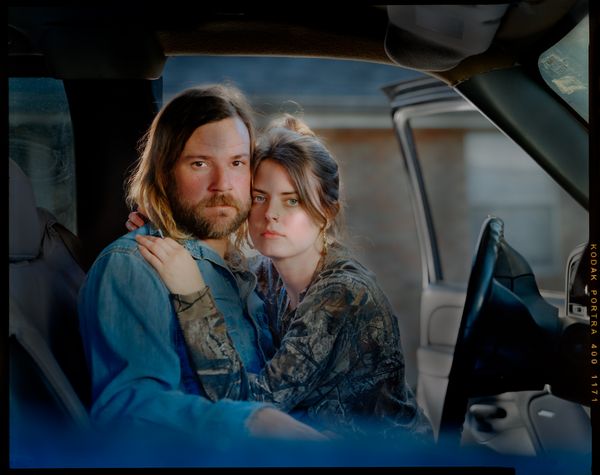
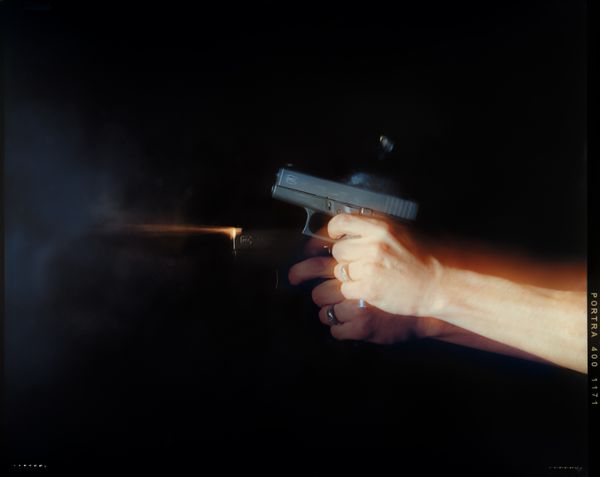
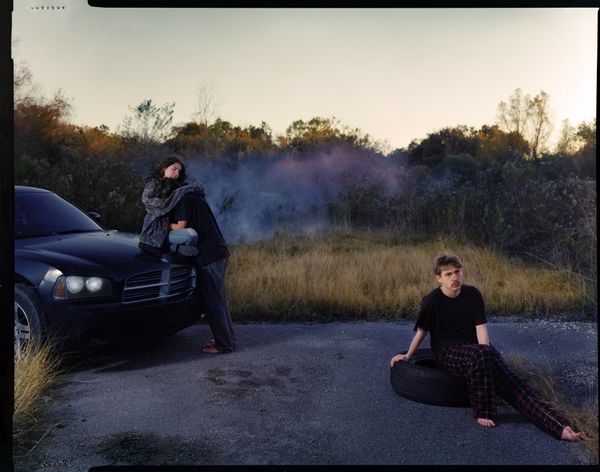
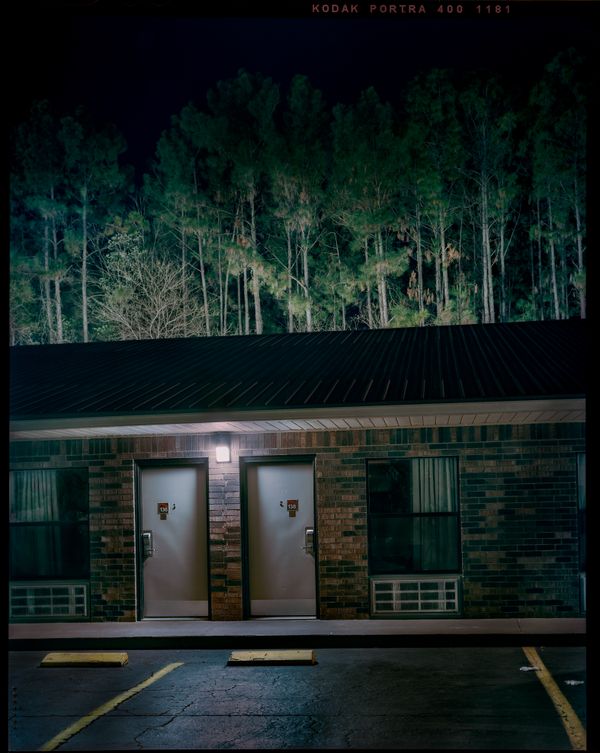
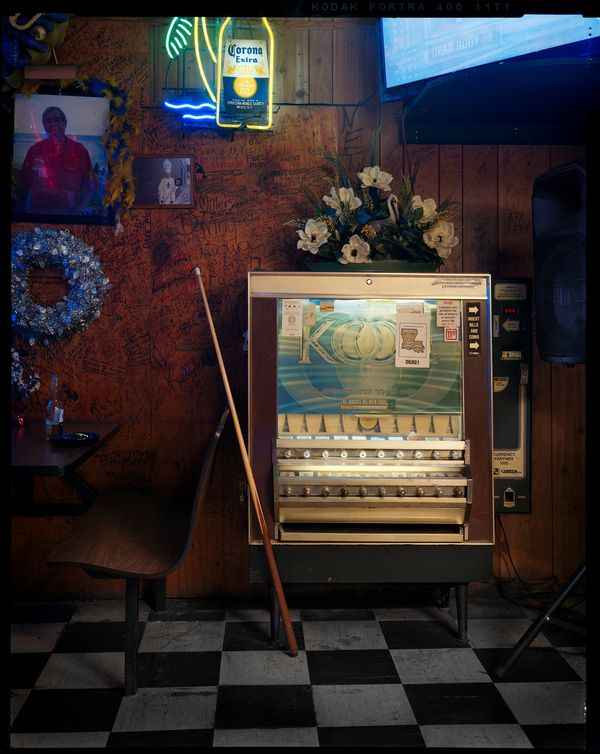
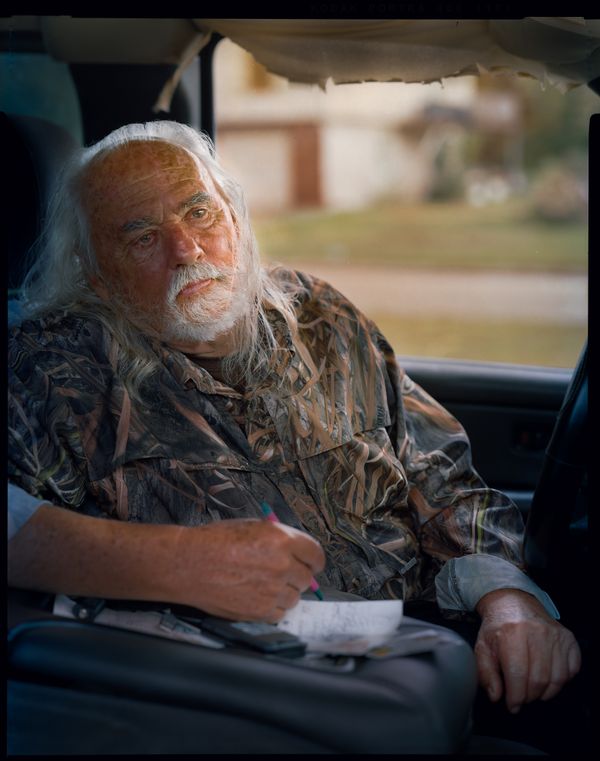
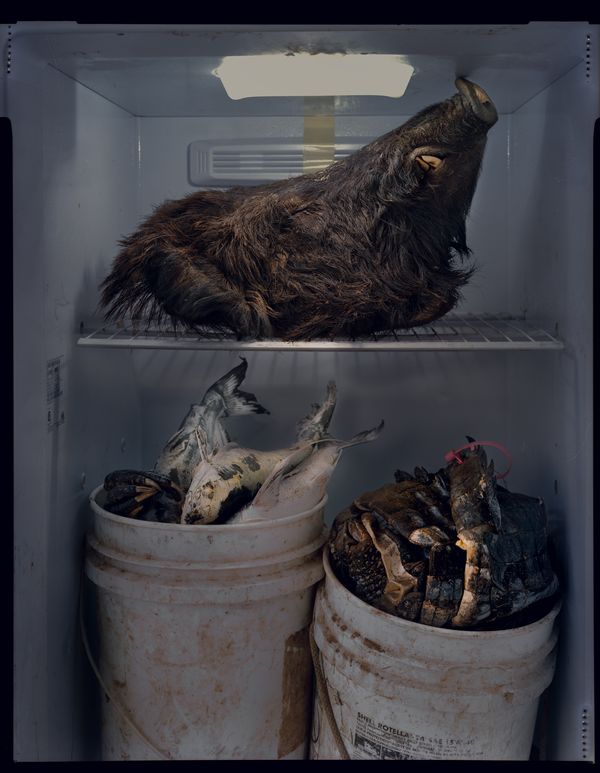
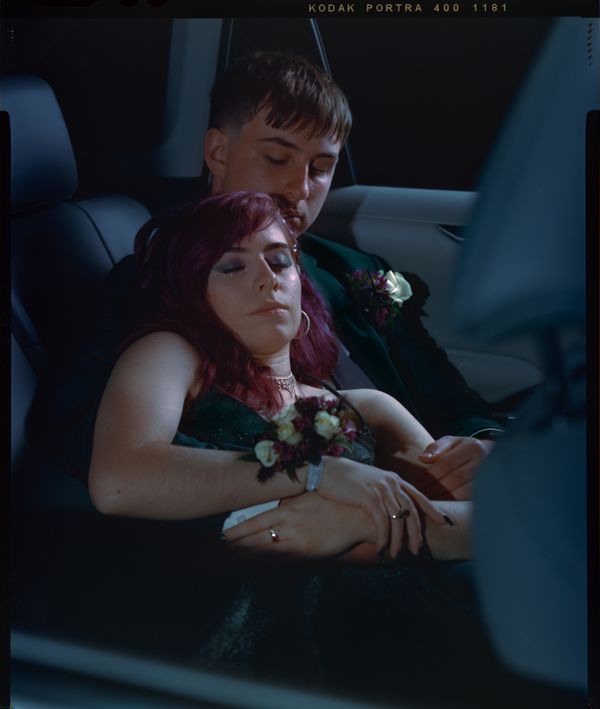
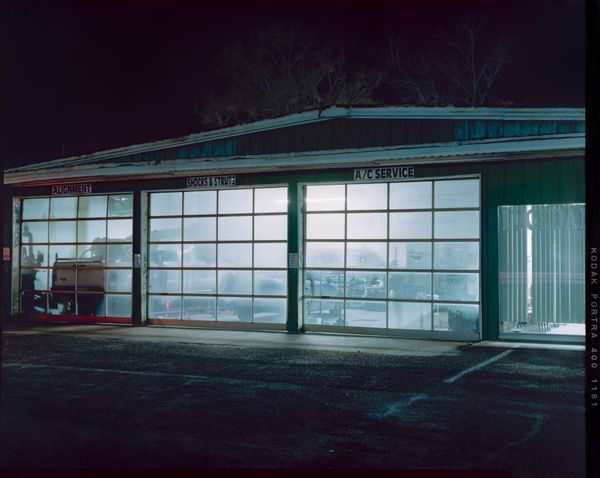
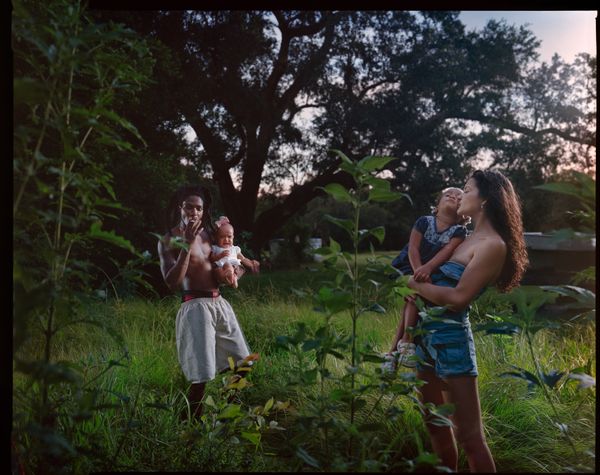
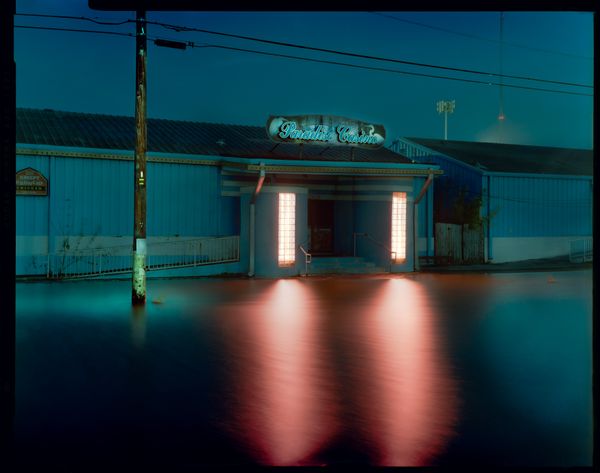
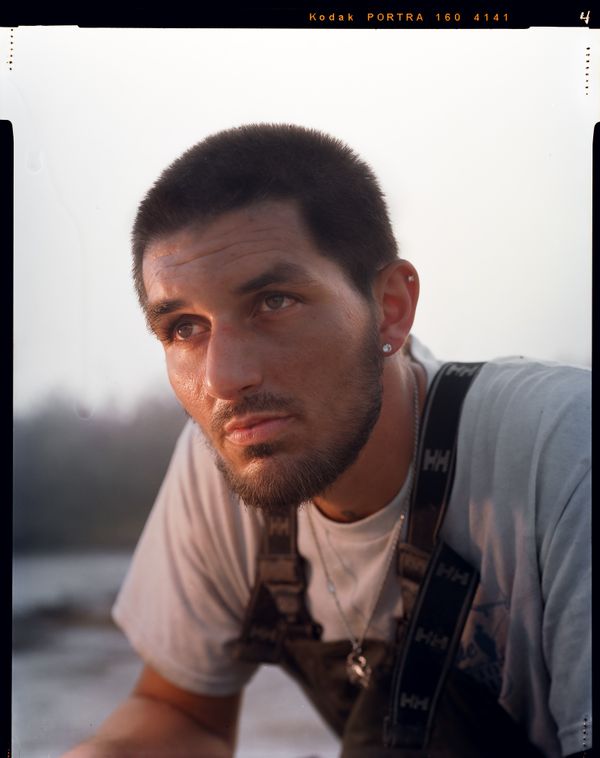
Salted Hands is an ongoing body of work combining oral history and constructed photography. It explores how identity is verbally articulated and visually interpreted in the fishing community of St. Bernard Parish, Louisiana. Rather than focusing on the industry itself, the work interrogates the ways in which memory, language, and environment shape how identity is constructed, seen, and understood.
In St. Bernard, the landscape is both intensely physical and fleeting, a place steeped in myth and spirituality. This heightens the significance of memory and collective culture. It’s a place where self is shaped through endurance against nature, labor, and the racial inequities prevalent in the Southern landscape. Identity here is forged through the stories people tell in resistance to both environmental and systemic erasure.
All images are preceded by relationship, conversation, and oral history. There are people I’ve known for months, sometimes years, of whom I’ve only taken a handful of frames. When image making isn’t the central focus, trust develops, revealing the emotional arcs, depth, and tonal color of their lives. Still, there’s an understanding that I’m there to make an audio record of their history and a visual articulation shaped by it. This dynamic allows emotions to surface more freely than in typical relationships, creating more fluidity during their oral history and ultimately a space where people can truly emote.
Using a large format view camera and lights I construct narrative tableaux, landscapes, and still lifes inspired by excerpts from individual interviews. These excerpts could be a specific story, emotional arc, or the atmospheric tenor of a space. Choosing the theme or storyline of the image takes place in a number of conversations following the interview. This process is collaborative, though I ultimately make the final choices concerning the image. After the initial blocking, all direction is rooted in the emotional landscape of their stories. Through this process, the photographs become my visual interpretation of their articulated identity, a site where memory, language, and the performance of self converge.
The project utilizes a four-channel Spatial Acoustic Record (SAR) to establish a geographic and psychological identity. This is not a static sound bed, but a spatial reconstruction of the St. Bernard landscape as filtered through a subject’s internal narrative. The field vacillates between a faithful record and a subjective interiority, mirroring the way memory and landscape collide.
Oral history is layered directly atop this acoustic record, localized to the specific tableau it inhabits. The soundscape functions as a spatial guide. As a subject speaks, the acoustic hierarchy shifts, drawing the viewer’s focus toward a specific site of inquiry. During undisclosed intervals, the vocal signal recedes, leaving only the Spacial Acoustic Record. The space will act as the site where verbal self articulation will meet visual performance of self and perception.
Salted Hands exists at the intersection of document and construction. Through image, voice, and my own outside perception, the work reflects on how identity and place are shaped by memory, language, and endurance.
Archival Note: The Spatial Acoustic Records (SAR) shown here are a curated selection from the Salted Hands master archive. The absence of a SAR registry for certain images is not indicative of a lack of documentation, but represents an editorial choice for clarity of concept and to suit the scope of this presentation format.