Sabr - Daily life as resistance in the West Bank
-
Dates2025 - Ongoing
-
Author
- Location Palestine
In the West Bank, occupation embeds trauma into the fabric of existence. As displacement and systemic brutality intensify, the clinical terrain becomes deeply political. Life endures through Sabr: quiet, radical acts of daily life that go on
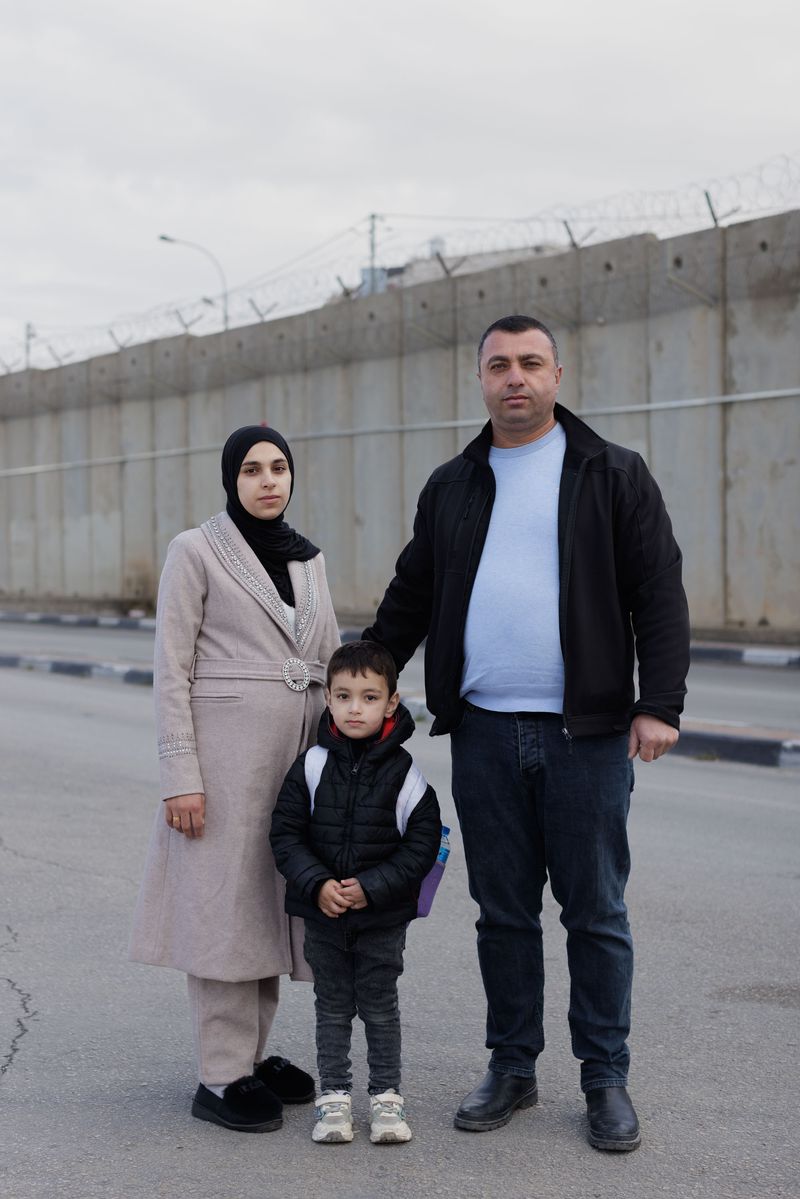
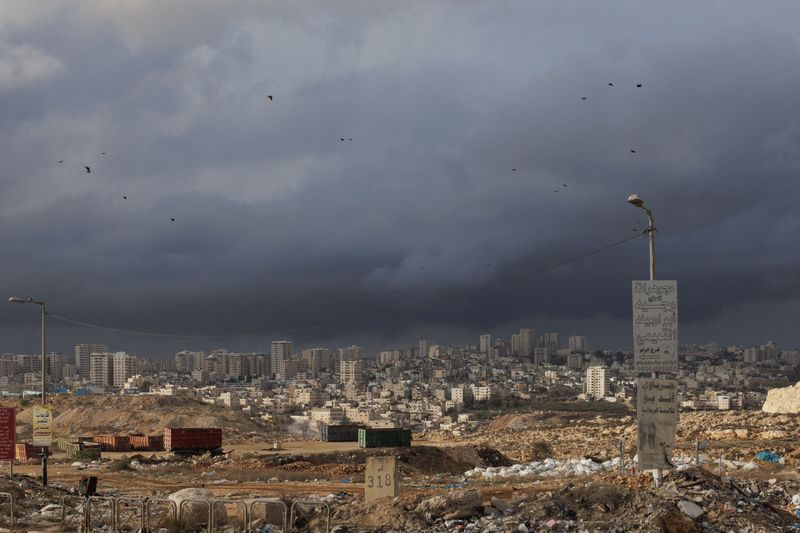
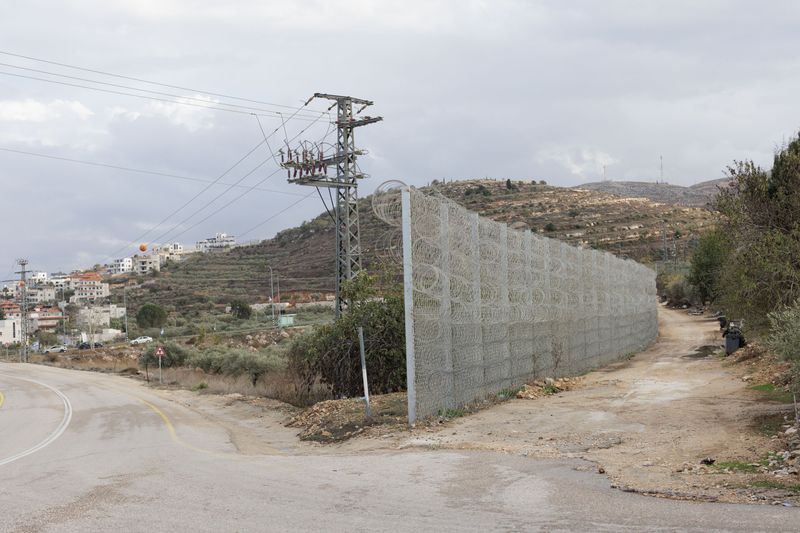
In the West Bank, violence associated with the Israeli occupation has escalated sharply since October 7, becoming an increasingly pervasive part of everyday life for Palestinians. While this recent surge marks a brutal intensification, it is rooted in a structural violence that has persisted for decades. Within this context, psychological suffering and trauma do not appear as isolated or time-bound events. They accumulate and settle into bodies, gestures, and relationships, reshaping the space and time of both individual and collective daily life. Here, the clinical terrain becomes a political one, where listening to suffering means mapping injustice and tracing the marks of deliberate political violence.
Indeed, according to OCHA (the UN Office for the Coordination of Humanitarian Affairs), in 2025 more than 1,400 Palestinian structures were demolished, particularly in East Jerusalem neighborhoods like Sheikh Jarrah, Silwan, and Kafr Aqab, forcing over 1,800 people from their homes. In refugee camps such as Aida, Nur Shams, and Tulkarem, military incursions have disrupted access to basic services and destroyed infrastructure, displacing thousands. In rural areas like the Jordan Valley and Hebron Hills, more than 1,100 Palestinians were injured in over 1,700 settler attacks, with hundreds of trees uprooted and crops destroyed, while illegal settlement expansion continues across the territory with the acquiescence of Israeli authorities. Restrictions on movement, checkpoints, arbitrary arrests, and torture in prisons complete a landscape of structural violence that has become an everyday reality.
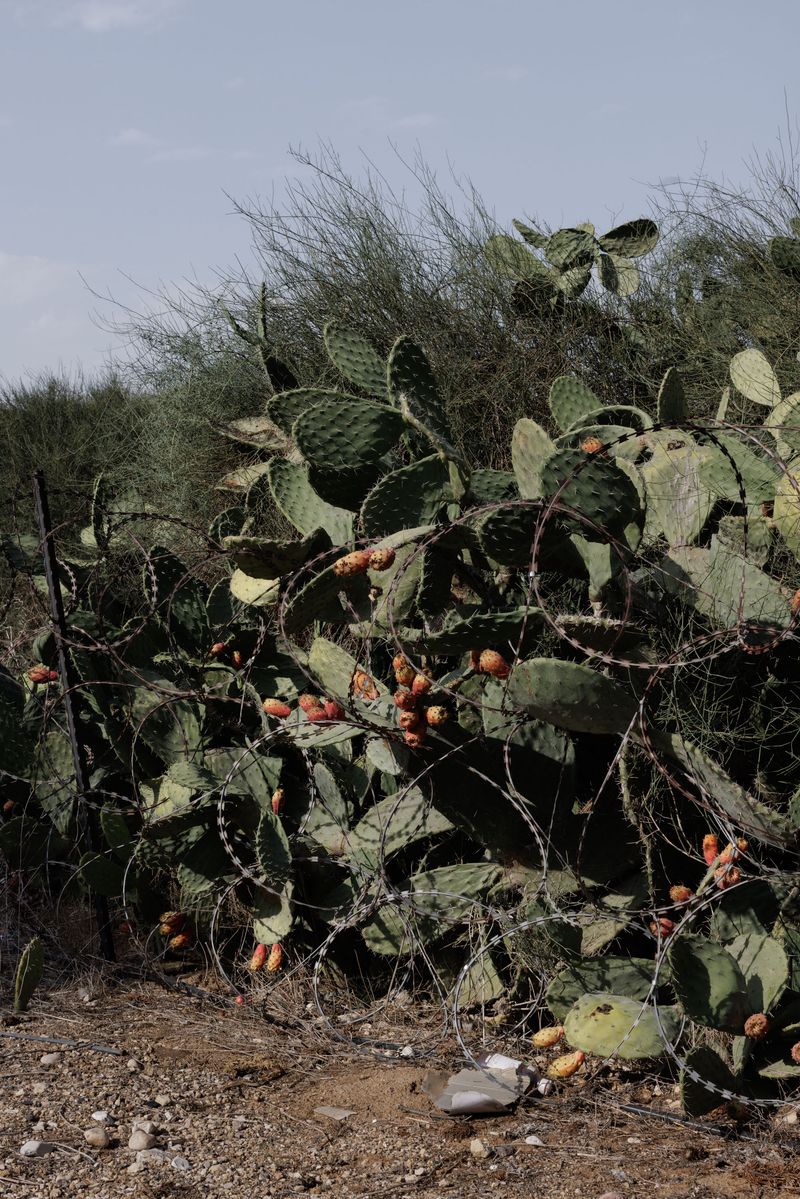
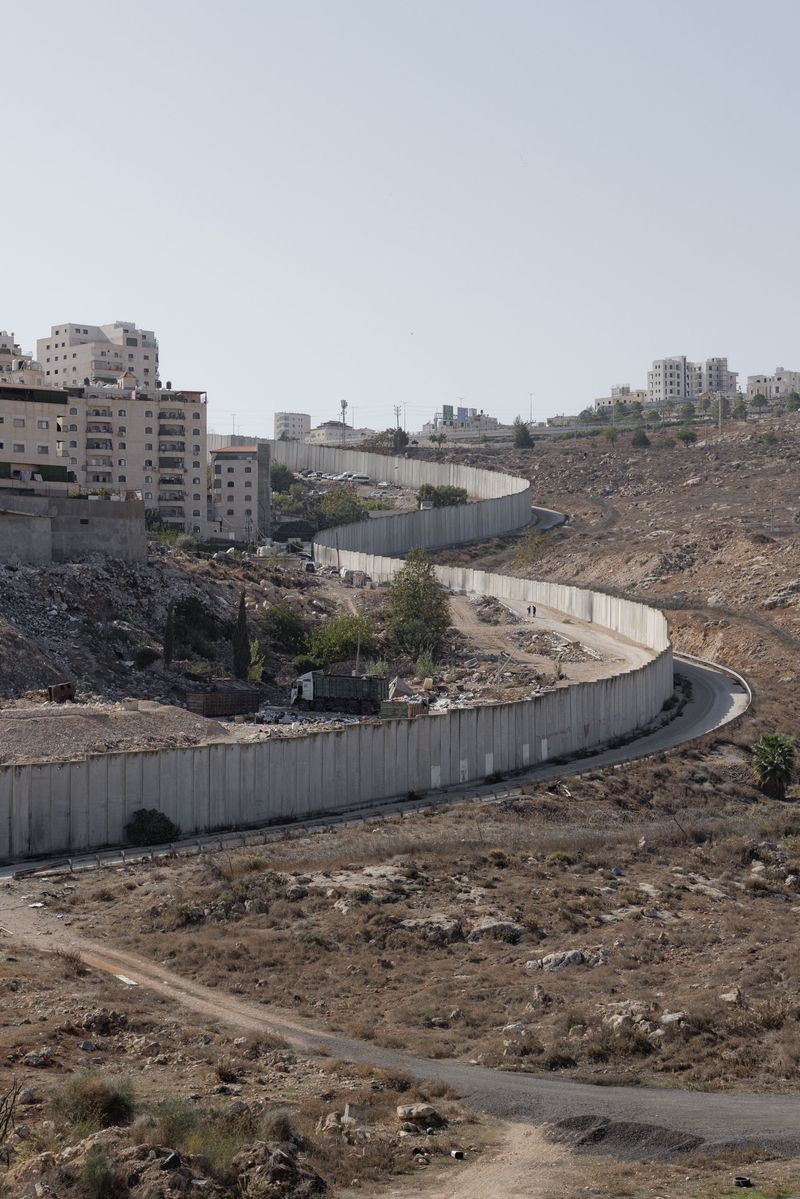
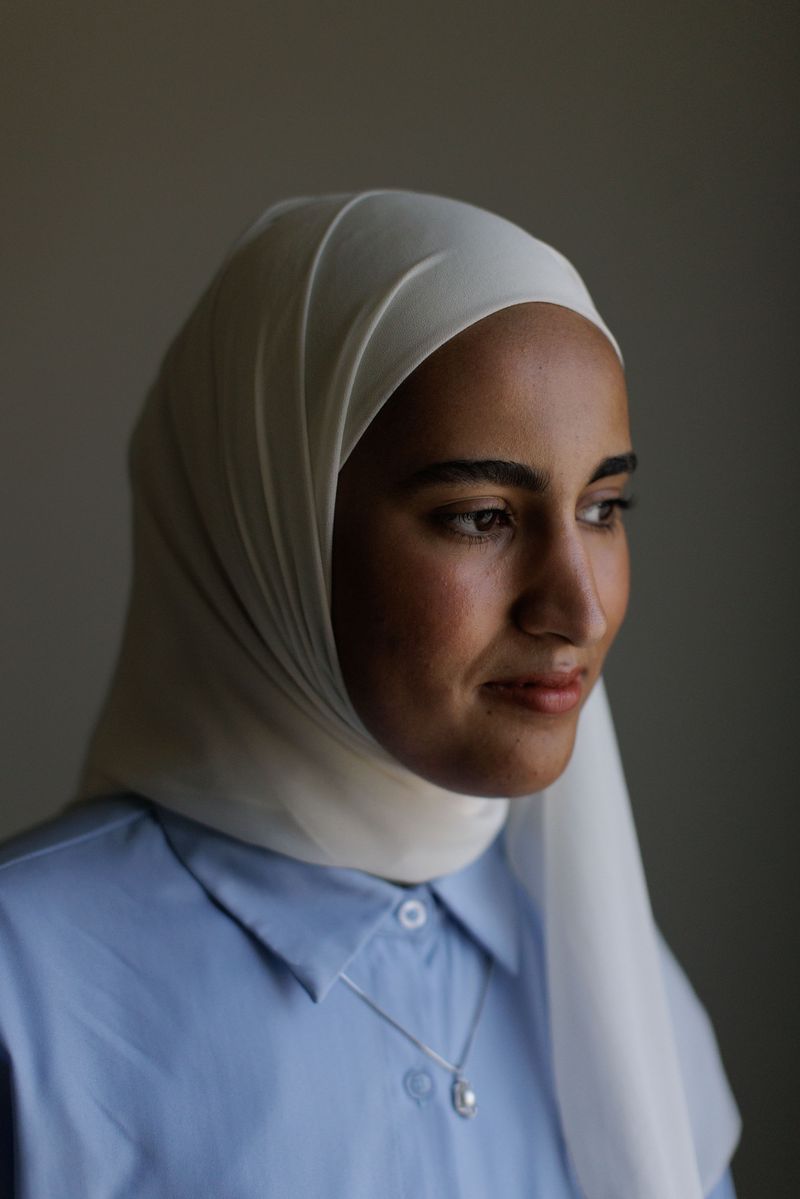
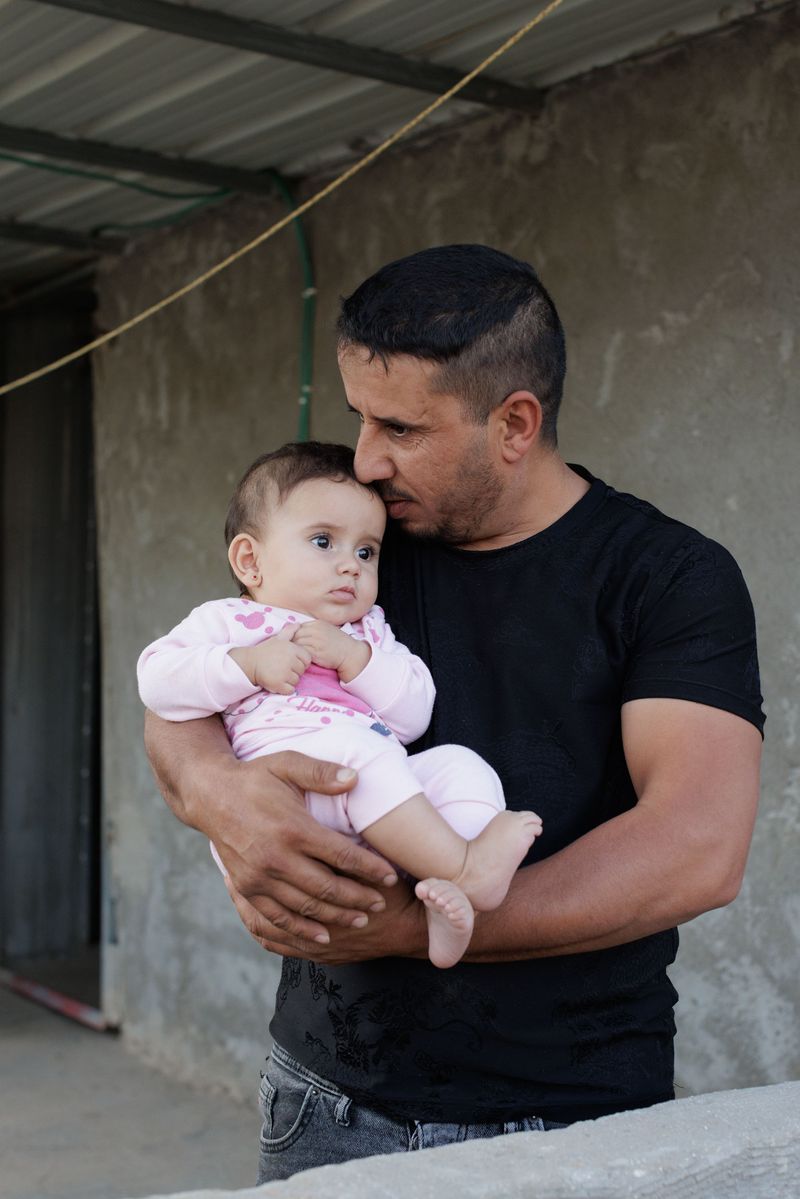
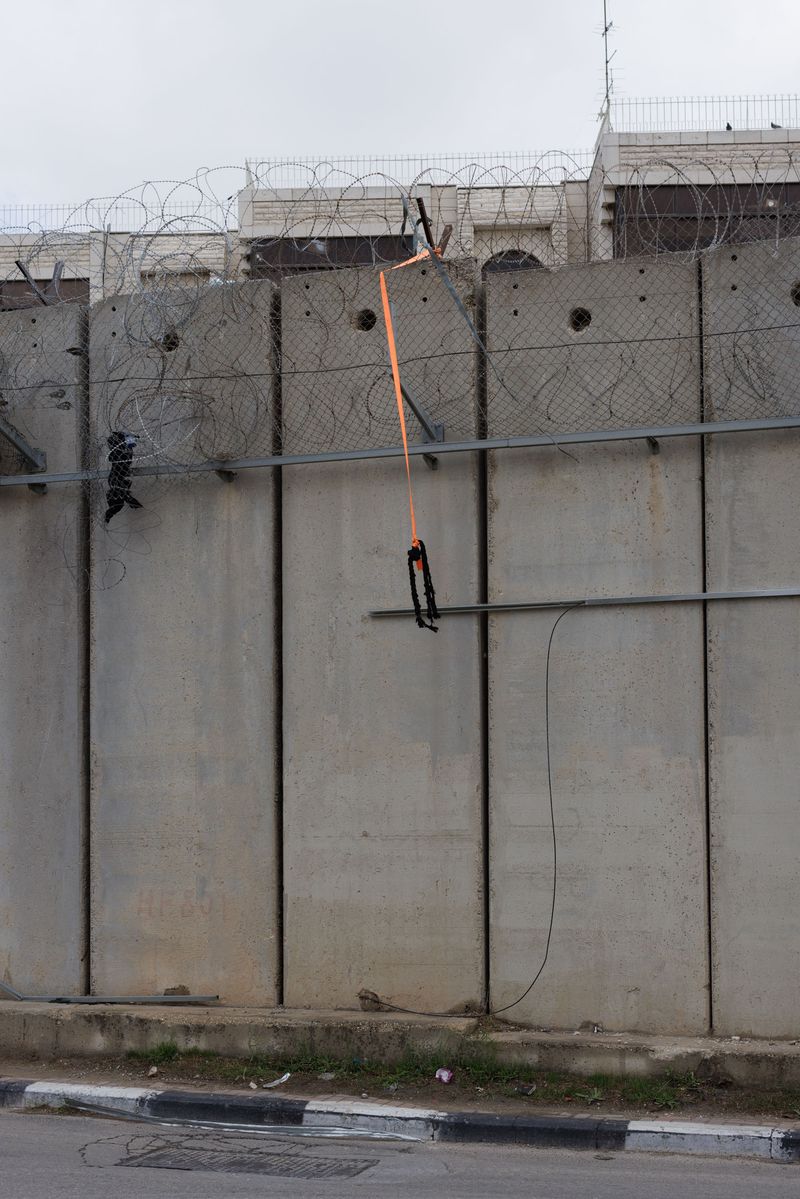
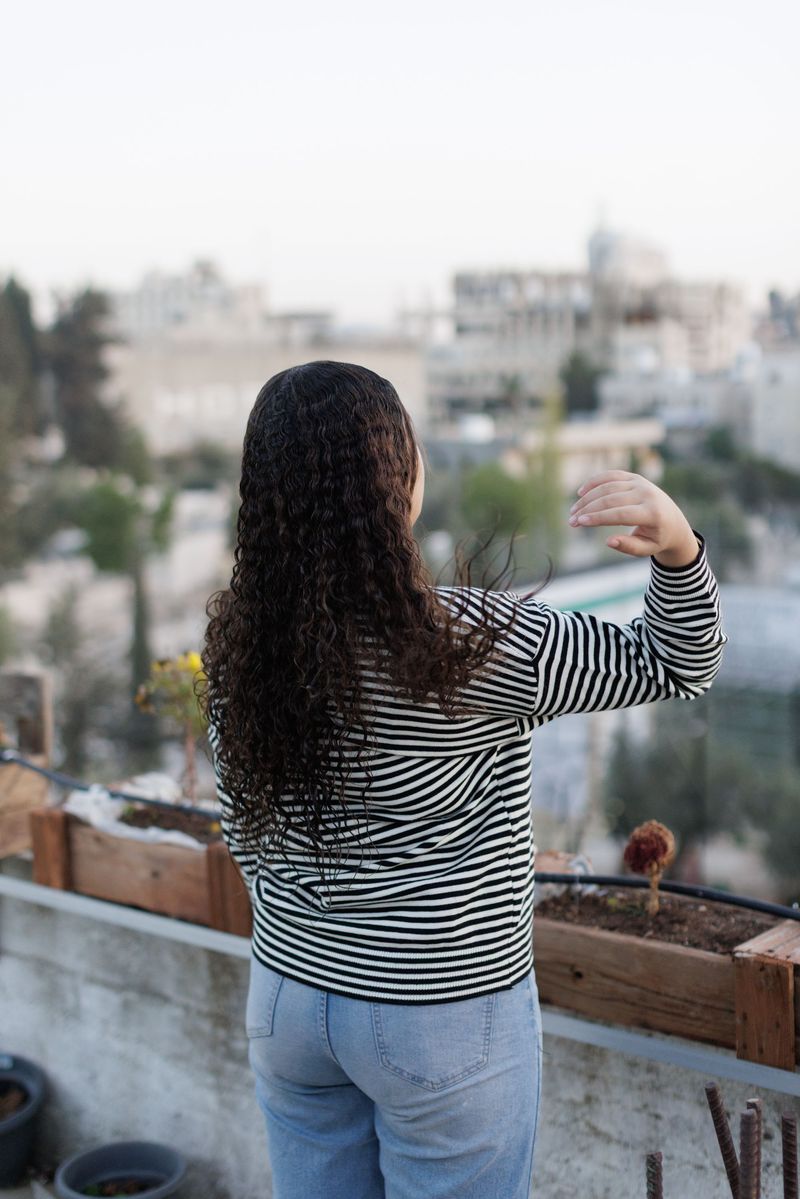
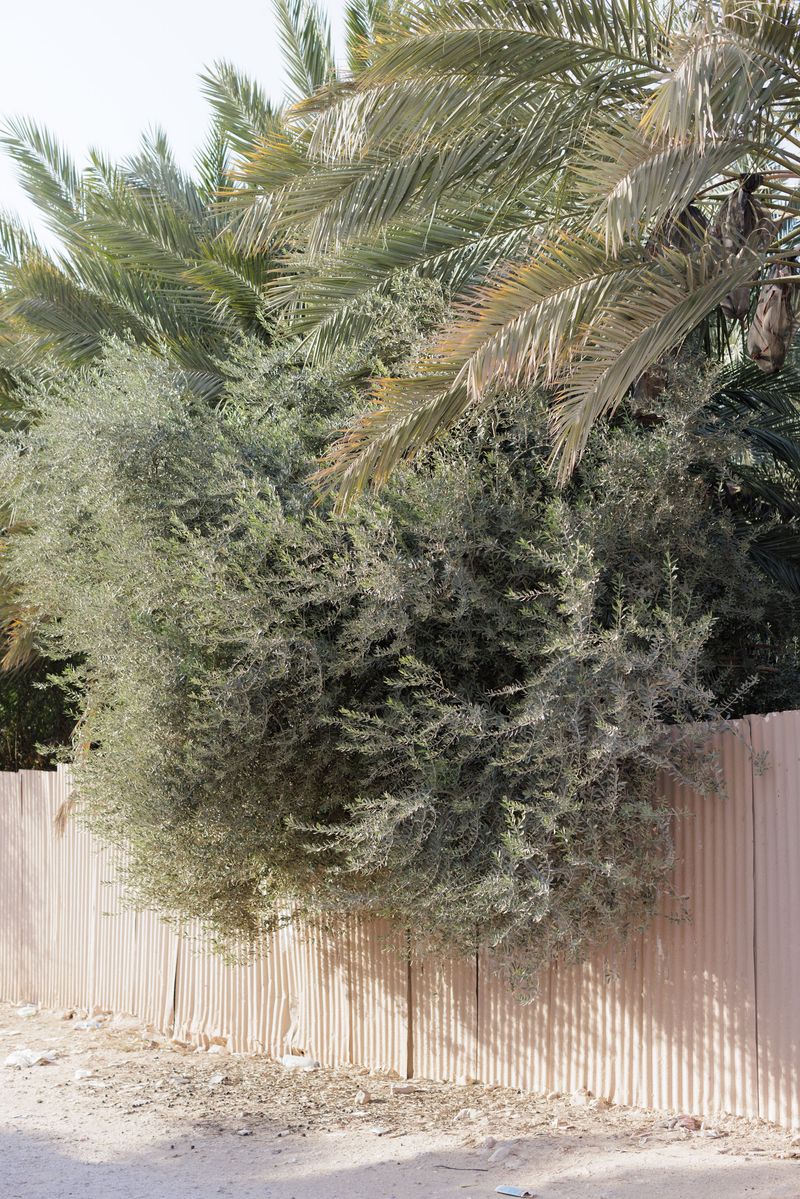
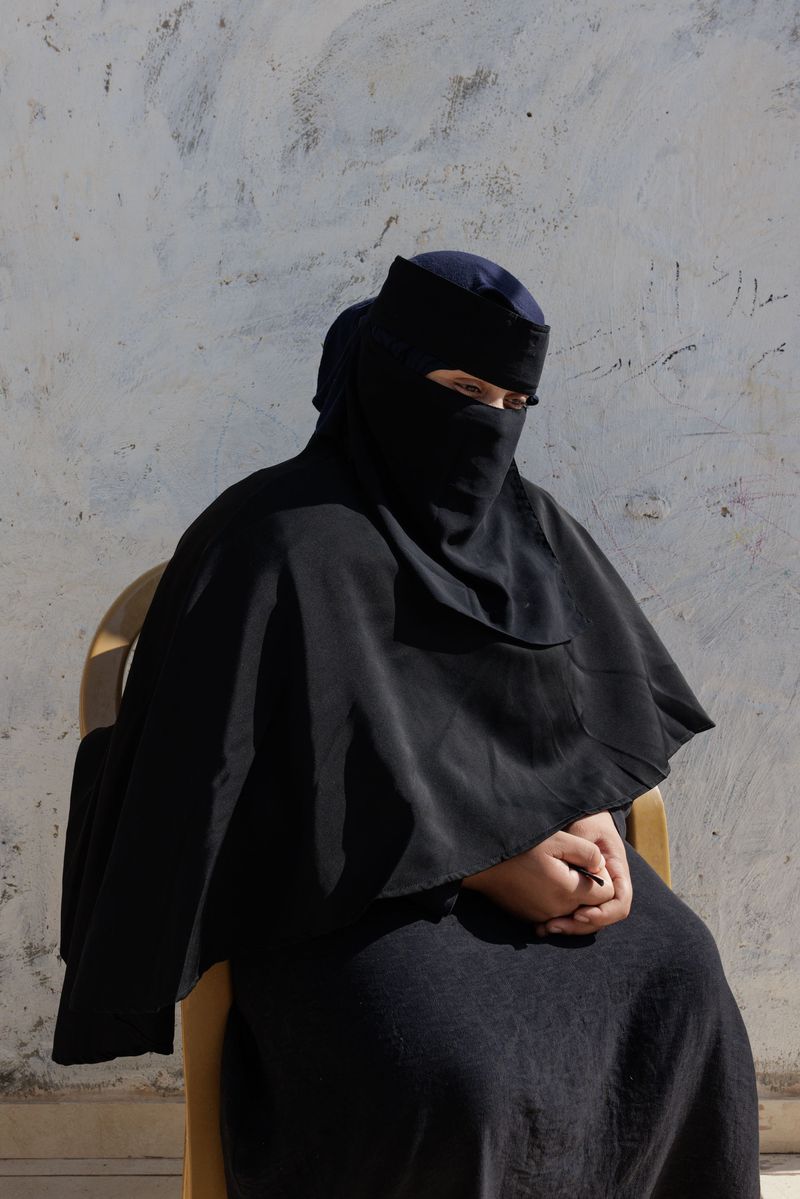
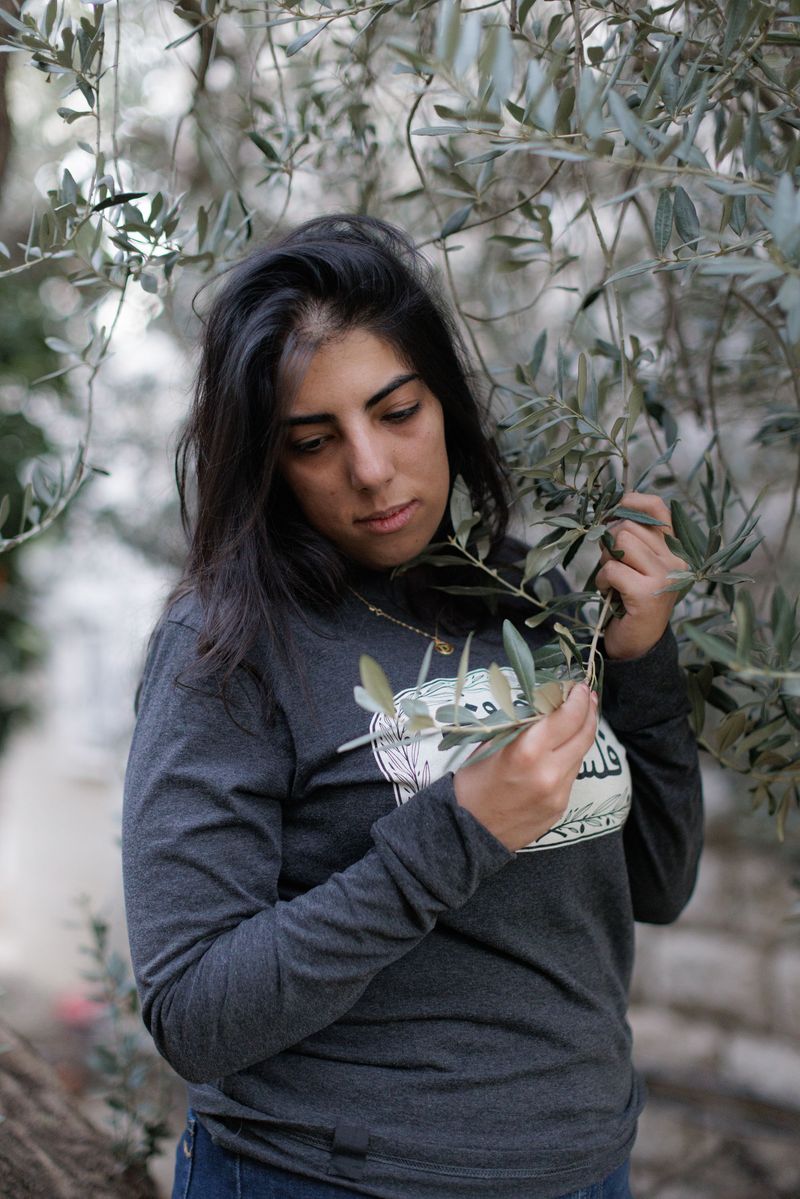
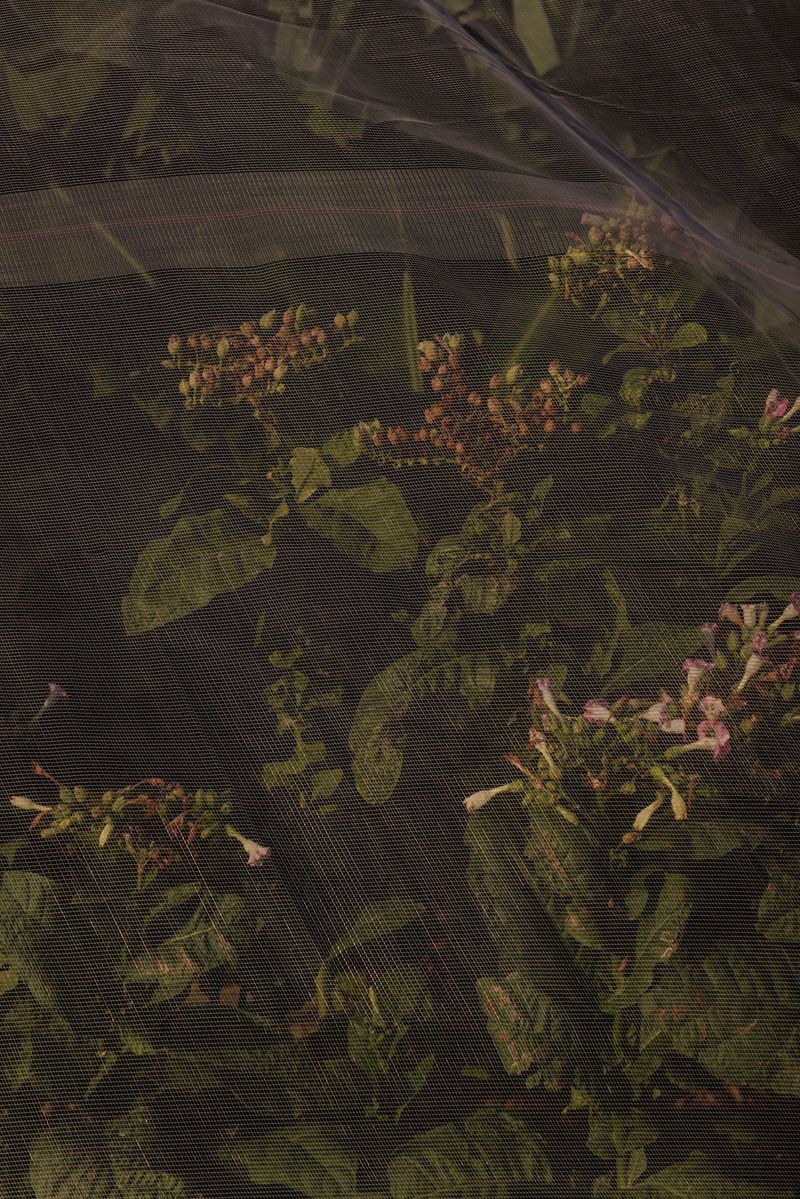
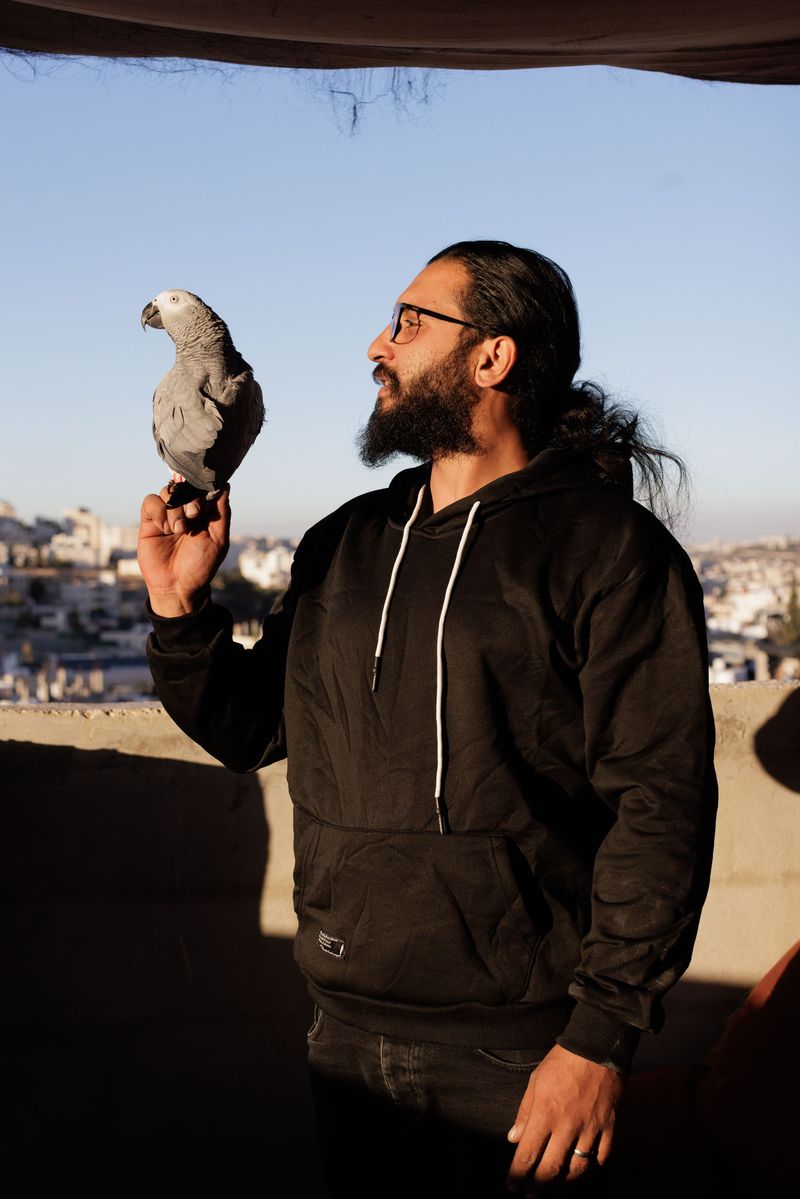
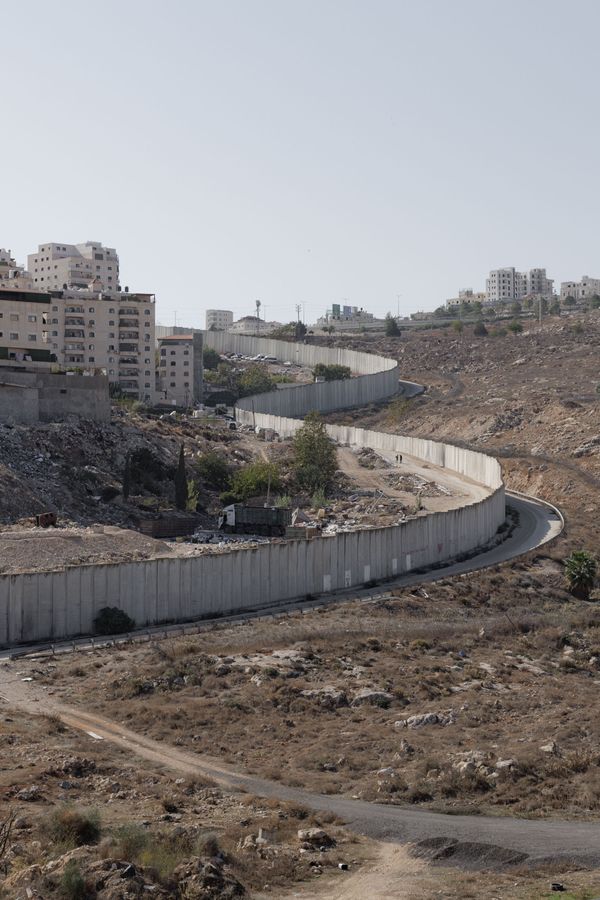
Yet amid demolitions, displacement, and attacks, resistance continues to take shape. It is intimate, quiet, and woven into daily life: in an orange rope used to climb over the separation wall; in the patience of Diala, resting in the shade of the olive tree planted by her grandfather, after months she spent in prison; in the care with which Ghassan tends to his birds in the Dheisheh refugee camp; in Mohammed’s determination to restore water access for his herd; in Sara’s desire for freedom as she tries to reclaim her life after yet another forced eviction.
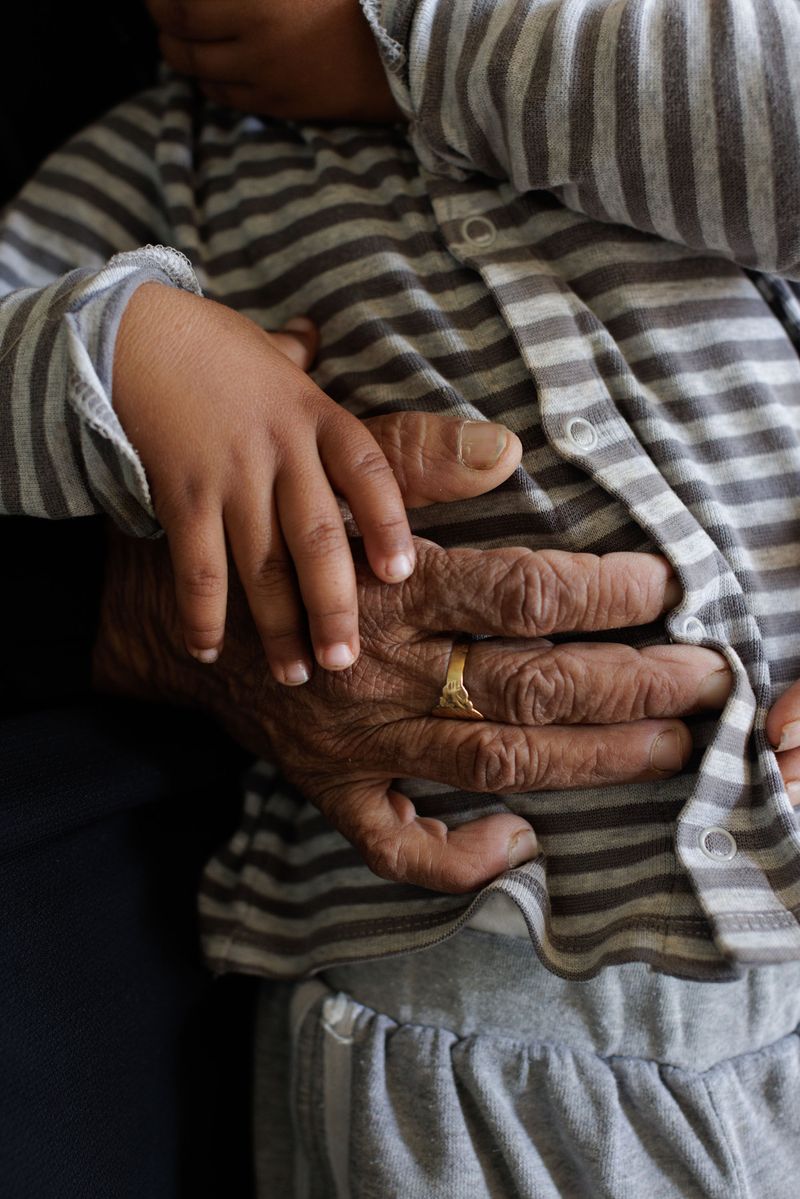
Simple, minimal, everyday acts that in Palestine acquire a radical and necessary force, through which resistance permeates every dimension of life: Sabr, resistance that persists and patience that holds, even when everything pushes toward erasure and loss.