Rooted: Land, Livestock, and Legacy in the Masai Mara
-
Dates2012 - Ongoing
-
Author
- Location Kenya
Rooted reveals a fragile equilibrium: Maasai values of land and cattle shaping a future where coexistence is possible, and wildlife endures when land holds meaning for its people.
Rooted: Land, Livestock, and Legacy in the Masai Mara by Kenyan photographer Georgina Goodwin
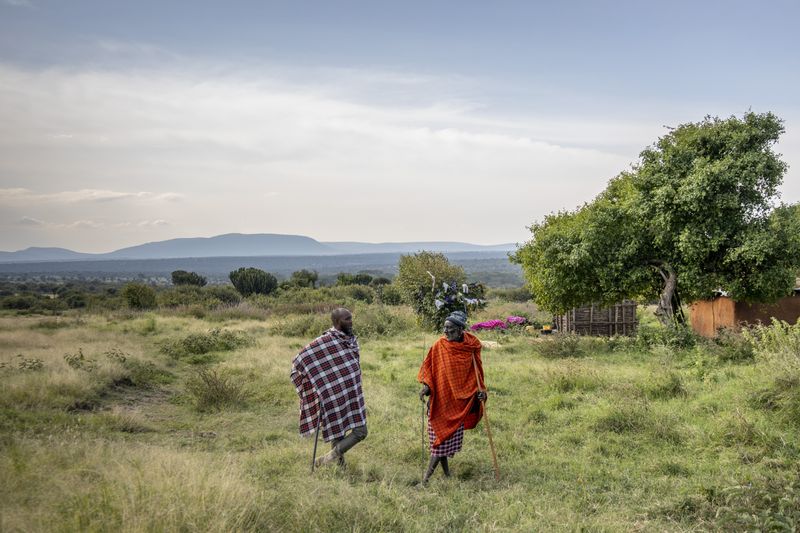
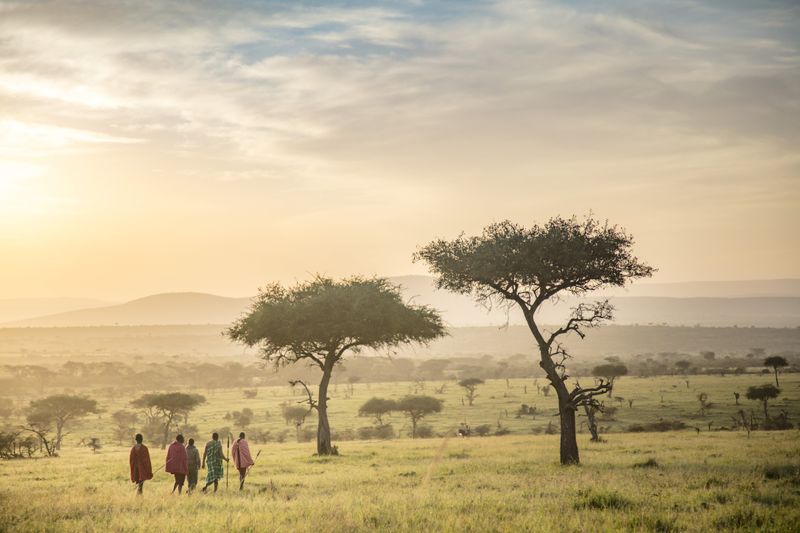
When Eric Reson walks across the grasslands of the Masai Mara, he remembers a time when he was a boy and wildlife teemed across the plains. Today, much of it is gone. As a Maasai junior elder, conservationist, and my closest collaborator, Eric has lived this decline — and he is determined to show that solutions rooted in Maasai values can work.
Eric’s memories of abundance and loss anchor this project. His lived experience — together with my two decades as a documentary photographer born and raised in Kenya — weave a story of the Mara, seen both from within and alongside. For over ten years, I have worked in the Mara, building trust with communities, documenting land, livestock, and the fragile legacies now under pressure. Rooted is not about outsiders bringing answers: it is about lifting the voices of those whose lives and livelihoods are inseparable from this land.
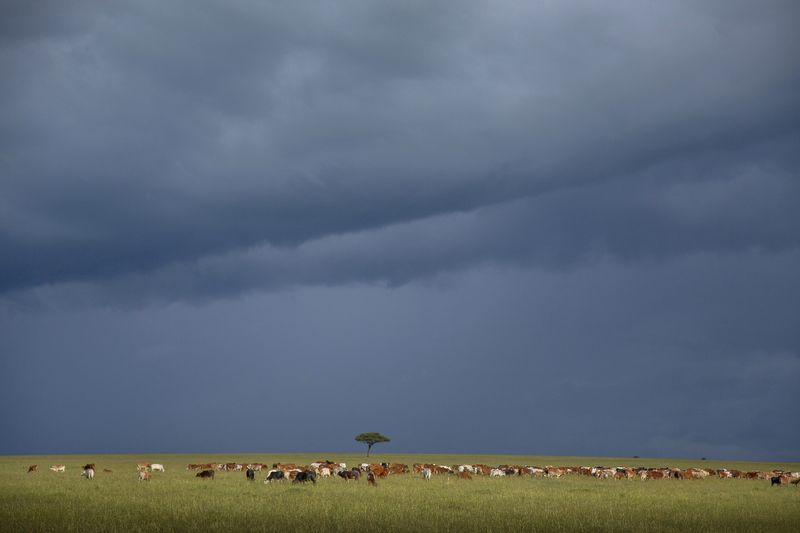
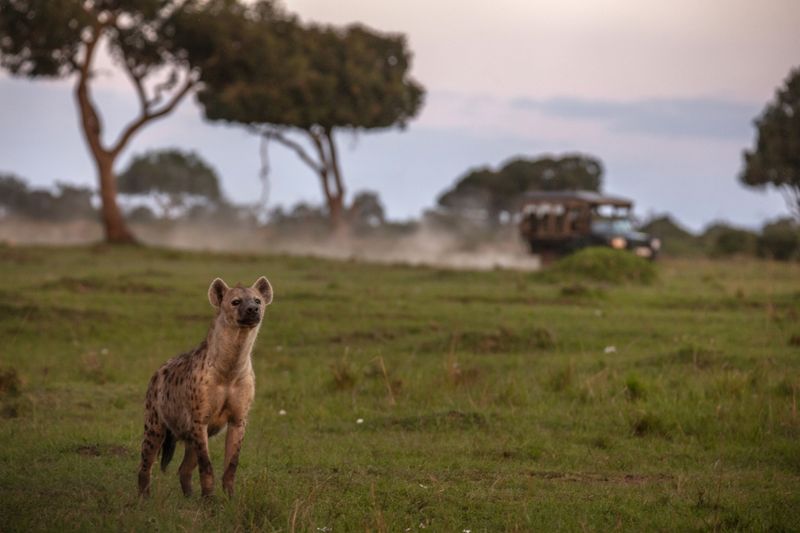
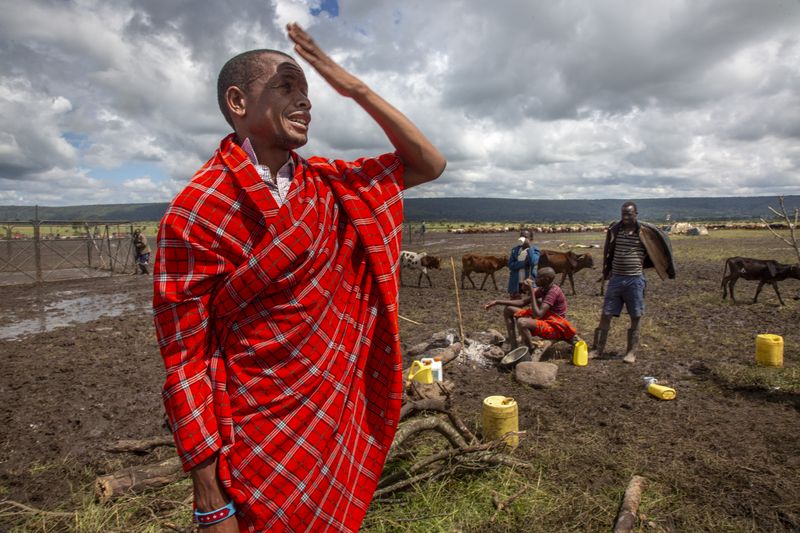
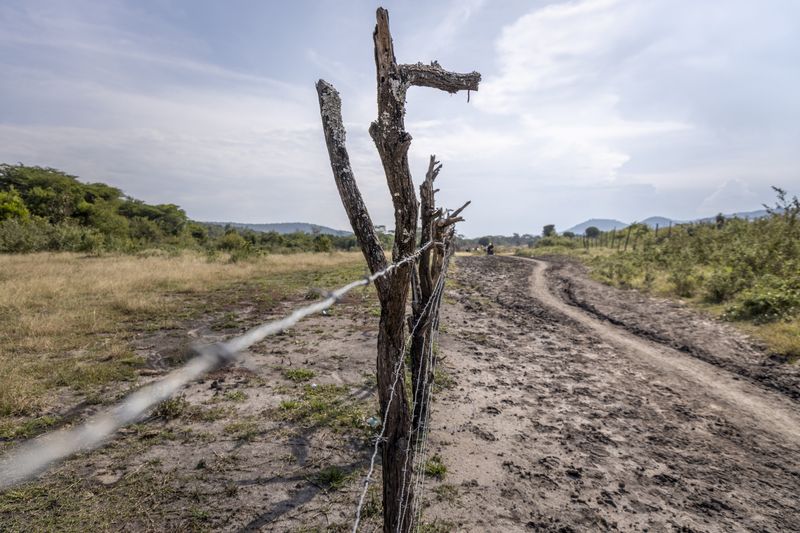
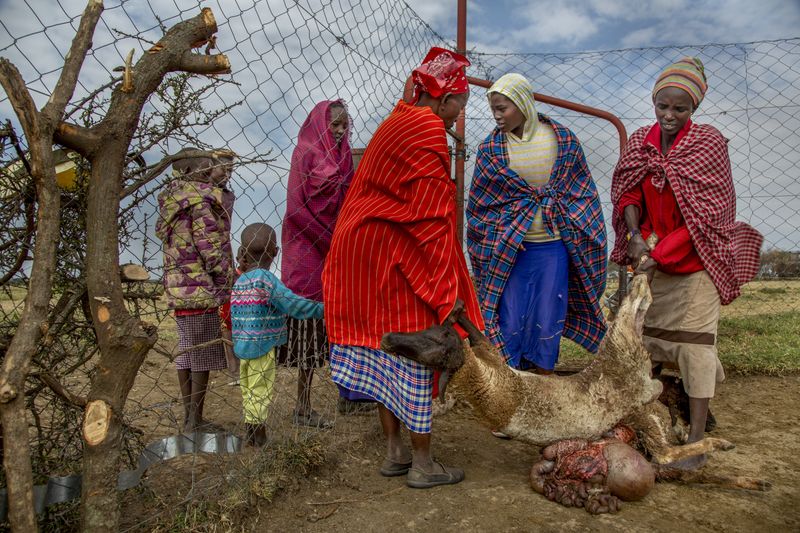
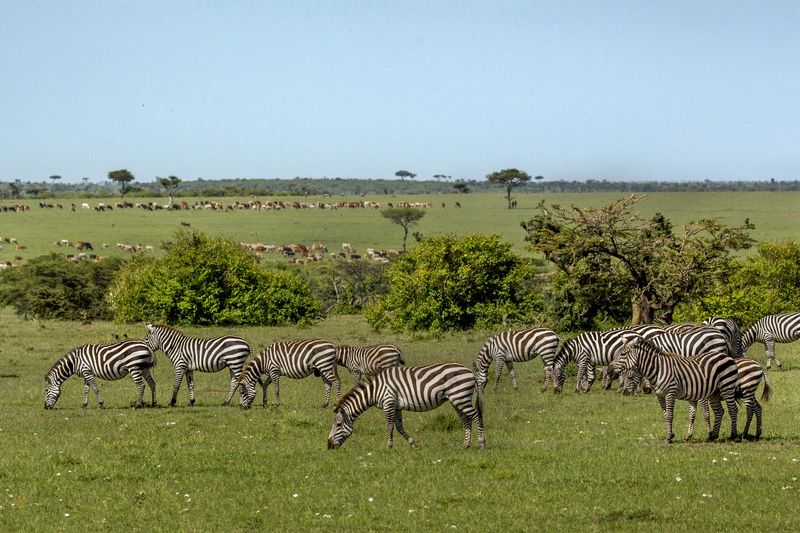
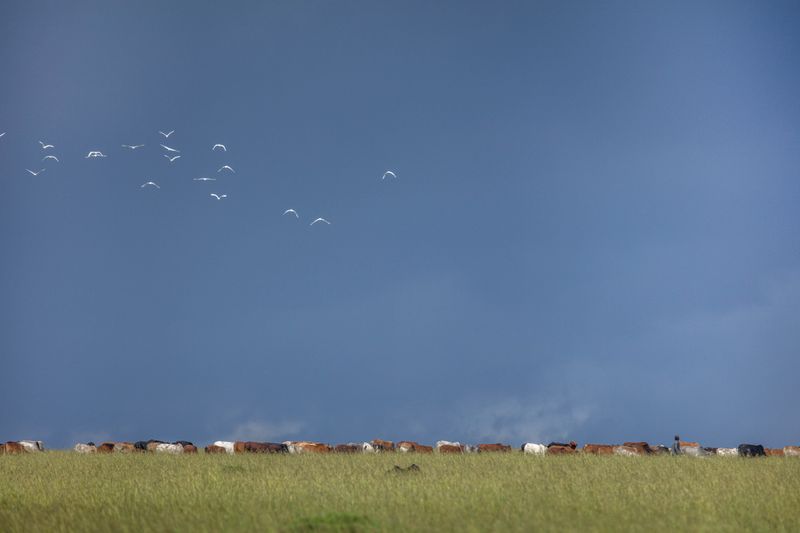
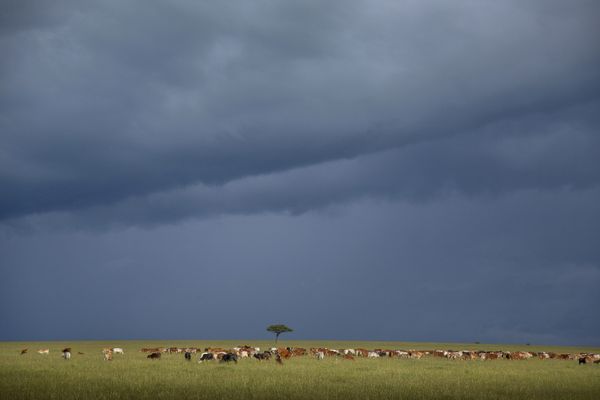
The Mara is world-famous for its wildlife, but for those who live here the story is not of safari icons, but of cattle, culture, and survival. Cattle are the Maasai’s identity and wealth, and with every growing herd comes pressure on grasslands already shared with wildlife. Population growth is doubling roughly every six years. Land subdivision and fencing are fragmenting habitats, sugar cane and charcoal production are fast clearing forests, and climate change is bringing harsher droughts and floods. The balance that once allowed wildlife and people to coexist is unraveling — unless communities themselves are supported to reimagine conservation on their own terms.
This project documents how that reimagining is already taking shape. Through the Maasai Mara Wildlife Conservancies Association (MMWCA) and the African Conservancies Facility, Maasai landowners have committed to keeping land open for both cattle and wildlife, creating rotational grazing systems, predator-compensation schemes, and revenue-sharing agreements with tourism. Conservancies now act as the vital buffer for the heart of the Mara ecosystem: more than 70% of Kenya’s wildlife lives outside formal parks, and without the surrounding conservancies the reserve itself would collapse under pressure.
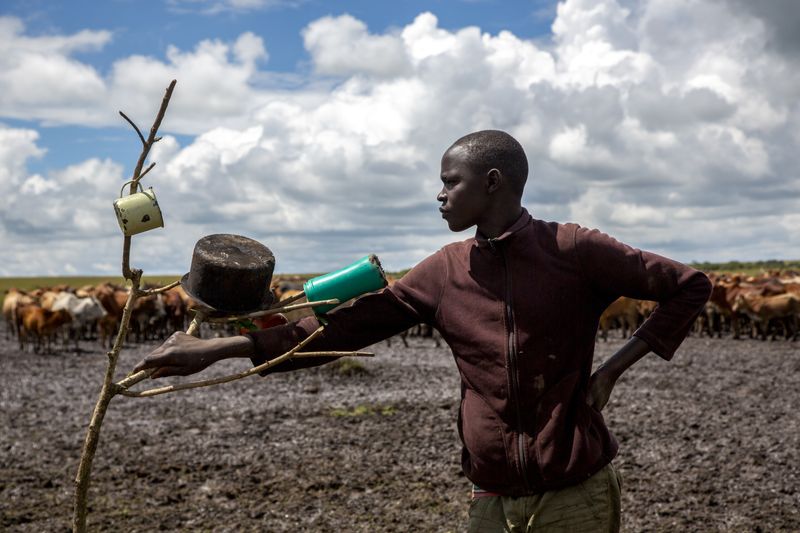
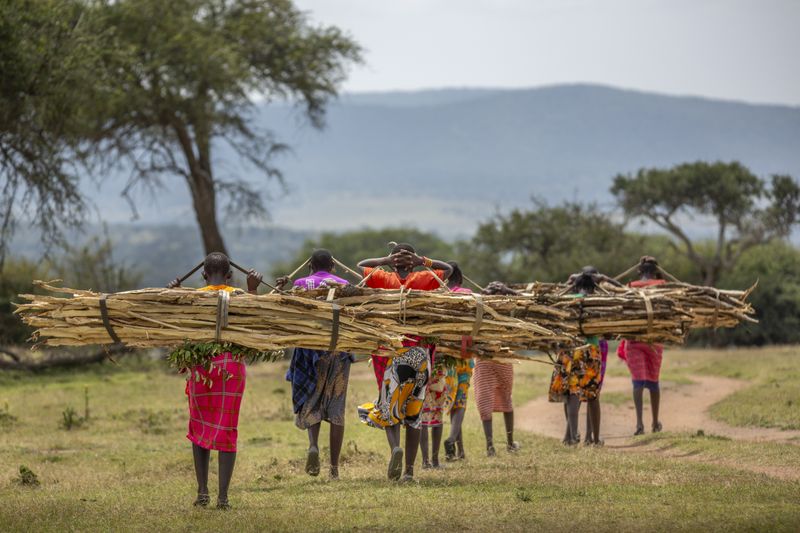
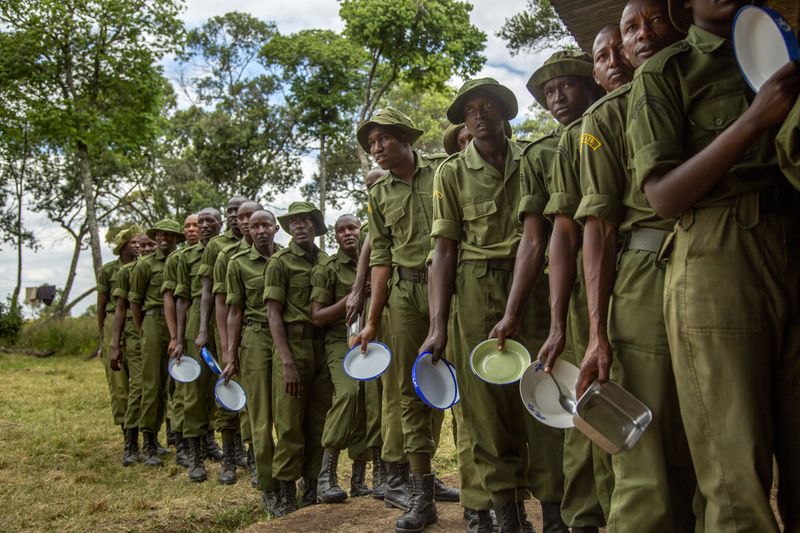
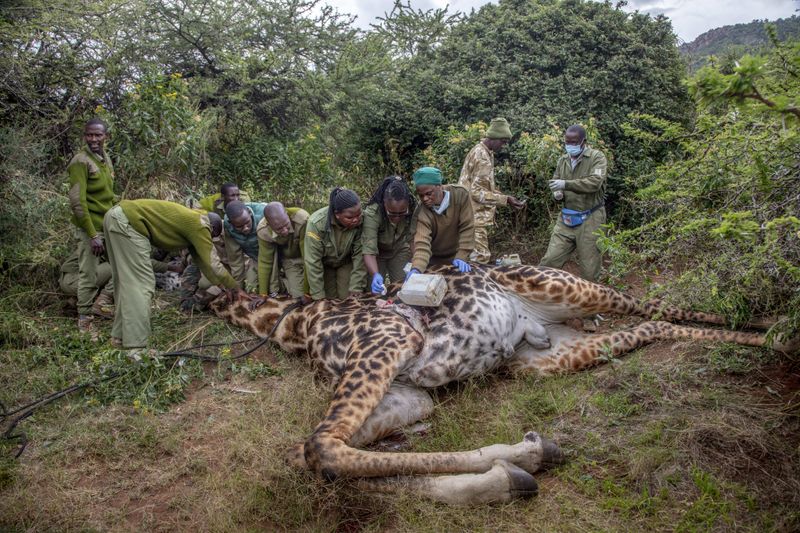
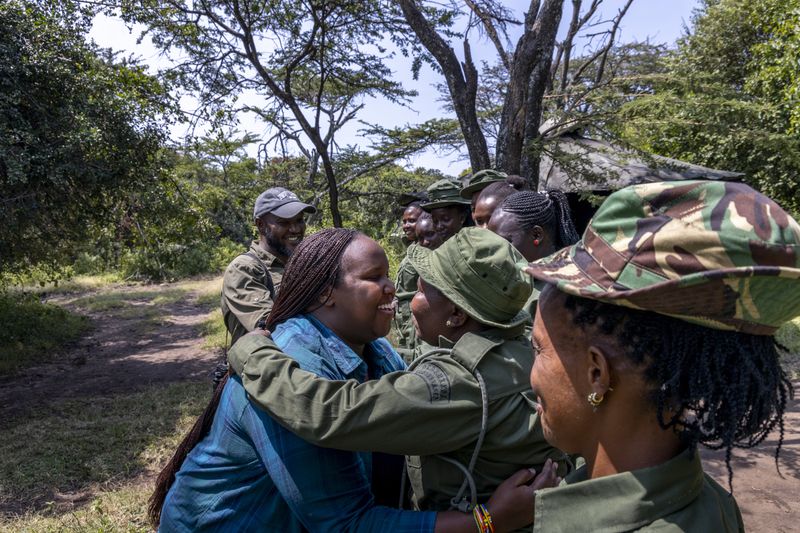
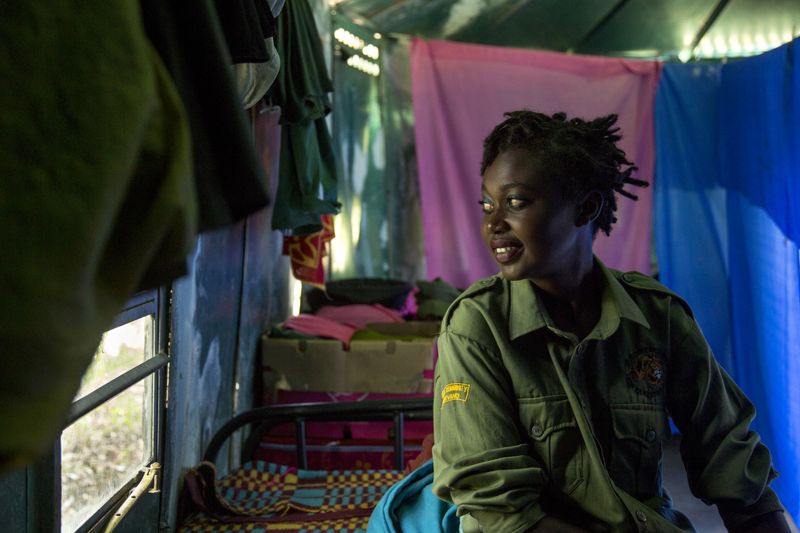
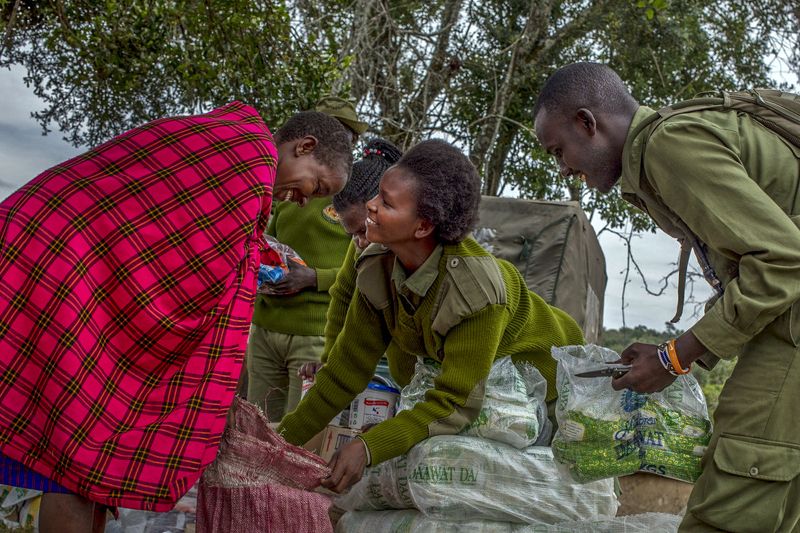
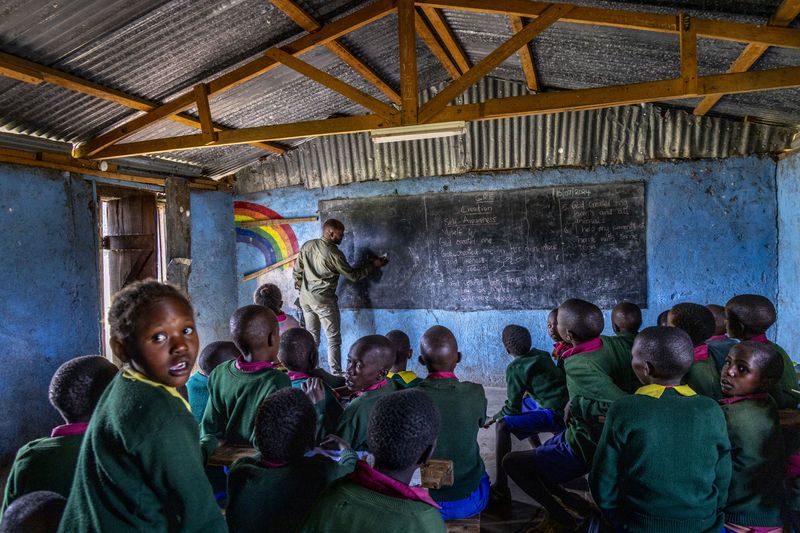
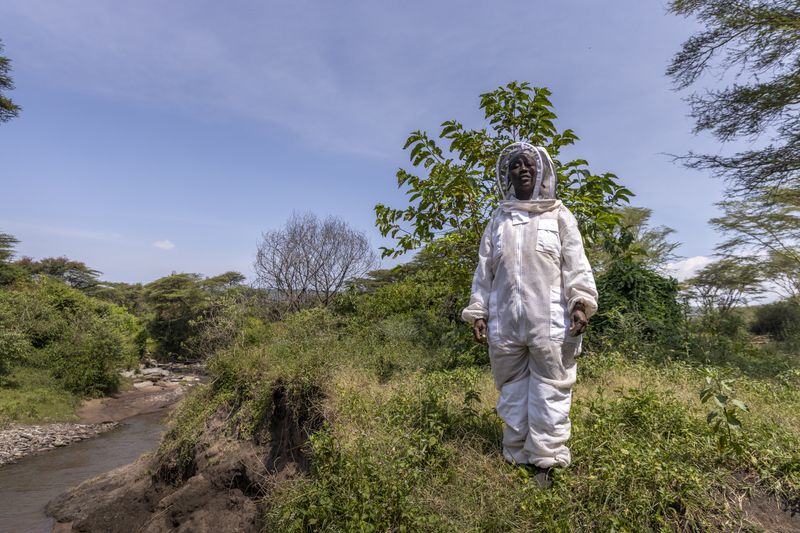
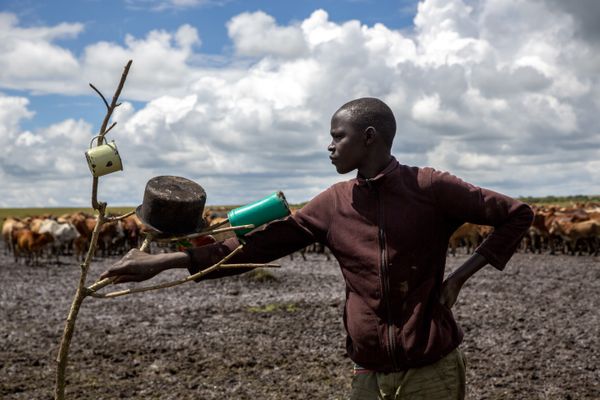
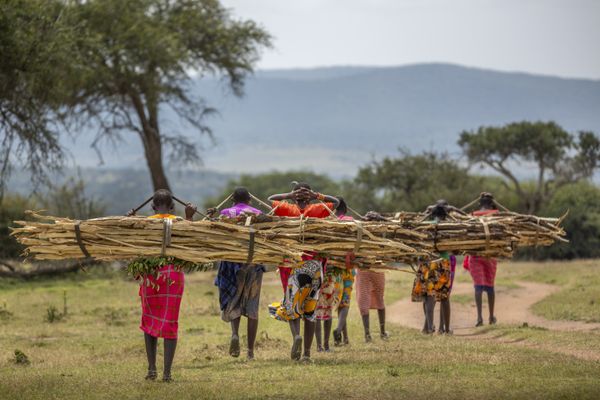
Rooted shines a light on how this vision is lived every day. Women walking miles for firewood, carrying both the weight of survival and the possibility of new income from tourism and beekeeping. Youth herding community cattle, learning stewardship where land, livestock, and legacy meet. Rangers — men and women from local families — who manage grazing, respond to predator conflict, and monitor growing human-wildlife tensions. Elders teaching children about landscapes before fences. Classrooms where Eric asks young students what they want to be, and they all answer: safari guides. These moments show both the fragility of coexistence and the resilience of cultural knowledge, reframed for today’s challenges.
This is not a romantic story of ancient wisdom seamlessly protecting wildlife. The truth is harder: in the past, wildlife thrived because human populations were smaller. Today, economic pressures and survival needs mean land is rarely set aside for wildlife unless it can equal or exceed the value of farming, sugar cane, or charcoal. Wildlife itself competes with livestock. Yet within the conservancy model — where agreements, transparency, and shared benefit are built into daily life — coexistence becomes possible.
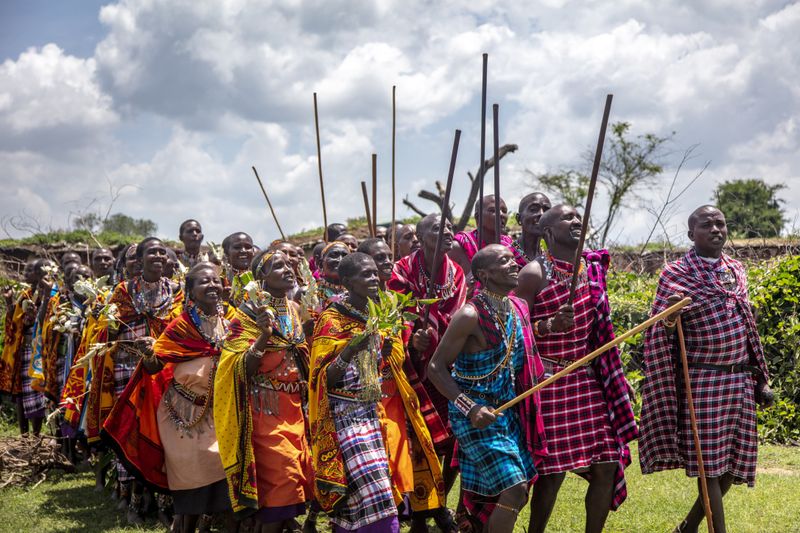
Rooted is both a record and an invitation. Through portraits, landscapes, and intimate daily scenes, it documents a decade of transition in the Mara: a living conversation between past memory, present pressures, and possible futures. It shows that solutions already exist — rooted in ancestral knowledge, and lived relationships with land. By centering Maasai voices, Rooted demonstrates that Indigenous-led stewardship is not only viable in the Mara, but offers a model of resilience and belonging that can inspire conservation globally.
The urgency is clear. Land is being divided and sold at a pace that could soon make coexistence impossible. Tourism remains volatile, and new land uses like sugar cane and intensive agriculture will bring further strain. If migration corridors close, the entire ecosystem — and the communities who depend on it — will unravel.
With support from the PhMuseum 2025 Women Photographers Grant, I will continue building this visual record: a blueprint of hope rooted in Indigenous knowledge, and community leadership, but also an honest witness to the pressures reshaping one of the world’s most iconic landscapes. Through a balance of truth and hope, urgency and vision, Rooted asks whether the solutions might lie in Land, Livestock, and Legacy.