Riders of Wind and Altitude
-
Dates2019 - 2026
-
Author
- Location Langui, Peru
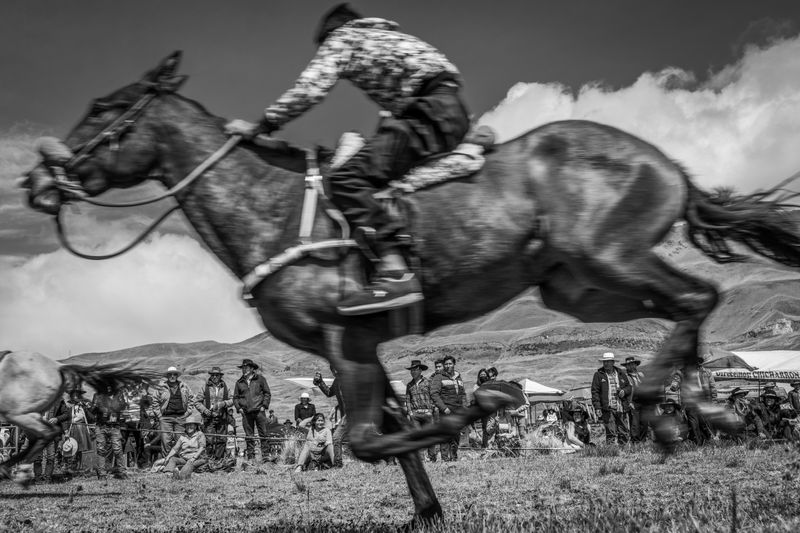
At 4,000 meters in the Peruvian Andes, horse racing is more than sport. Once a colonial symbol, the horse is now a living inheritance. Through generations, identity, memory, and belonging are carried across wind and altitude.
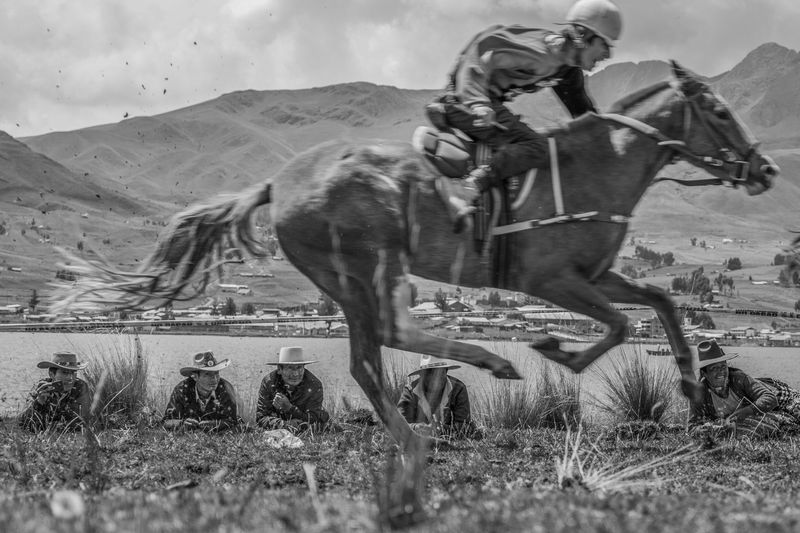
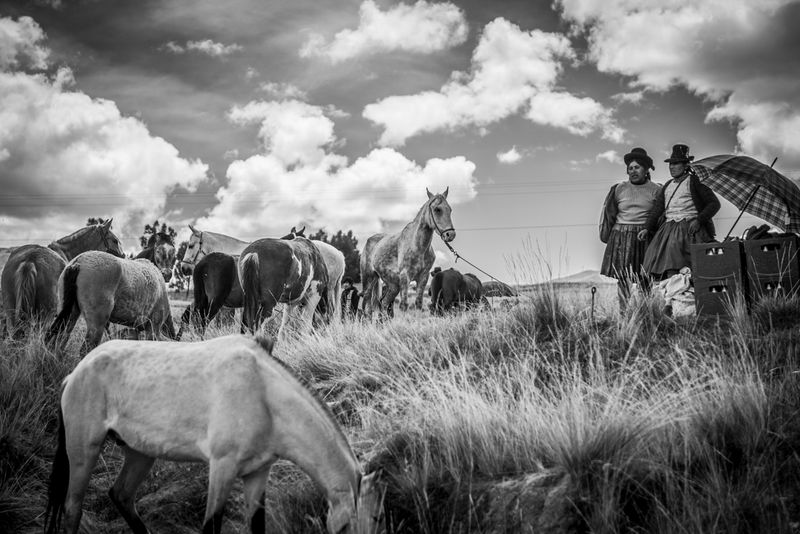
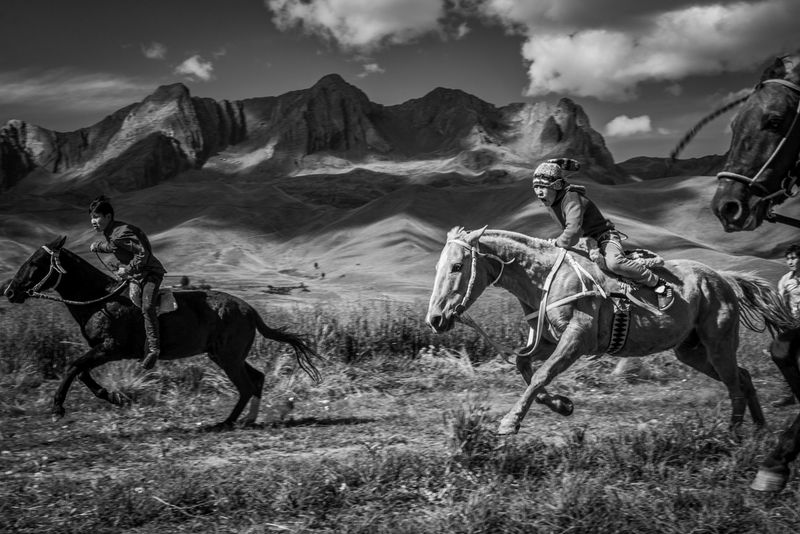
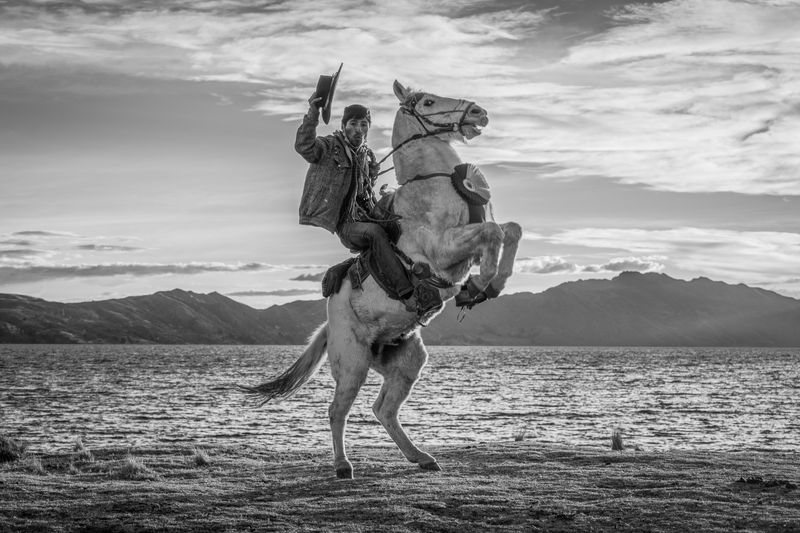
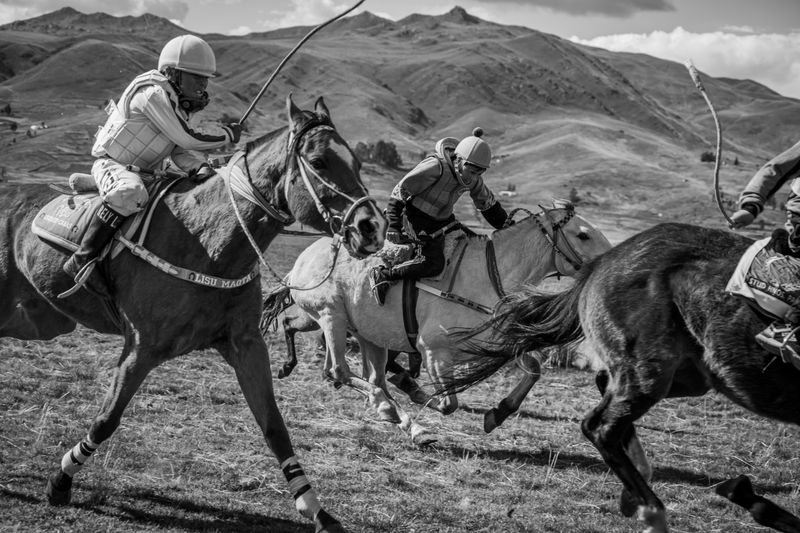
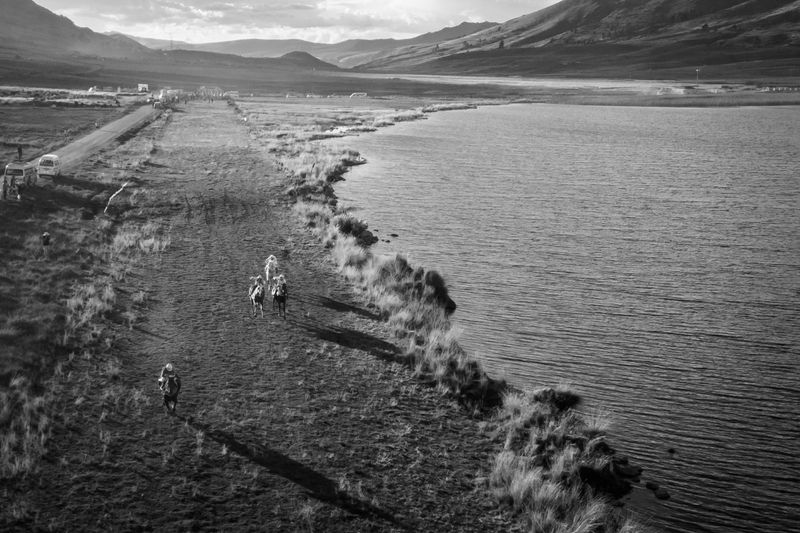
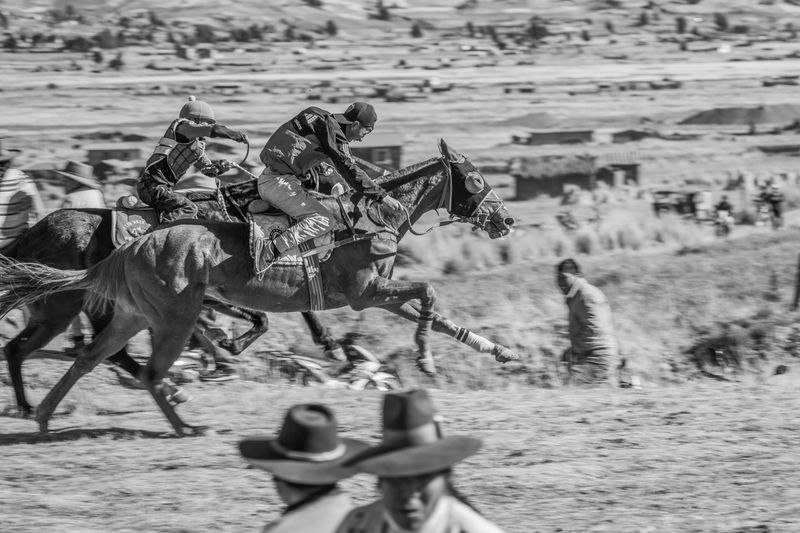
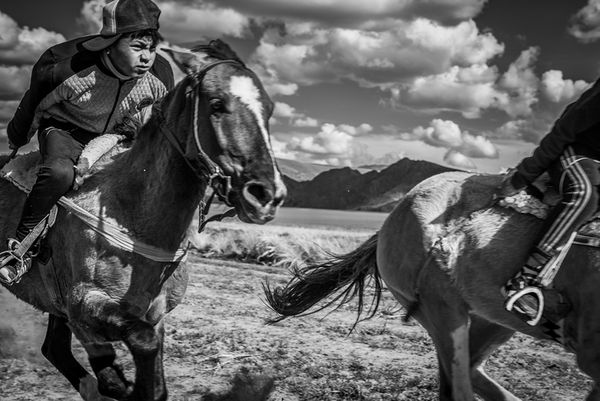
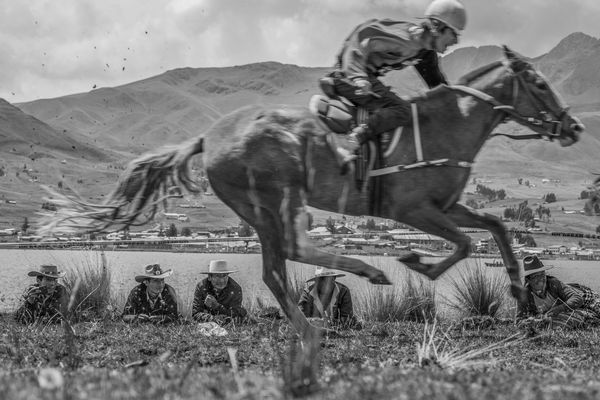
At nearly 4,000 meters above sea level in the southern Peruvian Andes, horses run where oxygen is scarce and memory moves through generations. Introduced during the Spanish conquest as instruments of domination, horses once embodied colonial power. Over time, however, Andean communities transformed them into something radically different: symbols of endurance, pride, and belonging.
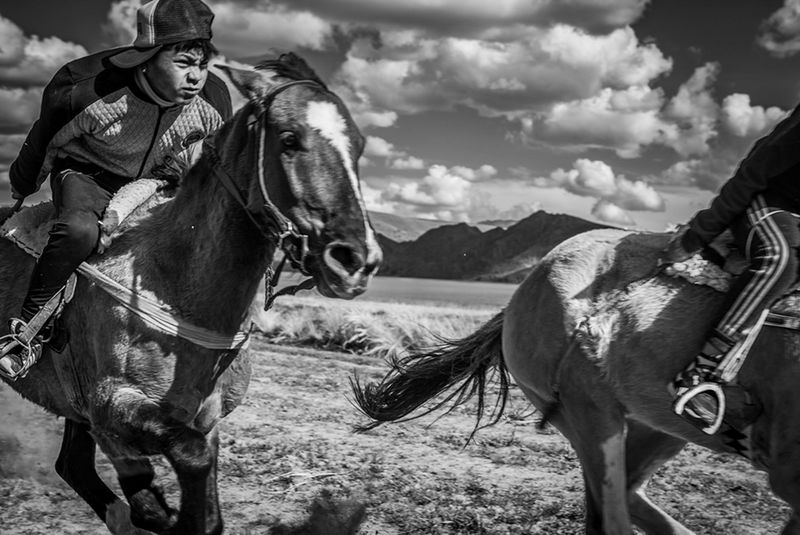
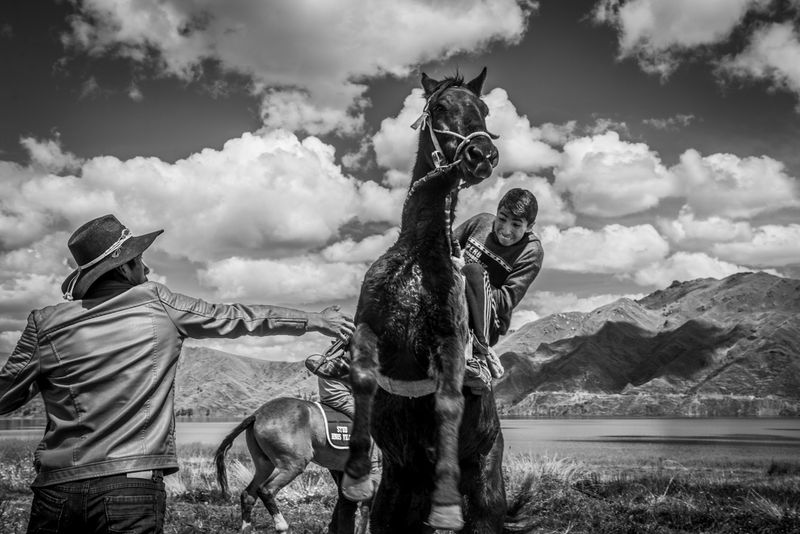
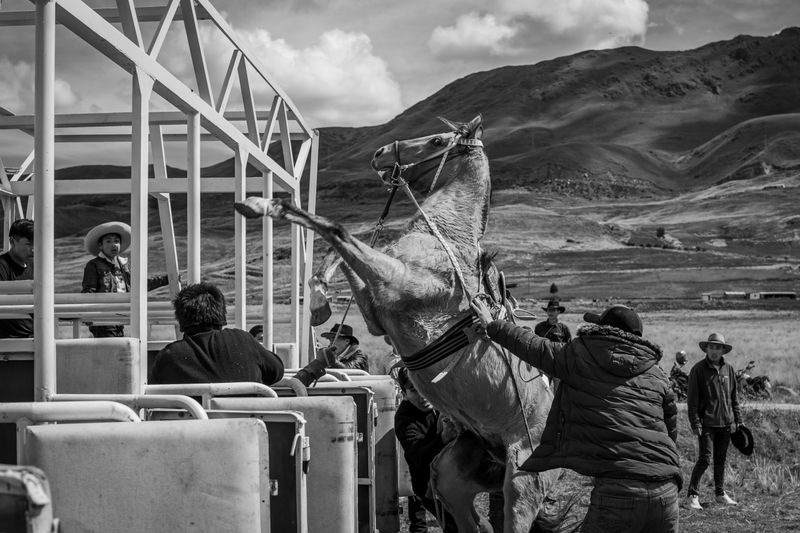
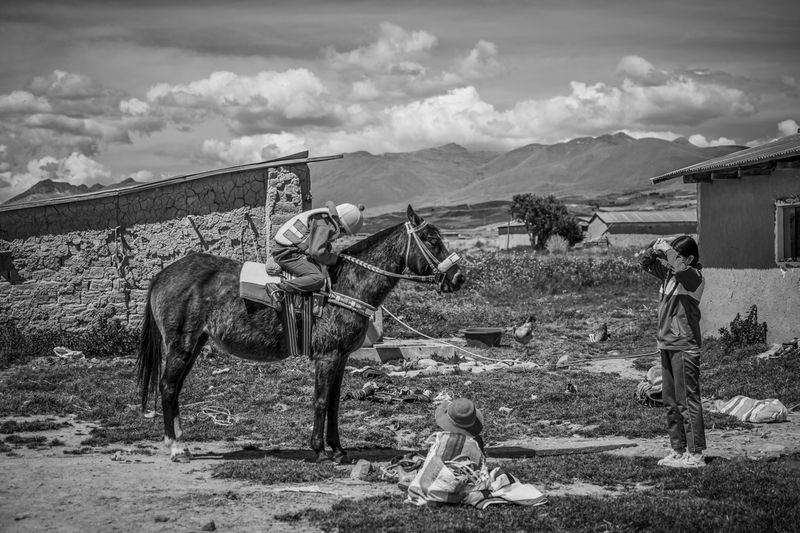
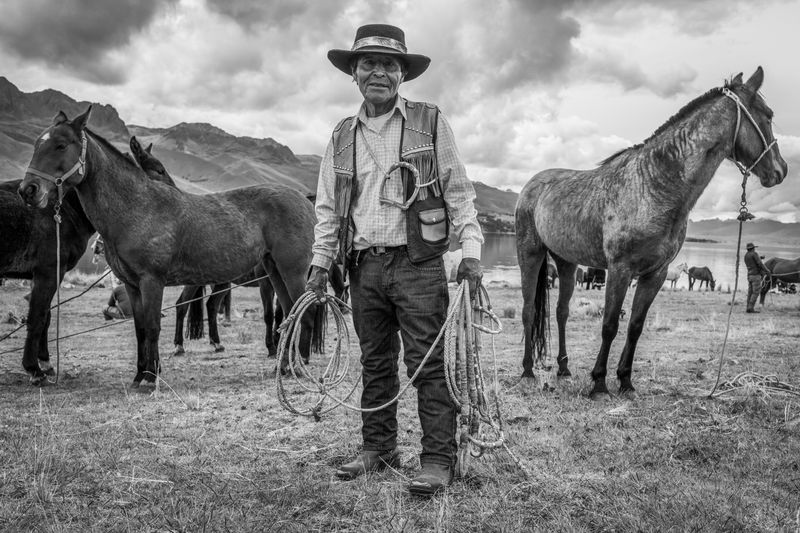
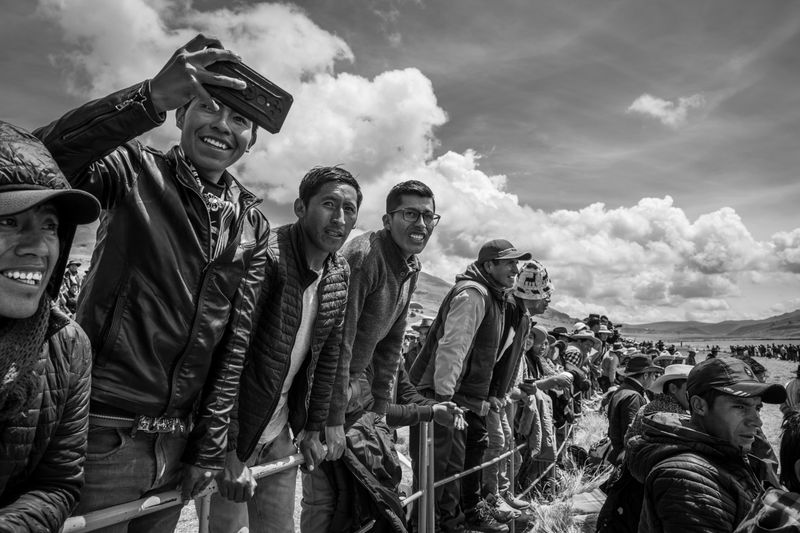
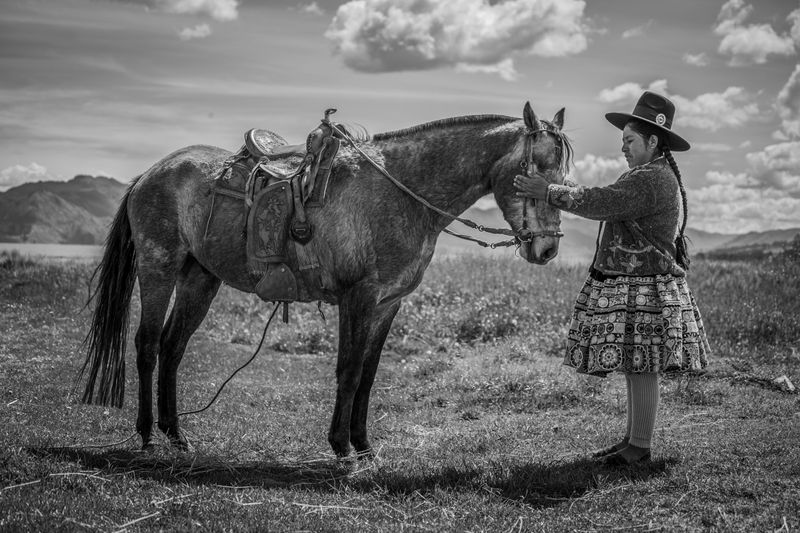
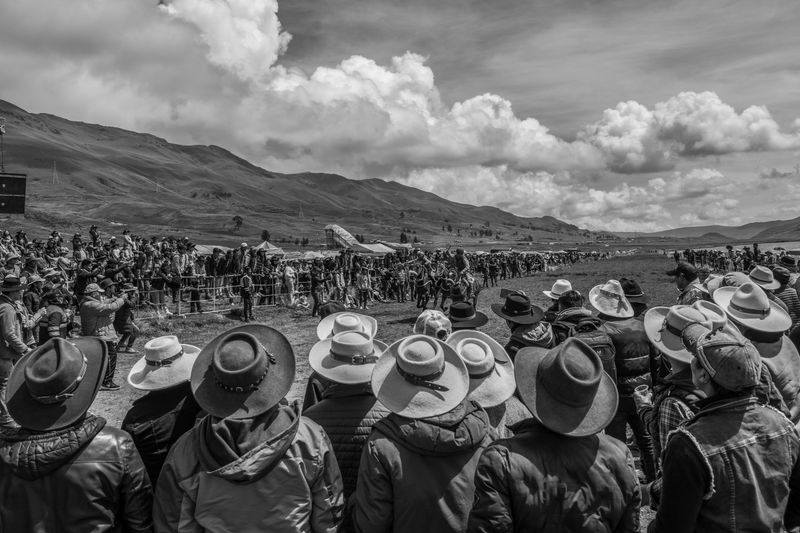
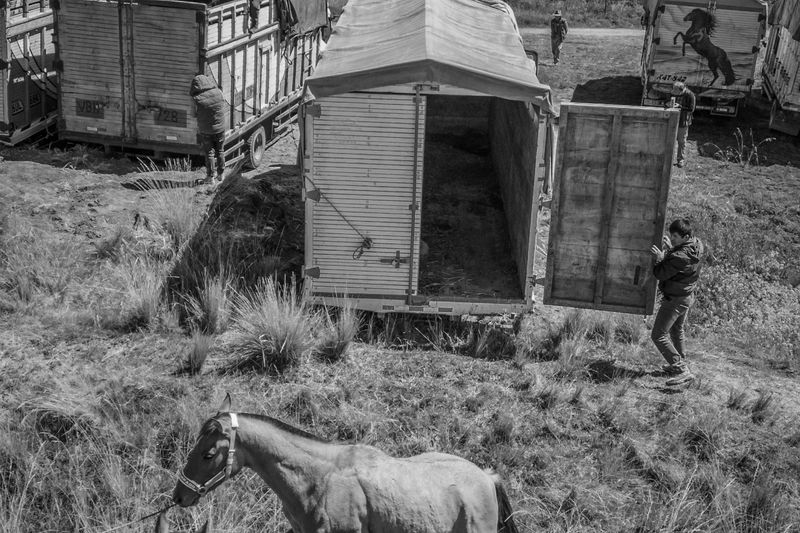
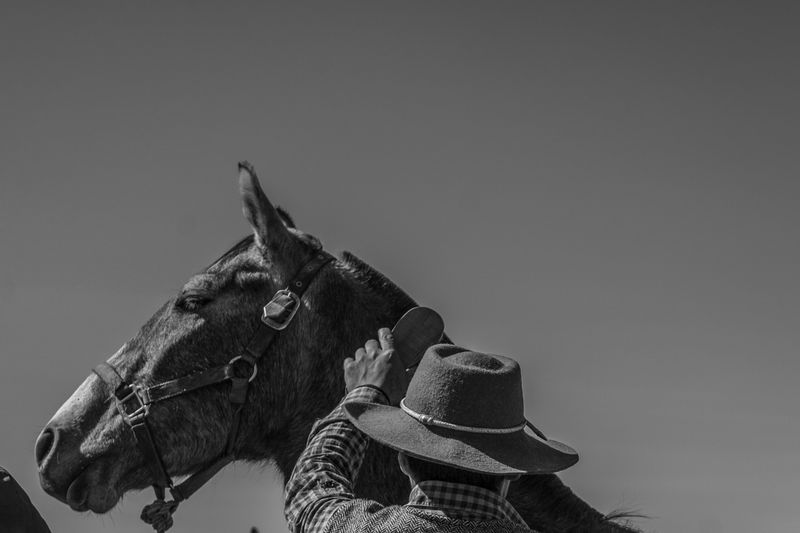
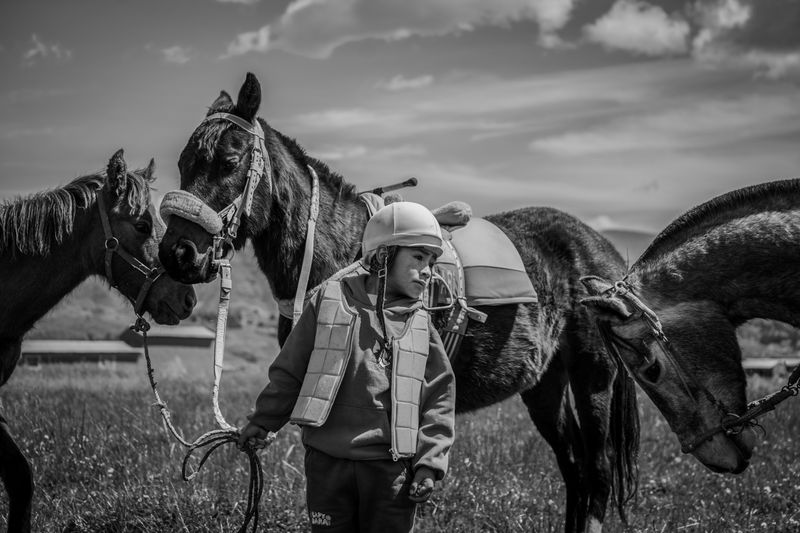
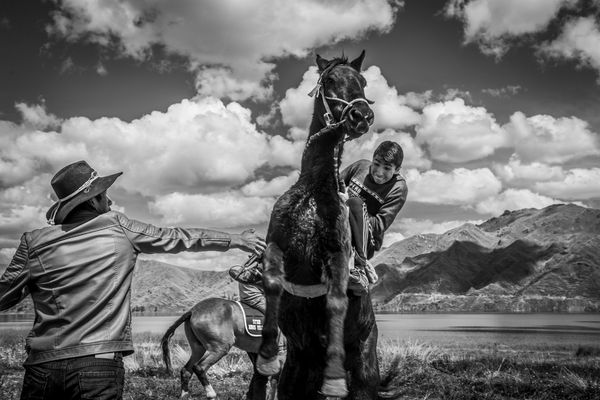
In the districts surrounding Lake Langui-Layo, horse racing is not simply sport. It is a communal ritual where lineage is reaffirmed and identity negotiated in public space. Children learn to ride before they fully understand the weight of inheritance. Elders hold the reins with hands shaped by altitude, labor, and decades of lived experience. The animal is raised, trained, transported, protected, and mourned as part of an extended social fabric.
This work is rooted in my own family history. My grandfather, Uriel Montúfar Montúfar, was a horse breeder in these highlands. Through him, I witnessed how the relationship between human and animal transcends competition. It becomes responsibility, affection, discipline, and legacy. What once arrived as an imposed symbol has been re-signified into something deeply Andean — absorbed into local cosmology and everyday life.
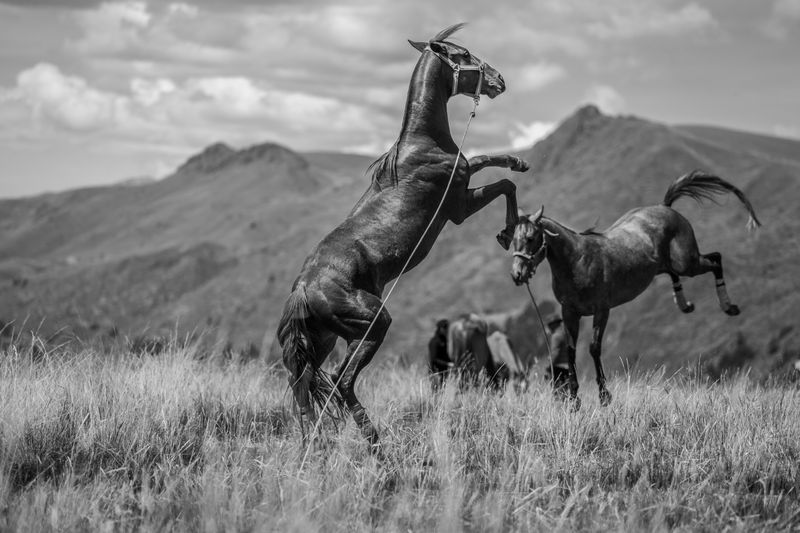
Through scenes of preparation, tension, competition, tenderness, and exhaustion, Riders of Wind and Altitude explores how cultural symbols migrate and transform across centuries. The horse runs across wetlands and mountain plains increasingly shaped by migration, modern infrastructure, and environmental fragility. In this context, tradition does not remain static; it adapts in order to survive.
The project examines equestrian culture as a living archive — a body carrying colonial history, local reinvention, masculinity, vulnerability, and generational continuity at once. To ride here is not merely to compete. It is to claim space, to affirm belonging, and to carry inherited memory forward in a rapidly changing world.
This is an ongoing long-term investigation into how communities in the southern Andes negotiate identity through movement, landscape, and interspecies bonds.