RESISTO
-
Dates2026 - Ongoing
-
Author
- Topics War & Conflicts, Social Issues, Contemporary Issues, Documentary, Archive, Fashion, Photobooks
- Location Milan, Italy
Like the protagonist of Hrabal's Too Loud a Solitude, I spent over a year shredding paper in an office. But unlike Hanta, who falls in love with the books he must destroy, I fell in love with the people who emerged from the archival documents.
RESISTO
A found photography project on memory that resists over destruction
While Hanta, the protagonist of Too Loud a Solitude by Bohumil Hrabal, spends 35 years pressing and shredding paper, I spent little more than a year, every half working day for five days a week, assigned to the destruction of an office archive.
Hrabal's novel tells of a worker assigned to pulp old books and magazines, who falls in love with the very novels and works he must destroy and, in order to keep them, fills his house to overflowing.
I, instead, assigned to shredding in an office, fell in love with the people who emerged from those documents.
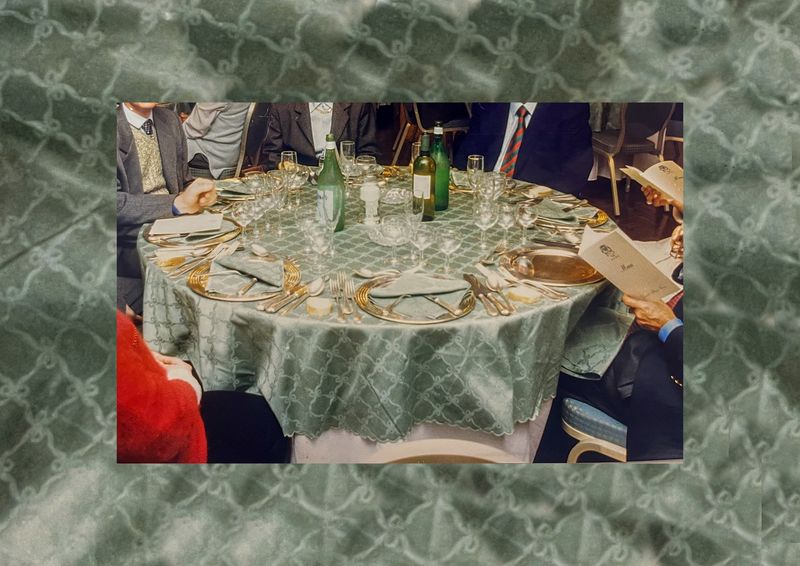
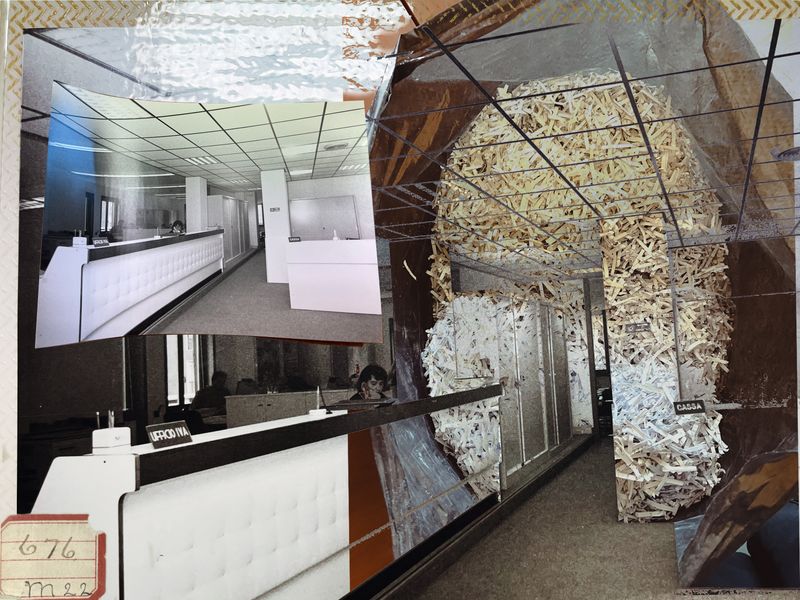
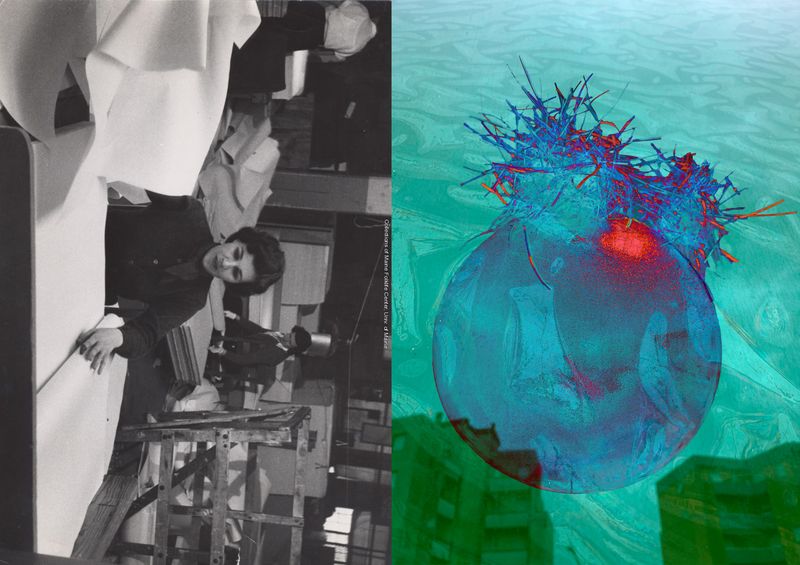
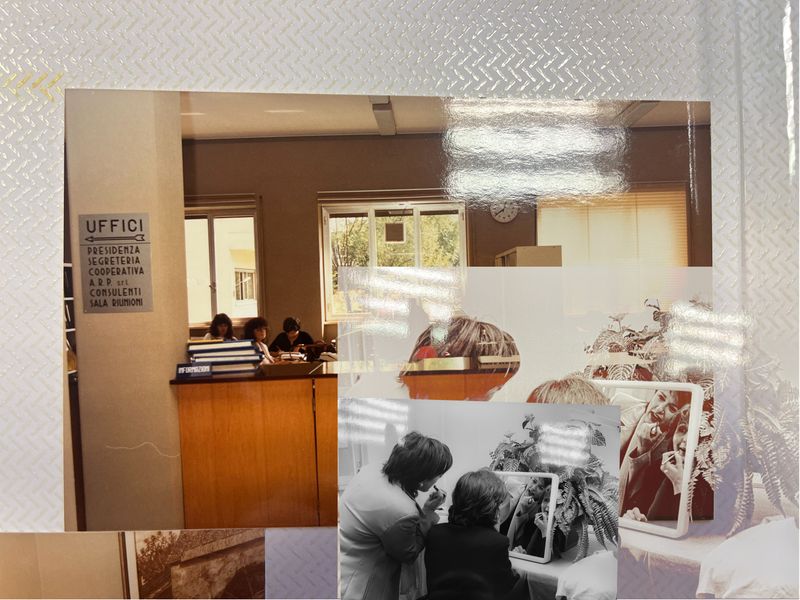
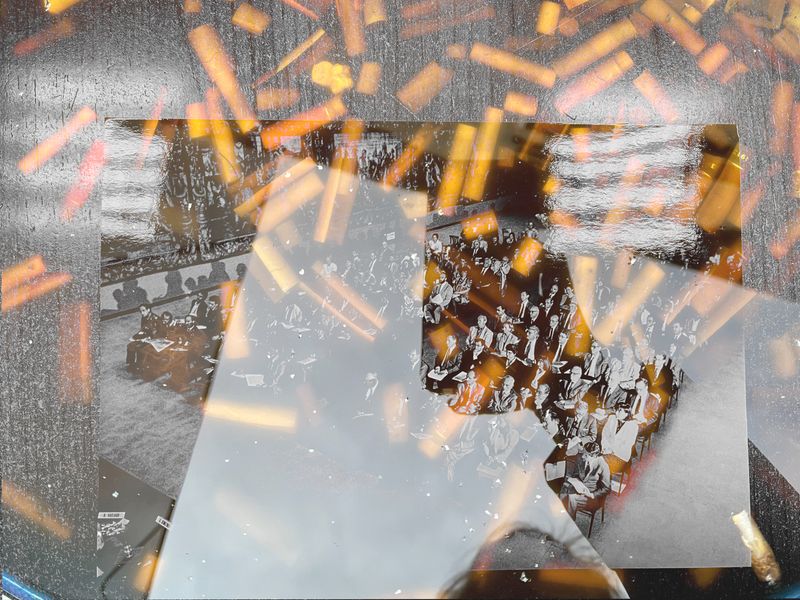
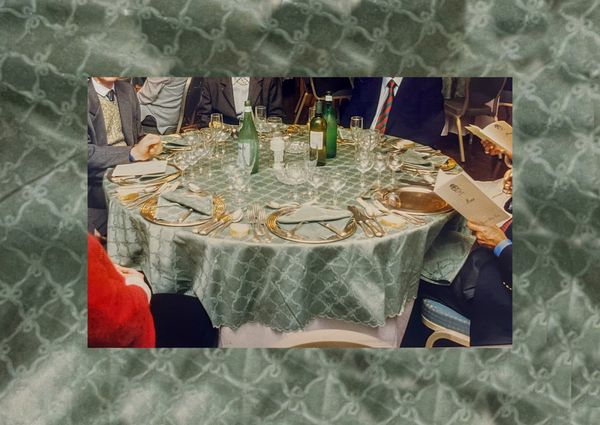
Yellowed archival photos, forgotten identity cards, personal letters tucked between bureaucratic files. Faces watching me from 40, 50 years ago—people who had walked the same corridors where I now walked, who had breathed the same air, inhabited the same spaces. I found myself with a latent story literally in my hands.
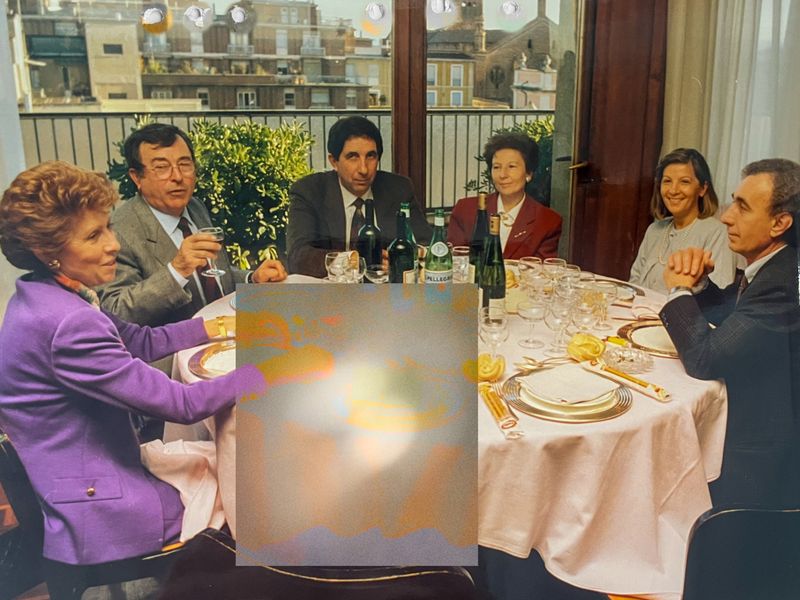
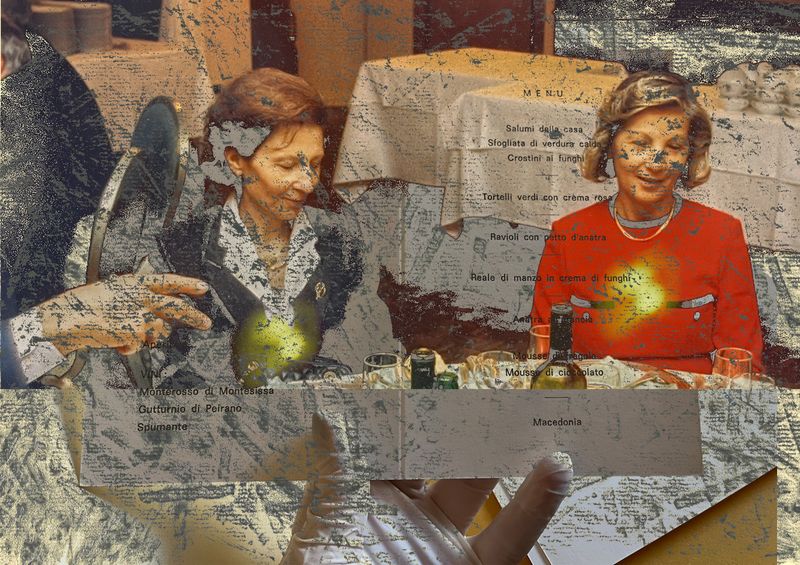
Every time I found a photo, I stopped. Who were they? What were their names? What story did they carry with them? In their eyes I saw entire lives: the young employee with an '80s perm, the official in jacket and tight tie, families portrayed during company trips. They were real, they had been here, right here. And now I held in my hands all that remained of them: fragments of existences to be shredded.
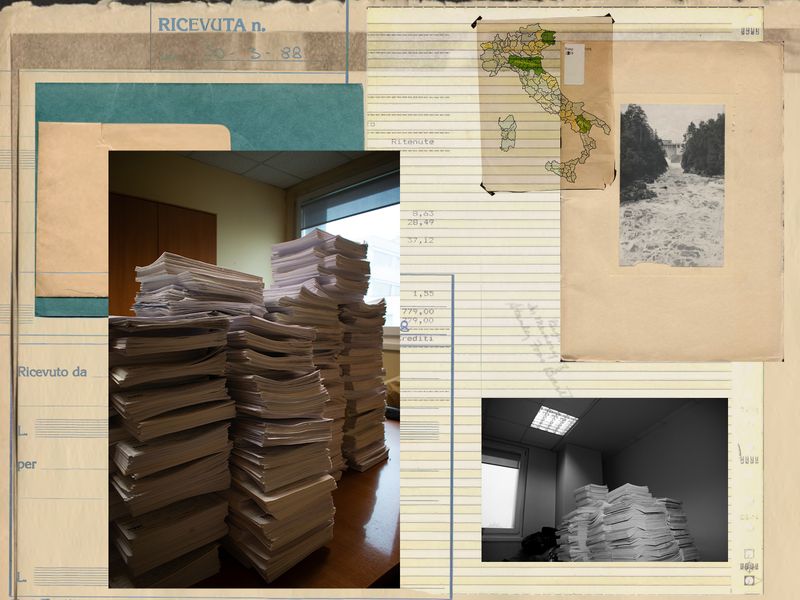
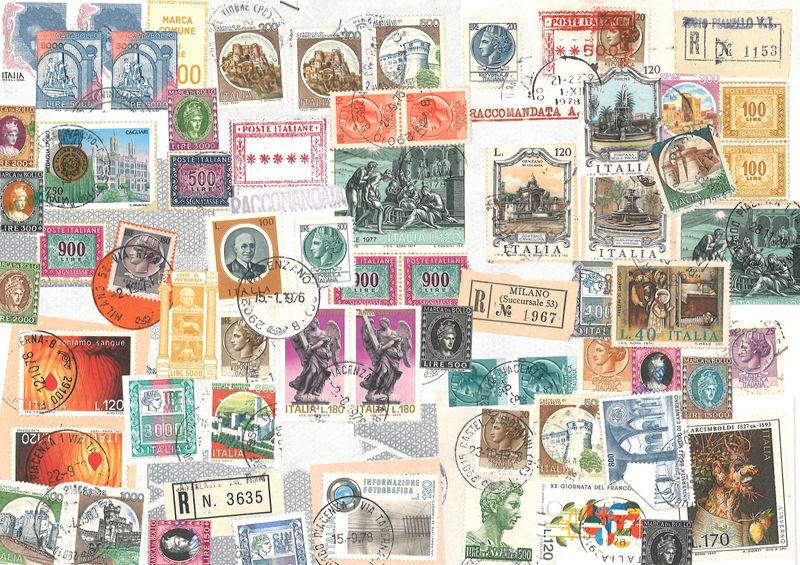
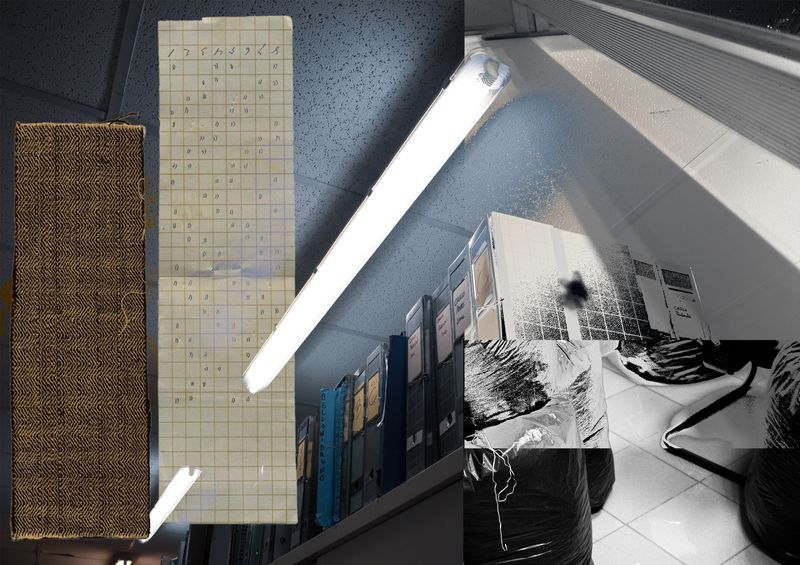
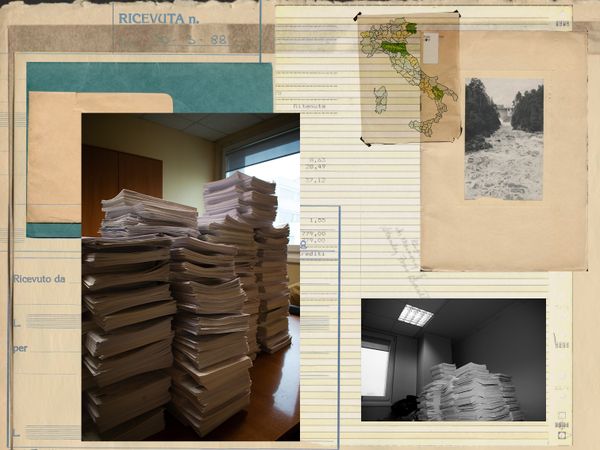
I rummaged through every binder—RESISTO was the brand printed on the spine, which in Italian means to resist, to persevere, to remain—I detached page by page, one after another without shortcuts, unstapled, checked the content, divided the types of sheets between those that can be crumpled and torn and those that must be shredded, plastic envelopes in plastic, metal staples and those to reuse or discard, I checked envelopes especially those with stamps and letters; it also happened to find some coin from time to time, yellow elastics encrusted and dissolved on folders and paper files.... My nose constantly impregnated with paper dust, my sense of smell imbued with the effluence of old colored folders now faded, of dissolved yellow elastics which emitted an unmistakable scent, of sedimented pencil graphite, of stamp ink, of rarefied scotch tape glue...
All background notes of my office.
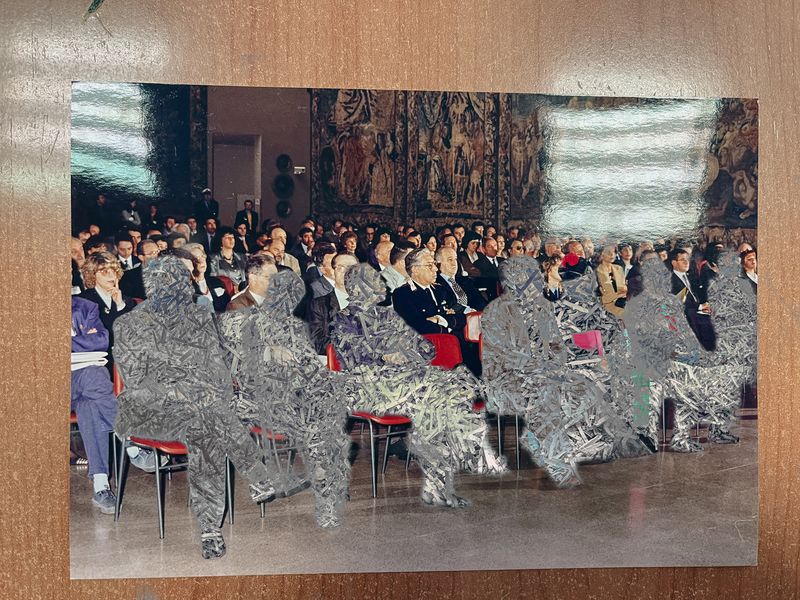
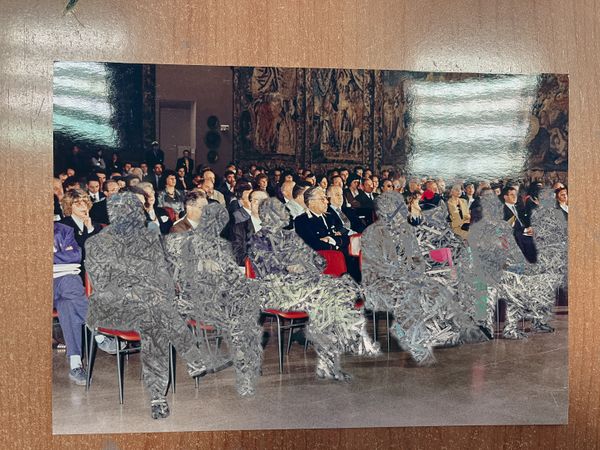
And in that continuous buzz of the paper shredder, in that methodical repetitiveness, the discovery occurred: historical memory was literally under my nose. I wasn't just destroying paper—I was erasing traces of lived life. But here a powerful truth emerged: even if meticulously cut, even if reduced to thin strips, history cannot be erased. Those people still existed in their photographed faces, in their signatures, in the traces they had left.
The RESISTO project was born from this awareness: even when history is physically destroyed, something persists. Memory resists. People resist through the traces they leave, through the objects they touch, through the places they inhabit.
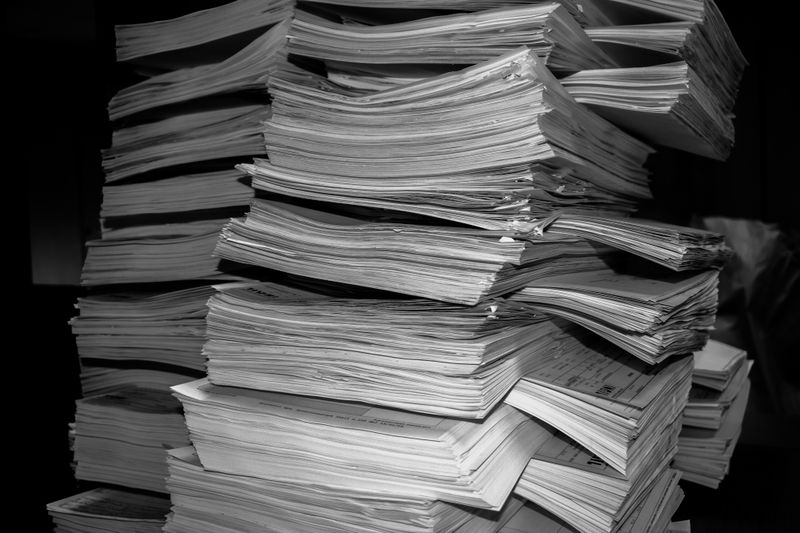
I spent a year shredding about 120 kilograms of paper—8 cabinets of 6 shelves each, every shelf with 10 binders, every binder 500 sheets. 240,000 sheets, each carrying a story. I pressed paper like Hanta, but unlike him, I chose not to destroy everything: I saved the photographs, I captured them, I made them resist. Just as I RESIST.
The history of people cannot be erased, even when it is meticulously cut. Even when it is relegated to dusty archives, even when it is condemned to destruction. Because as long as someone stops, looks at those photos, identifies with those lives—they resist. And us with them.
Research Notes
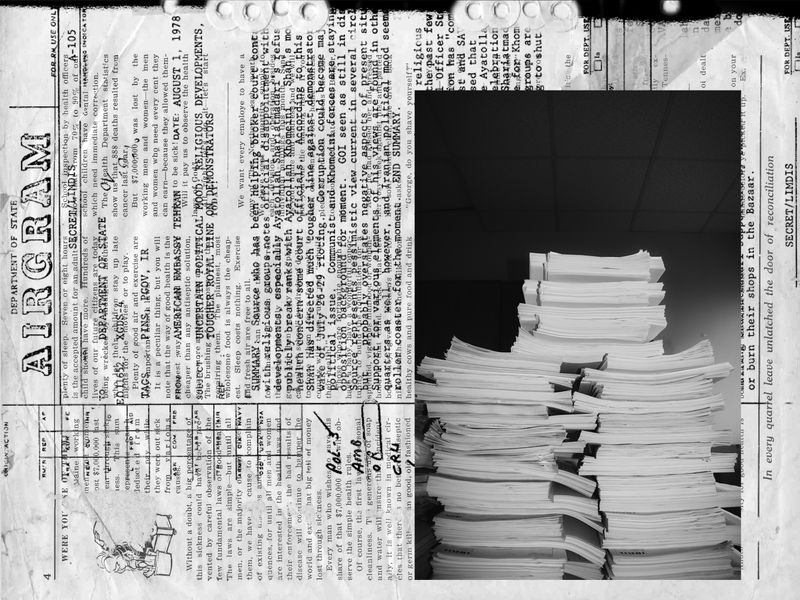
The project develops through different lines of research that interweave the history of paper, memory, and destruction: from Matthias Koops (1789-1805, paper manufacturer) to the inventor of the paper shredder Adolf Ehinger (1935, initially created to eliminate anti-Nazi documents), from the assault on the American embassy in Tehran in 1979—where thousands of shredded documents were then patiently reconstructed— to the Stasi archives in East Germany, where 600 million torn fragments from four decades of mass surveillance were seized by citizens in January 1990 and slowly reconstructed — some yielding criminal convictions decades later. In each case, power attempted to use destruction as its final act of authority. In each case, the paper resisted.
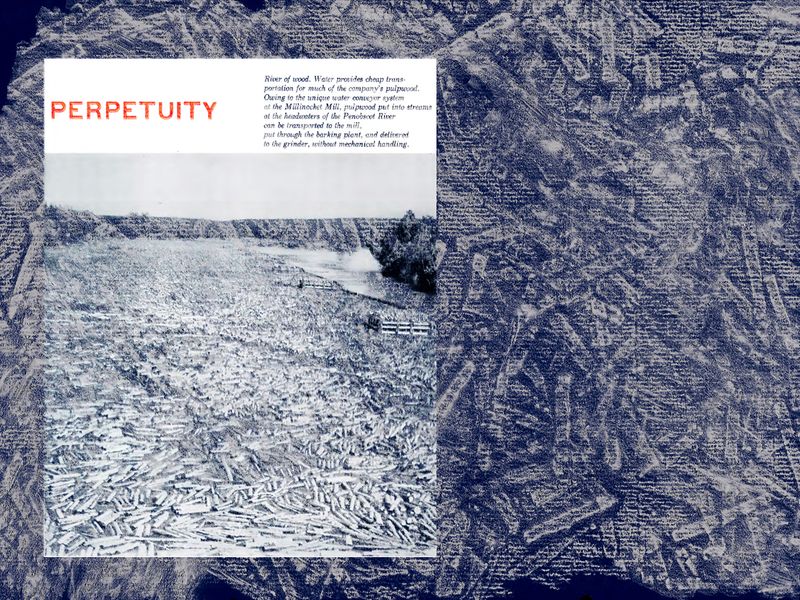
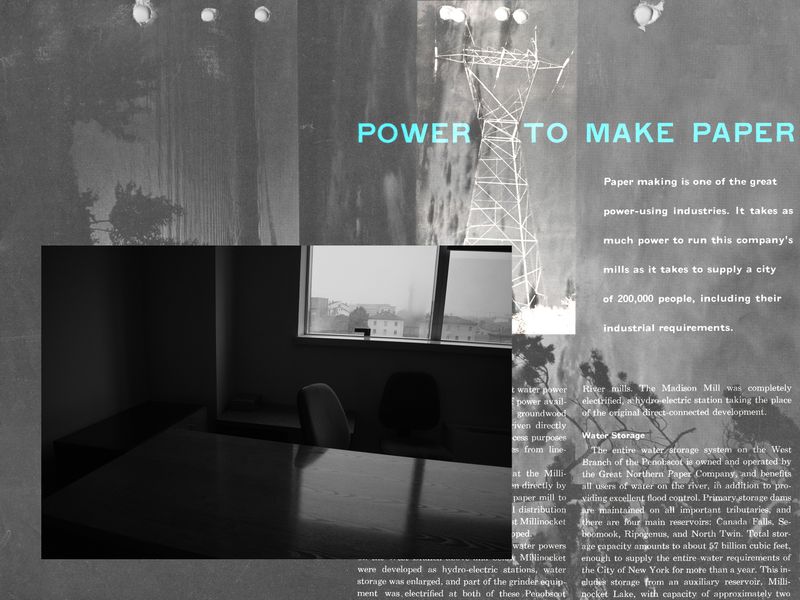
To the proliferation of the paper industry in northeastern America at the beginning of the century, up to the famous photo of Bill Gates holding a CD-ROM like a trophy while standing atop a column of paper. A reflection on the value of memory in the digital age, on the persistence of the past, on the meaning of resisting.
The research on Tehran led me to the film Argo and, unexpectedly, to "Lord of Light" by Roger Zelazny—a novel that explores the transmigration of the soul into ever-new bodies, where immortals appropriate Hindu mythologies in a science fiction scenario. The protagonist Sam, after an attempted revolt, is exiled to nirvana and projected as a standing wave in the magnetic cloud surrounding the planet. Fifty years later his essence—his Atman—is recovered through a radio transceiver and returned to a body.
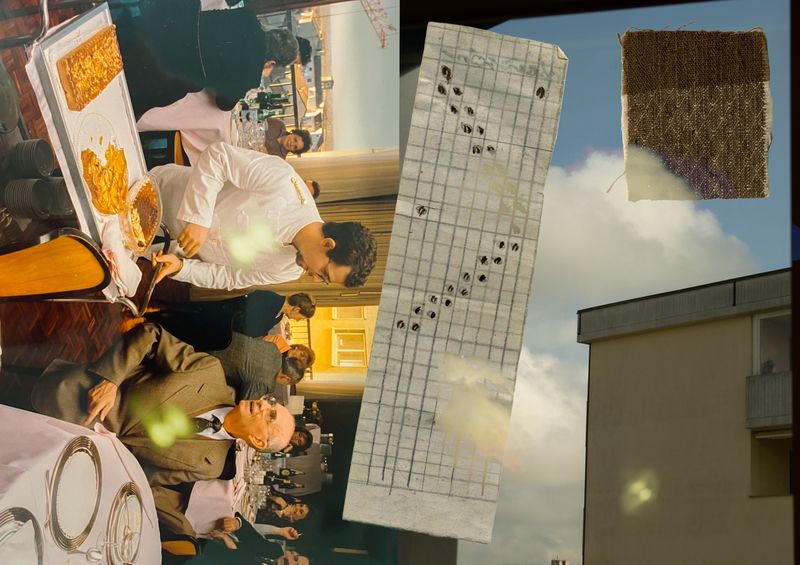
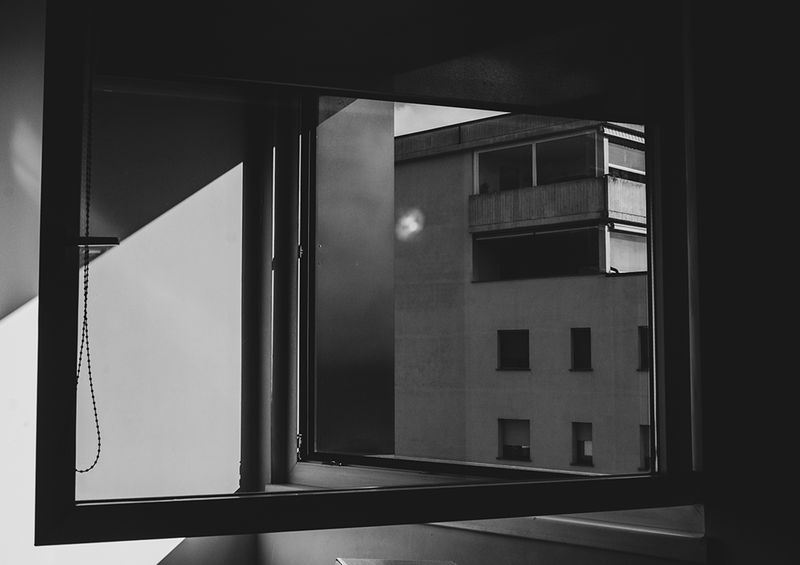
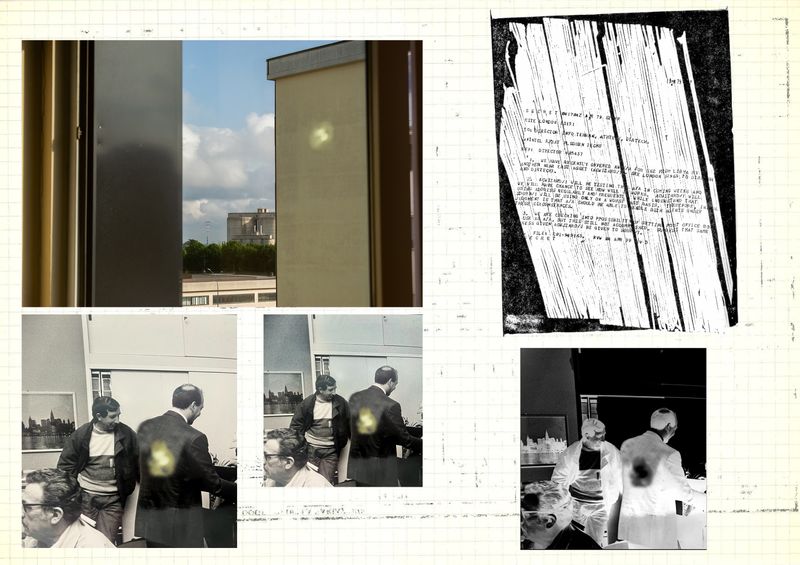
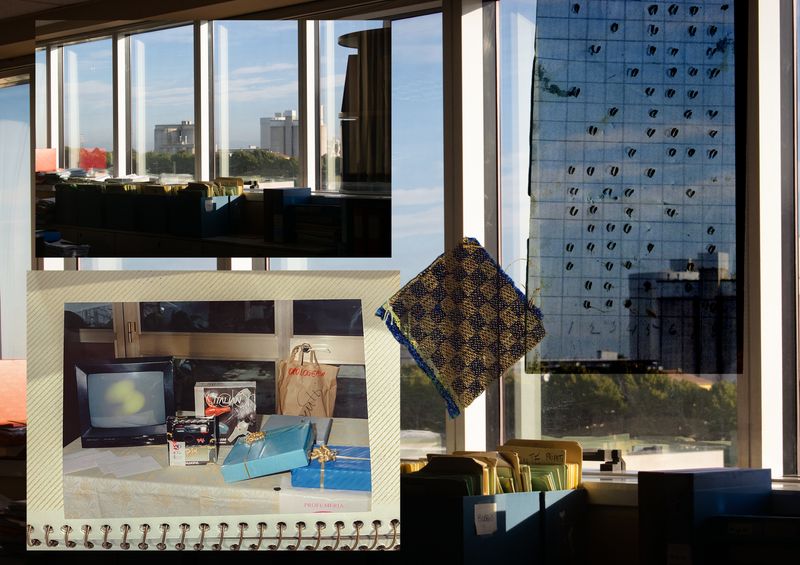
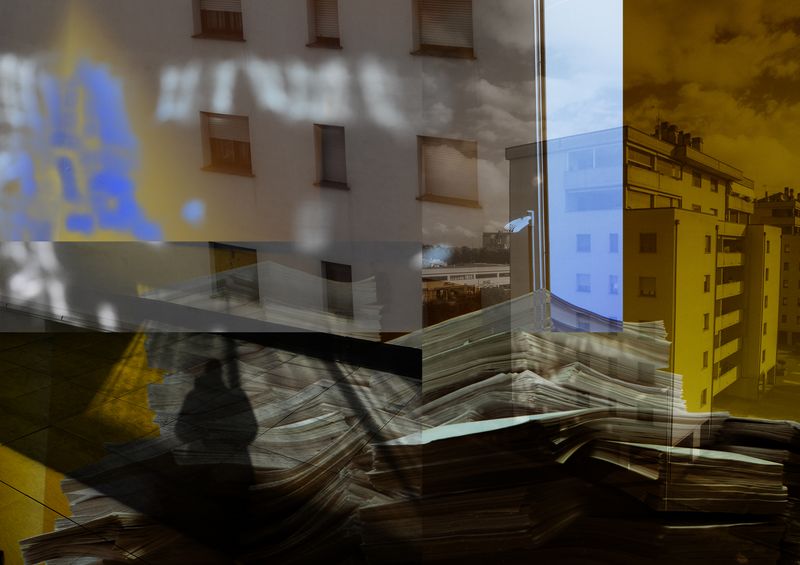
Something resonated deeply: the reflections I was photographing from my office window, those points of light that seemed like gravitational waves curved by the geometric optics of the glass, evoked that transmission of Sam's soul through electromagnetic space. As if the faces in the archival photographs were also standing waves—presences suspended between the body they were and the memory they resist becoming. The shredded documents, reassembled piece by piece in Tehran, become a metaphor for the reconstruction of identity, the attempt to recover a fragmented essence.
The Buddhism that Sam/Siddhartha introduces in the novel denies the existence of a permanent Atman (anātman, the "non-self"), arguing that there is no fixed self but a flow of consciousness in continuous transformation—just like the dharmas, the elements that compose observable reality. Similarly, the people in the photographs are not fixed entities: they are overlays of roles, repeated gestures, echoes in different bodies across different decades. I shredding documents today, they shredding them back then. Same gestures, different locations, different bodies—but perhaps the same wave traveling through time.
A reflection on the value of memory in the digital age, on the persistence—or transmigration—of the past, on the essence that resists destruction, on the meaning of existing as echoes of one another.
* * *
“…living in a onetime kingdom where it was and still is a custom, an obsession, to compact thoughts and images patiently in the heads of the population, thereby bringing them ineffable joy and even greater woe; living among people who will lay down their lives for a bale of compacted thoughts.”
— Bohumil Hrabal, Too Loud a Solitude
"...Oiling the mechanical teeth of the paper shredder, at a certain point I was journeying with two paper shredders at once. Adistinctive and continuous sound combining a mechanical whirring motor hum, the crinkling and tearing of paper, and a crunching slicing noise as blades cut the strips; varying from a quiet rustle for single sheets to a louder roar for continuous shredding, sometimes including grinding or squealing if jammed or needing maintenance. This noise accompanied me all the time. As well as the dust, I felt my nose clogged with paper particles, my clothes coated with a chalk-colored aureole, the work became not only repetitive but also methodical, I had found order, slowly the need todevelop and create something from this bizarre work, I spontaneously began to build castles of paper; enormous Jengatowers of paper reams. I was so disheartened by the task that initially I didn't even recognize its potential and value...after so much shredding, the veil of negativity lifted and I began to see the historical memory that was literally under my nose, the different papers, grammage, colours, typefaces. People, stories...The history of people, erased history, reliving the past. It cannot be erased."
— Ippolita Valentinetti, RESISTO