Remembering the Future
-
Dates2022 - Ongoing
-
Author
- Location United States
Remembering the Future uses photography, collage, and selective AI to examine how fiction rehearses futures in mass media. Set at a Mars simulation site, it explores how images collapse the real and simulated in machine storytelling.
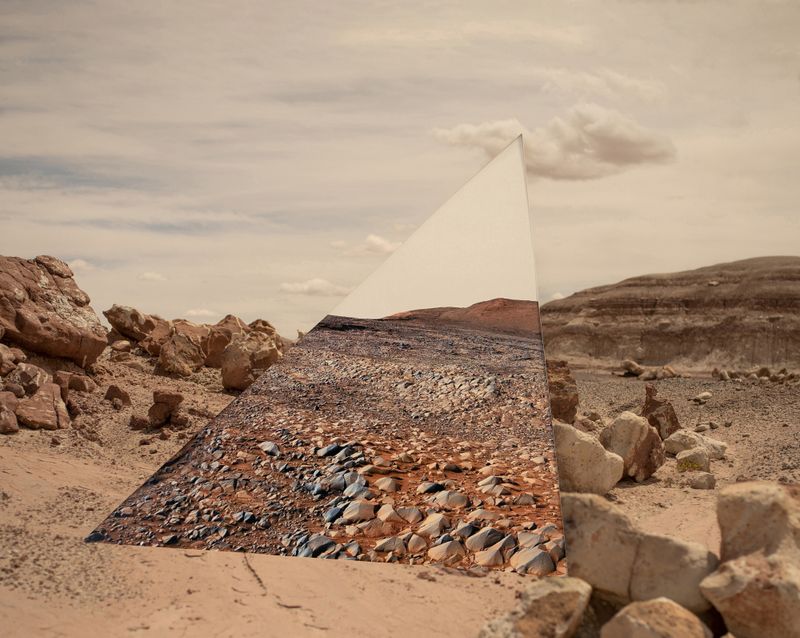
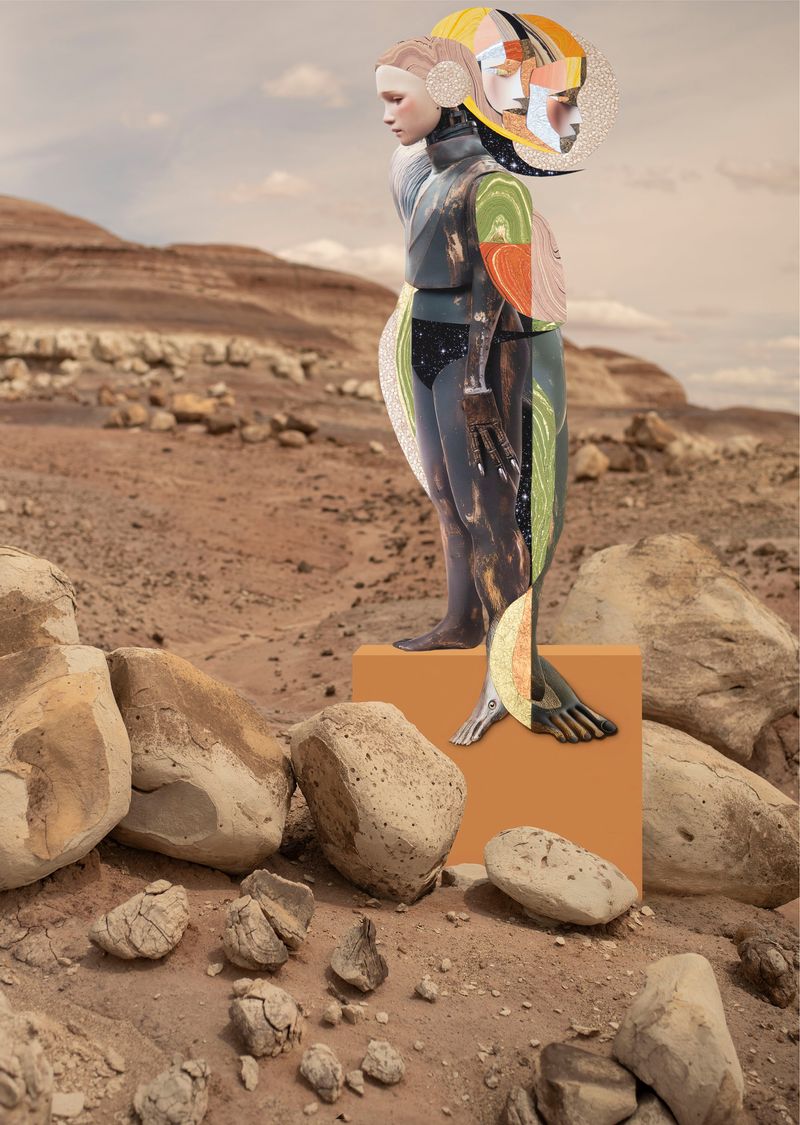
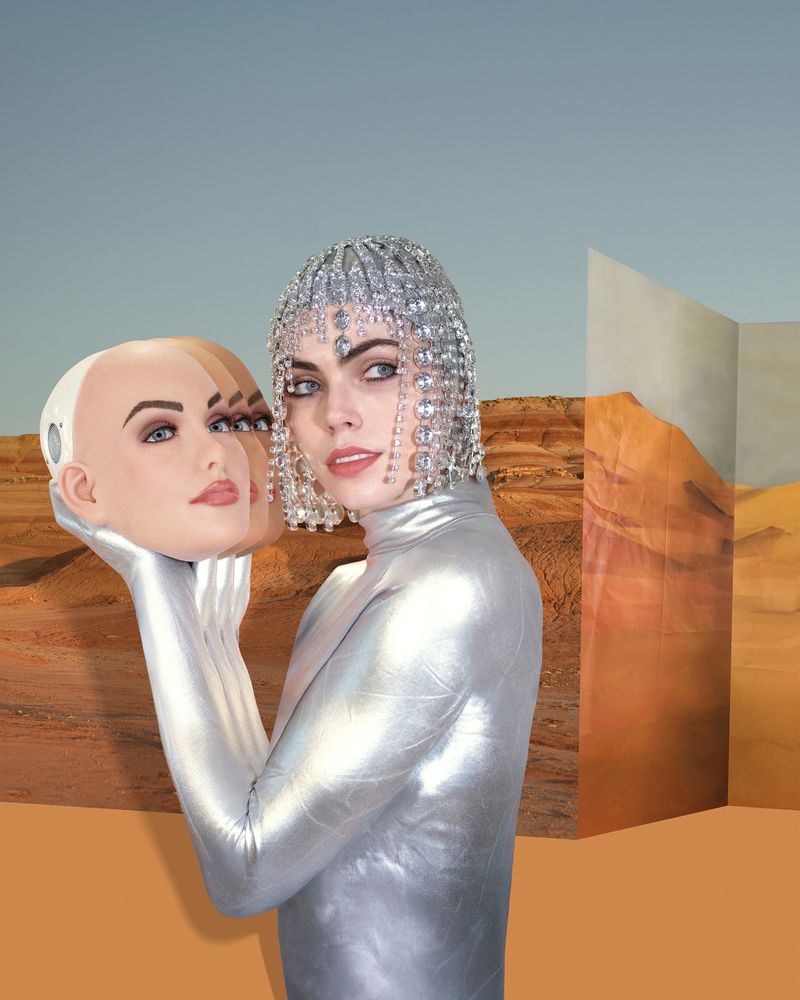
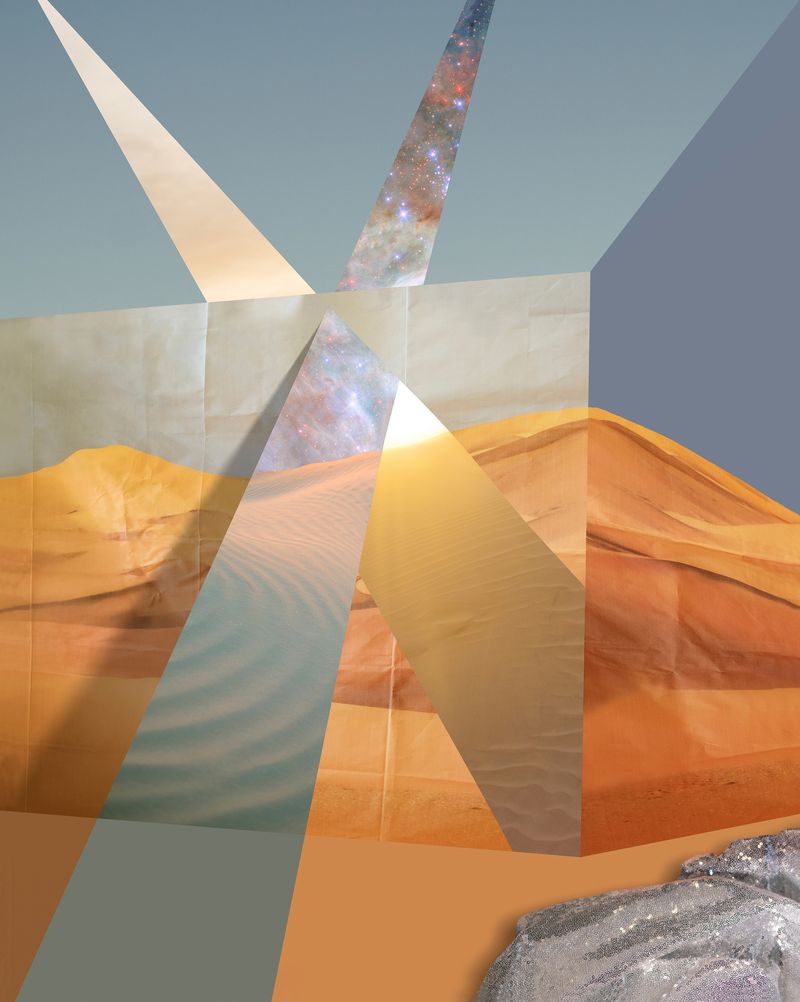
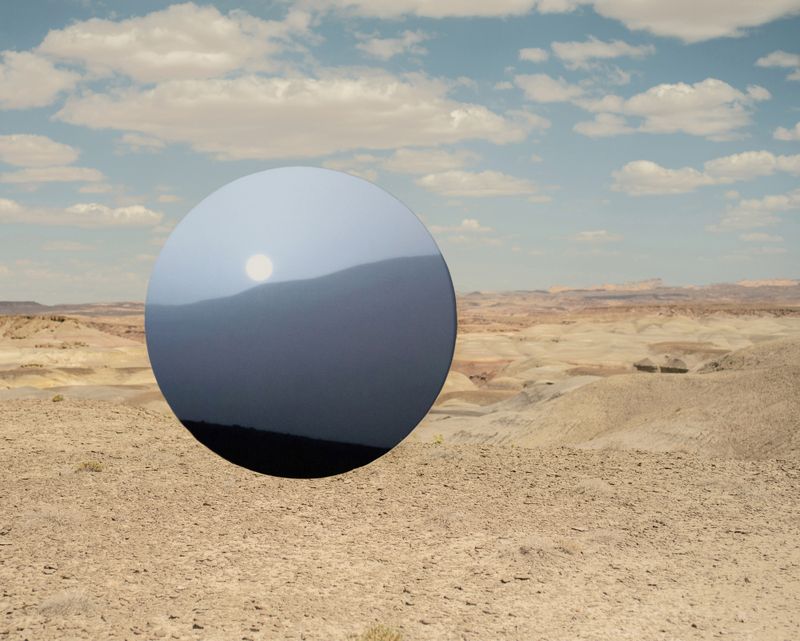
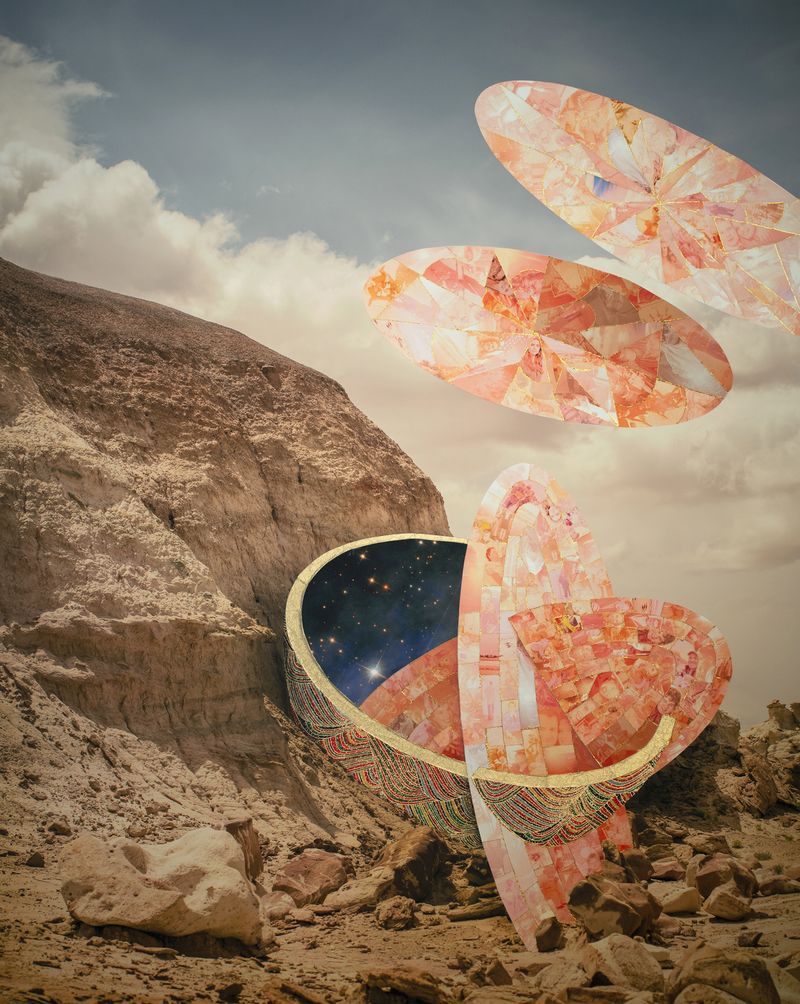
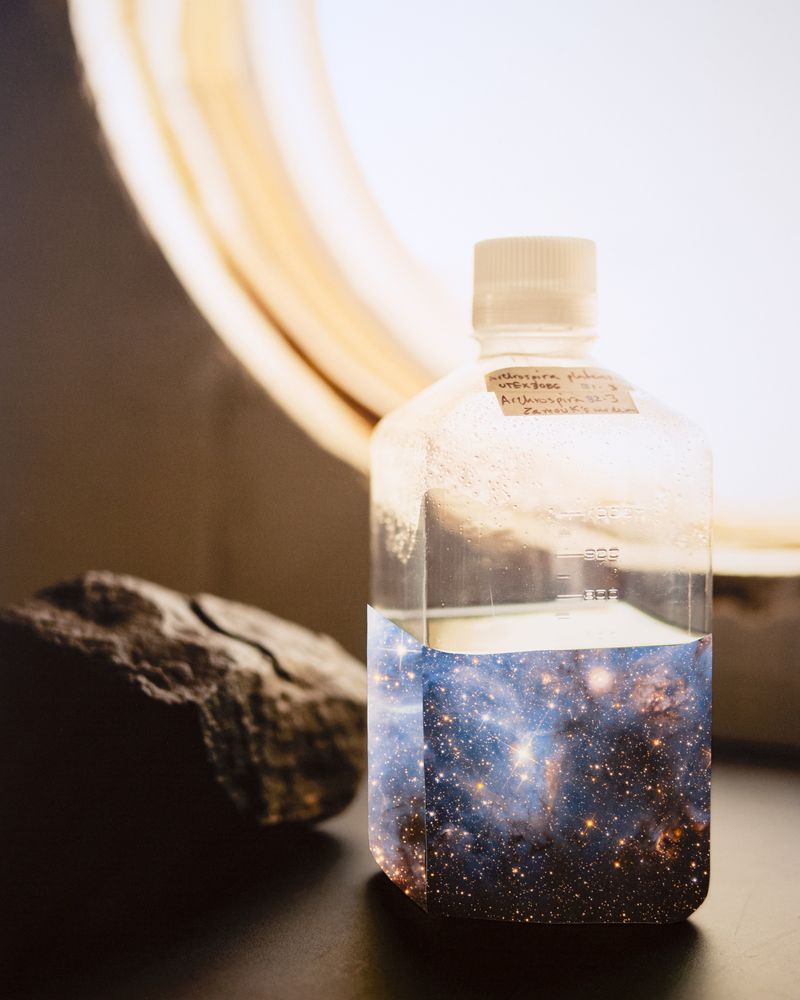
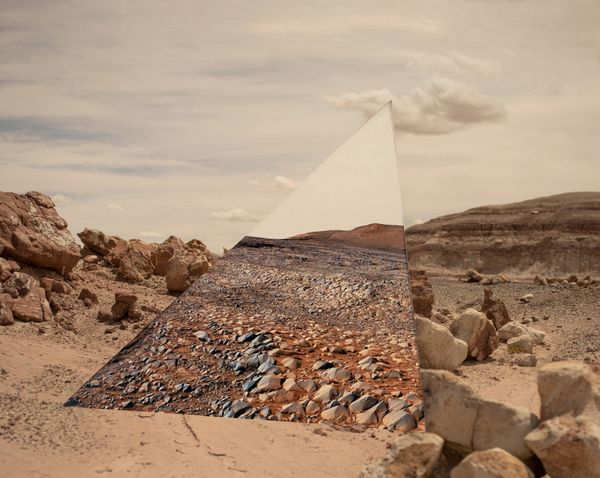
Remembering the Future is a photographic project that examines fiction as a cognitive technology through which futures are imagined and rehearsed within emerging mass-media environments. The project forms one chapter within a larger body of work that uses photography, collage, and selective generative AI to explore how media systems condition what is seen, remembered, and believed. While generative AI is incorporated at key moments, the project is grounded primarily in photographic image-making, with most works originating through lens-based capture, material collage, lenticular overlays, and artist-built digital construction. The work is centered in photography’s increasingly unstable position as both a truth-bearing medium and a site of speculation, operating within what I describe as an aesthetics of collapse, where images no longer resolve meaning.
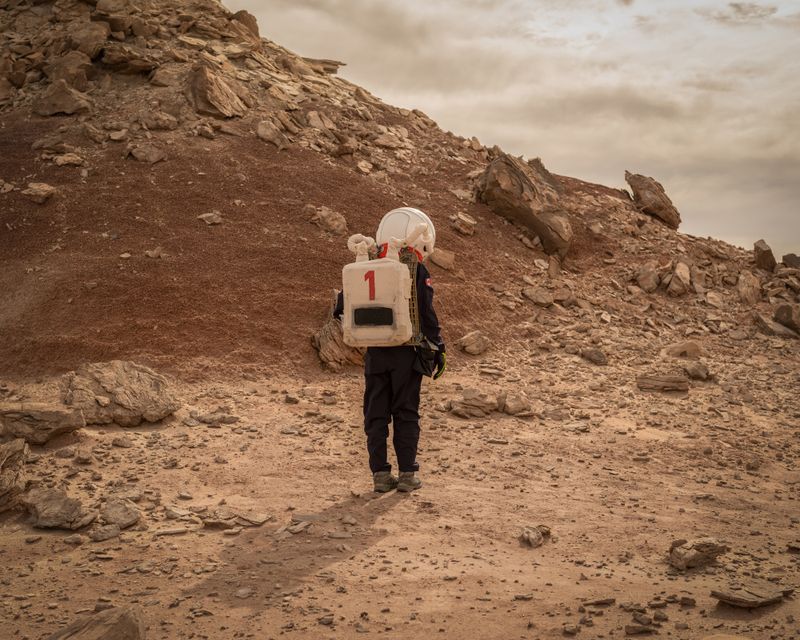
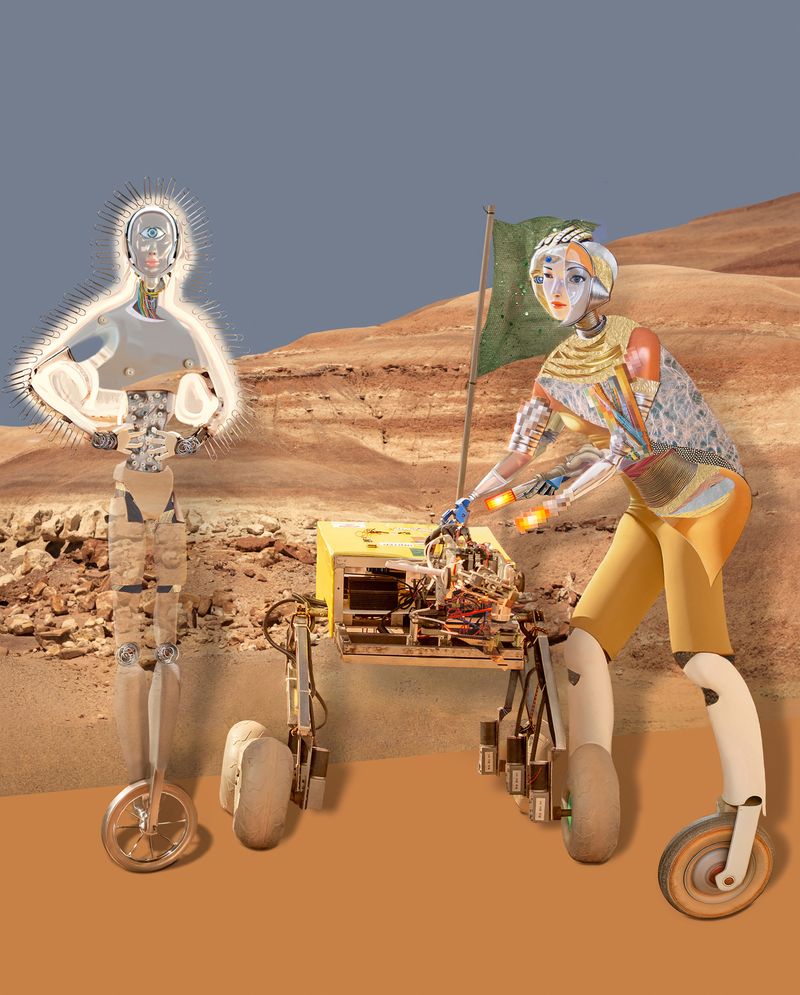
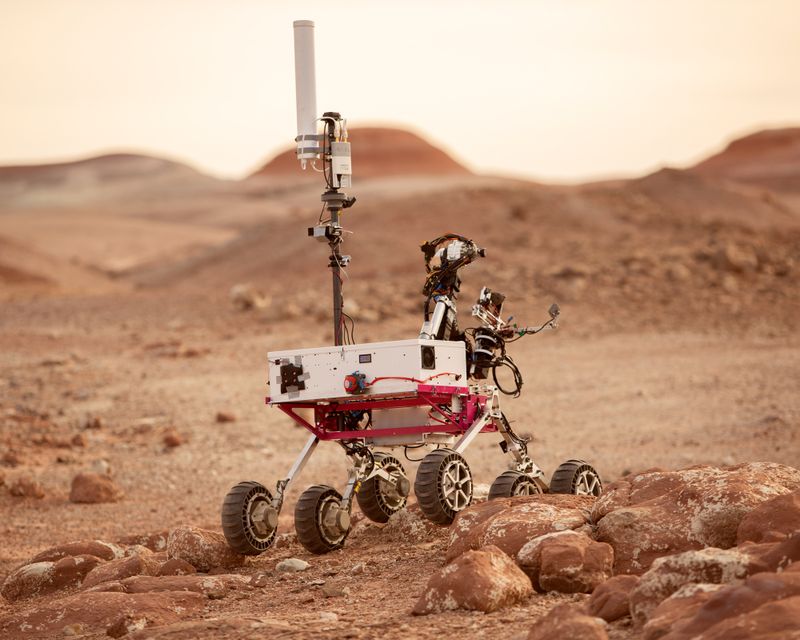
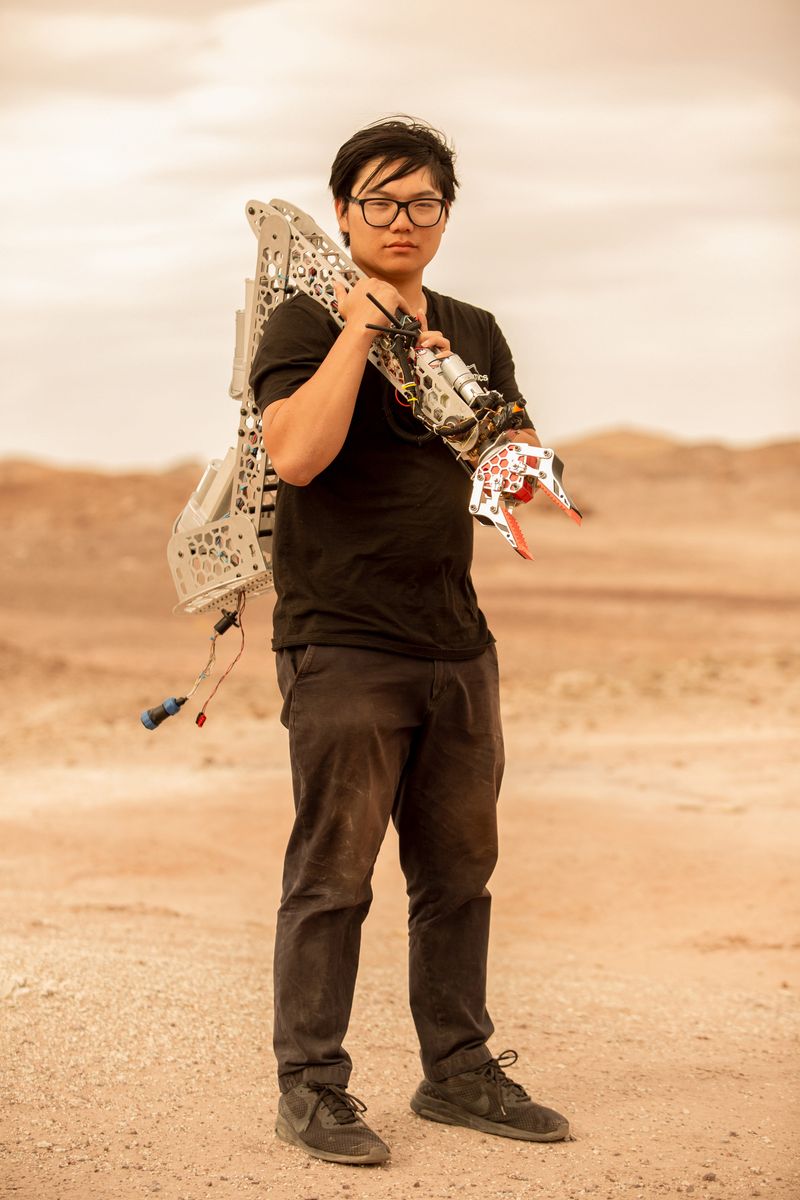
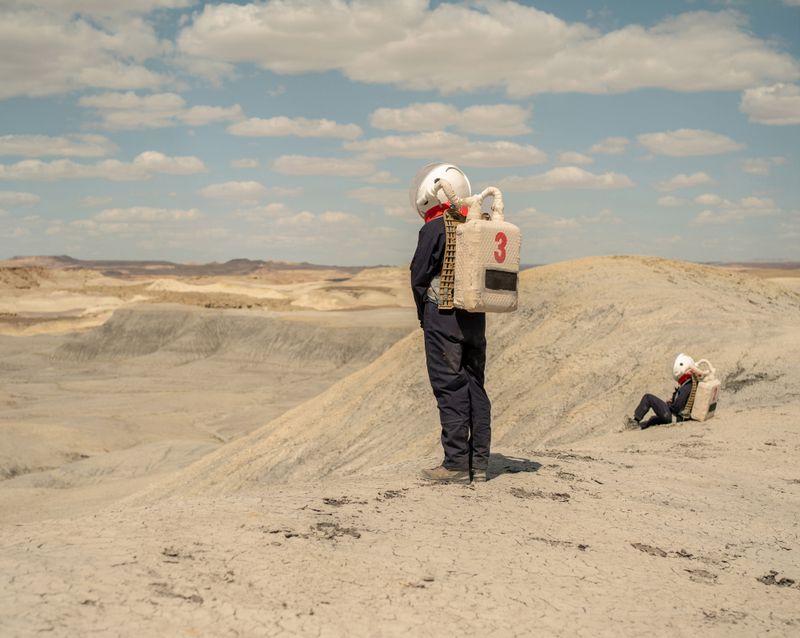
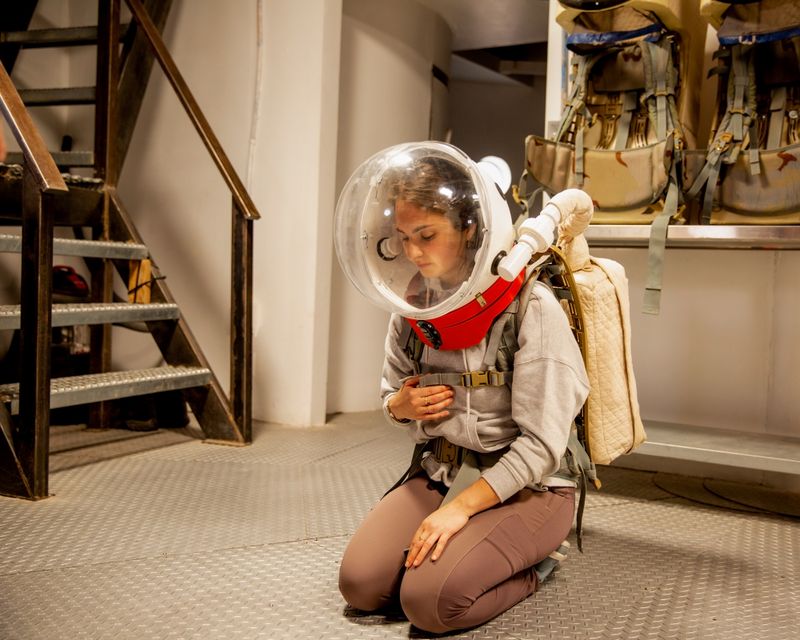
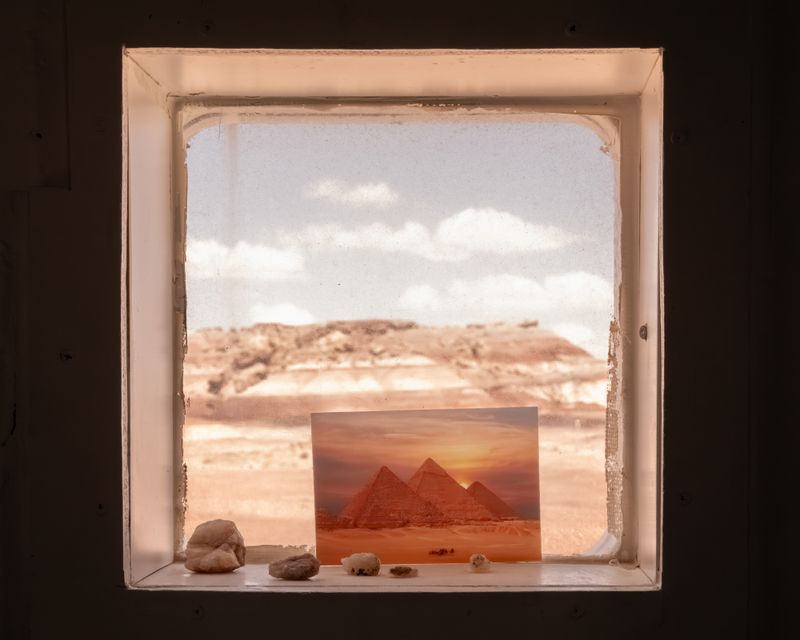
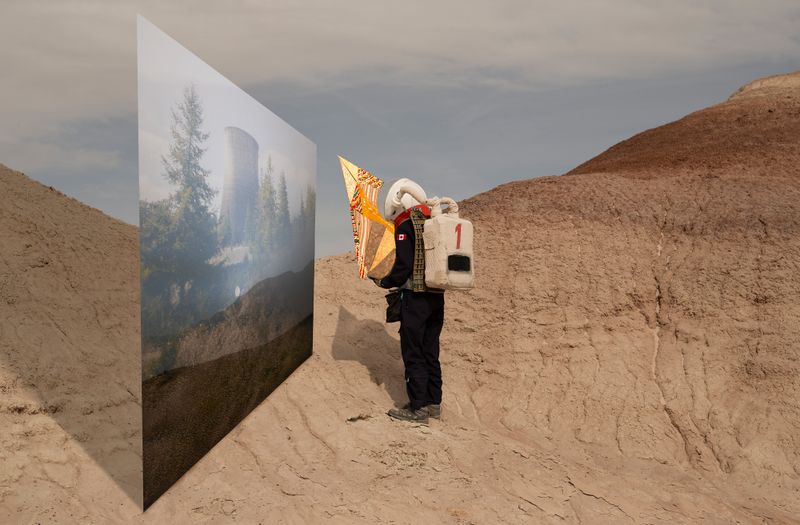
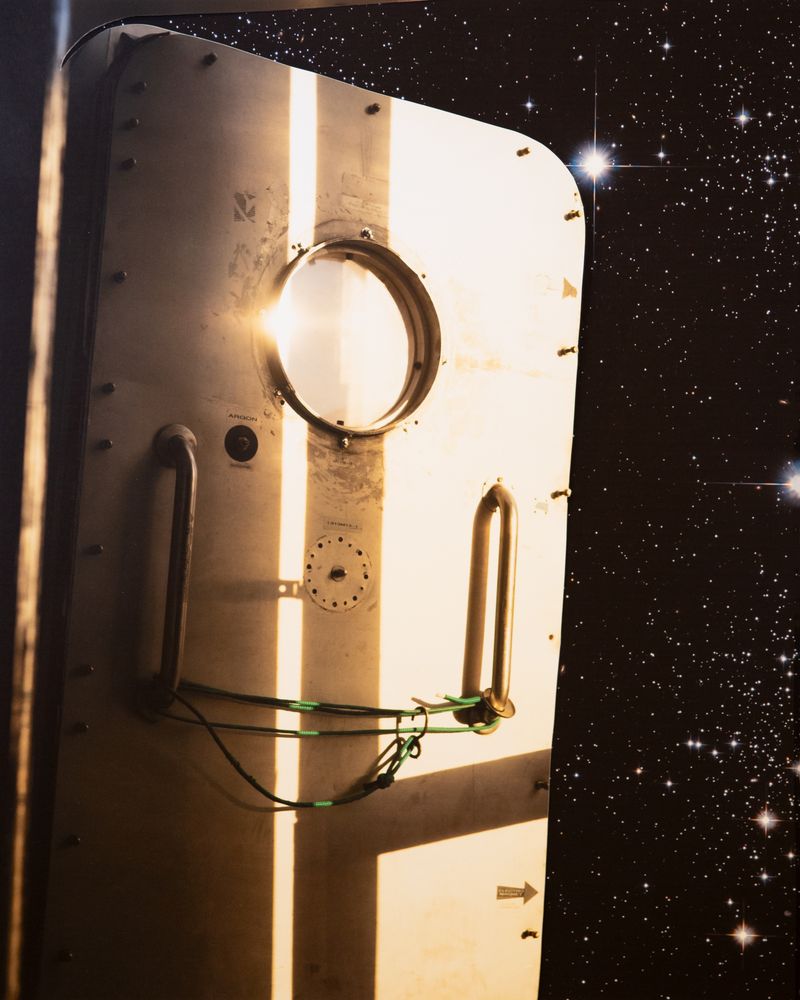
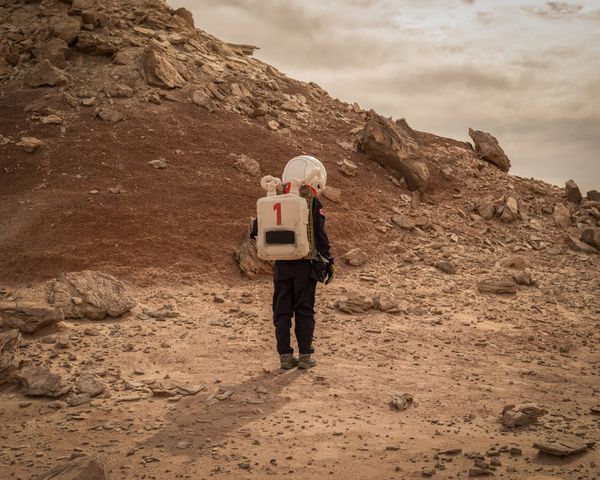
The project began at the Mars Desert Research Station (MDRS), an active analog habitat where scientists, engineers, and students simulate life on Mars to develop technologies and protocols for future space exploration. Within this environment, participants repeatedly rehearse failure, risk, and catastrophe. They “die” hundreds of imagined deaths in the safety of fiction, using speculative scenarios to model uncertainty before it becomes real.
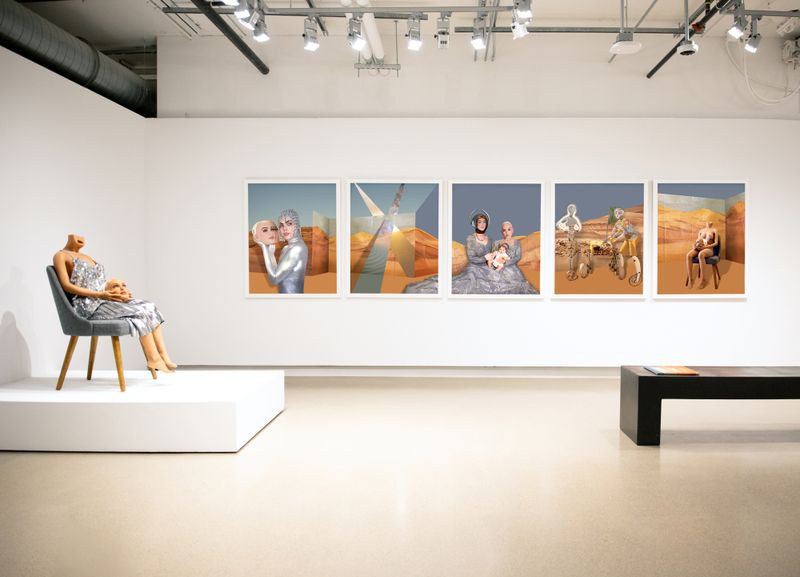
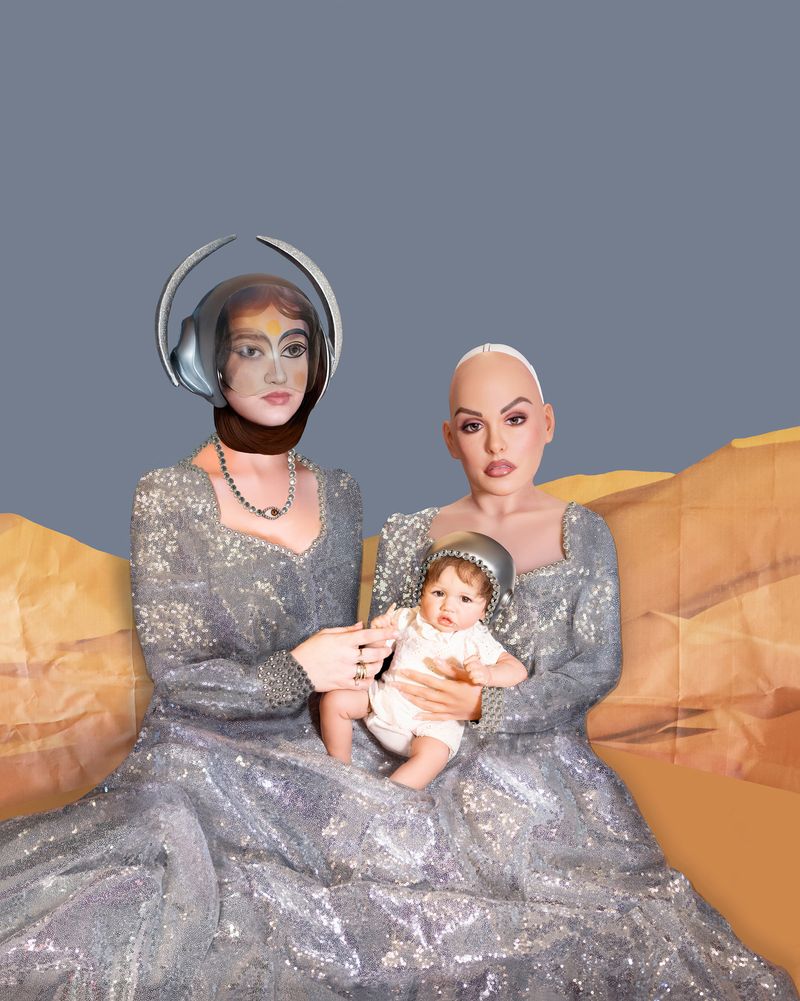
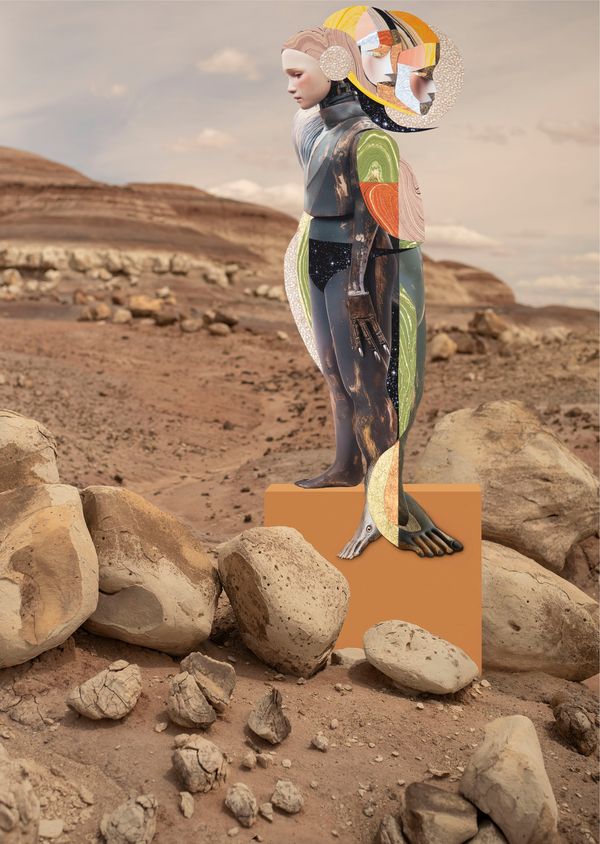
Images produced at MDRS, including a student rover competition and daily life within the simulated habitat, are interwoven with hand-collaged material drawn from public domain NASA rover imagery of Mars and Hubble telescope archives. These coexist with An Incomplete Portrait of Inez, a multi-panel artwork that imagines a future in which corporate-created synthetic companions are commonplace. Inez is conceived as a constantly updated, shifting form of interactive mass media that materializes as a distributed being: an external locus for human memory that persists across decades, bodies, and technological upgrades. In this speculative future, these synthetic companions may witness entire human lives from birth to death while inhabiting countless interchangeable physical forms. The profound ramifications of this nascent technology, both generative and fraught, continue to be developed across subsequent chapters of the project.
Inez and other imagined synthetic beings are realized through staged photographic sessions involving a physically present animatronic doll, which is posed, lit, and photographed as a material object in real space. These photographs are then further transformed through intensive image construction, with generative AI introduced selectively as a speculative layer.
The collective work examines how reality itself is increasingly mediated through machine-generated stories. The real collapses endlessly into the simulated. In the relentless speed of image and narrative dissemination of modern mass media, the deep past and deep future flicker through the present. Remembering the Future situates contemporary AI systems within a longer lineage of myth-making, returning to storytelling as an ancient technology—one humans have long used to metabolize uncertainty and transmit meaning across generations. At this inflection point, at the dawn of AI, the project asks us to confront how we have long used—and misused—our stories.