Quest for Sunlight During a Global Pandemic
-
Dates2020 - Ongoing
-
Author
- Topics Contemporary Issues, Documentary
- Locations India, Mumbai
Densely populated Mumbai poses challenges to residents, when it comes to a basic issue of access to sunlight. How have residents coped during the pandemic & has this had an impact on their immunity?
India has witnessed one of the strictest lockdowns globally, during the covid-19 pandemic.
Mumbai, being the epicenter in India, has seen severe curfews and restrictions not permitting residents to step out of their homes for anything except for essentials. Even outdoor workouts were banned, initially.
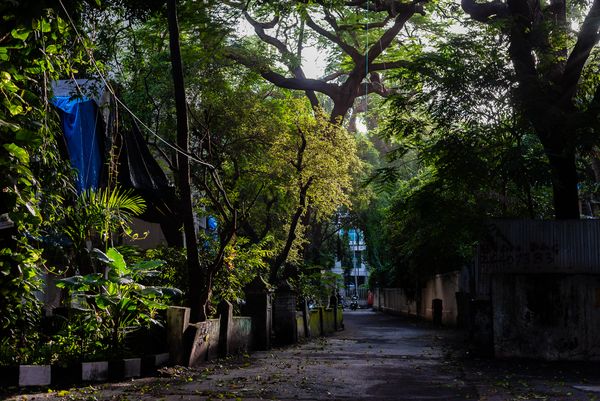
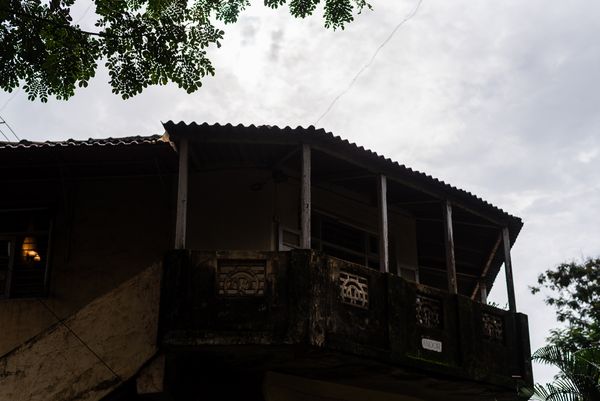
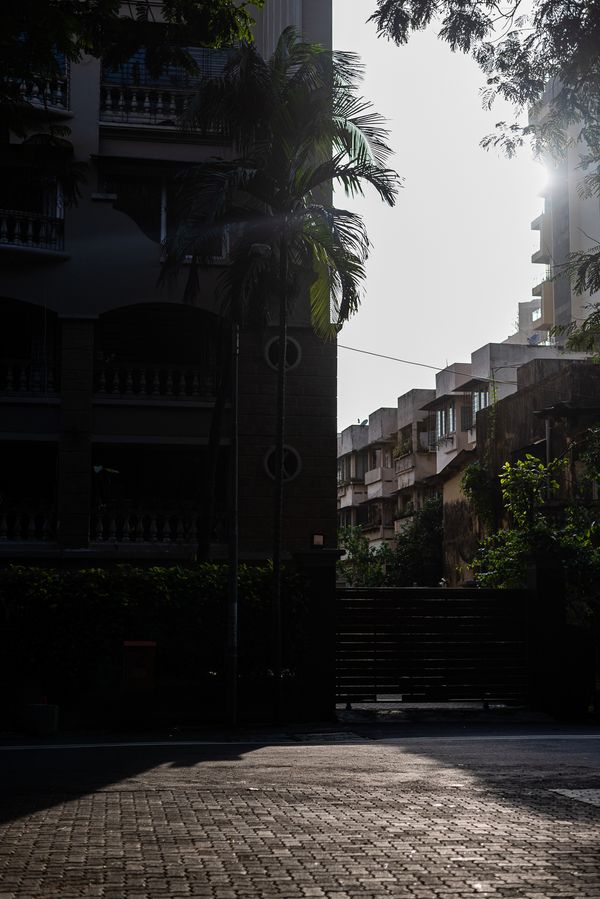
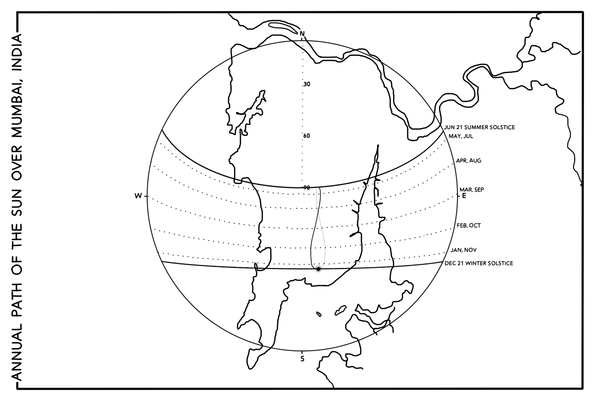
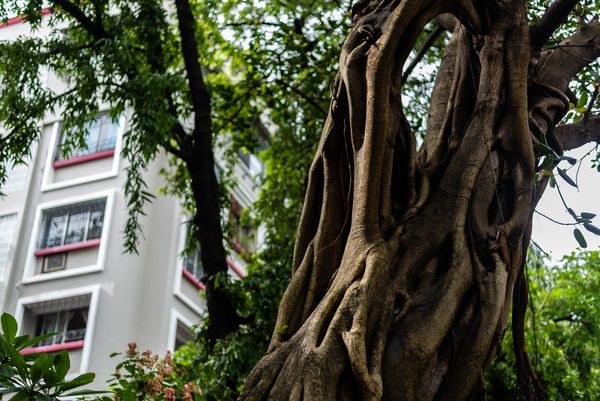
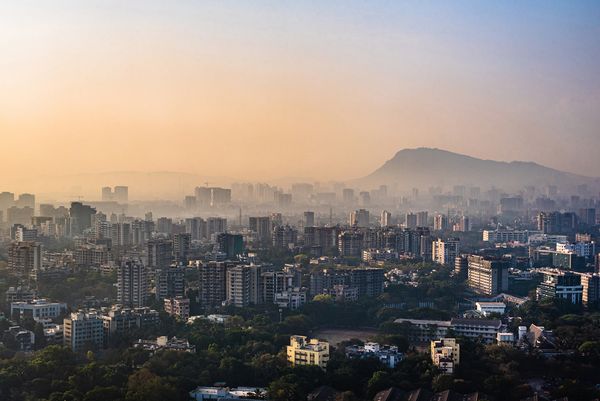
Mumbai is also amongst the most densely populated cities in the world where access to sunlight on a regular basis, can be a challenge for those living on lower floors in a city full of high-rises.
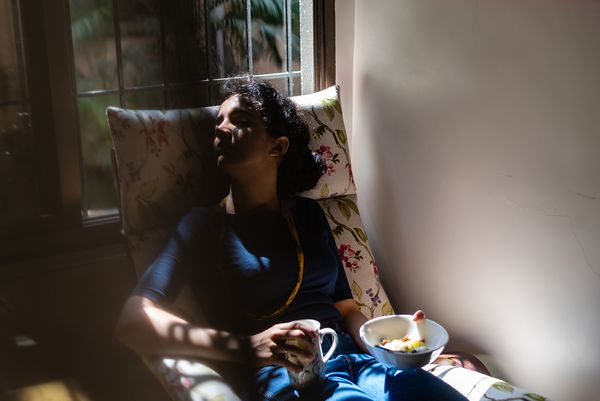
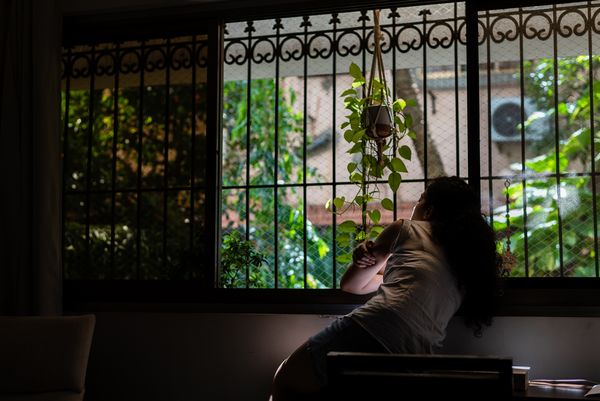
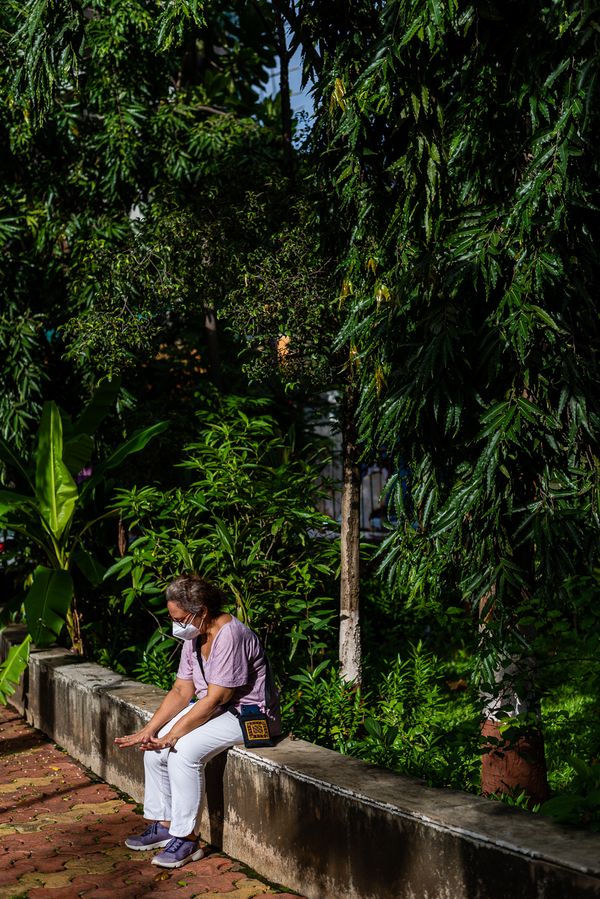
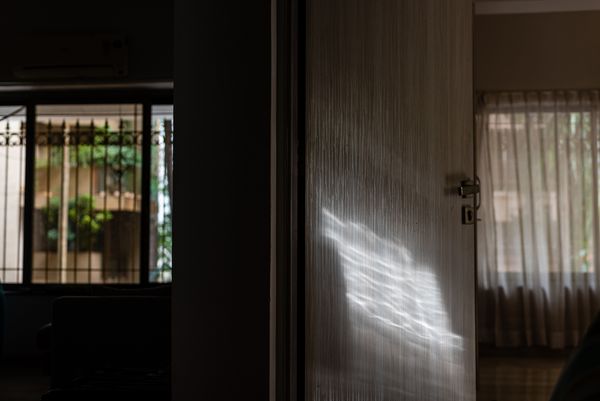
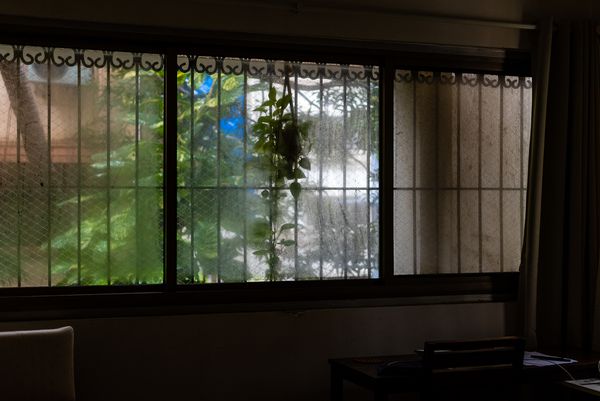
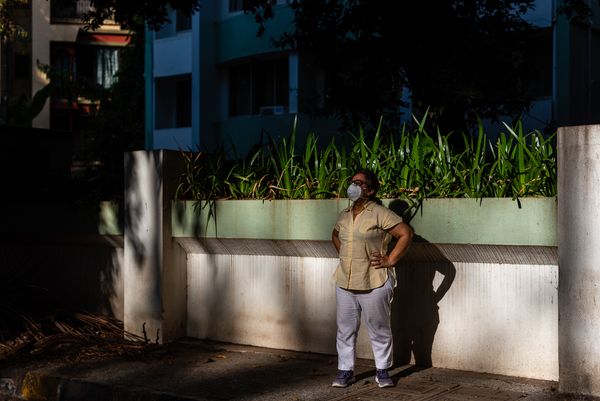
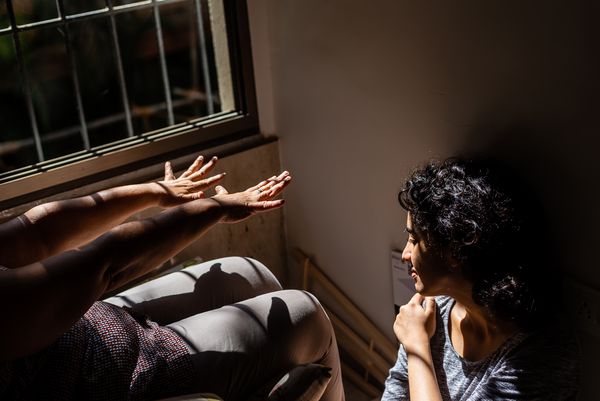
Taking turns to sit on window ledges, during limited hours of direct sunlight, and seeking out spots of sunlight in the neighbourhood, while attempting to avoid crowds, is the new normal.
This series aims to document varied access to sunlight, a necessity for our bodies to produce Vitamin D and essential for overall immunity, during this global pandemic.
As increasing studies and research talk about the importance of Vitamin D in the body's response to covid-19, I seek to document the impact extended lockdown has had on the immunity on the residents of the city in addition to the urban planning and architecture aspects that impact our collective access to sunlight, in a megalopolis like Mumbai.
At the moment, I am working on getting permissions and access to doctors and pathology labs in order to cover the immunity angle of the story.
This story has been partially published.
This particular urban design angle and photographs are exclusive to India but are available to publish internationally end December 2020 onwards provided the text is different to the original article (https://www.joinpaperplanes.com/design-and-living/photo-essay-in-search-of-sunlight-mumbai/). I am pitching the remaining photographs and larger body of work to both national and international outlets including the health and immunity perspective that has not been published at all.