Quest for Sunlight During a Global Pandemic
  • Dates
    2020 - Ongoing
  • Author
  • Topics Contemporary Issues, Documentary
  • Locations India, Mumbai

Densely populated Mumbai poses challenges to residents, when it comes to a basic issue of access to sunlight. How have residents coped during the pandemic & has this had an impact on their immunity?

India has witnessed one of the strictest lockdowns globally, during the covid-19 pandemic.

Mumbai, being the epicenter in India, has seen severe curfews and restrictions not permitting residents to step out of their homes for anything except for essentials. Even outdoor workouts were banned, initially.

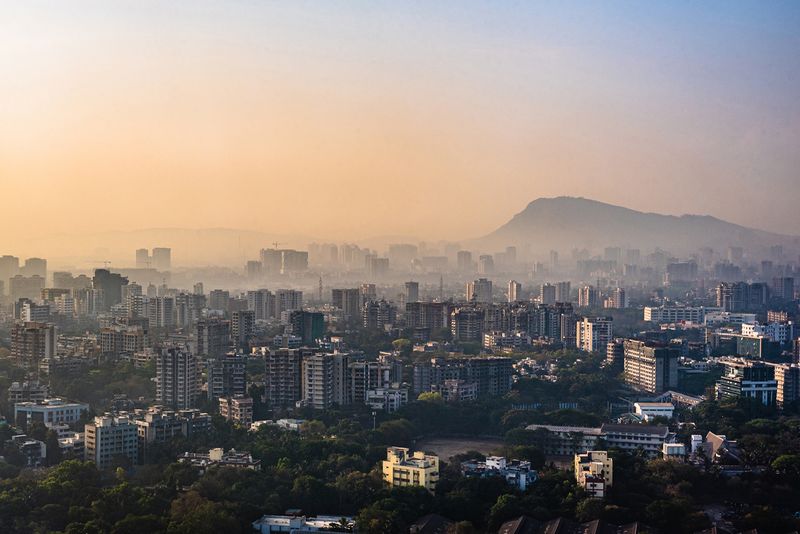
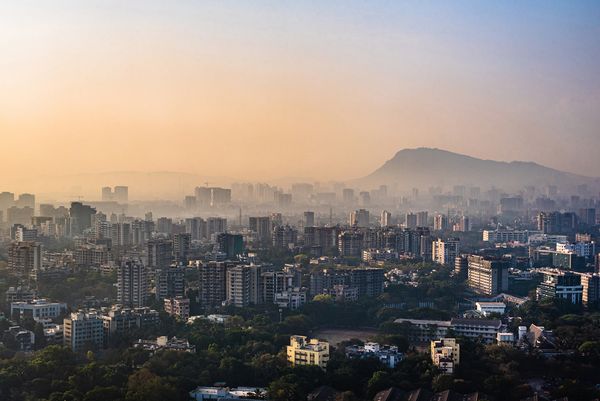
Mumbai is also amongst the most densely populated cities in the world where access to sunlight on a regular basis, can be a challenge for those living on lower floors in a city full of high-rises.

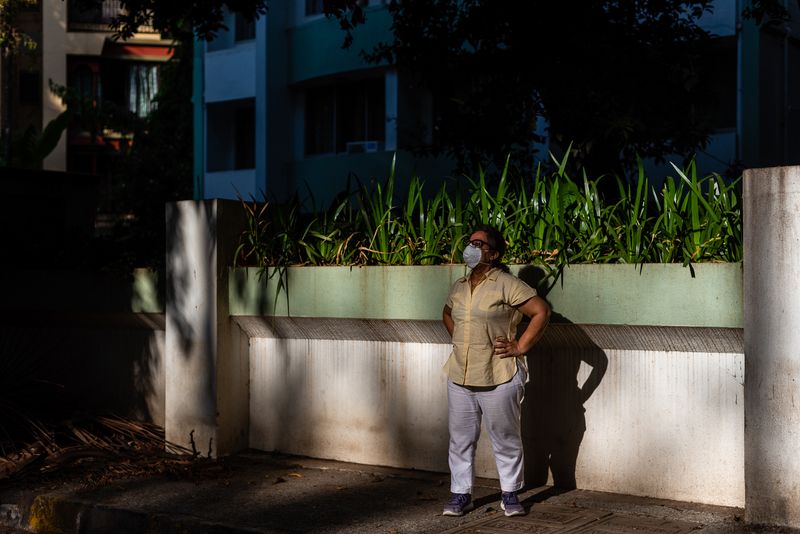
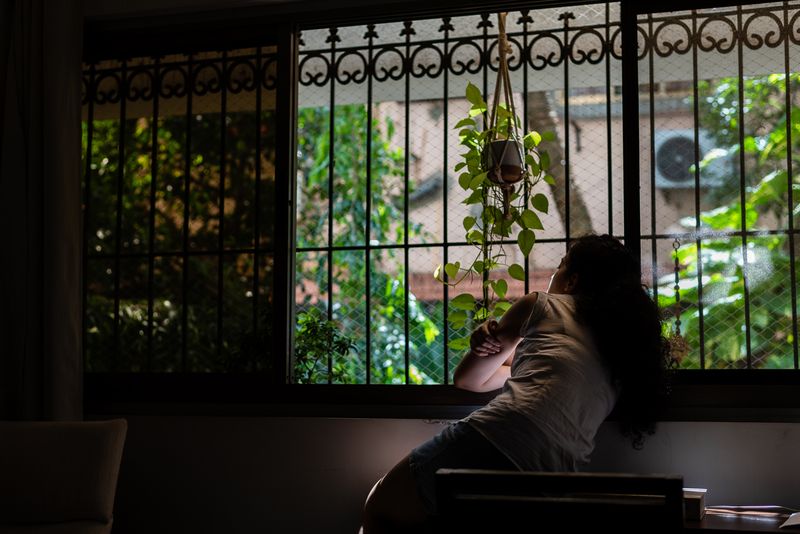
Taking turns to sit on window ledges, during limited hours of direct sunlight, and seeking out spots of sunlight in the neighbourhood, while attempting to avoid crowds, is the new normal.

This series aims to document varied access to sunlight, a necessity for our bodies to produce Vitamin D and essential for overall immunity, during this global pandemic.

As increasing studies and research talk about the importance of Vitamin D in the body's response to covid-19, I seek to document the impact extended lockdown has had on the immunity on the residents of the city in addition to the urban planning and architecture aspects that impact our collective access to sunlight, in a megalopolis like Mumbai.

At the moment, I am working on getting permissions and access to doctors and pathology labs in order to cover the immunity angle of the story.

This story has been partially published.

This particular urban design angle and photographs are exclusive to India but are available to publish internationally end December 2020 onwards provided the text is different to the original article (https://www.joinpaperplanes.com/design-and-living/photo-essay-in-search-of-sunlight-mumbai/). I am pitching the remaining photographs and larger body of work to both national and international outlets including the health and immunity perspective that has not been published at all.

© Alisha Vasudev - Image from the Quest for Sunlight During a Global Pandemic photography project
i

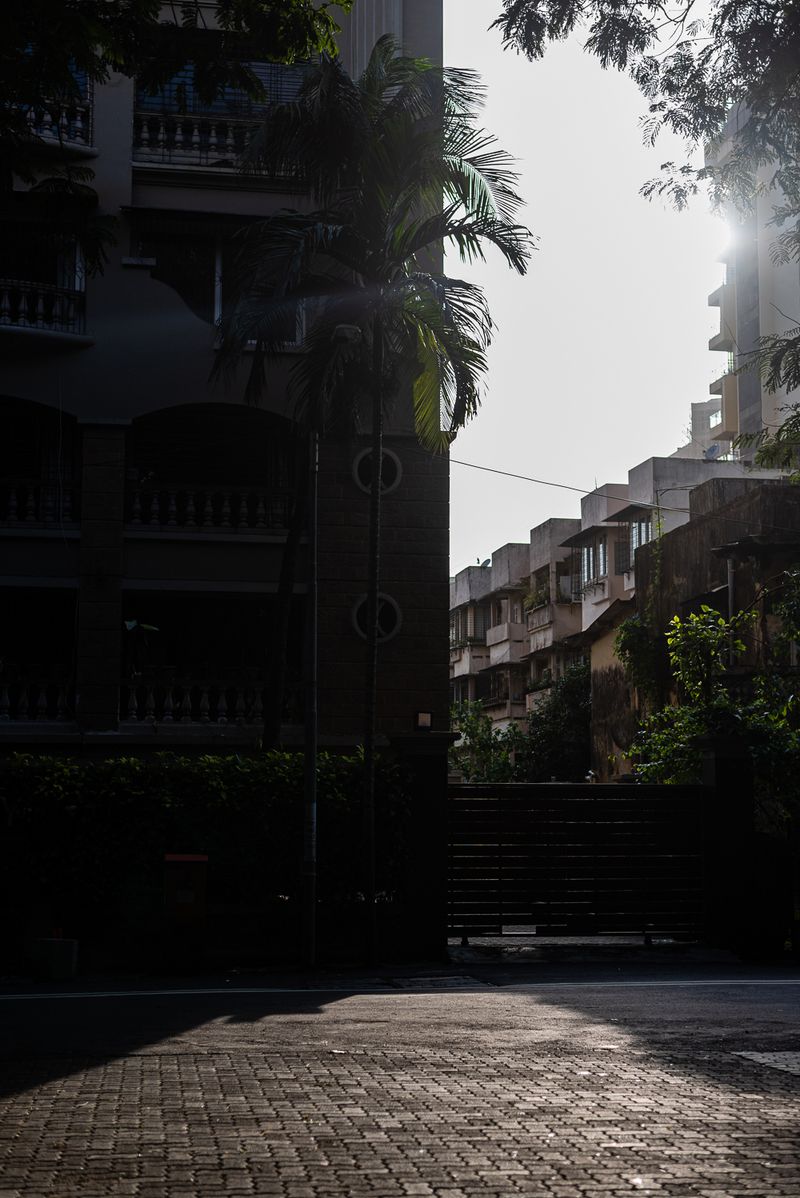
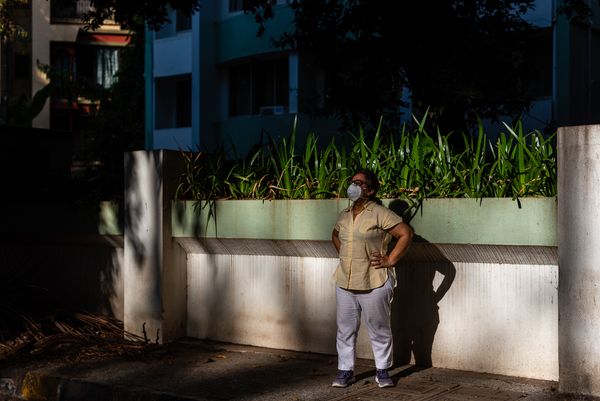
Given the strict lockdown measures during the pandemic, getting up early and seeking out pockets of sunshine in the neighbourhood was the only way to avoid crowds while trying to get soak up some sun.

© Alisha Vasudev - Image from the Quest for Sunlight During a Global Pandemic photography project
i

Across Mumbai and the rest of the country, the traditional Vastu Shastra system — which often dictates home-facing directions and consequently, the amount of direct sunlight coming in — remains a key factor for numerous homebuyers today. Here, eastern facades of buildings in Ghatkopar East are illuminated at dawn.

© Alisha Vasudev - Image from the Quest for Sunlight During a Global Pandemic photography project
i

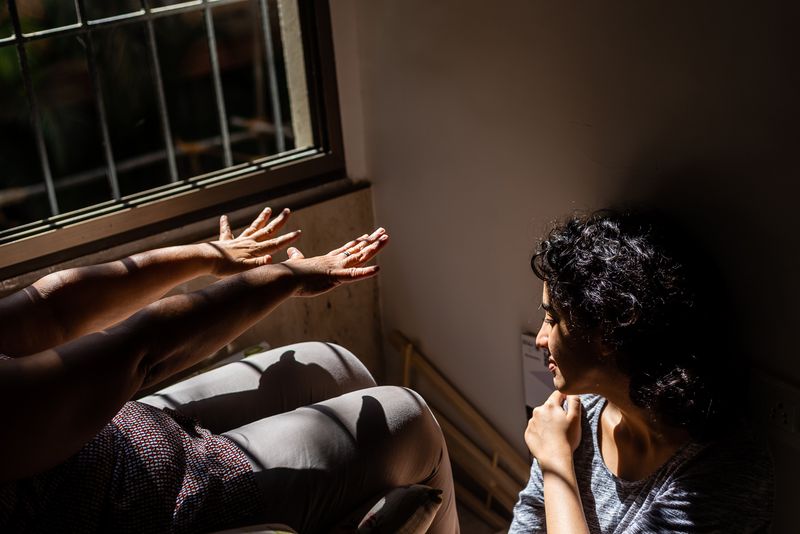
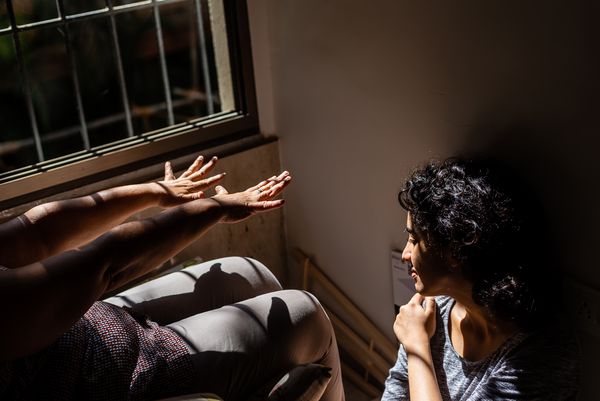
Living on a lower floor in a city full of high rises and unable to step out except for essentials, this one corner of our house became the center of our attention every morning. It was the only time in the day when we would have direct sunlight streaming in to our house, for about an hour and a half.

© Alisha Vasudev - The sun’s evening rays bounce off vegetation, in a by-lane in Bandra.
i

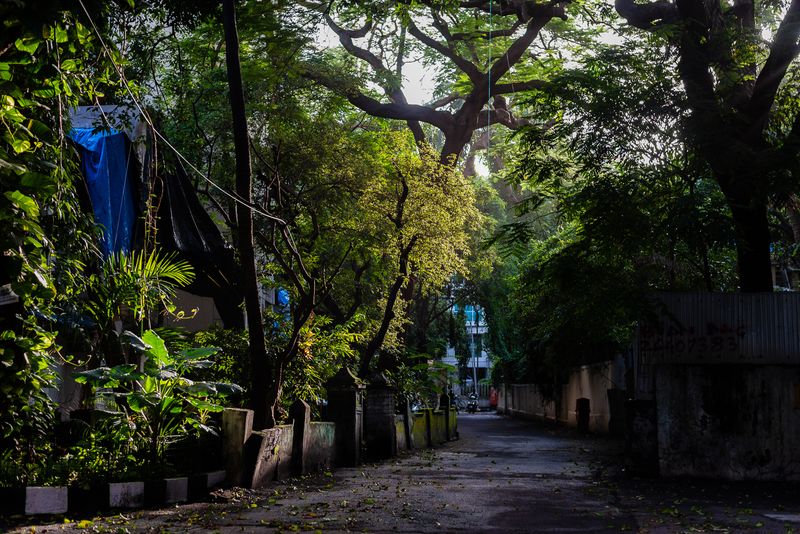
The sun’s evening rays bounce off vegetation, in a by-lane in Bandra.

© Alisha Vasudev - A small patch of light streams in from a window, in an otherwise dimly lit house.
i

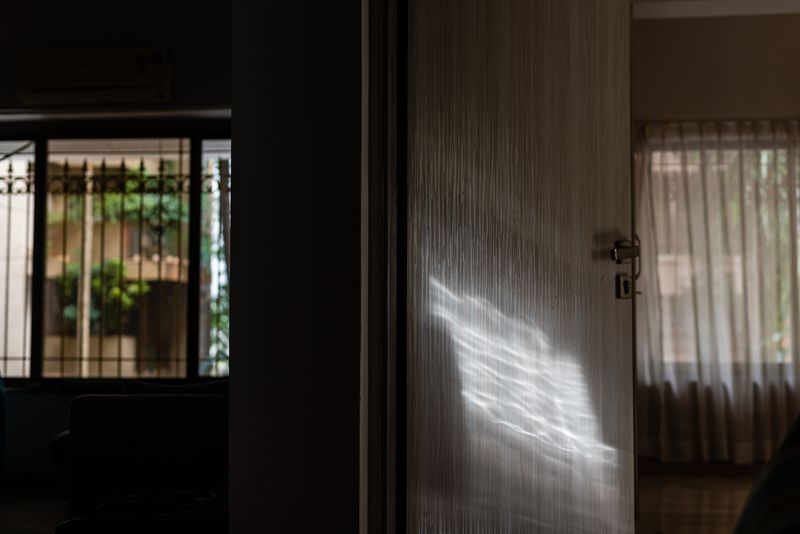
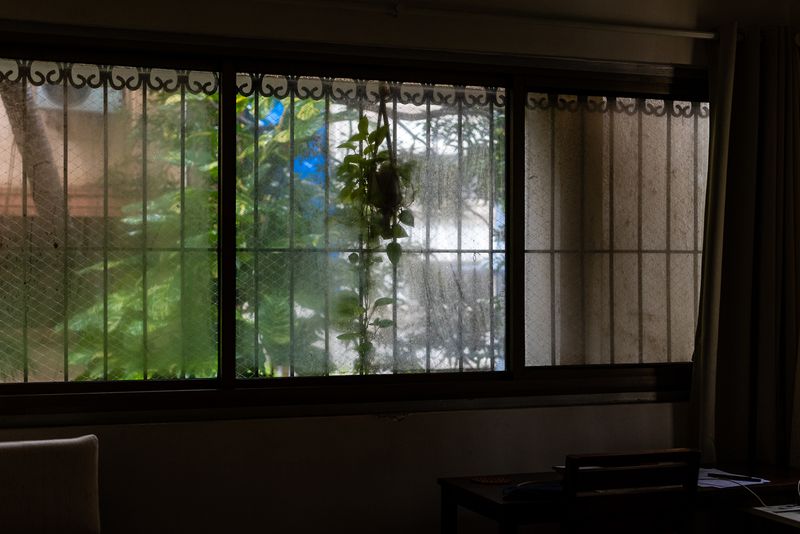
A small patch of light streams in from a window, in an otherwise dimly lit house.

© Alisha Vasudev - Sunlight bounces off a tree in a shaded lane.
i

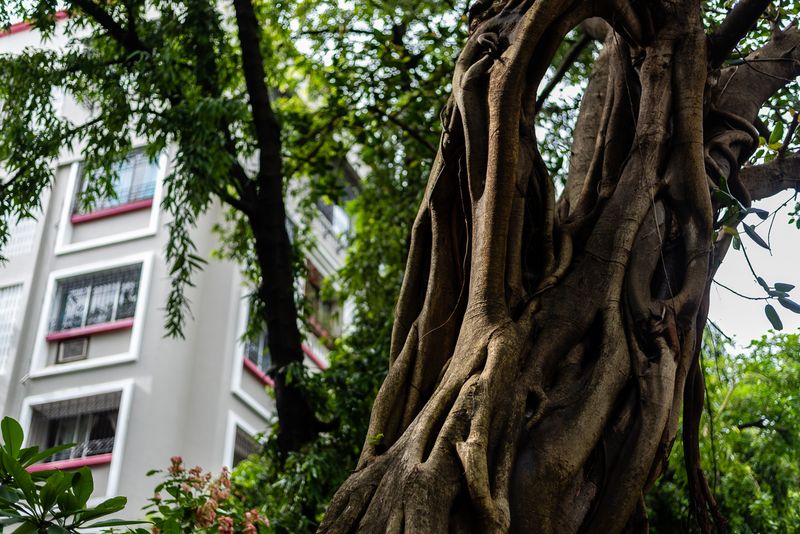
Sunlight bounces off a tree in a shaded lane.

© Alisha Vasudev - Image from the Quest for Sunlight During a Global Pandemic photography project
i

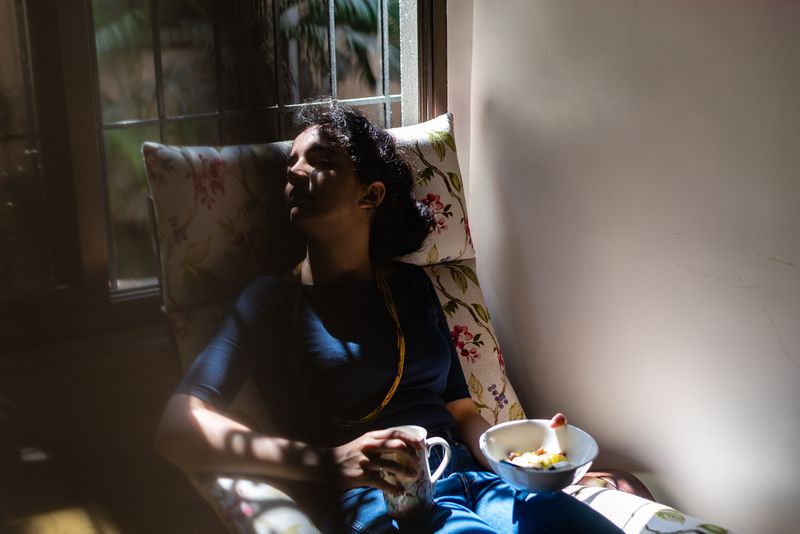
A couple of weeks into the pandemic, we decided to take turns and each eat breakfast one day at a time, in this corner of our house in order to get some Vitamin D.

© Alisha Vasudev - Image from the Quest for Sunlight During a Global Pandemic photography project
i

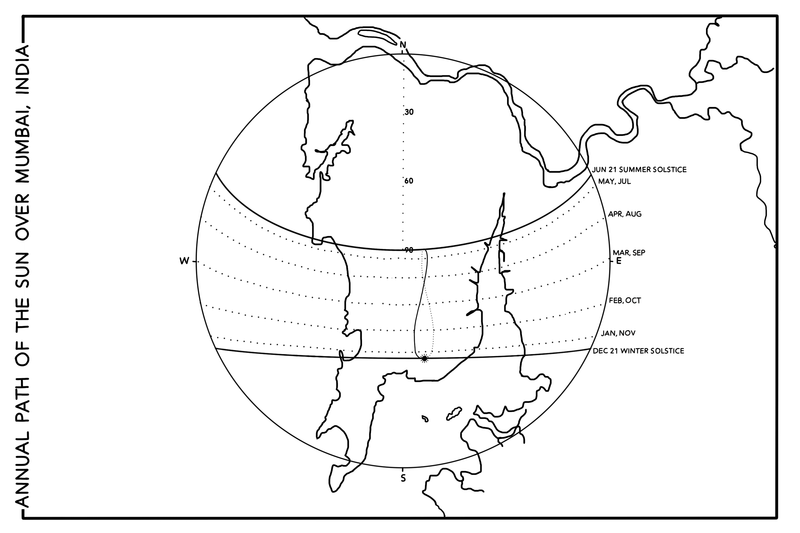
A house facing south-west that has its lights on at 8.47am in July. Given the path of the sun over Mumbai (refer to the illustration about this phenomenon), the house will get more light during the winter months than in summer.

© Alisha Vasudev - Image from the Quest for Sunlight During a Global Pandemic photography project
i

Mumbai gets 2583.5 hours of sunshine annually with significantly reduced hours during the monsoon months of June and July. In comparison, the dry city of Yuma in Arizona, the USA gets 4015.3 hours of sunlight while London in the UK gets 1633 hours, annually.

© Alisha Vasudev - Image from the Quest for Sunlight During a Global Pandemic photography project
i

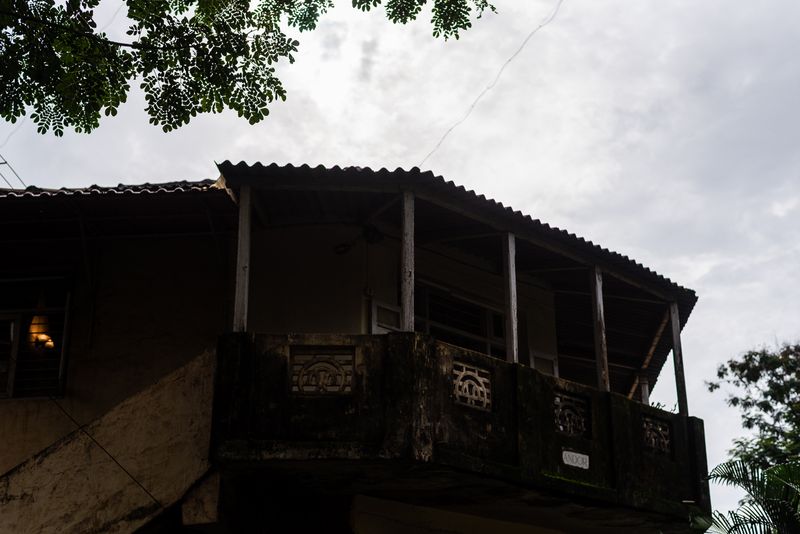
Direct sunlight can be a rarity for a house on a lower floor. Taking turns to sit on window ledges during these limited hours is the new normal.

© Alisha Vasudev - Image from the Quest for Sunlight During a Global Pandemic photography project
i

This building faces east but gets limited light through the day given the density of buildings around it. This photo was taken at 5.52pm.

© Alisha Vasudev - View in the afternoon, with limited light, through a window on a lower floor.
i

View in the afternoon, with limited light, through a window on a lower floor.

© Alisha Vasudev - Image from the Quest for Sunlight During a Global Pandemic photography project
i

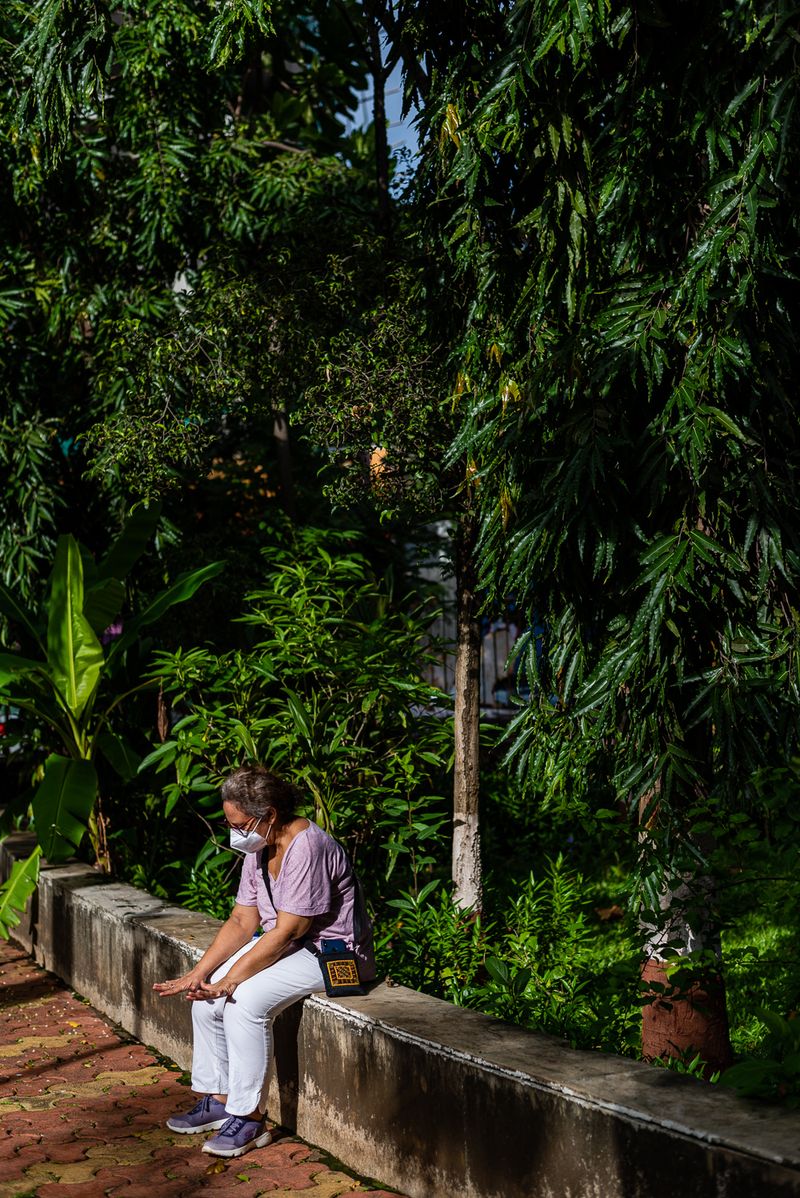
UV-B rays are the most essential of the sun's rays needed by the body to produce Vitamin D. Dependent on your location, the time these rays are in the atmosphere vary. In Mumbai, these rays are in the atmosphere in the late morning. As soon as parks were thrown open to the public, my mother and I headed out late morning to soak up some sun.

© Alisha Vasudev - Image from the Quest for Sunlight During a Global Pandemic photography project
i

Cartographic inspired ilustration by Alisha Vasudev . . . As the year progresses, the sun appears to do a gradual dance across our spaces, lighting up different areas during different seasons. If you track it closely, the light tends to oscillate between two specific points, retracing its steps after a while. If mapped by noting the position of the sun in the sky at the same time from the same location, it will form a figure-eight path (called analemma by astronomers) over the course of the year. While the sun rises in the east and sets in the west every day, Earth’s elliptical path around the sun as well as its angle of tilt along its axis are what cause this gradual shift in movement in the sun’s overhead path.