Points of Impasse

  • Dates
    2019 - Ongoing
  • Author
  • Topics Archive, Daily Life, Documentary, Social Issues, War & Conflicts
  • Location Bosnia and Herzegovina, Bosnia and Herzegovina

Points of Impasse explores the post-war landscape of Bosnia and Herzegovina, revealing how political borders continue to shape memory and identity.

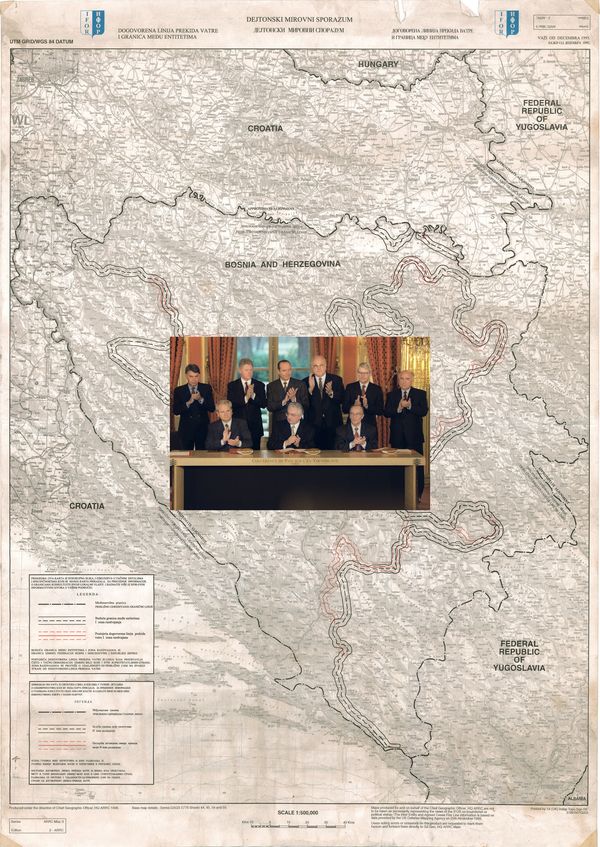
War is over. A peace treaty was reached by drawing a 1080 km-long boundary line. Thirty years have passed since the Dayton agreement was signed, but my country and its people remain divided. Consciously or not, hatred is passed on from generation to generation - a legacy from a war that is still fresh in people’s minds.

The Dayton Agreement effectively divided Bosnia into two entities and one district, cementing ethnic divisions. It was never meant to be a permanent solution, it created a sort of limbo state. Passes to highlight the absurdity and dysfunction created by it. 

Growing up in a post-war society, ethnic tensions and divisions are strengthening. Separate education systems reinforce divisions, each side imposing historical perspectives and political ideologies. Thus creating another generation with the same problems and starting another cycle of hatred. 

"Points of Impasse" explores the lasting impact of war and division on the people and places of Bosnia and Herzegovina. The project centres around a politically divided terrain impacting individual and collective perceptions, creating a space that cannot be separated from the holders of a shared identity.
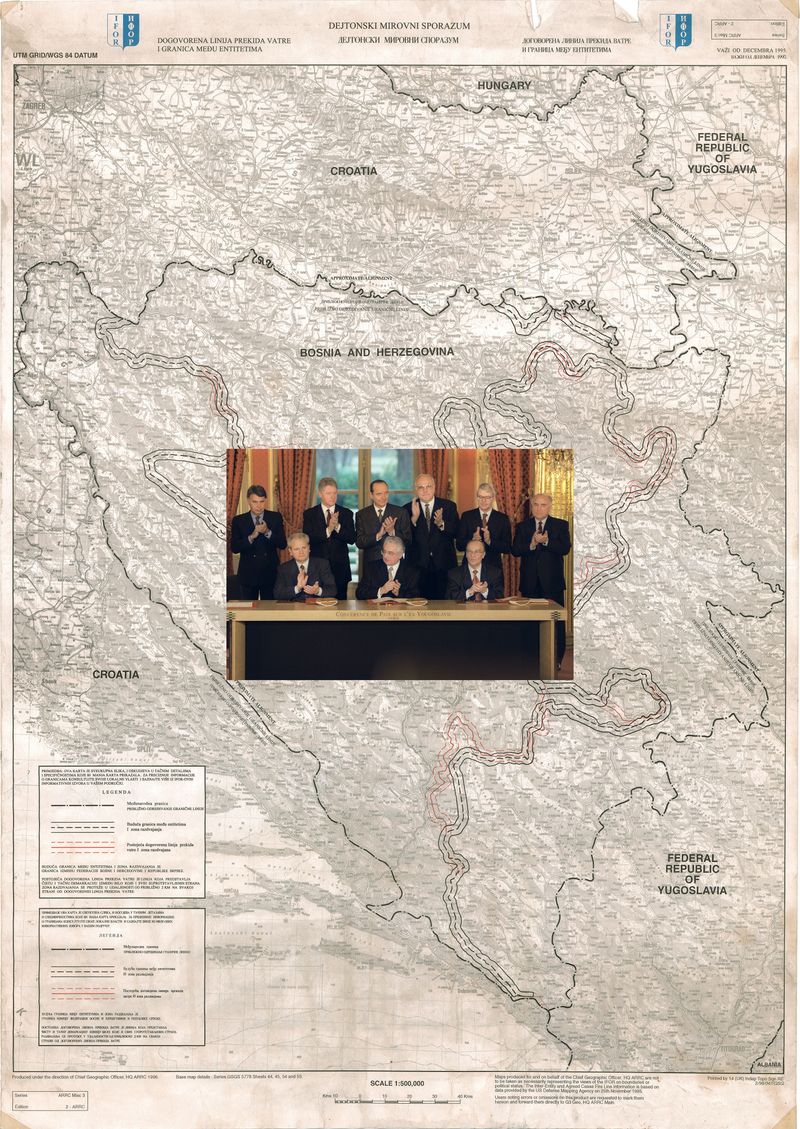
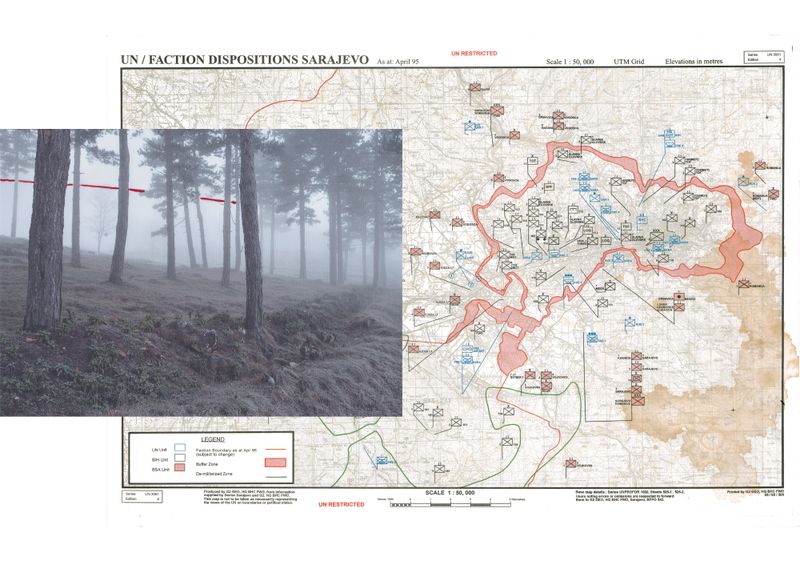
© Armin Graca - Signing the Dayton Agreement.
i

Signing the Dayton Agreement.

© Armin Graca - Image from the Points of Impasse photography project
i

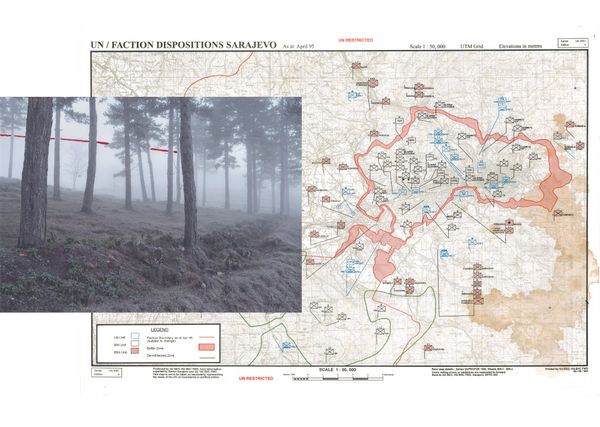
Abandoned war trenches at Zlatište remain as a lasting reminder of the makeshift shelters created by defenders of Sarajevo. During the war, civilians-turned-soldiers dug trenches at Zlatište, on the outskirts of Sarajevo, to serve as the front line for defending the city.

© Armin Graca - Image from the Points of Impasse photography project
i

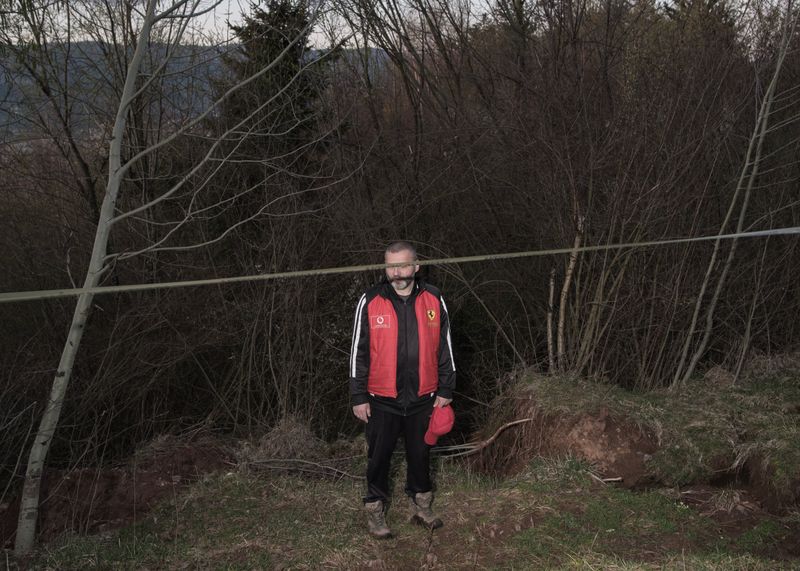
Samir Isaković, a council member from the local community of Širokača, stands at the site of the Curine Njive landslide, near the inter-entity boundary line. Triggered by deforestation and illegal dumping from multiple construction projects on Trebević in Republika Srpska, the landslide displaced over 20 families and exposed the fragility of post-war governance.

© Armin Graca - Image from the Points of Impasse photography project
i

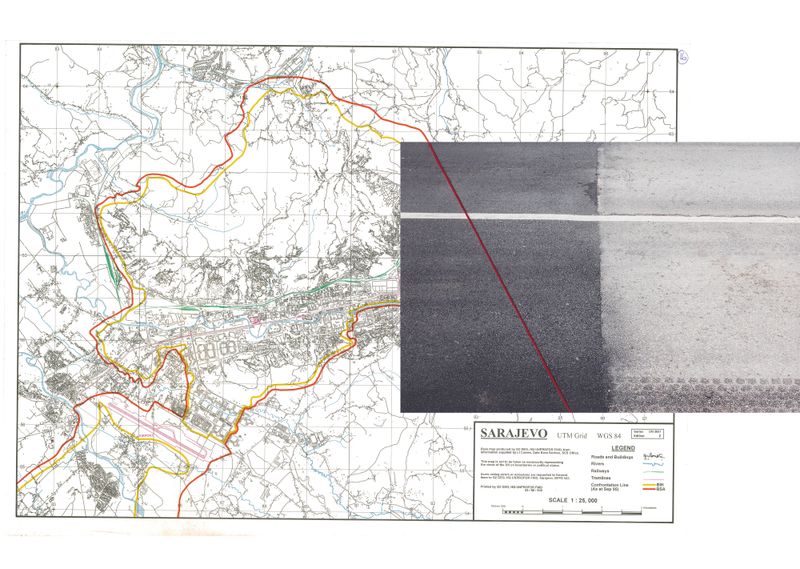
A half-repaved road near the neighborhood Vraca in Sarajevo, Bosnia and Herzegovina. It marks the inter-entity boundary line subdividing the country into Republika Srpska, Federation of Bosnia and Herzegovina, and Brcko District. The road is only partially repaved due to the ongoing inability of entities to collaborate on road maintenance, resulting in what is a common sight.

© Armin Graca - Image from the Points of Impasse photography project
i

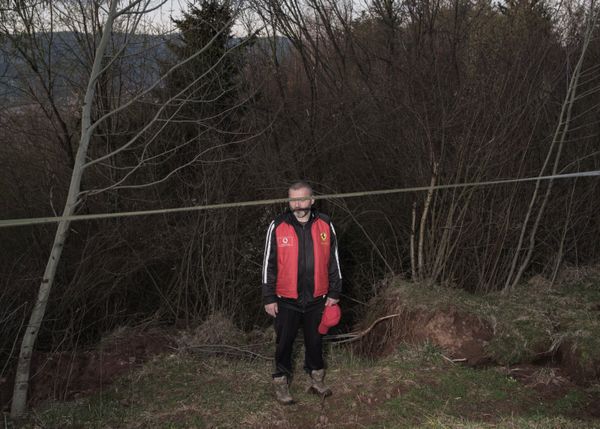
An anonymous man poses for a portrait while recounting his experiences growing up near the Inter-Entity Boundary Line in Sarajevo, Bosnia and Herzegovina. As a teenager in the post-war years, he took part in cross-boundary clashes between youths from both entities.

© Armin Graca - Image from the Points of Impasse photography project
i

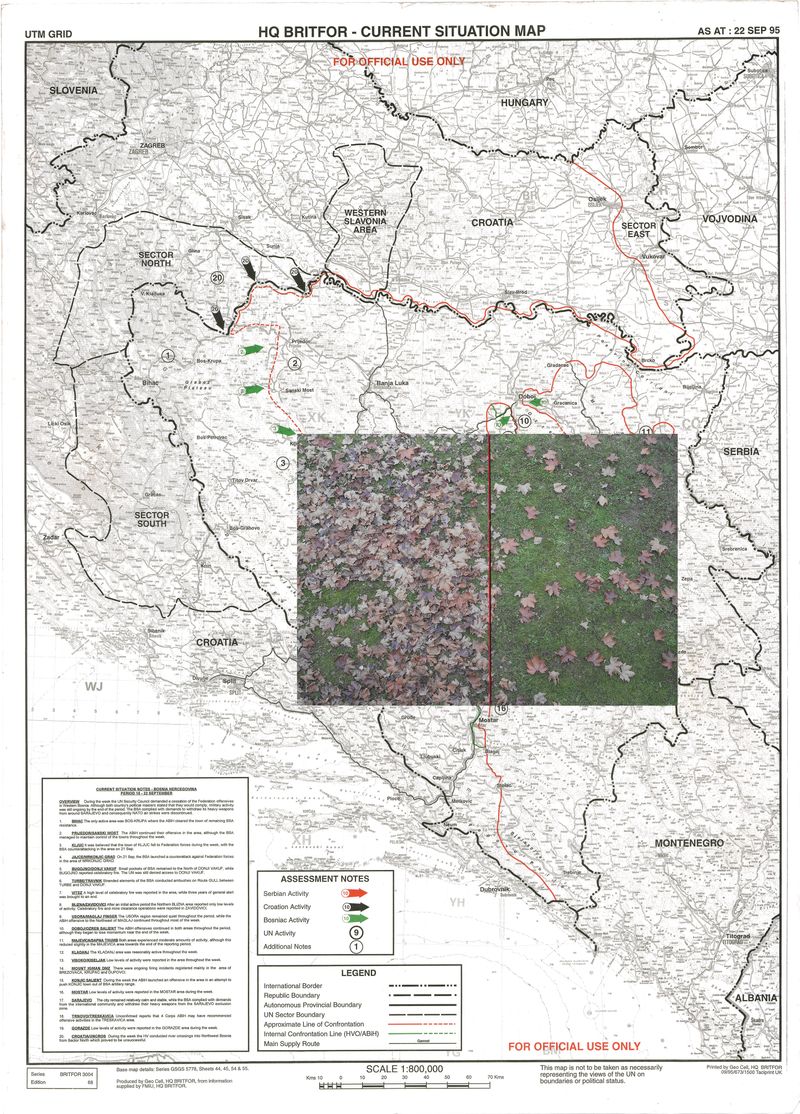
In Dobrinja IV, Sarajevo, fallen leaves were recently cleared along the inter-entity line by RAD "Istočno Sarajevo", but only on the Republic Srpska side of the public garage that sits directly on the boundary between entities. The maintenance of the garage and the surrounding area is a shared responsibility between the two jurisdictions, but only the Republic Srpska side has been cleaned.

© Armin Graca - Image from the Points of Impasse photography project
i

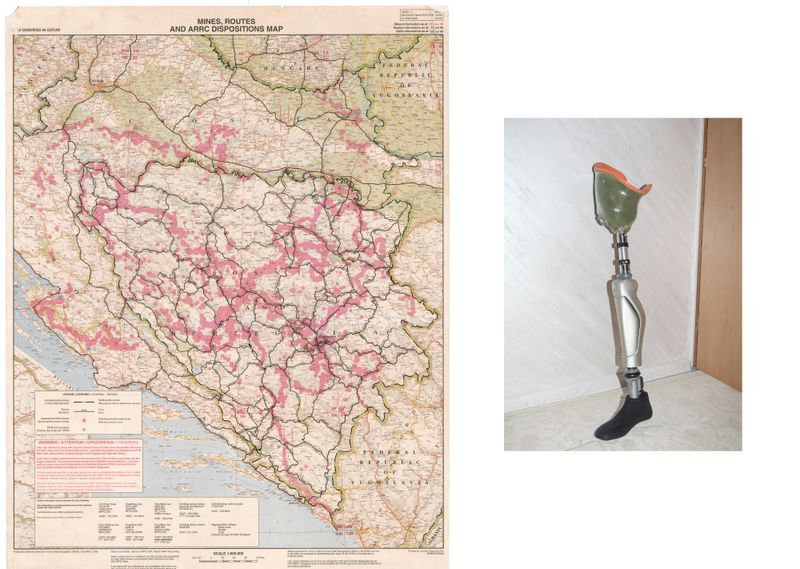
A prosthetic leg stands in the apartment of its owner in Sarajevo, Bosnia and Herzegovina. The country remains one of the most mine-contaminated in the world, with an estimated 180,000 landmines and explosive remnants still buried—many concentrated along the Inter-Entity Boundary Line where frontline positions once stood. Since 1996, more than 1,700 people have been killed or injured by landmines.

© Armin Graca - Image from the Points of Impasse photography project
i

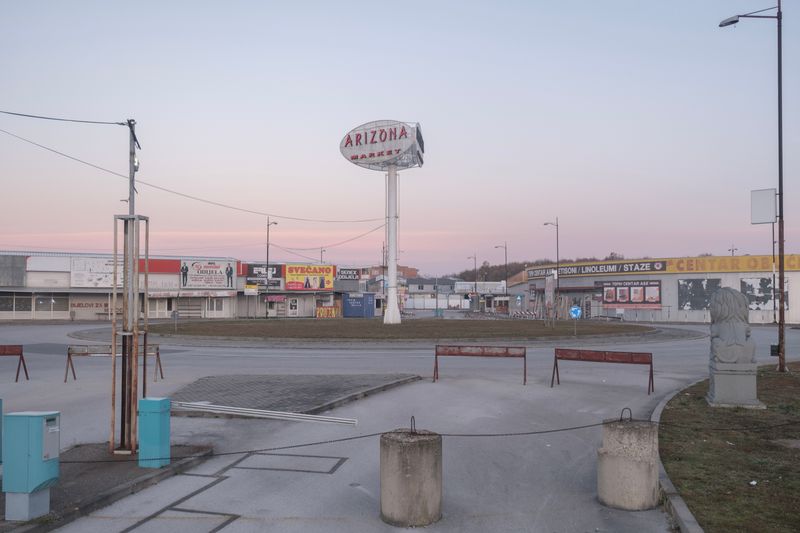
Arizona Market is seen at sunrise near Brčko, Bosnia and Herzegovina. Established after the 1995 Dayton Peace Agreement on land cleared of mines by international forces, the market became the first post-war inter-entity trading site and one of the largest open-air markets in the region.

© Armin Graca - Image from the Points of Impasse photography project
i

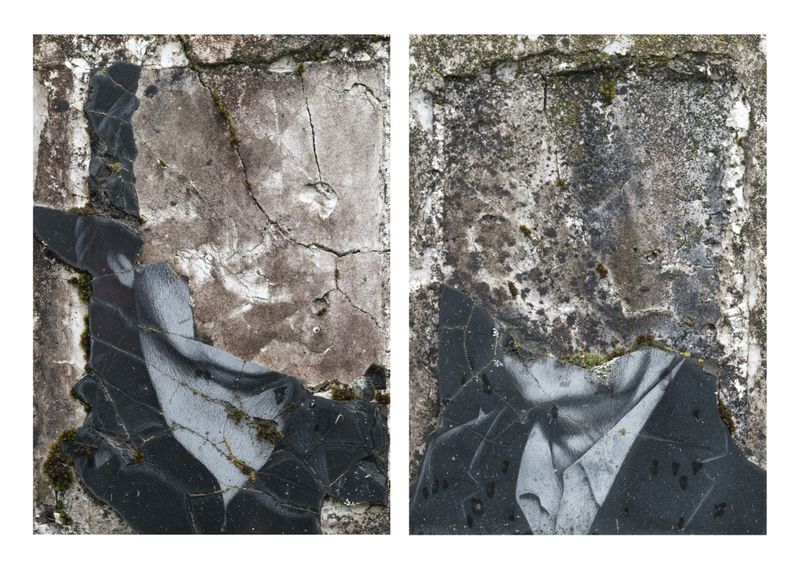
A broken ceramic portrait is seen on a gravestone in the cemetery of the 15th-century Church of Saint George in Sopotnica, Novo Goražde. The memorial photograph was damaged during the Bosnian War, when soldiers of the Army of the Republic of Bosnia and Herzegovina vandalized the site.

© Armin Graca - Image from the Points of Impasse photography project
i

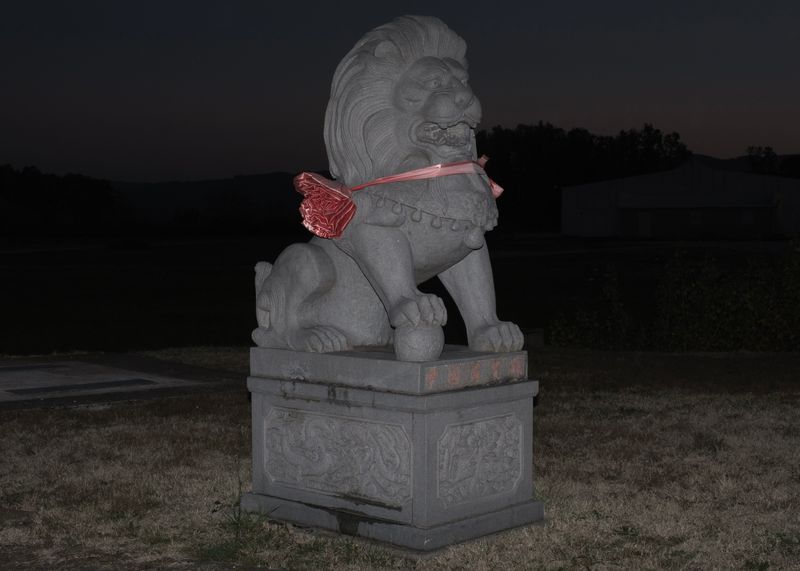
A stone lion statue stands in front of the unfinished site of the planned Chinese Shopping Center at Arizona Market near Brčko, Bosnia and Herzegovina. The large commercial complex was never completed.