Parabola

-
Dates2025 - Ongoing
-
Author
- Topics Social Issues, Contemporary Issues, Archive
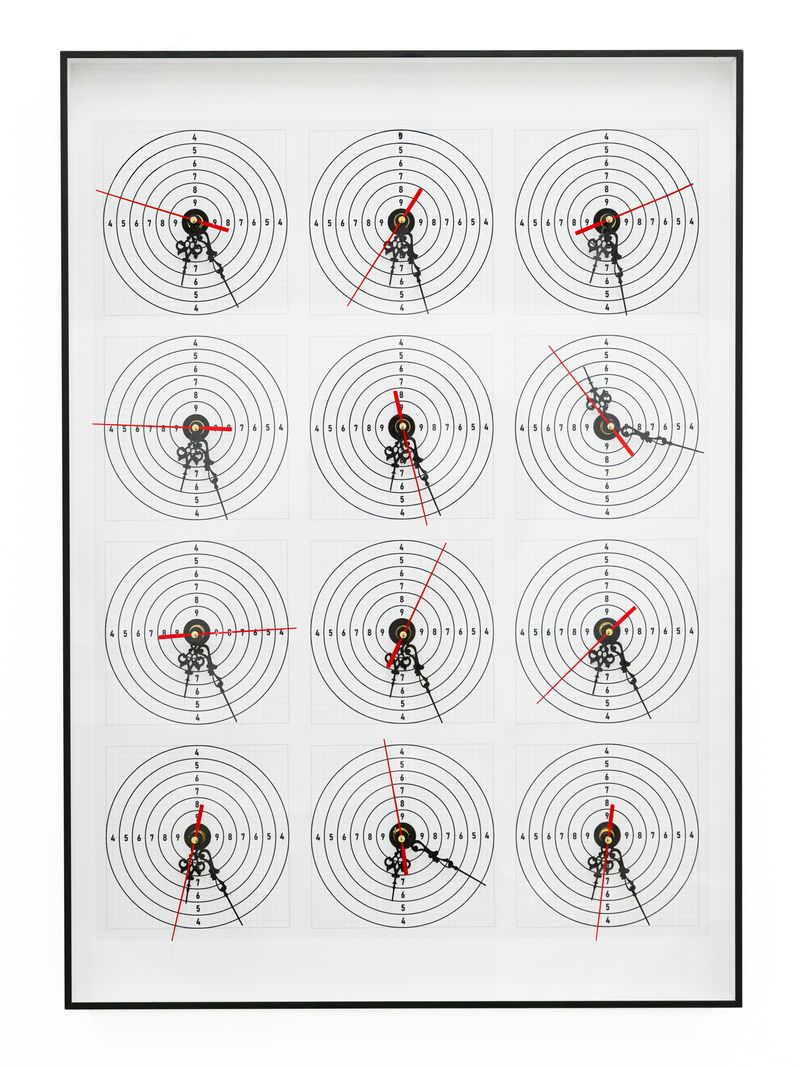
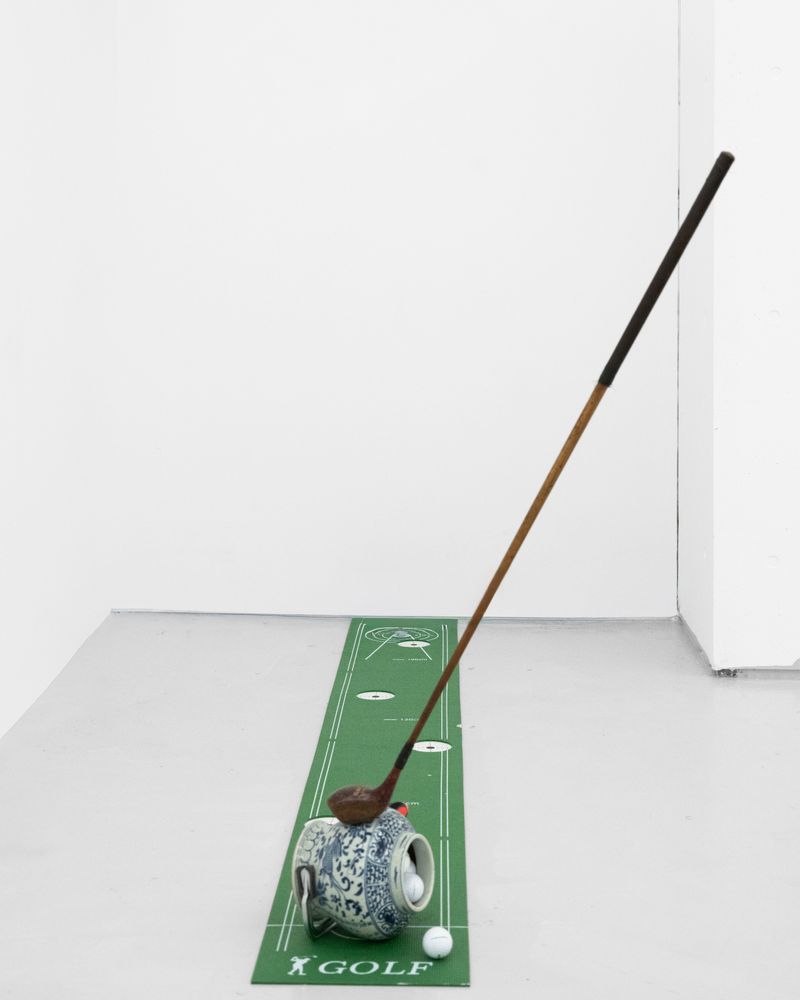
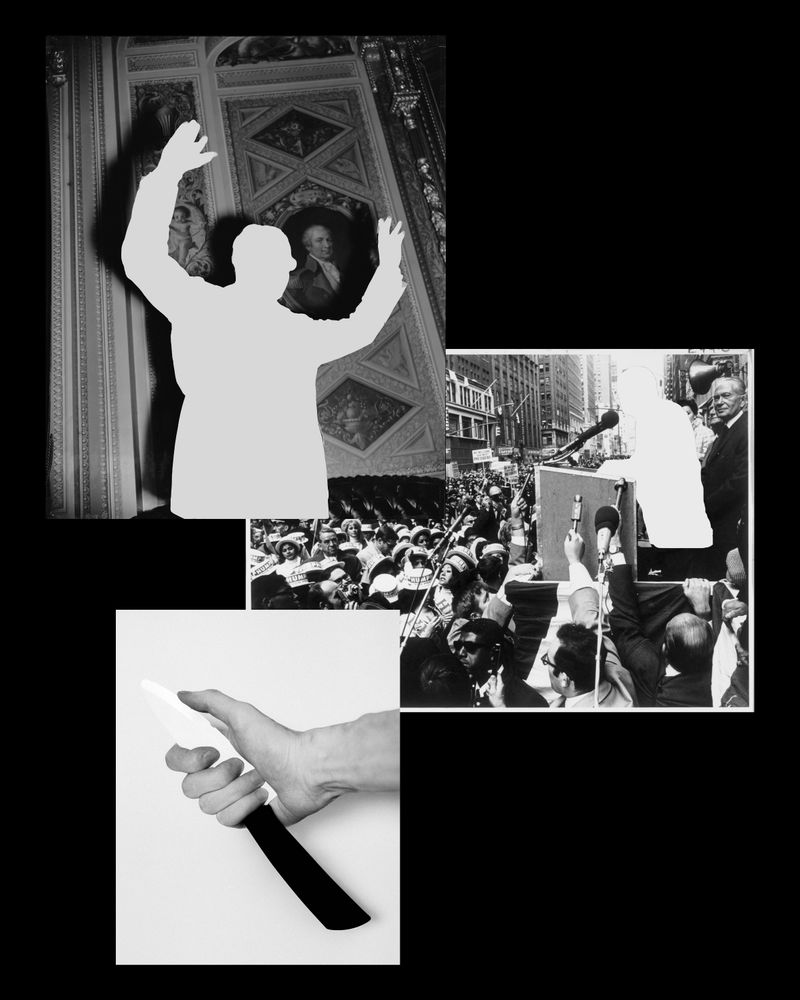
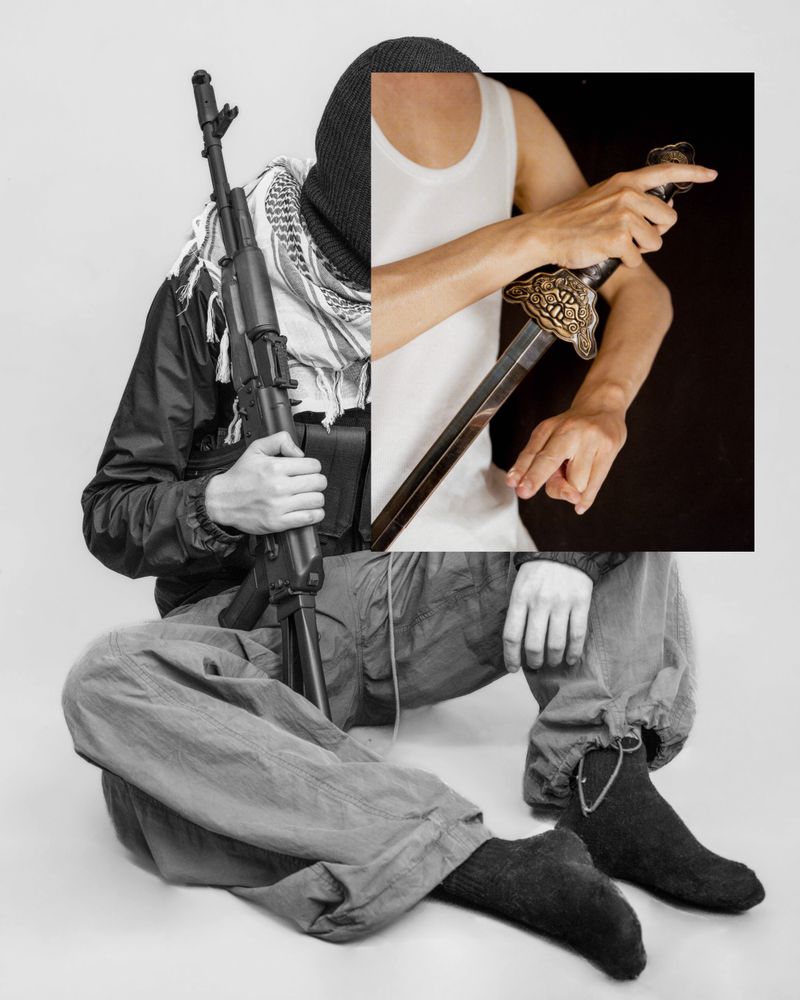
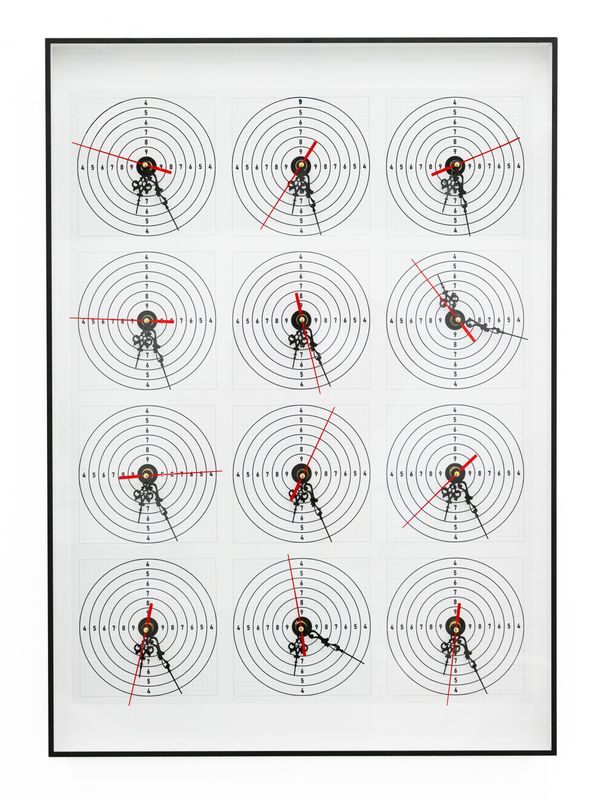
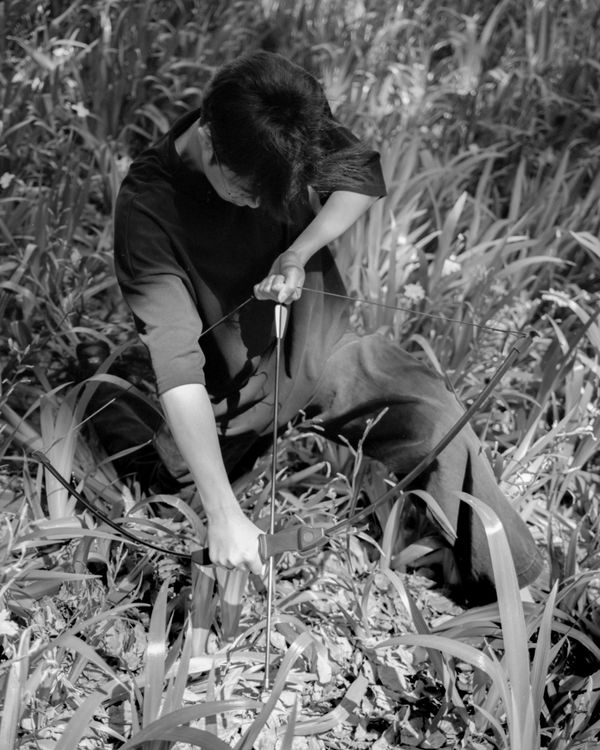
Parabola traces throwing from stones and spears to firearms and missiles, examining the trajectory as a structure of speed, distance, and power, and how technology transforms violence, responsibility, and the relation between actor and target.
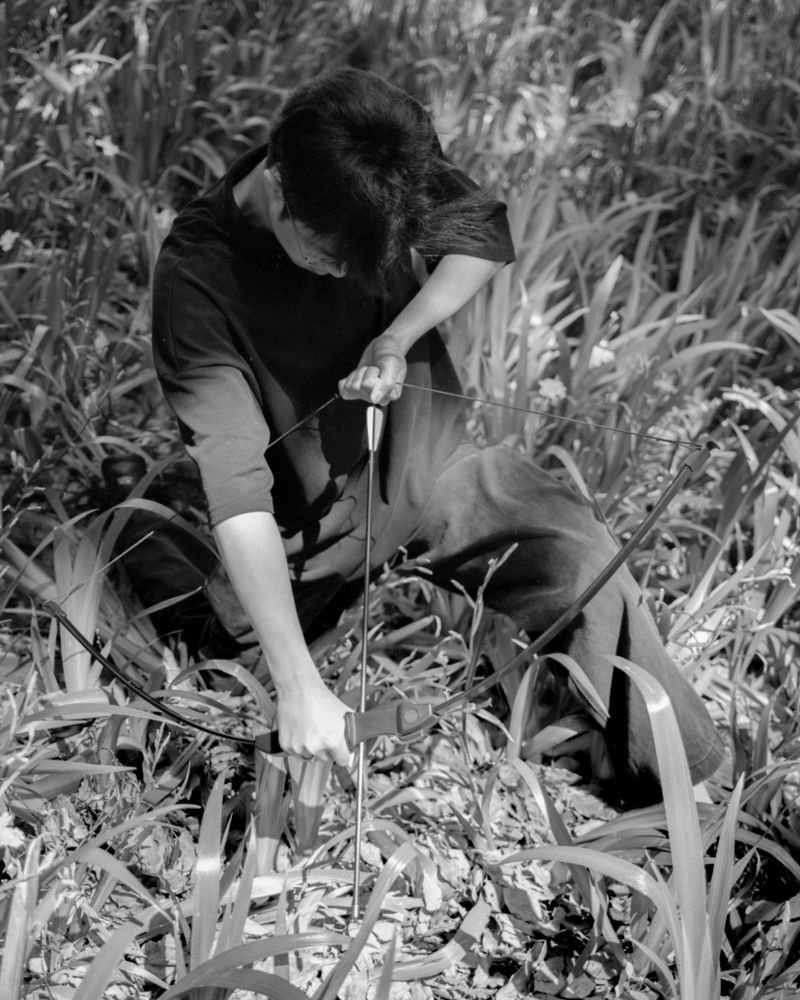
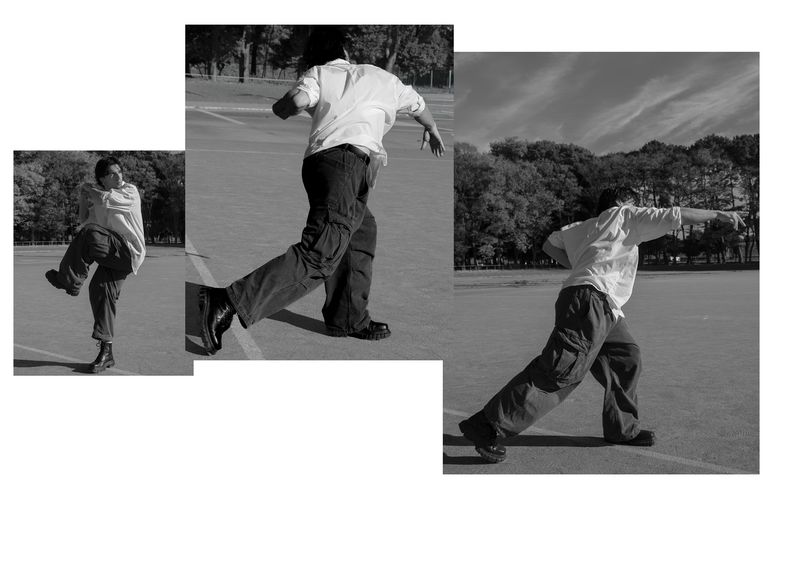
Throwing is one of the earliest human gestures for creating distance. Beginning with stones and spears, it extended the range of the body and allowed violence to operate beyond direct physical contact. Since the Paleolithic era, throwing has connected the body with technology. By producing a trajectory, it expands the range of human action, while the parabola becomes a spatial structure shaped by distance, speed, and force.
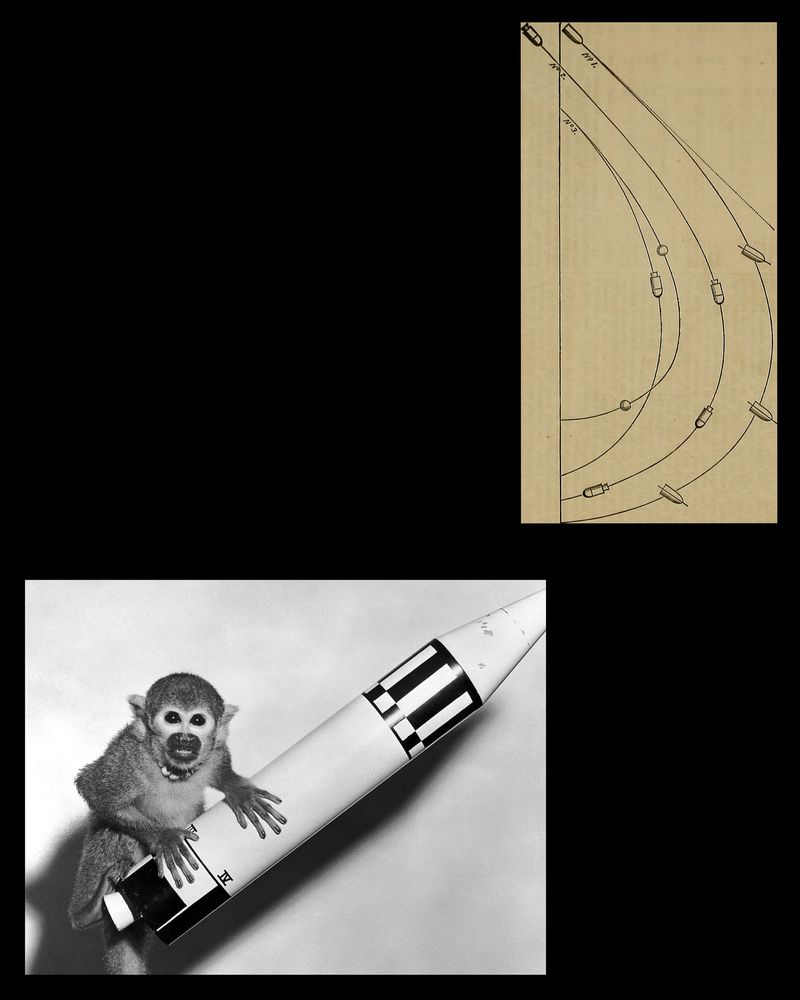
With the development of metal, gunpowder, and mechanical technologies, throwing became increasingly mechanized. Firearms and cannons extended the logic of the arm and the stone, while missiles and rockets expanded this structure further. Speed and distance continue to reshape the scale of violence and produce an asymmetric relation between actor and target. As Paul Virilio observed in his writings on speed and warfare, modern conflict increasingly depends on reaching faster and acting across greater distances.
Throwing also appears as an ordinary gesture in hunting, warfare, sport, and entertainment. Distance reduces direct contact between actor and target and changes how responsibility is perceived and assumed. Contemporary remote weapon systems further technologize and institutionalize this mechanism.
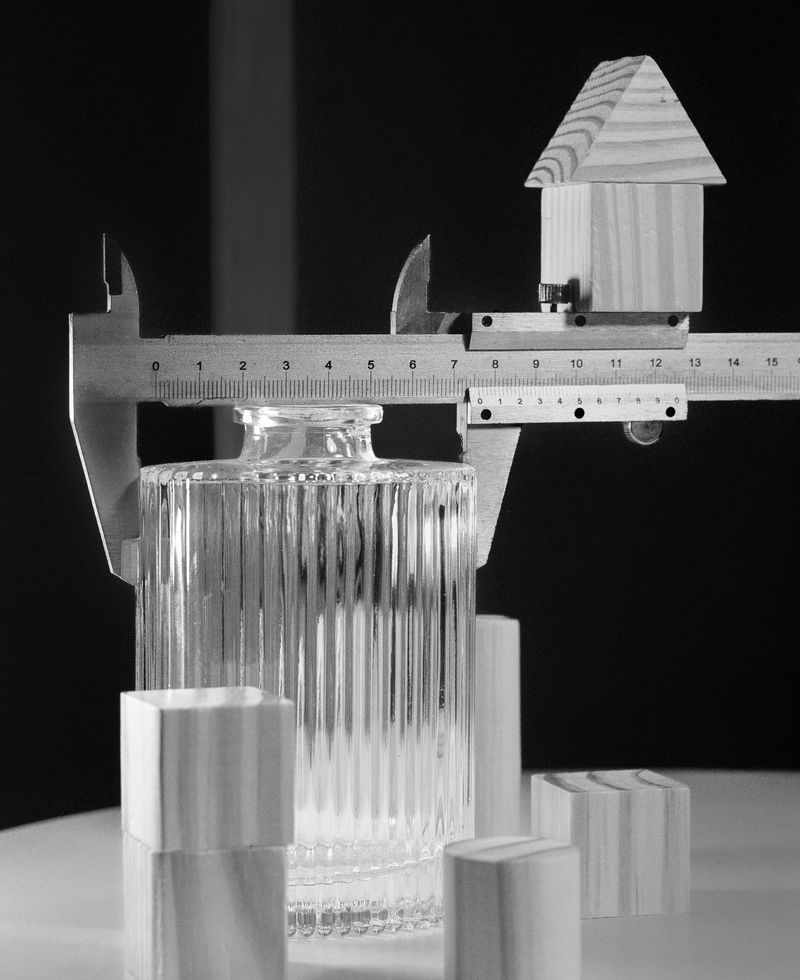
From a topological perspective, the trajectory of throwing connects origin and target while producing a gap of responsibility between them. Parabola reexamines this fundamental gesture through anthropology, technological history, and political theory, tracing its persistence within the structures of modern violence.