Out of the Ash
-
Dates2025 - Ongoing
-
Author
- Topics Social Issues
- Location Santiniketan, India
Witchcraft was hung, in History, But History and I Find all the Witchcraft that we need Around us, every Day— Emily Dickinson 1583
Growing up in Bengali culture, I was very familiar with the word ‘Daini’. A word with origins in folklore, that is used to talk about any woman who is considered outcast, evil or malignant by society. It is a word familiar through different children’s stories and literature such as ‘Thakurmar Jhuri’ (Bengali Children's Book), where it serves as a moral warning against digression from social norms.
‘Daini’ is also a term used widely in the region to brand women as witches, to punish them, target them and hunt them. Witch hunting is still widely prevalent across many regions of Bengal. As late as 2024, two women from birbhum district were beaten to death in allegations of witchcraft.
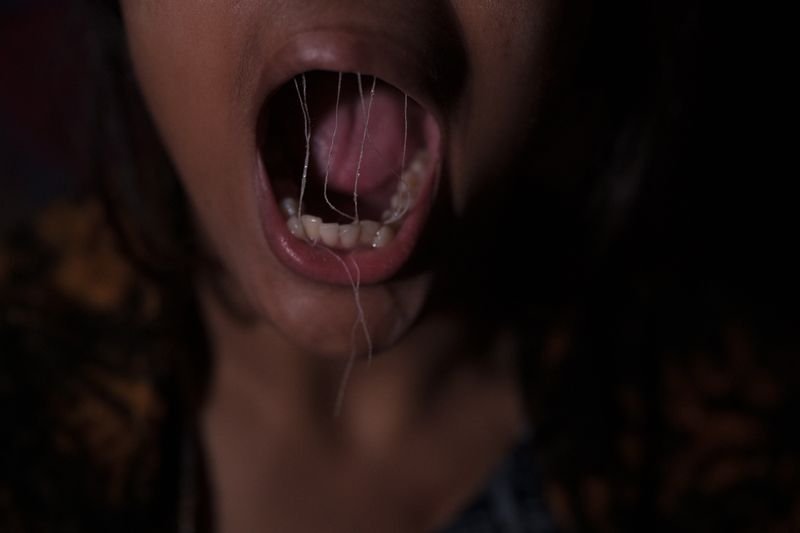
During research I came across multiple case studies from the region, some where women accused of stealing girls' voices were alleged and punished as witches, others where death of someone in the village led to the allegation of witchcraft and subsequent killing of the woman by the mob.
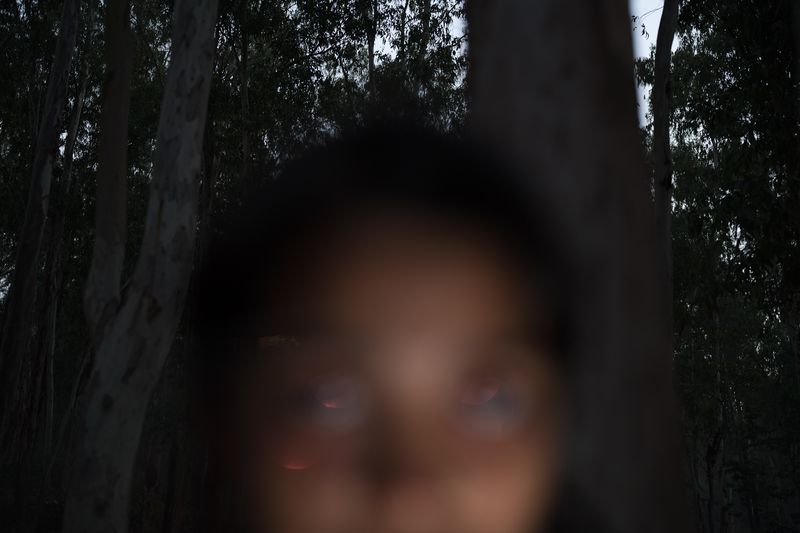
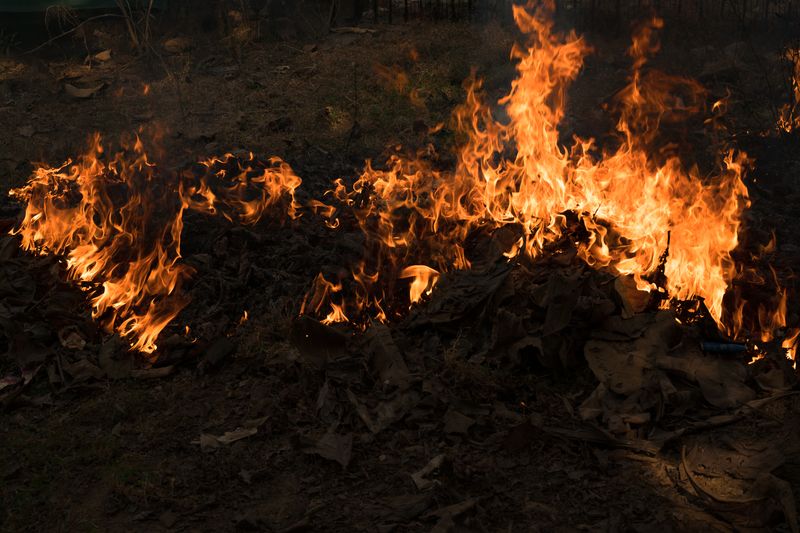
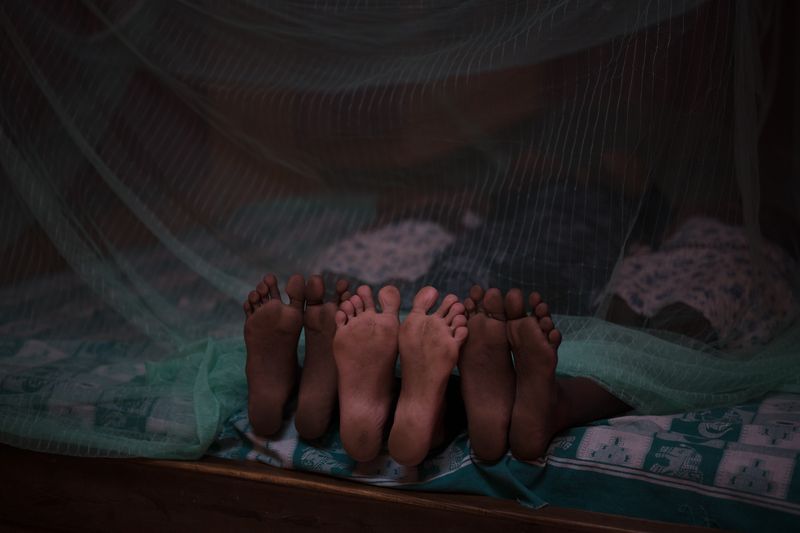
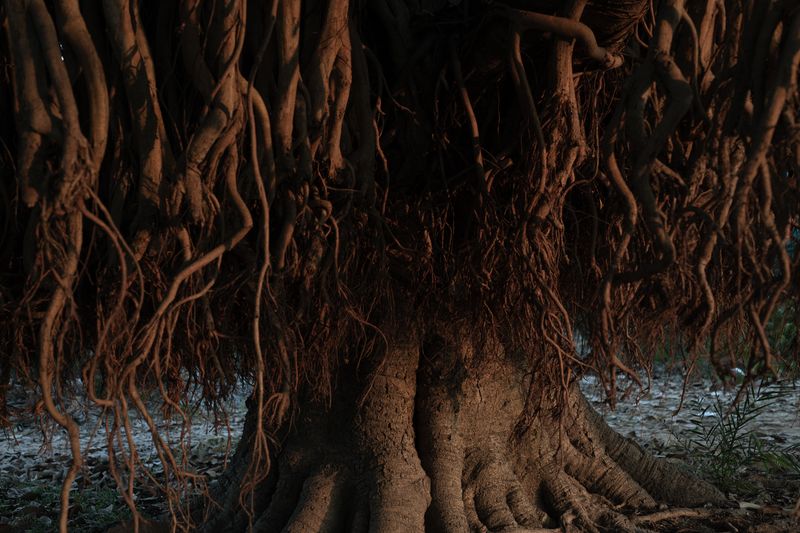
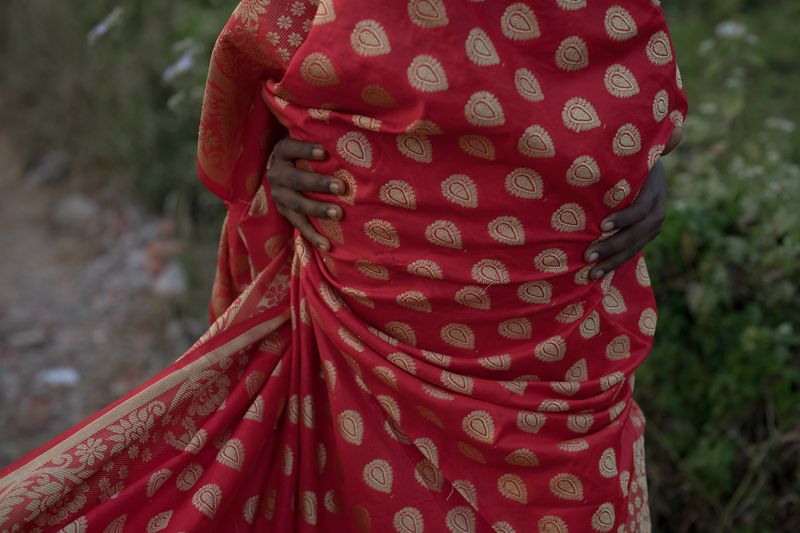
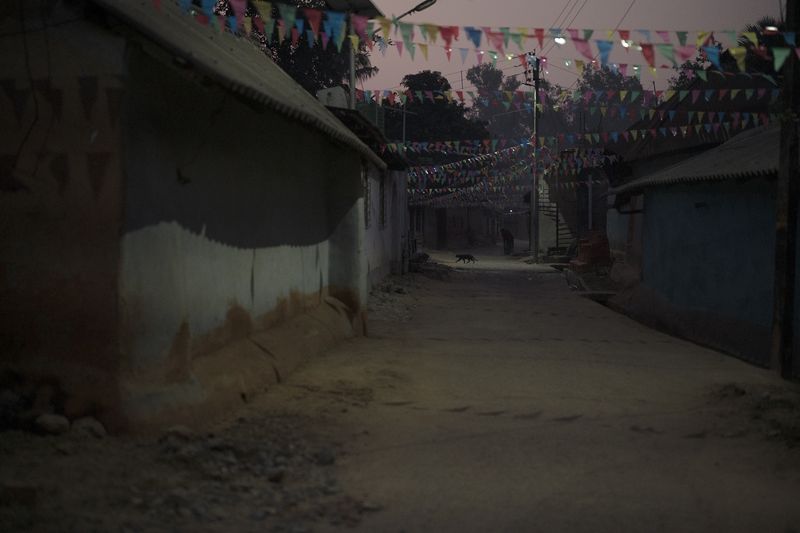
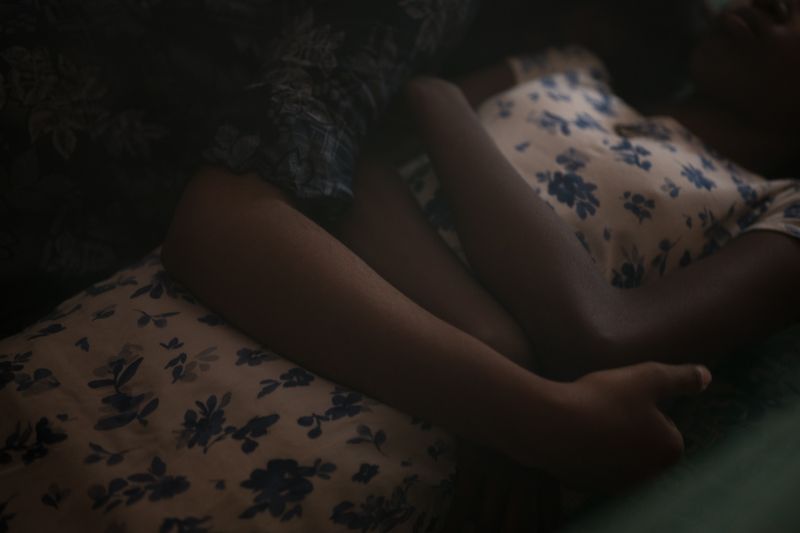
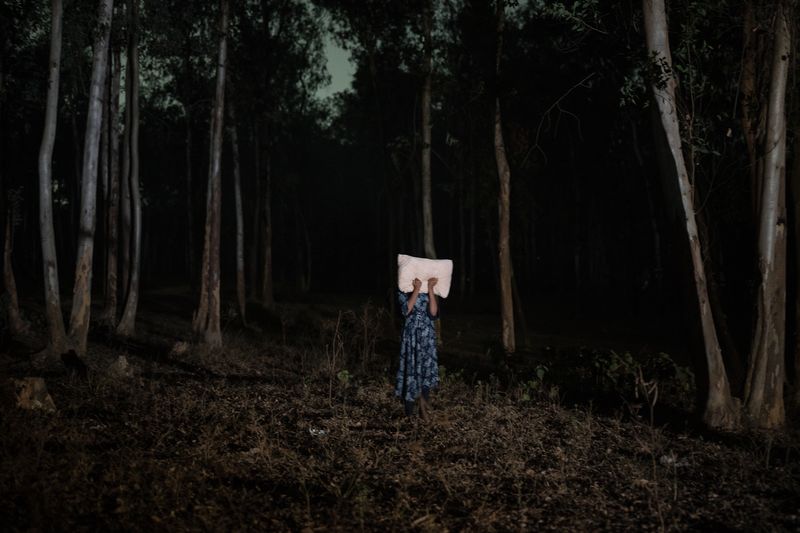
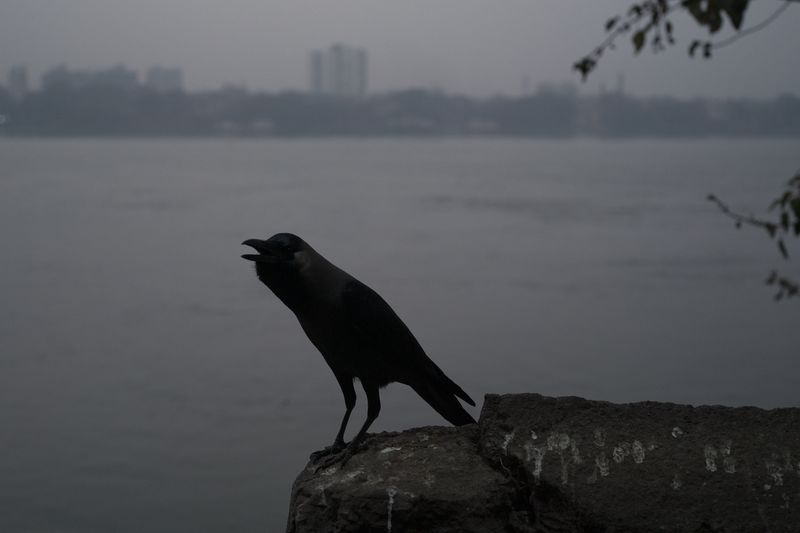
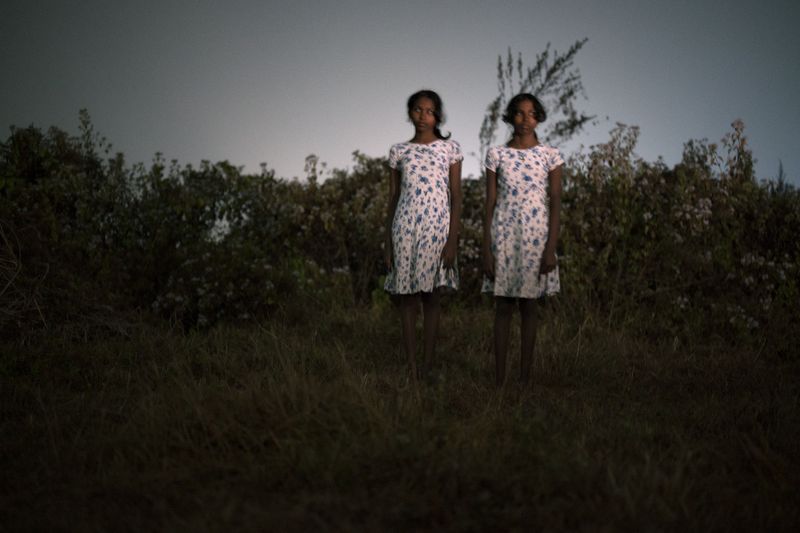
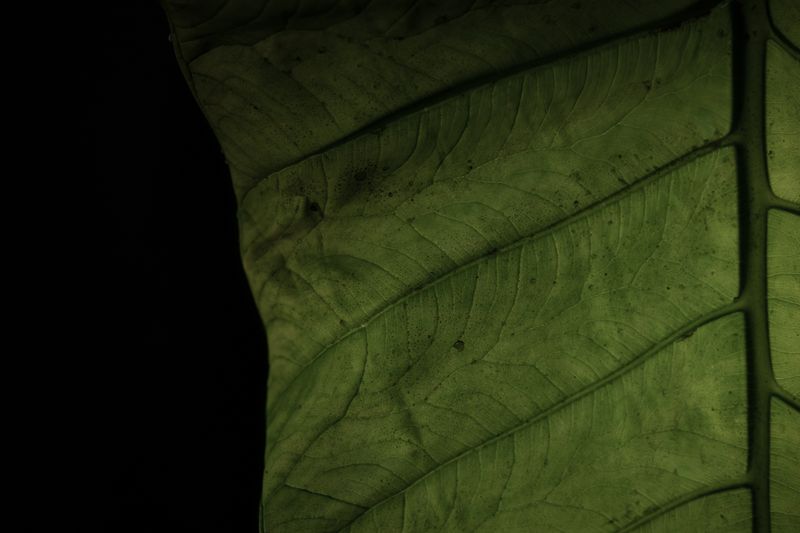
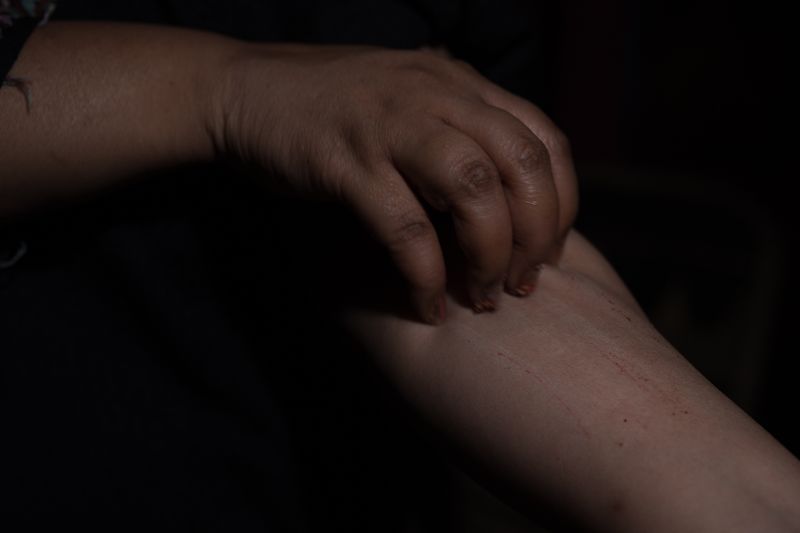
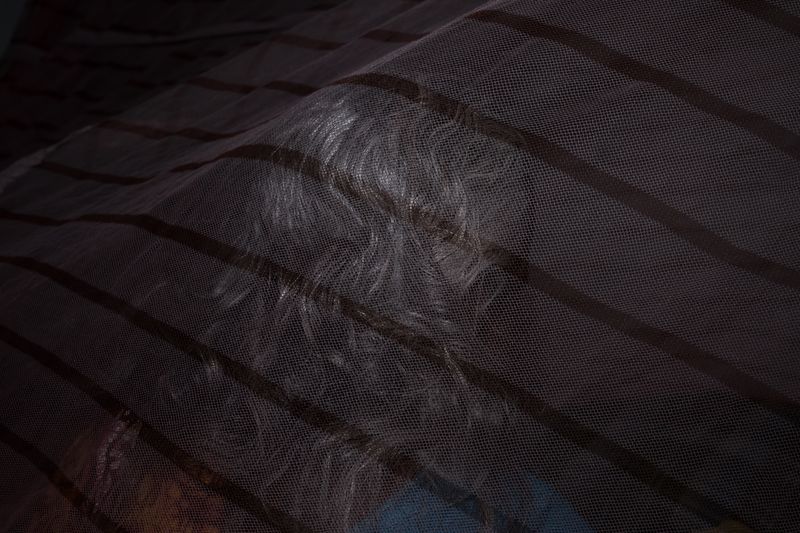
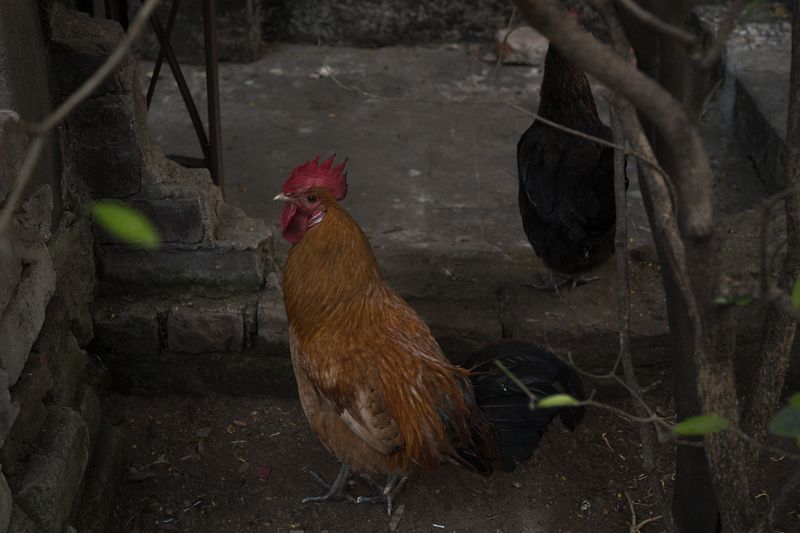
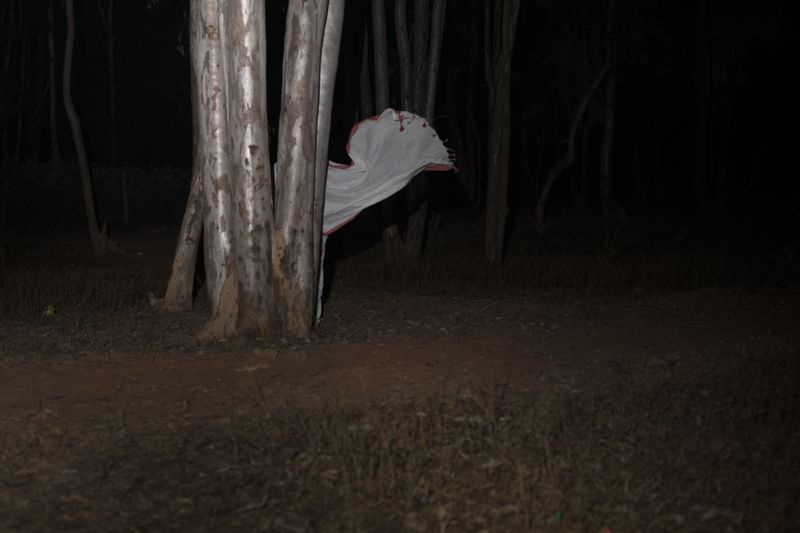
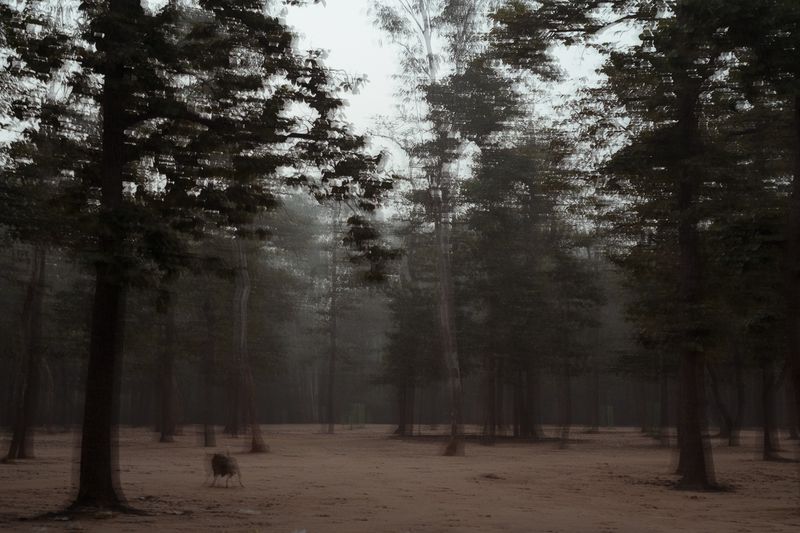
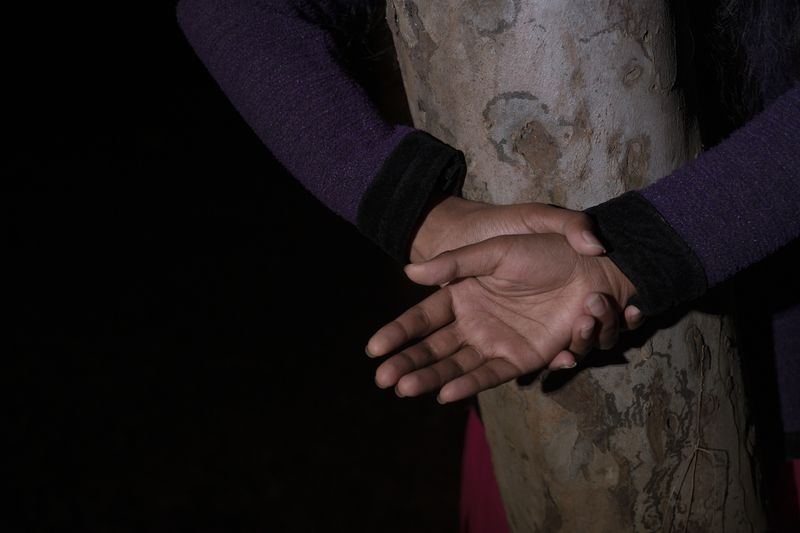
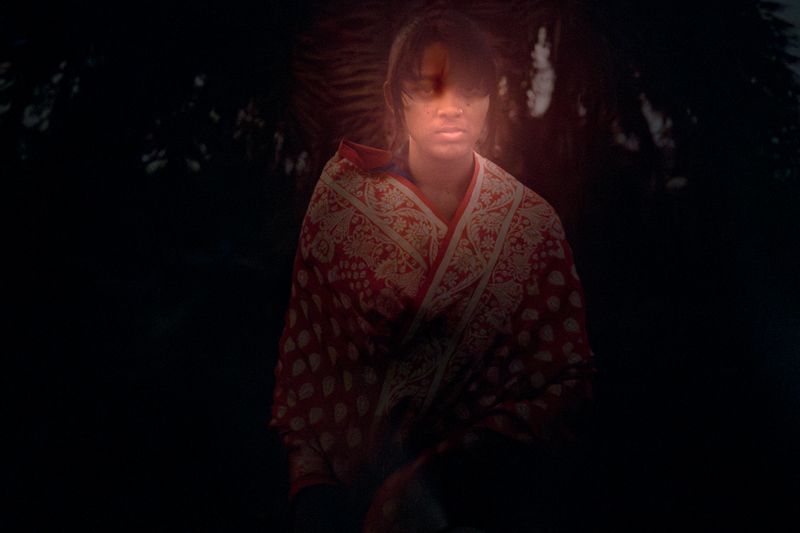
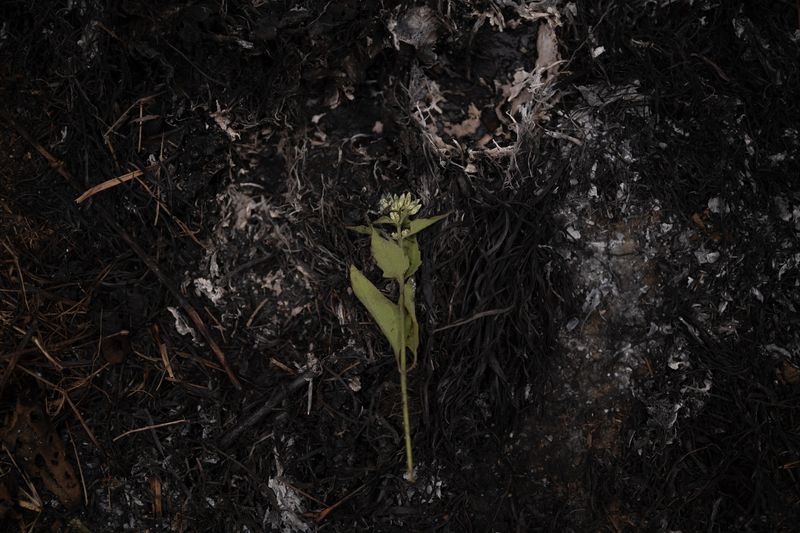
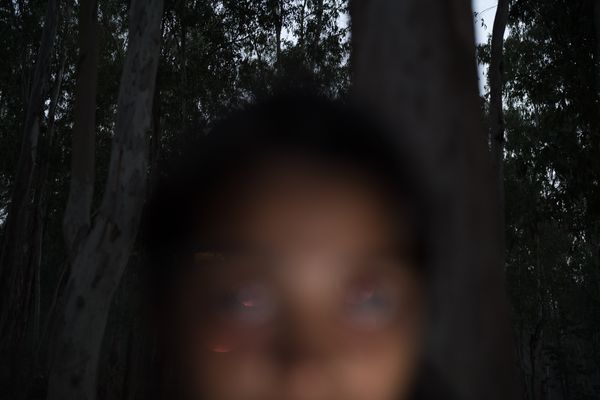
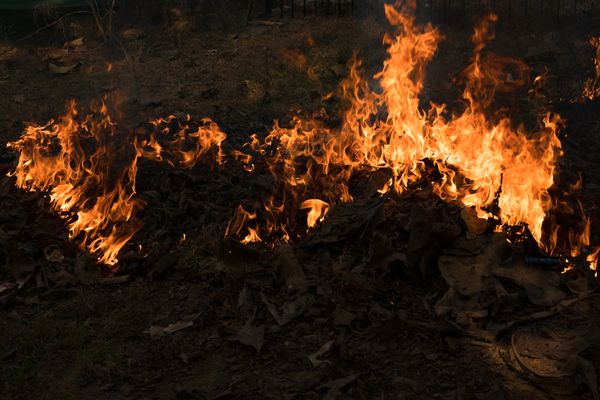
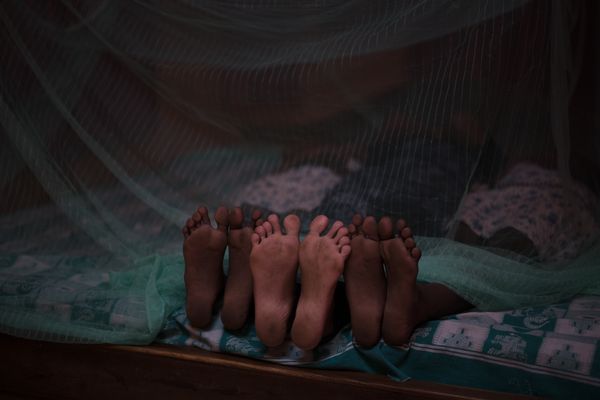
This violence of witch hunting, rooted in superstitious beliefs, stories, and mythology, leaves behind a loss of language. To navigate this rupture, the visual language of the uncanny allows me to trace the intermingling of folklore and reality, and how women’s bodies become sites of fear, projection, and collective punishment.
Folklore and the supernatural hold space for what cannot be resolved. It is a language through which silenced experiences are remembered, claimed, and retold.