Origins
-
Dates2019 - Ongoing
-
Author
My work deals with the issues of colonialsm, capitalism and slavery in Minas Gerais, Brazil.
Origins
Origins is a body of work attempting to scratch the surface of a rich but brutal
history. A history of discovery and exploitation in the mineral rich area of
Minas Gerais, Brazil (in Portuguese the word exploração translates to both
exploitation and exploration). My work cannot even begin to describe the
wounds left on the earth and humanity by the avarice of man, I can only try
to document the marks left behind.
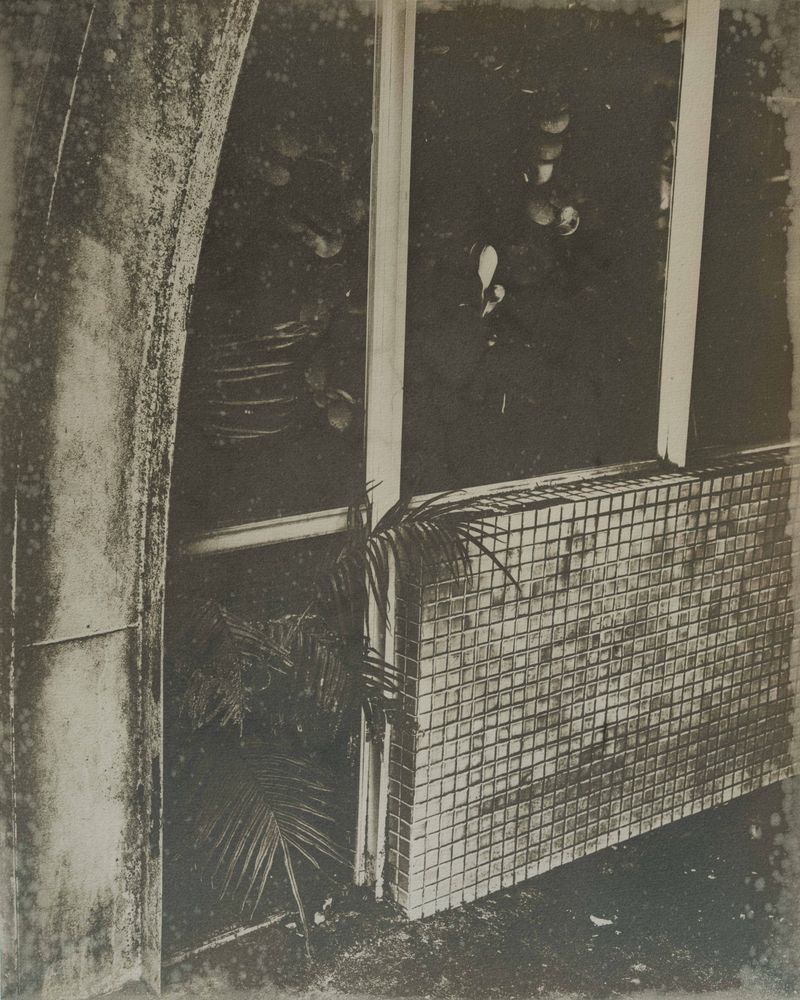
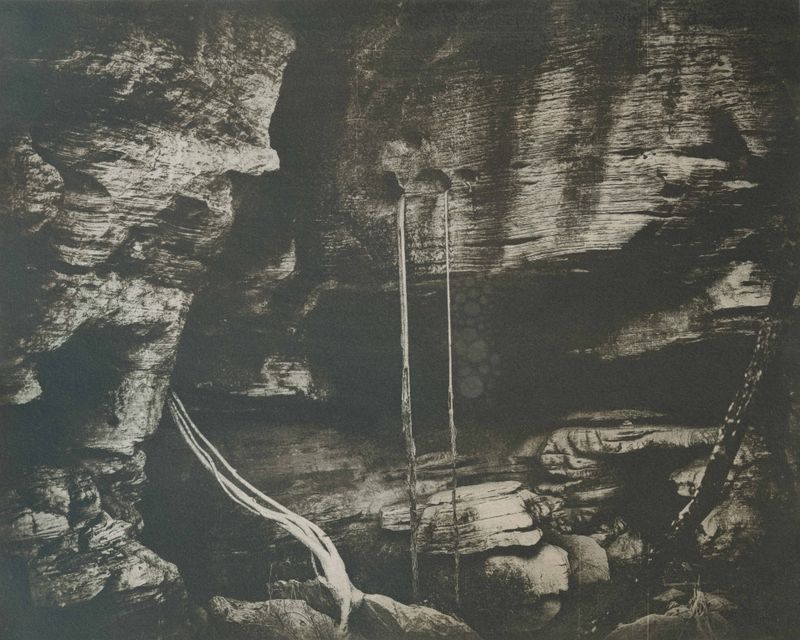
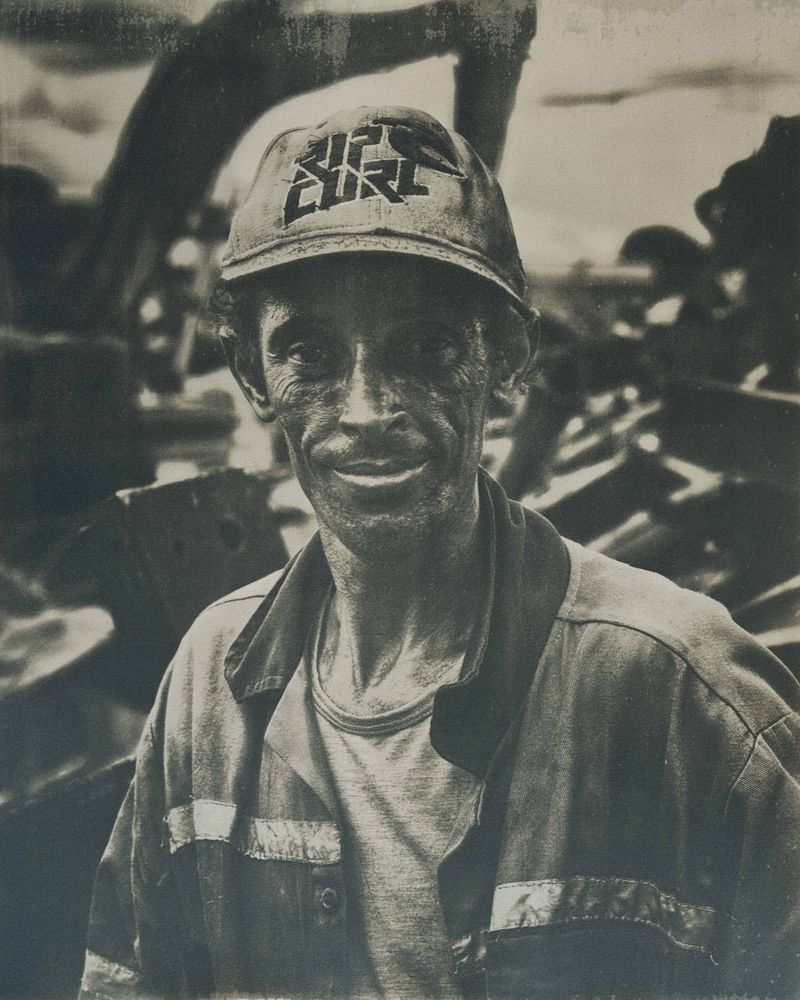
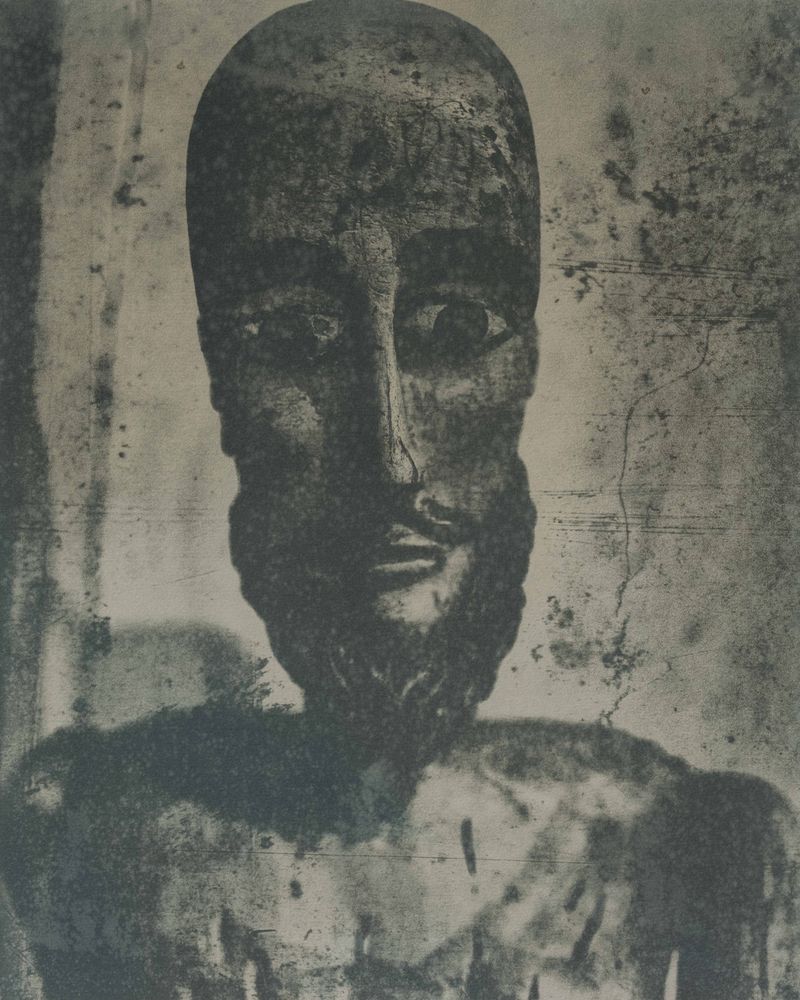
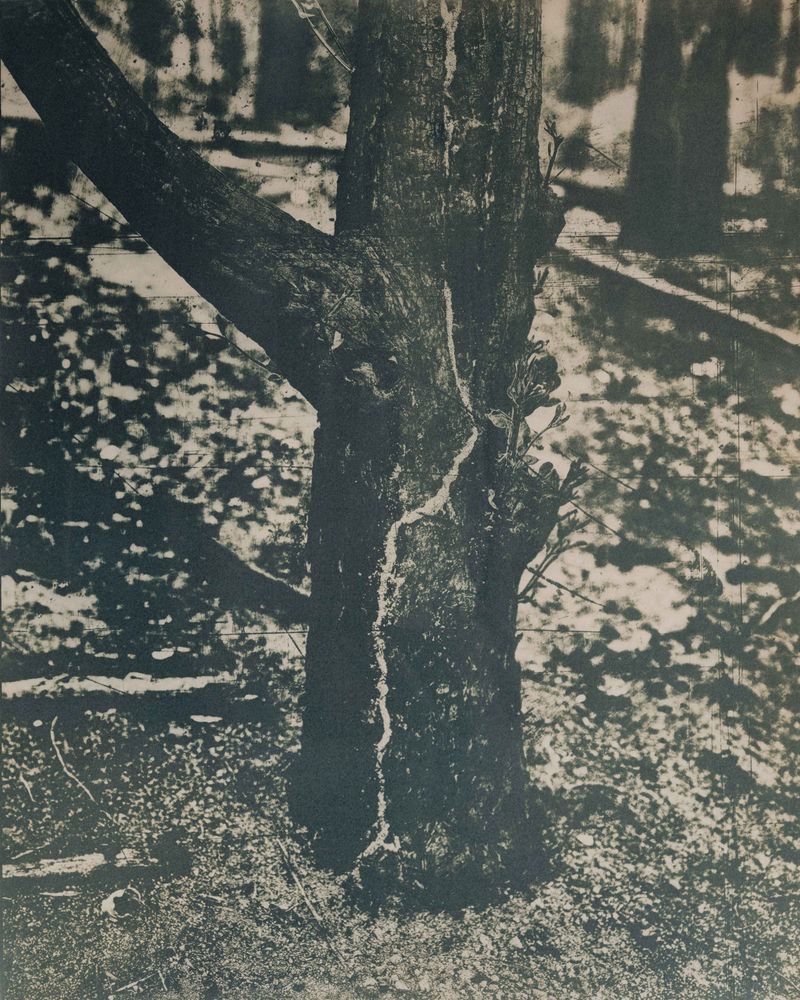
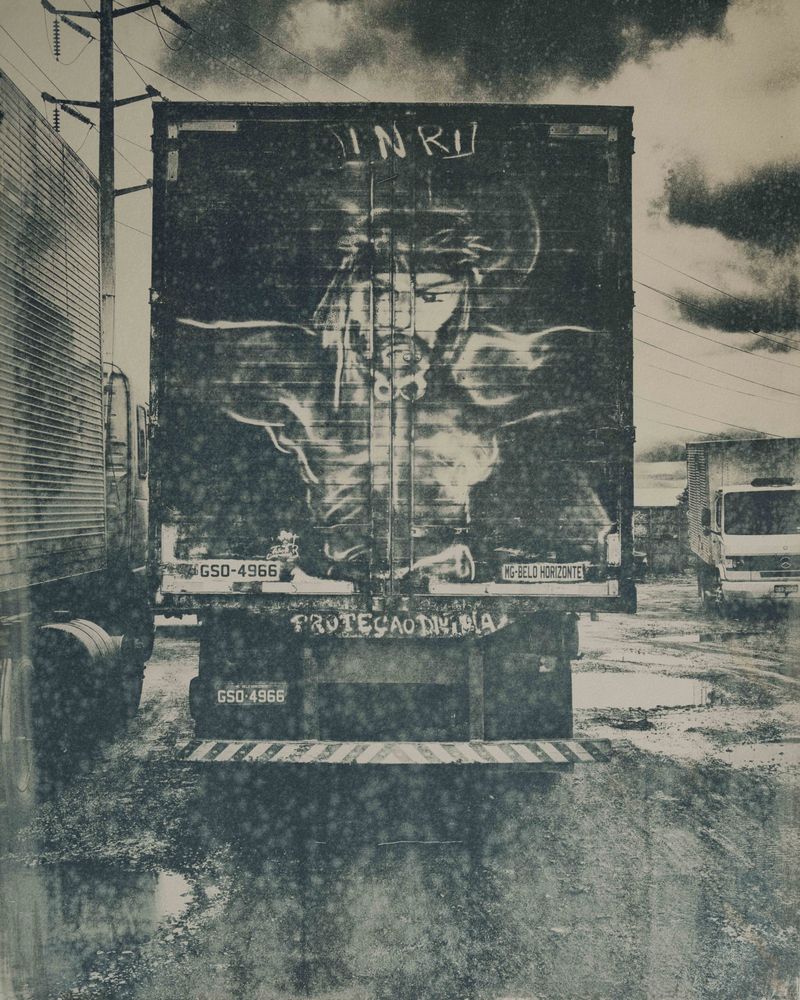
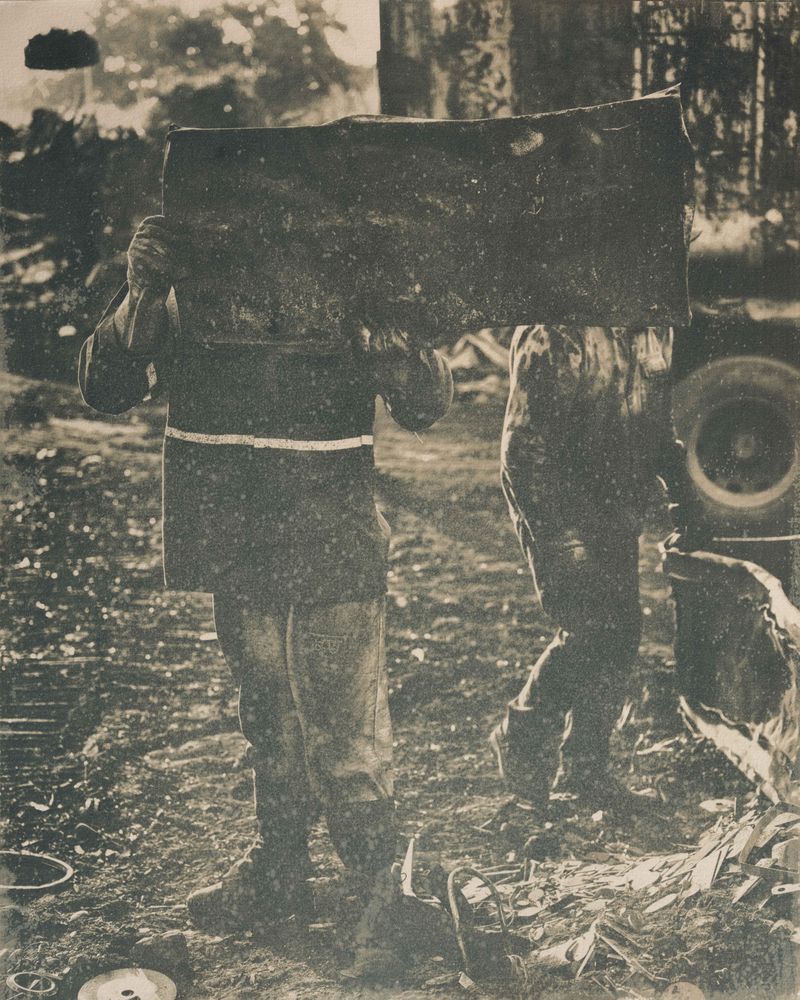
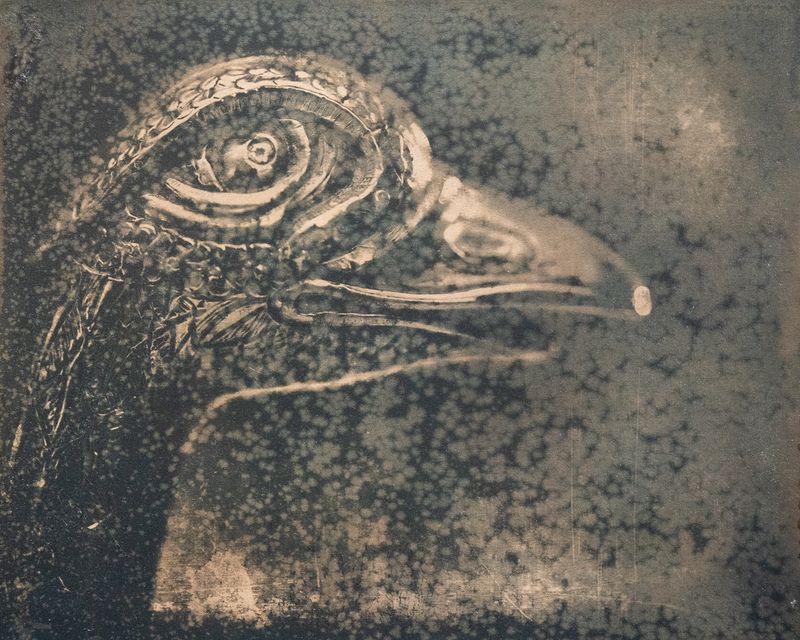
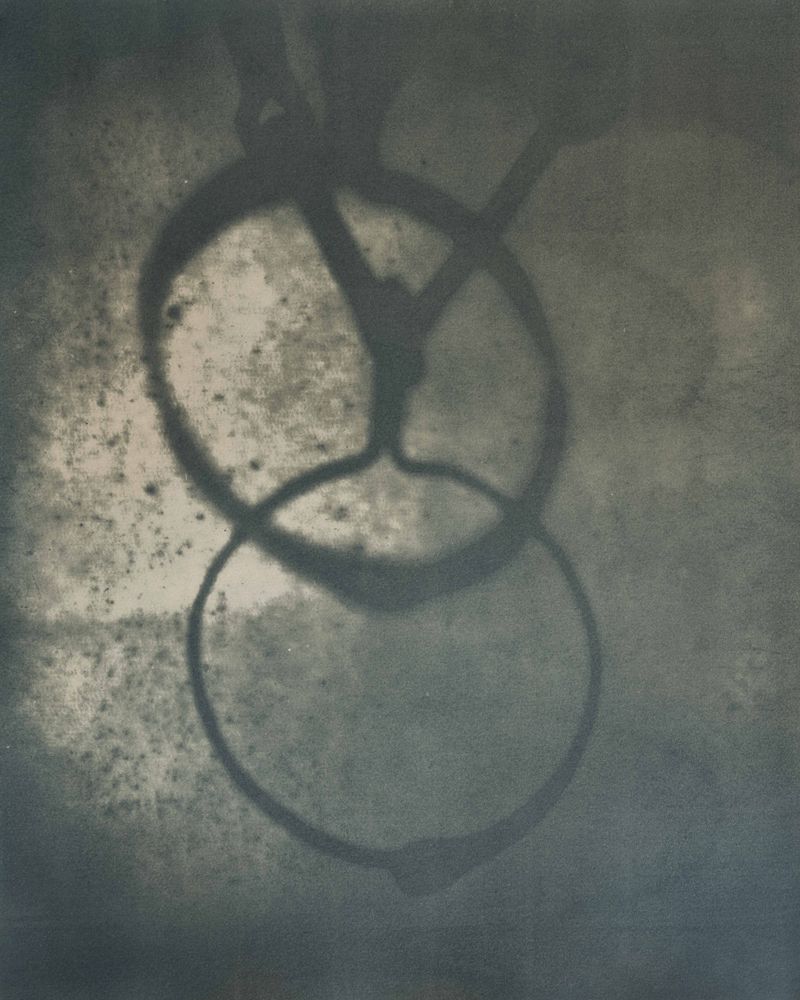
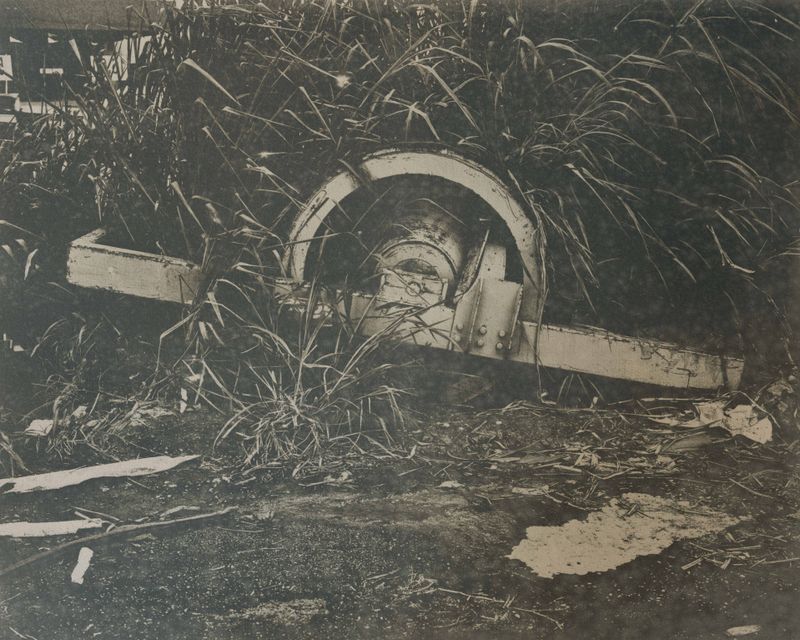
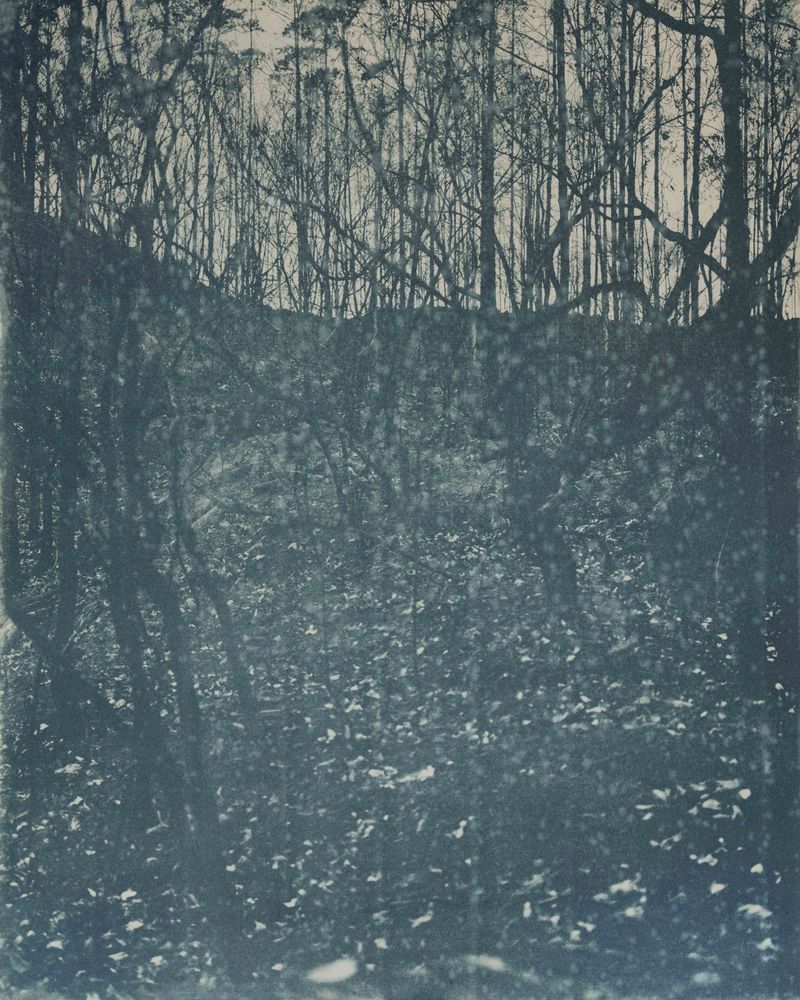
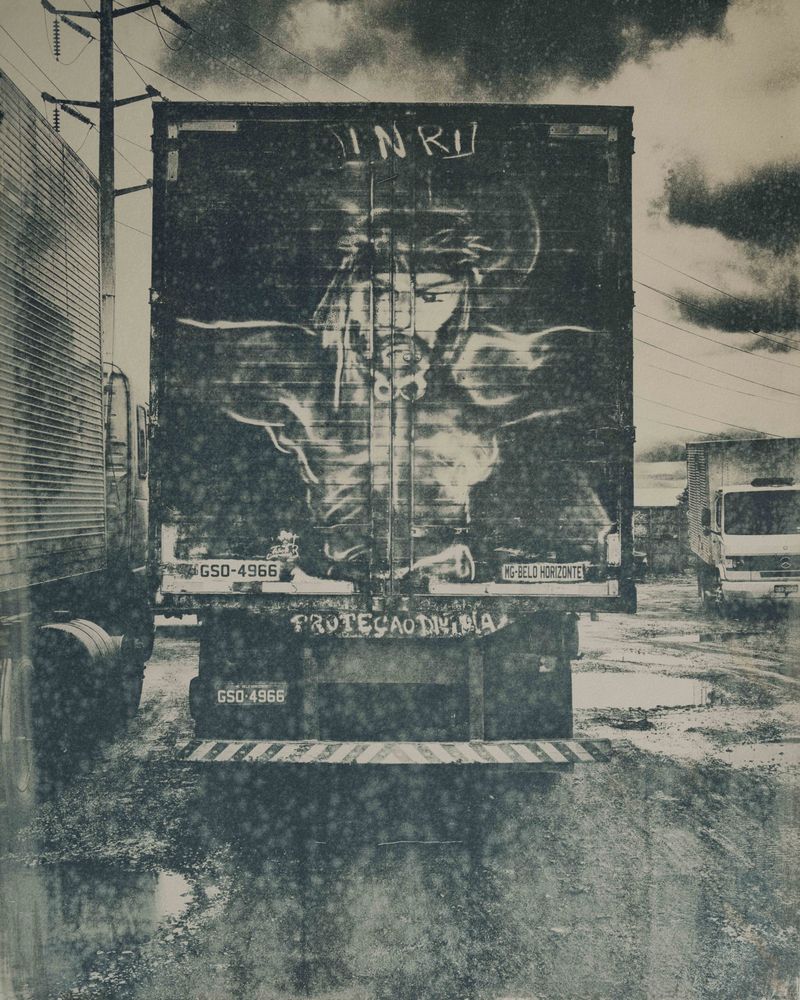
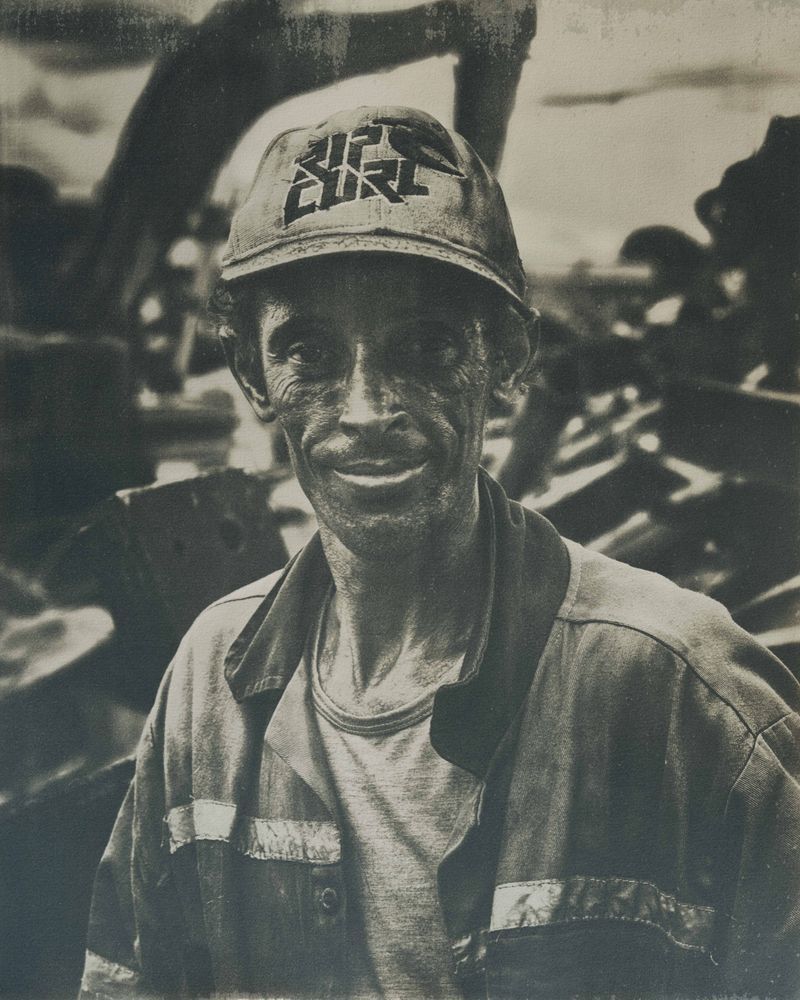
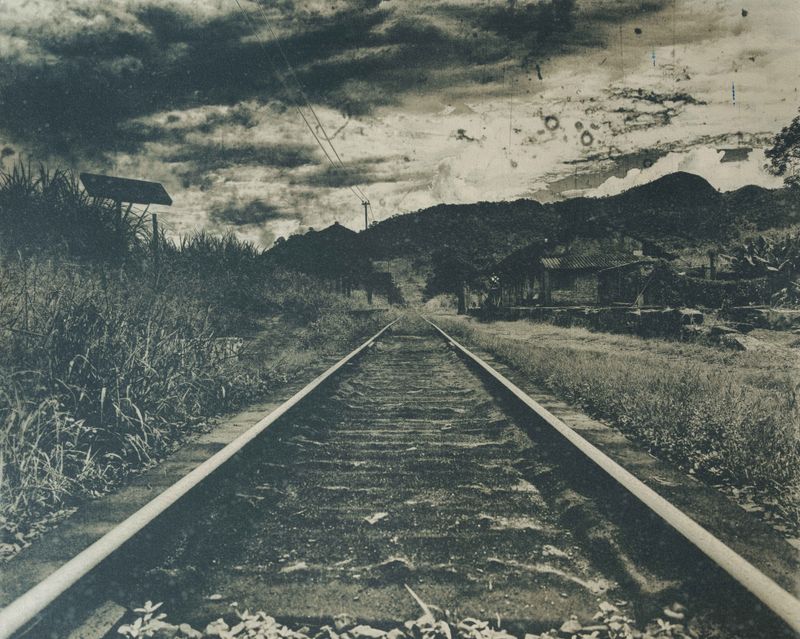
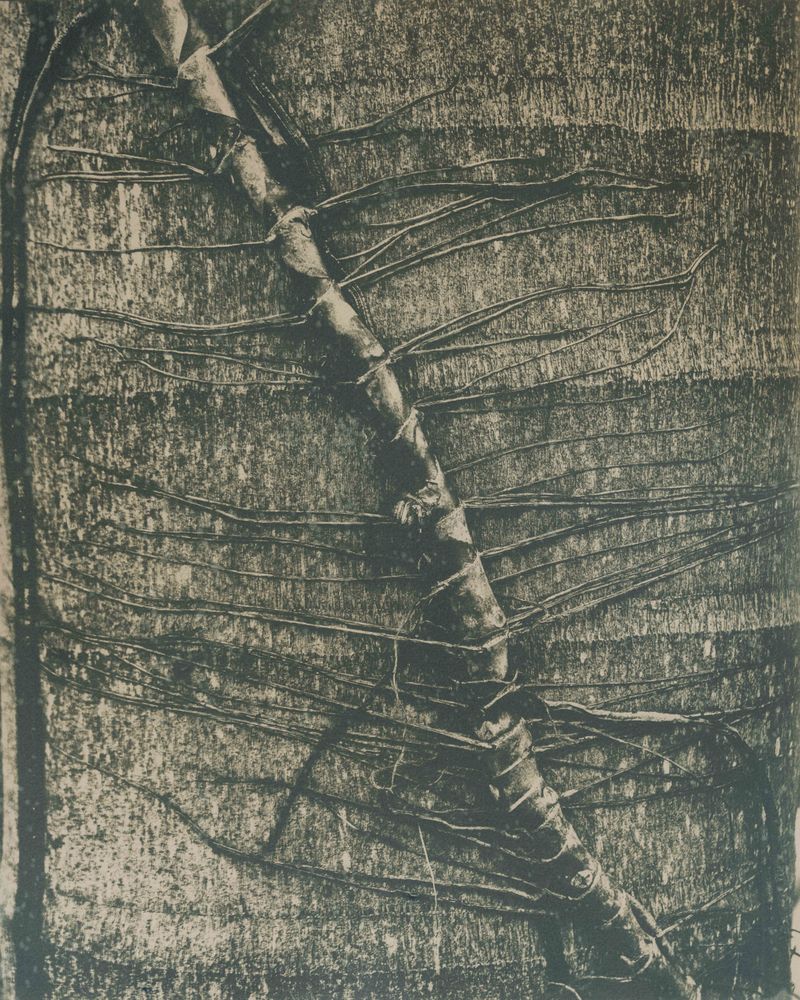
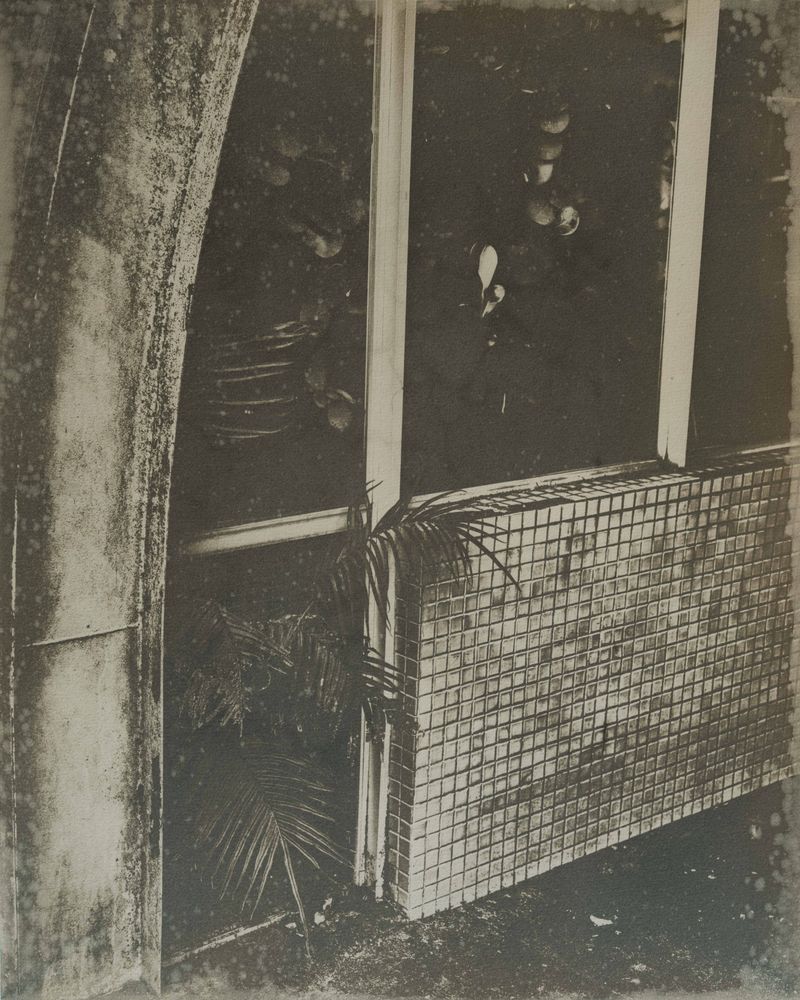
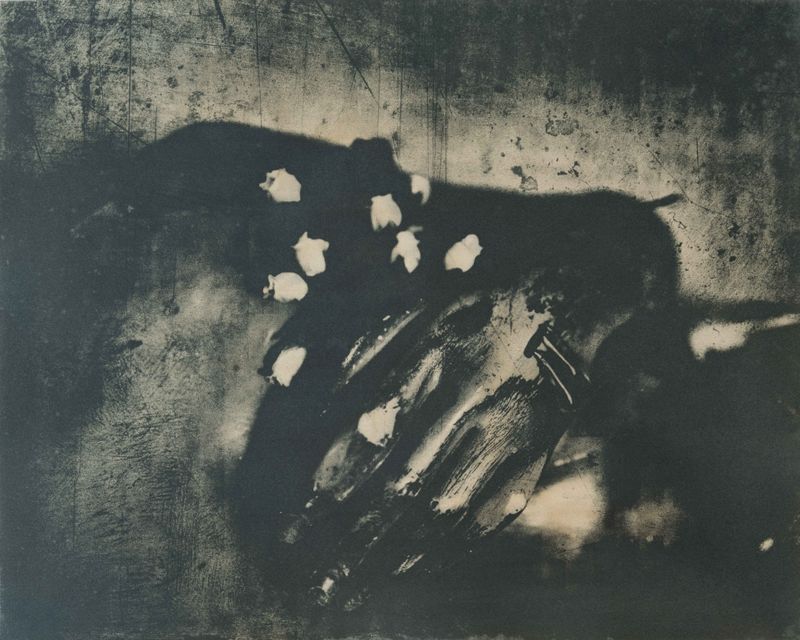
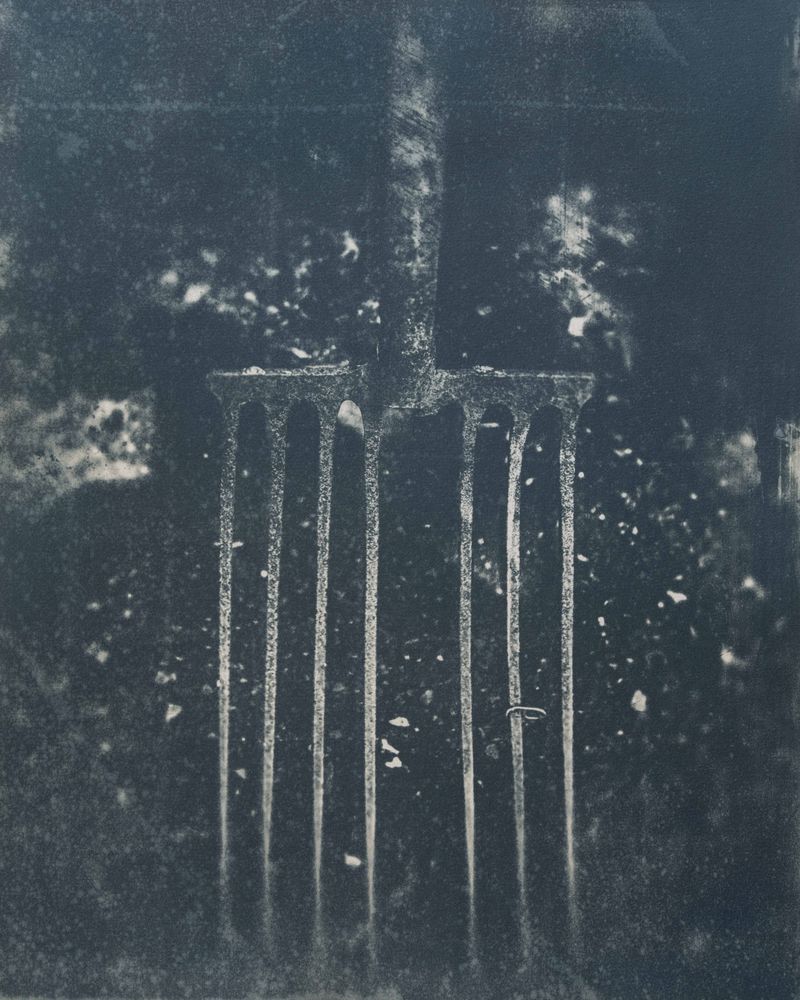
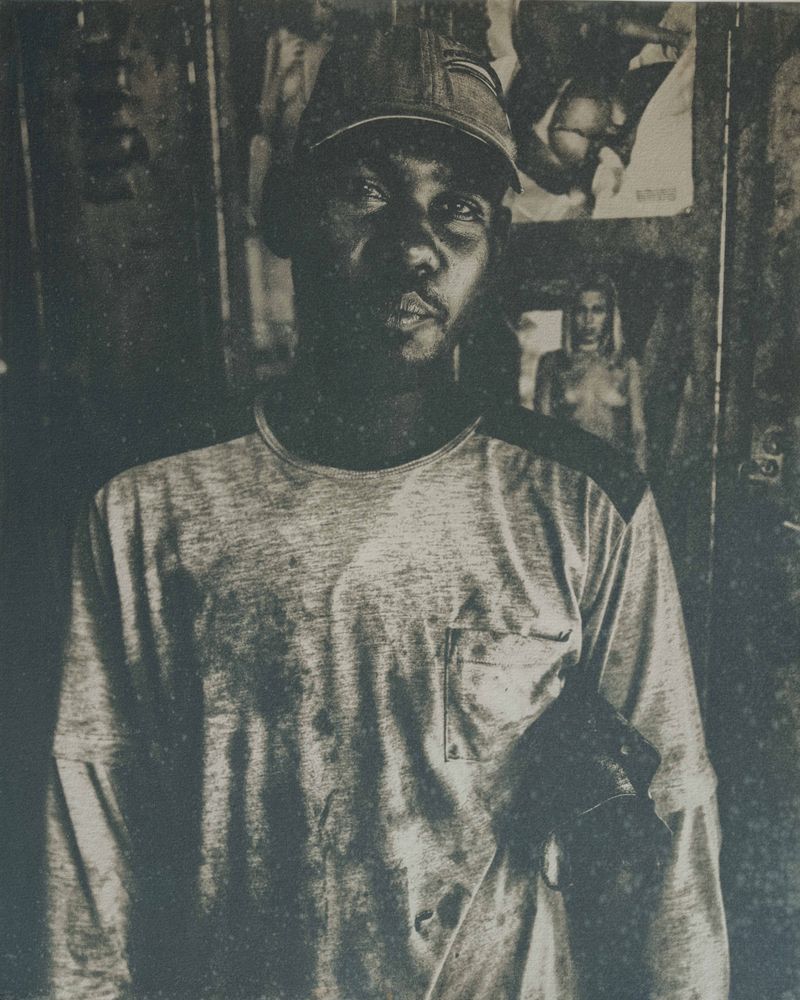
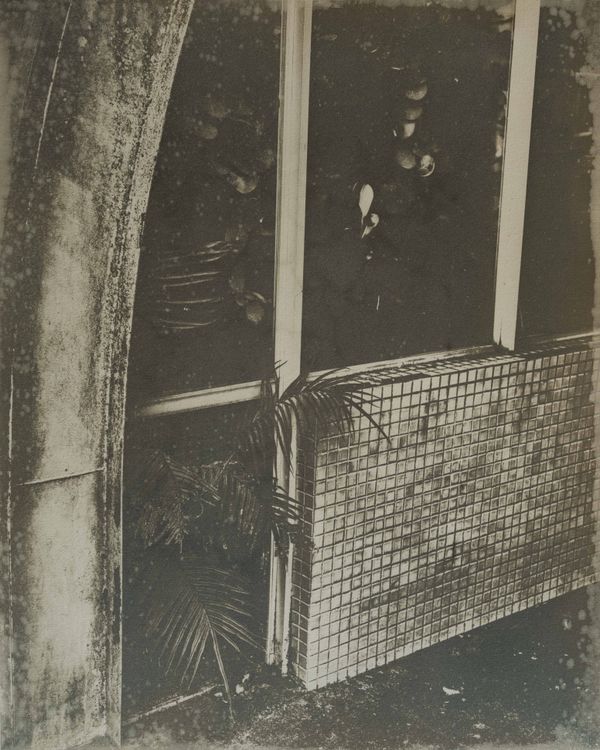
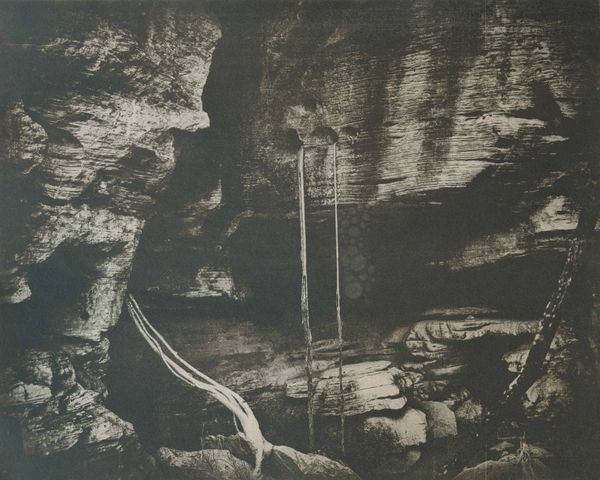
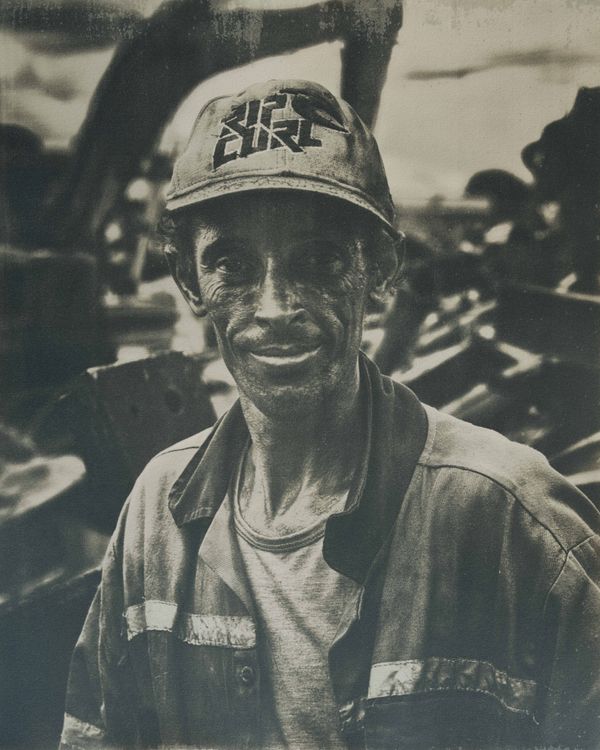
This project is composed of coffee-stained cyanotypes, one of
the first photographic processes developed in the mid-19th century. Its
principal active ingredient is iron salts, evoking
the area known as the “Iron Triangle”, where the imagery for this work was
taken. The state contains the world’s richest veins of iron ore, the mining of
which comprises much of its economic activity. Slavery was essential to the
cycle of gold mining that began in the 17th century and preceded the iron
industry of today. While the institution of slavery was abolished
in Brazil (in 1888, the last country in the Americas), its systems and structures
have persisted to this day. The process of staining the images in coffee not
only alters the color and tone of the images but also references one of the
main activities of slavery in Brazil in the 19th century, the harvesting of
coffee beans. The coffee and iron salts used to render these images are
themselves commodities that are still mined and made in the area (coffee,
iron, gold, silver, people). The process of staining also resonates with the idea
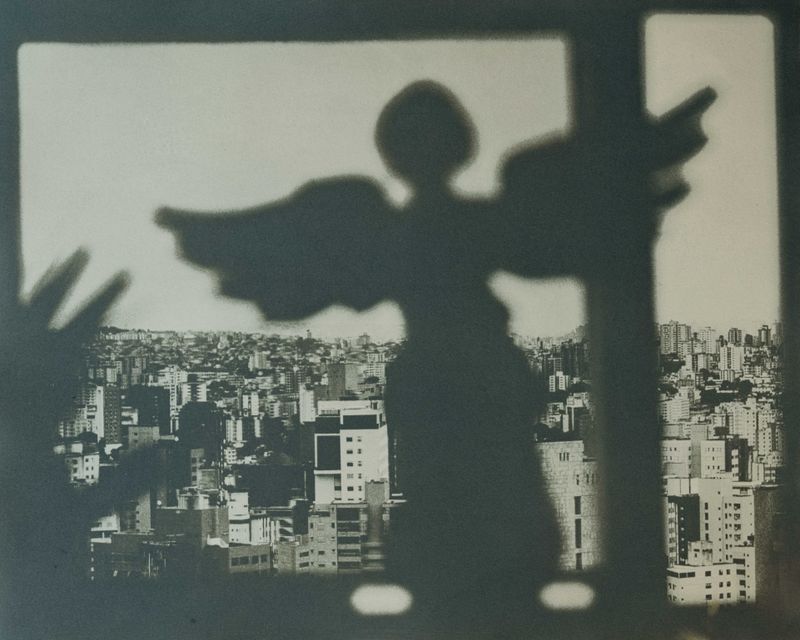
of remnants. My work is concerned with recording the reflections and
shadows I perceive of this history as well as the direct evidence of it.
My work is concerned with recording the reflections and shadows of a
history that is opaque at best. As in my own country (USA) it is a story that is
sordid and has permeated the bedrock foundations of society. Capitalism,
colonialism the political systems were all created with the explicit disregard
for the commodification of human beings who were considered less valuable
than the commodities they were extracting in order to be sent back to
Portugal.
In Brazil there existed the Estrada Real (Royal Road) a road that extends from
Paraty on the coast all the way to Diamantina in the interior of Minas Gerais
(the town was given its name due to the discovery and extraction of
diamonds). The Royal Road was a tool of supremacy used to guarantee the
rich mineral flow from Brazil to Portugal. It simultaneously was meant to
limit the potential of Brazil by making it dependent on and subservient to
Portugal. The Estrada Real, despite its haughty name was meant to choke the
ability of Brazil to stand independently from Portugal. The country was
poorly educated, and all manufactured goods were meant to come from
Portugal with the intention of making Brazil a permanent vassal to the crown.
As a historian as well as a photographer I am fascinated by that system of
supremacy. It’s intricate systems of control that the people learned to live
with. Those who held power became the elites and those who toiled under
their yoke became accustomed with that which they could not change. The
system was installed, and society grew around it. Just as it did in the US. The
modern institutions of capitalism were being invented at the time and they
too accommodated themselves to the prevailing systems of supremacy.
As evil as these legacies are there was a bright side. The culture of the
peoples who were part of this complex system exists and is vibrant today.
The incredible culture of colonial Brazil is exemplified by UNESCO world
heritage cities like Ouro Preto, Congonhas and Diamantina, breathtaking in
their beauty. Equally incredible is the culture that developed from the mix of
African’s brought to mine the riches so desired by the Portuguese crown.
Today these places stand as monuments to a past that was built by ambition
and avarice.