''Oporanho'' - in Bengali, means Afternoon

-
Dates2022 - Ongoing
-
Author
- Topics Social Issues
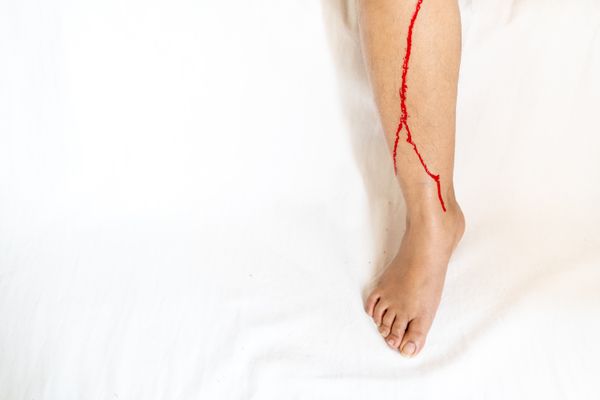
"Oporanho" (Afternoon) explores identity, resistance, and resilience in Bangladeshi women’s lives, revealing trauma, gender violence, and the impact of patriarchy on autonomy, memory, and mental health through culture, emotion, and tradition.
"Oporanho" – Afternoon
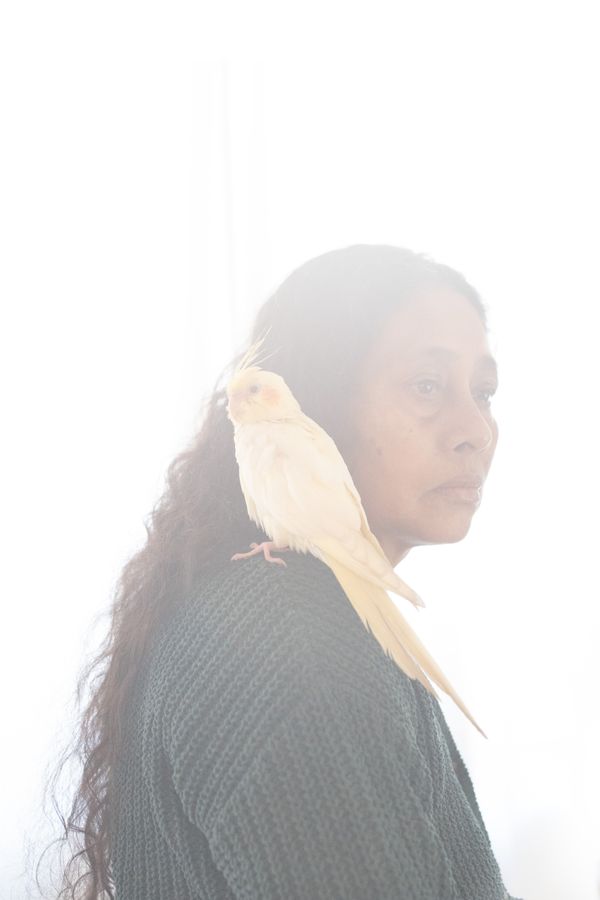
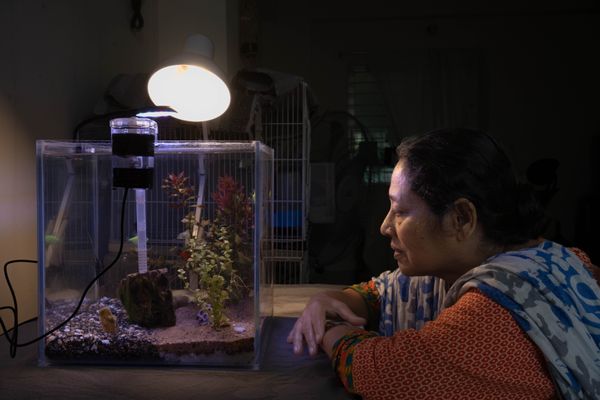
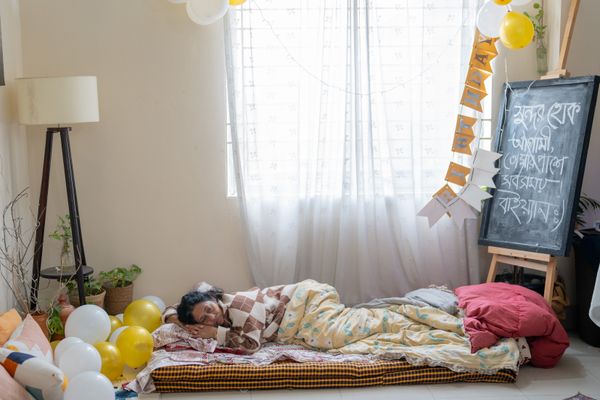
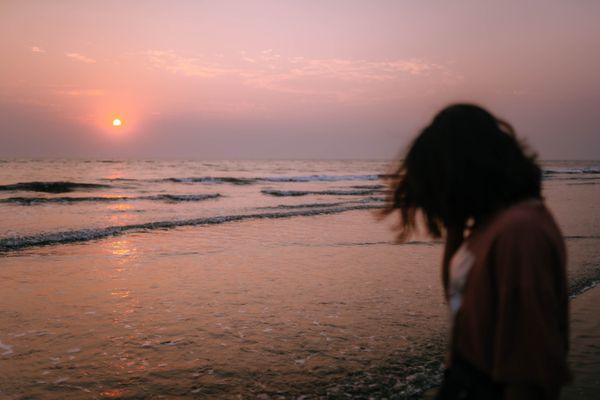
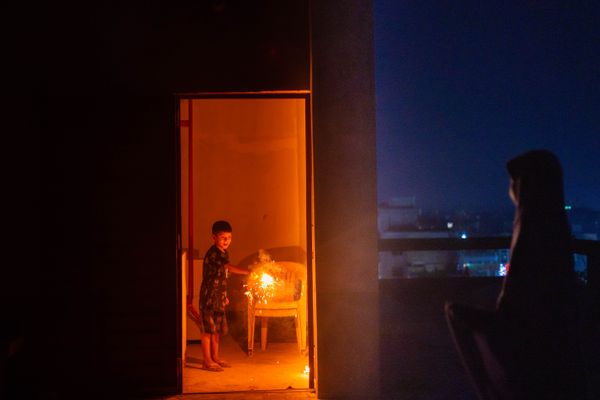
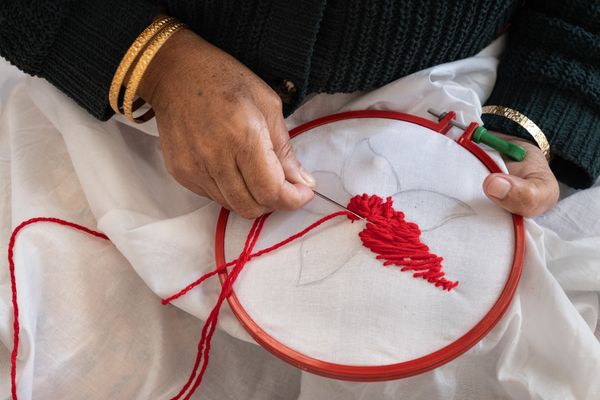
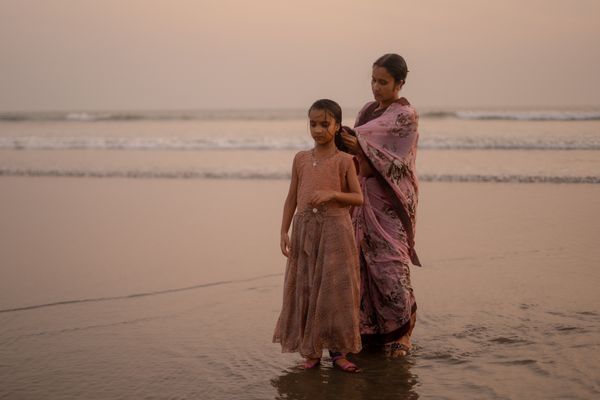
“Oporanho,” meaning “Afternoon” in Bengali, is a photographic exploration of identity, resistance, and self-determination. Through this project, I document the emotional, social, and political journeys of women in Bangladesh as they navigate the tension between tradition and autonomy.
Born in a remote village where rigid norms dictated women’s lives, I intimately understand the limitations placed on female agency. My photography began as an act of resistance, a means to express, question, and reclaim identity. "Oporanho" is rooted in this journey. It mirrors not only my transformation but also that of countless women who challenge expectations in silence and strength.
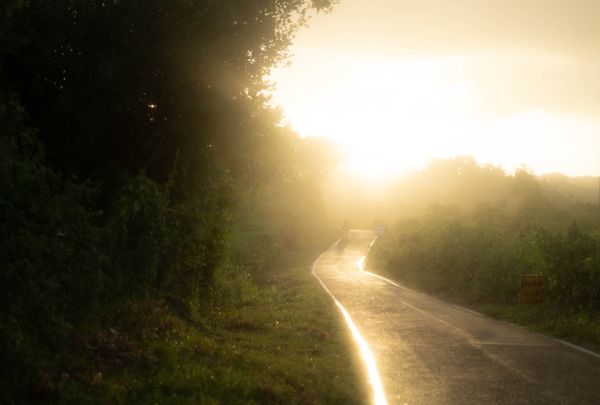
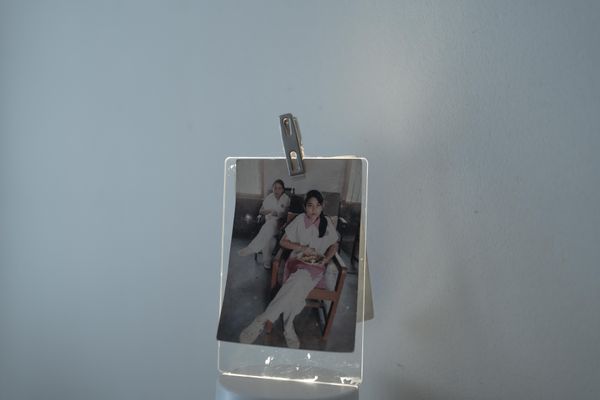
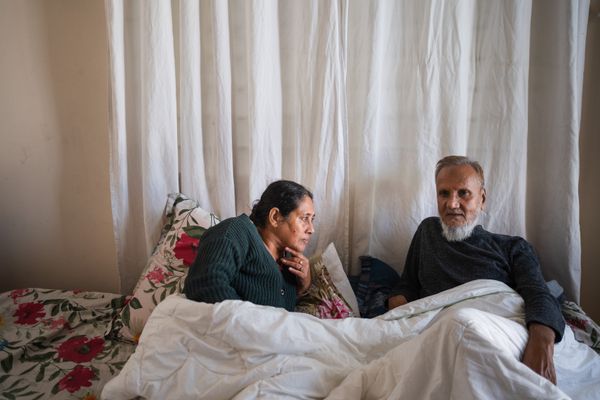
This work traces the transition from rural environments, where a woman’s destiny is often pre-written, to the chaotic yet liberating streets of Dhaka, where new opportunities coexist with enduring struggles. Central to this narrative is my mother’s life, marked by resilience, trauma, and love. Her story serves as the emotional anchor of the project, offering an intergenerational lens through which I explore memory and survival under patriarchal rule.
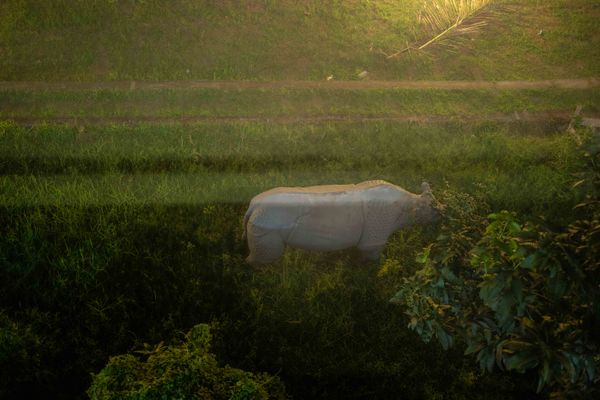
"Oporanho" is an urgent intervention. In many parts of Bangladesh, women’s choices from education to marriage are governed by entrenched norms. This project aims to break that silence, challenge stereotypes, and create space for dialogue around gender, mental health, and freedom. The work combines intimate portraiture, environmental context, and self-reflection, building a visual diary steeped in personal and collective history.
As someone who has lived this tension between inherited tradition and chosen autonomy, I bring a perspective shaped by empathy, authenticity, and lived experience. "Oporanho" is not just a project; it is a commitment to documenting resistance, preserving memory, and reimagining freedom.