Oporanho - Afternoon

-
Dates2024 - Ongoing
-
Author
- Location Bangladesh
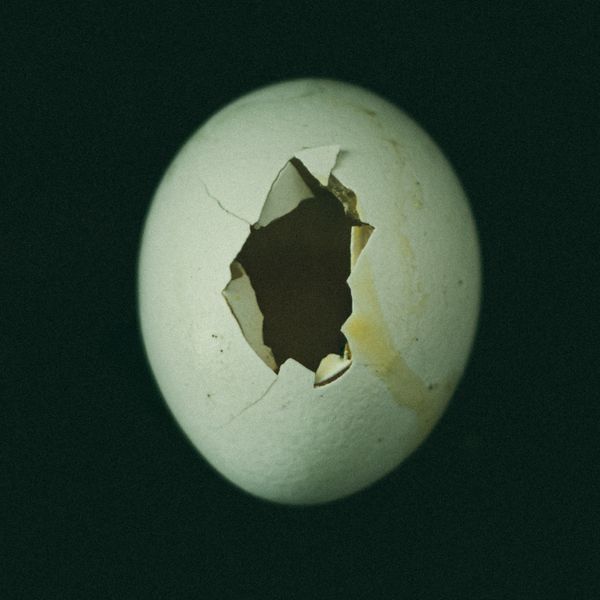
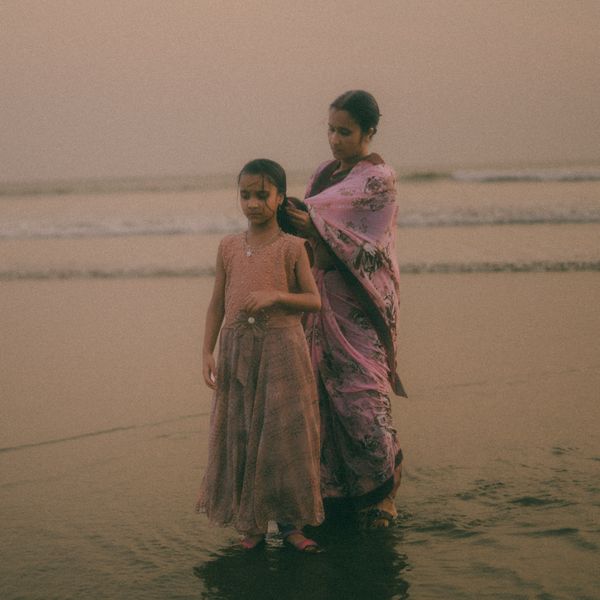
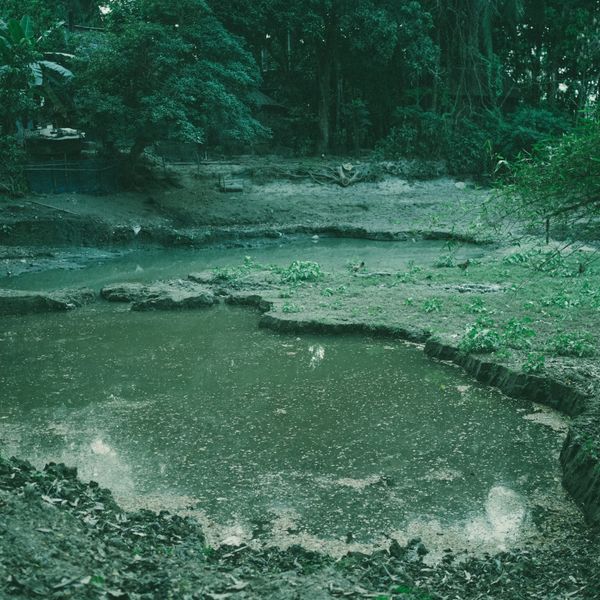
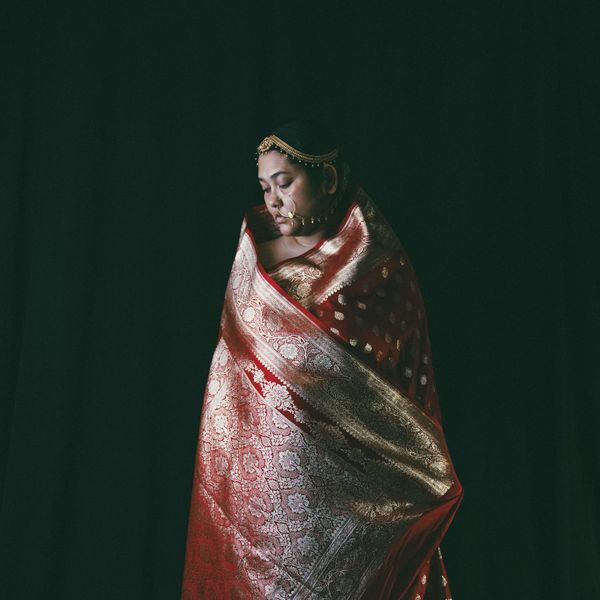
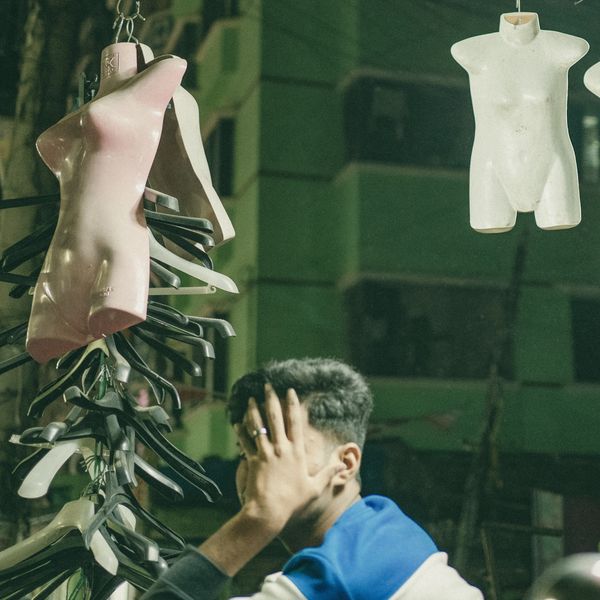
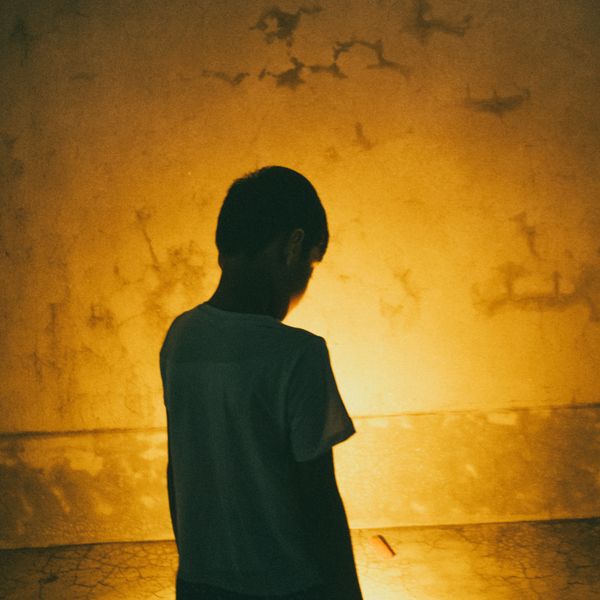
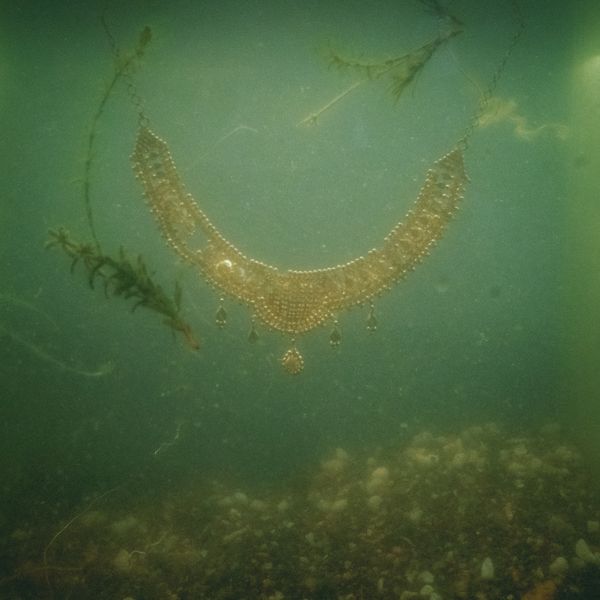
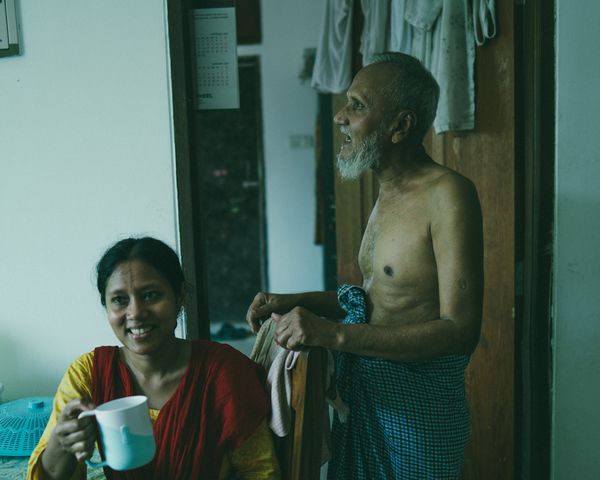
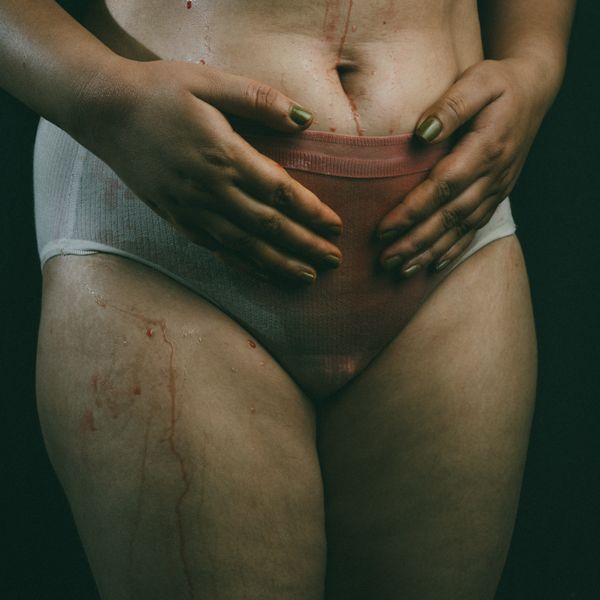
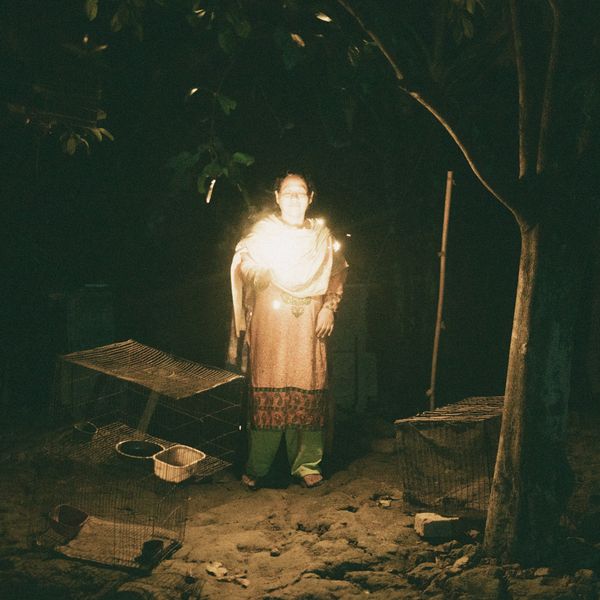
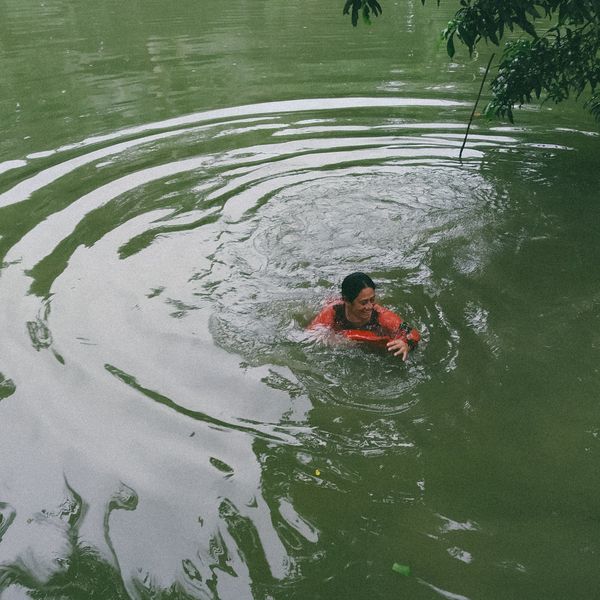
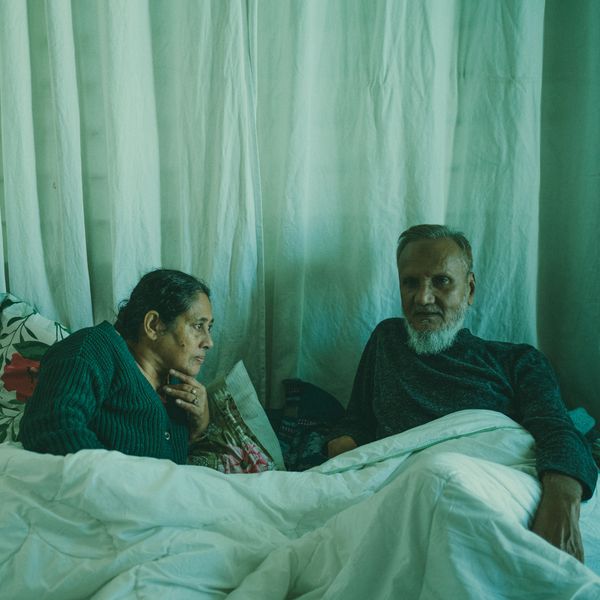
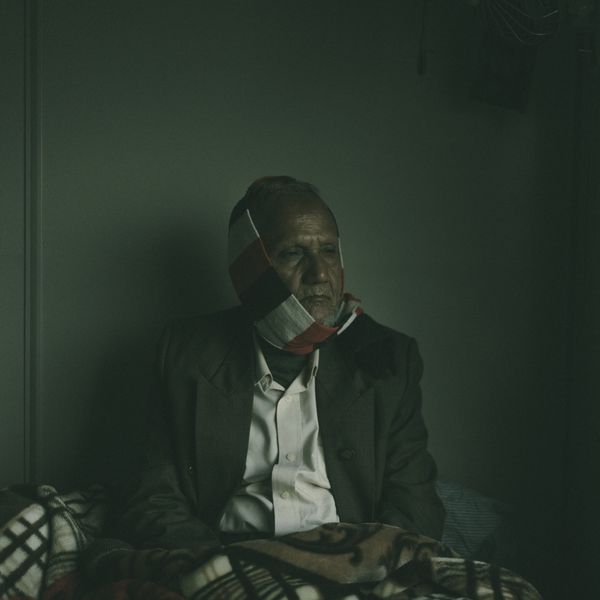
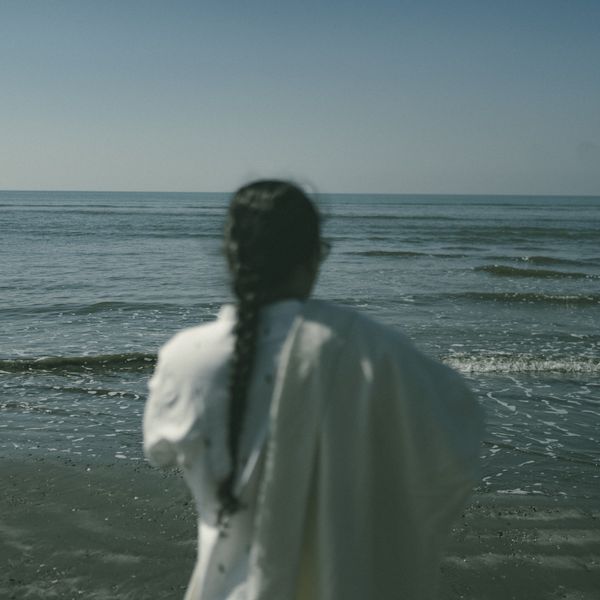
Oporanho (afternoon) is a two-year work with my mother living with dementia. Through personal loss, it reflects on how silence, sacrifice, and patriarchy erode women’s memory and identity, revealing how invisible care is inherited across generations.
In South Asia, especially in Bangladesh, ‘real work’ is determined by social contribution and financial control, not by the efforts that it takes to sustain the mundane life. The labour of women is not only dismissed but also patronised to a hypocritical degree of condescension. Household chores are integrated into a conditioned understanding of their existence. On the other hand, women in the workforce face discrimination due to their perceived identity revolving around gender, skin color, and social class
The division of labor in our household is taught through repetition and generational practice as girls watch their mothers in the kitchen and boys watch their fathers leave for work. Responsibility, thus, becomes gendered long before choice is possible. Childbearing is biological; child-rearing and maintaining the household are social expectations imposed on women. Unpaid labor of women across generations and cultures becomes the stabilising force in resisting change and delays recognition that will consequently add to the social status of women.
In Bengali, Oporanho means afternoon: the stretch of time between the visibility of morning and vigilance of the evening. A pause among the inescapable responsibilities that demand presence, effort, and hard work. It is not a time to rest but a narrow window of time, where women continue to work, tend, and wait, with the possibility of retreat hanging upon them.
Oporanho reflects the quotidian display of female labor writhing under the patriarchy, while women adjust, endure, and overcompensate, shouldering the responsibilities with no acknowledgment of their contribution. My mother’s life functions as both subject and method through which I understand how the unspoken rules that shape the lives of women are established and enforced. Expectations to be served by a woman live on in men and also women themselves as they are carried forward in family lines.
Over time, I came to the realization that my father’s behavior towards my mother is not a reflection of his personhood but rather a reflection of our society. It denotes the failure of a system, not only my father’s, to question the perpetuated disregard for the emotional and physical ordeal that is imposed on every woman in the family as an extension of their being.
As my mother now lives with dementia, I witness how years of silence and sacrifice can not only erode memories, but also the identity of a person itself. This work emerges from a fragile space of remembrance and erasure. Alongside my mother’s story, I am developing a research-based practice with women who spend their lives in unpaid domestic labour. This research is structured in a very non-extractive approach based on long-term engagement, informed consent, and mutual trust. The participation of women involved is voluntary, and they retain agency over how their stories, gestures, and routines are recorded or shared. While building a collective archive of domestic labour and resilience, I also plan to make a film from this process, sound, and presence, so these experiences can reach audiences in a visceral, immediate way.
The project will take the form of a book, an exhibition, and a film, each operating as a distinct but interconnected approach. The exhibition will bring private domestic spaces into public view through photographs, video, and sound, creating a quiet, immersive space for reflection and conversation. This work is committed to moving beyond institutional spaces and reaching every corner of society, including marginal communities, through community screenings, small-scale exhibitions, and informal gatherings. By placing the work in everyday spaces, it seeks to initiate dialogue and come to realise that mothers and caregivers, along with their lives, care, and memories, are not invisible or insignificant. Unpaid domestic labor is work, and women’s lives are living archives of care, endurance, and knowledge that history refuses to name.