Oporanho - Afternoon

  • Dates
    2024 - Ongoing
  • Author
  • Location Bangladesh, Bangladesh

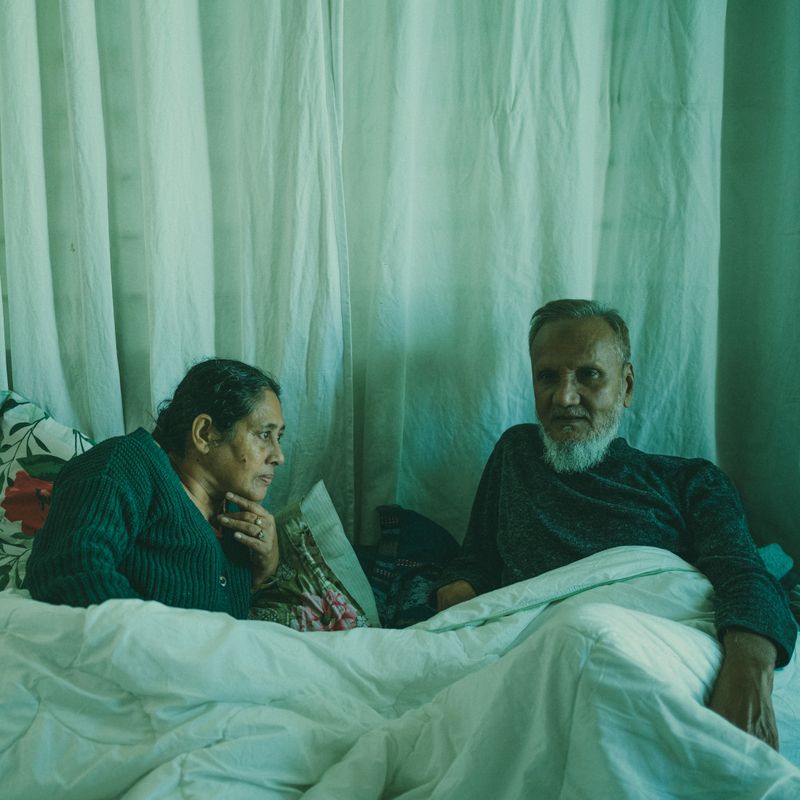
Oporanho (afternoon) is a two-year work with my mother living with dementia. Through personal loss, it reflects on how silence, sacrifice, and patriarchy erode women’s memory and identity, revealing how invisible care is inherited across generations.

In South Asia, especially in Bangladesh, ‘real work’ is determined by social contribution and financial control, not by the efforts that it takes to sustain the mundane life. The labour of women is not only dismissed but also patronised to a hypocritical degree of condescension. Household chores are integrated into a conditioned understanding of their existence. On the other hand, women in the workforce face discrimination due to their perceived identity revolving around gender, skin color, and social class

The division of labor in our household is taught through repetition and generational practice as girls watch their mothers in the kitchen and boys watch their fathers leave for work. Responsibility, thus, becomes gendered long before choice is possible. Childbearing is biological; child-rearing and maintaining the household are social expectations imposed on women. Unpaid labor of women across generations and cultures becomes the stabilising force in resisting change and delays recognition that will consequently add to the social status of women.

In Bengali, Oporanho means afternoon: the stretch of time between the visibility of morning and vigilance of the evening. A pause among the inescapable responsibilities that demand presence, effort, and hard work. It is not a time to rest but a narrow window of time, where women continue to work, tend, and wait, with the possibility of retreat hanging upon them.

Oporanho reflects the quotidian display of female labor writhing under the patriarchy, while women adjust, endure, and overcompensate, shouldering the responsibilities with no acknowledgment of their contribution. My mother’s life functions as both subject and method through which I understand how the unspoken rules that shape the lives of women are established and enforced. Expectations to be served by a woman live on in men and also women themselves as they are carried forward in family lines. 

Over time, I came to the realization that my father’s behavior towards my mother is not a reflection of his personhood but rather a reflection of our society. It denotes the failure of a system, not only my father’s, to question the perpetuated disregard for the emotional and physical ordeal that is imposed on every woman in the family as an extension of their being. 

As my mother now lives with dementia, I witness how years of silence and sacrifice can not only erode memories, but also the identity of a person itself. This work emerges from a fragile space of remembrance and erasure. Alongside my mother’s story, I am developing a research-based practice with women who spend their lives in unpaid domestic labour. This research is structured in a very non-extractive approach based on long-term engagement, informed consent, and mutual trust. The participation of women involved is voluntary, and they retain agency over how their stories, gestures, and routines are recorded or shared. While building a collective archive of domestic labour and resilience, I also plan to make a film from this process, sound, and presence, so these experiences can reach audiences in a visceral, immediate way.

The project will take the form of a book, an exhibition, and a film, each operating as a distinct but interconnected approach. The exhibition will bring private domestic spaces into public view through photographs, video, and sound, creating a quiet, immersive space for reflection and conversation. This work is committed to moving beyond institutional spaces and reaching every corner of society, including marginal communities, through community screenings, small-scale exhibitions, and informal gatherings. By placing the work in everyday spaces, it seeks to initiate dialogue and come to realise that mothers and caregivers, along with their lives, care, and memories, are not invisible or insignificant. Unpaid domestic labor is work, and women’s lives are living archives of care, endurance, and knowledge that history refuses to name.


© tanjila Munia - Image from the Oporanho - Afternoon photography project
i

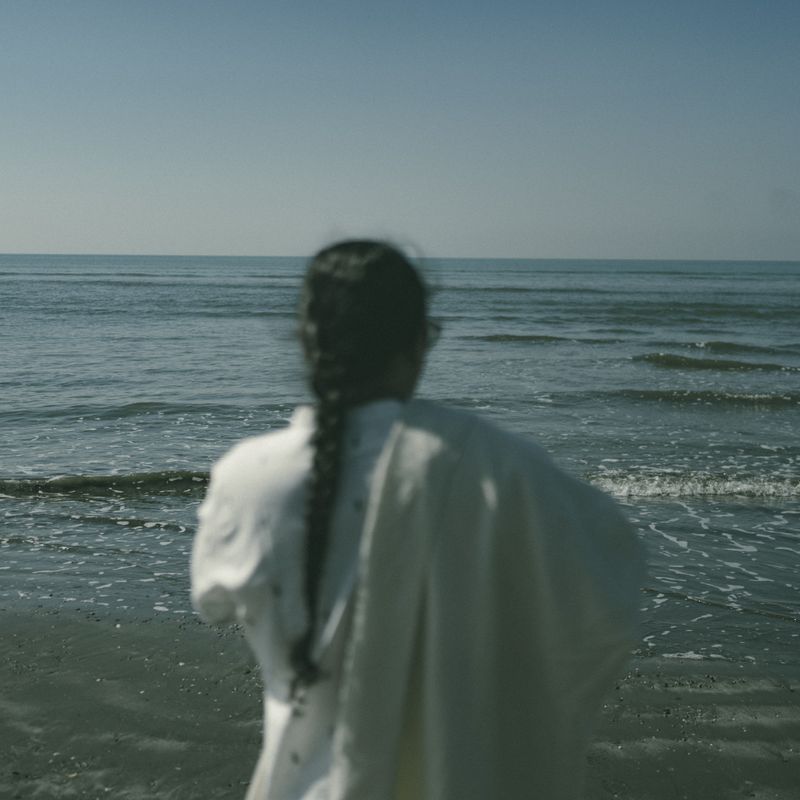
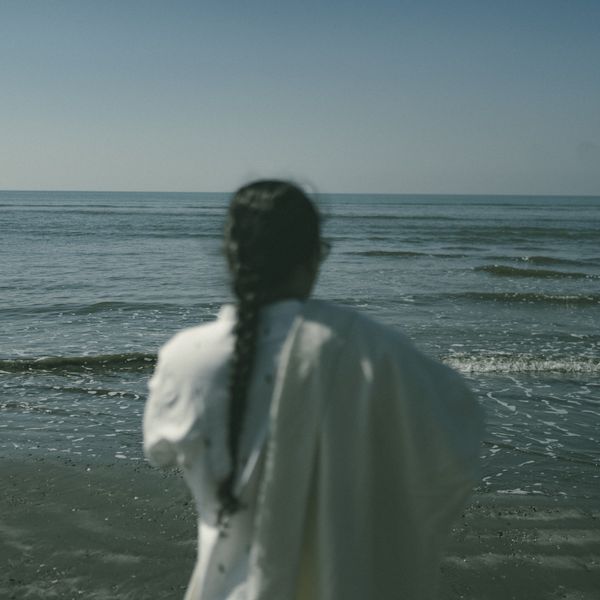
I am a Pisces, so I often feel that one day I will return to the water. Every time I stand close to the sea or hear the waves, it feels like a rebirth, finding my ending and beginning in the waves. Water carries so many of my memories. I became a photographer because of the river; maybe I was born with her, my quiet guide, my guardian presence.

© tanjila Munia - Image from the Oporanho - Afternoon photography project
i

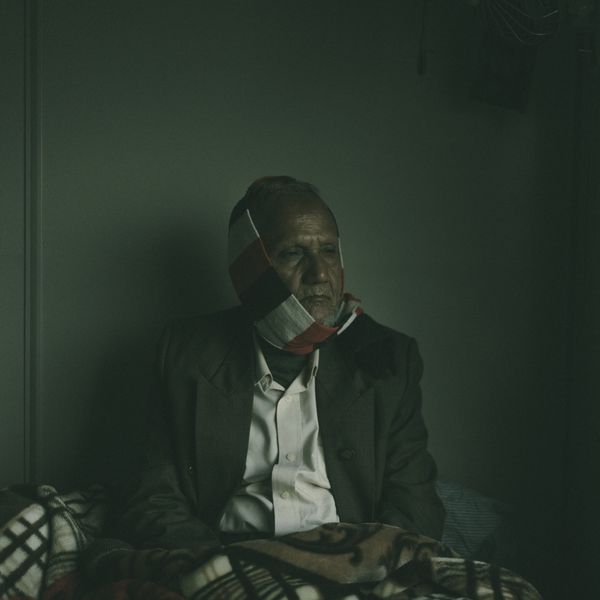
My father carried his dreams silently, but they never came true. Society shaped him to be a husband, a father, a provider, but never to know himself or live for himself. He bore responsibilities he did not choose and carried burdens no one could see. His happiness was always postponed, hidden beneath quiet grudges, unspoken sorrow, and the weight of expectation.

© tanjila Munia - Image from the Oporanho - Afternoon photography project
i

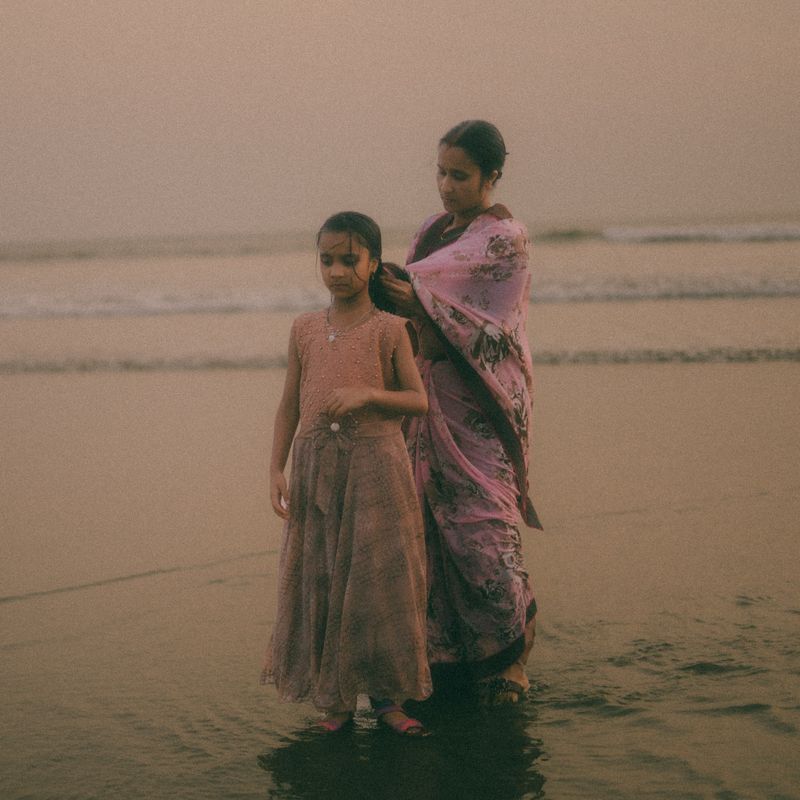
The sorrow and pain in my mother’s heart may seem small to this vast, endless sea. Yet the weight of these waters feels equal to the years of burdens she has carried silently, the sacrifices she has made, and the weight of a lifetime of care and endurance. In the rhythm of the waves, her struggle and resilience find a quiet echo, as if the sea itself holds witness to her life.

© tanjila Munia - Image from the Oporanho - Afternoon photography project
i

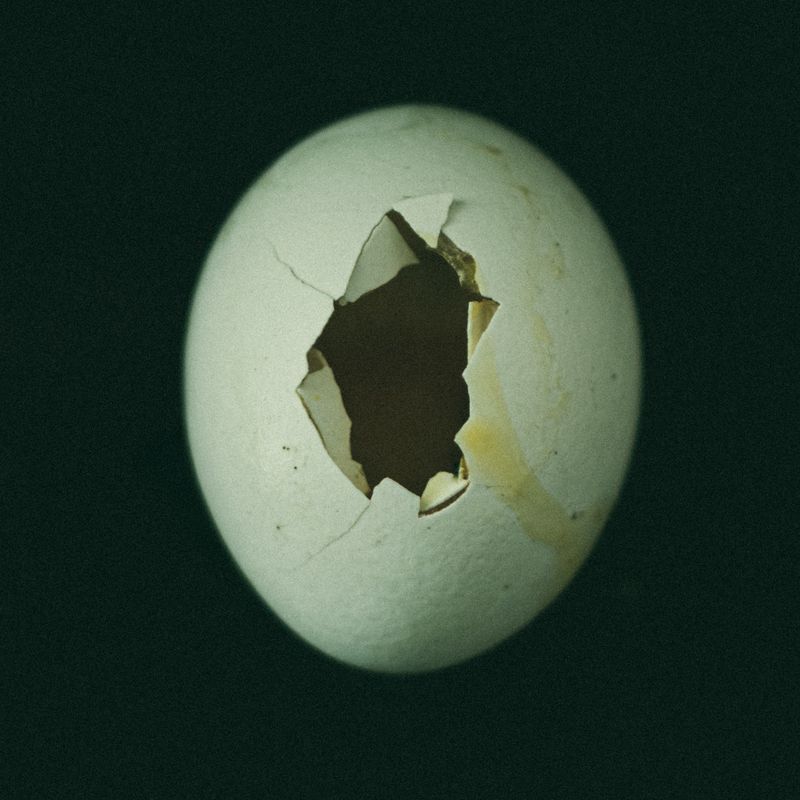
New life, new beginnings, or a world too heavy to hold. Sometimes we arrive before we are ready, and the weight of what lies ahead makes us wonder if we were meant to step into it at all.

© tanjila Munia - Image from the Oporanho - Afternoon photography project
i

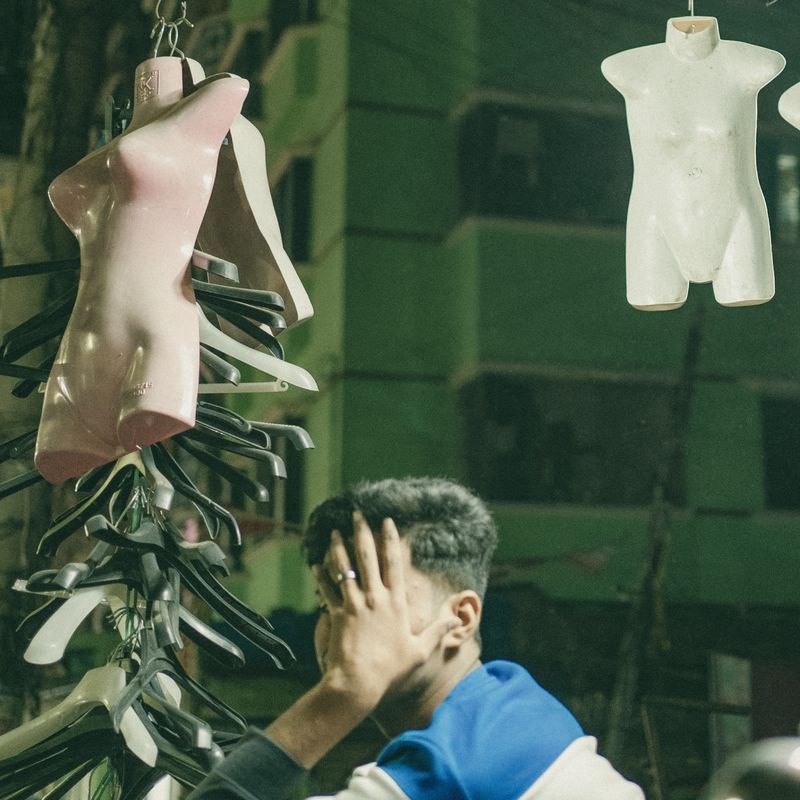
In South Asia, the way women are seen reflects a deeply patriarchal society. Women are often valued only for their bodies, their appearance, or their ability to care for others. They are treated as objects or tools rather than human beings, and societal expectations shape their lives long before they have any choice.

© tanjila Munia - Image from the Oporanho - Afternoon photography project
i

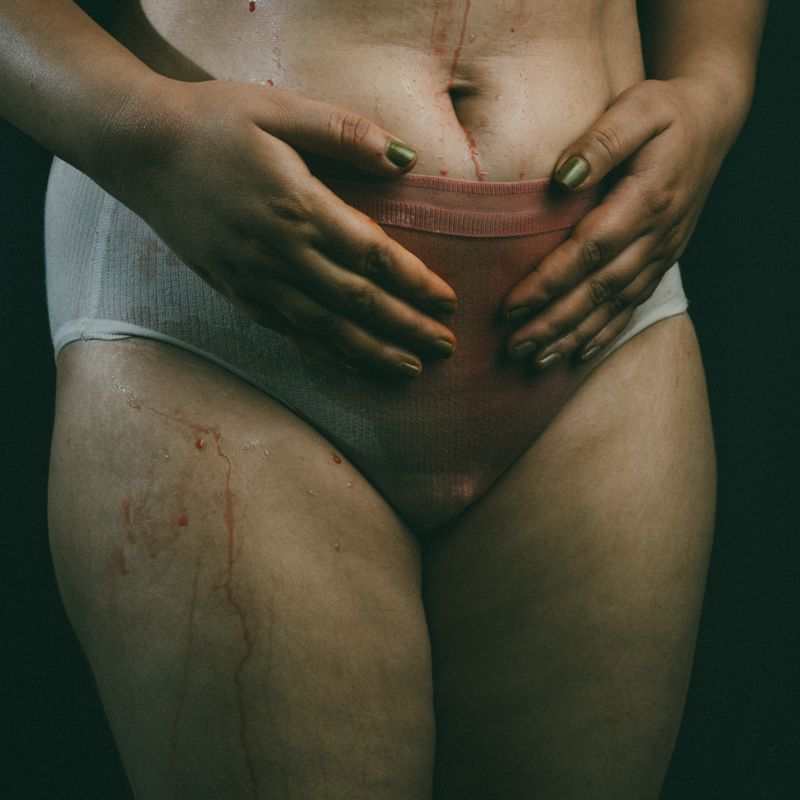
We are born with our bodies. Menstruation is natural. Yet in South Asia, women’s bodies are treated as shameful and controlled. Something every woman experiences is silenced and turned into a taboo. I question why the natural functions of women are punished, hidden, and treated as shameful by society.

© tanjila Munia - Image from the Oporanho - Afternoon photography project
i

The blood on the body is not just seen; it is hidden. It is the pain we carry but never speak of. Like my mother, slowly fading, bleeding inside, enduring enormous pain without telling anyone. Every mother carries this silent suffering, shuttered and unseen.

© tanjila Munia - Image from the Oporanho - Afternoon photography project
i

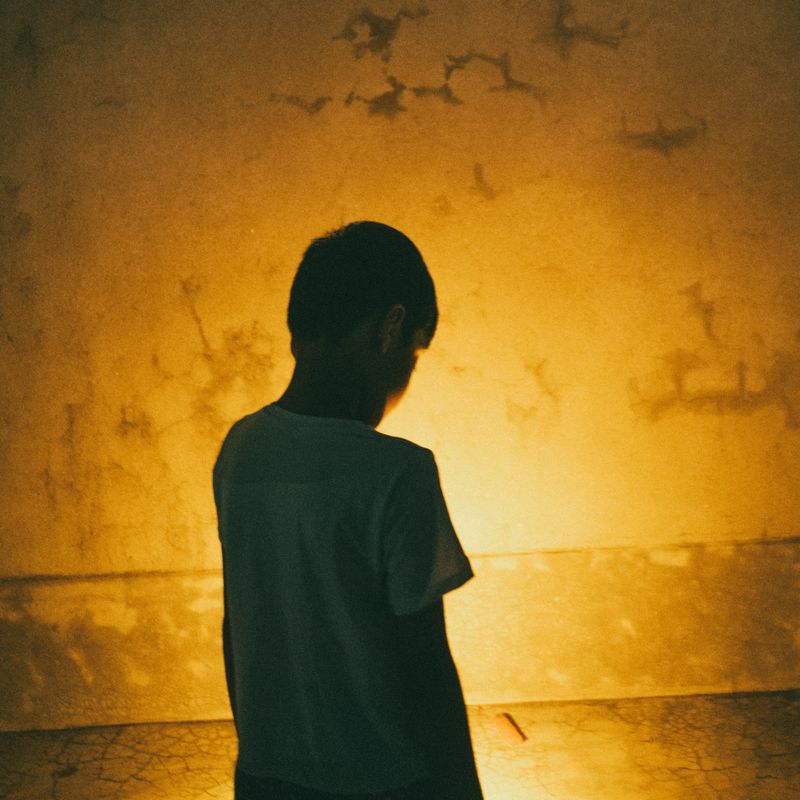
Baiyan, my nephew, grew up without ever seeing his father or knowing a father’s love. Still, society came to blame my sister for her divorce, offering judgment instead of empathy. This is not a distant story. It happened in my own family, showing how fear of what others think can dictate lives and silence care, love, and justice.

© tanjila Munia - Image from the Oporanho - Afternoon photography project
i

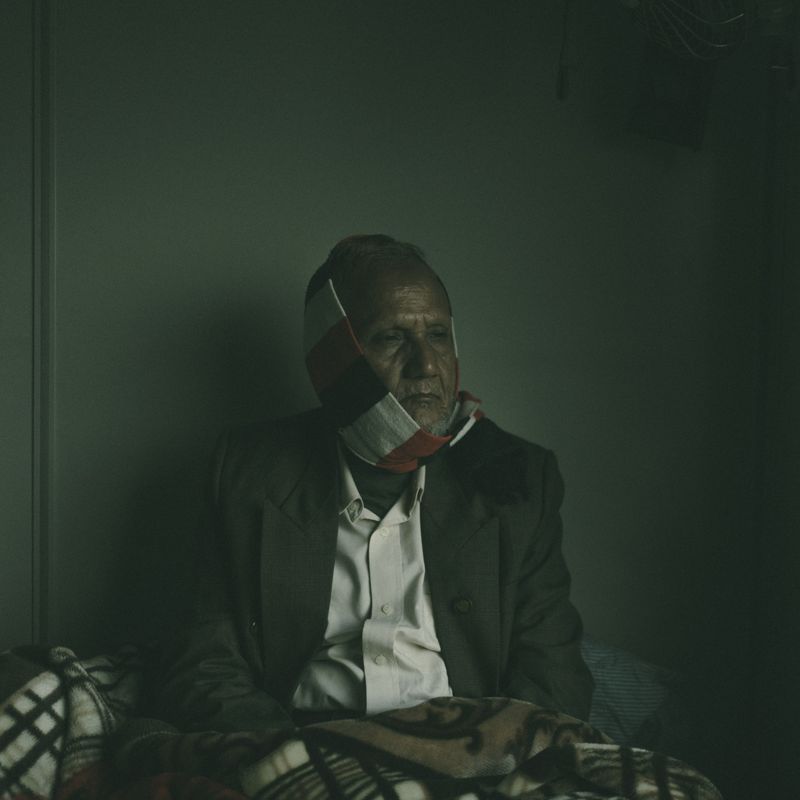
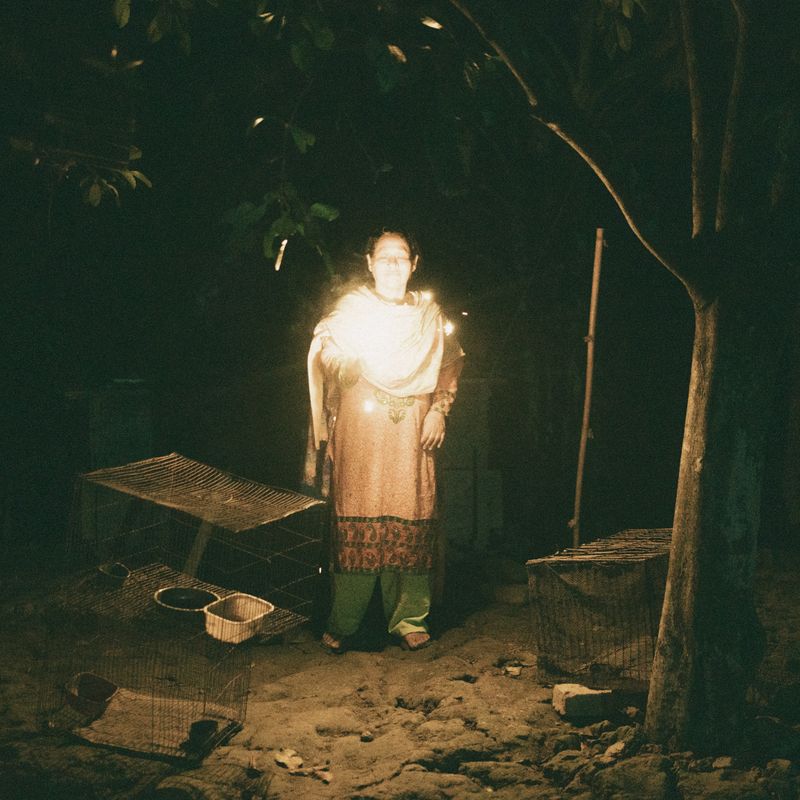
After my marriage, I began to understand my mother’s life. She gave every moment to us, all day and night, and quietly gave up her dreams. We took her presence for granted. She was never happy with my father, yet she never gave up on us. Now she lives with dementia, slowly forgetting herself and her identity. Once she was a teacher. Now she sits for hours, doing nothing.

© tanjila Munia - Image from the Oporanho - Afternoon photography project
i

This image fills me with nostalgia and takes me back to my childhood. It feels like me with my mother, sitting in the quiet moments of care and love. It is as if nature itself created this scene to celebrate the gleams of childhood, the warmth of a mother’s presence, and the memories that linger long after we grow up.

© tanjila Munia - Image from the Oporanho - Afternoon photography project
i

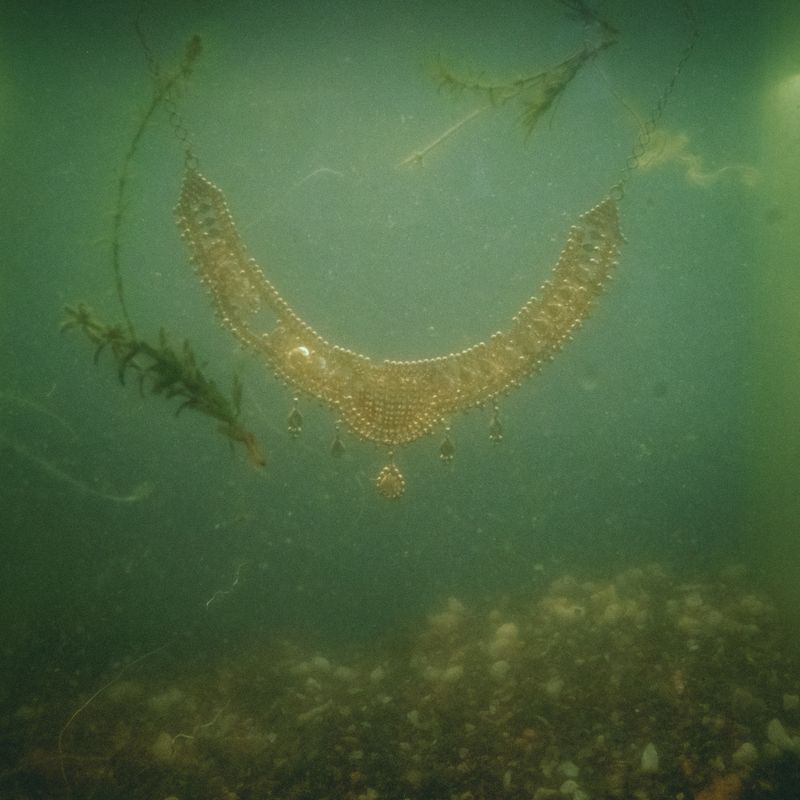
This jewelry is the only piece my mother bought for herself after years of saving. In our country, women usually receive gold from their families or in-laws at the time of marriage, but my mother never had that chance. For the first time, she could say, “This is mine.”

© tanjila Munia - Image from the Oporanho - Afternoon photography project
i

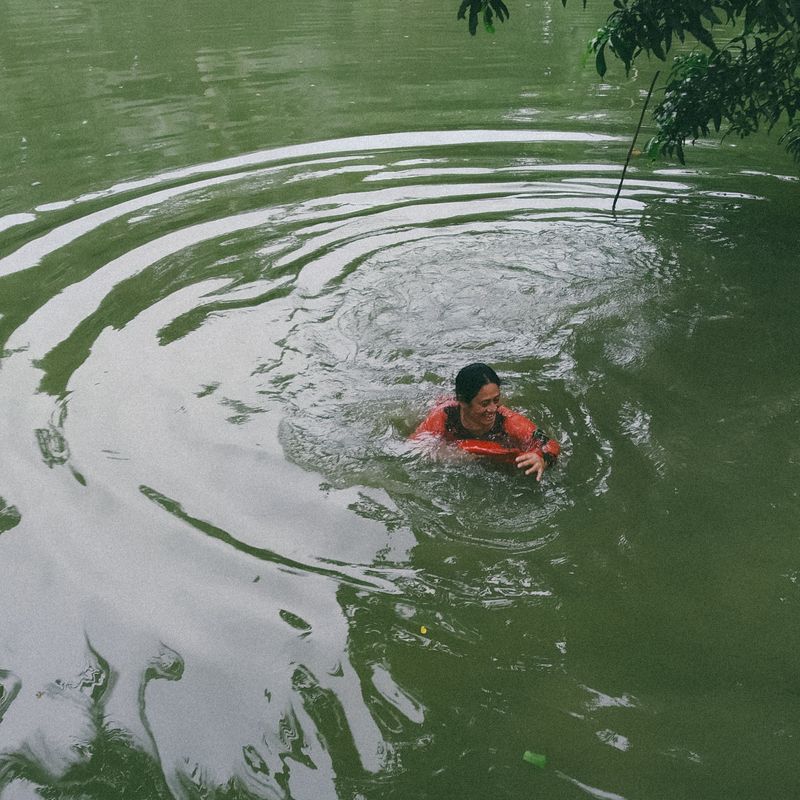
As dementia slowly takes my mother’s memories, only fragments remain. She has even forgotten how to swim, though she was once an excellent swimmer. Her childhood was full of excitement and freedom in the water. These photographs were taken before dementia took hold. After that, we no longer see her trying to swim again. I miss the happiest version of my mother, till everything began to fade.

© tanjila Munia - Image from the Oporanho - Afternoon photography project
i

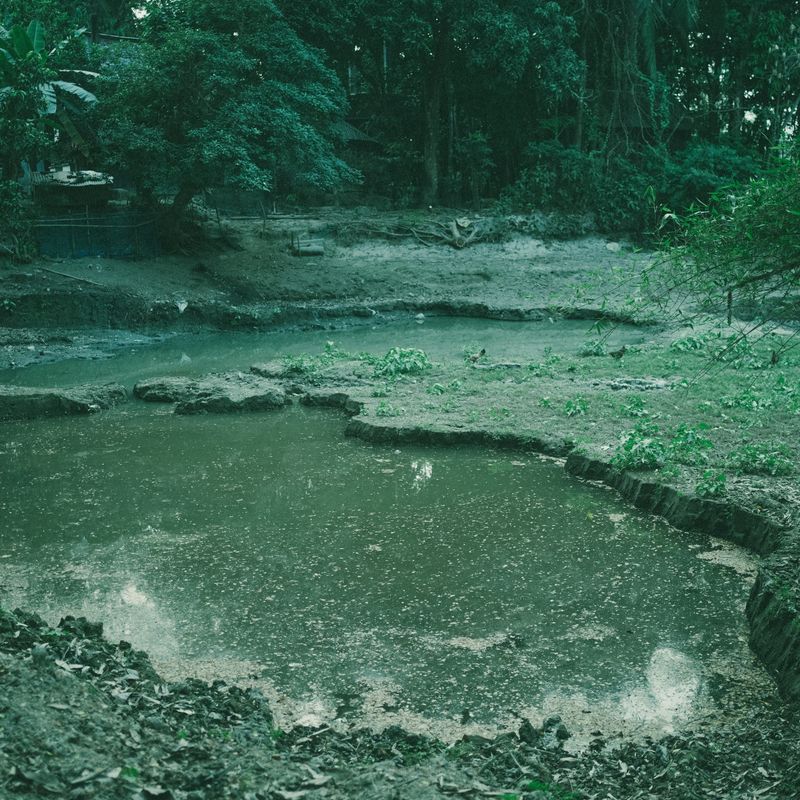
This is my grandmother’s home, and this pond holds many memories. This is where my mother spent her childhood. I also carry my own memory here. My grandfather once took me to the middle of this pond and threw me into the water. Since then, I have been afraid to swim. This place holds both her freedom and my fear, layered in the same water.

© tanjila Munia - Image from the Oporanho - Afternoon photography project
i

My elder sister protected us like a brother when no one else would. She did not complain about her life, and she did not surrender to it. She fought society and her own battles with her head held high. Watching her, I learned how to stand my ground and never give up.

© tanjila Munia - Image from the Oporanho - Afternoon photography project
i

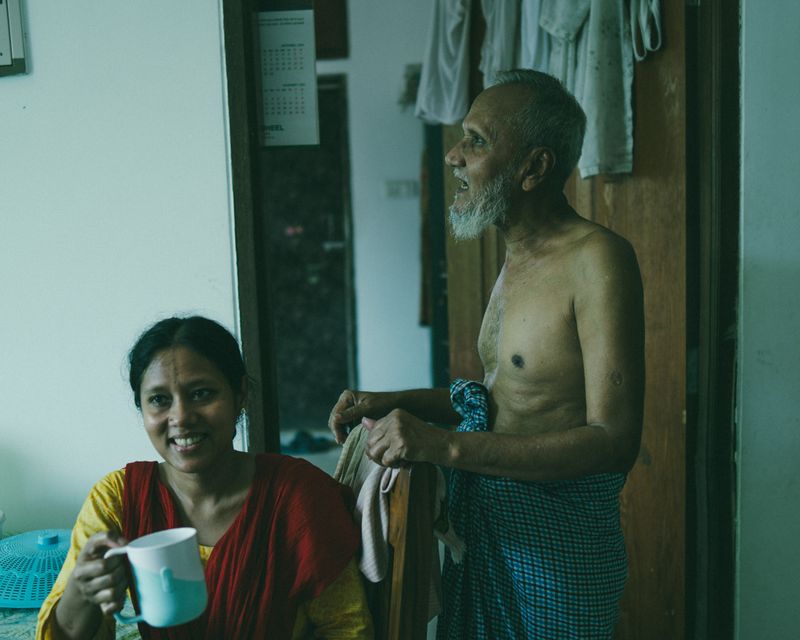
My mother deserved a caring, understanding, and loving partner, but she missed that her whole life. Now, as she slowly fades, she receives it from my father, yet she deserved it in her youth. Their lives were shaped by a society that dictated how to live, when to have children, and what they should or should not do. They never lived for themselves. They lived for others.

© tanjila Munia - Image from the Oporanho - Afternoon photography project
i

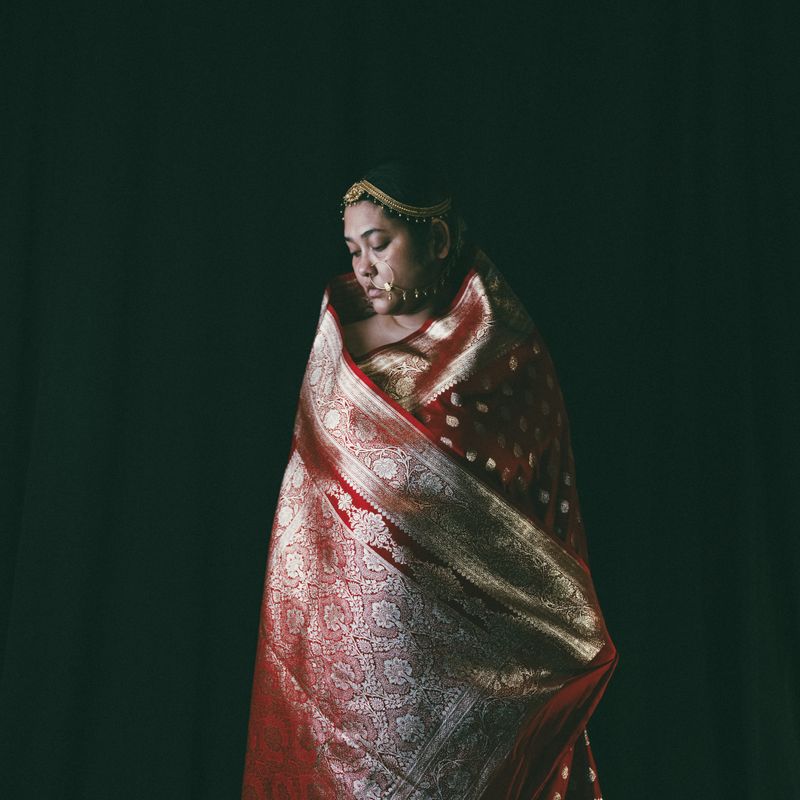
This Benaroshi saree is my wedding dress, a garment every woman wears to begin a new life and a new chapter. I portrayed myself as a motif to honour my mother’s memory, because she never had a 'Benaroshi' saree of her own on her wedding day. Through this saree, I carry her dreams, and the traditions she could not fully embrace.

Oporanho - Afternoon by tanjila Munia

Prev Next Close