Of Heroes and Names Lost

-
Dates2022 - 2023
-
Author
The concern with ones own mortality is a fundamental experience of human life. Religious texts, myths and works of art are full of references to immortality and the striving to it. Paradise, where humans can spend eternity happily, the peaches of immortality in Chinese mythology and the myth of the fountain of youth are examples for that.
In Ernest Becker’s The Denial of Death, he describes humans as symbolic creatures with self-consciousness, a name and a life story. He is aware that he will die one day as do all natural beings, but has a hard time coming to terms with it. To appease this cognitive dilemma, he builds up his symbolic self, so that when his worldly body perishes, he gains symbolic immortality and the status of a hero.
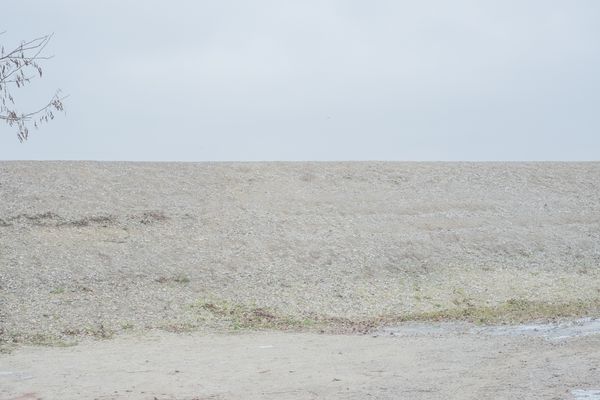
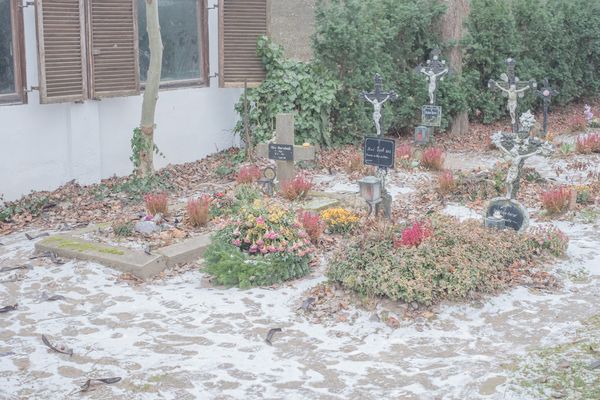
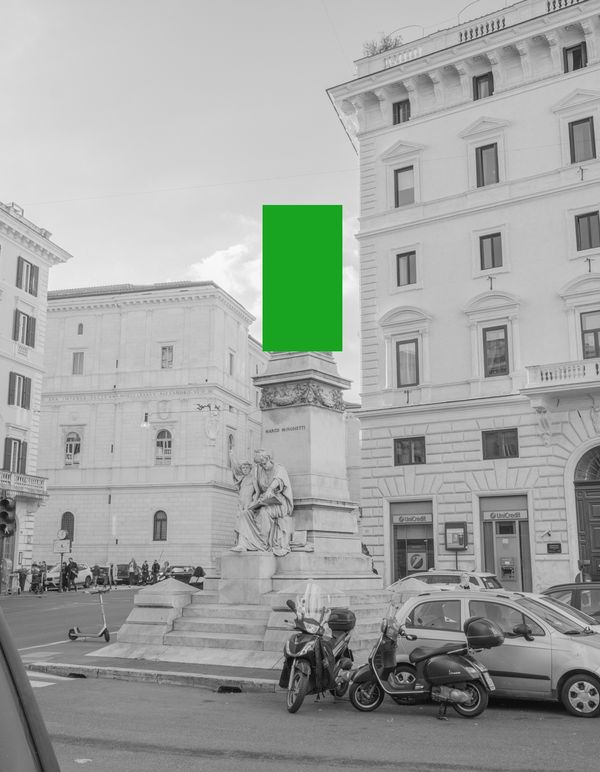
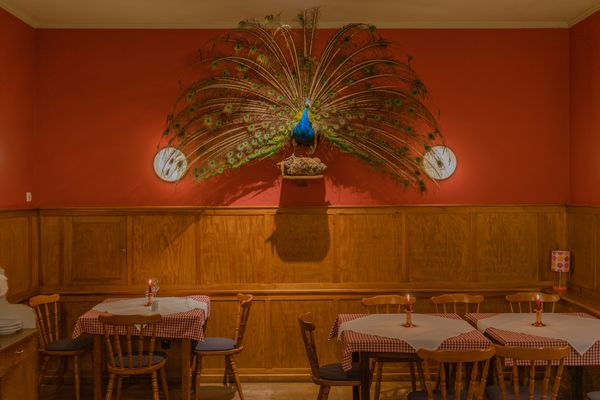
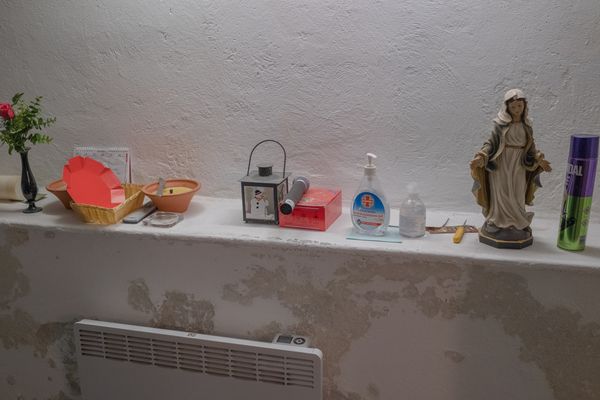
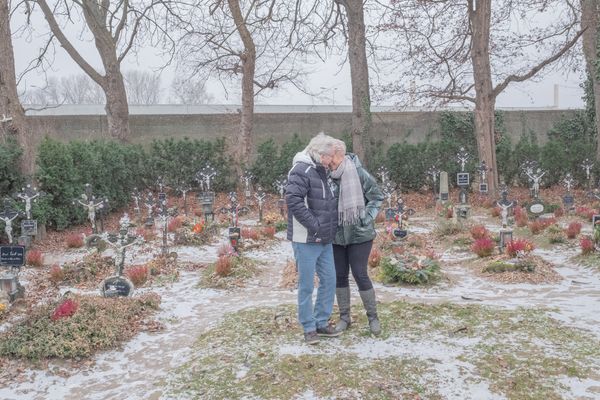
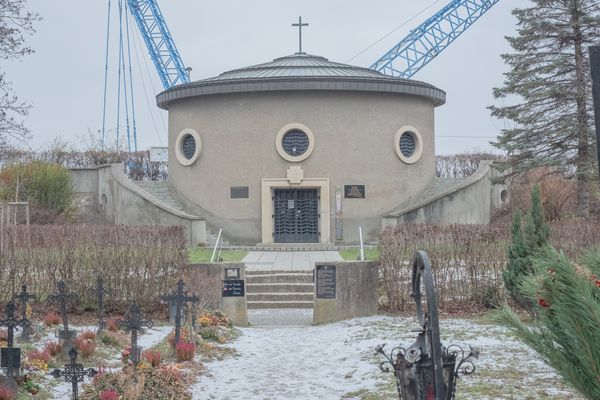
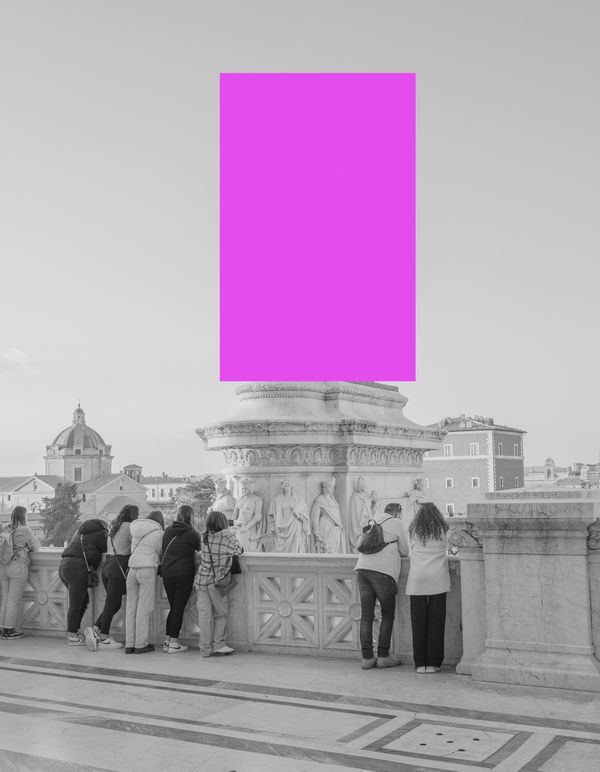
This is the subject matter of my work Of Heroes and Names Lost. I tackle this on three different levels. Represented here are cultural historical symbols who are connected to immortality, statues, whose motives are replaced with colors to depict the striving for symbolic immortality and a portrait of the cemetery of the nameless in Vienna.
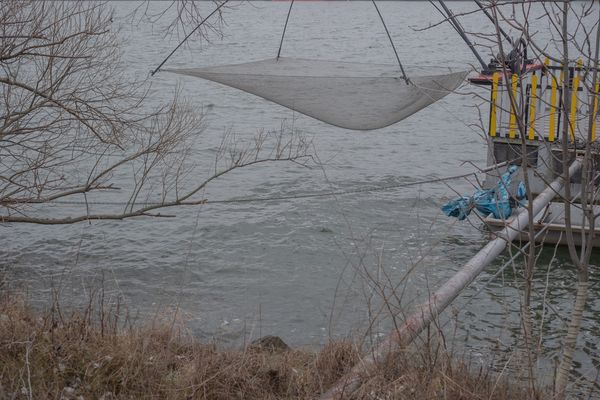
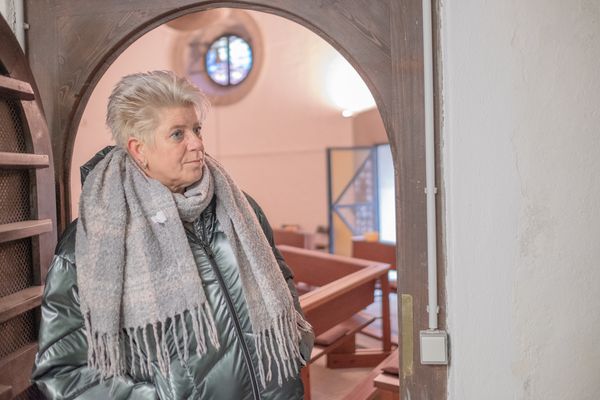
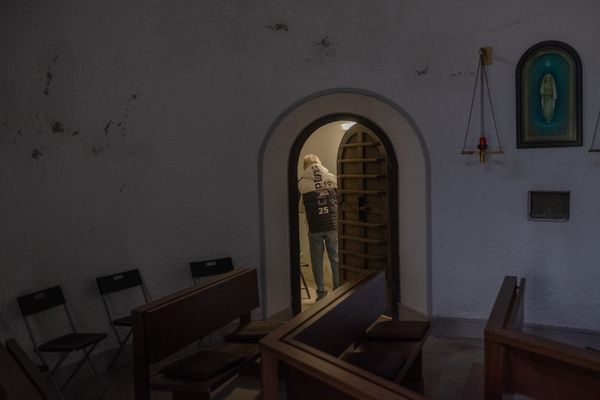
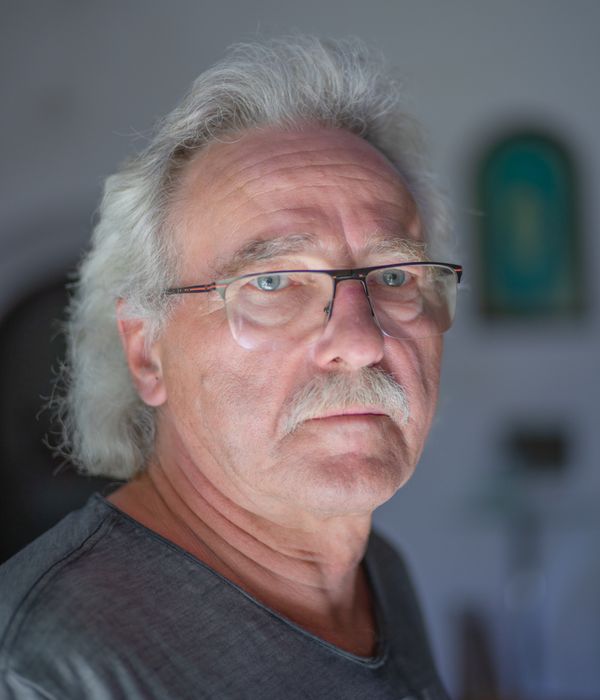
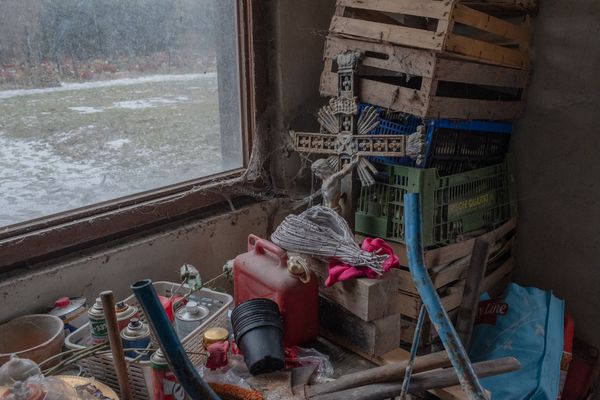
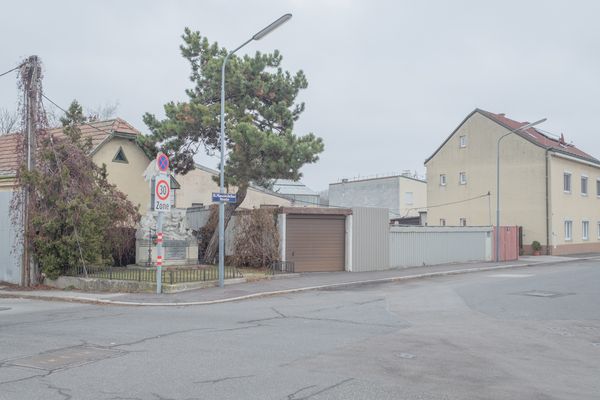
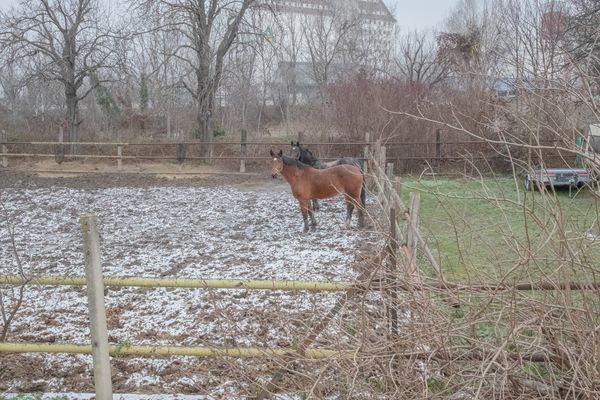
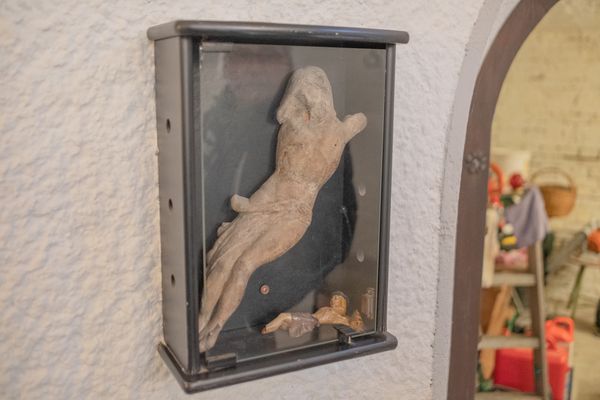
On this cemetery, unidentifiable drowned from the Danube and victims of suicide were buried between the 17th century and 1940. Since the 1930s, the family Fuchs has been voluntarily responsible for the groundskeeping of the cemetery. Part of this portrait are as well repros of copies of the book of the dead. The original is kept by the central administration of the viennese cemeteries, but is missing since they moved location. This part of my work is representative for the physical as well as symbolical death of the individual.
I hope to expand this work and want to keep on realizing projects around the subjects of death and liminality.