Of Heroes and Names Lost

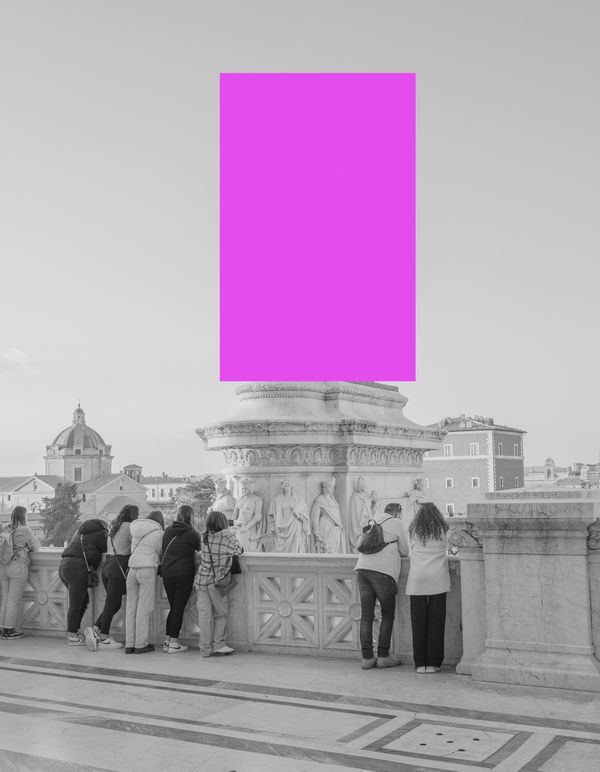
The concern with ones own mortality is a fundamental experience of human life. Religious texts, myths and works of art are full of references to immortality and the striving to it. Paradise, where humans can spend eternity happily, the peaches of immortality in Chinese mythology and the myth of the fountain of youth are examples for that.

In Ernest Becker’s The Denial of Death, he describes humans as symbolic creatures with self-consciousness, a name and a life story. He is aware that he will die one day as do all natural beings, but has a hard time coming to terms with it. To appease this cognitive dilemma, he builds up his symbolic self, so that when his worldly body perishes, he gains symbolic immortality and the status of a hero.

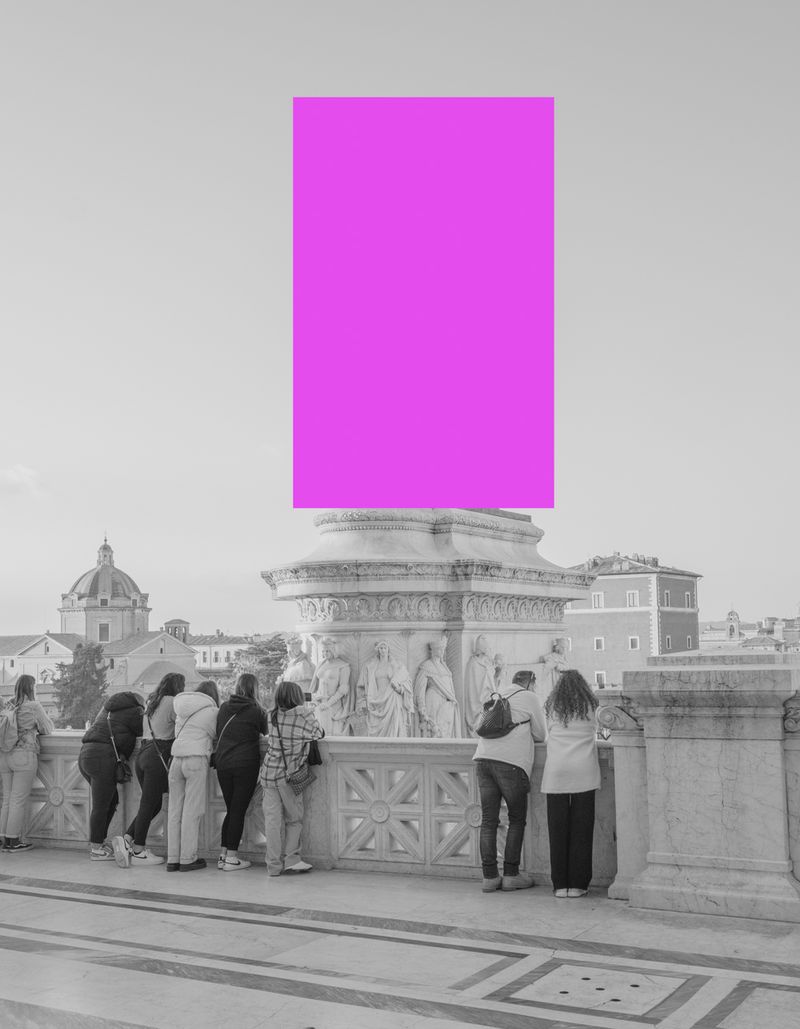
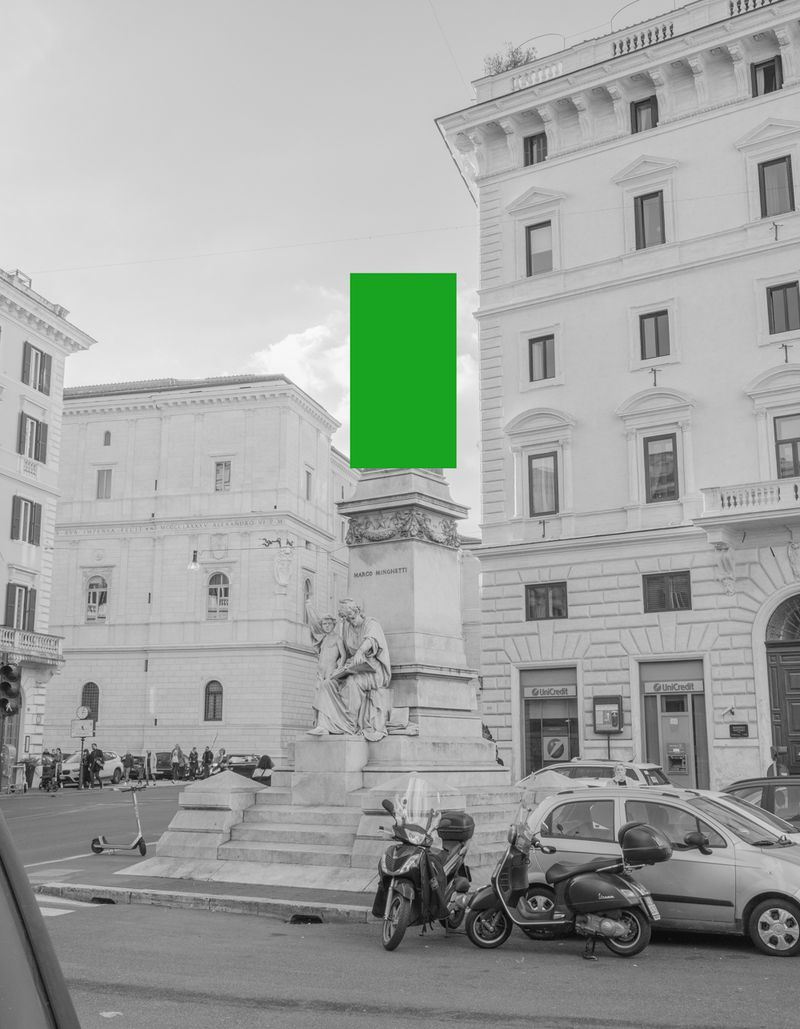
This is the subject matter of my work Of Heroes and Names Lost. I tackle this on three different levels. Represented here are cultural historical symbols who are connected to immortality, statues, whose motives are replaced with colors to depict the striving for symbolic immortality and a portrait of the cemetery of the nameless in Vienna.

On this cemetery, unidentifiable drowned from the Danube and victims of suicide were buried between the 17th century and 1940. Since the 1930s, the family Fuchs has been voluntarily responsible for the groundskeeping of the cemetery. Part of this portrait are as well repros of copies of the book of the dead. The original is kept by the central administration of the viennese cemeteries, but is missing since they moved location. This part of my work is representative for the physical as well as symbolical death of the individual.

I hope to expand this work and want to keep on realizing projects around the subjects of death and liminality.

© Yakob-Aziz König - Image from the Of Heroes and Names Lost photography project
i

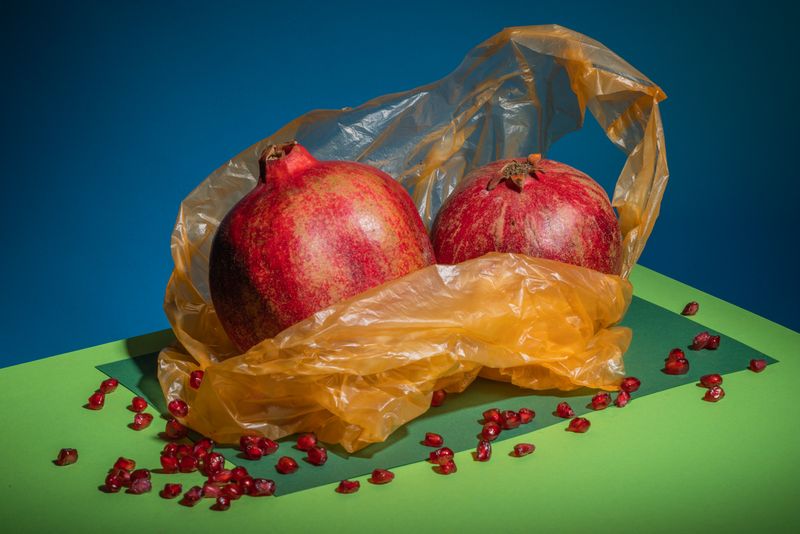
In christian art, the pomegranate can be found as a symbol for resurrection and everlasting life. Some even argue, that the pomegranate is the forbidden fruit from the garden of eden, which caused Adam & Eve’s expulsion from paradise and thus becoming mortal, or even the fruit from the tree of life, which grants immortality to the one who eats from it.

© Yakob-Aziz König - Statue 6
i

Statue 6

© Yakob-Aziz König - Image from the Of Heroes and Names Lost photography project
i

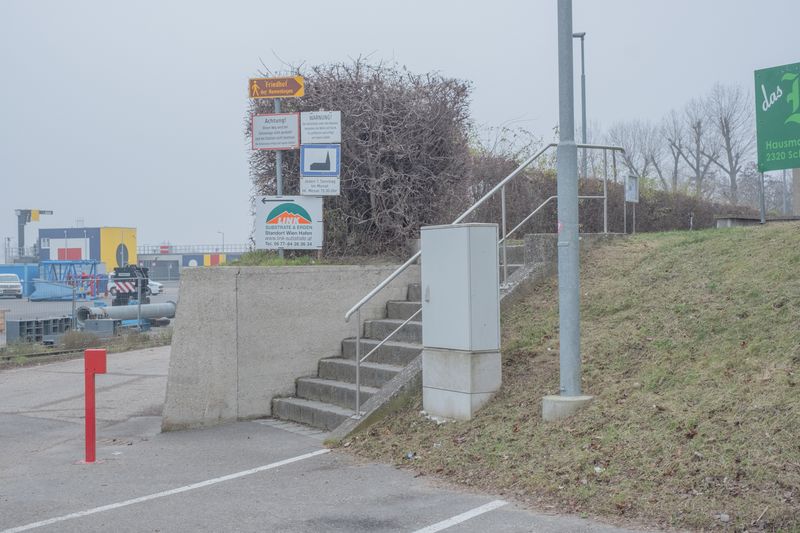
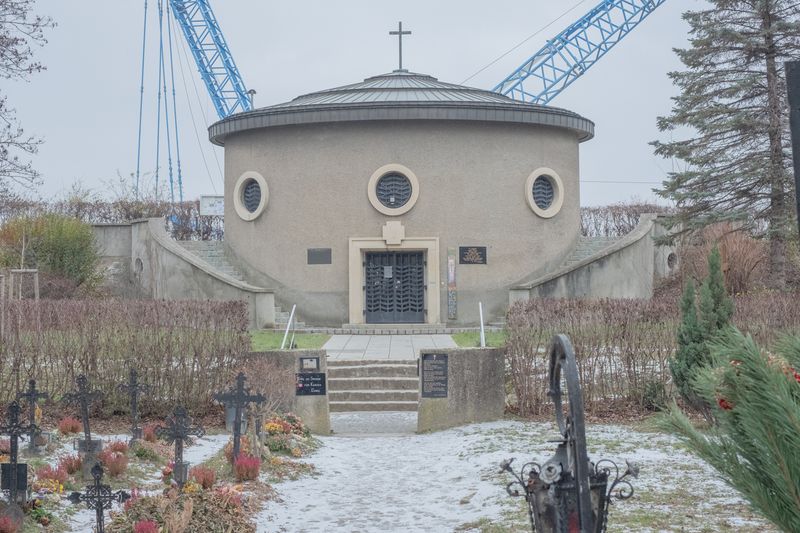
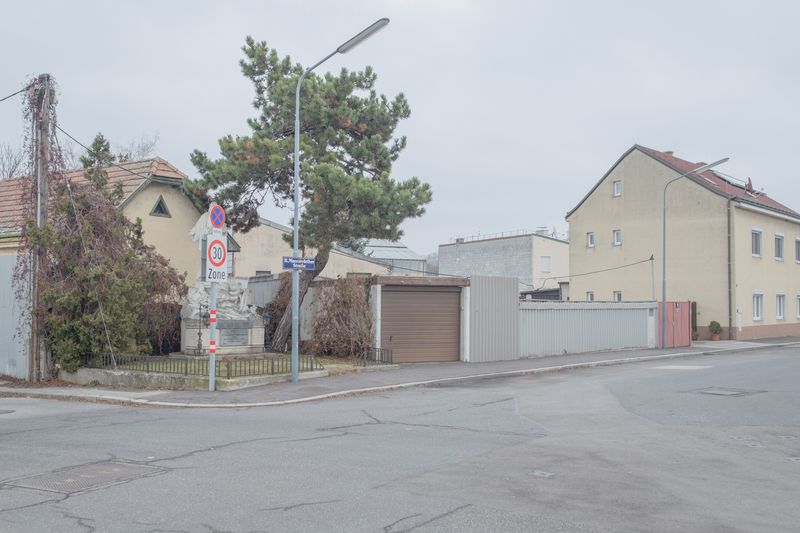
Entrance to the cemetery of the nameless in the district of Albern. Until the 1940s, unidentifiable drowning victims and victims of suicide were buried here. In 1940, Albern was integrated in the city of Vienna, so the Vienna Central Cemetery assumed the tasks of the cemetery of the nameless. Vienna, Austria, December 2022.

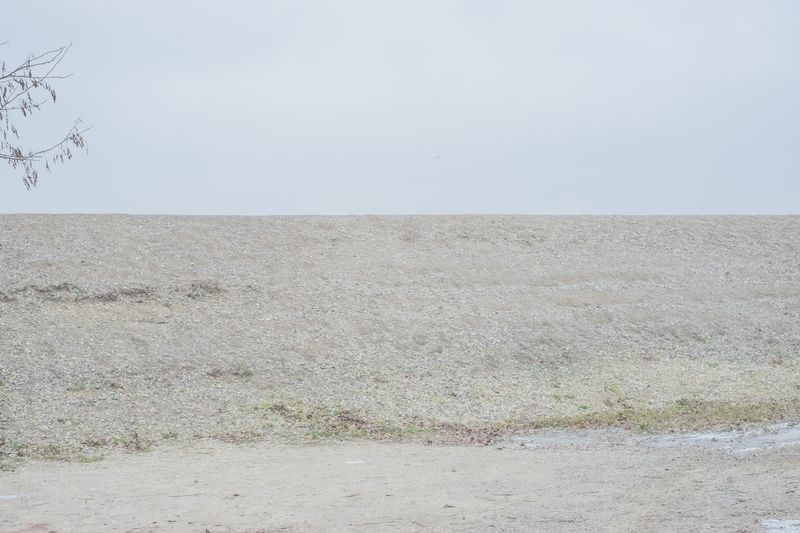
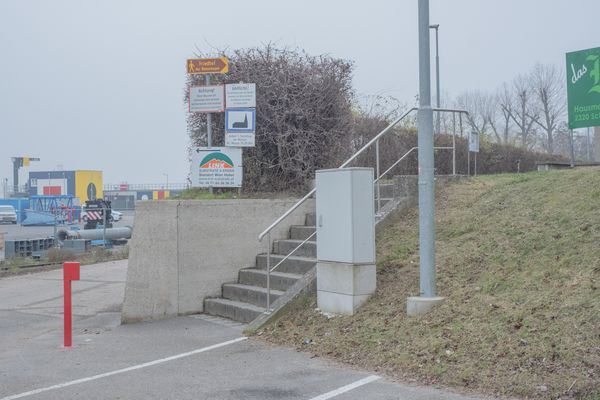
© Yakob-Aziz König - An embankment on the shore of the Danube near the cemetery of the nameless. Vienna, Austria, Austria, December 2022.
i

An embankment on the shore of the Danube near the cemetery of the nameless. Vienna, Austria, Austria, December 2022.

© Yakob-Aziz König - Image from the Of Heroes and Names Lost photography project
i

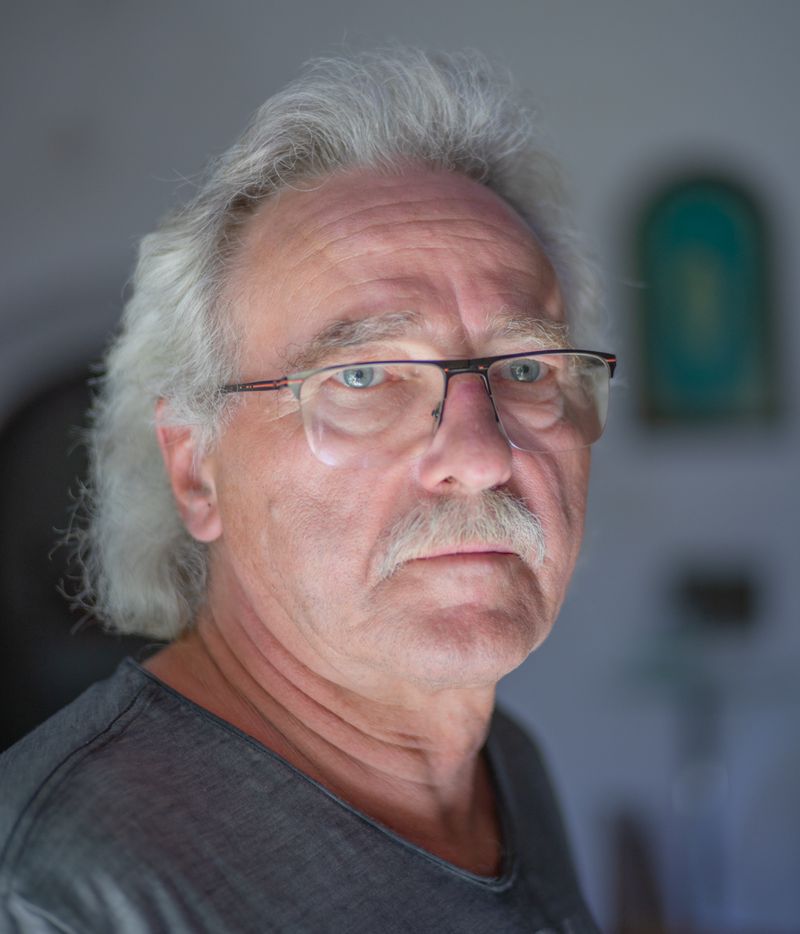
Josef Fuchs, groundskeeper of the cemetery of the nameless. Since three generations, the family Fuchs takes care of the cemetery. Vienna, Austria, August 2022.

© Yakob-Aziz König - The chapel of resurrection, build in 1935 on the cemetery of the nameless. Vienna, Austria, December 2022.
i

The chapel of resurrection, build in 1935 on the cemetery of the nameless. Vienna, Austria, December 2022.

© Yakob-Aziz König - Image from the Of Heroes and Names Lost photography project
i

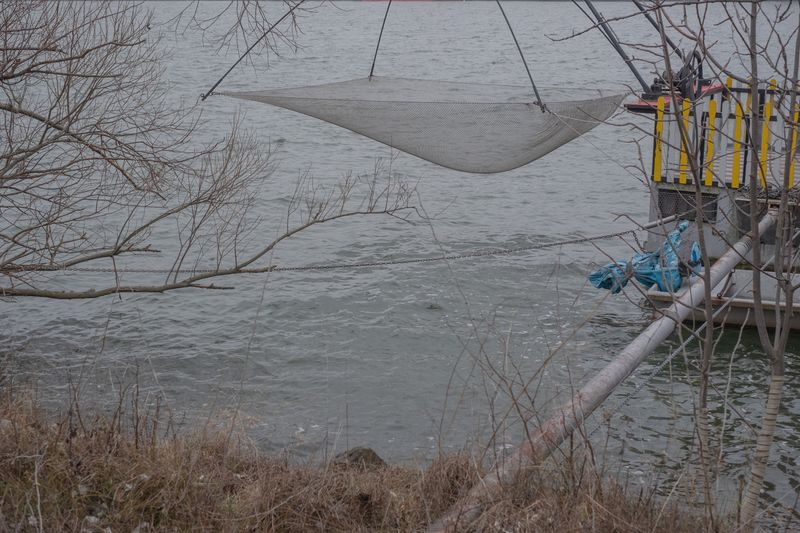
A fishing net on a boat on the Danube. Before the family Fuchs started to take care of the cemetery of the nameless, mostly the fishermen and huntsmen of the village of Albern would bury the bodies, as they would find them on the shore of the Danube. Vienna, Austria, December 2022.

© Yakob-Aziz König - Image from the Of Heroes and Names Lost photography project
i

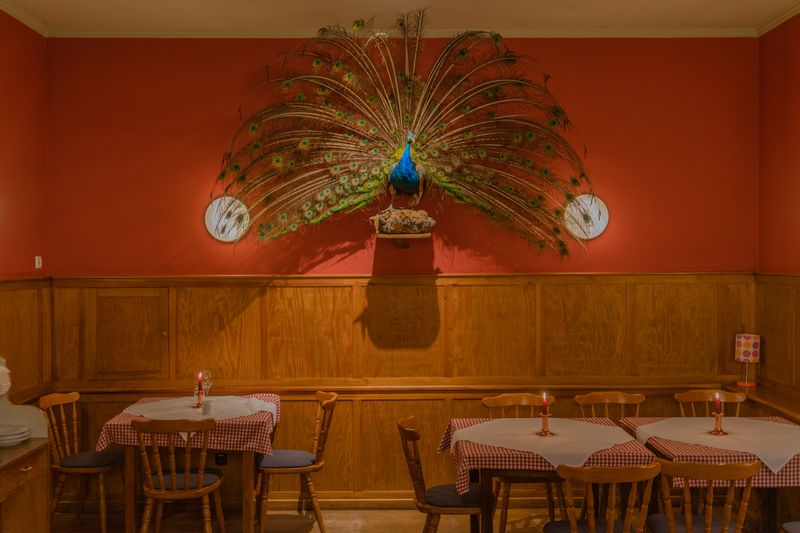
The peacock originates in Ceylon and India, but was brought to the greek island of Samos in the antiquity, where he became a sacred bird in the temple of Hera. The romans subsequently used the peacock as a symbol for Juno, Hera’s roman counterpart, and was bred starting the second century BC. In Greco-Roman funerary depictions, it can often seen in connection or inhabiting paradise, not just decoratively but acting as its own symbol, often times next to grapes or vineyards, which held the implication to paradise as well. Through this connection with grapes, the peacock in time was also associated with Dyionisus and his roman counterpart Bacchus. Diyonisus’s Wine, also called „the blood of Dyonisus“ was sometimes thought to grant Immortality, as described by Euripides in 405 BC in The Bacchae (Sinusoid). The connection between peacocks and immortality can be seen here. The symbol of the peacock as a bird of the paradise and symbol of immortality was picked up by pagan religions as well and can be found in tombs in for example Serbia, and was also transported in early christian art, notably the byzantine era. The peacock from there on persisted in christian art as a symbol of immortality. Berlin, Germany, November 2022.

© Yakob-Aziz König - Statue 2
i

Statue 2

© Yakob-Aziz König - Image from the Of Heroes and Names Lost photography project
i

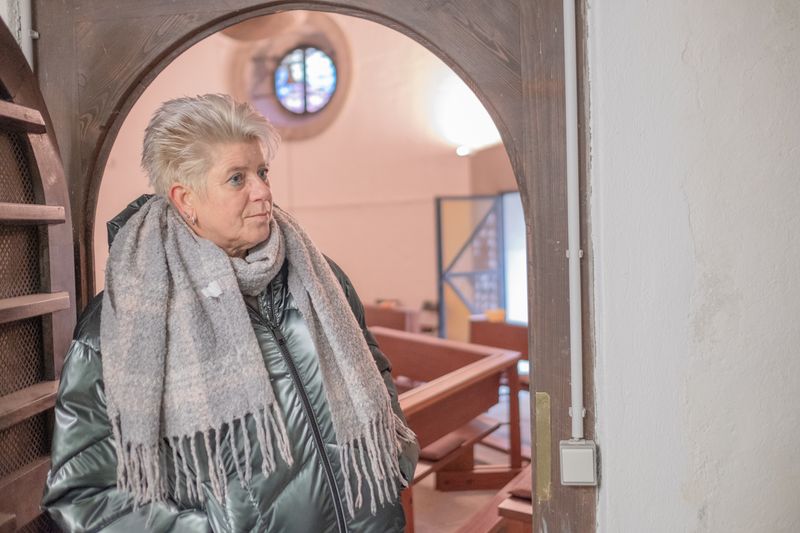
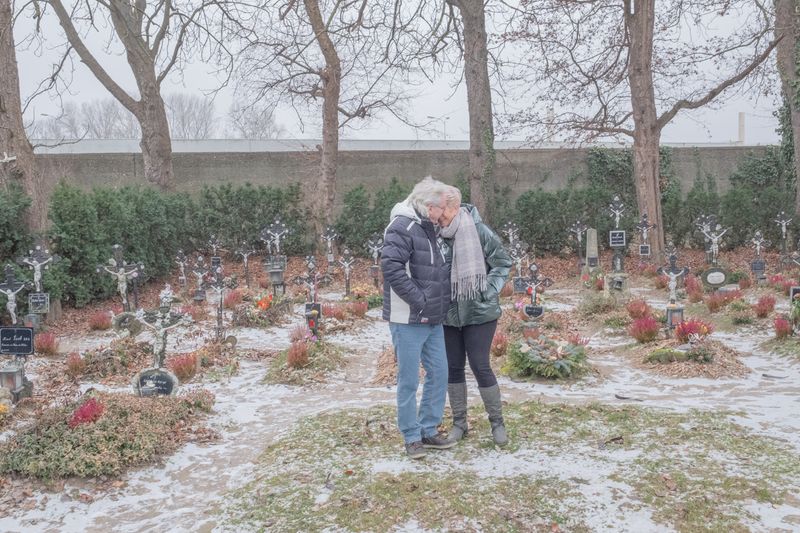
Rositta Liedl-Fuchs in the chapel of resurrection on the cemetery of the nameless. Josef and Rositta are taking care of the cemetery together, as has Josef’s grandfather and father before them. Vienna, Austria, December 2022.

© Yakob-Aziz König - Image from the Of Heroes and Names Lost photography project
i

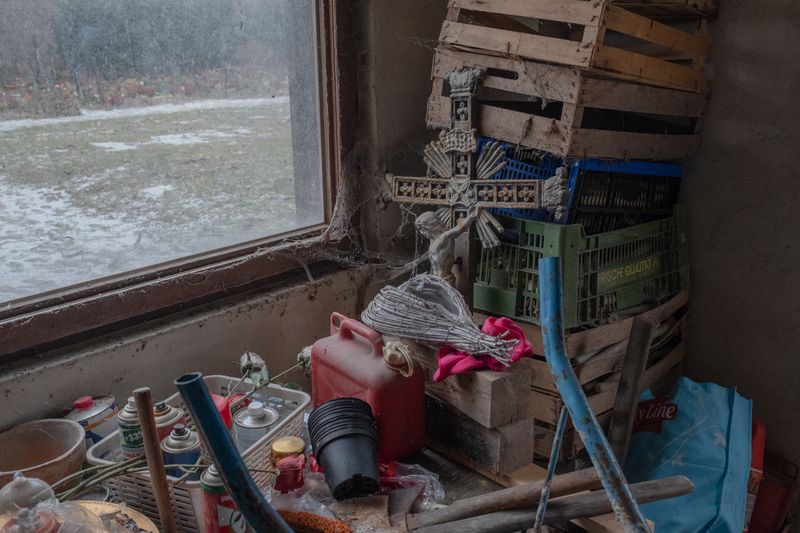
In the shed on the cemetery of the nameless. In times where the cemetery was still active, the bodies would be examined here and identified if possible before being buried. Nowadays, the shed is being used as storage. Vienna, Austria, December 2022.

© Yakob-Aziz König - A paddock in Albern, visible in the background are buildings of the port of Albern. Vienna, Austria, December 2022.
i

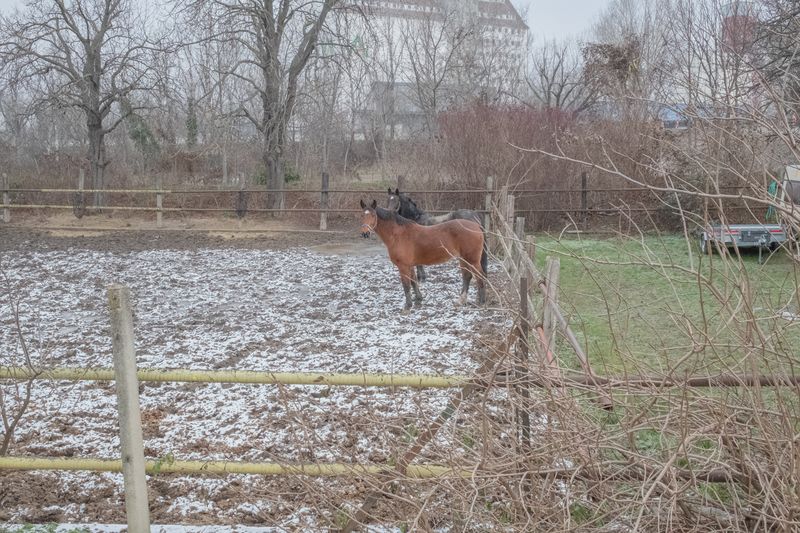
A paddock in Albern, visible in the background are buildings of the port of Albern. Vienna, Austria, December 2022.

© Yakob-Aziz König - Image from the Of Heroes and Names Lost photography project
i

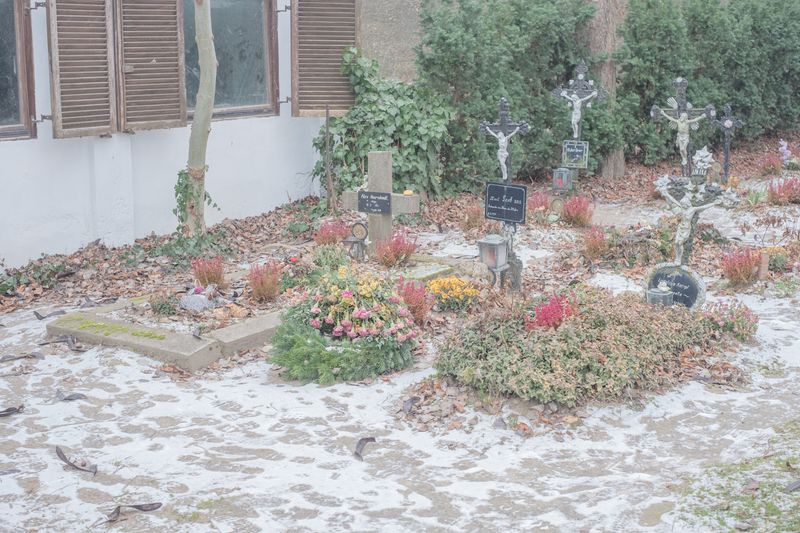
Three of the last graves on the cemetery. All three of those buried here died during the building of the port of Albern. Vienna, Austria, December 2022.

© Yakob-Aziz König - Image from the Of Heroes and Names Lost photography project
i

Memorial for the unknown soldier in the district of Albern where the cemetery of the nameless is located. Vienna, Austria, December 2022.

© Yakob-Aziz König - Image from the Of Heroes and Names Lost photography project
i

In Chinese mythology, the peaches of immortality are guarded by Xi Wangmu, the Queen mother of the west, and grow in her garden on Kunlun mountain. They take 3000 years to grow and 3000 years to ripen and then are consumed by the immortals during a celebration to retain their immortality. The celebration takes place in a hall with golden walls. Kunlun mountain is at the margins of heaven and earth, and the tree on which the peaches of immortality grow serves as a connection of the two. Xi Wangmu has the power of creation and destruction as well as the control over the lifespan of every living being on earth. She also reigns over the dead and the afterlife and can grant immortality.

© Yakob-Aziz König - Statue 3
i

Statue 3

© Yakob-Aziz König - Image from the Of Heroes and Names Lost photography project
i

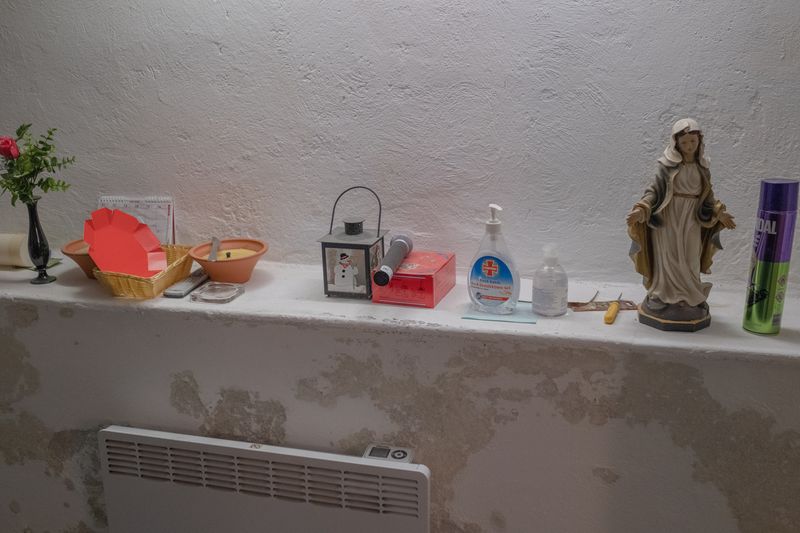
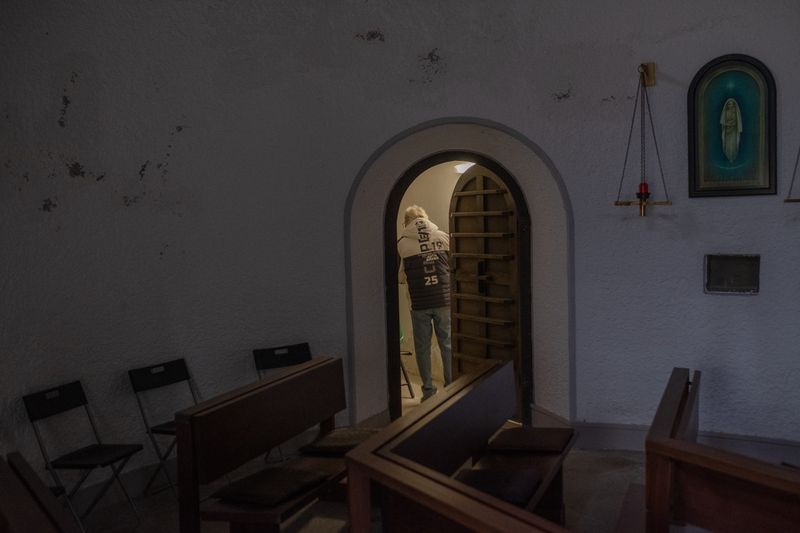
A backroom of the chapel of resurrection on the cemetery of the nameless. If there is a mass, which happens once a month, the priest gets ready here. Vienna, Austria, December 2022.

© Yakob-Aziz König - Image from the Of Heroes and Names Lost photography project
i

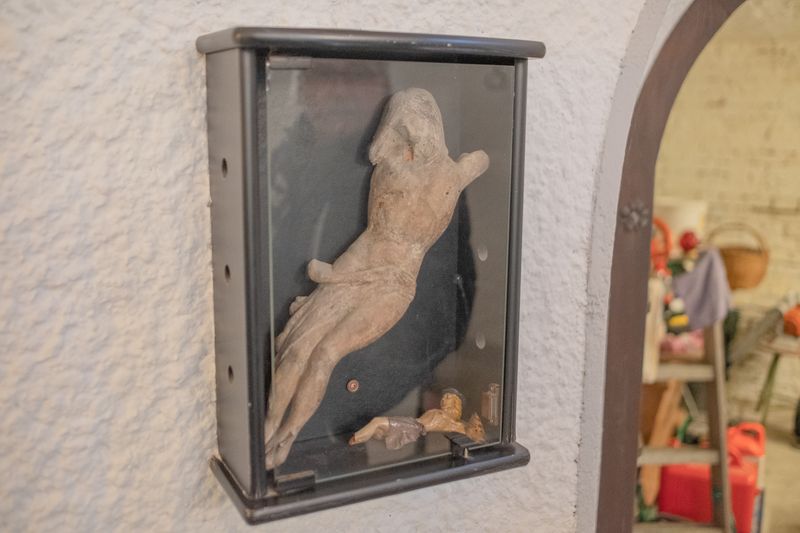
The remains of a crucifix from the old location of the cemetery of the nameless, kept in the chapel of resurrection. Due to monetary reasons, those old graves couldn’t be moved while relocating the cemetery to its new location. Vienna, Austria, December 2022.

© Yakob-Aziz König - Josef Fuchs in the chapel of resurrection on the cemetery of the nameless. Vienna, Austria, December 2022.
i

Josef Fuchs in the chapel of resurrection on the cemetery of the nameless. Vienna, Austria, December 2022.

© Yakob-Aziz König - Josef Fuchs and Rositta Liedl-Fuchs on the cemetery of the nameless. Vienna, Austria, December 2022.
i

Josef Fuchs and Rositta Liedl-Fuchs on the cemetery of the nameless. Vienna, Austria, December 2022.

Of Heroes and Names Lost by Yakob-Aziz König

Prev Next Close