Nowruz Celebrations in Kurdistan, Iran
-
Dates2024 - Ongoing
-
Author
- Topics Documentary
- Location Kurdistan Province, Iran
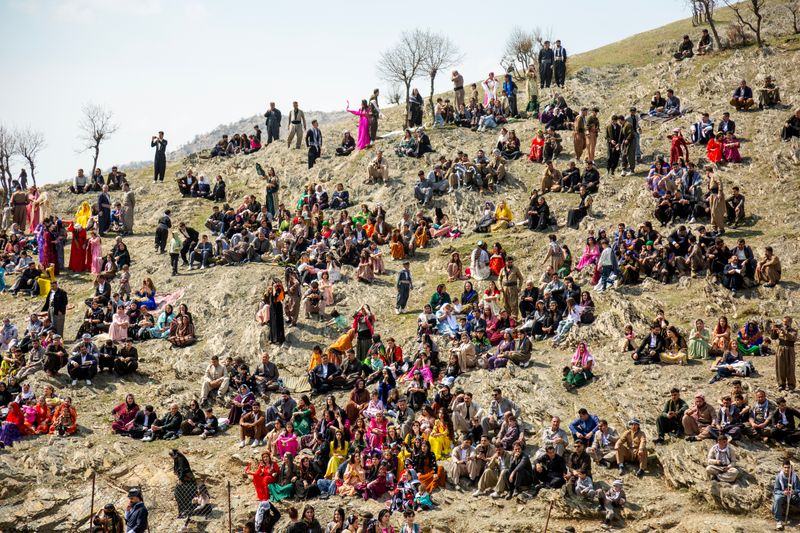
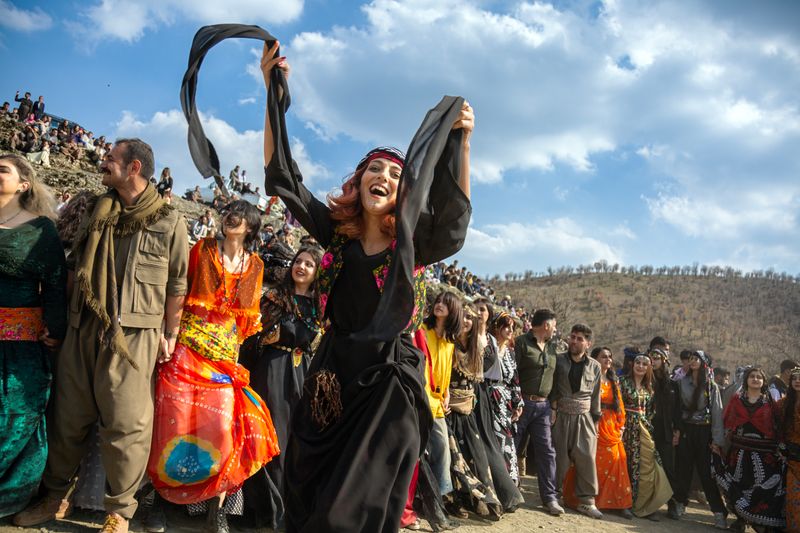
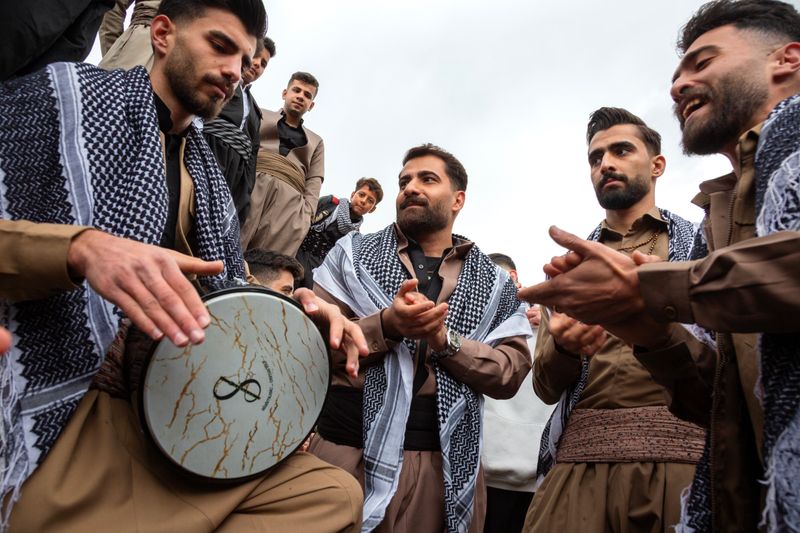
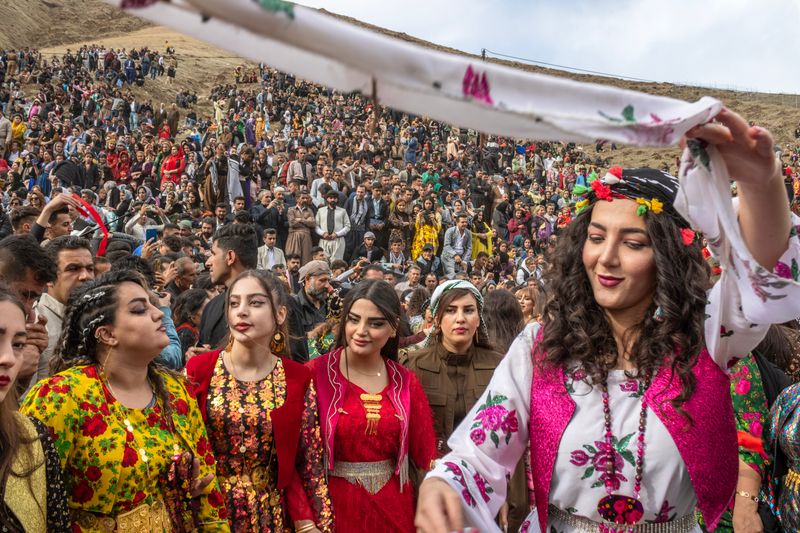
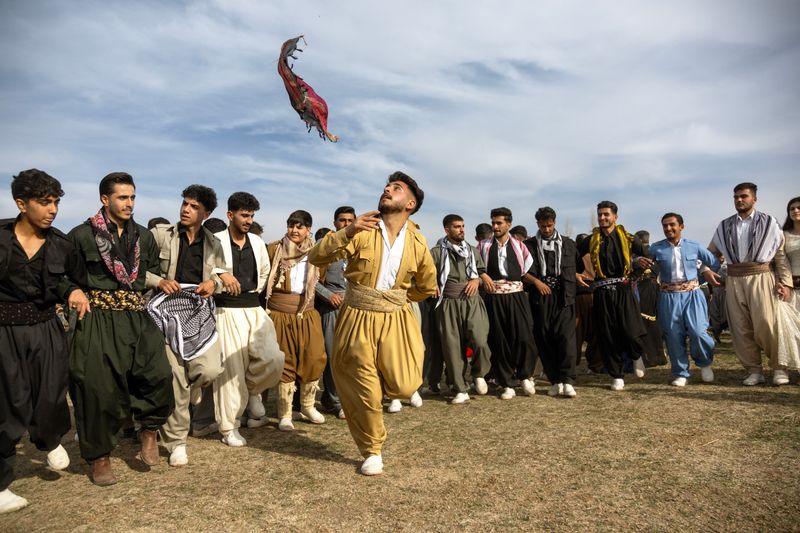
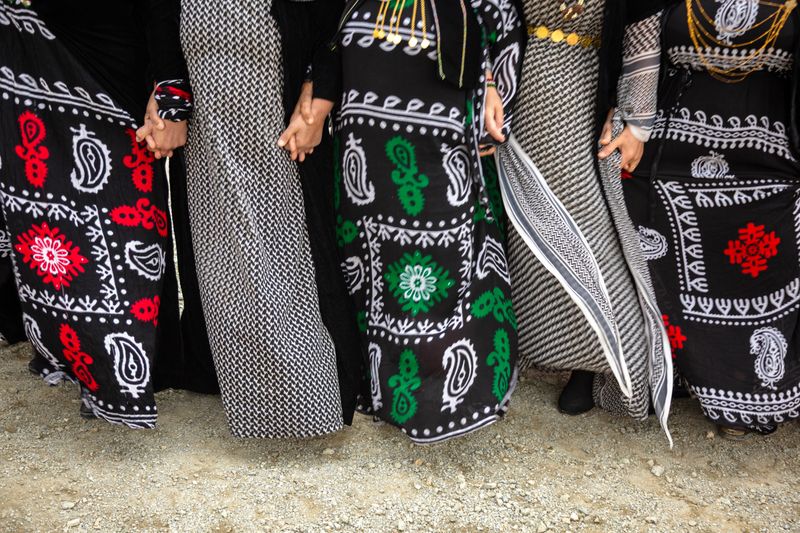
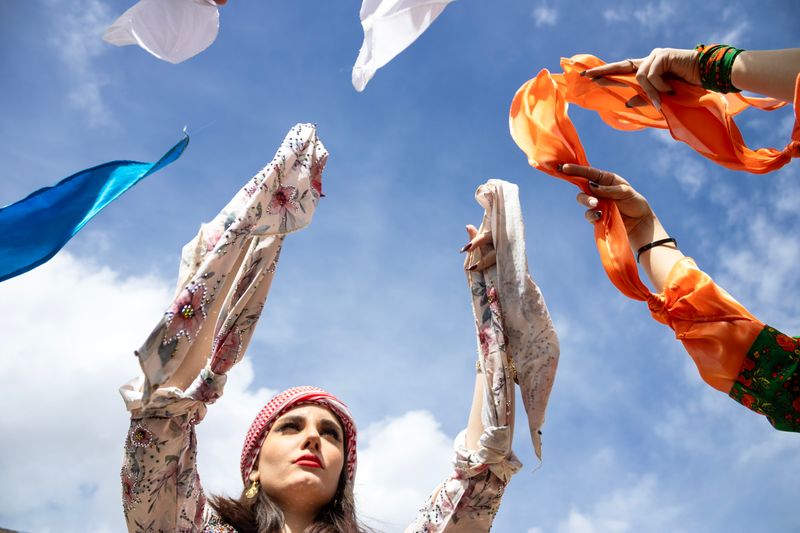
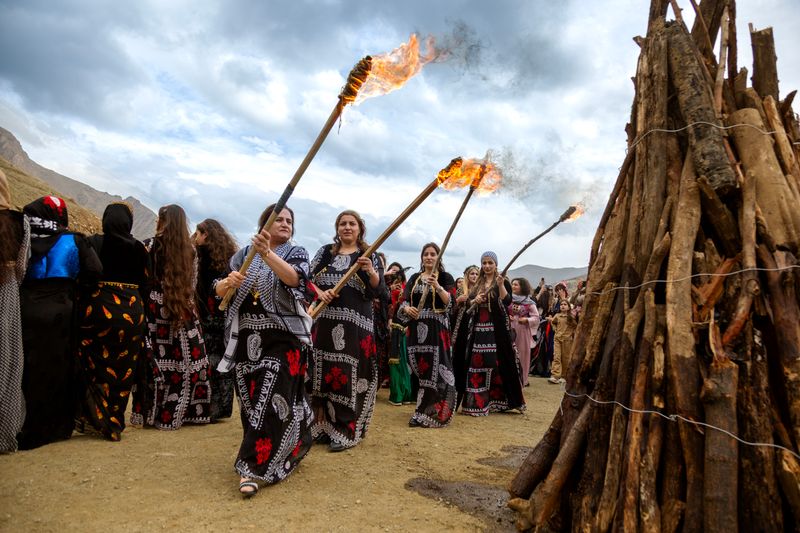
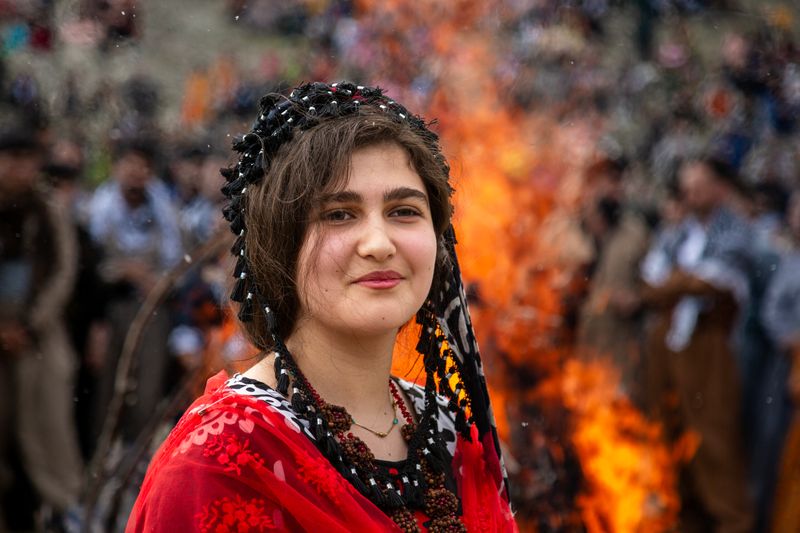
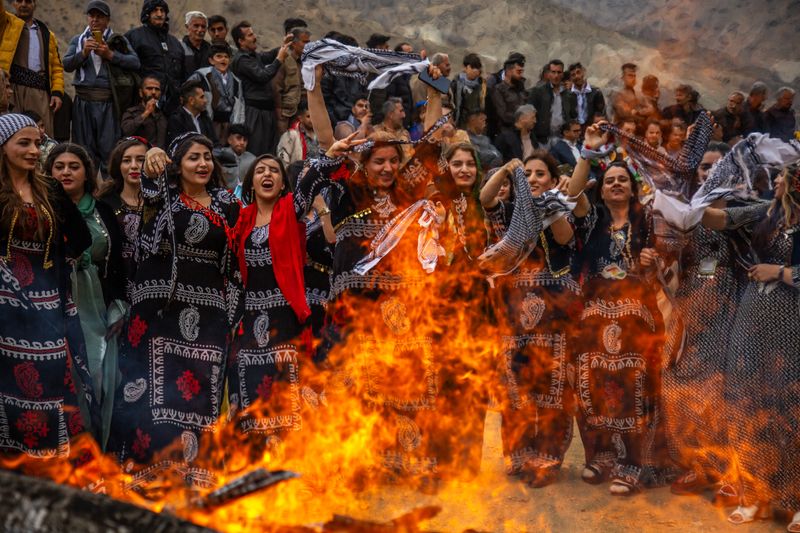
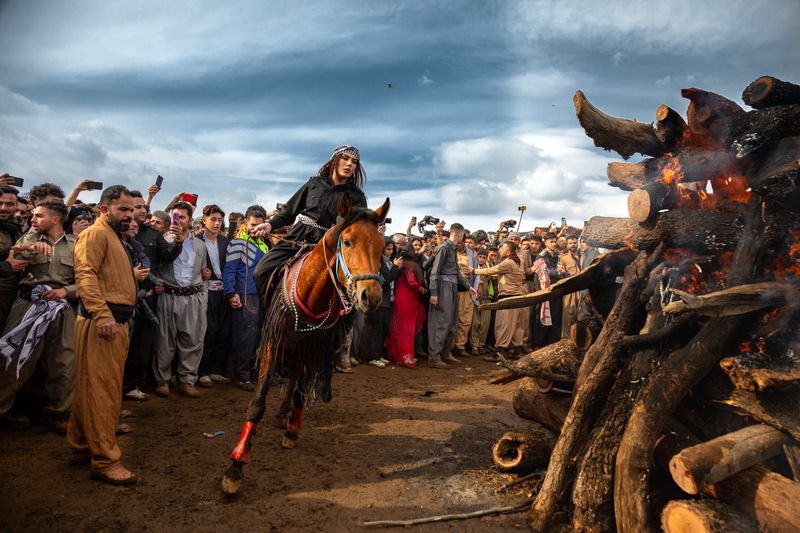
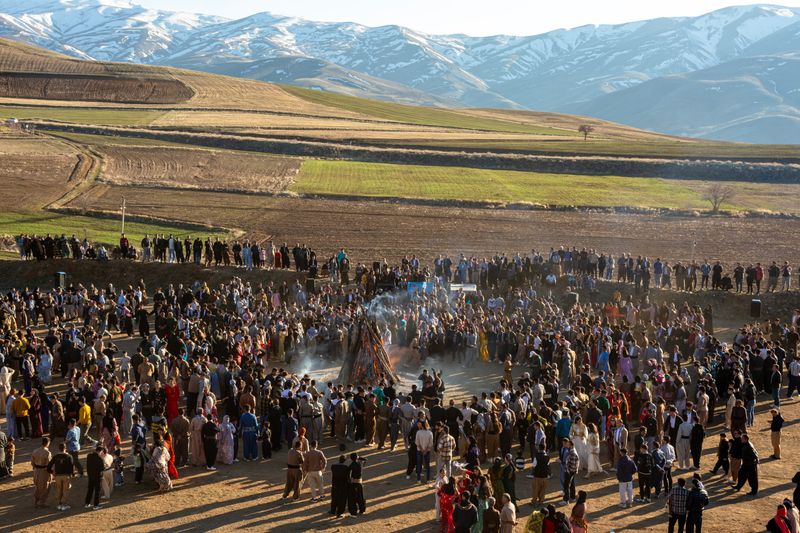
This project documents public Nowruz celebrations in rural Kurdistan, Iran showing outdoor ceremonies, traditional dress, dances, and rituals that reflect cultural continuity and intergenerational Kurdish identity.
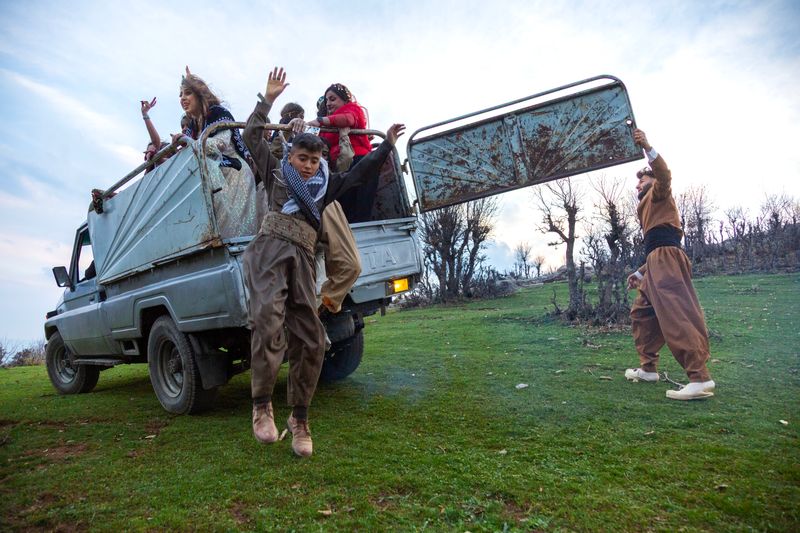
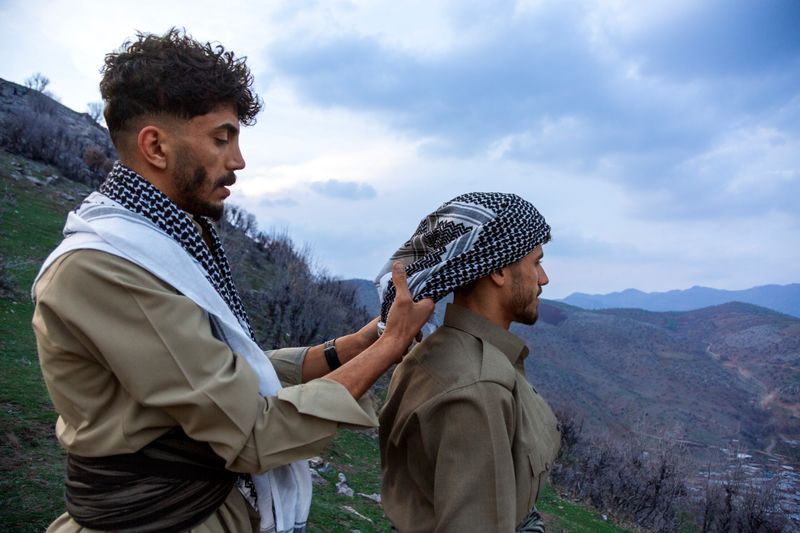
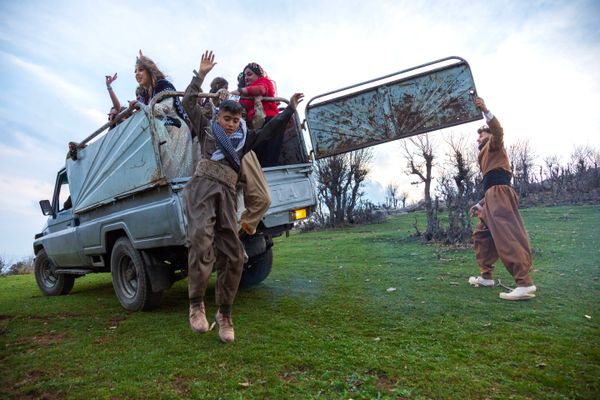
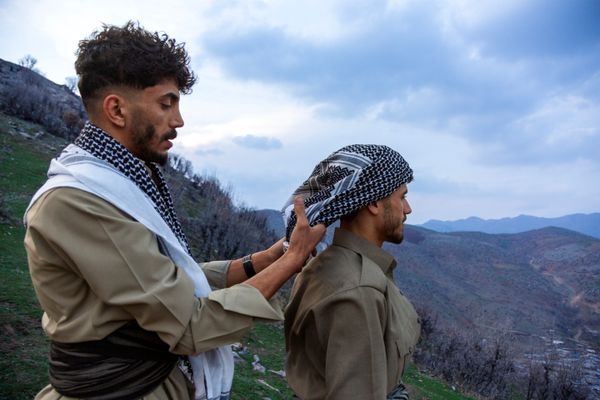
This ongoing project, active since 2024, documents public Nowruz celebrations in Kurdish villages across Kurdistan and West Azerbaijan provinces, Iran. Each year, between March 10 and April 2, the photographer attends 15–20 daily ceremonies, recording traditional clothing, communal dances such as the Helperke, live music, equestrian rituals, and fire-lighting ceremonies.
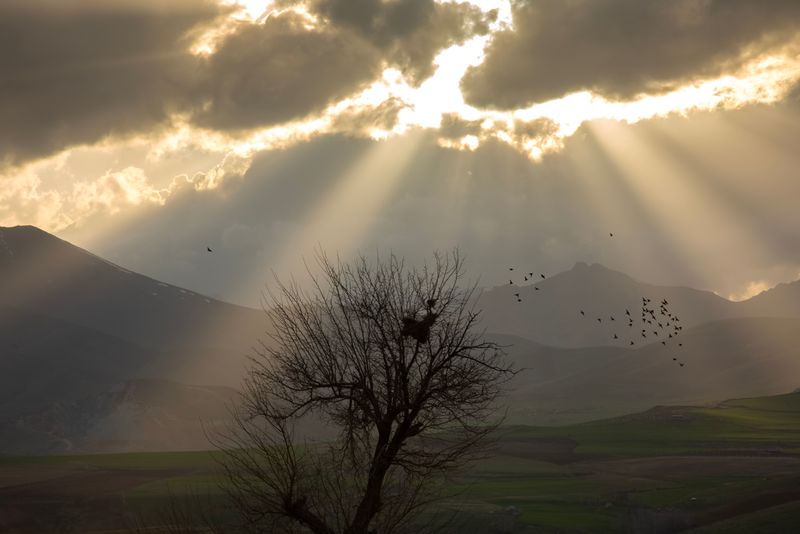
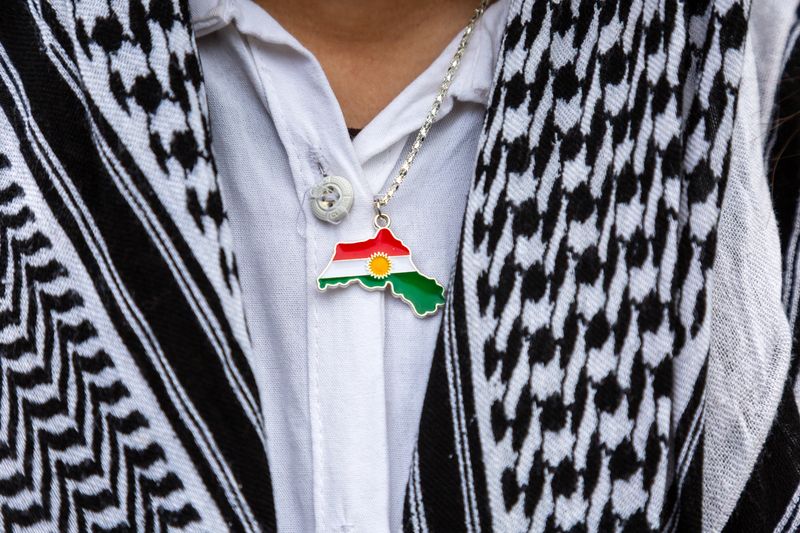
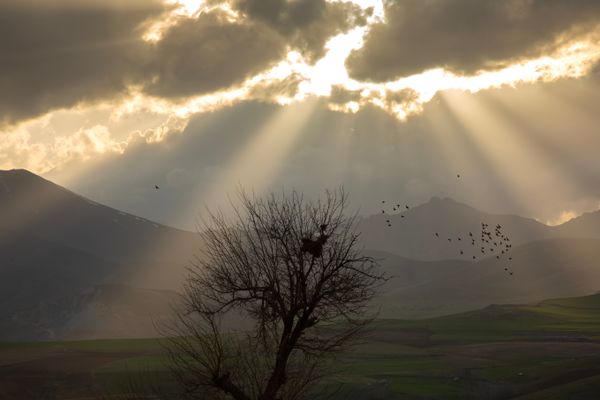
The photographs include wide shots capturing landscapes and crowds, mid-range frames documenting group rituals, and close-up portraits that highlight clothing details and interactions across generations. Portraits focus on expressions, gestures, and communal interactions, reflecting the lived experiences of participants. The project captures preparations, rituals, and conclusions of the ceremonies without staging or intervention.
Approximately 50 Kurdish villages have been covered so far. The project is now expanding to include Nowruz celebrations in Kurdish regions of Iraq and Turkey, documenting the cultural continuity and variations of this festival across the region.
Kurdistan in Iran is culturally and linguistically diverse. Clothing, dances, and dialects vary by geography. Five main Kurdish dialects—Kurmanji, Kalhuri, Gorani, Hawrami, and Laki—are widely spoken; additionally, Sorani, Lori, and Zazaki are present in some areas. Kurds are spread across six geographic regions: Kurdistan, Ilam, Kermanshah, Lorestan, West Azerbaijan, and border areas with Iraq and Turkey. This diversity enriches the cultural and linguistic landscape of the Kurdish people.