Nothing Is Just a Wall
-
Dates2025 - 2025
-
Author
- Topics Street Photography
- Location Porto Alegre, Brazil
This essay connects photography and urban resistance, framing Pixação as a Brazilian language of protest that exposes inequality. Between art and vandalism, it argues that aesthetics itself can be resistance.
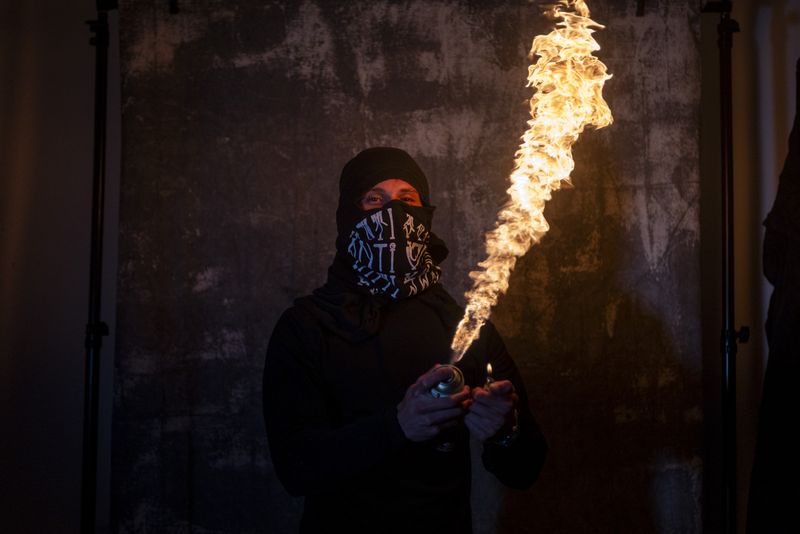
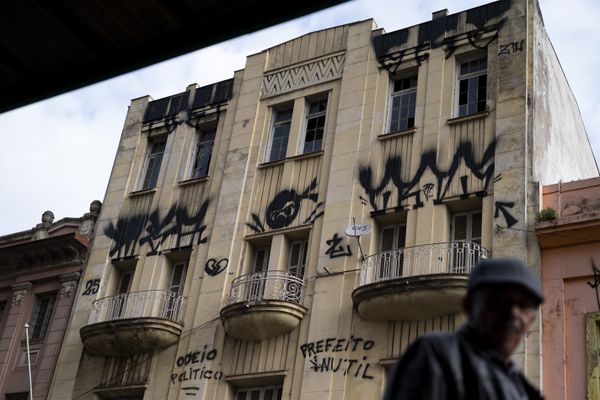
This essay emerges from the intersection of photography, the city, and resistance. Developed in partnership with VII Foundation, an internationally recognized foundation committed to freedom of expression and the documentation of social realities, the project approaches Pixação as a form of manifestation and as a direct response to society’s neglect.
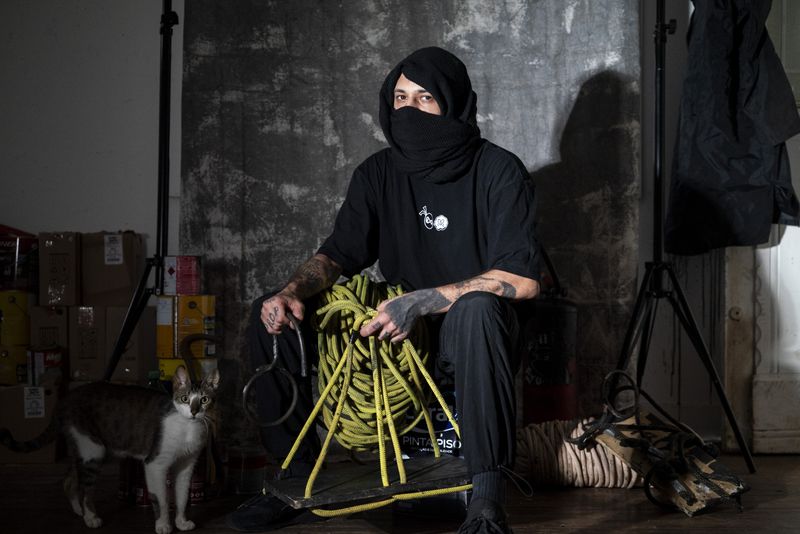
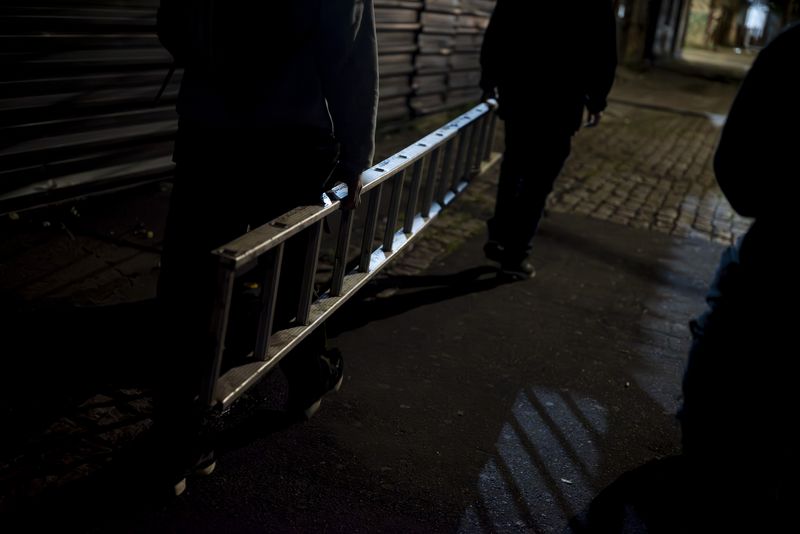
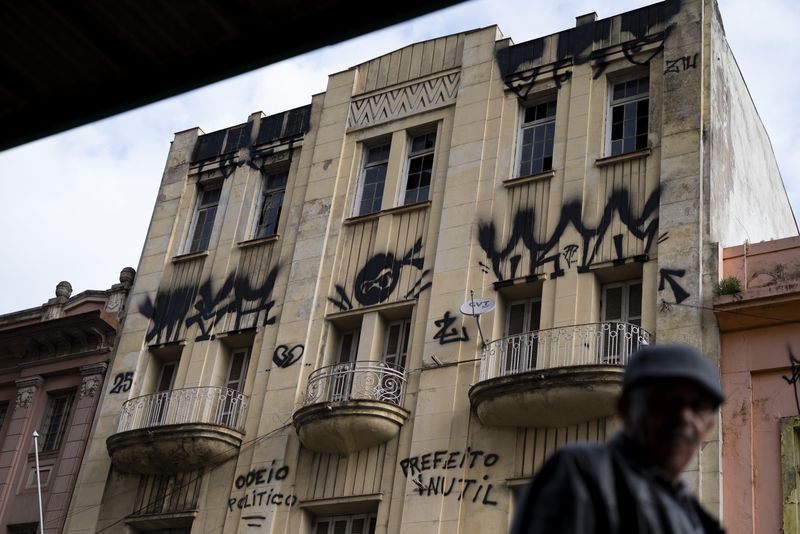
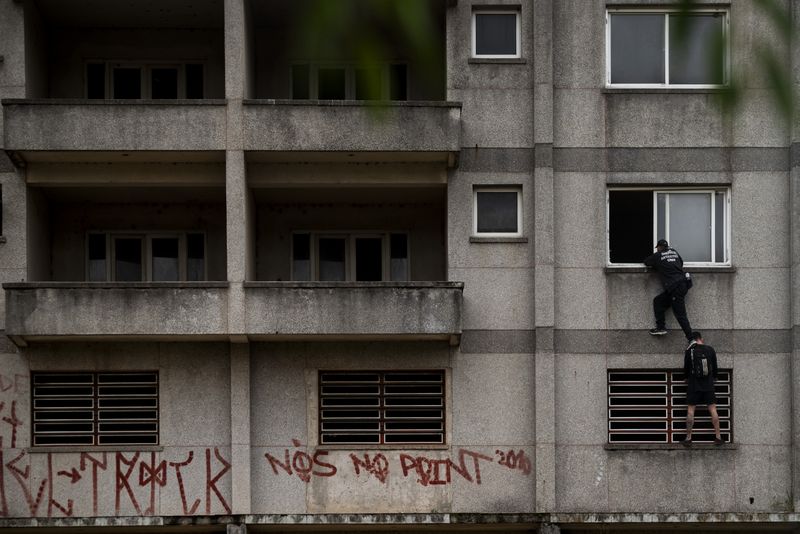
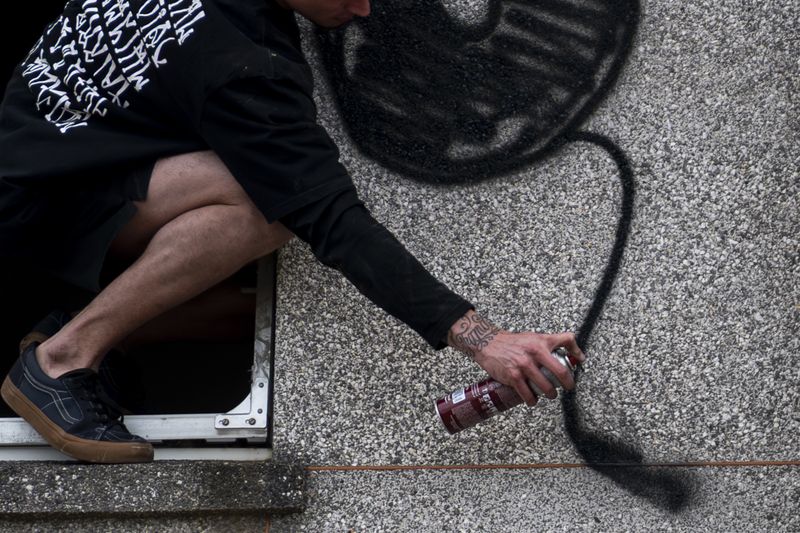
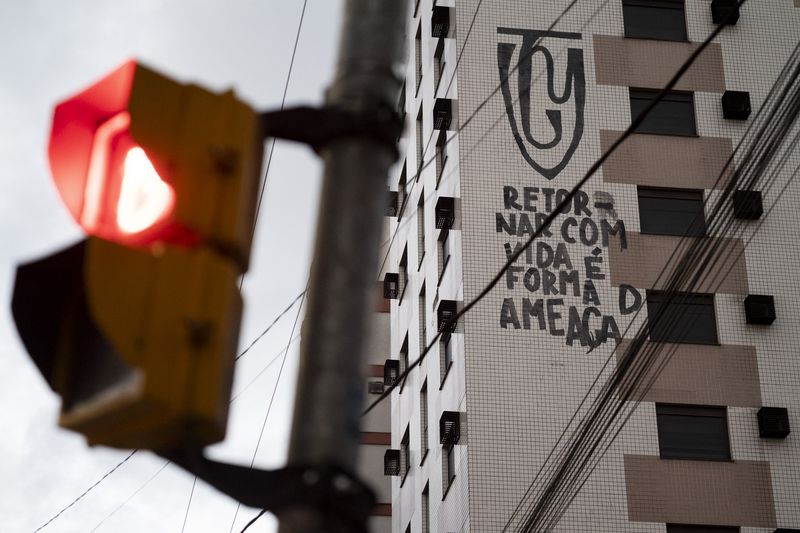
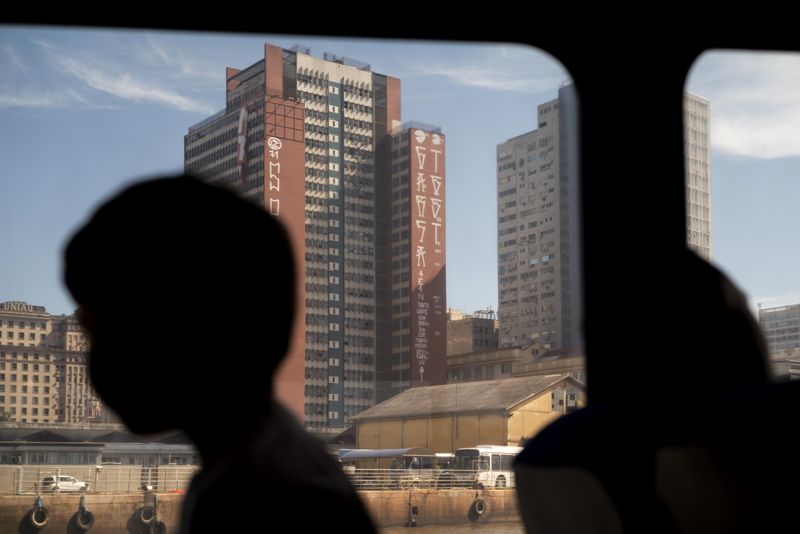
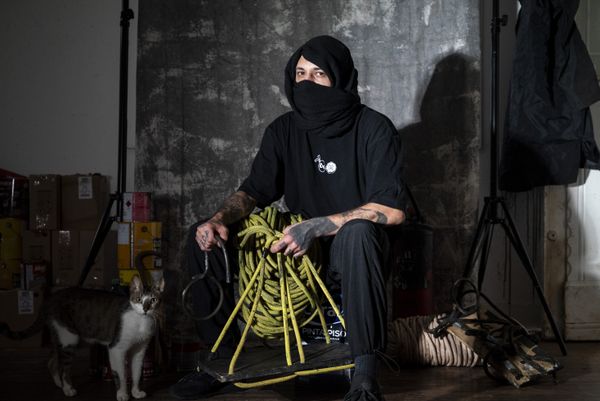
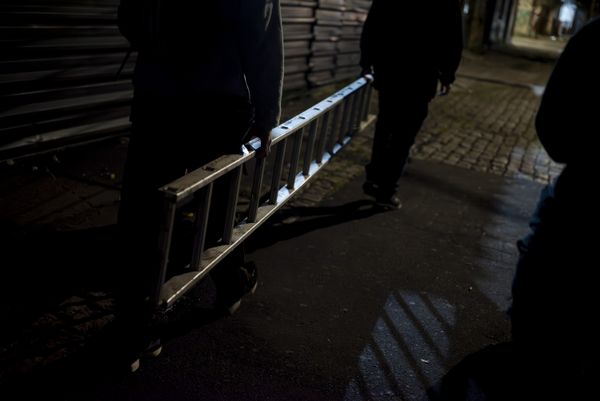
Like graffiti in the United States, Pixação is a language born out of resistance. Pixo is a genuinely Brazilian creation that emerged during the military dictatorship as a form of protest and expression. In Porto Alegre, in southern Brazil, Pixadores from the AntiSocial Crew have been expanding this practice by occupying walls and building facades as spaces for reflection, combining signatures and phrases that question politics, everyday life, and existence itself.
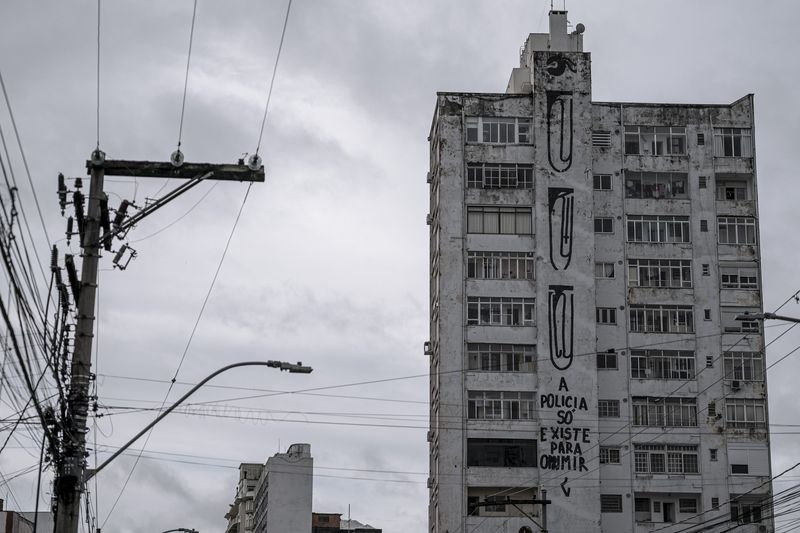
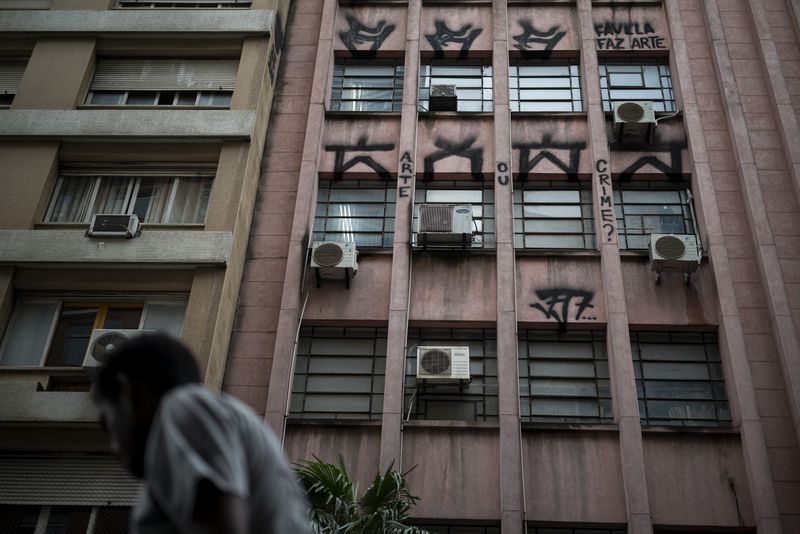
Today, Pixo directly exposes the neglect faced by those who have long been pushed to the margins. By occupying walls and buildings, it reveals inequality, lack of opportunity, and the invisibility imposed on so many. To pixar is to challenge power, order, and official aesthetics. Its marks denounce erasure and deep scars that are often more severe than the act of pixar itself. Between art and vandalism lies a fragile boundary, frequently used to exclude rather than to understand.
Nothing Is Just a Wall provokes this reflection, one that rarely finds space in mainstream media, still constrained by limited editorial views of what is considered worth telling. Here, photography mirrors the logic of pixação: urgent, raw, and necessary. Pixo exists between what is visible and what the city attempts to erase. The invitation is to look more closely at these walls and reflect on what they reveal, about our surroundings and about what persists in being ignored. Just as Pixadores write to be seen, I photograph so that these voices are not forgotten.
Here, aesthetics are not ornament. They are resistance.