NORTH, SOUTH, EAST, WEST
-
Dates2025 - Ongoing
-
Author
- Topics Fine Art
- Location Brazil
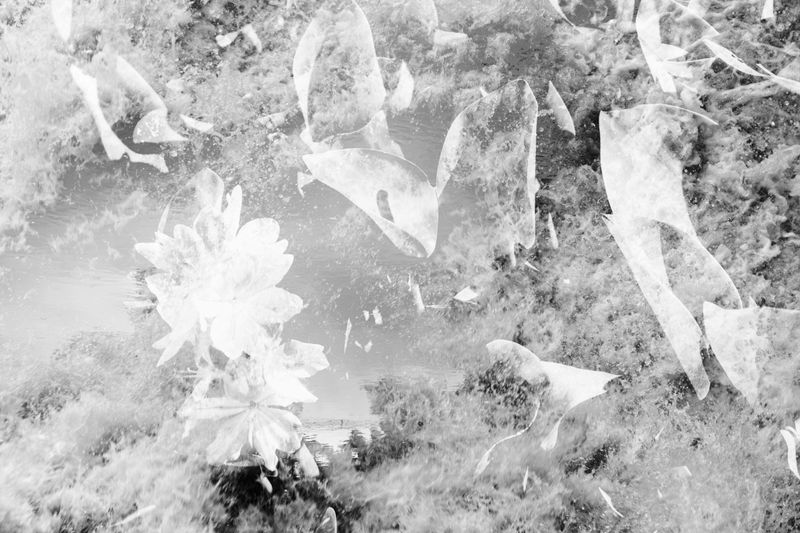
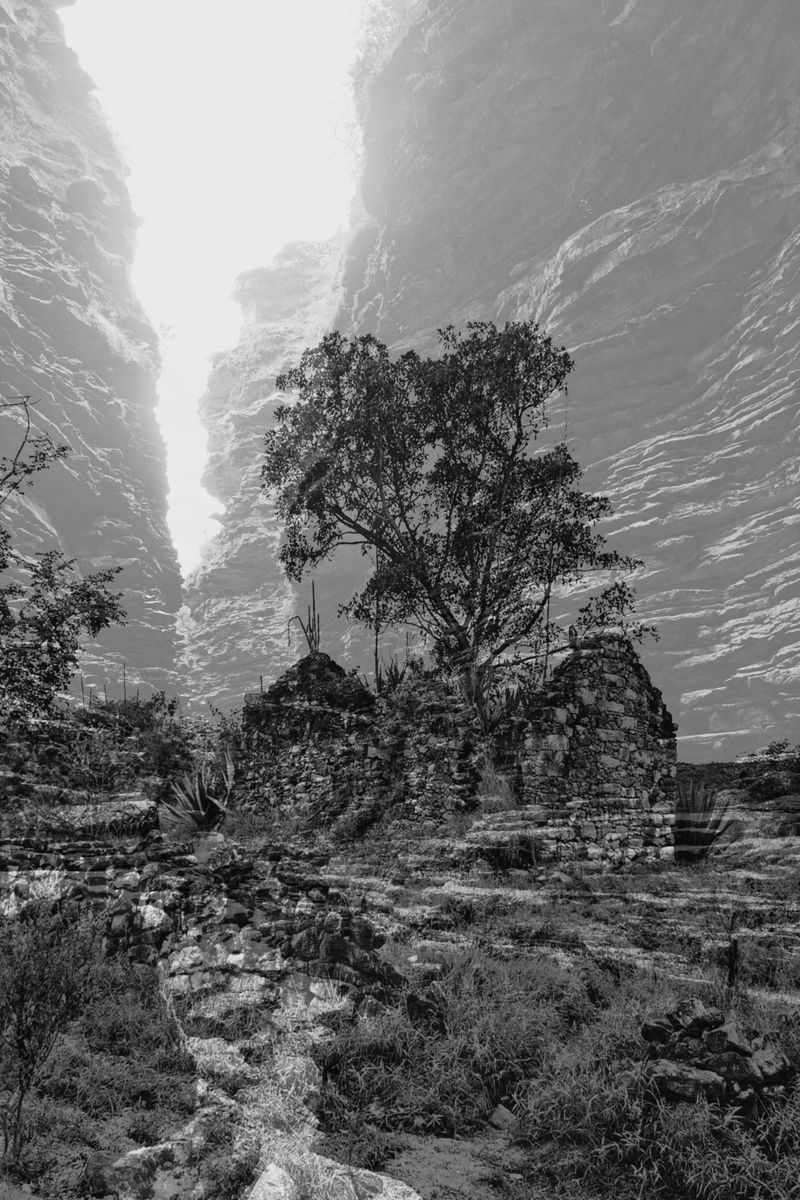
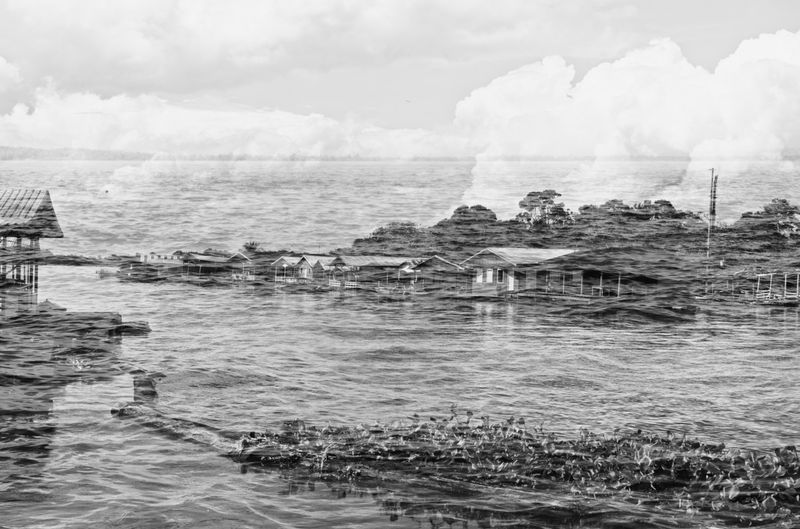
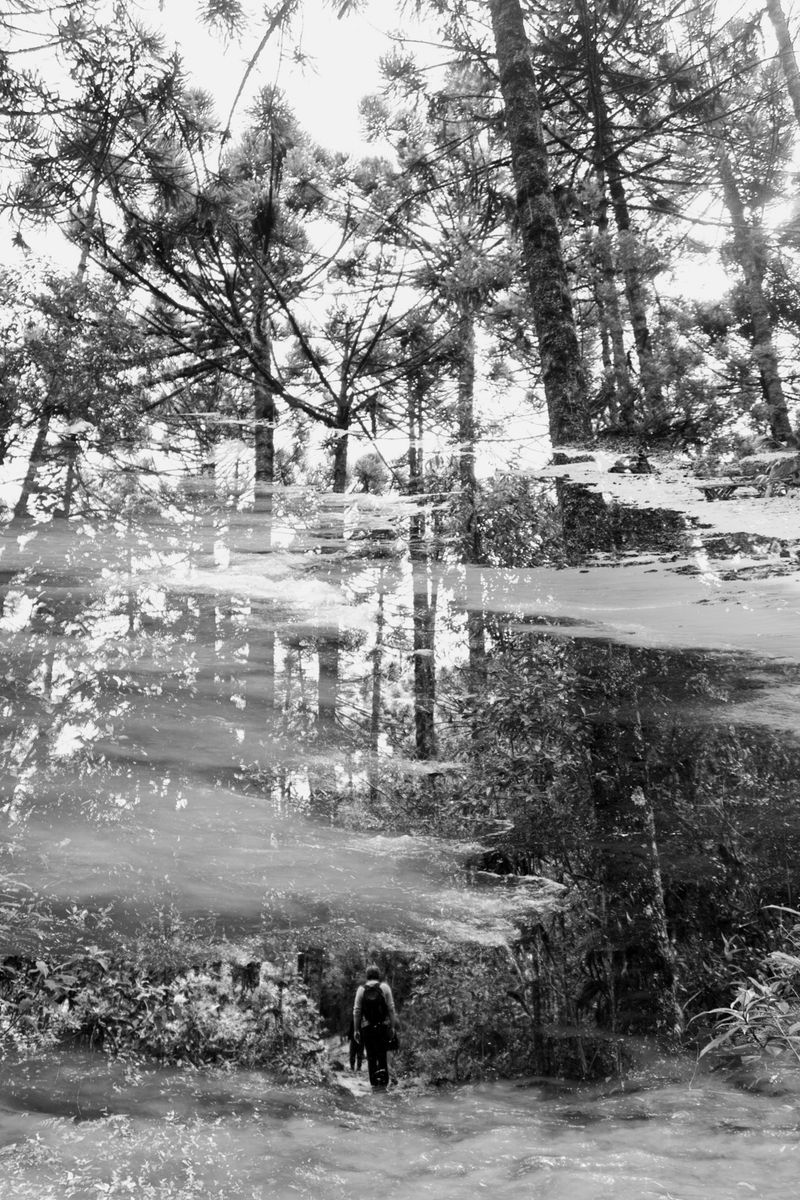
North, South, East, West is a photographic series of digital montages that examines the entanglement of nature, culture, and historical narratives within Brazilian landscapes.
NORTH, SOUTH, EAST, WEST
Historically, Brazil’s identity has been forged upon its natural wealth, yet nature was paradoxically imagined as something distinct from its people and culture. From the exploitative logic of colonialism to the rise of modern developmentalism, the natural world was treated merely as the fuel sustaining the national growth. Today, the unprecedented complexity of the climate emergency has shattered this master narrative, forcing a reckoning with the long-standing divide between environment and society. Still, Brazil’s climate landscape is often framed through false dichotomies: environmental protection versus economic development, global leadership versus domestic sovereignty, obscuring the extent to which these issues are already entangled.
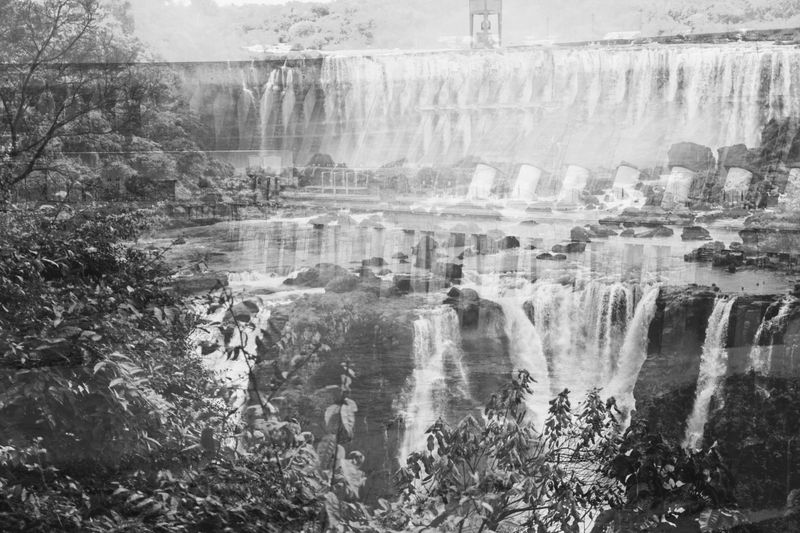
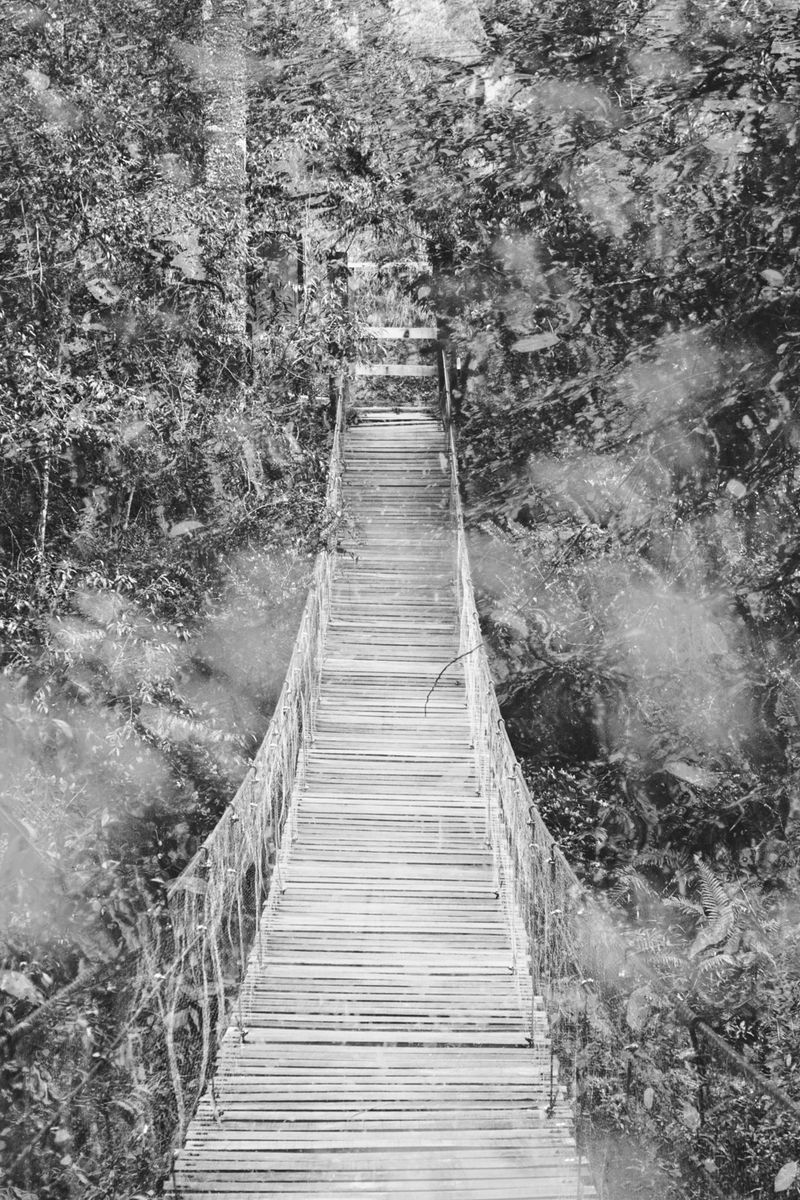
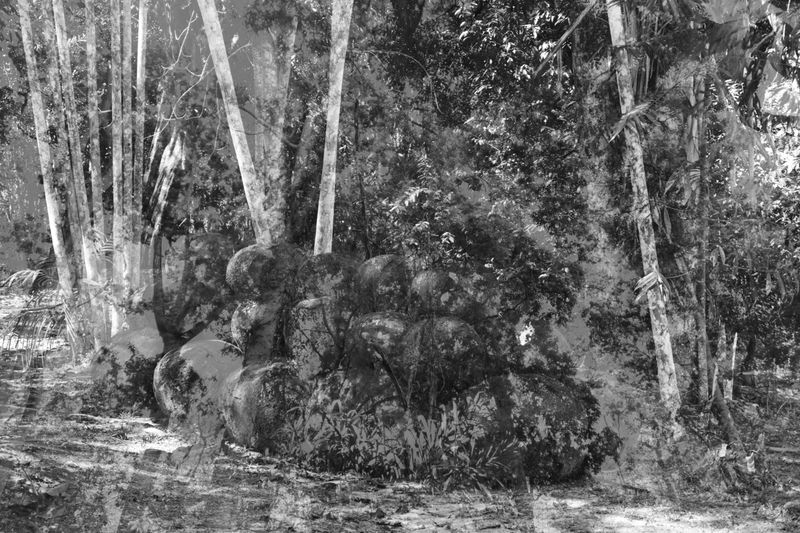
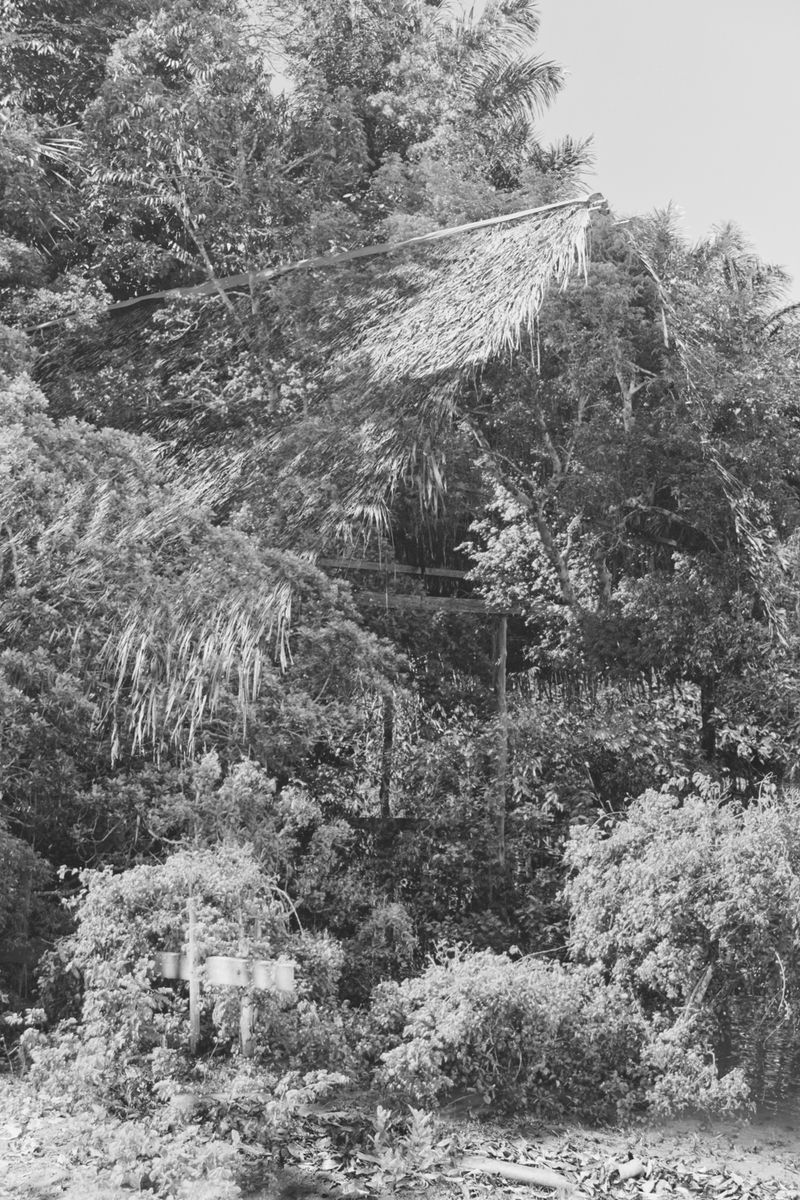
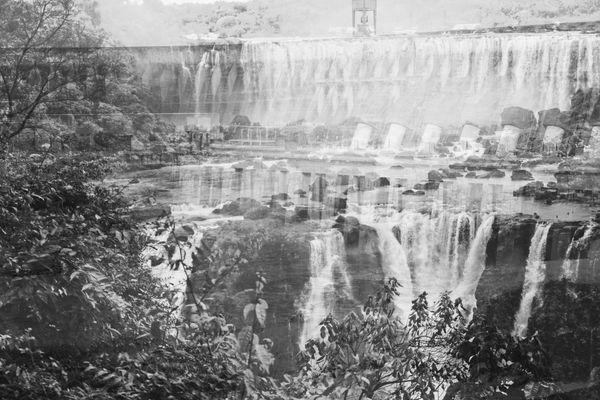
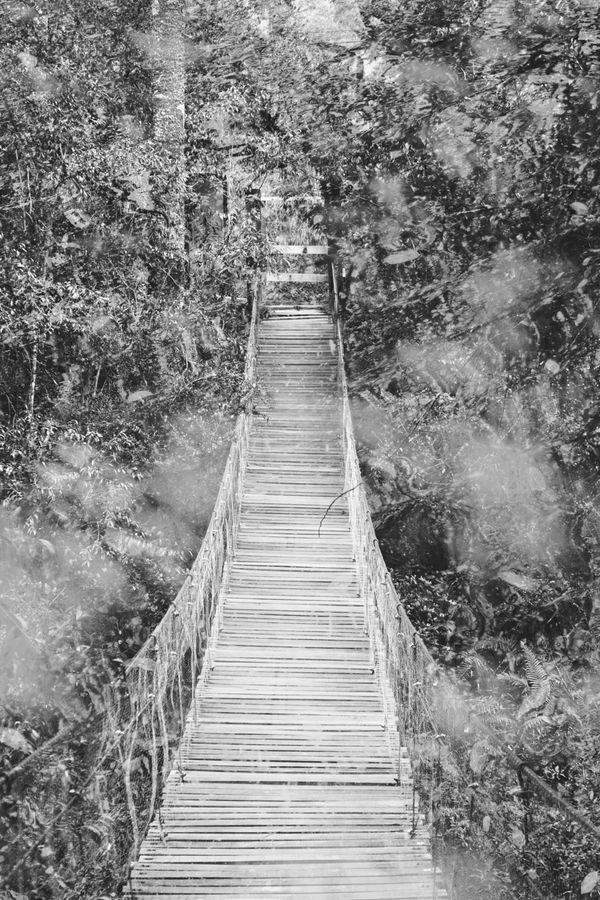
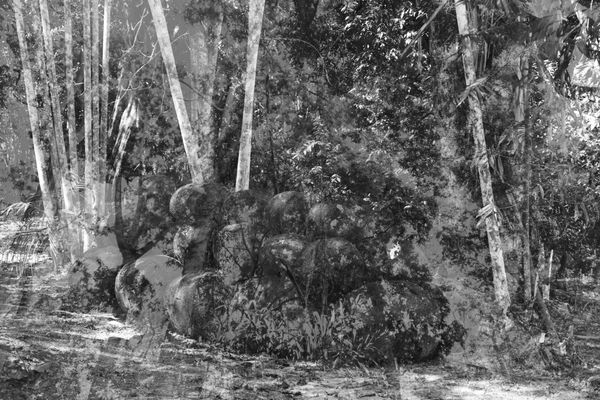
The photographic series North, South, East, West navigates this complex intersection by approaching the Brazilian landscape as a dense field of mediation where cultural, political, and environmental forces converge. Composed of eight spans diverse regions—from the Amazon rainforest to the Araucaria forests of the South, from the Cerrado of the Central Plateau to the beaches of the Northeast -, while refusing the notion of a regional specificity. The monochrome palette strips away color to emphasize structural and textural continuities between organic forms and industrial interventions. Each image is constructed from multiple layers recombined to bring together fragments of different times, scales, and regions.
The title refers both to the geographic expanse of Brazil and to the way landscape functions as a symbolic compass in national identity. Montage, in this project, operates as both a method and a critical strategy, allowing disparate cultural and natural elements to coexist while revealing the fractures between them. The seams and overlaps are not concealed; instead, they remain visible, exposing processes of mediation and inviting the viewer to navigate these layered spaces as an active interpreter, moving through gaps, transparencies, and reversals where meaning remains in flux. These landscapes emerge as hybrid and unstable, oscillating between document and construction, memory and projection.