New Dawn
-
Dates2020 - 2022
-
Author
- Topics Landscape, Contemporary Issues, Nature & Environment, Fine Art, Documentary, Archive
- Location Montreal, Canada
New Dawn explores our role in shaping our environment in the context of ecological collapse. Using the Montreal Biodome's renovation as a metaphor, it points to a nuanced shift in ecological thinking, urging us to redefine what 'nature' means today.
The Garden To Come
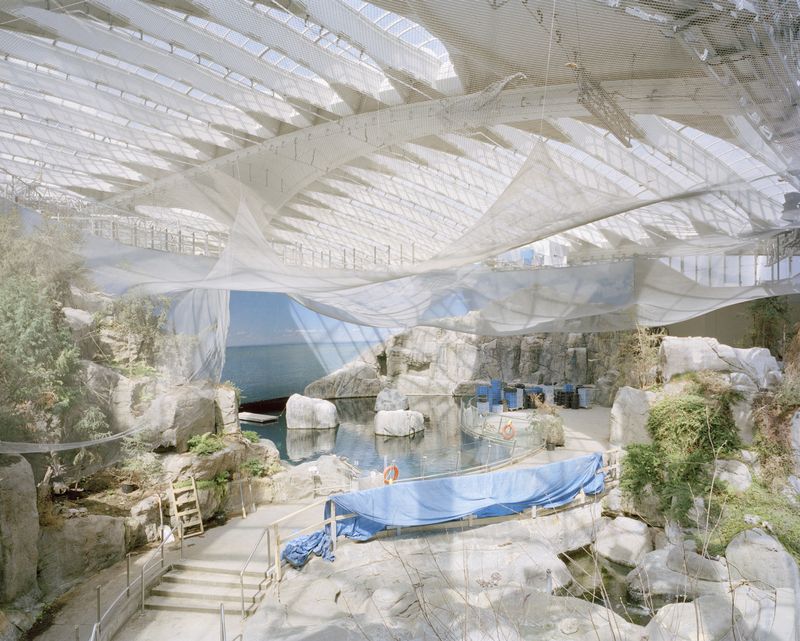
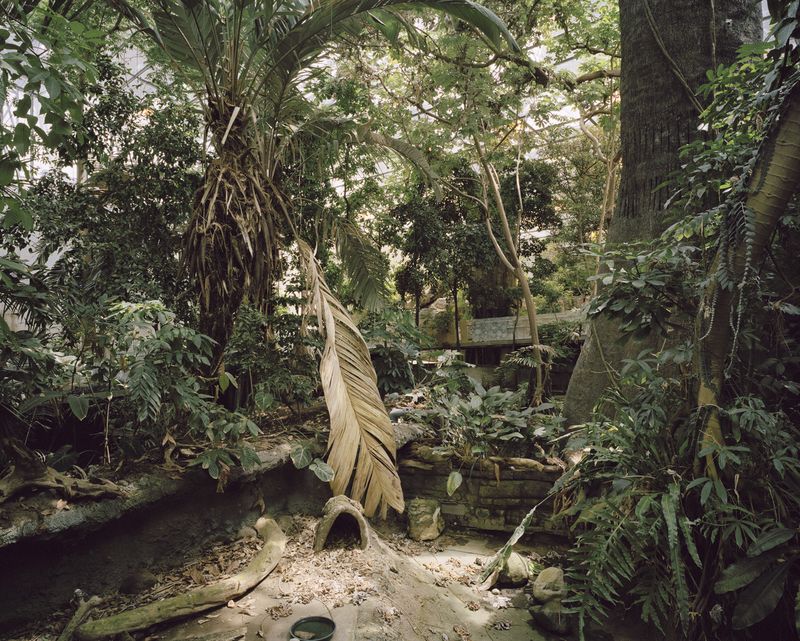
After passing through the Biodome’s renovated entrance, visitors now enter the atrium, a new transitory space from which it is possible to walk into any one of the five ecosystems reproduced in the museum. From that vantage point, the tropical rainforest, Laurentian maple forest, Gulf of Saint Lawrence and subpolar regions exhibitions stretch out beyond the windows: a panoramic snapshot of two continents.
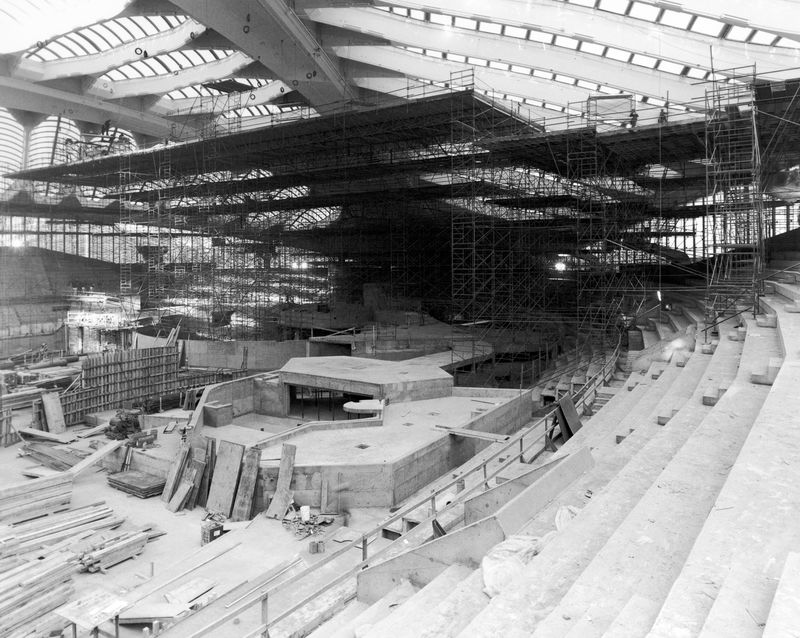
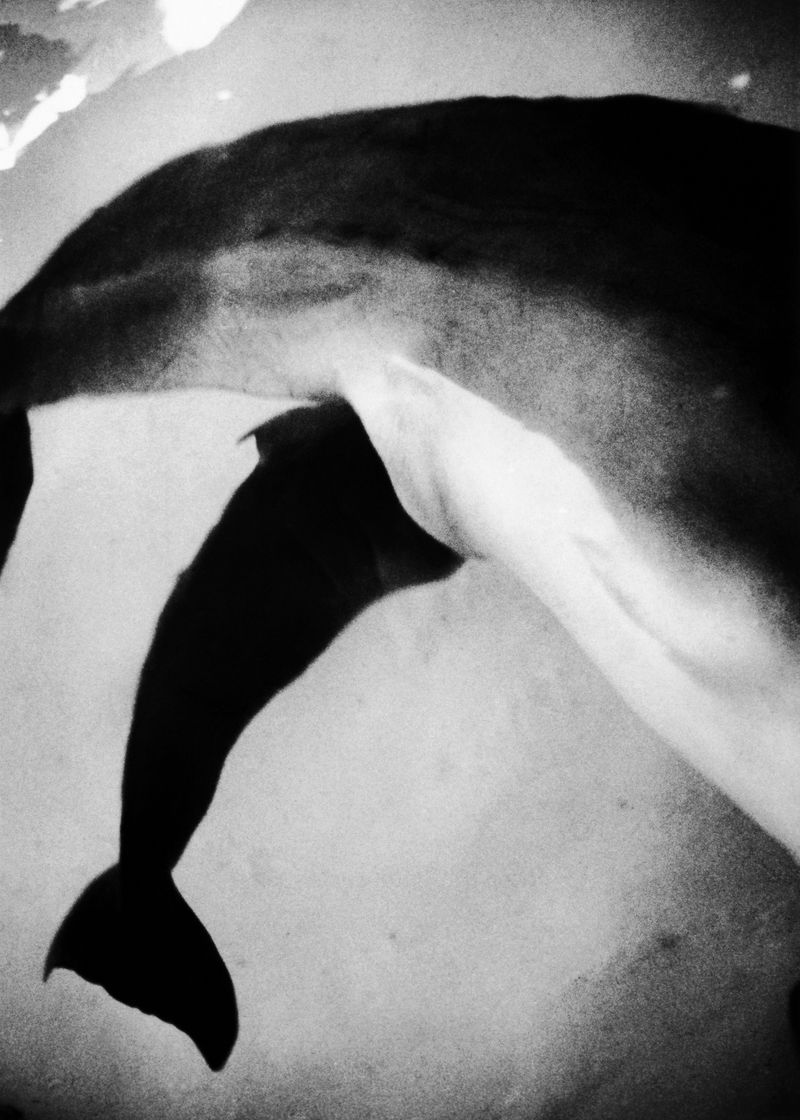
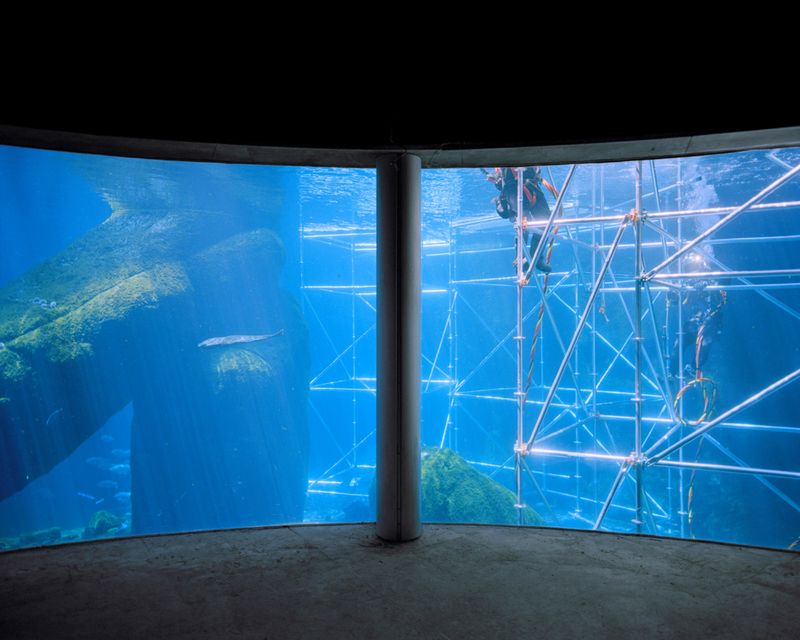
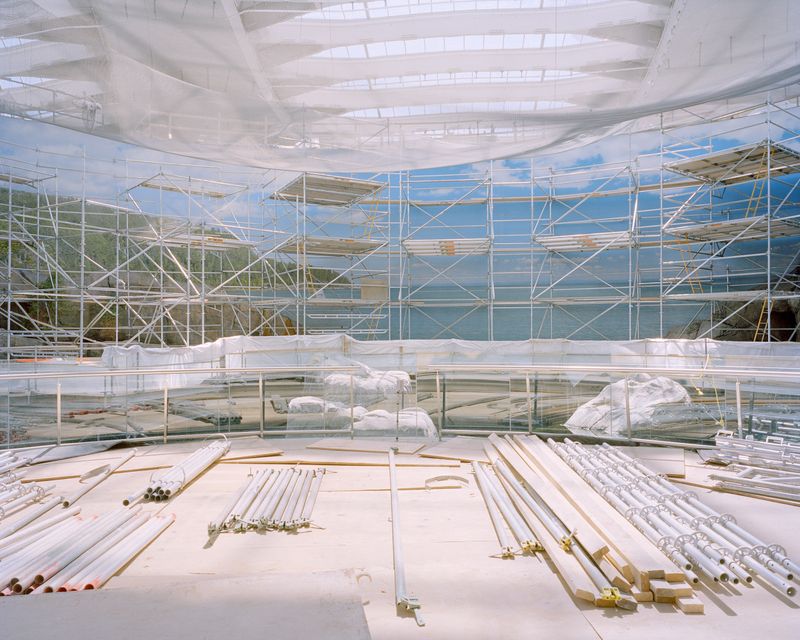
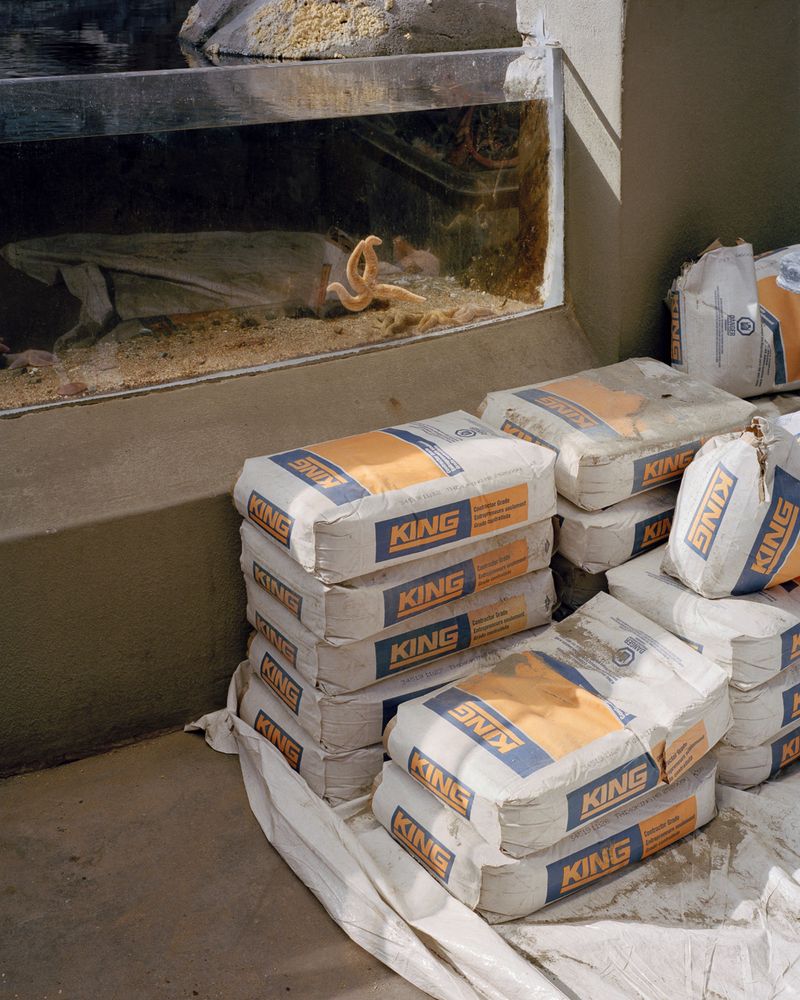
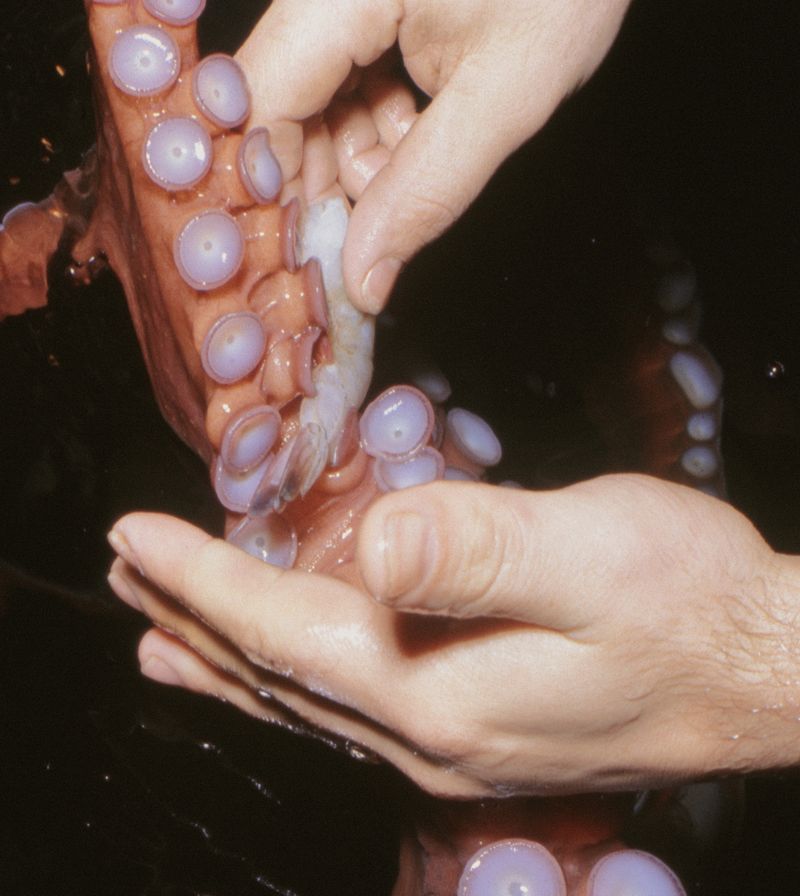
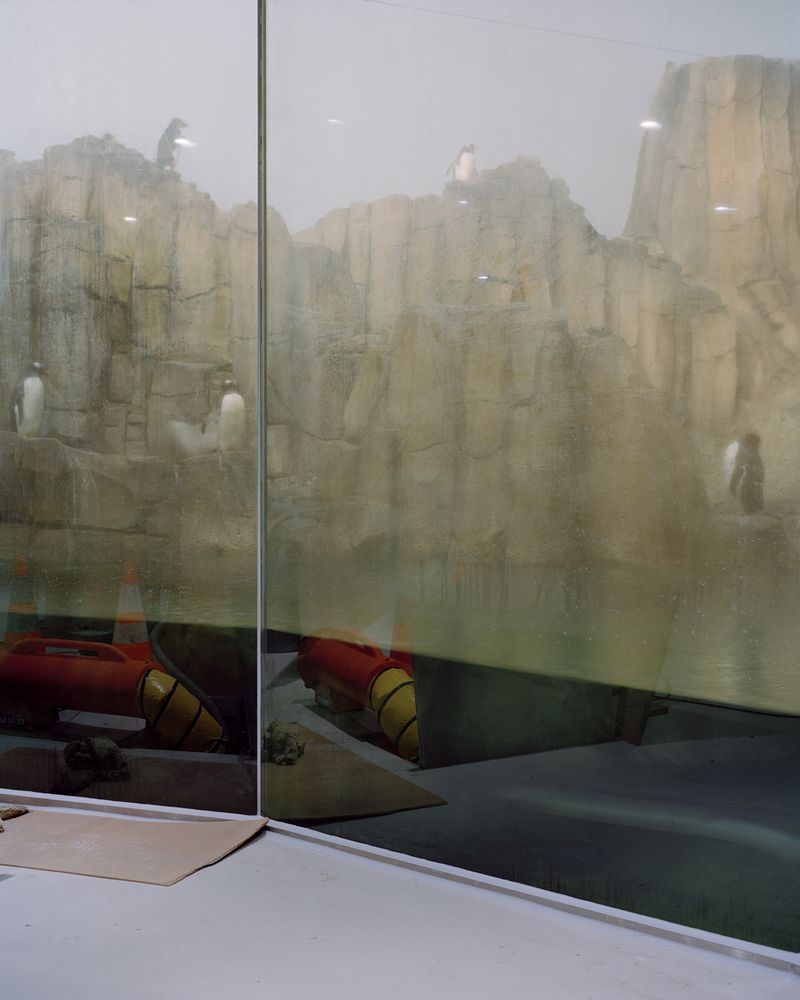
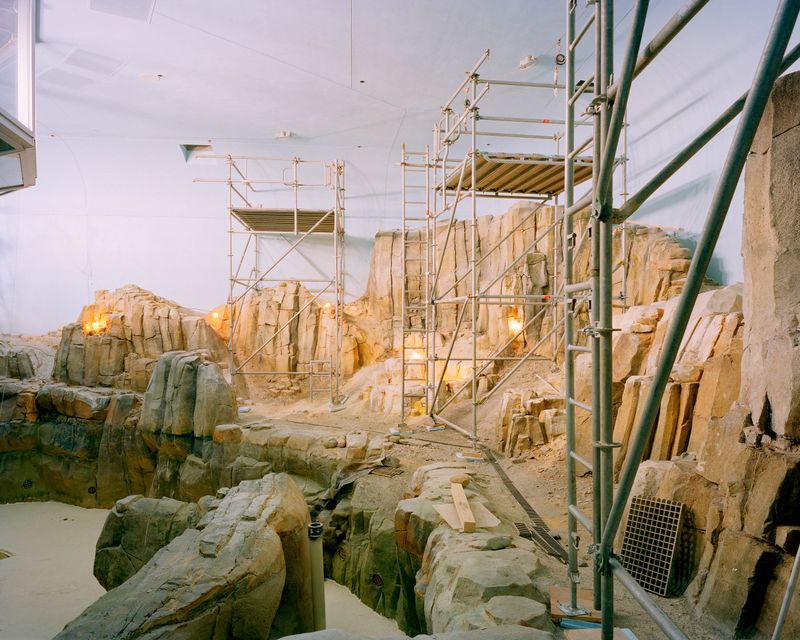
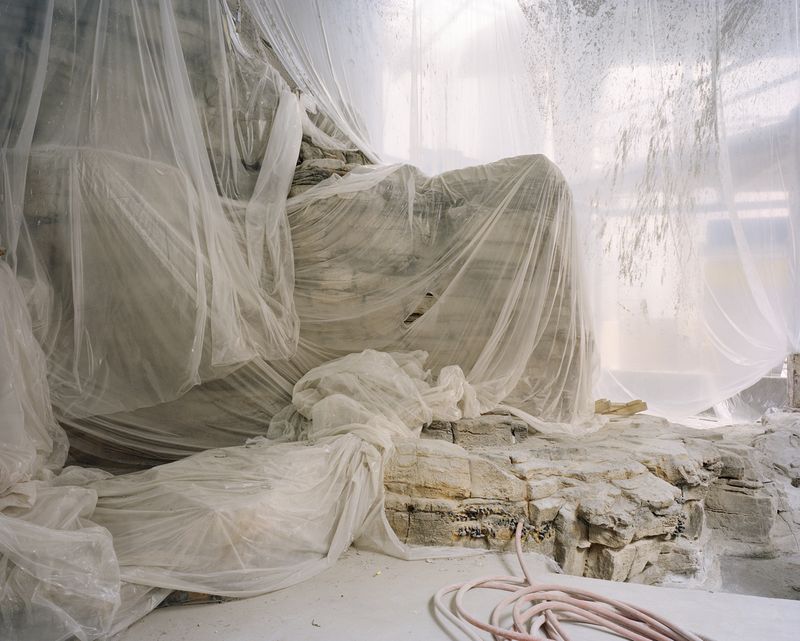
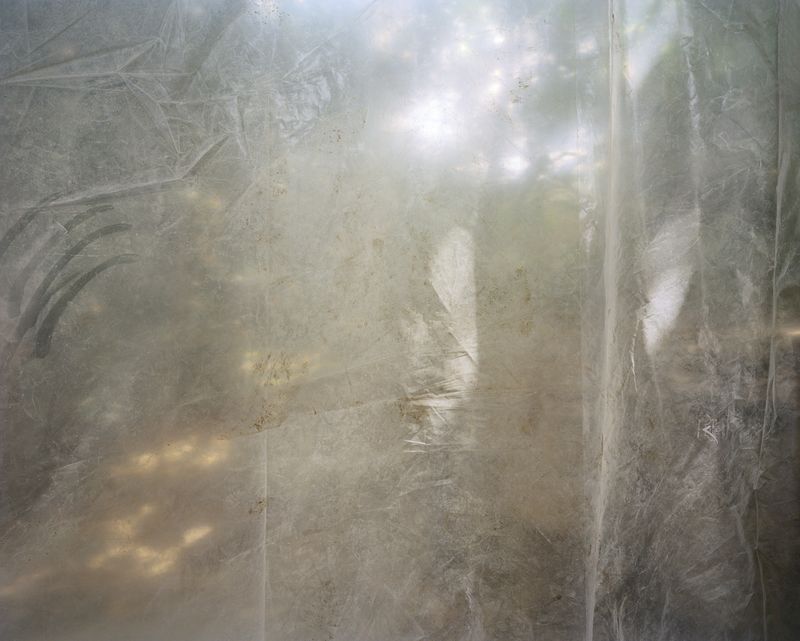
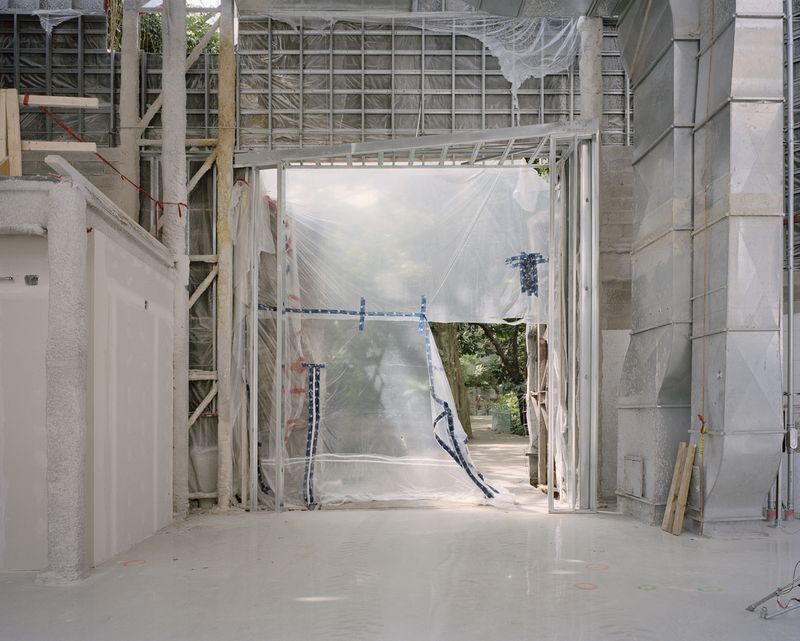
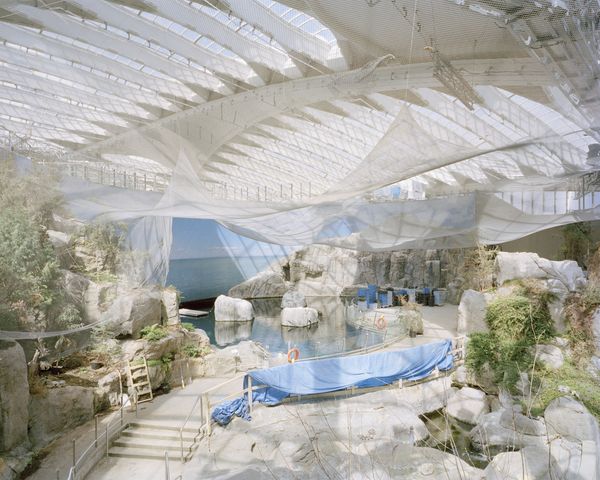
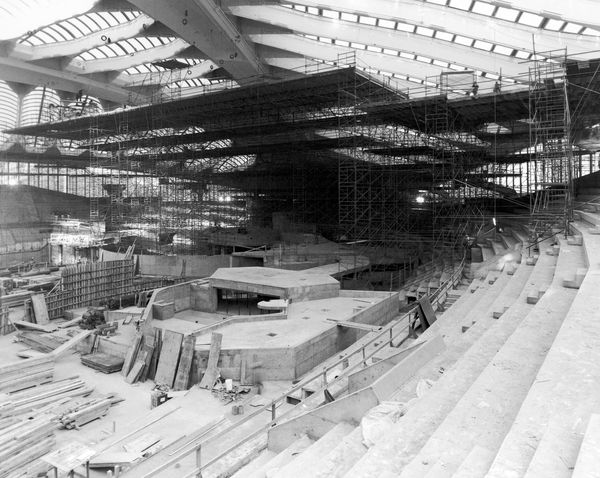
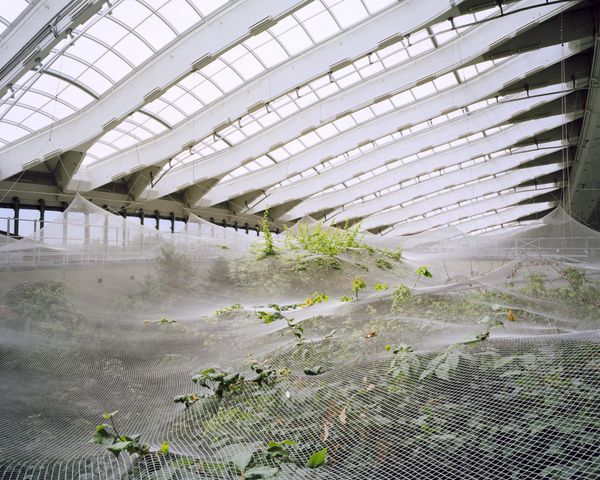
A few months ago, the echoes of heavy machinery and of workers’ voices resonated throughout the space, whose unfinished structure was only covered by clear plastic sheets splattered with wet concrete. Even as they were being renovated and remained closed to the public, the exhibitions of the Biodome came to embody the changing relationship between human beings and their environment. The usual scents of humus and fish became mingled with those of dust, urethane and solder fumes. Animal carers and horticulturalists, who now had to share the space with construction workers and craftspeople, worked to maintain the health of the plants and animals that had remained on-site. On any given day, one might have seen them monitoring the responses of fish to the increased activity around their basins, or pondering the scenographic value of a tree accidentally uprooted during pruning. Meanwhile, in a nearby set design studio, sculptors were assembling a new artificial tree out of metal rods, isolation foam and fiberglass.
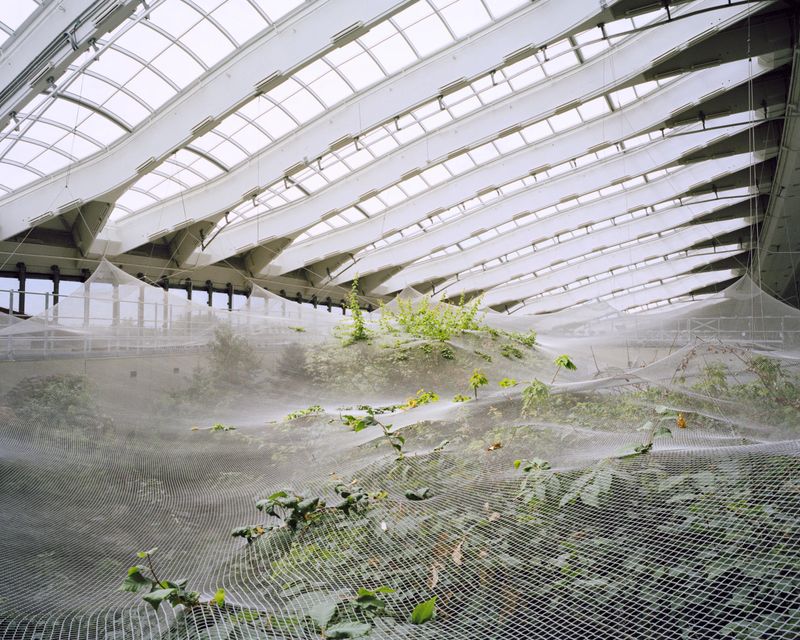
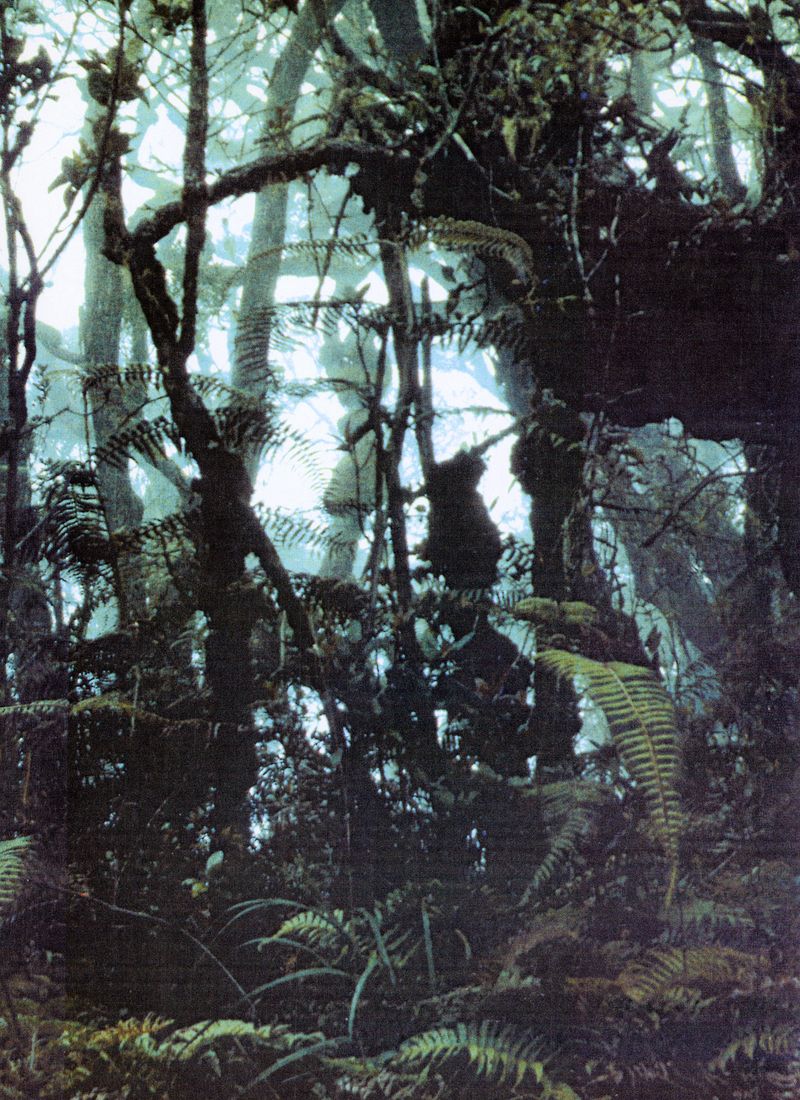
On the threshold of the rainforest exhibit, the usually welltended path on which visitors walk was covered by a thick layer of dead leaves. A large fruit, having recently crashed onto the pavement, was slowly being consumed by flies and other insects. On some branches, the astute observer could notice stick insects which, while not normally a part of the exhibit, had been involuntarily introduced as stowaways on plants brought in from a nearby greenhouse. If this population was not removed, what other clandestine communities would it join, under the dome? This being a living museum, would we then speak of a disturbance, or of an increase in biodiversity?
A few weeks before the Biodome’s reopening, the Migration Project —the name given to the renovation by its promoters— was completed. This event coincided with what can now be called the first wave of a global health crisis. In the rainforest exhibit, a carer wearing the now ubiquitous personal protection equipment fed a newly reintroduced family of capybaras —a poignant illustration of this precarious moment. As our planet faces a mass extinction for which we humans are responsible, it also becomes clear that we are the only ones capable of keeping the memory of what is being lost.
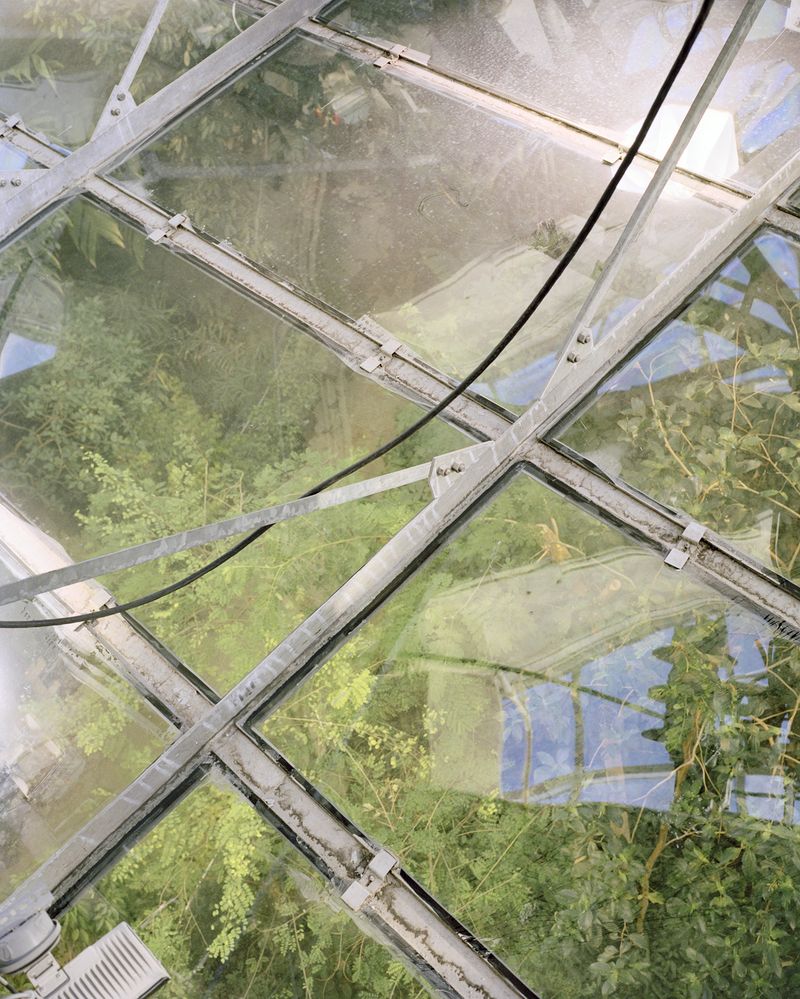
Walking under the vault of this glass ark as it underwent those changes gave one the opportunity to witness a new representation of nature: wilder, less polished, more unpredictable, yet utterly dependent on our care. This paradoxical condition will likely characterize all the wild places of the future, which will only continue to exist because we will have deemed them worthy of preserving. As a microcosm of a planetary garden under construction, the Biodome became for a time a representation of this paradigm shift, highlighting our responsibility in shaping the future of our living planet. Our relationship with nature draws upon a set of inherited values that we must urgently question and redefine. If we are ready to recognize that our own imaginations and aesthetic preferences play a determining role in shaping this relationship, we will have to learn to see ourselves not as neutral observers of a sublime and distant other, but as the creators of a new nature, one that will have to be built out of the ruins, by the same hands that wrought her destruction.
Text by Clara Lacasse, translated by Manolis Daris, and included as part of in Un jardin nommé Terre, Lacasses' solo exhibition presented at DRAC - Art actuel, Drummondville, QC, Canada (2021).