MYR
-
Dates2020 - Ongoing
-
Author
- Location Utrecht, Netherlands
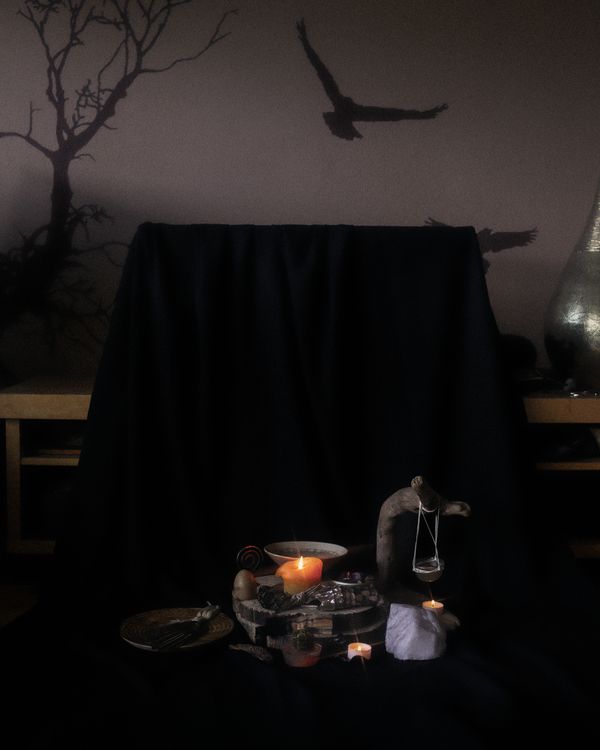
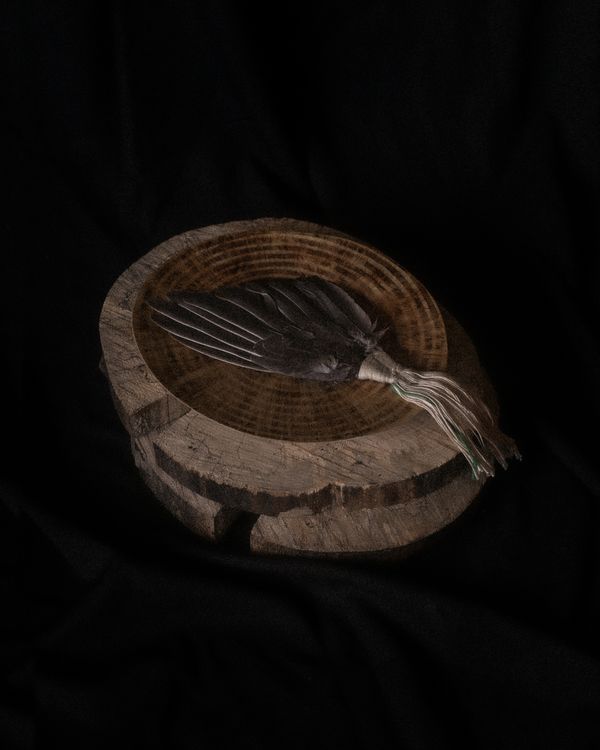
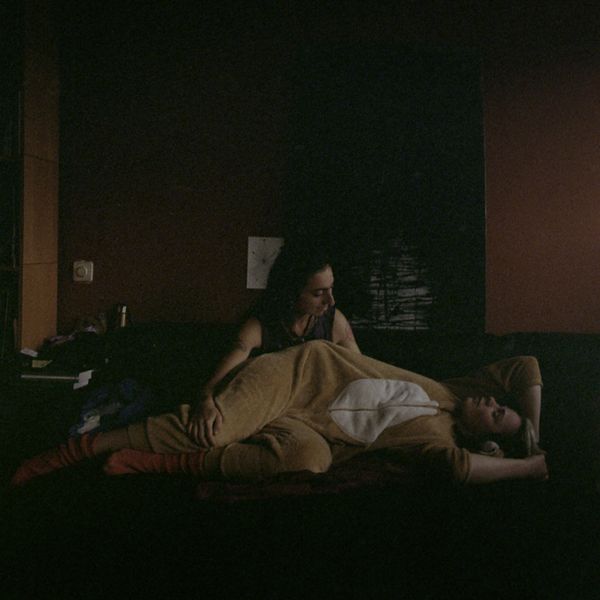
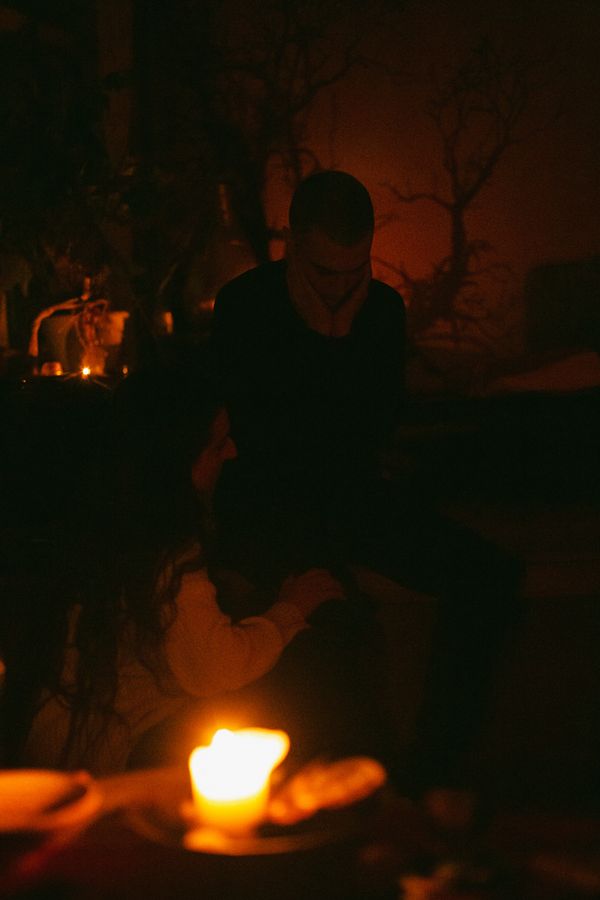
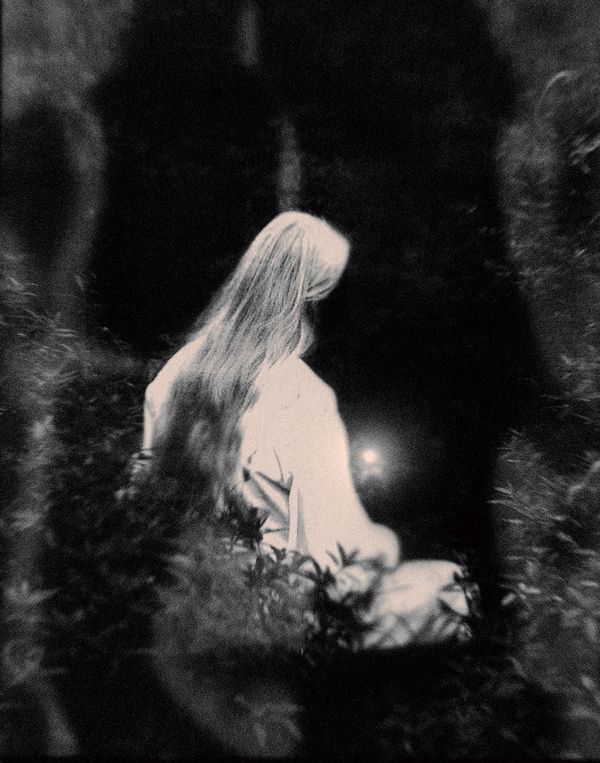
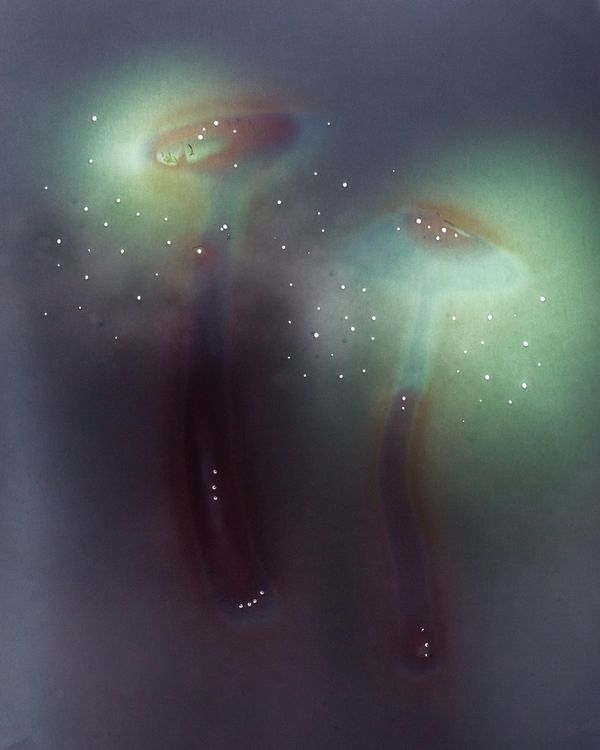
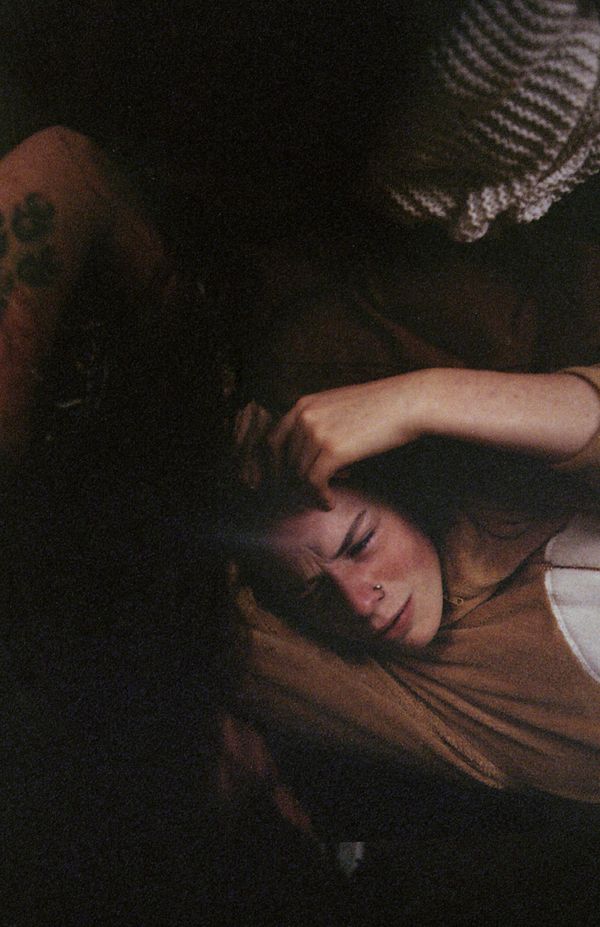
An anthropological research about psychedelic experiences with psilocybin truffles with a facilitator, Eta, who works in Utrecht. Psilocybin can help people dealing with a variety of psychological and physical conditions.
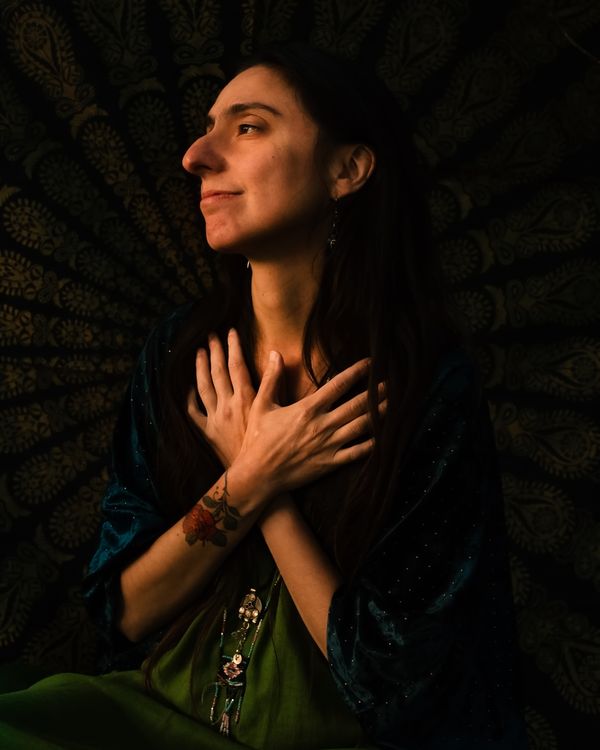
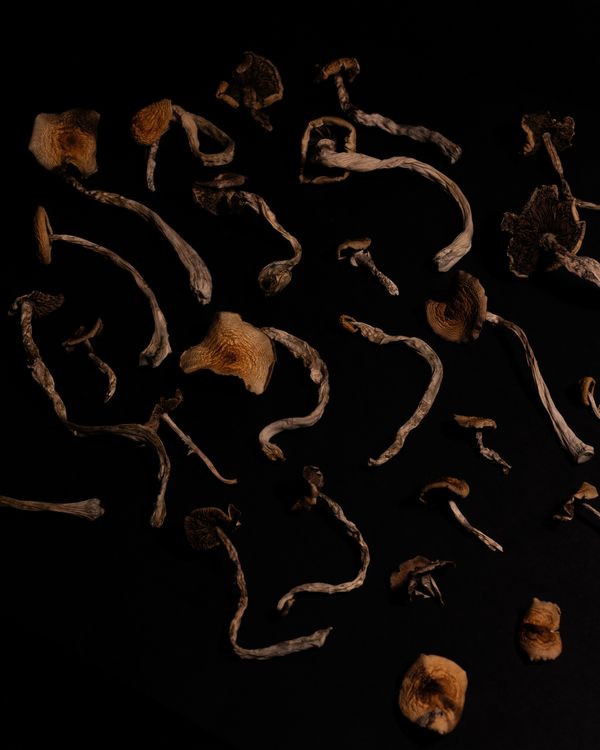
Myr means many things: in astronomy, it is the abbreviation of millions of years, and in the Slavic languages “mir” indicates the noun “peace”. In addition to this, it is Eta’s psychedelic support project. Eta lives in Utrecht and works to provide support and assistance to those who intend to undertake psychedelic experiences through psychoactive substances, such as psilocybin, contained in particular types of truffles and mushrooms, a substance legal in the Netherlands.
When I met Eta, I knew nothing of psychedelia and I was just curious since I’m not familiar with psychoactive substances. During my journey through these plants, mushrooms, topics and theories from people advocating psychedelia, I found out I was dealing with depression due to personal reasons and the effects of a capitalistic society nowadays. Psychedelia saved my life since it became quickly a strong value and a hope for the future of us all.
Today we start again talking about psychedelia, recovering those studies on the potential of entheogenic substances, abruptly truncated by the more reactionary demands of bourgeois society in the 1960s and 1970s. From an anthropological point of view, how do we explain this promising response of psychedelics to mental conditions and the general well-being of the psychophysical and emotional state of the individual? Can our body, the first tool we have, be somehow reprogrammed by the psychedelic experience? Is this a new form of personal healing? And how to translate the psychedelic experience into daily practice? Can psychedelics offer us a new way of being and being in the world? Can psychedelic care be a powerful tool and value to create a new form of equal and fair society?
It is now clearer than ever that psychedelic experiences can open a space where human and non-human presences intertwine, allowing voices that usually remain invisible to momentarily emerge. This process can be deeply transformative.
Through an anthropological approach and the tools of ethnography, this research seeks to trace these experiential dimensions, holding together what appears and what dissolves, and translating lived psychedelic experiences into forms of shared knowledge. In doing so, it aims to contribute to a collective healing process, suggesting other ways of inhabiting the body, relating to others, human and non-human, and ultimately, other ways of existing.