My Mother, Kate
-
Dates2008 - Ongoing
-
Author
- Location United Kingdom
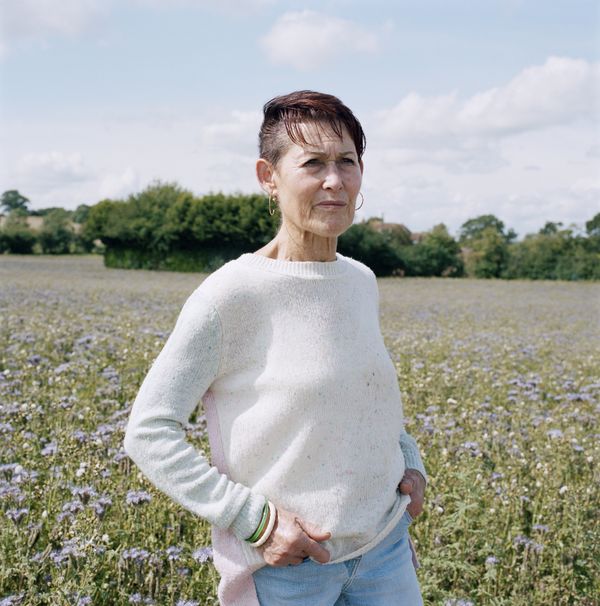
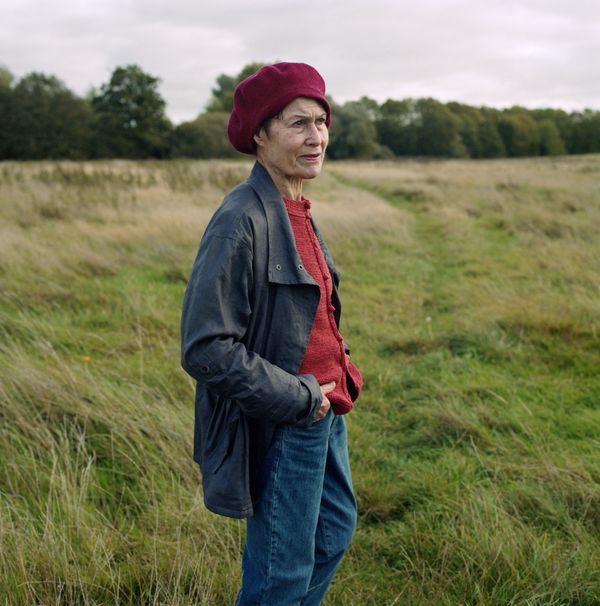
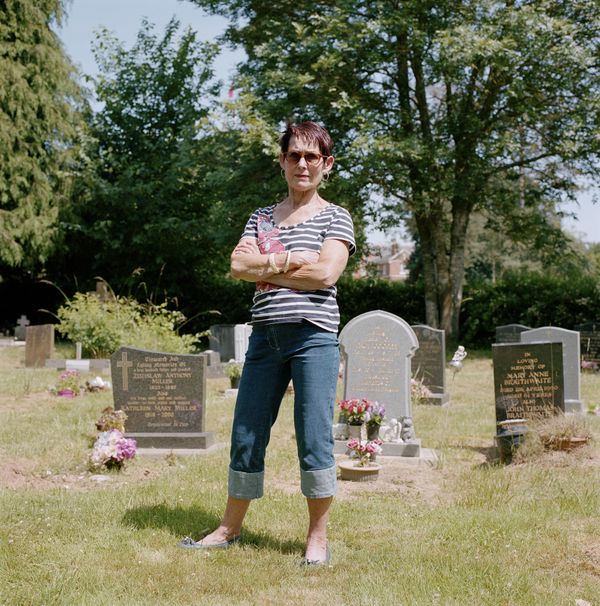
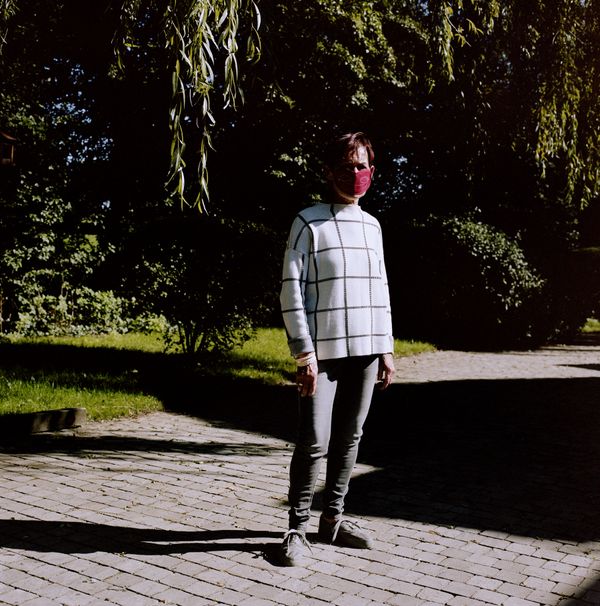
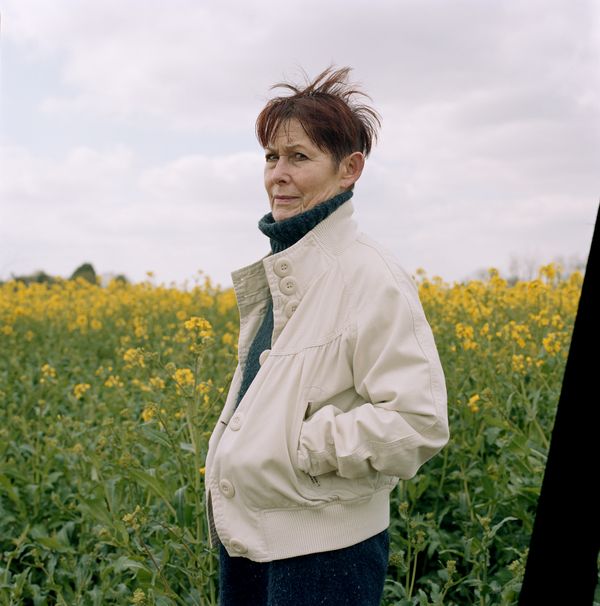
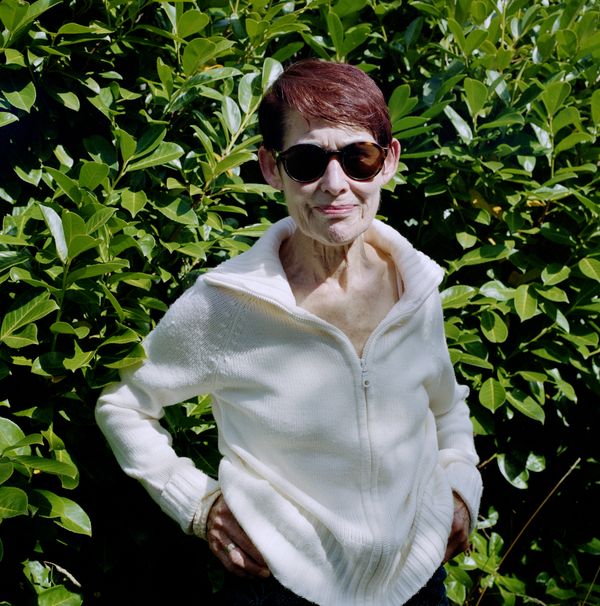
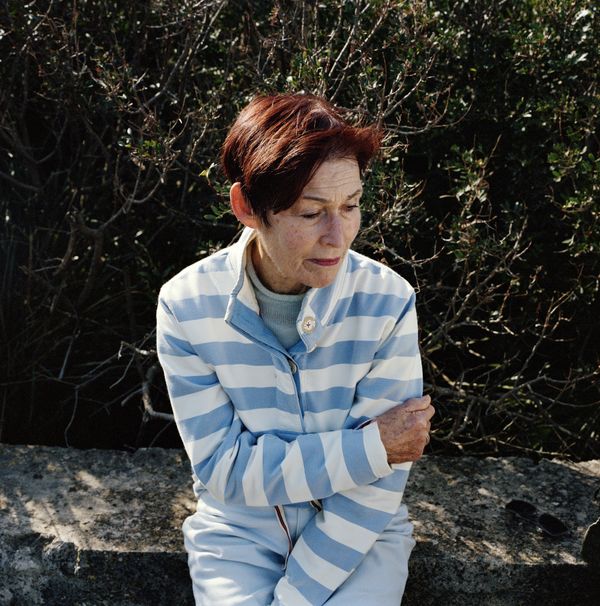
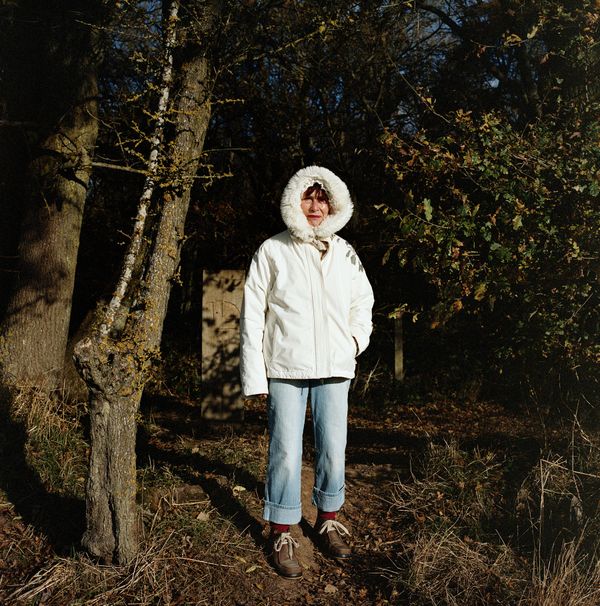
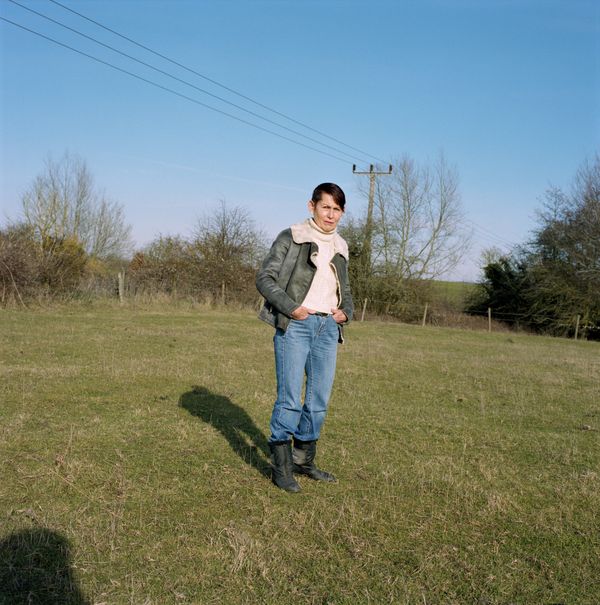
A long-term series of portraits of my mother, Kate, made each time we meet. The work explores ageing, intimacy and emotional restraint, using repetition and a strict grid to reflect control, distance and the complexity of our relationship.
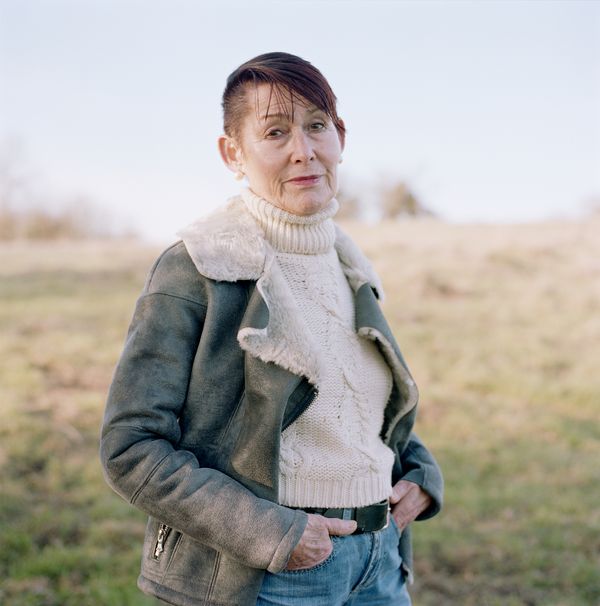
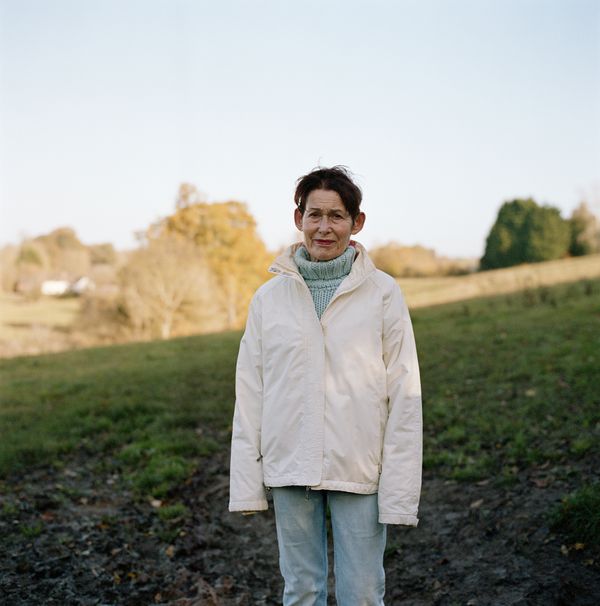
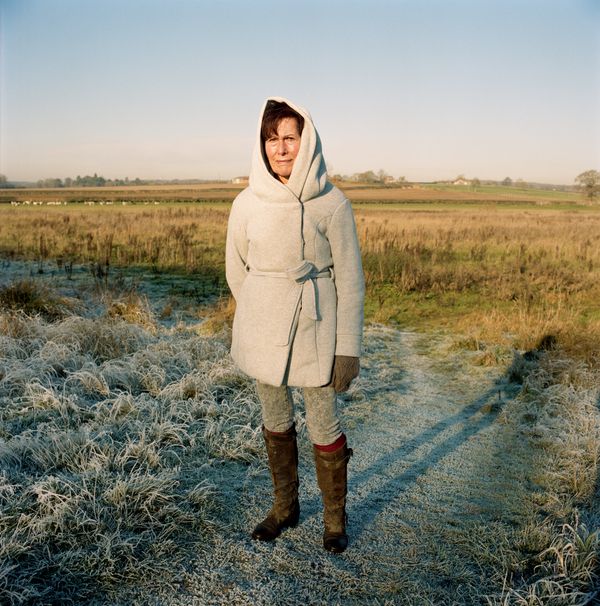
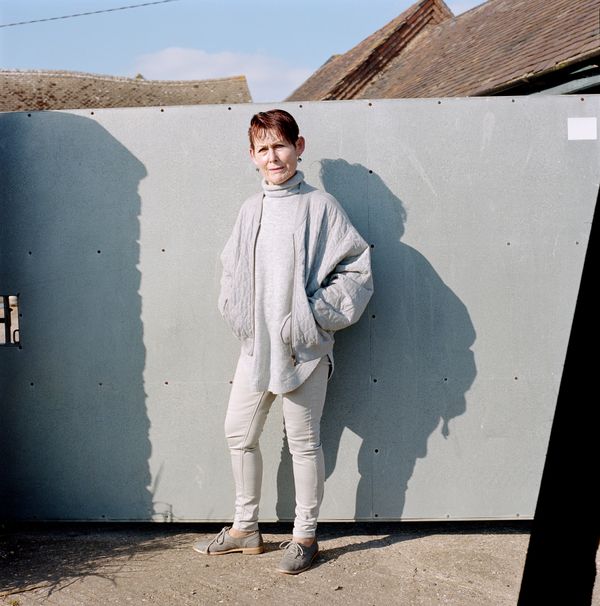
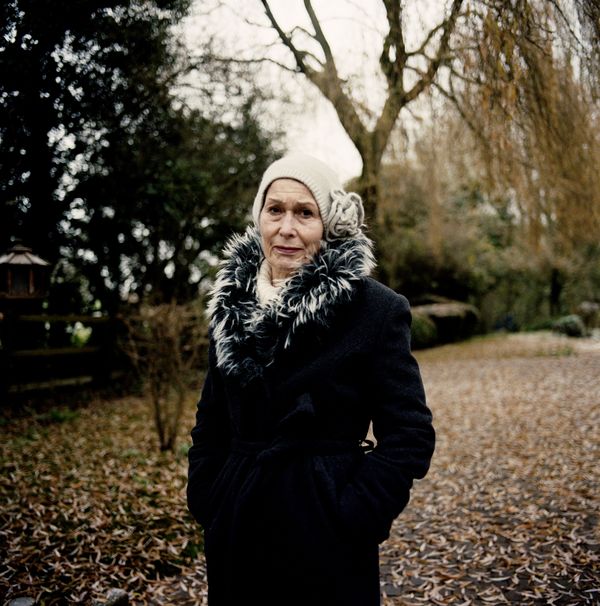
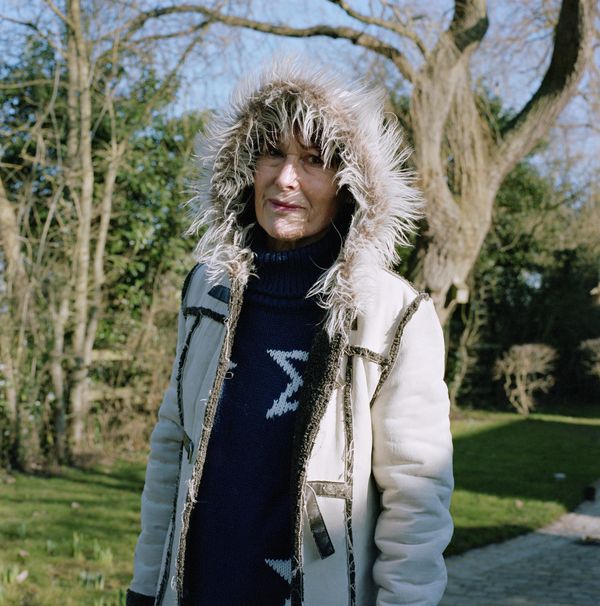
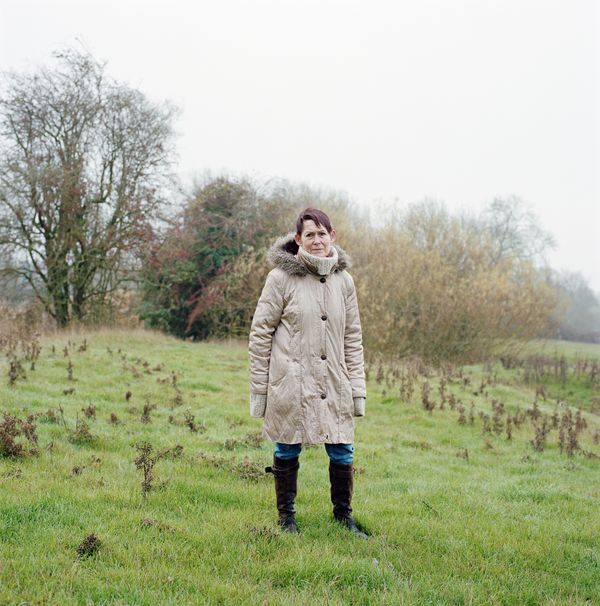
My Mother, Kate is an ongoing series of portraits made over the last two decades. I have photographed my mother almost every time we are together, most often during our walks. She is now 82 years old.
Making these photographs has become a way to confront her contained emotion and to negotiate my own need for control. Our relationship is deeply close and personal while, at the same time, guarded and reserved. The work exists within this complicated emotional space.
To photograph my mother is an act of both affection and awareness. It is an intimate gesture from a distant position. Her performance for the camera, in turn, demonstrates a trust in me. Using the camera as a way to directly face her, I am making sense of something I cannot always find words for. The more I photograph her, the more I see her, and the more I know her as a woman.
By returning to my mother repeatedly over time, the work becomes a sustained and attentive way of looking at an ageing woman. The accumulation of portraits makes visible gradual changes in appearance, posture and expression, as well as changes in our relationship. In doing so, the work asks how ageing women are seen and represented, how we look at those closest to us, and what it means to continue looking as both they, and we, change.
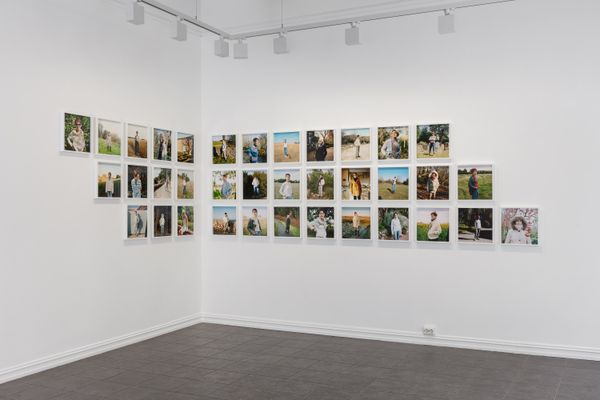
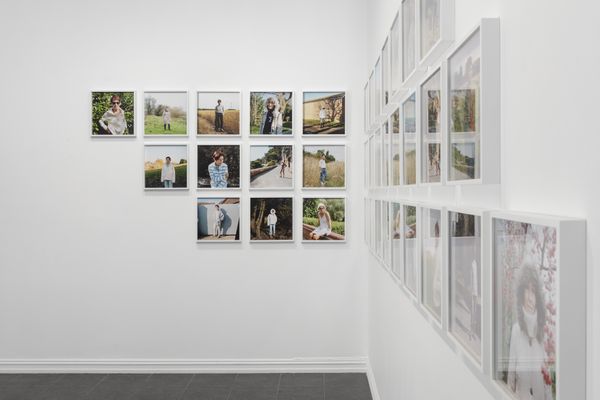
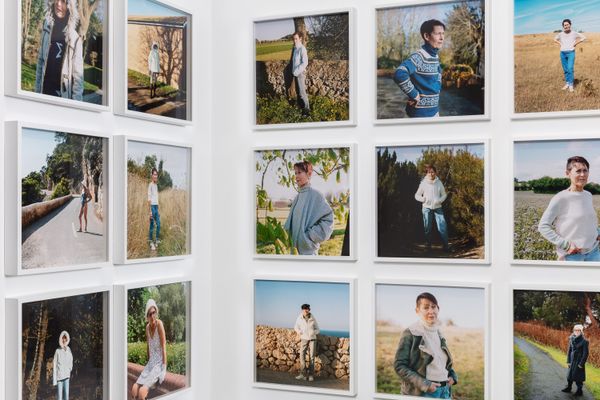
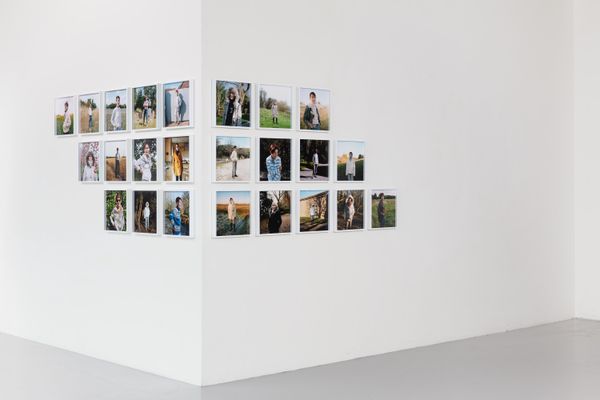
The photographs are made on analogue square-format film and presented in a uniform format. I install the portraits in a strict grid, creating a sense of order and repetition that reflects the control and emotional restraint within the work. At the same time, the grid allows small changes between one image and the next to become visible. Time accumulates across the installation, and the relationship unfolds through repetition rather than a single narrative. The grid can extend and adapt to the architecture of the exhibition space, allowing the number and arrangement of portraits to change while maintaining the structure of the work.
The work does not attempt to resolve the complexity of our relationship. Instead, it holds closeness and distance, affection and discomfort, control and vulnerability together.