My Lost Brother
-
Dates2025 - Ongoing
-
Author
- Location Chattogram, Bangladesh
Exploring how the memory of my brother Rubiul continues to live among us. Through his accidental death, the project examines grief, memory, dreams, fear, and cultural beliefs, revealing how families sustain bonds with those they have lost.
My Lost Brother is a personal documentary and poetic visual project that explores how the dead continue to live among the living. Nearly two years after my brother Rubiul’s death, I find myself still learning how to carry the pain of losing him. Through photography, I am trying to deal with the pain of his absence—this is a therapeutic process for me, a way to remain in conversation with him.
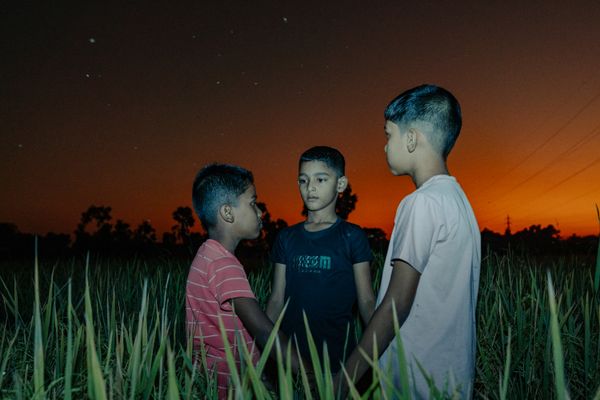
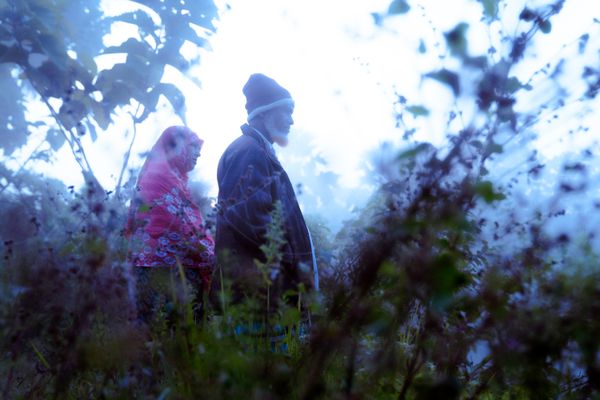
Our childhood was not easy. I grew up in my aunt’s home, often separated from my younger brother. The clothes I outgrew were sent to him, and he wore them as his own. When I visited the village, we reclaimed our bond through small rituals. We would go on morning photowalks together—into foggy fields, after rainfall, or under clear skies. Those walks were simple, but they shaped how we saw the world and how we saw each other. He took me to places I would not have found alone.
Rather than focusing solely on loss, the project asks a deeper question: how do people remain present after death—through memory, dreams, fear, love, and daily rituals? This is not only my brother’s story; it can be the story of any family that has lost someone and continues to speak to them in silence.
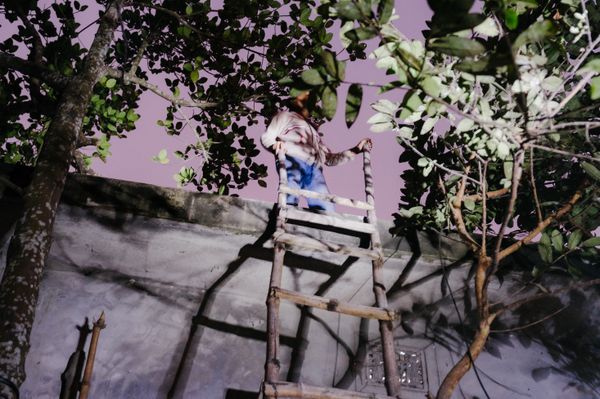
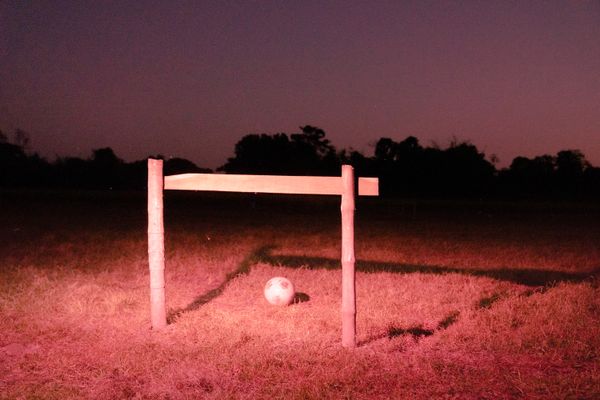
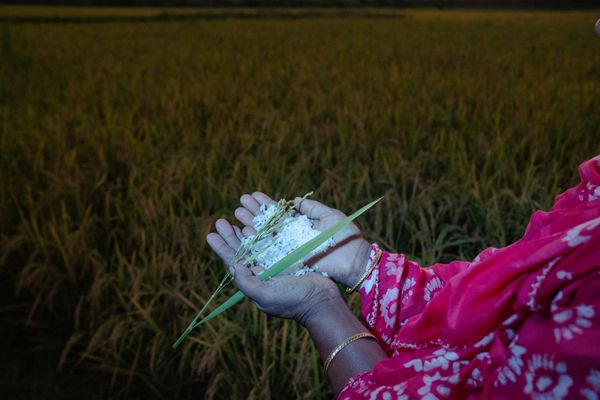
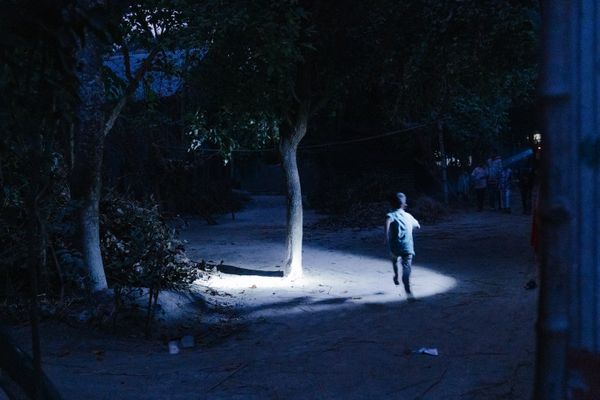
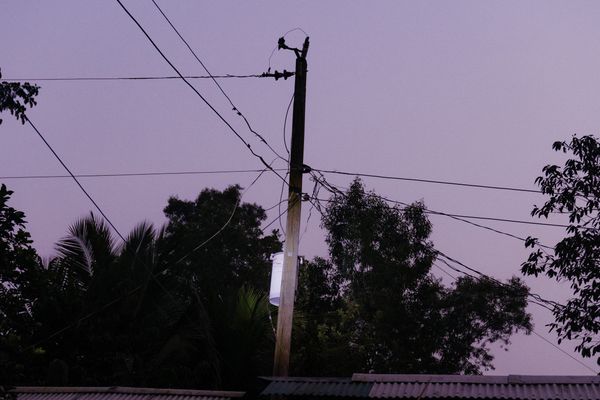
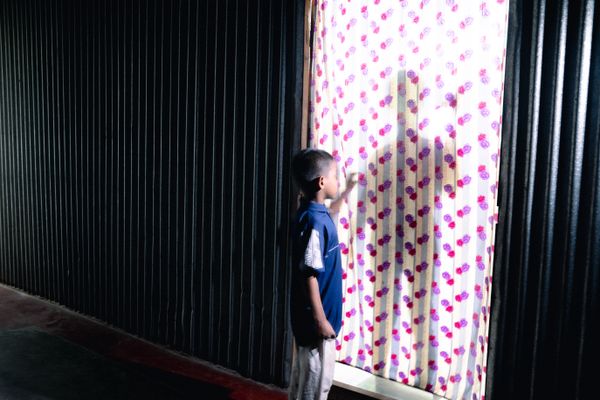
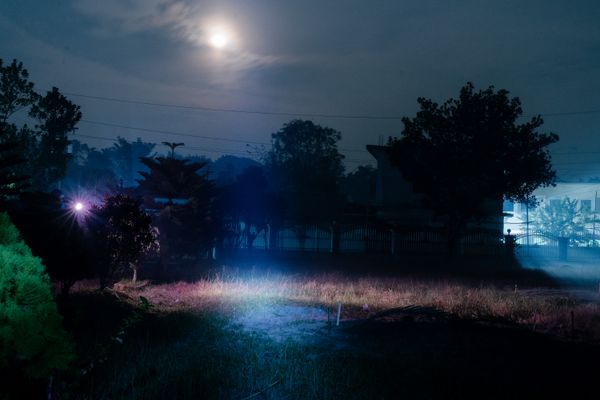
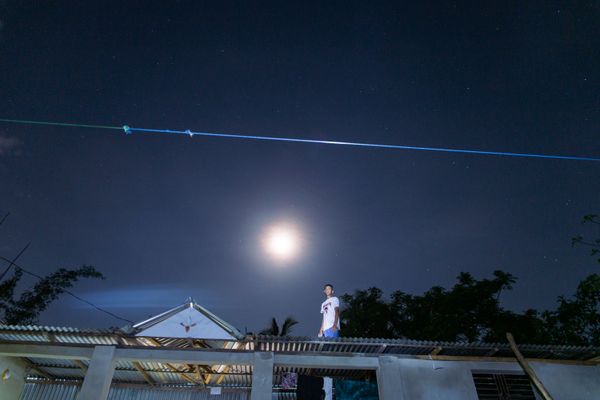
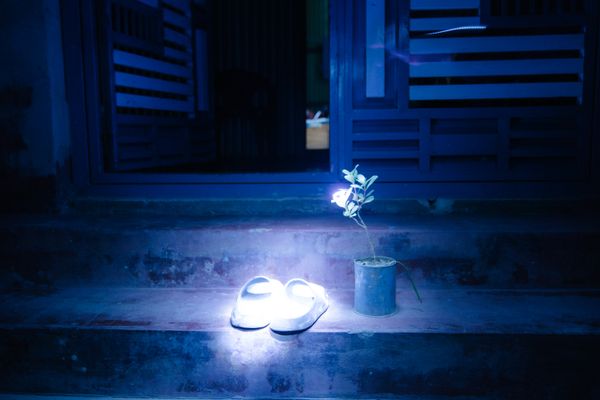
The work is rooted in my rural village, where my brother lived and died, and where grief unfolds slowly, privately, and often without language. Over time, I observe how my family—especially my mother—has changed in his absence. I photograph ordinary moments charged with memory: empty rooms, familiar landscapes, repeated gestures, and conversations addressed to someone who is no longer physically there. Within these spaces, the living and the dead seem to coexist.
Beyond personal mourning, the project engages broader themes of rural poverty, sibling relationships, and the unseen emotional labor of remembrance. It also explores culturally embedded beliefs surrounding death—how the dead appear in dreams, how fear and superstition intertwine with love, and how these ideas shape the way loss is understood. Here, grief is not treated as closure, but as an ongoing relationship.
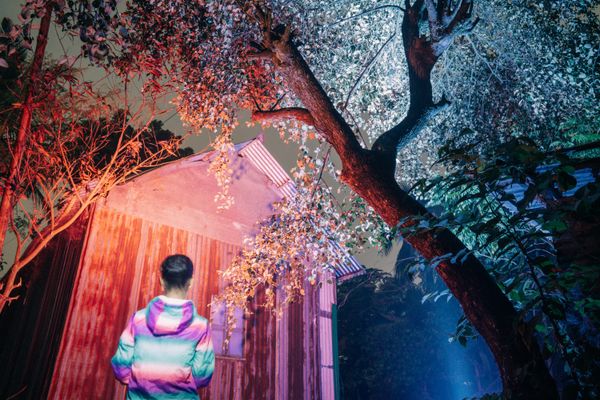
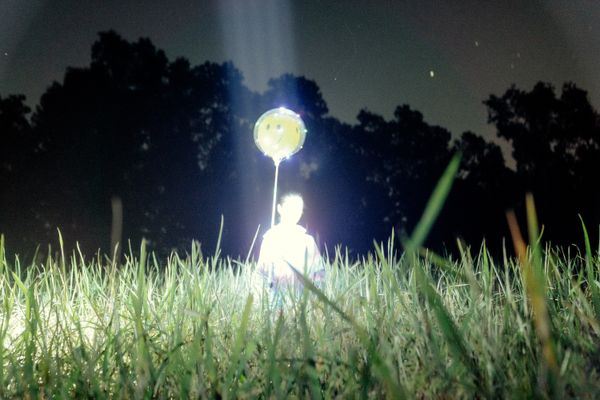
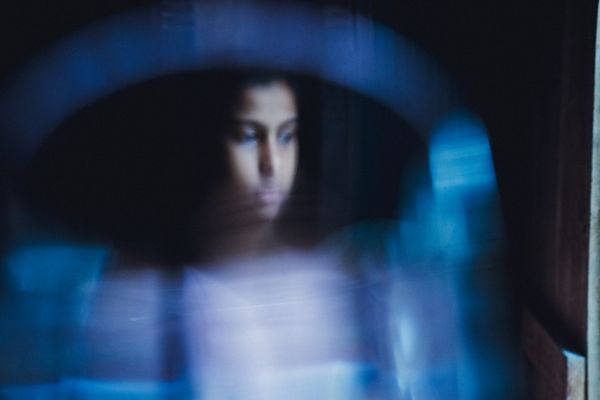
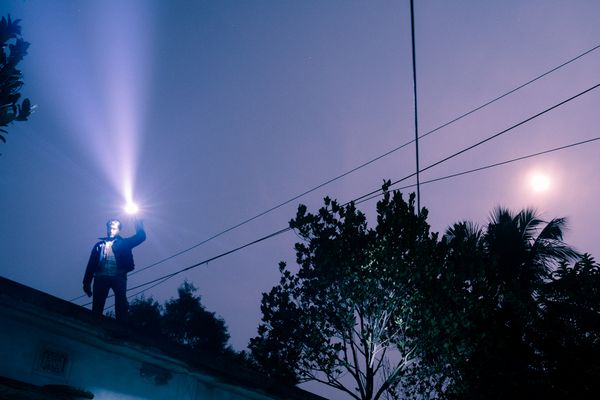
Visually, the project blends observational documentary photography with staged and metaphorical images influenced by literature, cinema, and poetry on death and memory. Archival photographs of my brother are woven alongside new images, creating a dialogue between past and present. Audio elements—fragments of his voice and recollections from family members—will deepen this intimate, sensory experience. I also include myself within the frame, acknowledging my position not only as a photographer, but as someone equally haunted and searching.
This project feels urgent because grief does not follow deadlines. In a fast-moving world, My Lost Brother insists on slowness—allowing time for understanding to deepen and for visual language to mature. Moments when working becomes impossible are not obstacles, but part of the methodology.
Now in its second phase after months of sustained work and reflection, the project will eventually take the form of an exhibition, a photobook, and a dedicated website. Ultimately, it seeks to create a space where remembrance is not an end, but a way of continuing to live together.