My Lost Brother

  • Dates
    2025 - Ongoing
  • Author
  • Location Chattogram, Bangladesh

Exploring how the memory of my brother Rubiul continues to live among us. Through his accidental death, the project examines grief, memory, dreams, fear, and cultural beliefs, revealing how families sustain bonds with those they have lost.

My Lost Brother is a personal documentary and poetic visual project that explores how the dead continue to live among the living. Nearly two years after my brother Rubiul’s death, I find myself still learning how to carry the pain of losing him. Through photography, I am trying to deal with the pain of his absence—this is a therapeutic process for me, a way to remain in conversation with him.


Our childhood was not easy. I grew up in my aunt’s home, often separated from my younger brother. The clothes I outgrew were sent to him, and he wore them as his own. When I visited the village, we reclaimed our bond through small rituals. We would go on morning photowalks together—into foggy fields, after rainfall, or under clear skies. Those walks were simple, but they shaped how we saw the world and how we saw each other. He took me to places I would not have found alone.


Rather than focusing solely on loss, the project asks a deeper question: how do people remain present after death—through memory, dreams, fear, love, and daily rituals? This is not only my brother’s story; it can be the story of any family that has lost someone and continues to speak to them in silence.


The work is rooted in my rural village, where my brother lived and died, and where grief unfolds slowly, privately, and often without language. Over time, I observe how my family—especially my mother—has changed in his absence. I photograph ordinary moments charged with memory: empty rooms, familiar landscapes, repeated gestures, and conversations addressed to someone who is no longer physically there. Within these spaces, the living and the dead seem to coexist.


Beyond personal mourning, the project engages broader themes of rural poverty, sibling relationships, and the unseen emotional labor of remembrance. It also explores culturally embedded beliefs surrounding death—how the dead appear in dreams, how fear and superstition intertwine with love, and how these ideas shape the way loss is understood. Here, grief is not treated as closure, but as an ongoing relationship.


Visually, the project blends observational documentary photography with staged and metaphorical images influenced by literature, cinema, and poetry on death and memory. Archival photographs of my brother are woven alongside new images, creating a dialogue between past and present. Audio elements—fragments of his voice and recollections from family members—will deepen this intimate, sensory experience. I also include myself within the frame, acknowledging my position not only as a photographer, but as someone equally haunted and searching.


This project feels urgent because grief does not follow deadlines. In a fast-moving world, My Lost Brother insists on slowness—allowing time for understanding to deepen and for visual language to mature. Moments when working becomes impossible are not obstacles, but part of the methodology.


Now in its second phase after months of sustained work and reflection, the project will eventually take the form of an exhibition, a photobook, and a dedicated website. Ultimately, it seeks to create a space where remembrance is not an end, but a way of continuing to live together.
© Omar Faruk - Image from the My Lost Brother photography project
i

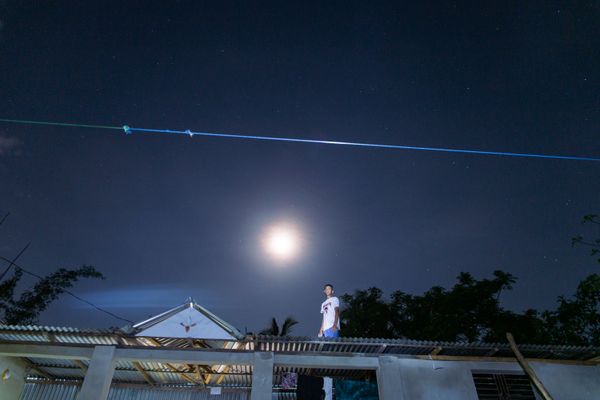
On May 5, 2024, the day my brother died while a neighbour. Though his life was never marked by luxury. He lived simply, loved fiercely, and left us while helping another. The youngest in our family, he took care of household tasks and always listened to everyone’s guidance. He was supposed to go to Saudi Arabia this year, but fate took him to another world instead.

© Omar Faruk - Image from the My Lost Brother photography project
i

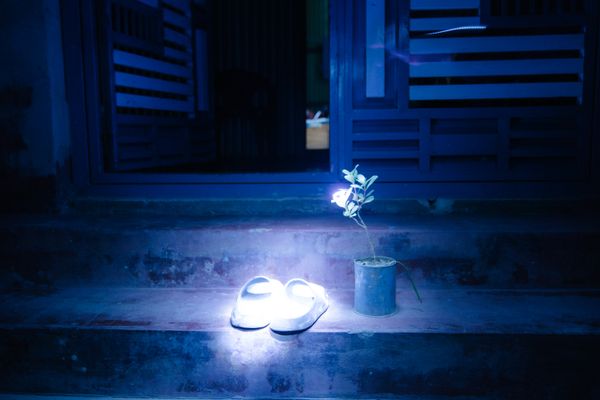
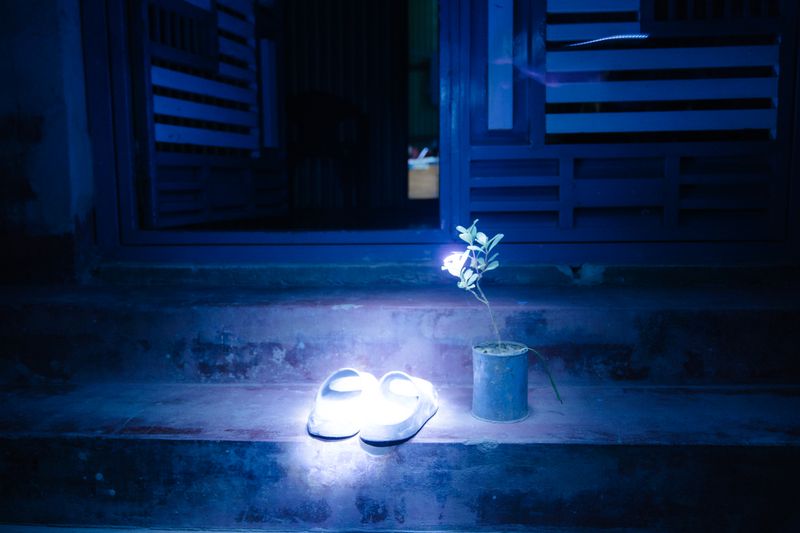
My mother places his sandals in front of the gate every evening, even today. She has suffered the most, unable to forget the death of her youngest son. Over these two years, she has become physically and mentally unwell. Yet his shoes are still cleaned and placed by the door each evening, as if inviting him to return home.

© Omar Faruk - Image from the My Lost Brother photography project
i

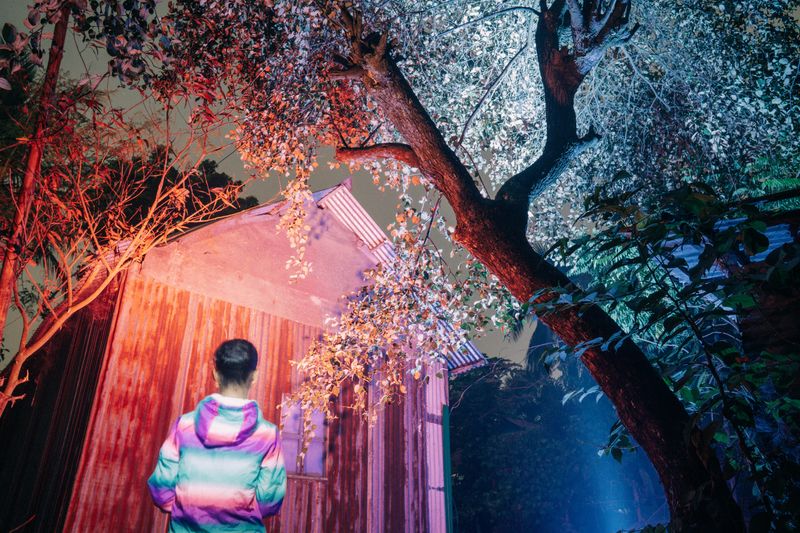
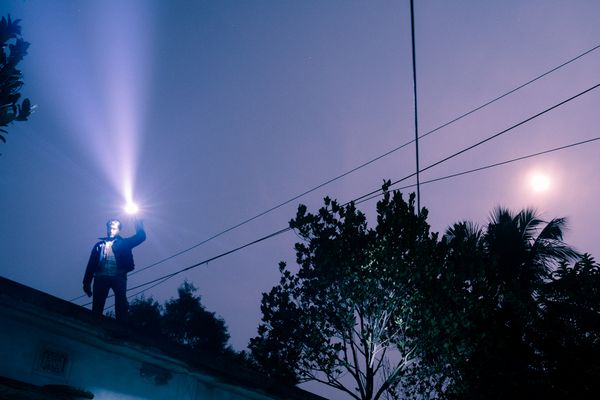
Nearly two years after his death, I began visiting the places Rubiul once occupied. In my dreams, I can still speak with him through our memories—a personal, almost theoretical practice to help me cope with the grief of losing my beloved brother.

© Omar Faruk - Image from the My Lost Brother photography project
i

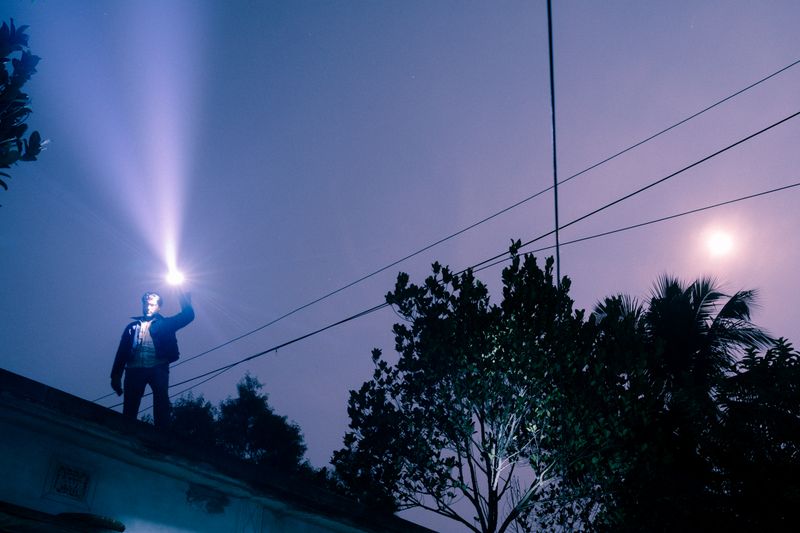
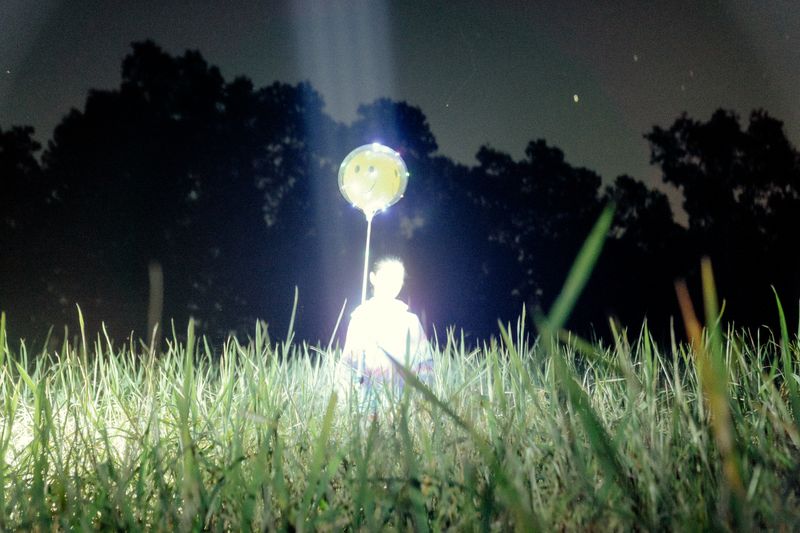
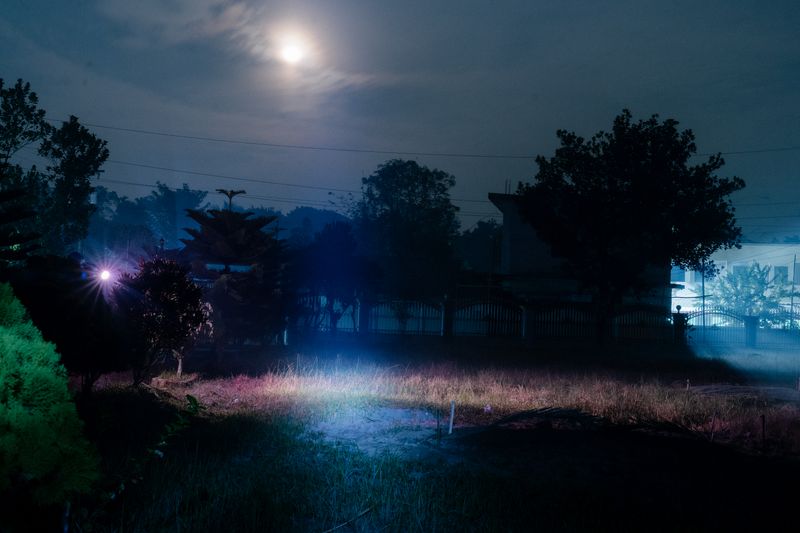
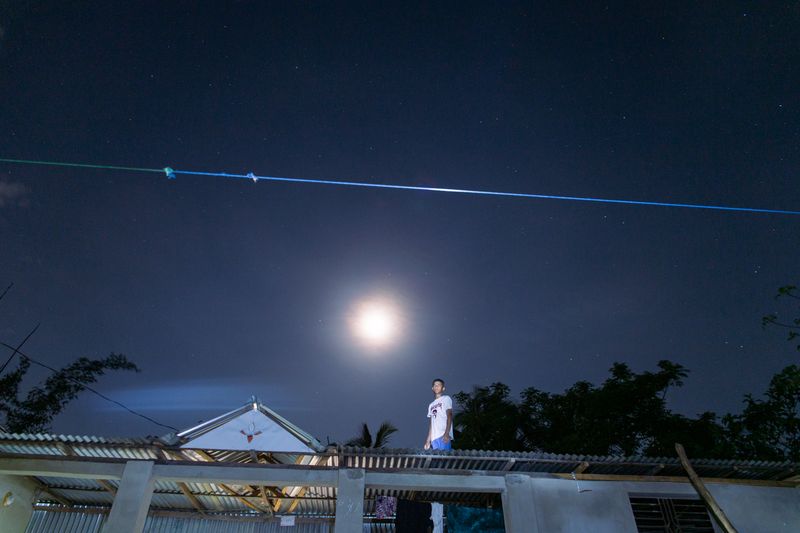
The souls do not wish to leave the people and homes they loved. Beyond the limits of time and fate, they seek to return to their families in this world. Like poetry in a surreal light, they linger, walking near our home, revisiting the familiar places they once knew.

© Omar Faruk - Image from the My Lost Brother photography project
i

There is no greater sorrow than a parent outliving their child, forever drawn back to the place where Rubiul took his final breath in their arms. With each passing season, the light changes the color of that spot—sometimes warm, sometimes cold. The water is gone now, and the ground there has grown hard, carrying the weight of what remains.

© Omar Faruk - Image from the My Lost Brother photography project
i

Walking this path is like stepping into a dream where Robiul never left. Every tree and every grain of sand on this road holds a piece of his childhood, allowing me to see past the present and into the beautiful life he lived right here in front of our home.

© Omar Faruk - Image from the My Lost Brother photography project
i

Robiul planted this emerald rice field with hope, believing the harvest would bring his first bike and ease the weight of poverty. Before that season arrived, his life faded, leaving those dreams unfinished, now carried in the rustling of the fields. Since childhood, he had dreamed of riding a bicycle through the village, hearing people say with pride, “Look, Bachir Miya’s son is riding his bike.

© Omar Faruk - Image from the My Lost Brother photography project
i

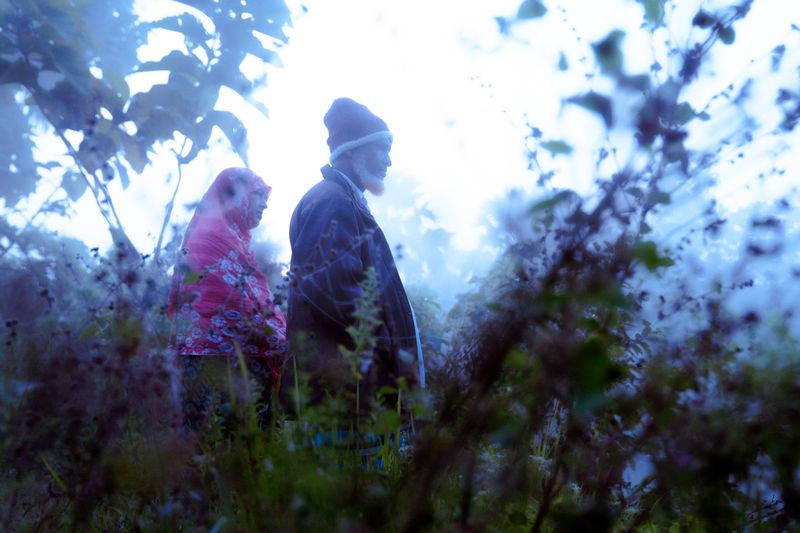
When someone deeply loved in a family passes away, we keep them alive through our memories. They may no longer be seen with the eyes of this world, yet in the depth of love and the pull of the soul, we continue to find them. Dreams may fade, but those held in the deepest parts of the heart return with a clear and enduring presence.

© Omar Faruk - Image from the My Lost Brother photography project
i

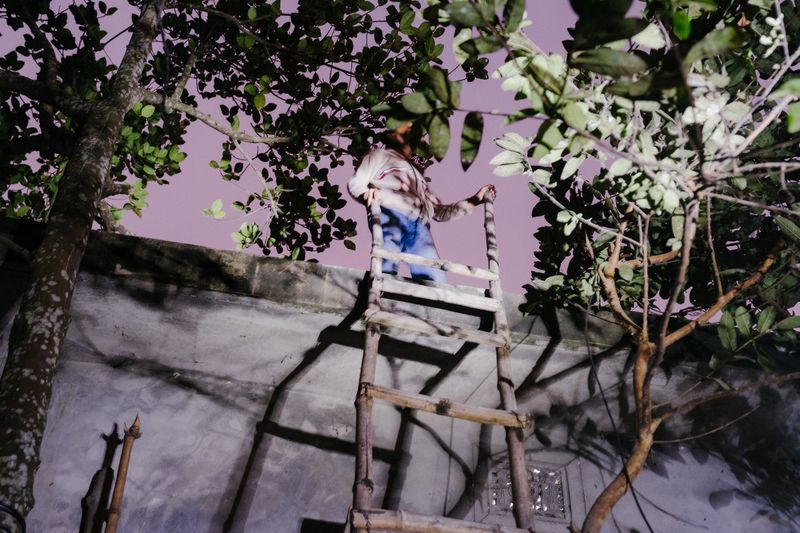
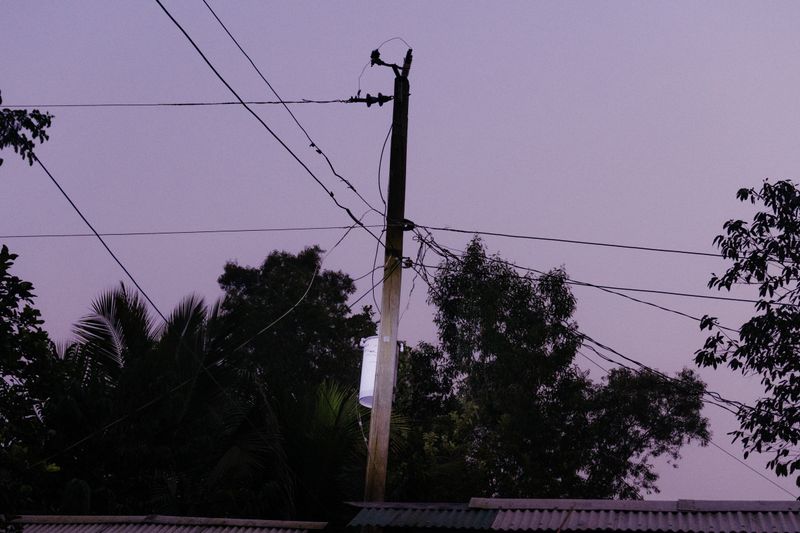
A vibrant 20-year-old life ended in an instant because of the cruelty of a switch and a 33 kV electric line. In front of his father’s eyes, the world suddenly went dark, and fate showed no mercy. My brother was placing an iron rod into knee-deep pond water to ground the irrigation machine when a member of the neighbor’s family carelessly switched on the line.

© Omar Faruk - Image from the My Lost Brother photography project
i

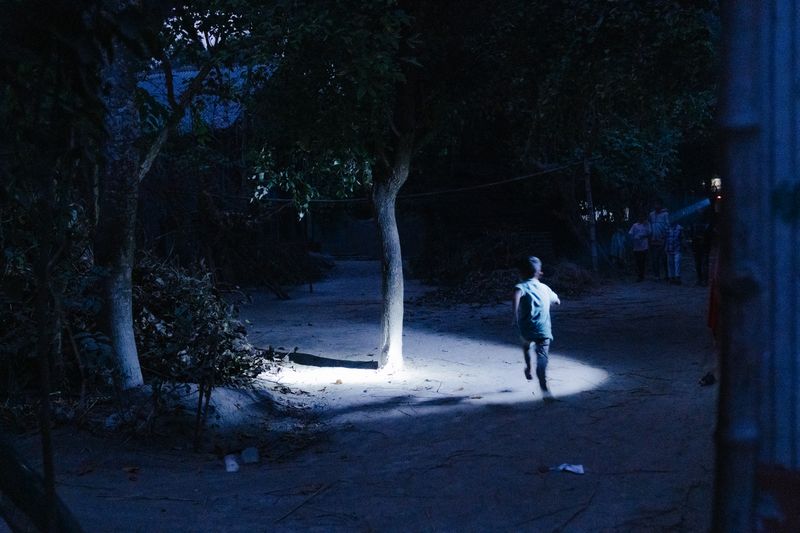
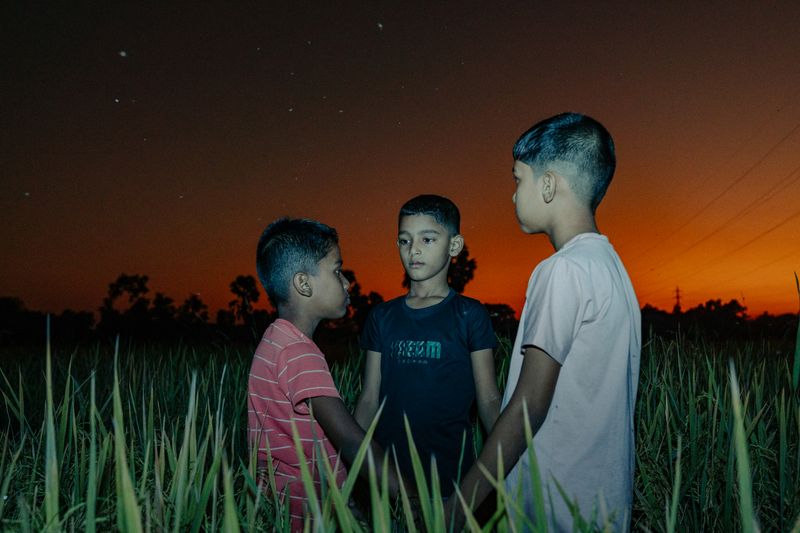
After the game ends and dusk settles in, the younger siblings walk home missing their brother Rubiul. He will not return with them like an evening myna bird finding its nest. Somewhere along this road, the golden evenings they once shared—walking home after football—have quietly disappeared.

© Omar Faruk - Image from the My Lost Brother photography project
i

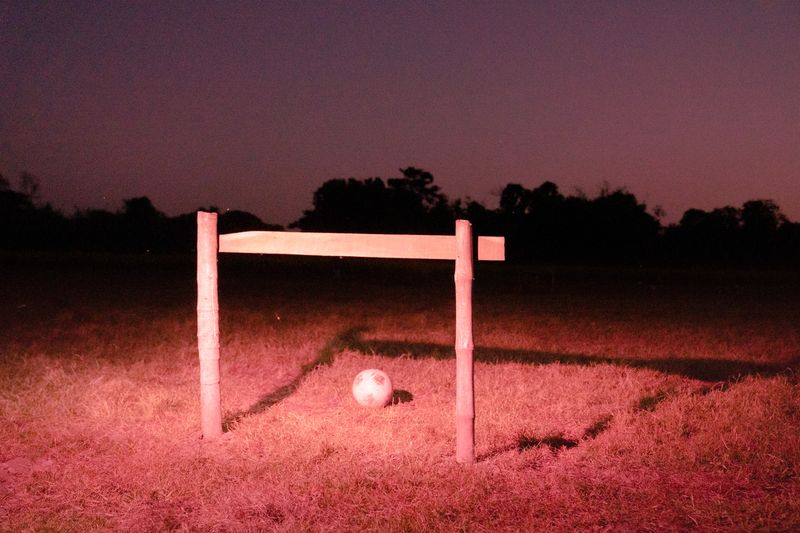
The football field now lies silent, and the road is empty. This was where Rubiul spent his afternoons playing the game he loved most, his presence lingering in the stillness he left behind. He used to be the center defender like "Antonio Rüdiger", brave and the strongest player of the local team.

© Omar Faruk - Image from the My Lost Brother photography project
i

When someone deeply loved in a family passes away, we keep them alive through our memories. They may no longer be seen with the eyes of this world, yet in the depth of love and the pull of the soul, we continue to find them. In this love, the departed remain with us, living quietly across time.

© Omar Faruk - Image from the My Lost Brother photography project
i

Sabiha, the youngest of the siblings, grew up under Rubiul’s gentle guidance and care. Still too young to fully comprehend the enormity of his loss or to express it in words, she has grown quietly withdrawn, carrying her grief deep within. The weight of this absence is something she continues to bear in silence. As Rubiul’s closest sibling, I often called her “Rubiul’s real sister."

© Omar Faruk - Image from the My Lost Brother photography project
i

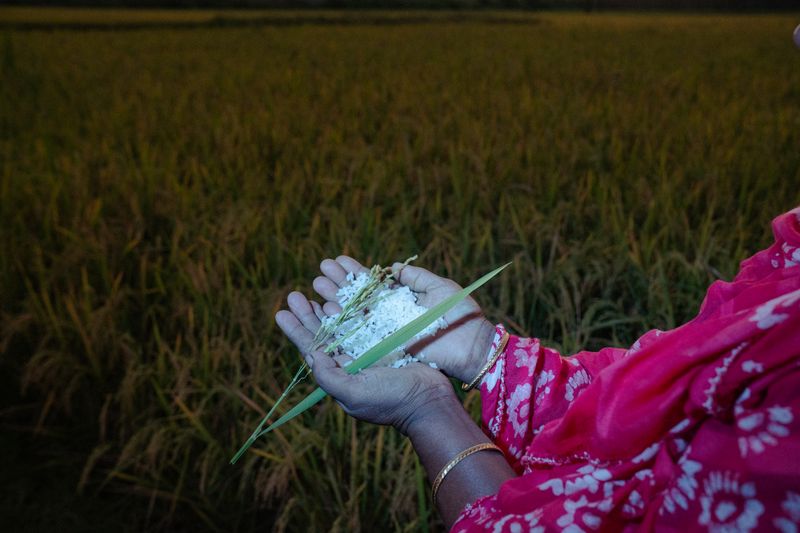
The Eri season returns, yet Rubiul remains elsewhere. These grains come from the field he once tended, harvested by Amma and Abba after his passing. Amma treasures them like gold—the last pieces of earth his hands ever held. When the steam rises, it is no longer only a meal, but a fleeting sense of his return.

© Omar Faruk - Image from the My Lost Brother photography project
i

Perhaps life is like this! There is an order to our arrival in this world, but none to our departure. Standing before my brother Rubiul’s grave, I remember the prayer he taught me—“Assalamu Alaikum iya halal kobor.” Each time I recite it, he returns to me in memory. It is a heavy truth for an elder brother. Beneath this grave rests a piece of my family. May Allah grant him eternal peace.

My Lost Brother by Omar Faruk

Prev Next Close