Multi-temporal landscapes of Talcahuano
-
Dates2021 - Ongoing
-
Author
- Topics Landscape, Social Issues, Contemporary Issues, Documentary
- Location Talcahuano, Chile
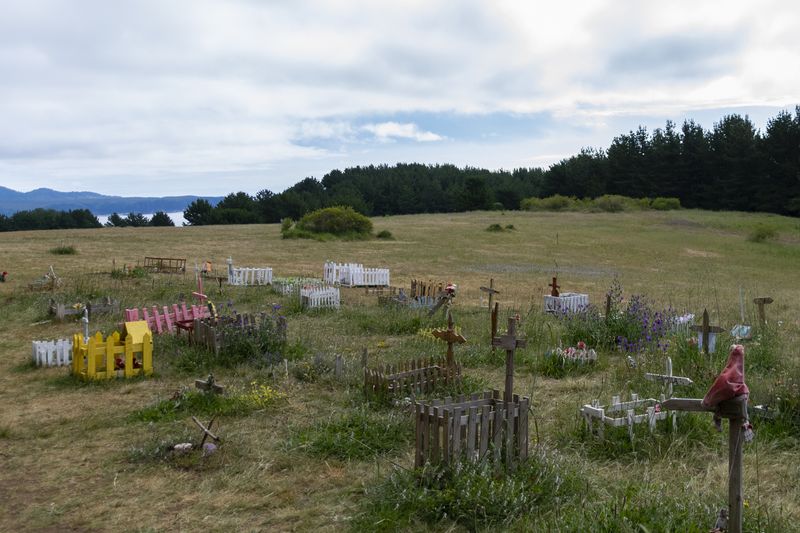
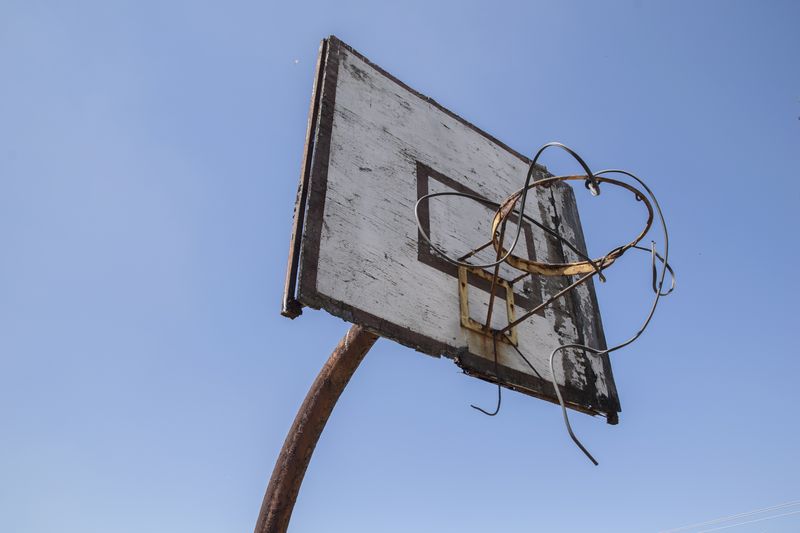
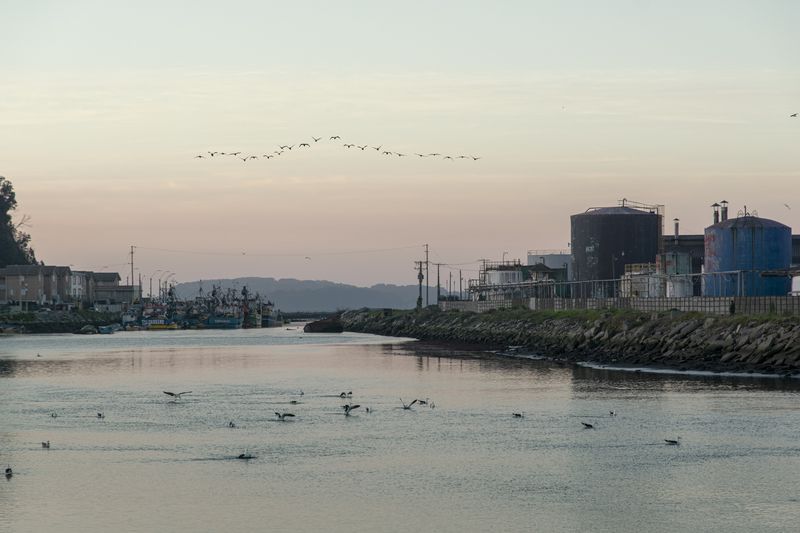
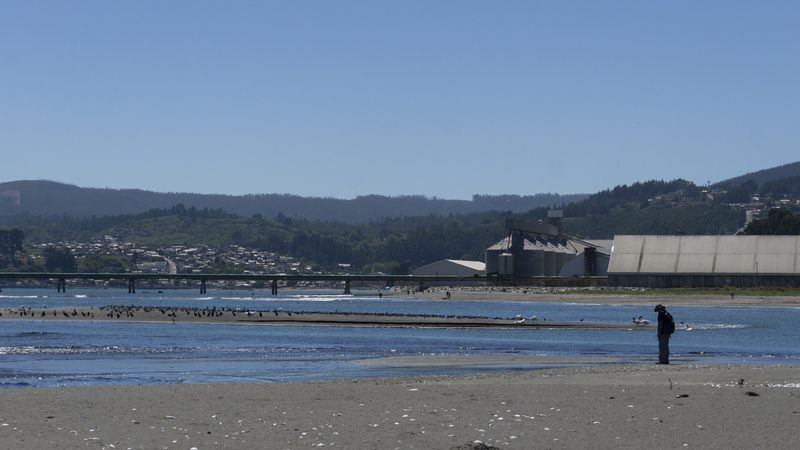
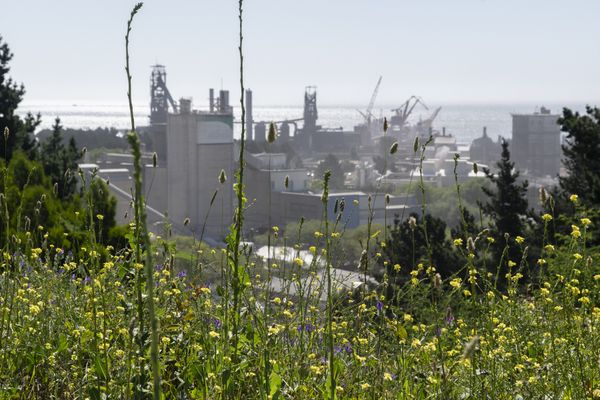
This project is the attempt to visually reconstruct the remnants of the recent past history of the Talcahuano landscape, its ruin and resurgence and the parts of my life that appear with it through v elements with different temporalities superimposed.
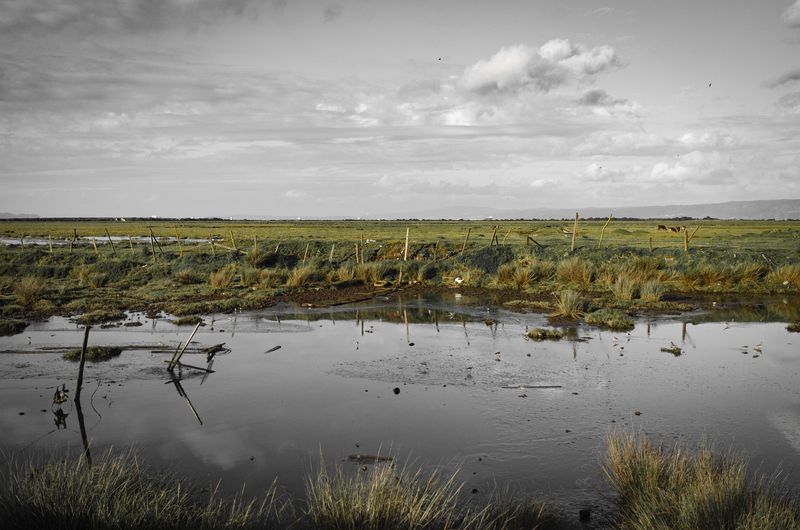
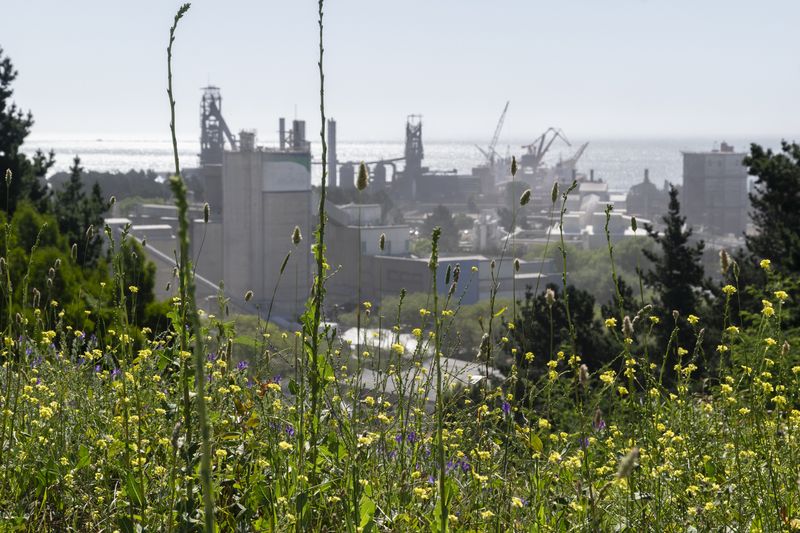
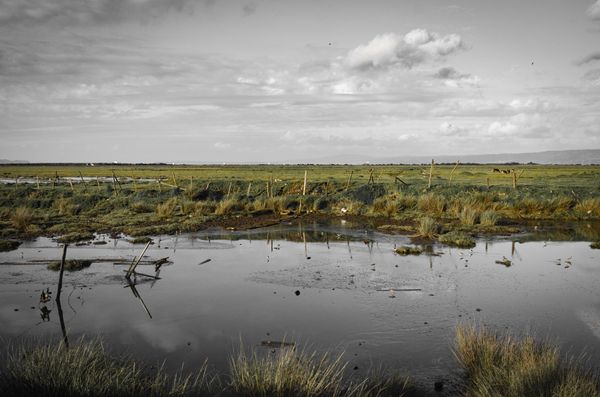
My parents grew up in Talcahuano, under the shelter of the emerging steel industry that was being established on the vast plains in 1950. This industry would change the history of the city’s landscape from that moment on, considering that before that, Talcahuano was a small port city by the sea, with a landscape largely dominated by rivers and wetlands. Industrialization brought unprecedented economic growth but also a drastic transformation of the territory.
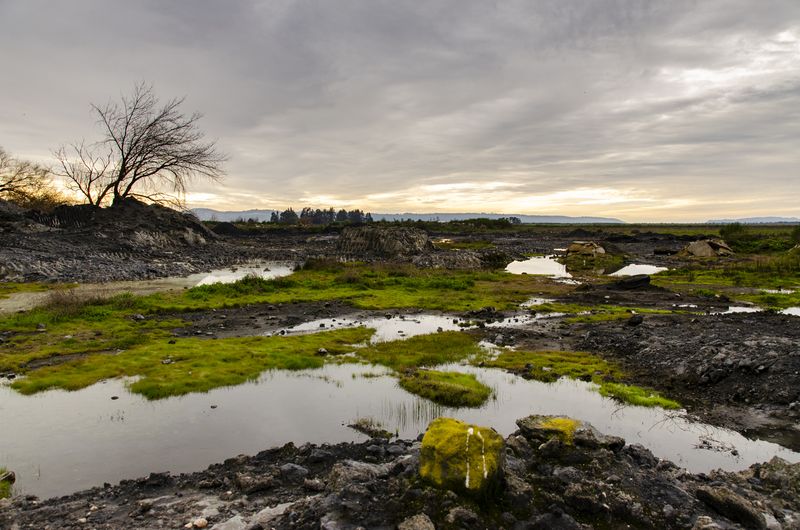
Artificial soils replaced wetlands, urban expansion was facilitated, the city grew, and so did families. New neighborhoods housed the workers and their families, and little by little, concrete took over the space. Estuaries full of life turned into industrial lands and transport routes.
I was born and lived in Talcahuano until I was 26 years old. I believe I lived through its darkest period—under the military dictatorship and the industrial pollution that made Talcahuano one of the most polluted places in the world during the 1980s. The air became foul, the water ceased to be water, and ecocide was justified by job opportunities. Huachipato iron plant and the fishing industries were the livelihood of many families. I knew the wetlands as "swamps" and floodplains, or in many cases, as garbage dumps.
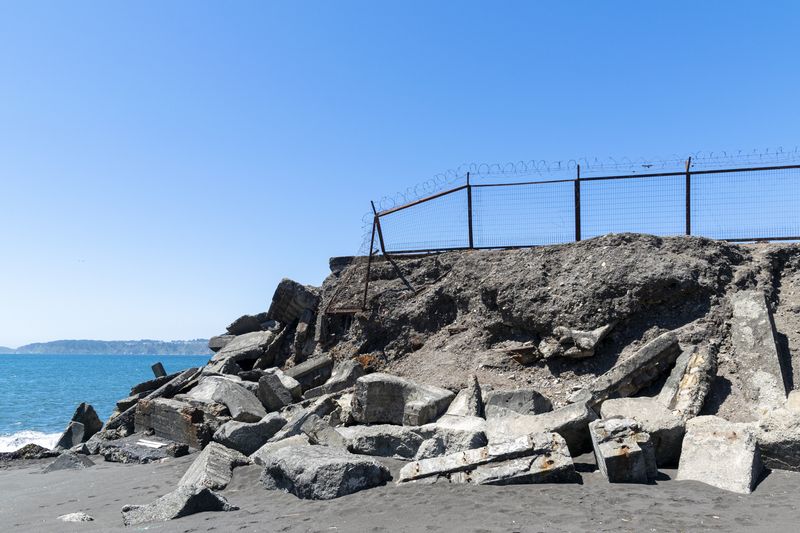
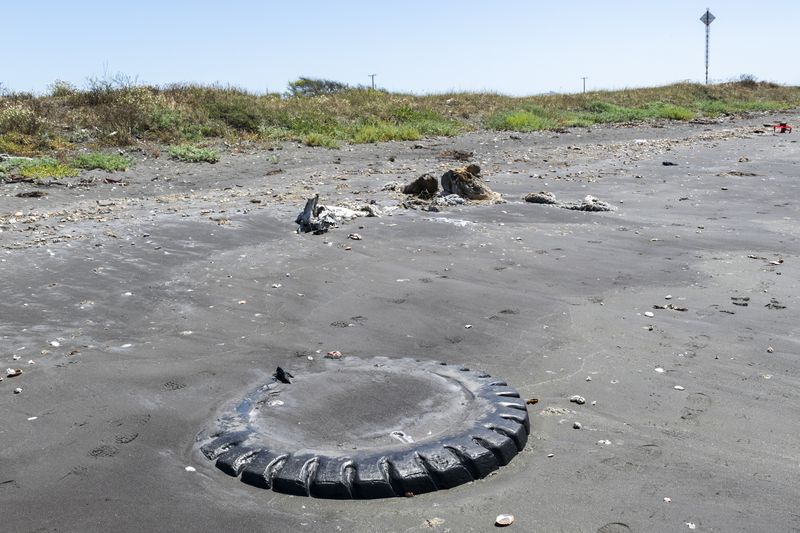
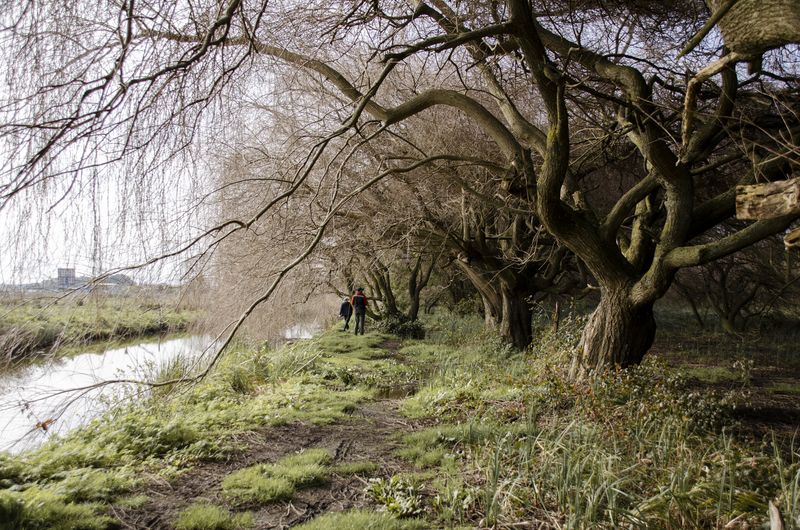
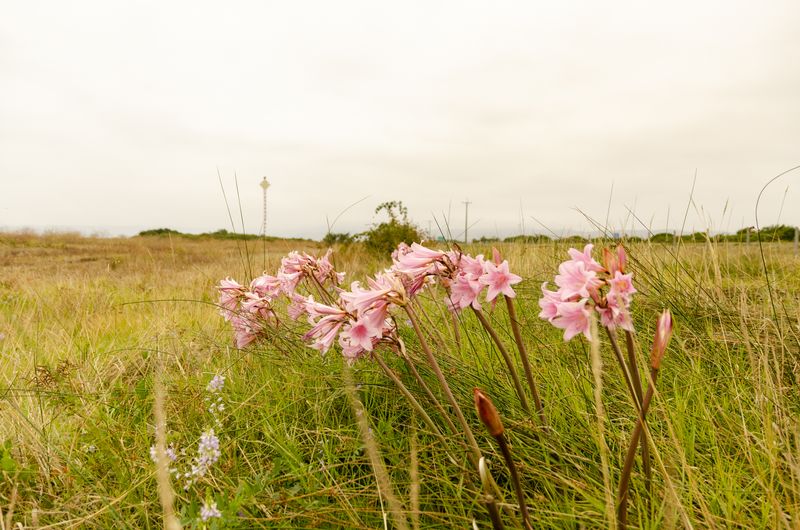
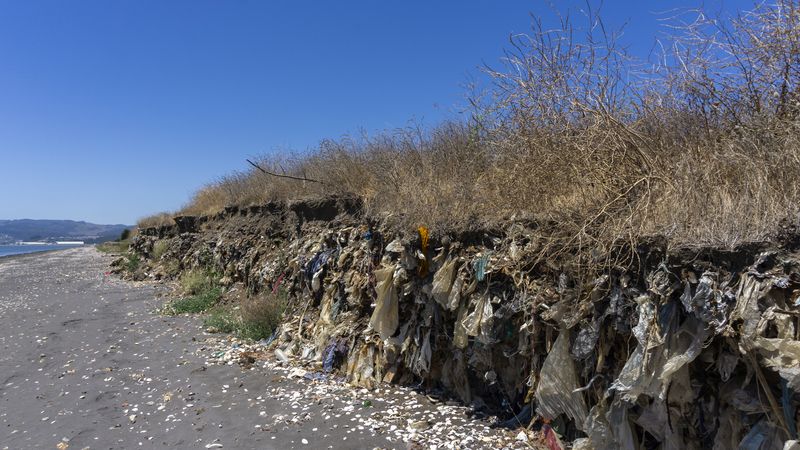
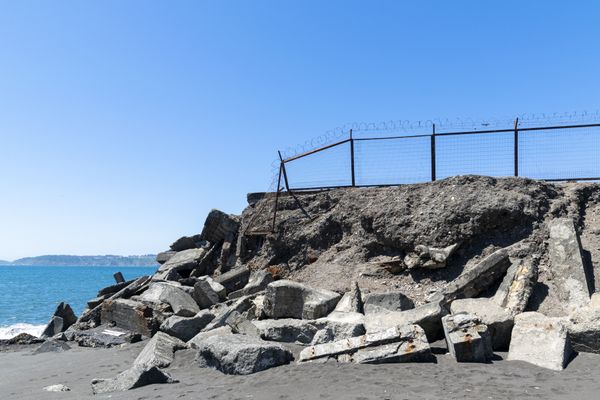
I left, and when I returned two decades later, I found a different Talcahuano. Industry is still present, but environmental awareness has grown. Pollution has decreased significantly, and the wetlands now stand beautifully in the landscape and have its own names, like Chimalfe and Tucapel, as parts of the great Rocuant-Andalien wetland system, the old holocene river delta plain. Birds dance in the air, forming alliances with young activists. Even so, the ghosts of industrial devastation appear to me as I read the landscape and its sediments. The land holds the scars of the damage inflicted—artificial soils, chemical compounds, industrial waste, layered landfills, and the remnants left behind by the february 2010 megatsunami tell me the tragic history lived years ago. Yet, life perseveres along the thread of history.
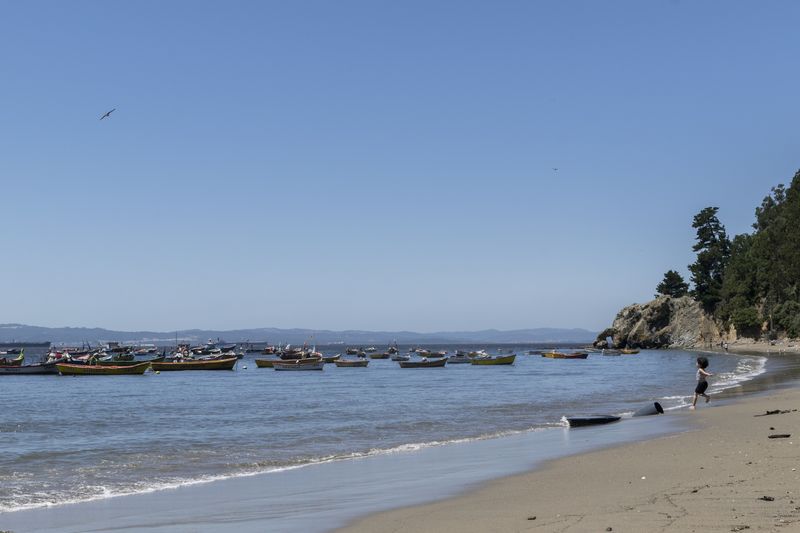
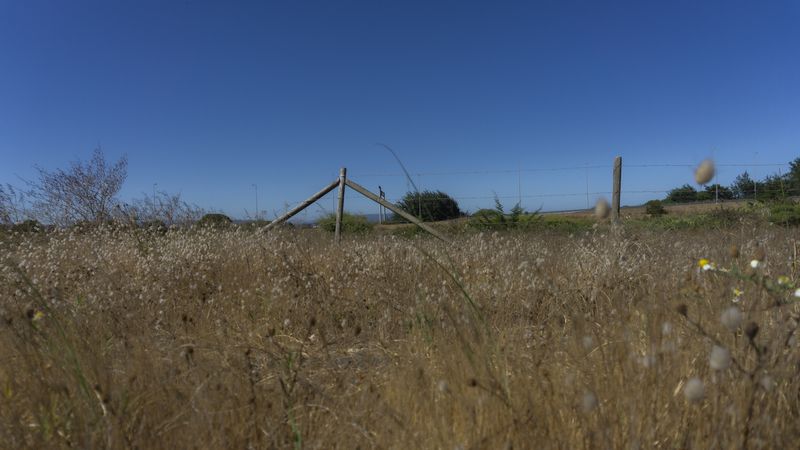
This essay helps me document part of the experience of reconstructing the history of my hometown and the emotions I try to materialize in photographs of Talcahuano—its beaches, its sediments, its streets, the wetlands and the life that floods it, but it is also a search for these dreamscapes of my childhood. Various elements with different temporalities are superimposed through landscape photography, evoking recent geologies and their multiple agencies.