Mulde
-
Dates2025 - 2026
-
Author
- Location Bitterfeld, Germany
The project observes the present landscape around Bitterfeld/Wolfen beyond a linear post-industrial narrative. Through traces, spaces and encounters, it shapes a contemporary image of a region in ongoing transformation, where temporal layers coexist.
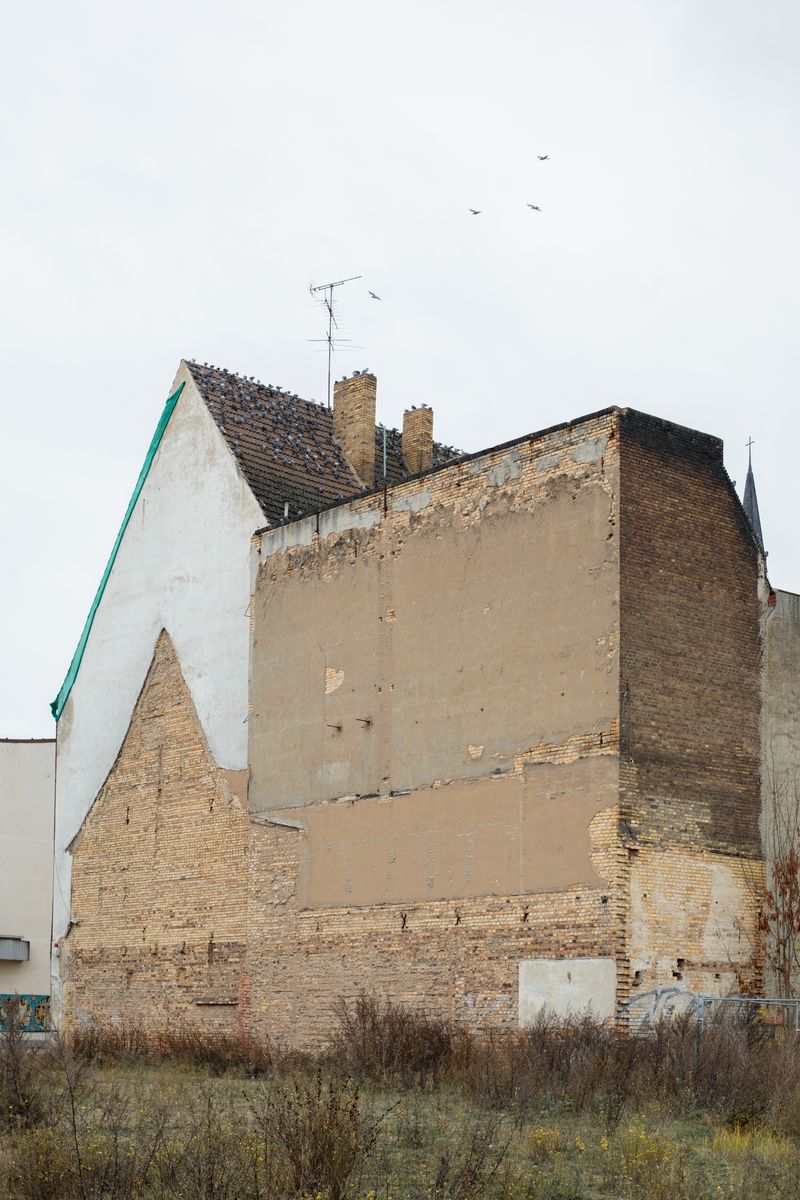
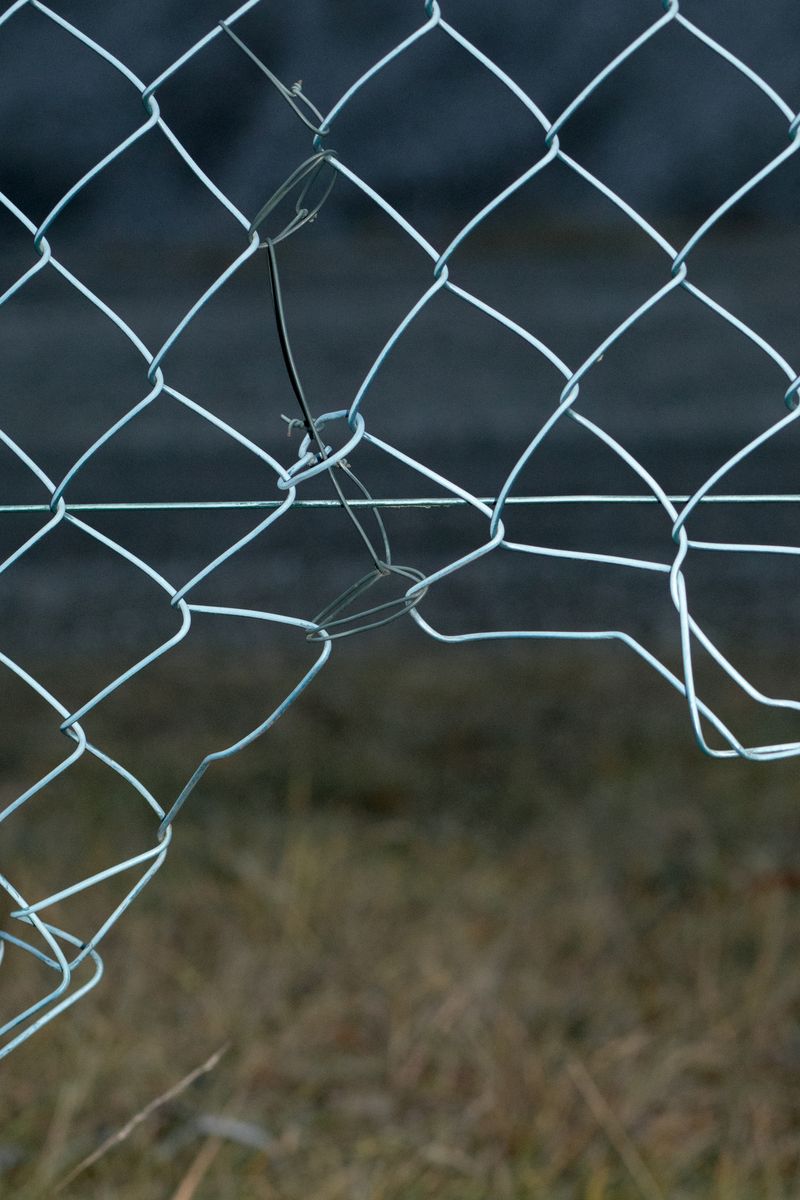
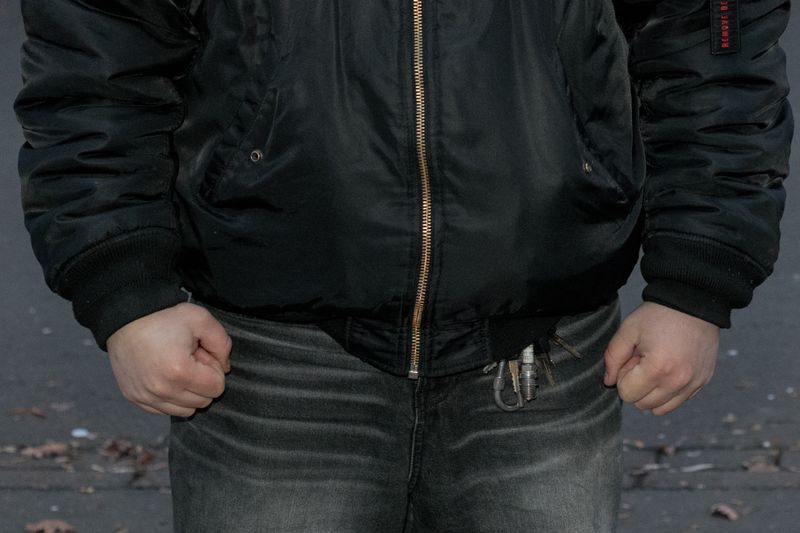
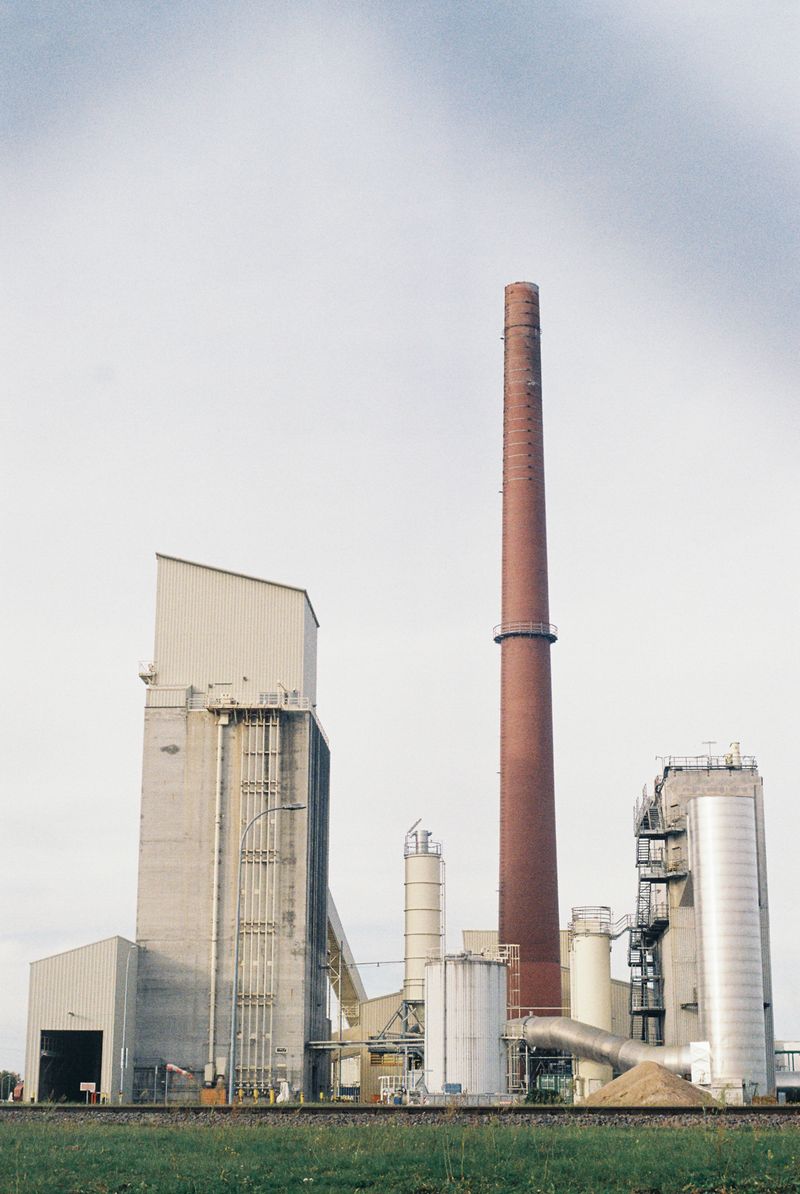
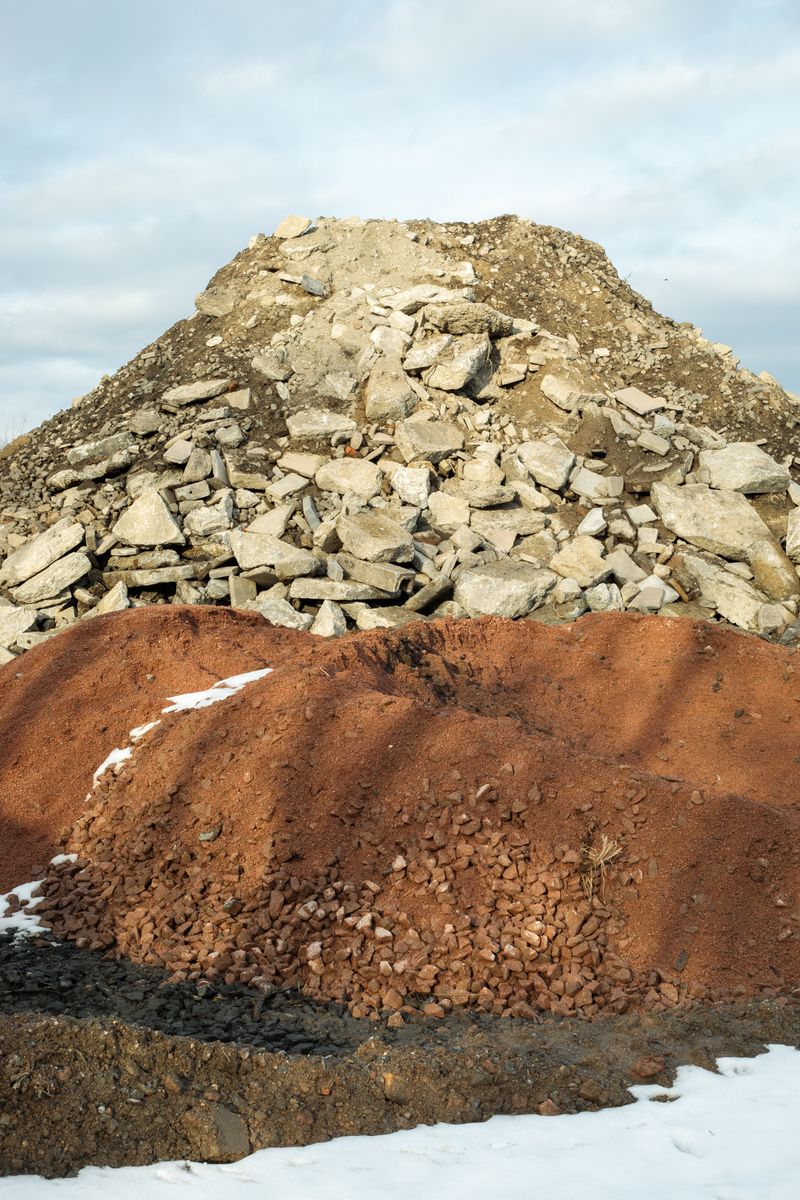
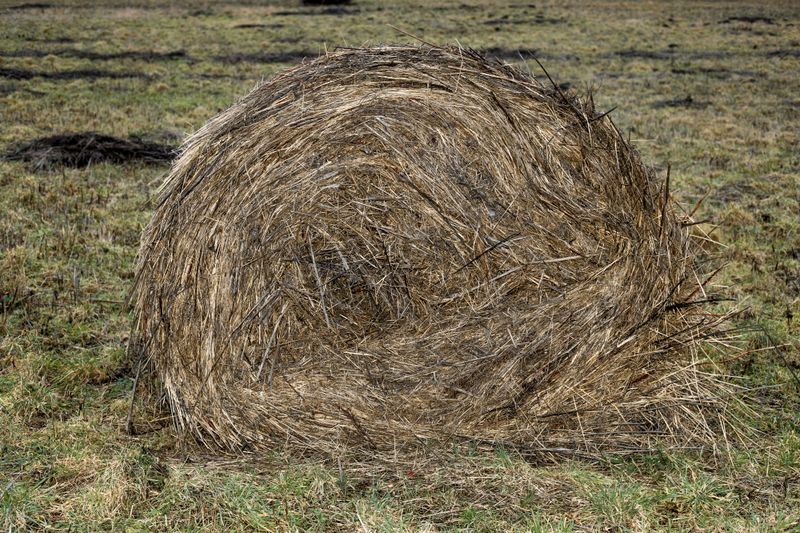
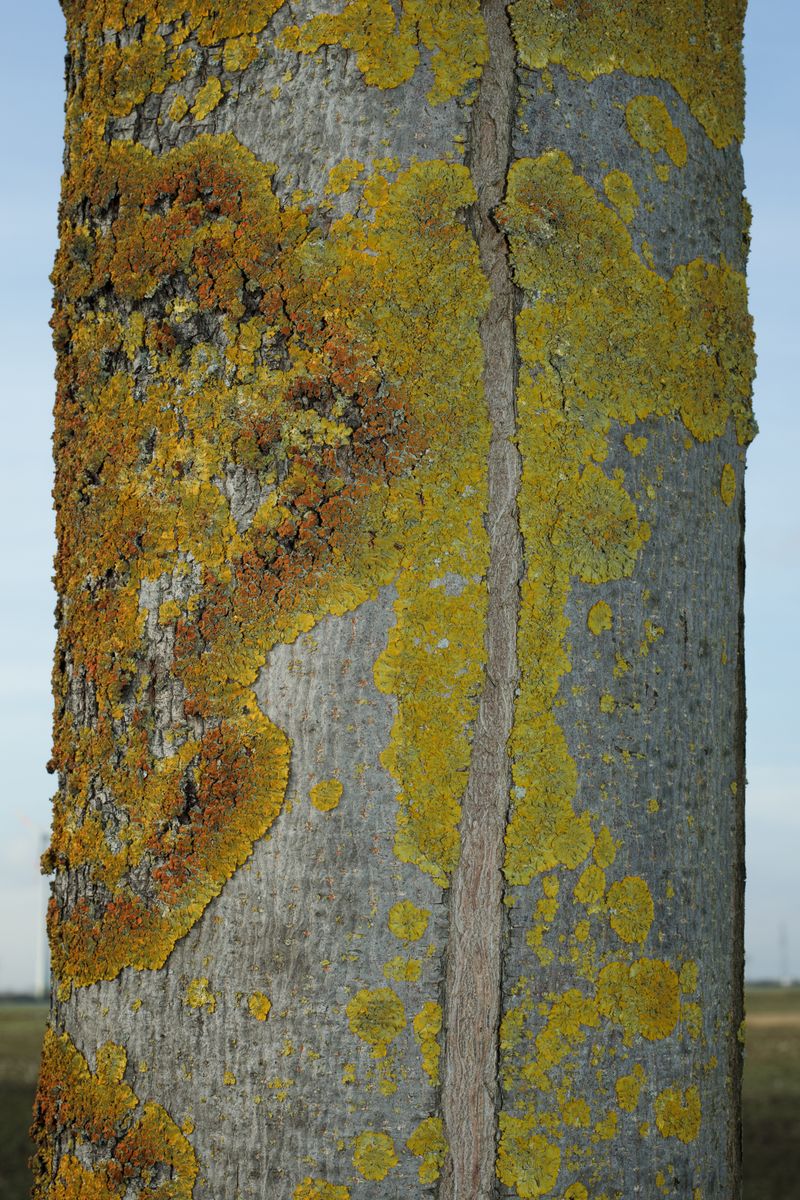
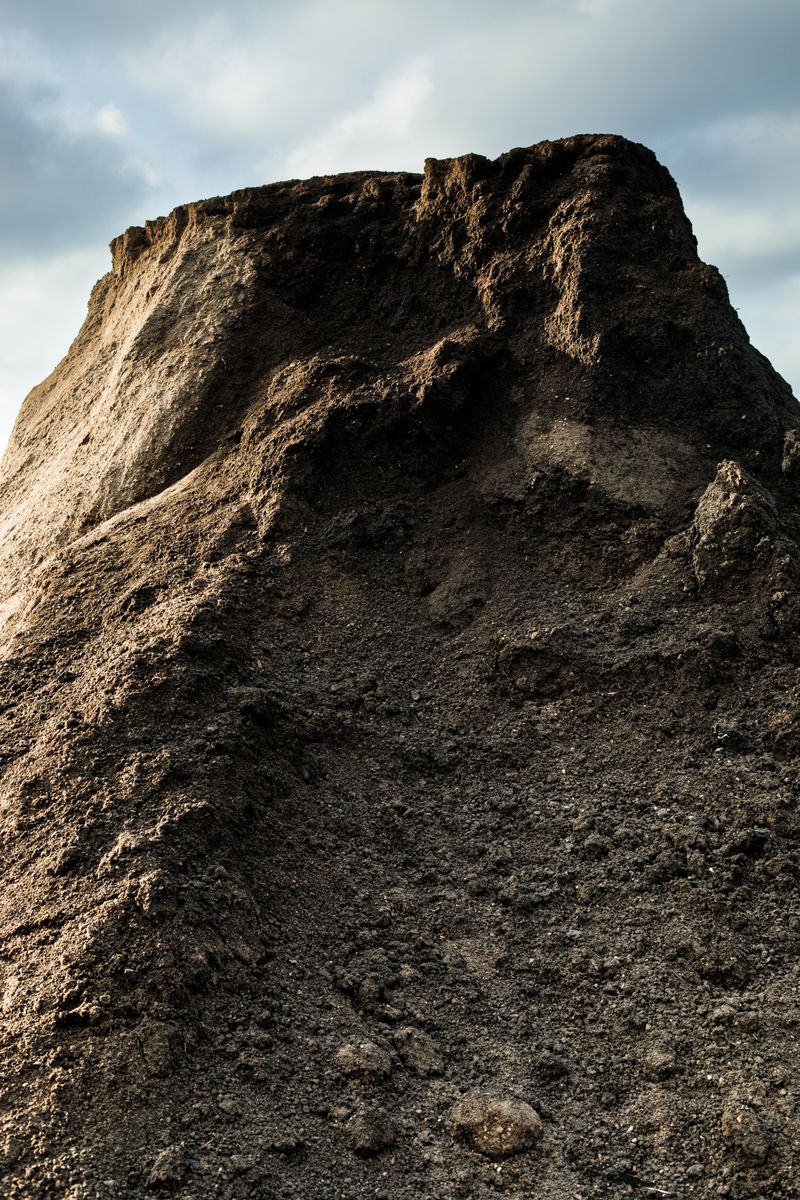
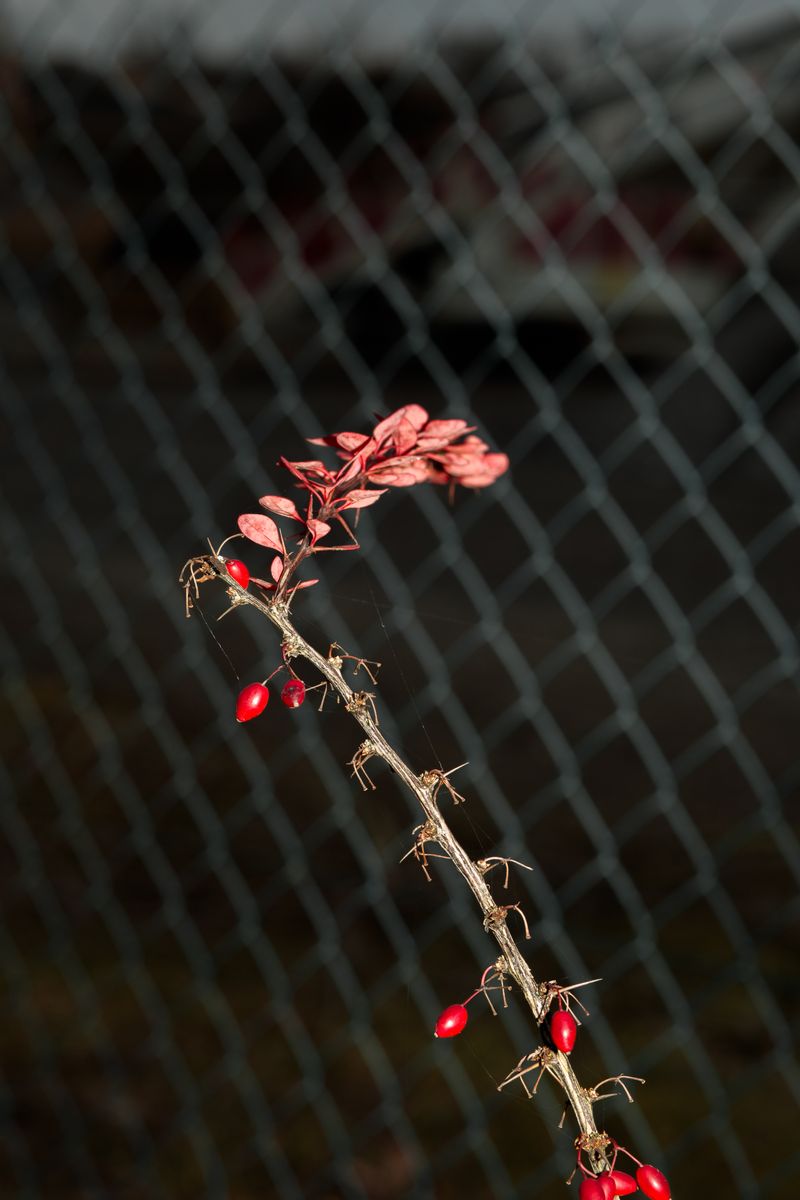
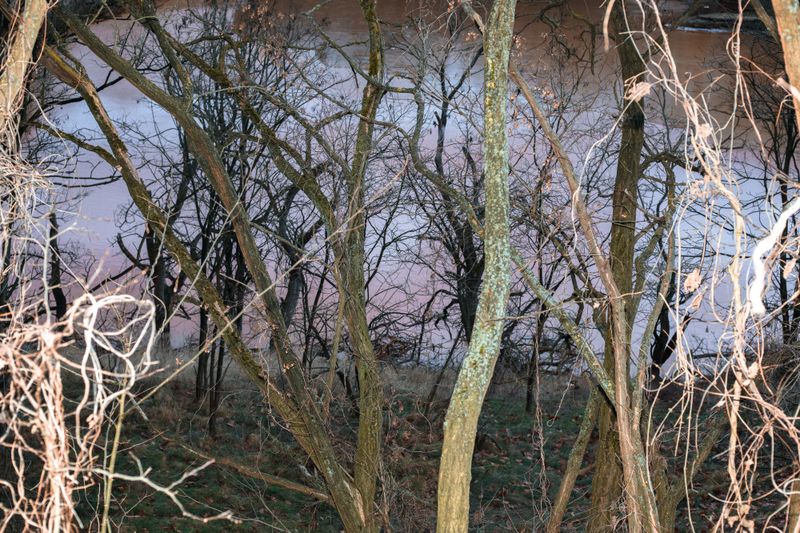
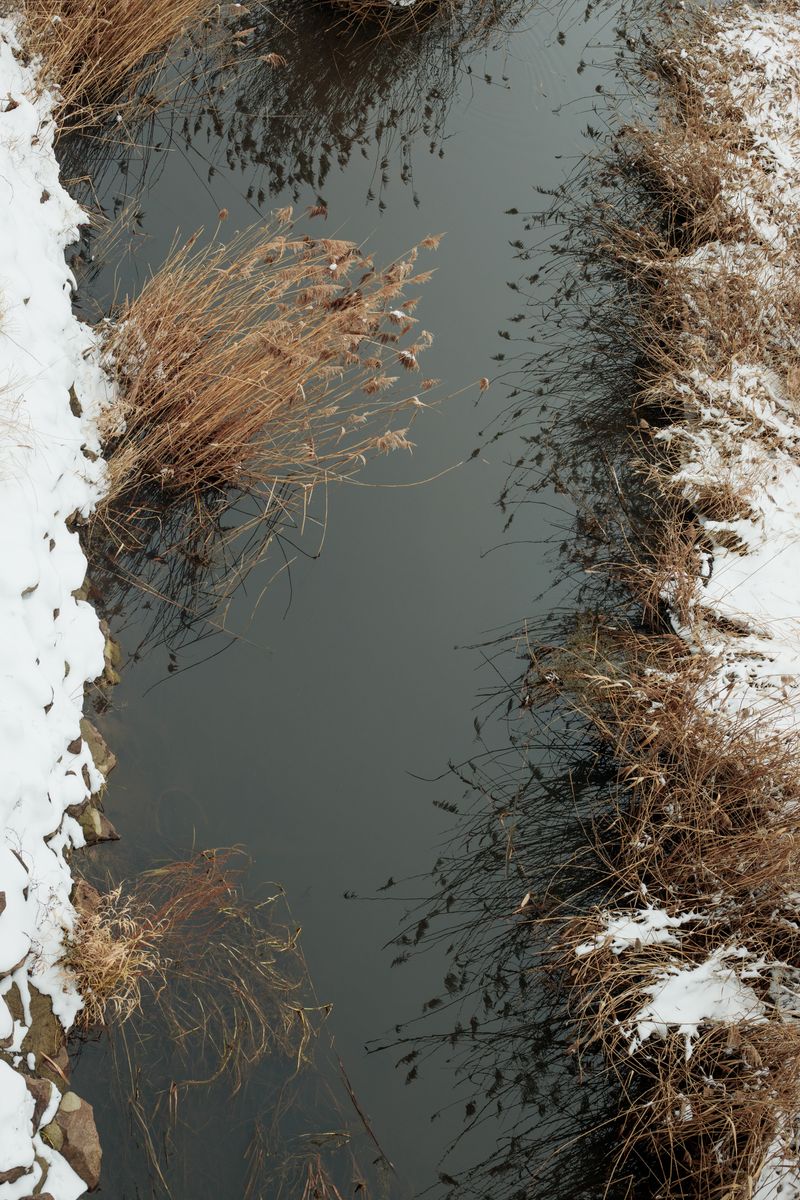
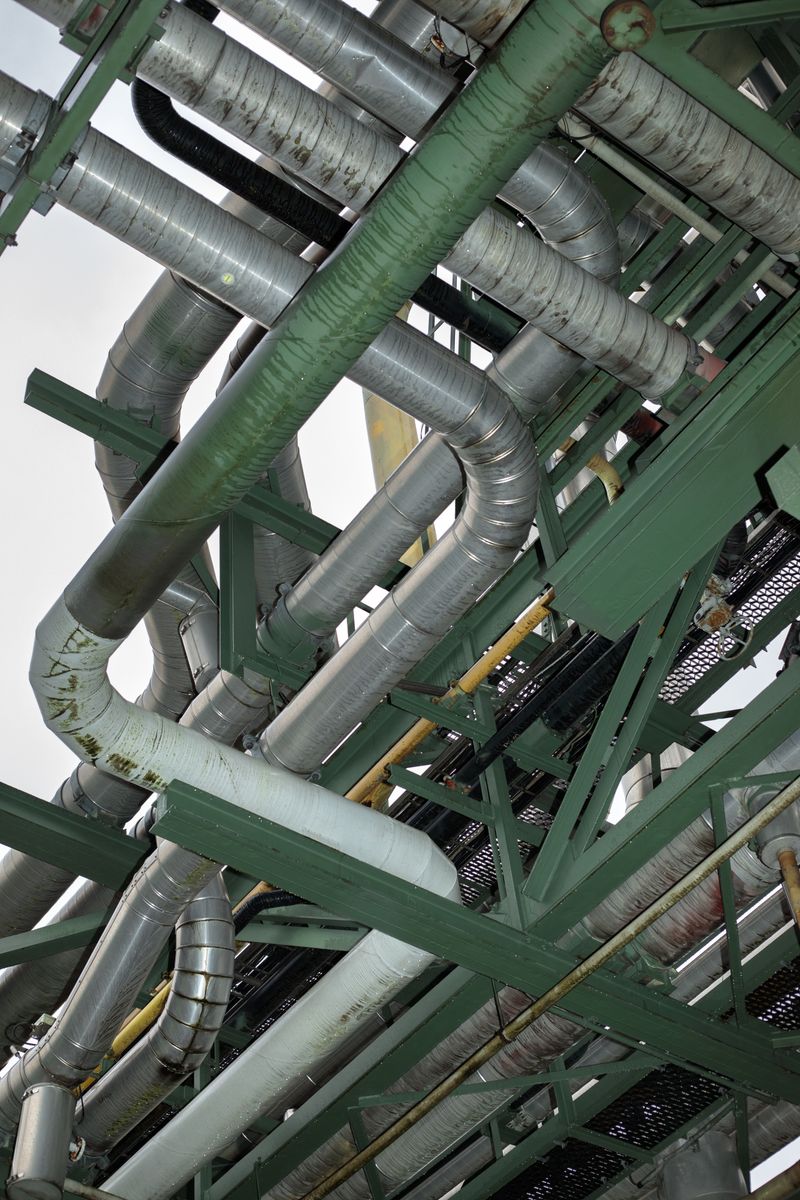
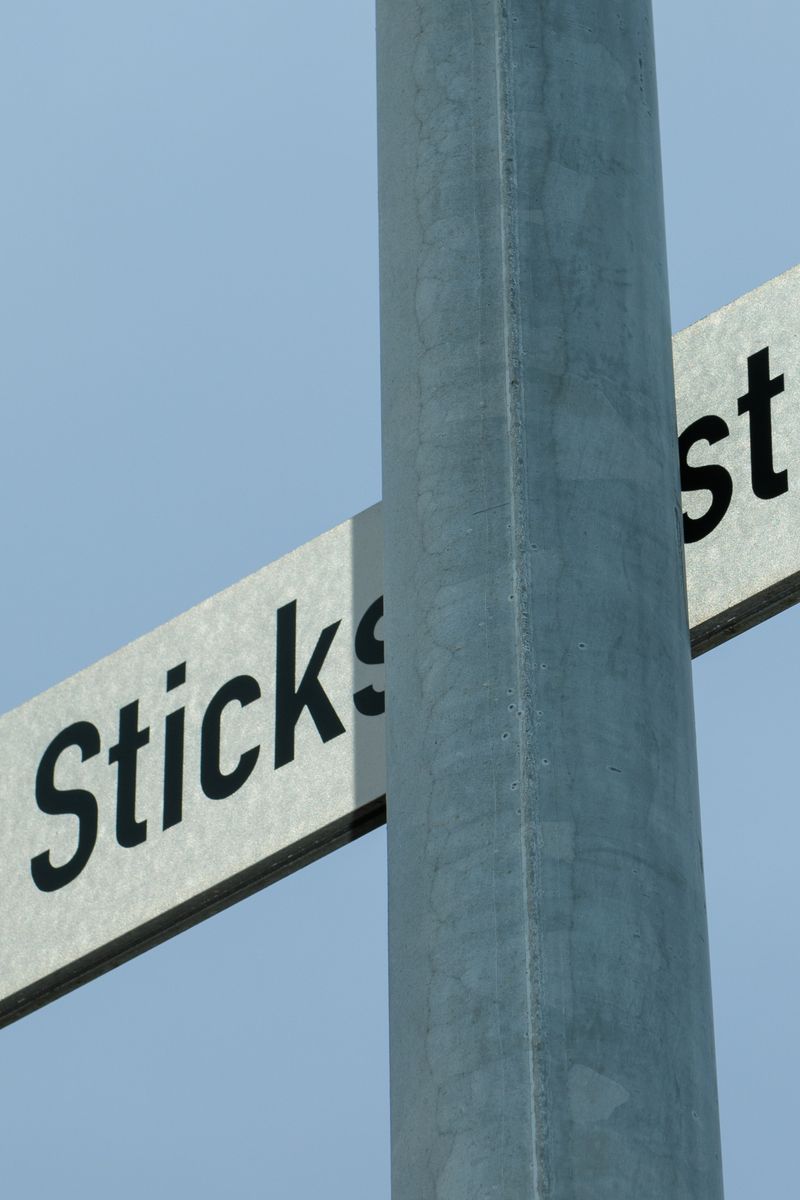
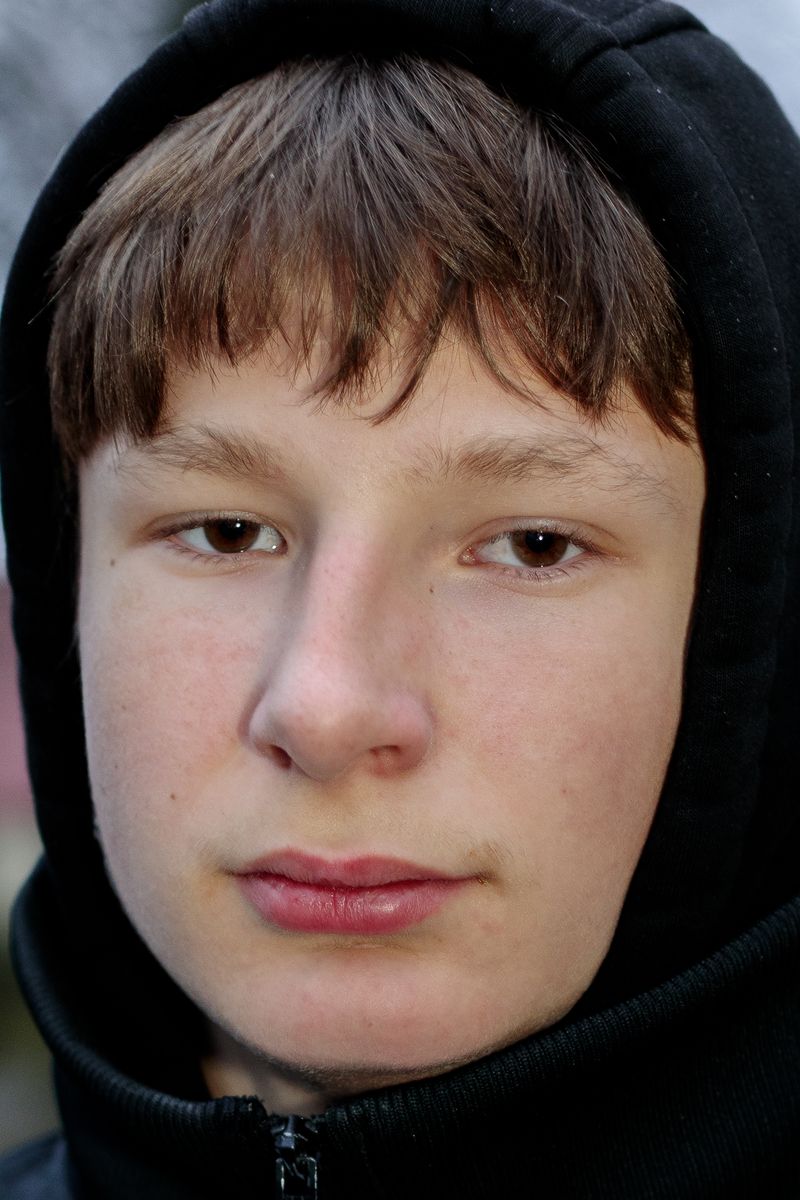
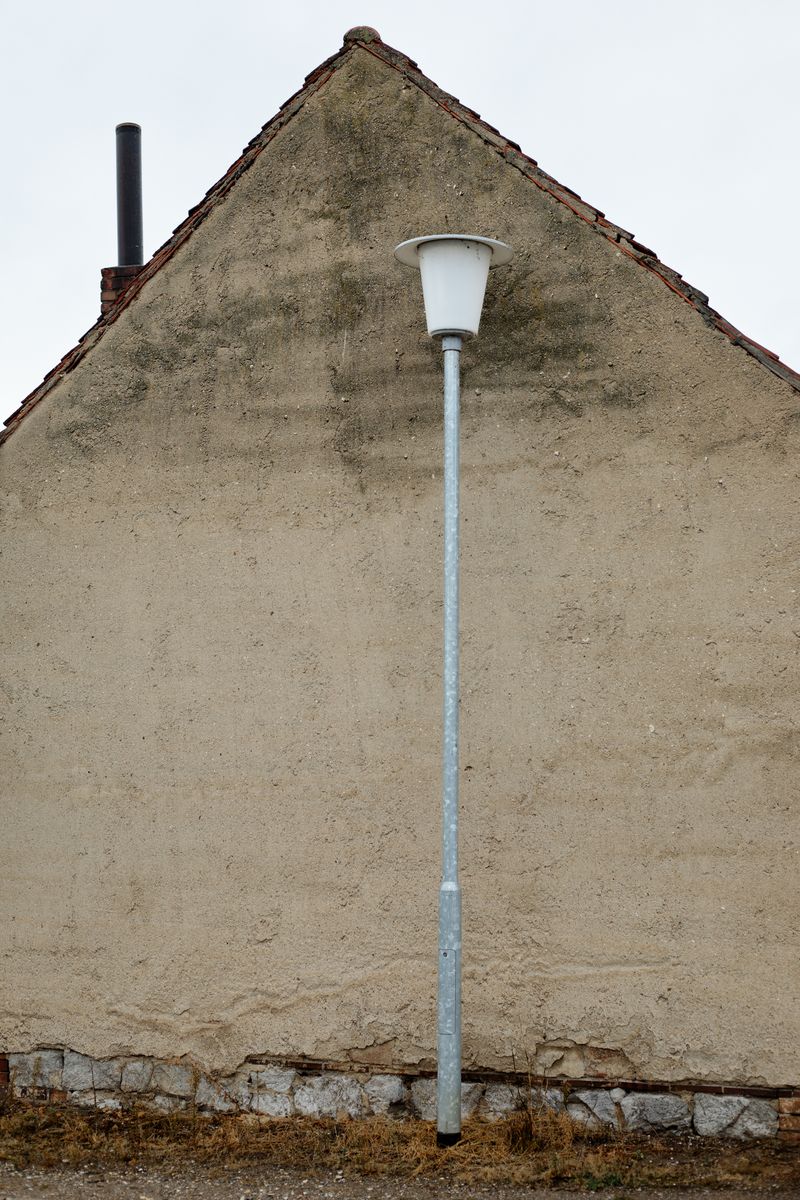
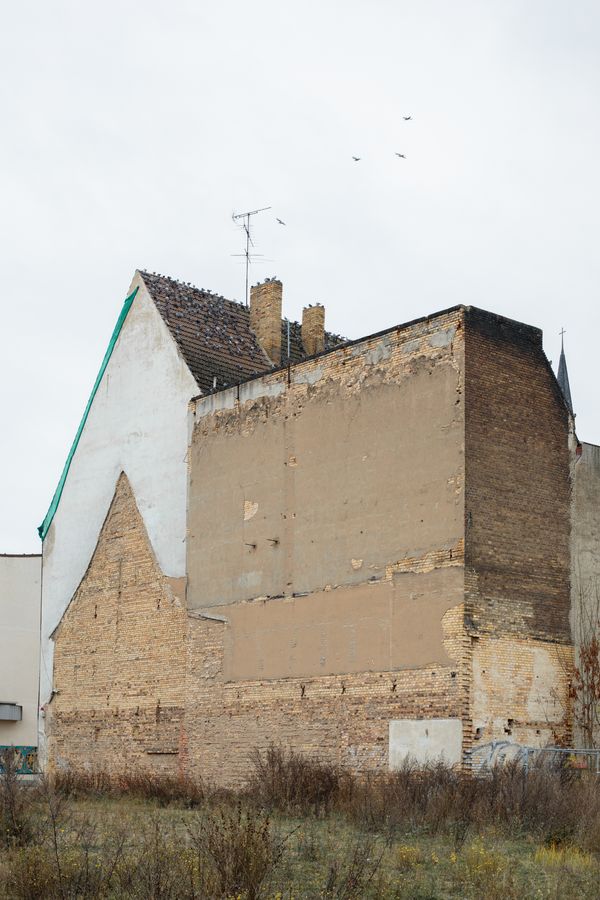
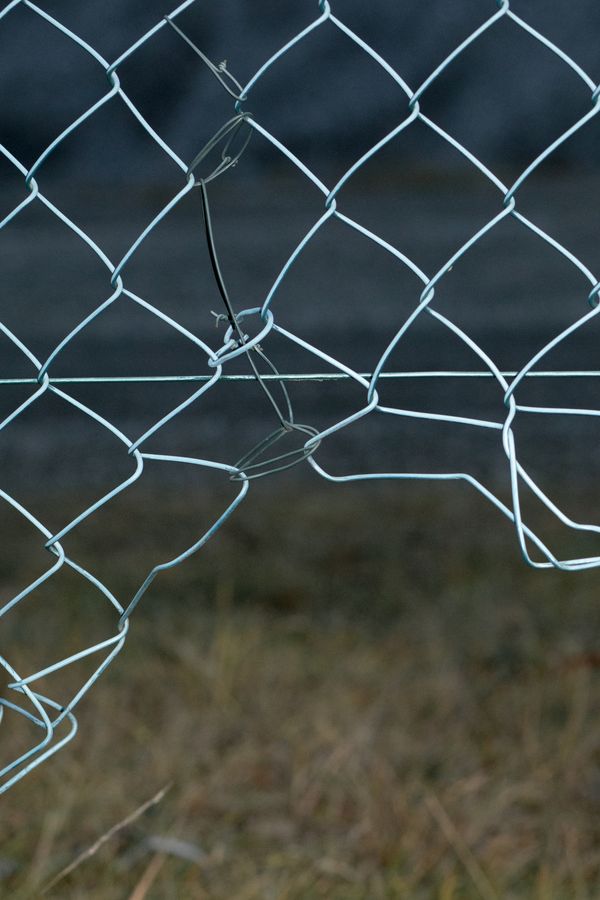
While moving through the villages surrounding Bitterfeld/Wolfen, I repeatedly stop: to watch countless cranes gathering on empty cornfields, to speak with people in Muldenstein about the red-shimmering lake, or to linger for a moment beside teenagers waiting at a bus stop. Along the roads, signs point toward landfills, pipes coil around and through one another, bushes glow in shades of red, and gaps mark the places where houses once stood. Vast fenced landscapes stretch behind embankments, industrial chimneys release smoke into the sky, and, again and again, the streets fall silent in Sandersdorf, Jeßnitz and Pouch.
My photographic work approaches the twenty-kilometre radius around Bitterfeld/Wolfen not as a linear “before and after” narrative, but as a landscape suspended in ongoing transformation. Once described in the 1980s as the “dirtiest city in Europe,” Bitterfeld became emblematic of the environmental consequences of lignite mining and the chemical industry within the former Central German chemical triangle.
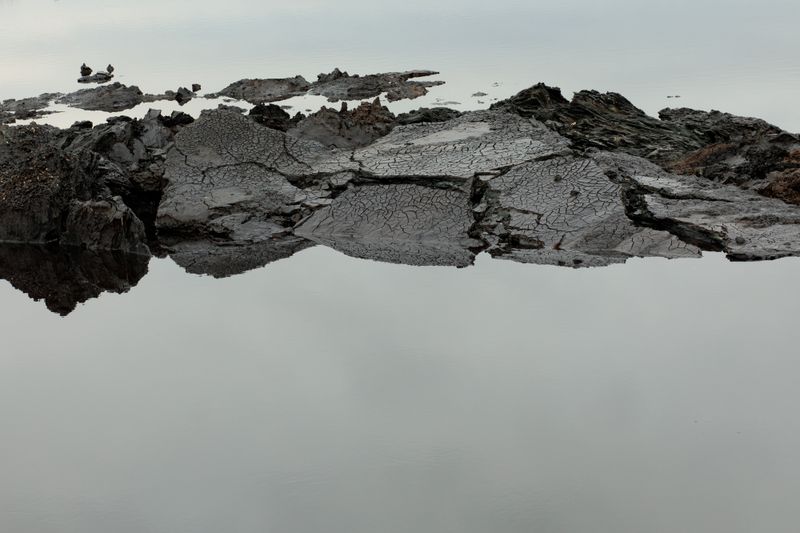
Searching for sediments of the past, I encounter a region in which environmental history, structural change and everyday life overlap and persist. Through a process of working on site, the project traces contemporary conditions shaped equally by absence, memory and the realities of a younger generation growing up within this shifting landscape.