Model Collapse



-
Dates2025 - Ongoing
-
Author
- Topics Contemporary Issues, Nature & Environment, Fine Art
- Location Greece
Model Collapse investigates the parallels between AI’s and human brain’s function decline through physical constructs made from original photographs belonging to a found family archive and custom-coded AI feedback loops.
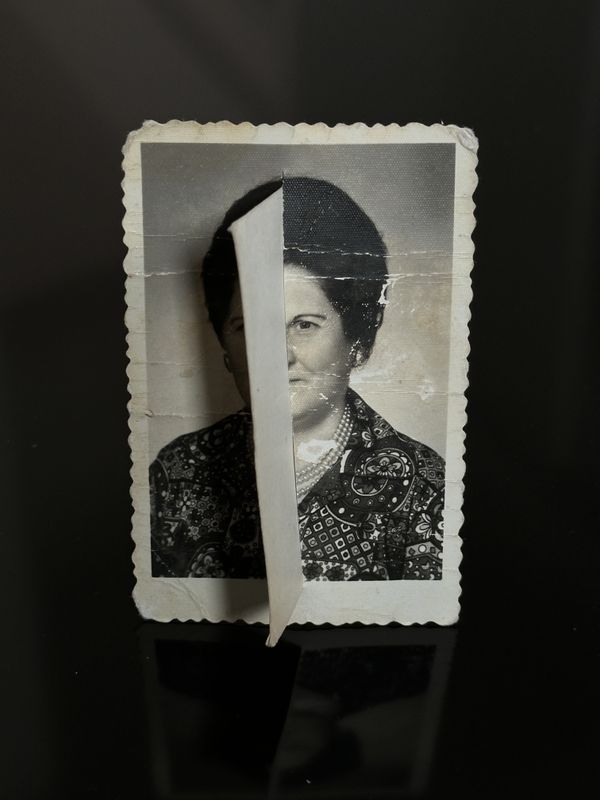
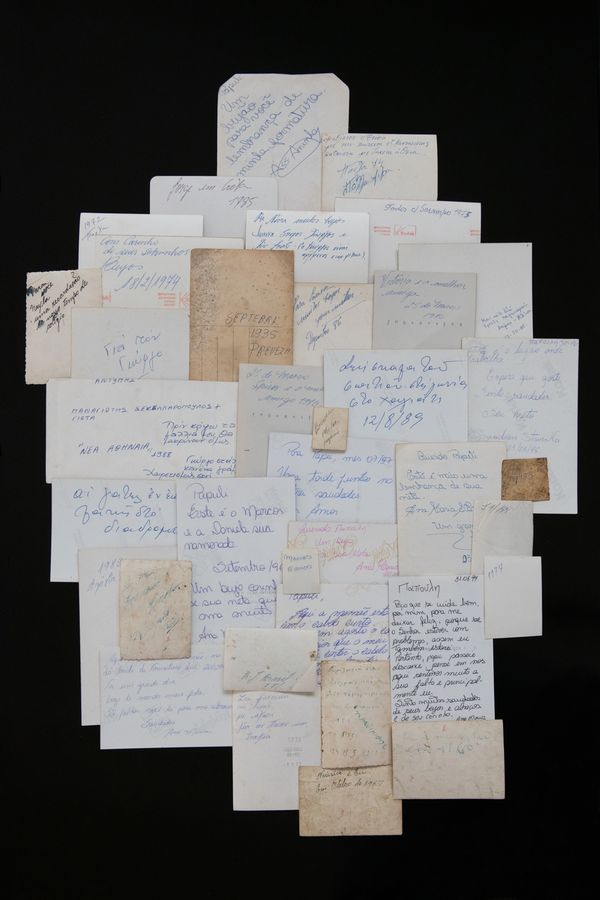
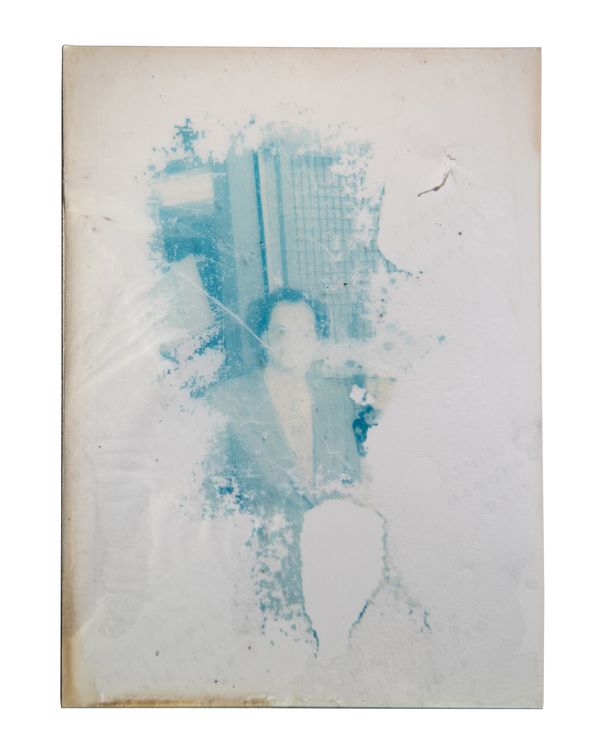
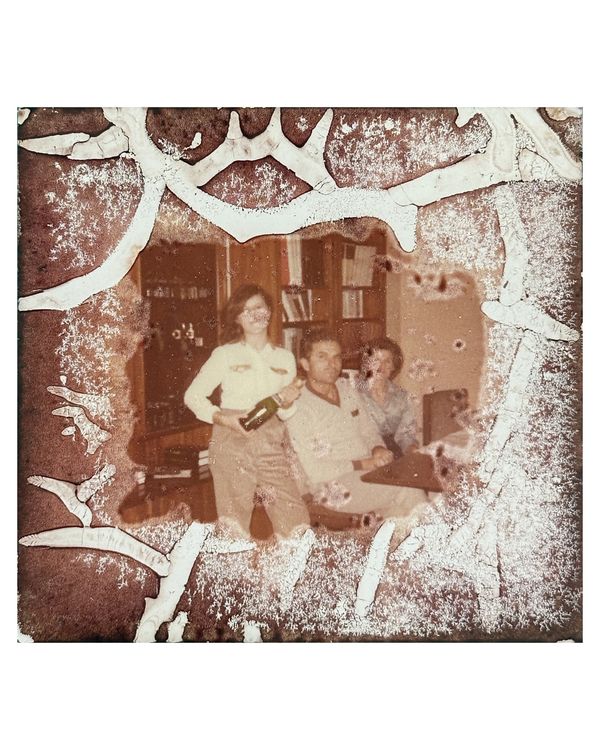
I did not have my own family archive, and working with a found one has become a way to think through memory, loss, and identity. In this archive there are images where time, chemistry, and far-from-ideal storage conditions have done their magic, mutating the original photographs into a melted mess of color, submitting them to a random, entropic process of degradation. Through these images, I am looking for parallels between the way memory degrades in the human mind, especially in cases of dementia or Alzheimer’s, and the way AI systems also degrade when they are trained on synthetic data. I am interested in what happens when memory loses structure, when chronology collapses, when fragments remain but the whole image can no longer be seen at once.
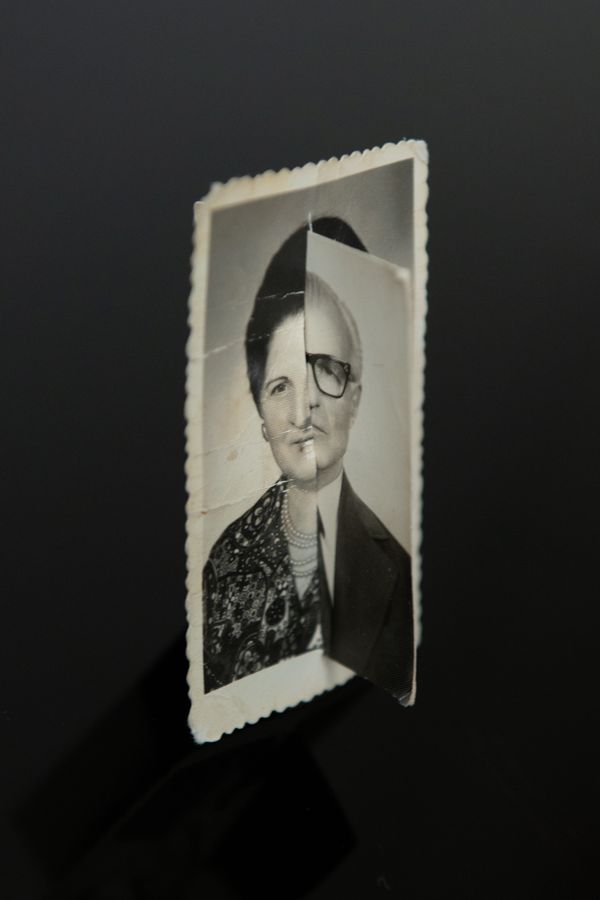
Starting from portraits, family photographs, and damaged images from this found archive, I build works that move between physical construction and AI-generated feedback loops. In some works, each image generated by an artificial intelligence system becomes the input for the next, forming a continuous chain of self-feeding iterations. As the process unfolds, the human face is gradually deconstructed, ultimately transforming into a neutral, formless surface. In others, I assemble fragile structures from original photographs, imagining how memories might exist all simultaneously, interconnected and forming correlations, while also cutting into one another and cancelling the possibility of seeing the whole image at once, leaving always only a fragment of it.
These works are also a way to think about personal data as a new kind of archive. Just as the earth is mined for precious metals and minerals used in advanced technologies and AI infrastructure, human experience, memories, and data are also mined and commodified to satisfy the need of AI systems for human-generated data. Under the threat of model collapse, the value and rarity of our personal data become comparable to that of precious minerals. What remains, then, is a question about memory as something biological, technological, and collective at the same time: what is lost when memory degrades, what happens to identity when the archive breaks down, and what kind of society is formed when its machines begin to forget through the same systems that were built to remember.