Milk Factory
-
Dates2016 - 2025
-
Author
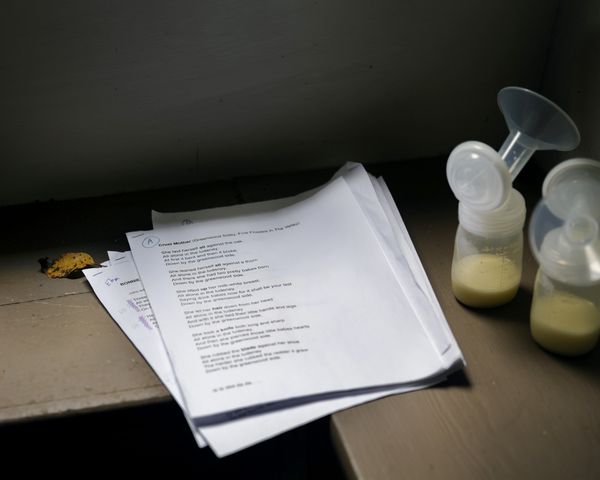
Milk Factory is the first visual study of America’s lactation rooms. My photographs honor this unrecognized labor and challenge romanticized portrayals of motherhood, reflecting contradictions inherent in modern parenthood and public policy.
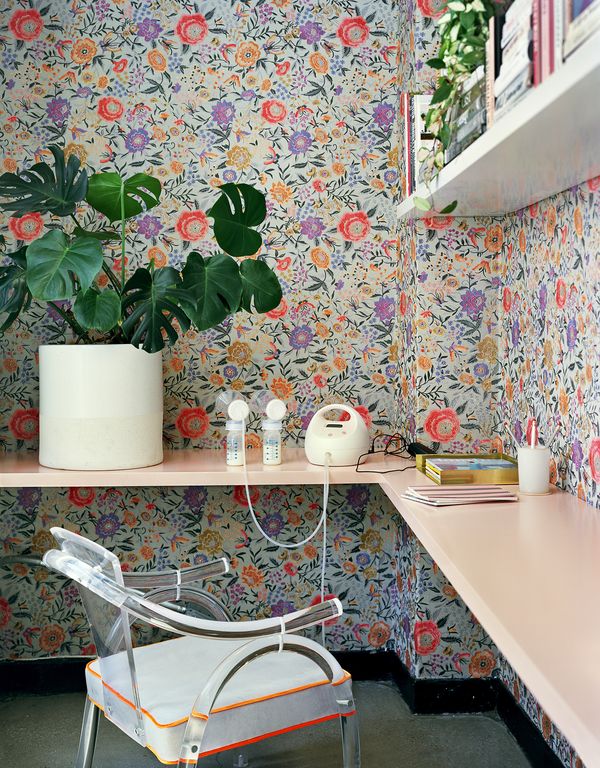
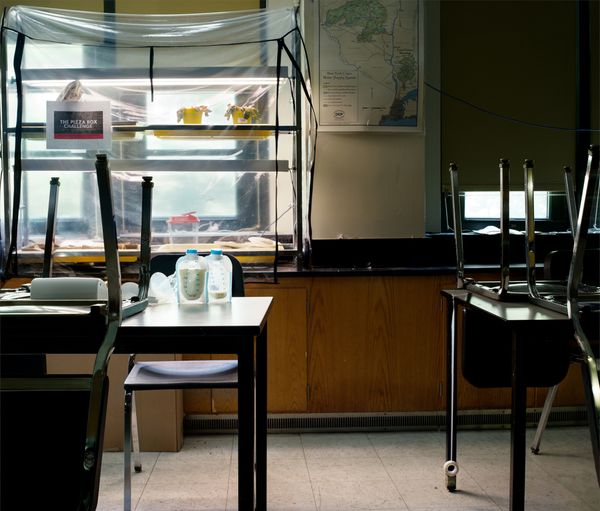
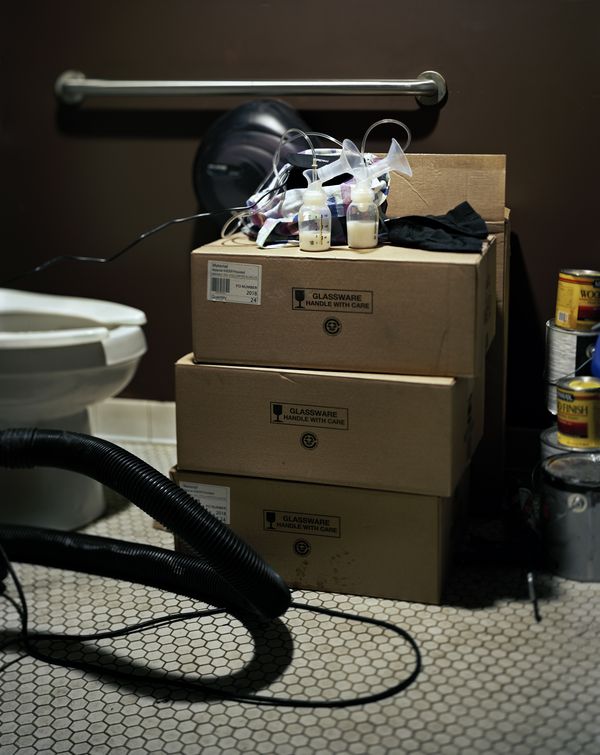
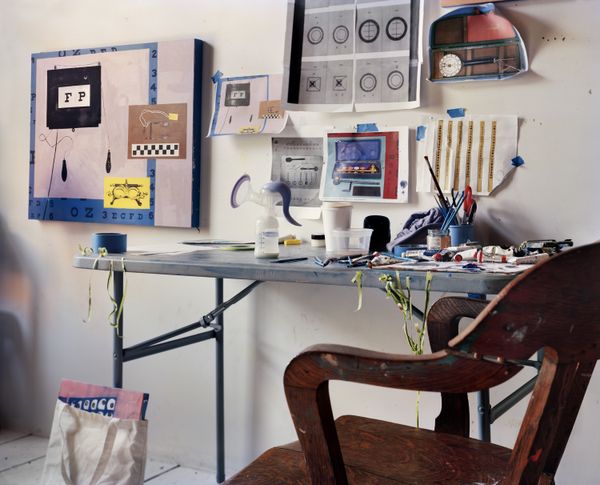
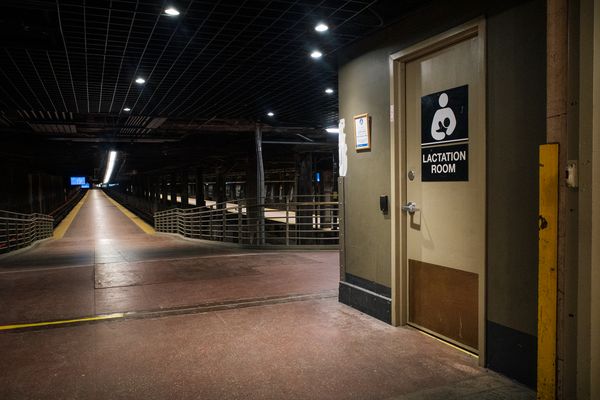
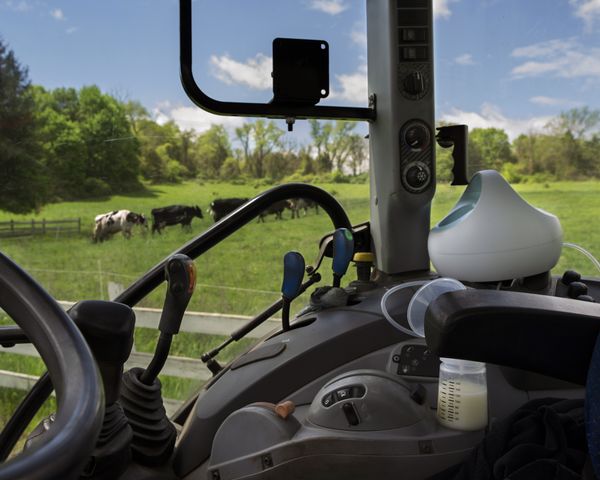
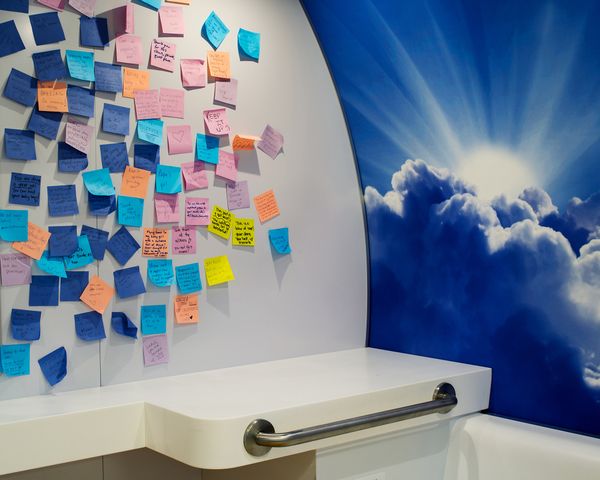
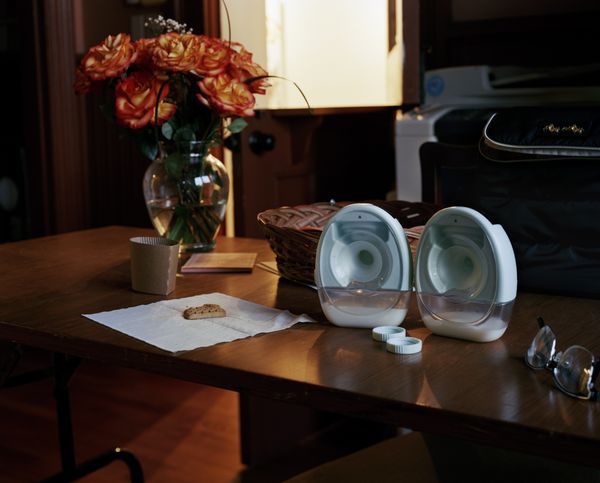
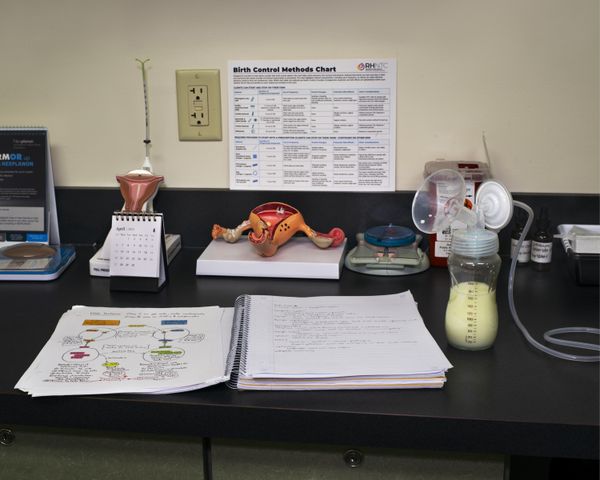
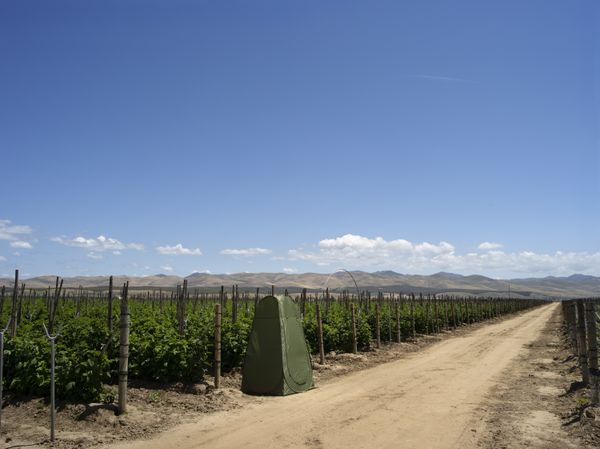
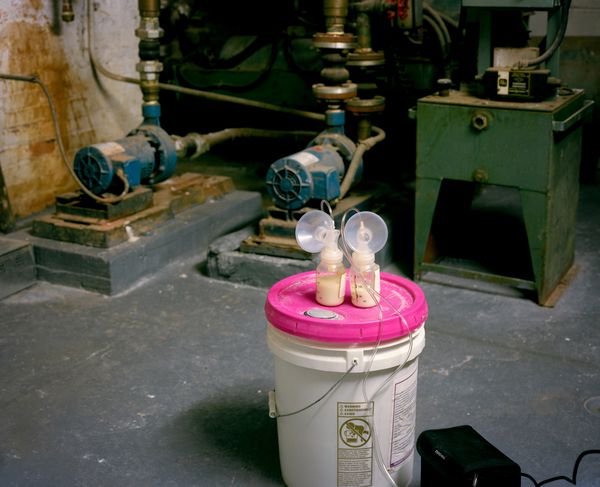
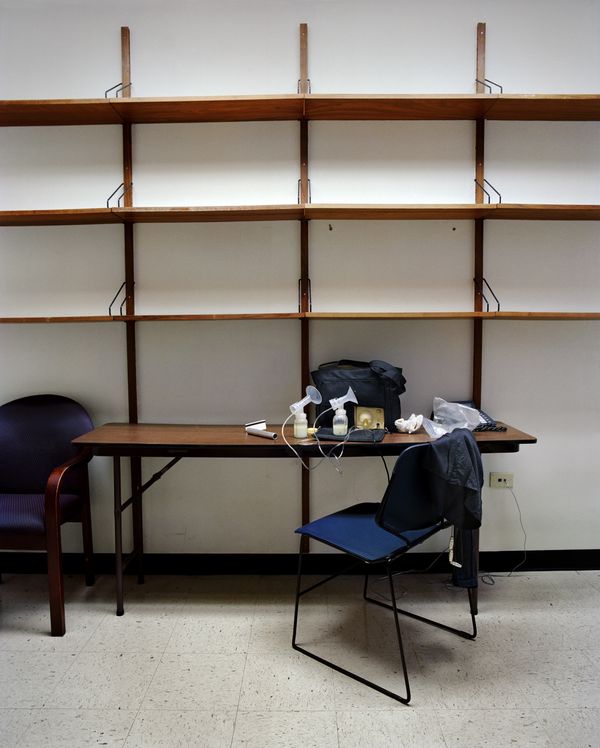
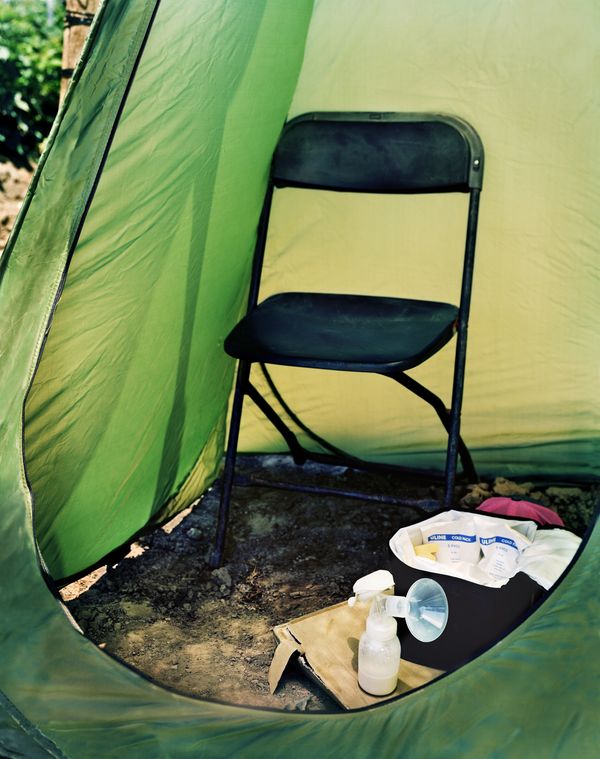
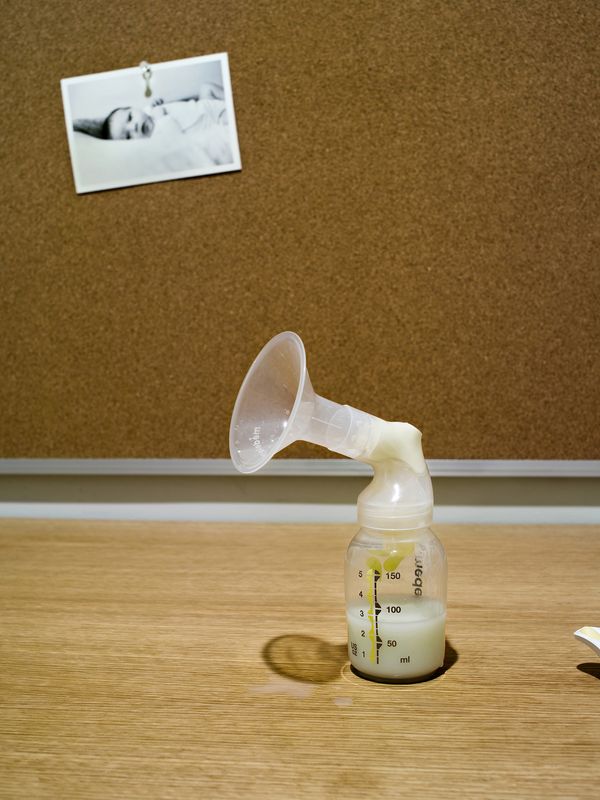
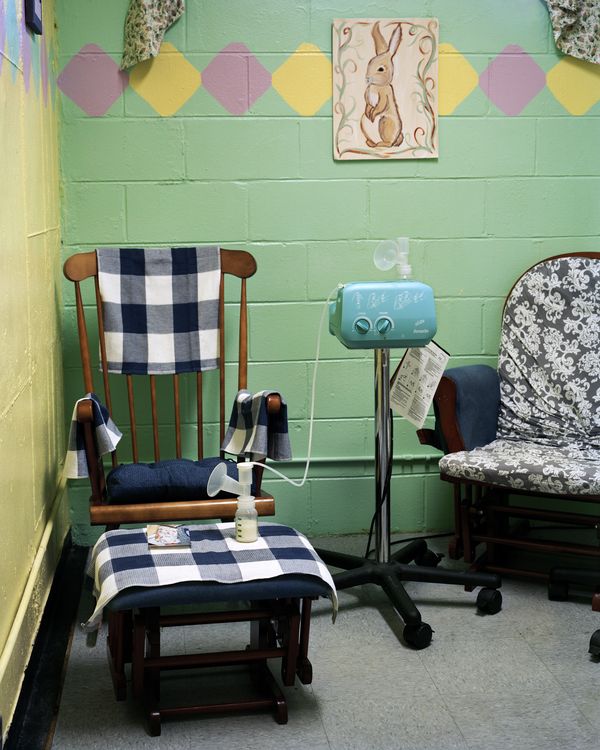
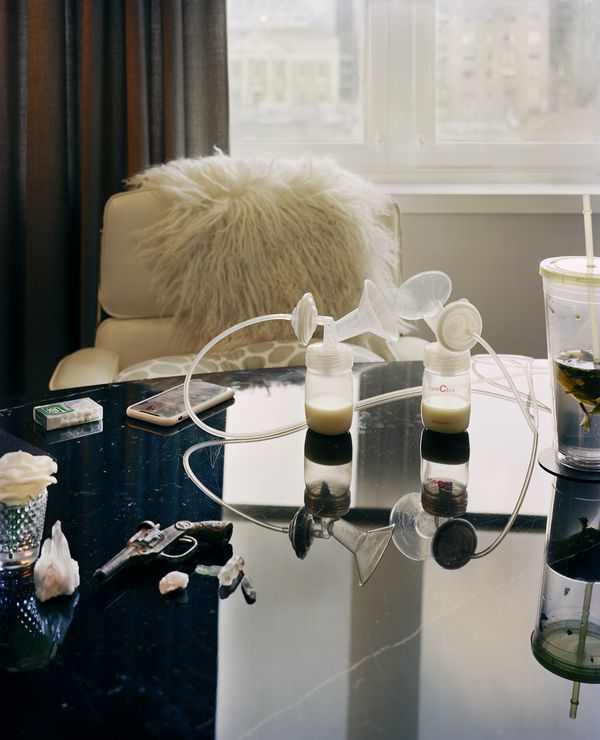
Milk Factory makes visible the unseen labor inside America’s lactation rooms. The project originated as a personal record of my early experience as a mother when I took a photograph of the sparse room I pumped in at the college where I teach. A few years later, realizing the relationship of this image to my other work as an exploration of space, I decided to create an unconventional portrait of motherhood. Following a call for participants, I began accompanying women into lactation spaces at work, visiting over fifty radically different lactation sites, including a prison, corporate offices, a farm laborer’s tent, schools, closets, and the U.S. Capitol. My aim is to honor this unrecognized labor through photography.
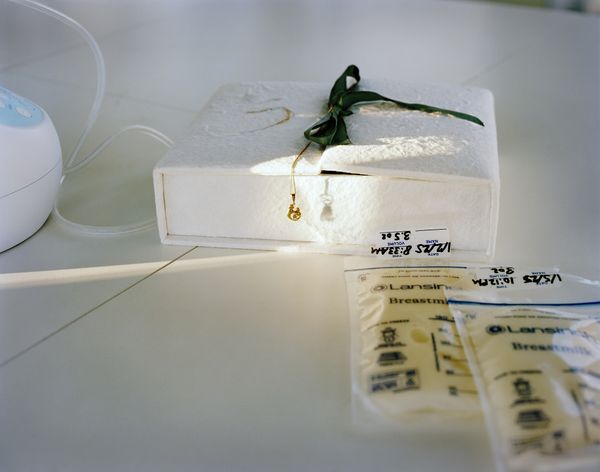
The act of pumping highlights the ongoing negotiation in motherhood between connection and autonomy, and the ideological contradictions inherent in modern parenthood and public policy. The United States is the only high-income country that does not offer mandated paid family leave, forcing many parents to return to work soon after giving birth and making pumping pervasive. According to studies, the longer women breastfeed, the more severe their earning losses. By removing mother and child from the photographs, the images highlight society’s preference for human milk as a disembodied product, rather than an affective relationship. The series title Milk Factory underscores that lactation is a form of labor, even if federal law conceptualizes it as a break from work, which employers are not required to compensate. The individual photographs are titled according to each subject’s profession.
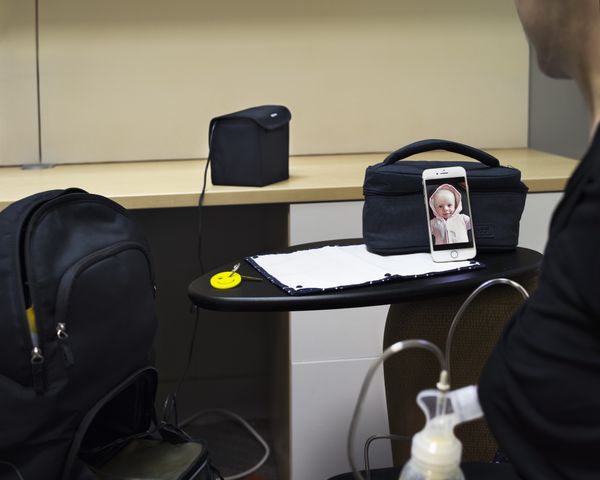
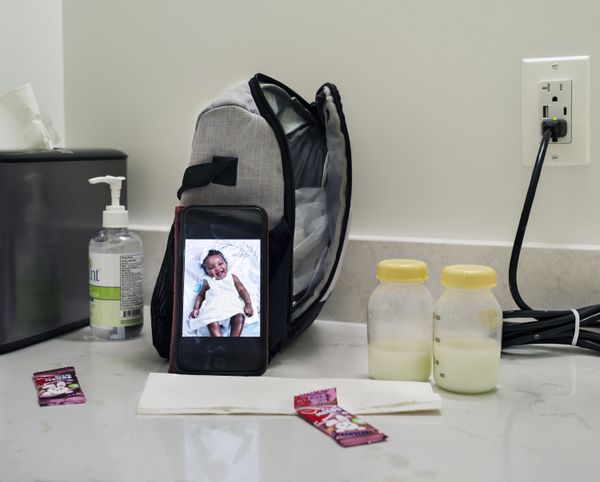
The arbitrary quality of many lactation rooms in the workplace reflects the tenuous position new mothers inhabit in the workforce. Inconsistent with the often-barren walls in the rooms, what the pumping mom looks at is essential to lactation. Mothers are advised to look at images of their babies in order to stimulate milk-flow when pumping. Images of absent babies appear in photographs and on cell phone screens, representing a real, although simulated presence.
While the photographs can be exhibited alone, they can also be accompanied by a book (Saint Lucy Books, 2025), an audio archive of pumping testimonies, or a short film made in the United States Congressional lactation room. My highly formal and precise approach fits within the historical trajectory of the still-life genre and depictions of space using the large-format camera, but it extends these traditions by representing spaces inhabited by women. The formal aesthetic adds authority to a marginalized subject matter.
Taken together, the solitary rooms take on collective power, the potential for community, and perhaps a new politics. Deeply personal and urgently political, Milk Factory is an embodied study of reproductive labor and the architecture of care. In reframing what is often a solitary struggle as a collective reality, Milk Factory aims to create space for public conversation about invisible labor, maternal justice, and the urgent need to reimagine care in public life.