Megaincendio

-
Dates2025 - Ongoing
-
Author
- Locations Chile, Valparaíso, Viña del Mar
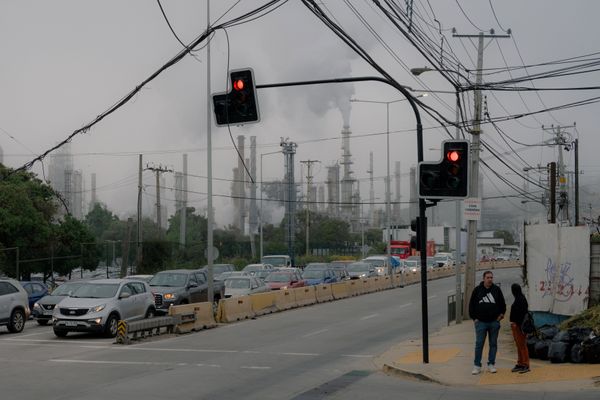
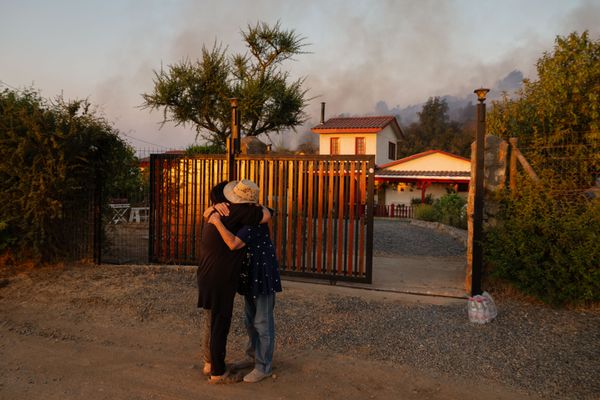
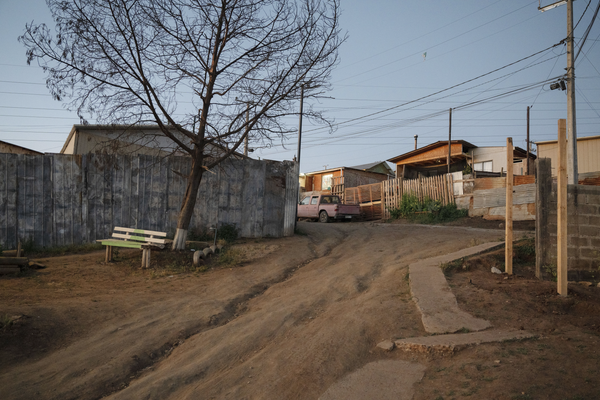
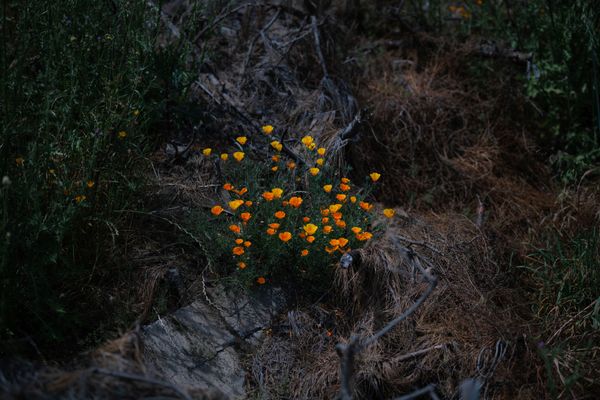
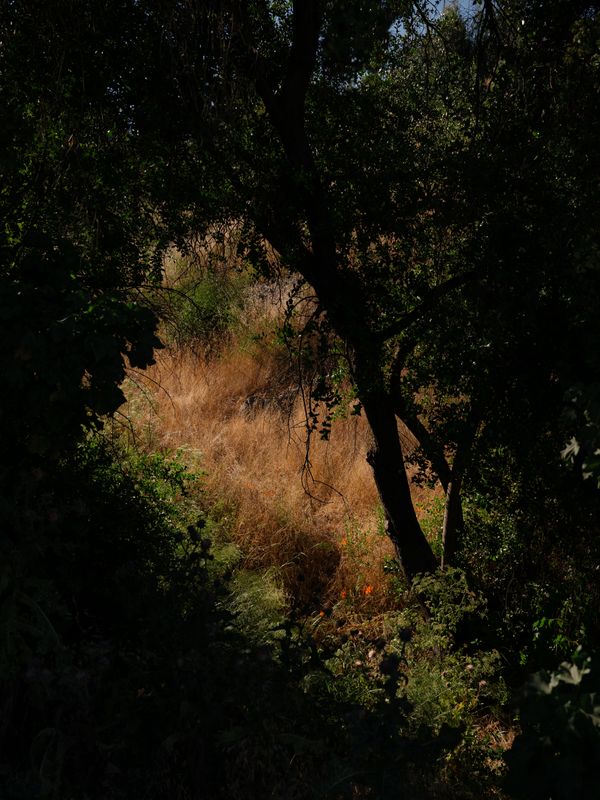
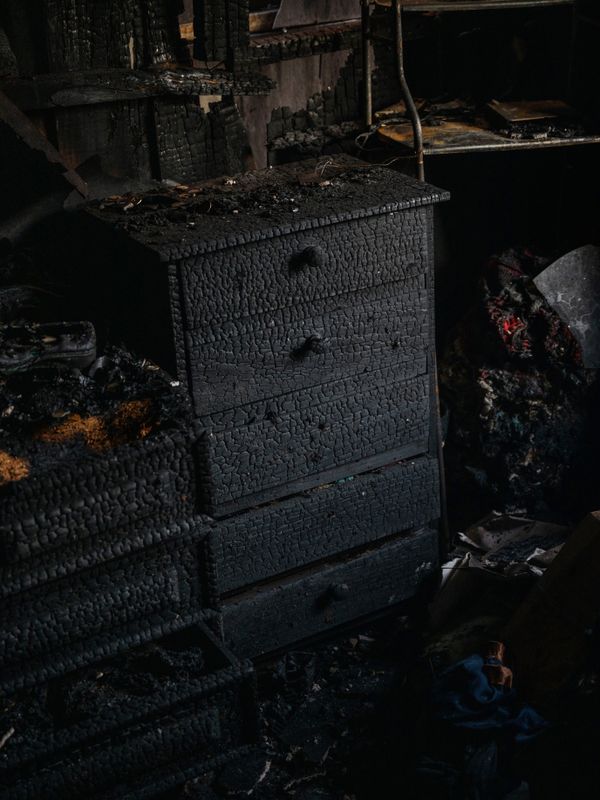
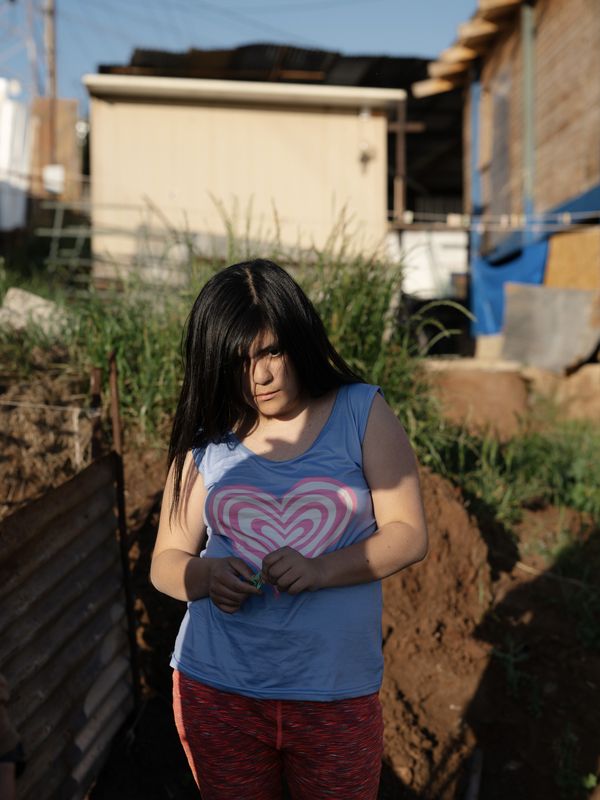
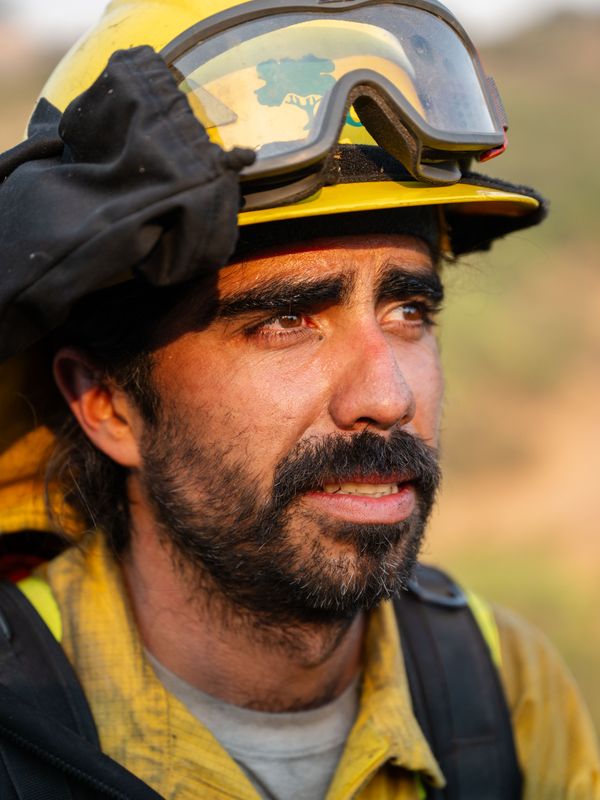
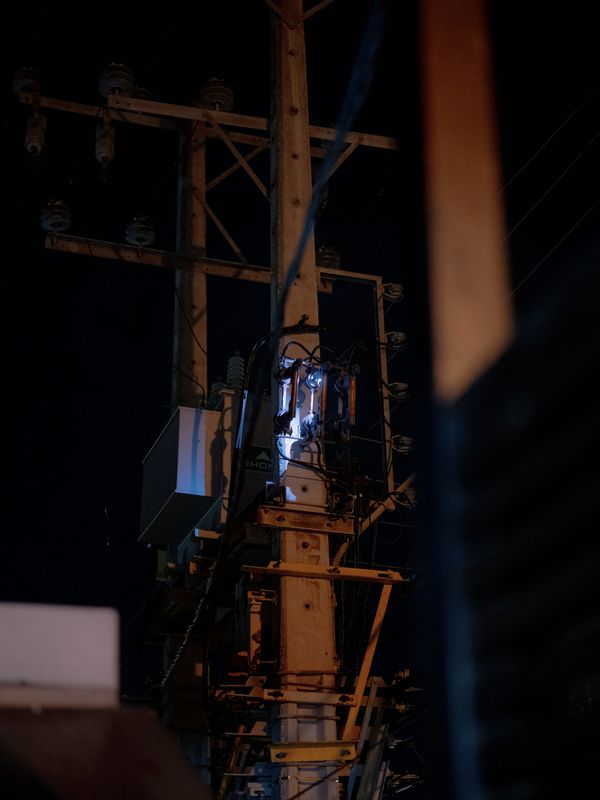
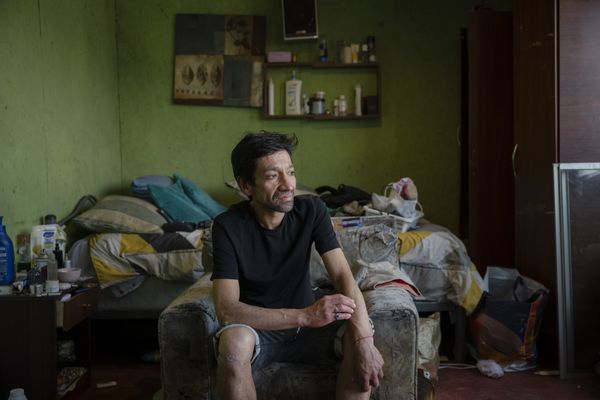
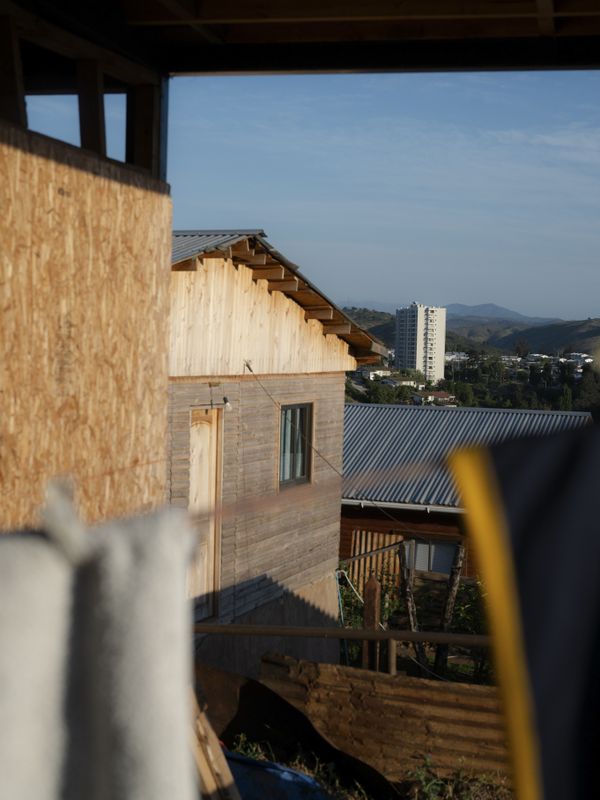
“Megaincendio” is a visual investigation into the 2024 wildfire catastrophe in Chile. Nearly two years later, it documents affected neighborhoods and explores trauma, resilience, structural problems and life under the ongoing threat of another outburst.
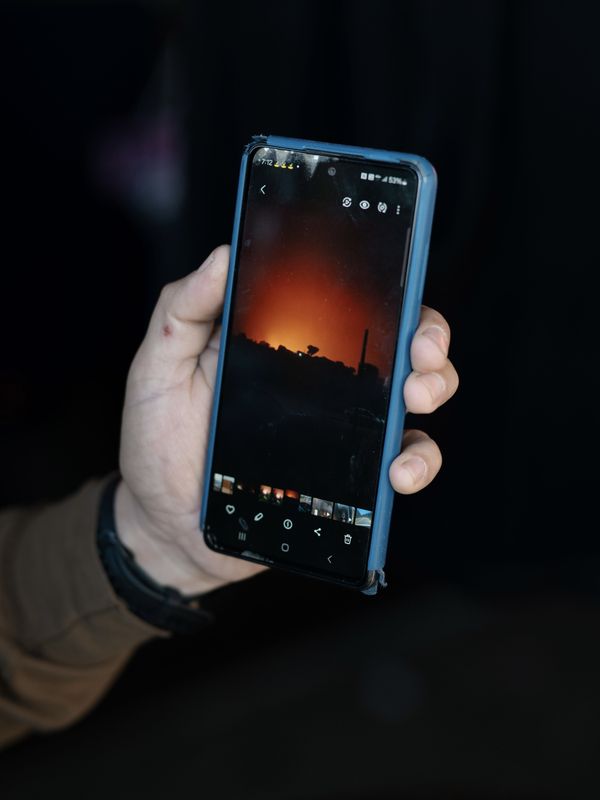
In February 2024, the deadliest wildfire in Chile’s recorded history unfolded around the city of Viña del Mar. After burning for four days, the fire claimed 137 lives and destroyed around 7,000 homes. In local media it was later referred to as “megaincendio” ("megafire"), a term used in Chile for a catastrophic, large-scale urban wildfire that overwhelms emergency response capacity.
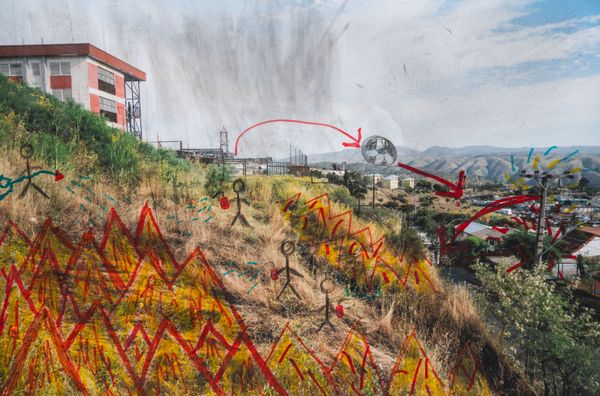
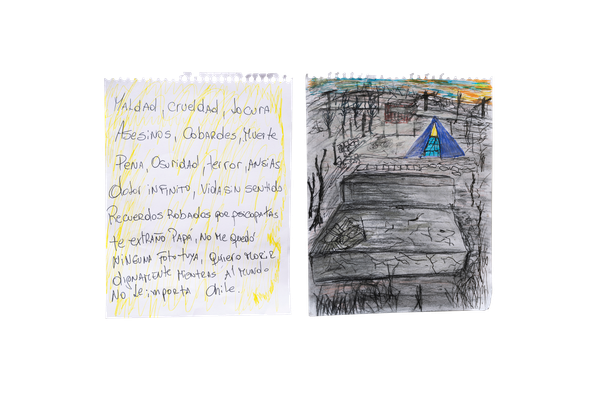
Authorities estimated that the reconstruction after the fire would take at least five years. This photographic essay revisits the affected neighbourhoods in the midst of that process. While international media extensively covered the wildfire catastrophe in Chile as it unfolded and images of the destruction and flames went around the world, the attention quickly faded. Rather than focusing solely on the fire itself, the project offers a nuanced visual narrative composed of photographs, drawings, interviews and handwritten notes from group therapy sessions with victims.
In May 2024, authorities revealed that the wildfire had been deliberately set by a group of people consisting of firefighters, employees of the National Forestry Corporation, and a disaster-response official, who were subsequently charged. Some suspects allegedly acted out of motives such as financial gain through overtime payments or a desire for recognition during emergencies. The revelation complicates the conventional media narrative of a “natural disaster” and raises urgent questions about responsibility, institutional trust, and systemic failure.
Today, as wildfires once again burn in southern Chile, the work seeks to provide a deeper perspective on the structural causes and risks surrounding wildfire disasters. It reflects on the trauma, resilience, and lasting consequences of such catastrophes in a region that faces the threat of new outbreaks every summer.