Making love to G. is gonna be like the first time I tried a cheeseburger
-
Dates2012 - 2021
-
Author
- Location Rome, Italy
Reality TV shows, which play on themes such as intimacy, voyeurism and violence, offer a privileged observation point for learning about the development of the cultural industry and the ways in which the market colonizes mass communication.
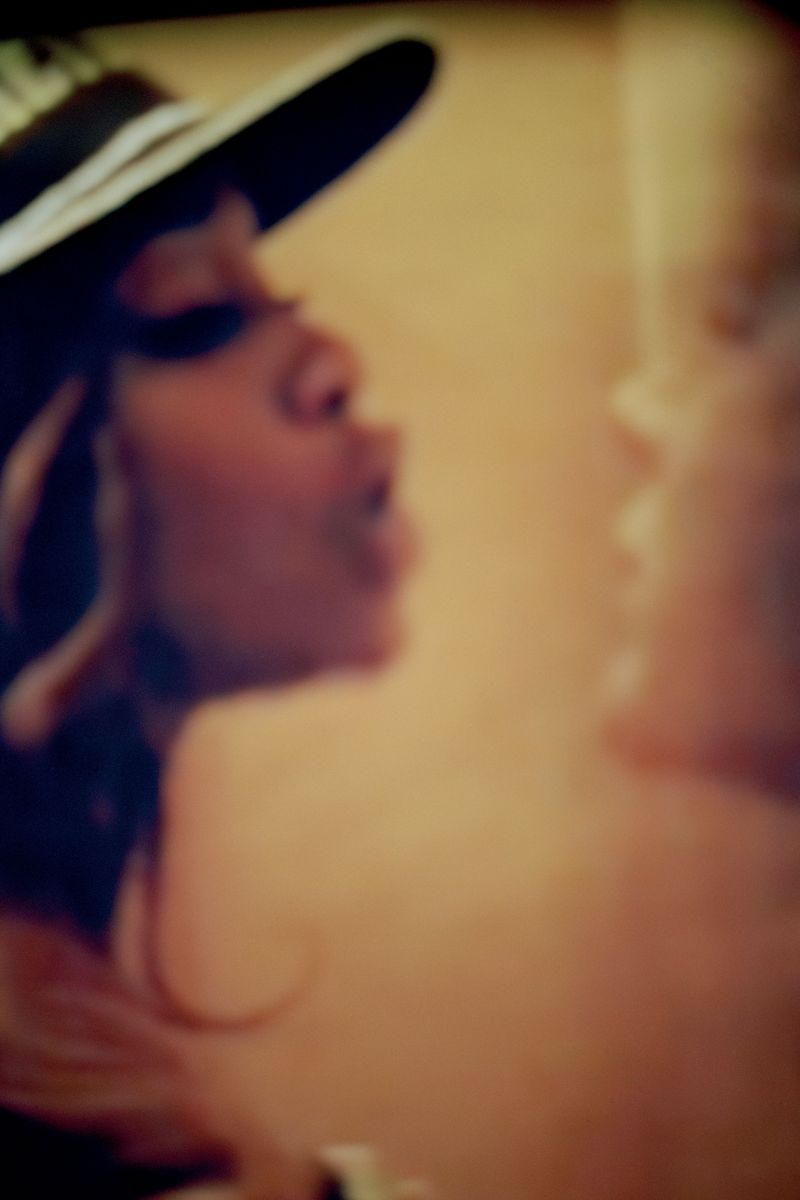
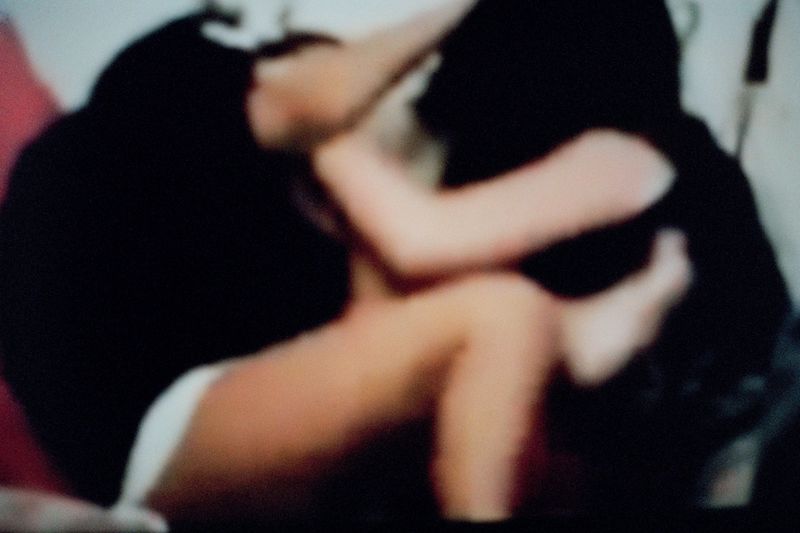
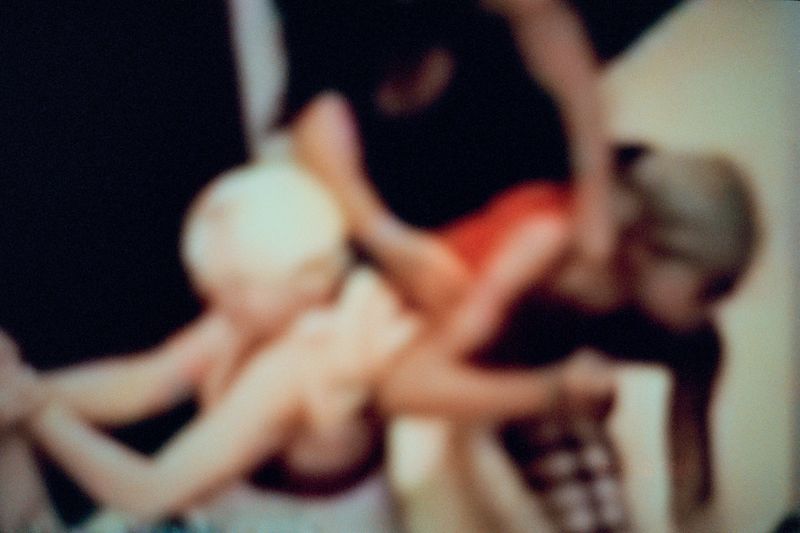
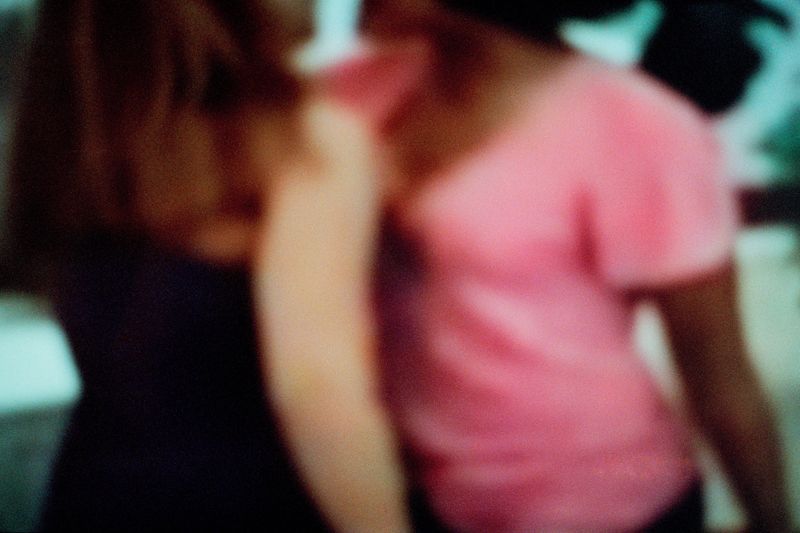
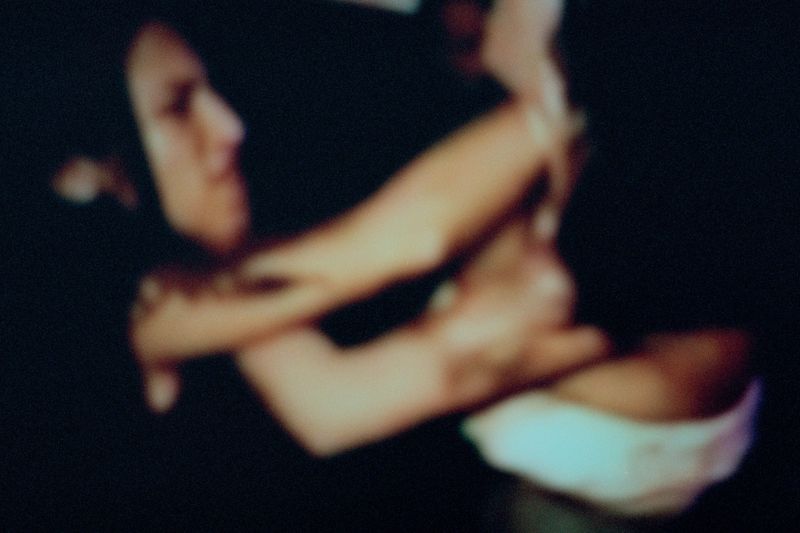
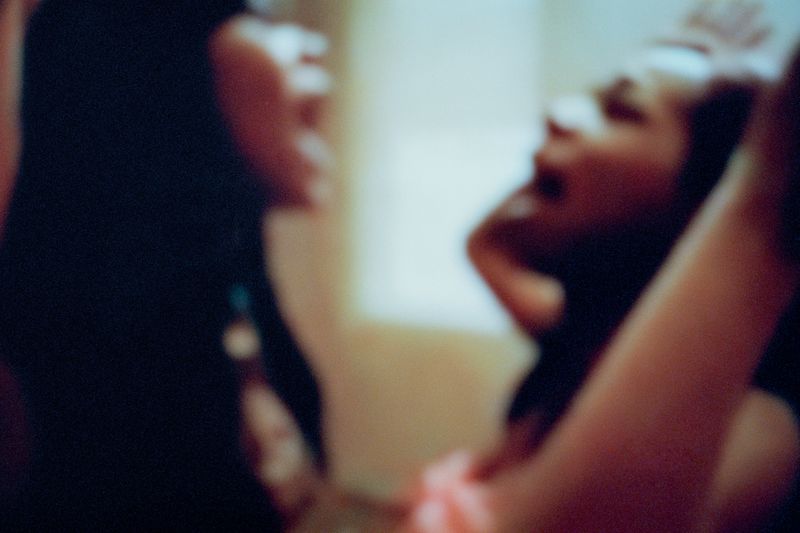
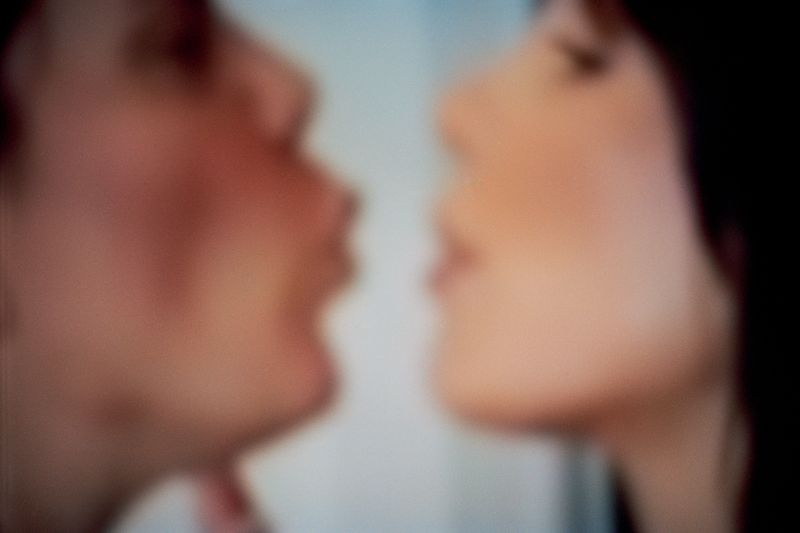
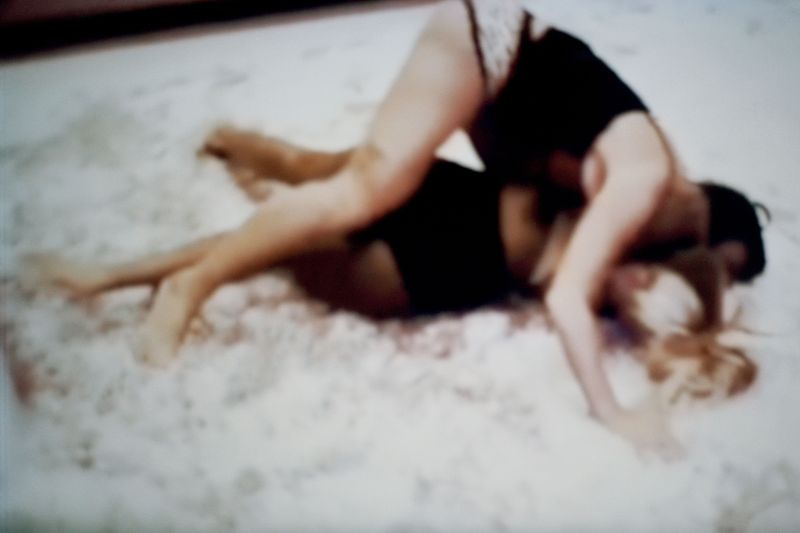
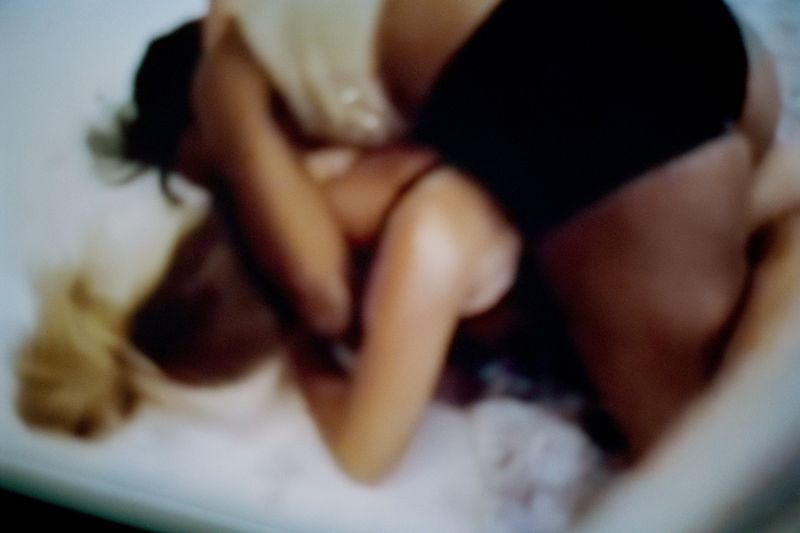
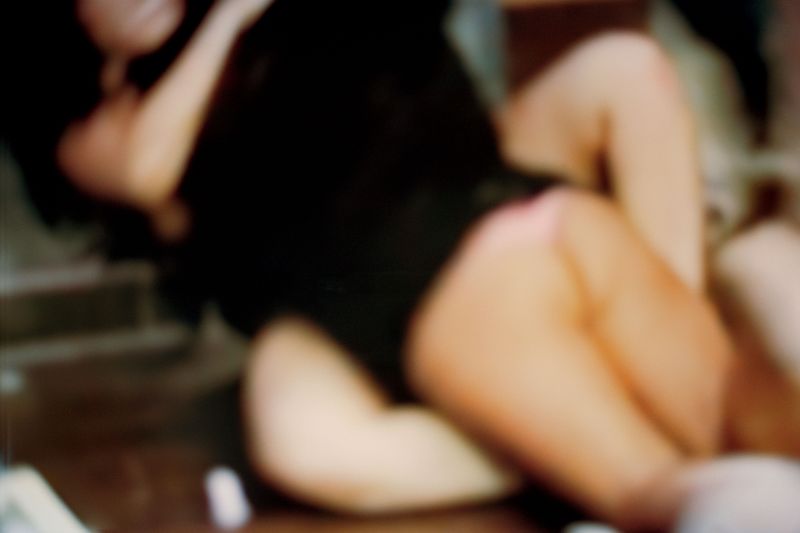
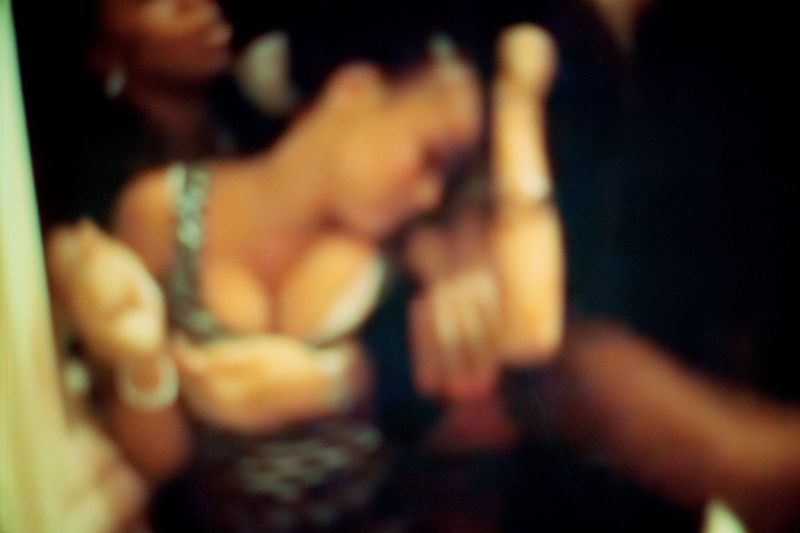
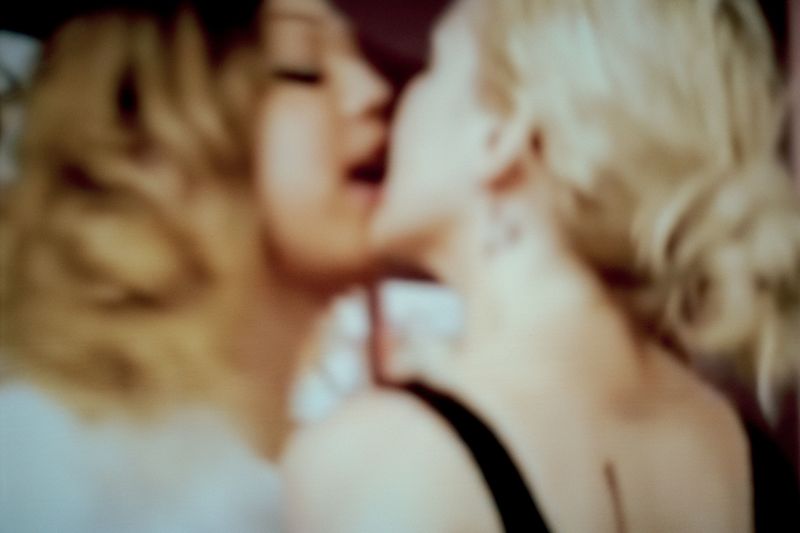
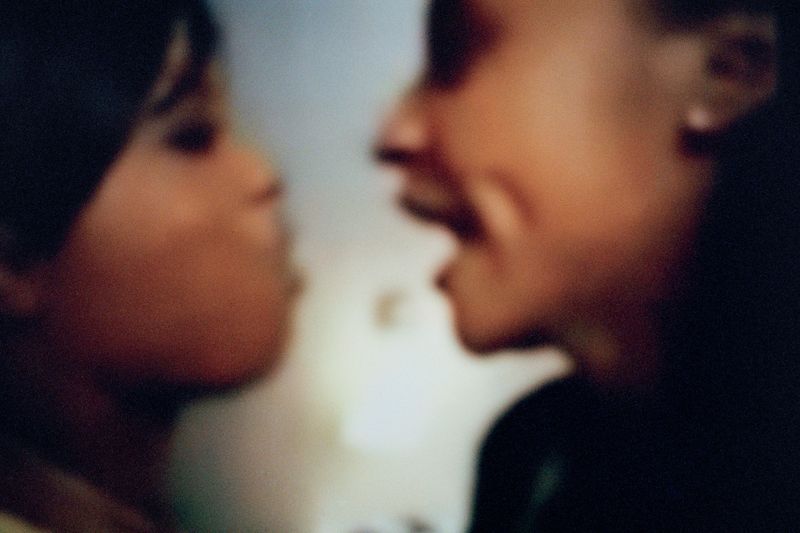
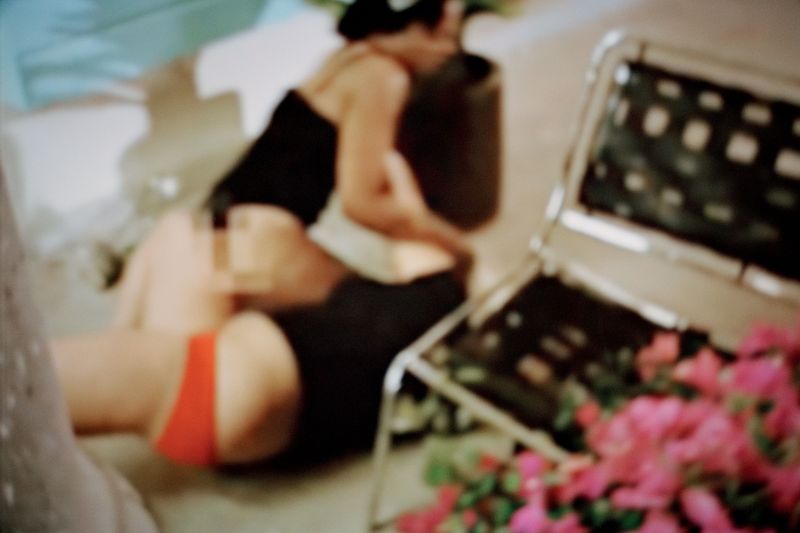
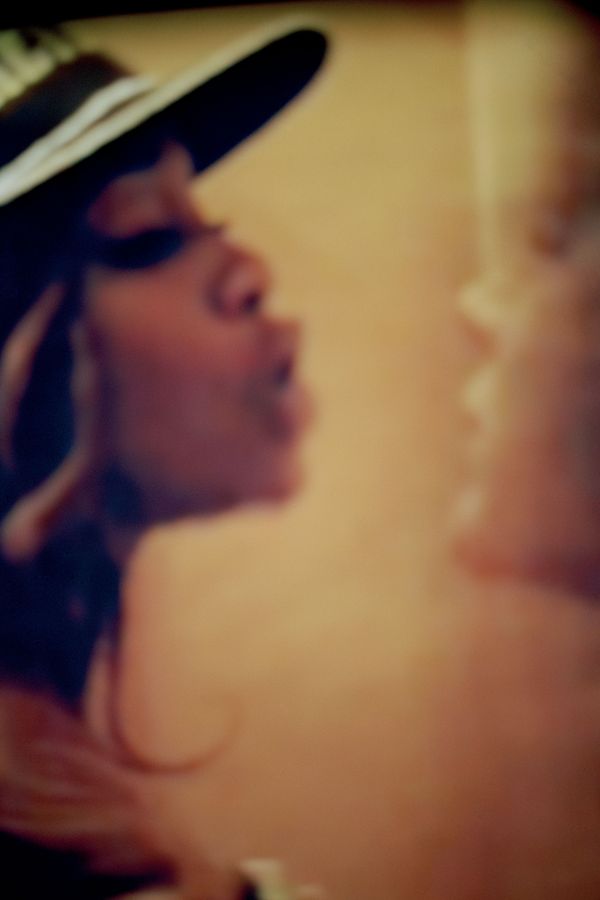
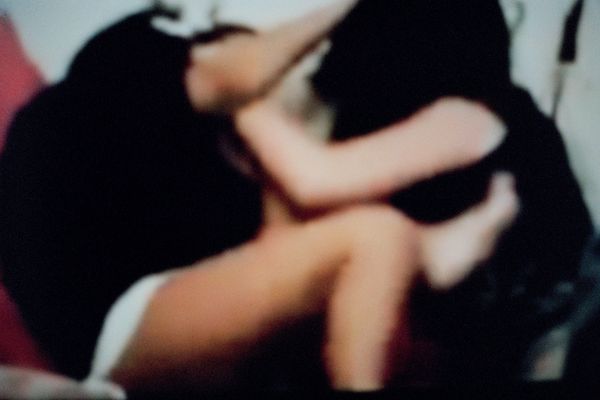
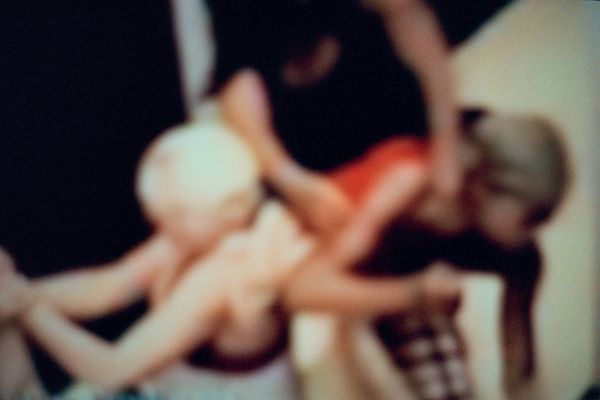
The long-term project "Making love to G. is gonna be like the first time I tried a cheeseburger," part of the eponymous book self-published in 2023, includes color photographs of girls confronting, arguing, and fighting, taken from some videos - posted on YouTube - of the American reality show "Bad Girls Club."
On YouTube, there are many collections of "girls' fights" videos with situations that refer to both real-life and reality TV shows. I decided to focus my research on the video series taken from the "Bad Girls Club" TV series because they have a well-defined kitsch aesthetic and reveal the television format's construction in a more evident way.
I used the lack of focus in this series of photographs to "hack" the TV message and make it more ambiguous. The resulting images oscillating from Eros to Thanatos confuse our vision and raise a fundamental question. Do these women love or hate each other?
In the chapter of "The Skin of Culture" entitled "Television, The Collective Imagination," Derrick de Kerckhove postulates that television speaks to our body (understood as the neuromuscular system) rather than to our mind, leaving us little time to reflect on what we're watching.
While our mind is distracted, distancing itself from the information on the screen, our neuromuscular system follows the moving images, physically responding to the stimuli offered by television.
"This is involuntary because of our antediluvian biological programming: the autonomic nervous systems of higher mammals are trained to respond to any perceptible change in the environment that might be relevant to survival. We are conditioned to respond involuntarily to any kind of stimulation, internal or external, with what in clinical psychophysiology is called the Orienting Response (OR).
[...] In life, we accommodate stimuli as we get to know them: we recognize them immediately or quickly develop a strategy to deal with them. A completed response to a stimulus is called a Closure. So, in life, most stimuli awake an OR, call for Closure, and receive it. With television, though, we are never done with the initial stimulus: TV provokes rapid successions of ORs without allowing time for Closure."
The time interval between stimulus and response does not allow us to consciously process the information nor reflect critically on what we're watching, thus exposing ourselves to all kinds of subliminal messages conveyed by the medium.
This work aims to reflect on how reality shows, which play on themes such as intimacy, voyeurism, and violence, offer a privileged observation point for learning about the development of the cultural industry and how the market colonizes mass communication.
However, "Making Love to G. is gonna be like the first time I tried a cheeseburger" is not just a project that intends to reflect on the reality TV show genre but also our relationship with the media.
How do we watch, and how much attention do we pay to what we see?