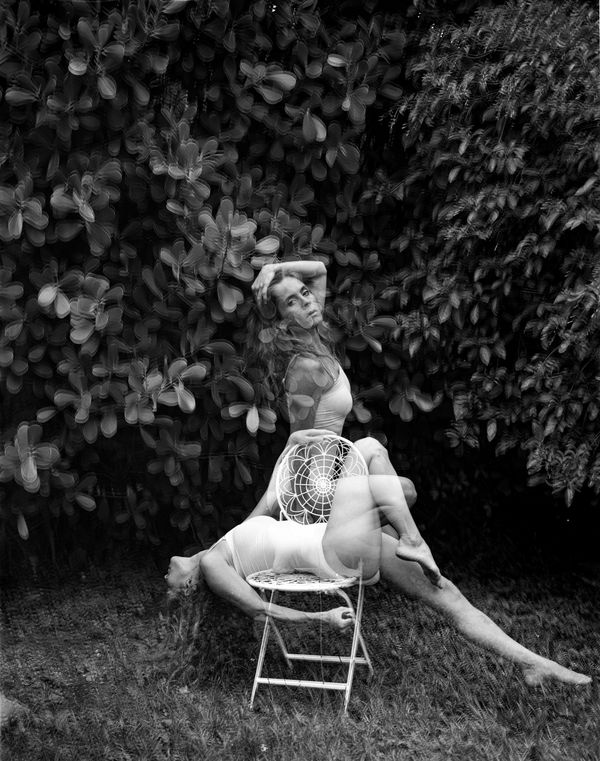
"Limerence Reverie"
-
Dates2020 - Ongoing
-
Author
- Location Miami, United States
Limerence traces grief as obsession, bodily ache, and warped time. Within the home as both refuge and stage, self-portraits and symbolic objects transform hypervigilance and heartbreak into images of vulnerability, endurance, and self-rescue.
Limerence is a photographic project rooted in grief, heartbreak, and the psychological state of fixation that can follow loss. It does not follow prescribed stages. Instead, it inhabits the suspended, hijacked space where longing, identity, and memory become entangled. In that state, time distorts. It expands and fossilizes. There is no clear measurement of it.
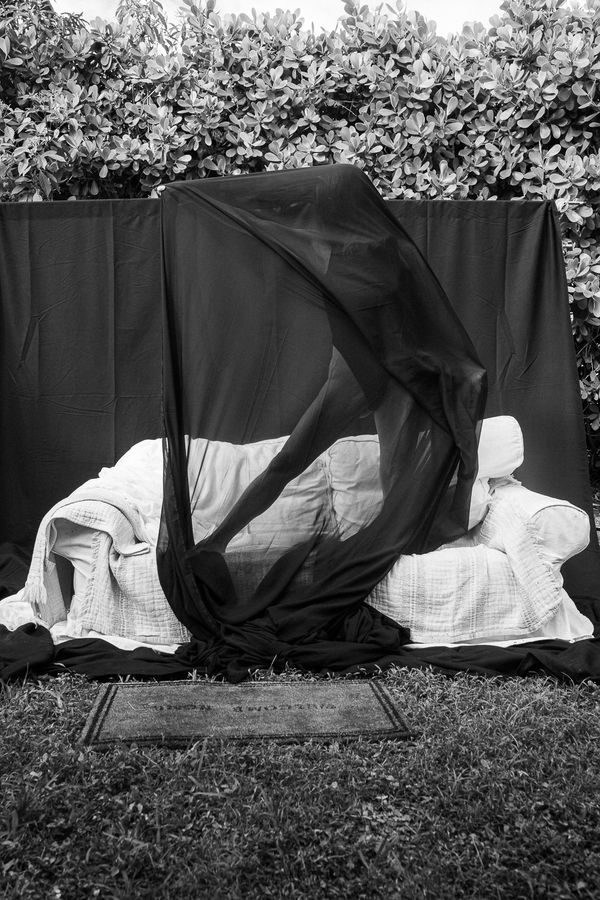
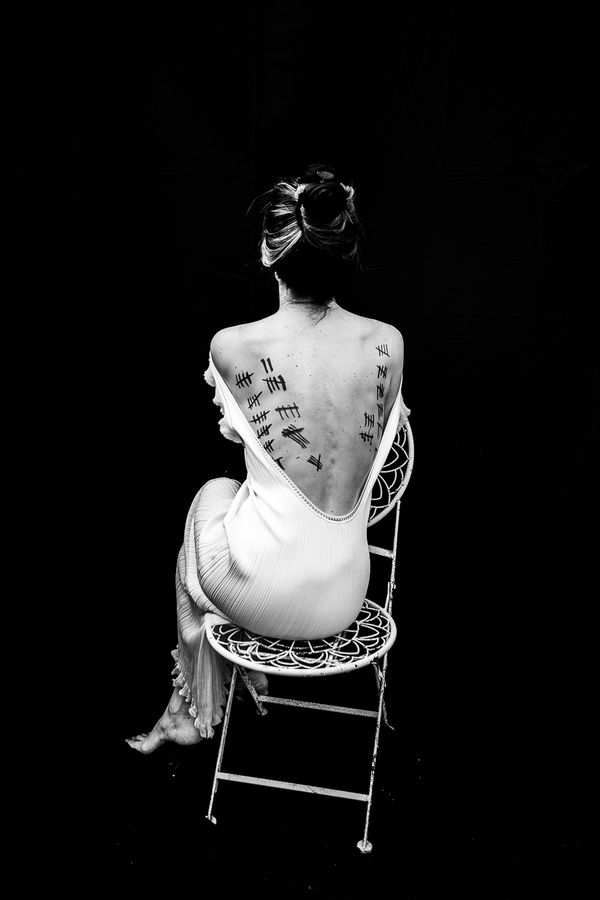
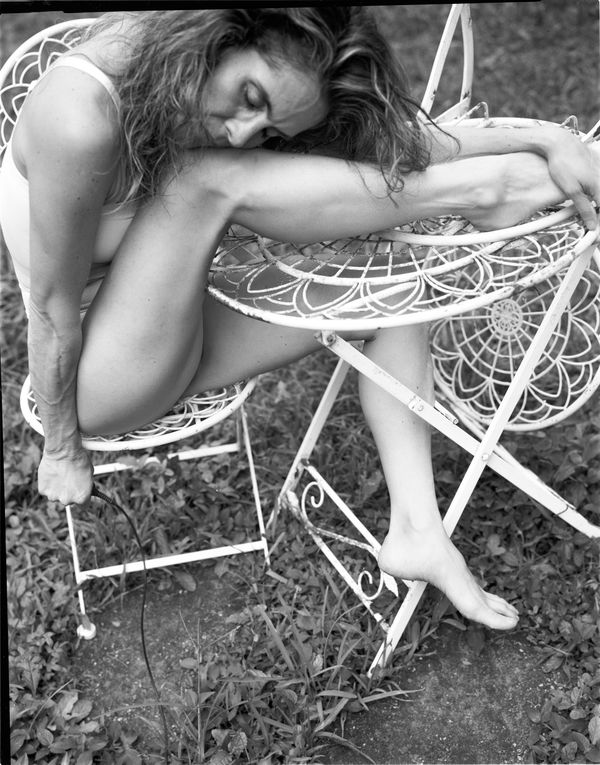
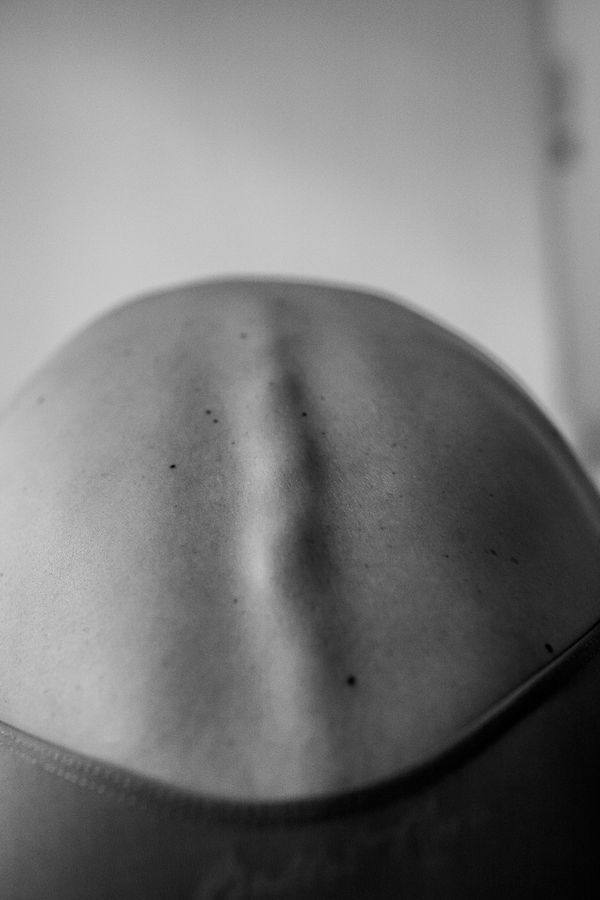
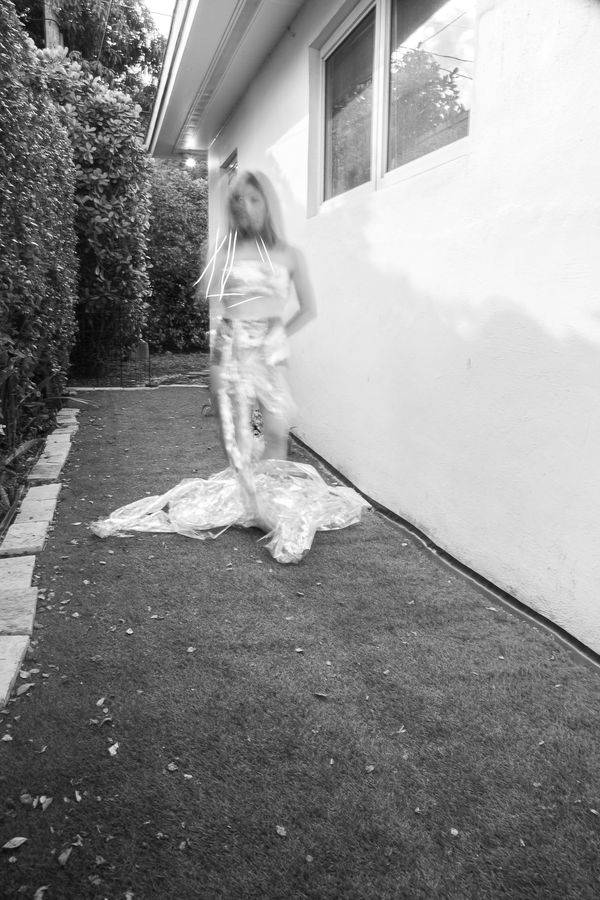
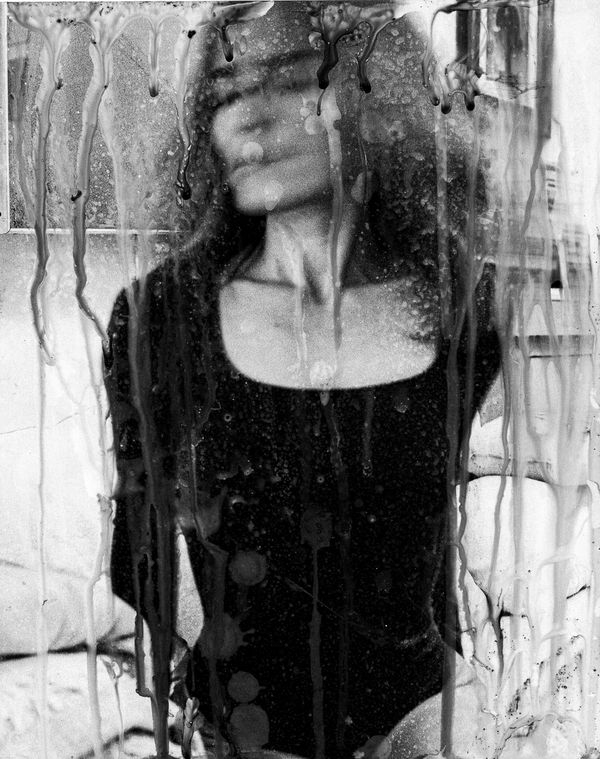
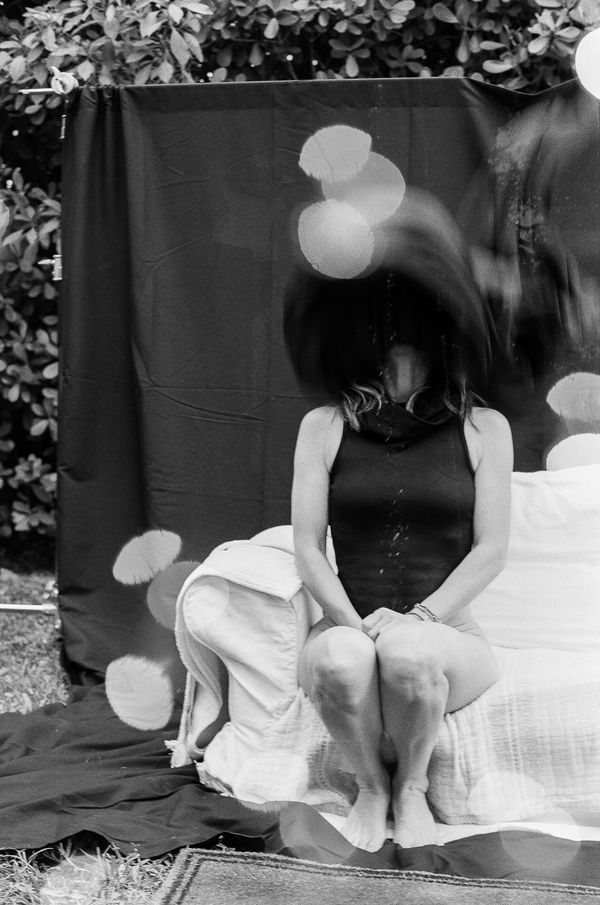
The work was created entirely within my home. My home became a stage and a shelter, almost a cathredal, where the images were born and where they could breathe safely. Through self-portraiture and still life, I attempt to visualize what feels unspeakable. Grief is not only emotional. It becomes bodily. It aches. It tightens the chest. It sharpens awareness into hypervigilance. There is even a strange euphoria in that heightened focus, as if the mind is circling a wound.
The project emerges from a period marked by repeated heartbreak within a short span of years. As a single mother navigating separation and loss within a Catholic cultural context, I became deeply aware of subtle forms of social stigma and isolation. Not overtly imposed, but felt. I tried to move gently through spaces, to be graceful in exits and entrances, to disturb as little as possible. That self-containment intensified an internal collapse. Aging, time, and the fear of becoming invisible began to surface as quiet but persistent anxieties. The work holds that vulnerability without dramatizing it. It asks what it means to feel paused while the world continues forward.
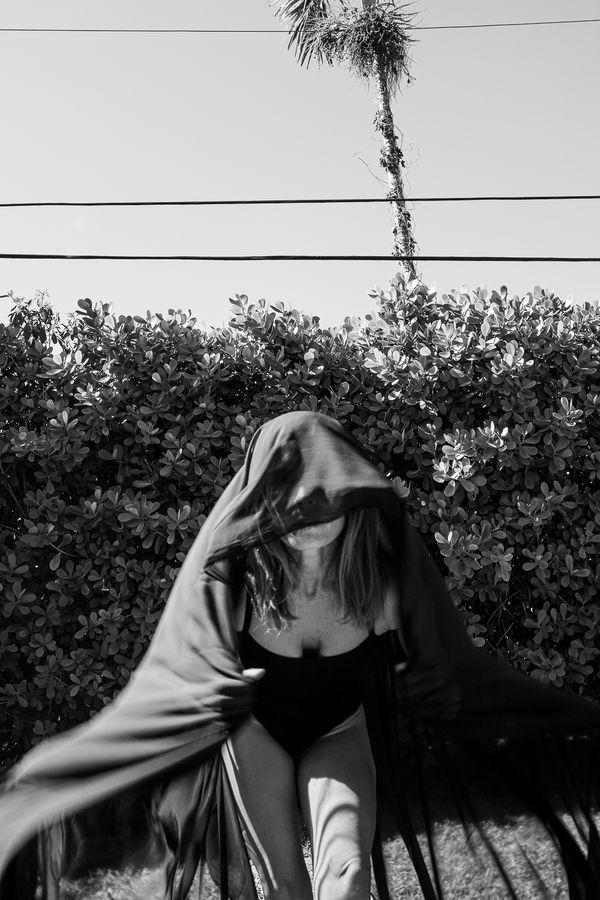
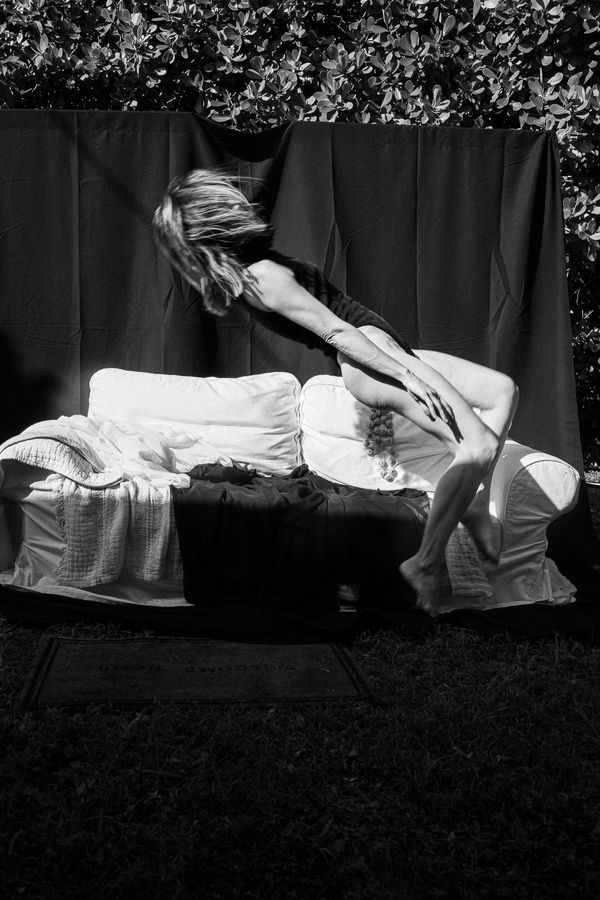
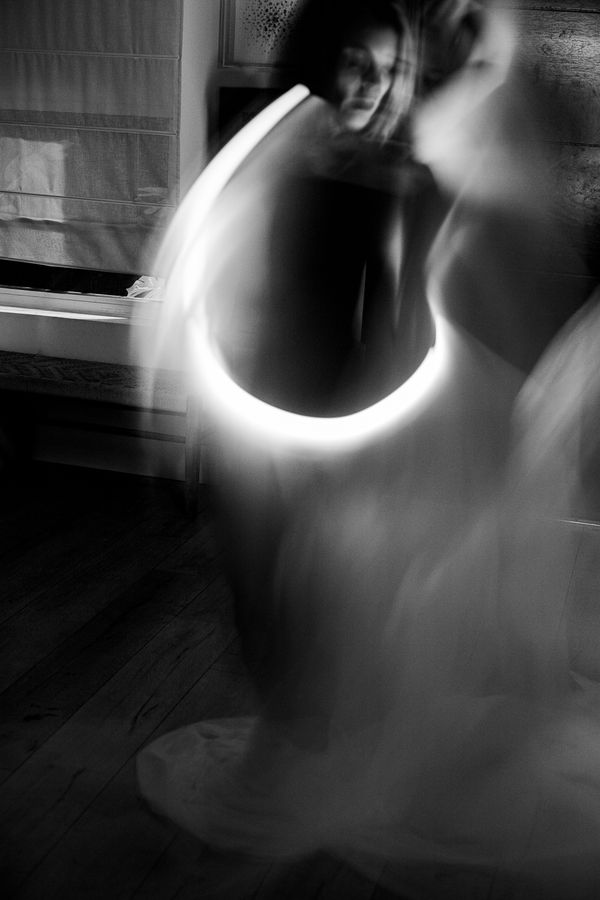
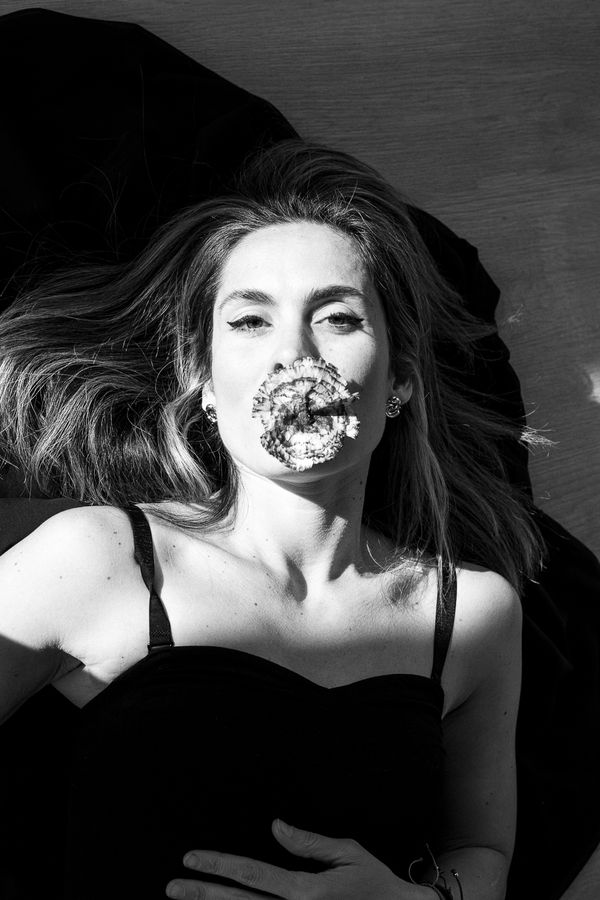
Throughout the project, I position myself as Echo from the myth of Echo and Narcissus. Echo, who loses her voice and can only repeat, becomes a metaphor for rumination, longing, and the search to be heard. She is both character and self-portrait. In some images, my poses reference classical Greek and Roman sculpture, with draped fabrics and suspended gestures that suggest both fragility and monumentality. The body becomes statue, relic, witness.
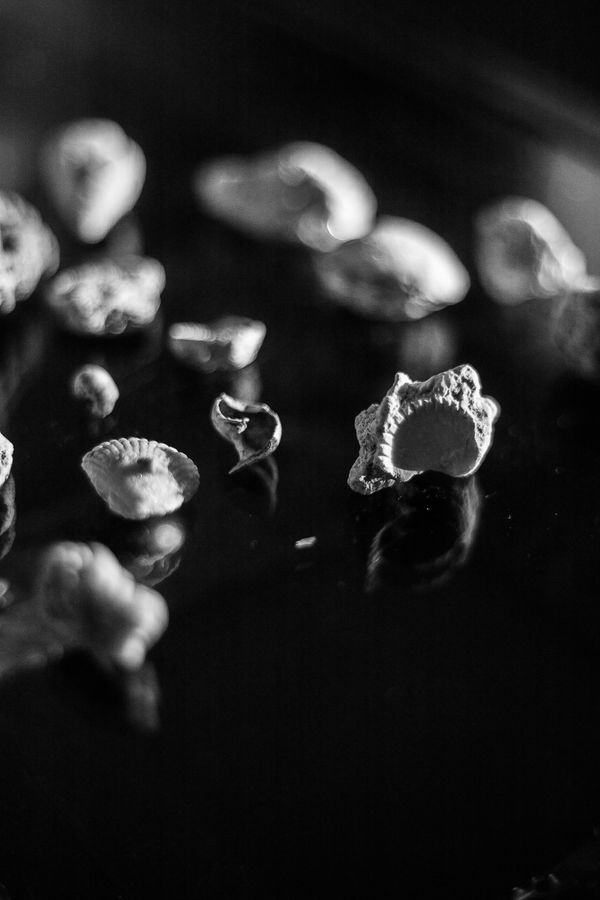
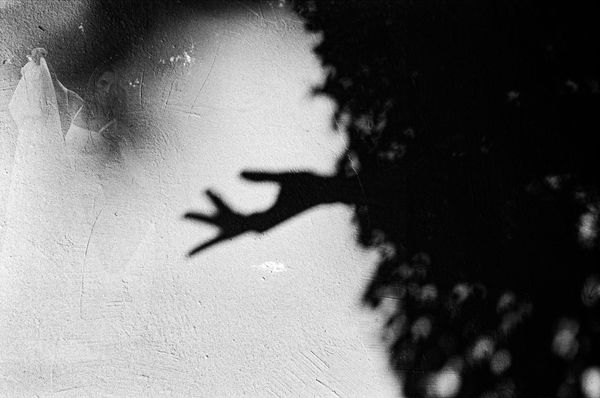
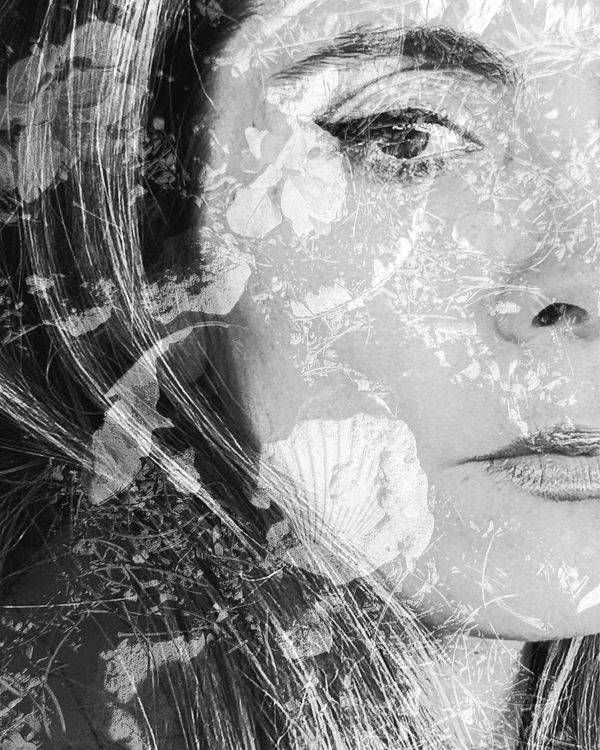
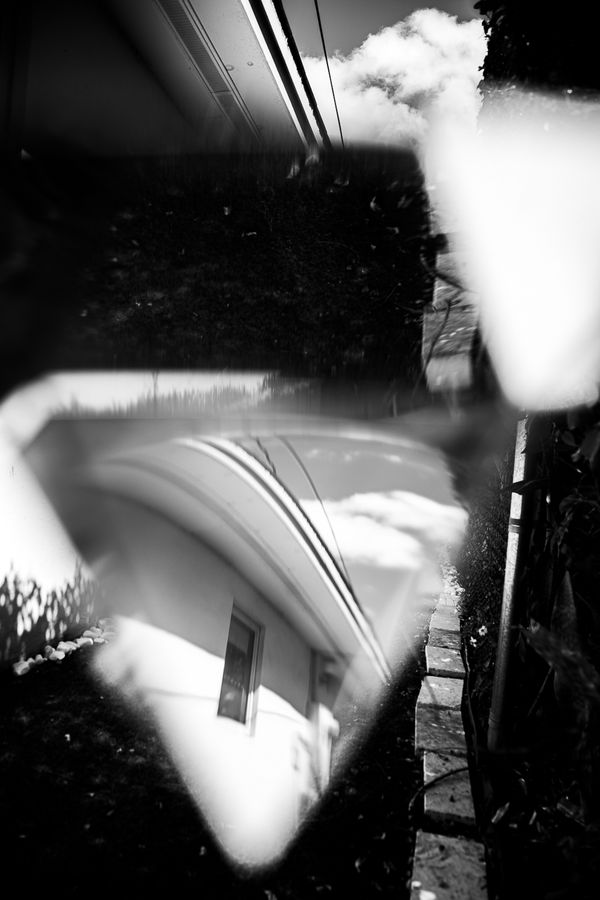
Objects function as psychological anchors and symbolic language. Flowers, triangles, rosaries, confetti bursts, burned photographs, cake, fossils, shells, fabric, as props and evidence. They hold memory, devotion, celebration, rupture, triangulation, and inherited narratives of love. Naming internal states through objects becomes a form of self-therapy and reclamation.
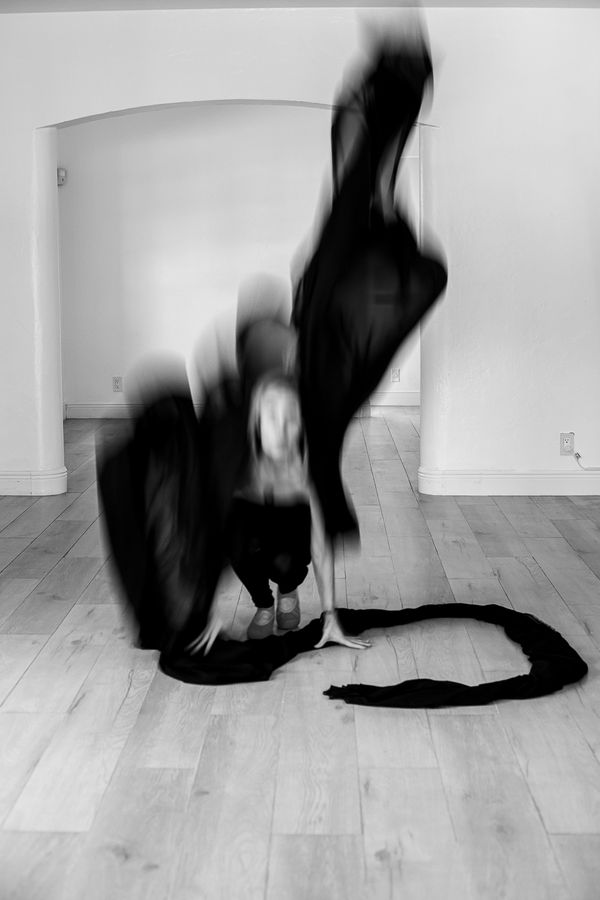
Self-rescue is central to the work. During this period I returned to ballet and began improvisation practice, using repetition and physical discipline to redirect an obsessive mental loop. Though not always directly visible, this embodied effort informs the performative quality of the self-portraits. The body in front of the camera is not only grieving. It is attempting to reorganize itself.
Limerence does not claim resolution. It exists inside the process of trying to get out. Through staging, repetition, and image-making, I assert presence against invisibility. The photographs become a quiet insistence: I am here. I am not vanished. Art becomes both witness and method of survival. Through this I attempt to transform psychological pain into form. Beauty and darkness in grief can coexist. The work asks whether art can hold grief long enough for the body to survive it, and whether, through repetition, Echo might slowly recover her voice, instead of turning into stone or being wasted by grief.
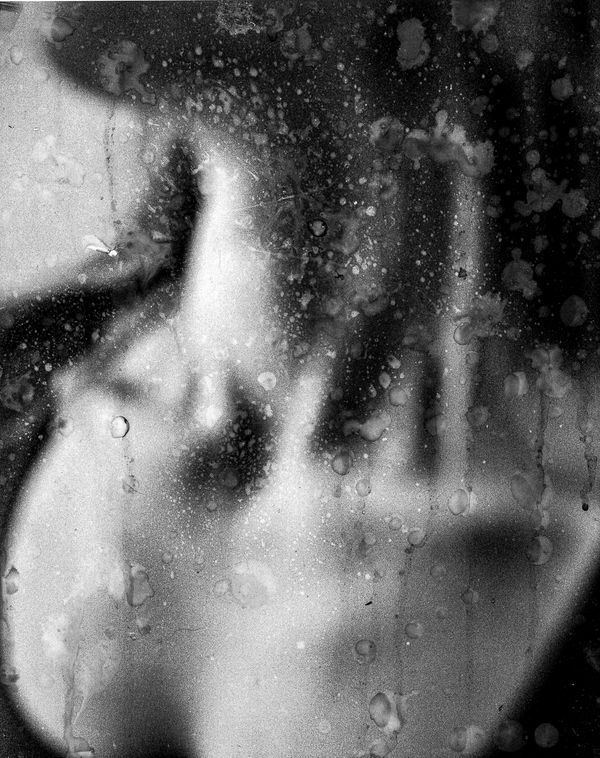
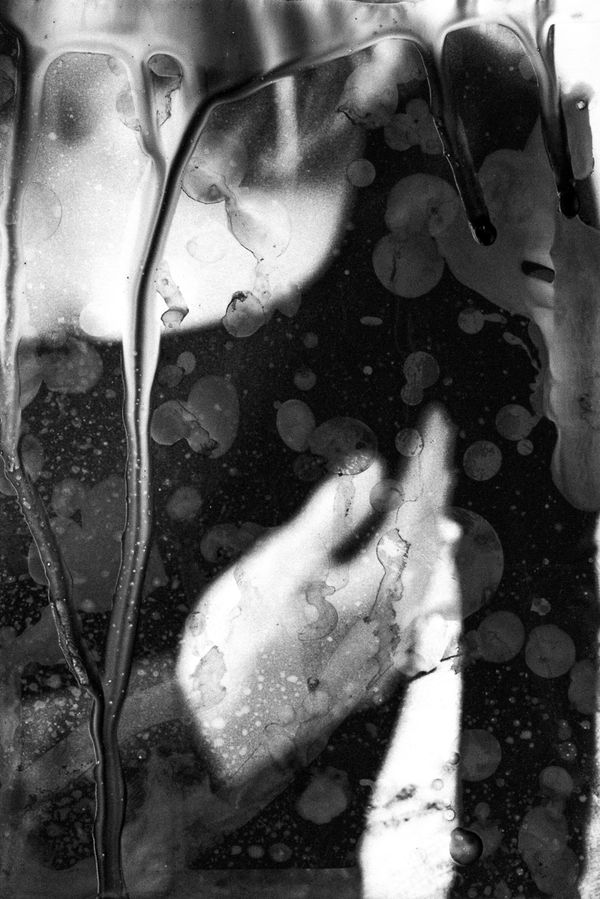
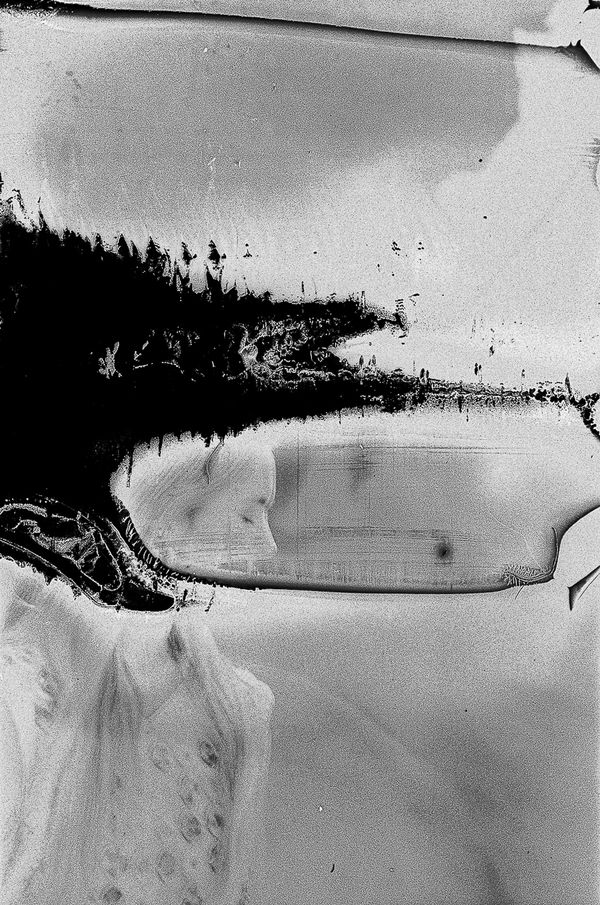
This project was produced through a hybrid process that mirrors its psychological fragmentation. I work with analog film, medium format photography, digital self-portraits, and alternative processes, double exposures including chemical alteration and destruction of both negatives and prints. Surfaces are distressed, burned, layered, and reworked so that the material itself carries rupture and repair. Moving forward, I intend to deepen this exploration by creating digital negatives and expanding into 19th century processes such as Mordançage and other historical methods that physically transform the image. I see this project as ongoing. Grief is inseparable from love and loss, and I want to continue studying and exploring without stigma, as a practice, not only as a wound but as a form of preparation and understanding. By working through image-making, I aim to build a language that allows me to endure future losses without losing my sense of self each time. Support would enable the technical expansion of this process and the sustained development of this body of work.