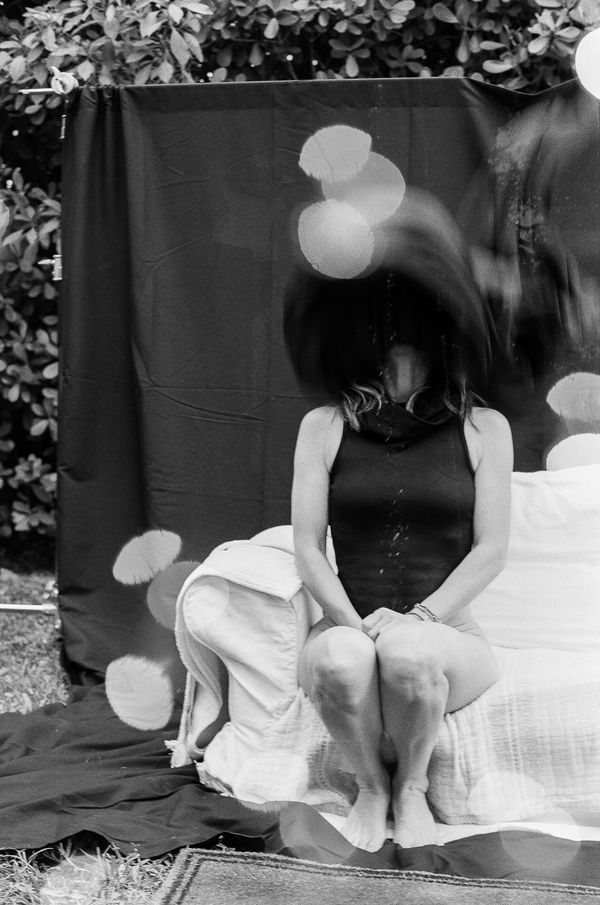
"Limerence Reverie"

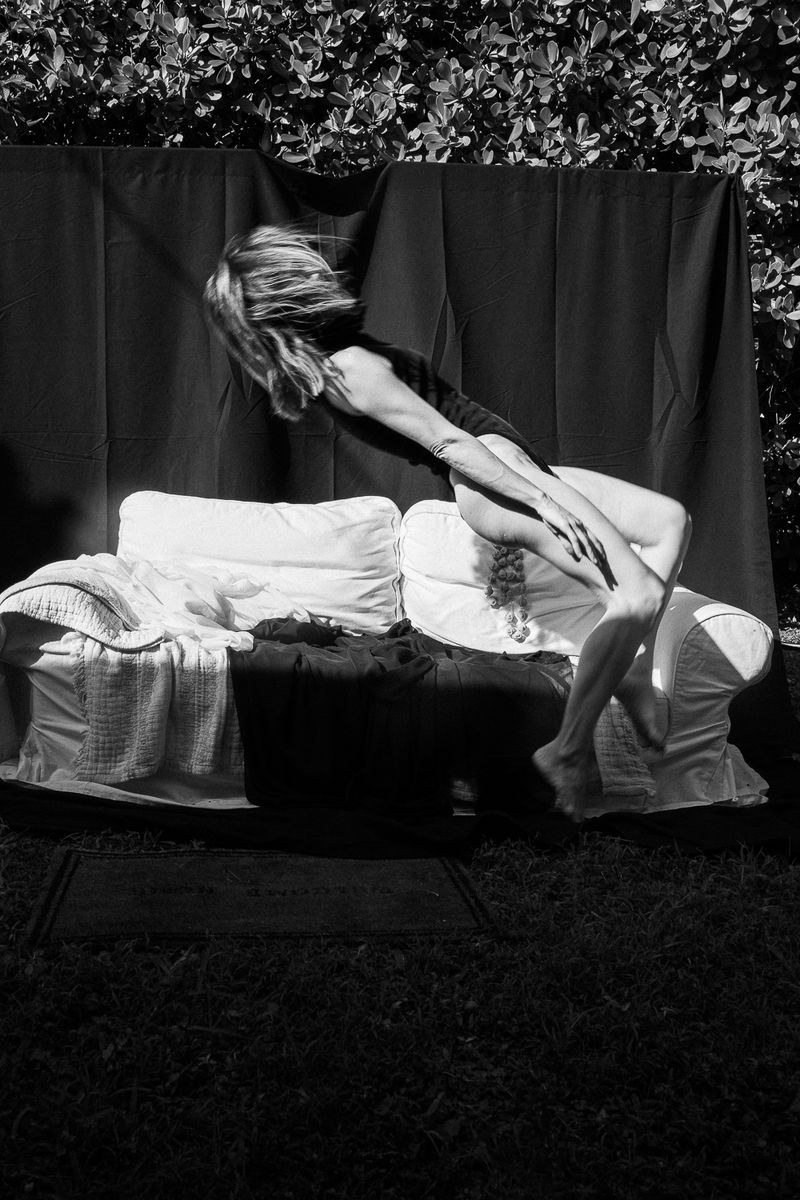
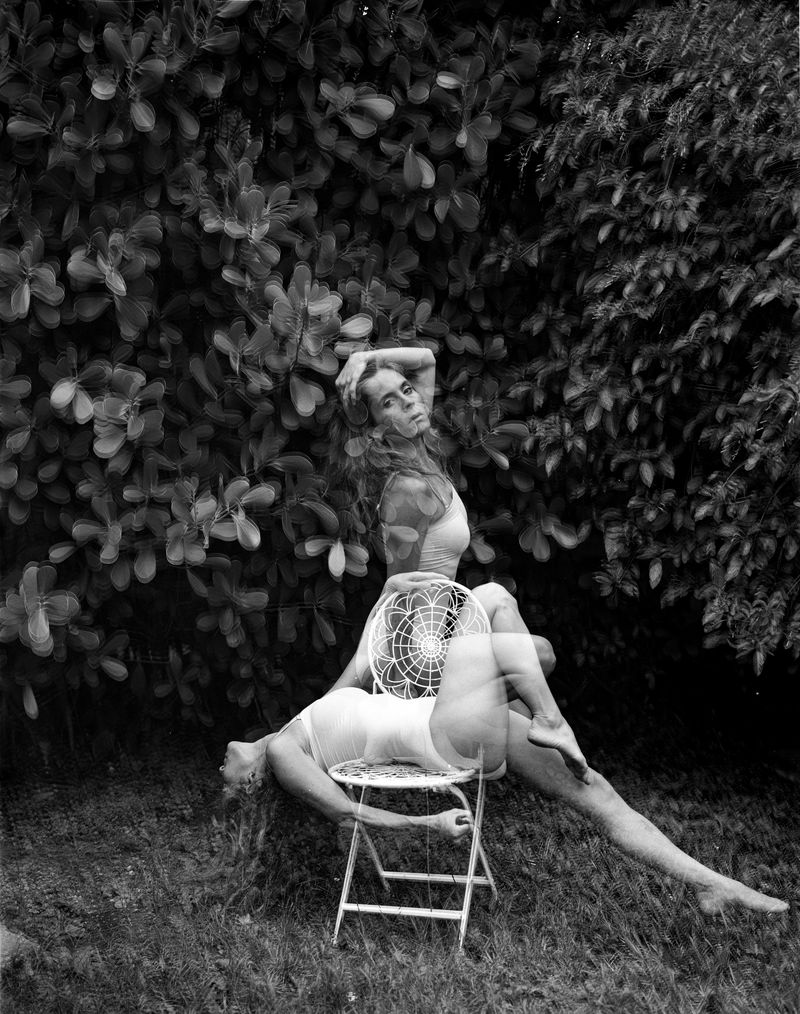
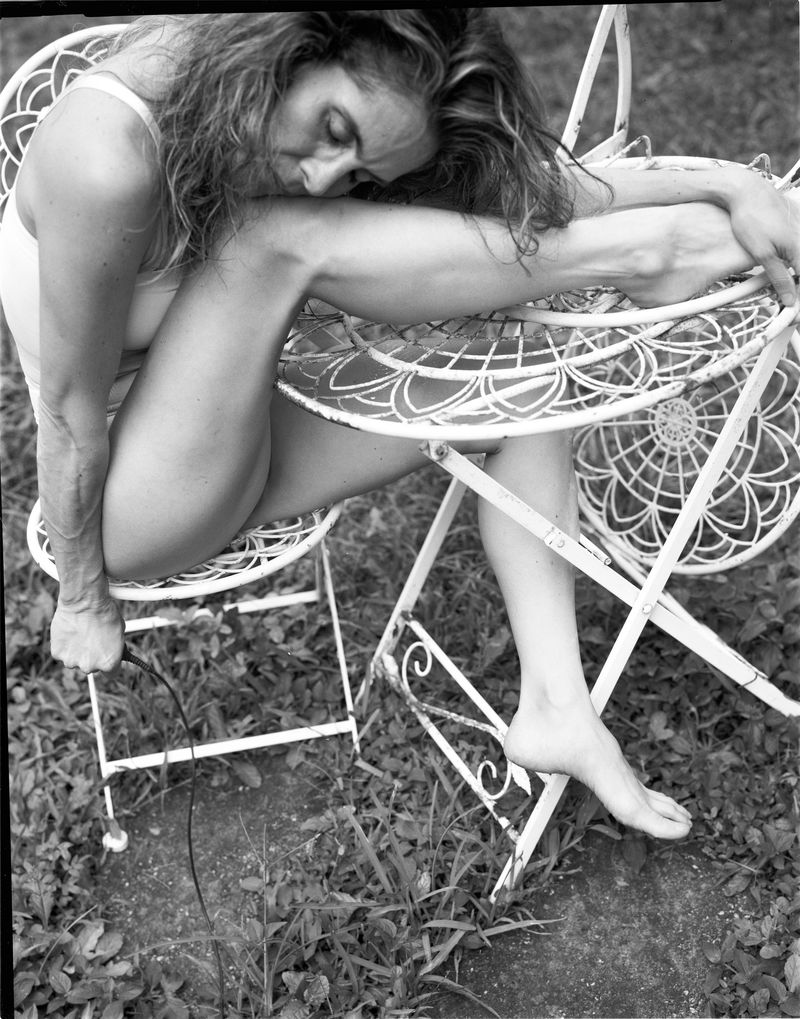
Limerence traces grief as obsession, bodily ache, and warped time. Within the home as both refuge and stage, self-portraits and symbolic objects transform hypervigilance and heartbreak into images of vulnerability, endurance, and self-rescue.

Limerence is a photographic project rooted in grief, heartbreak, and the psychological state of fixation that can follow loss. It does not follow prescribed stages. Instead, it inhabits the suspended, hijacked space where longing, identity, and memory become entangled. In that state, time distorts. It expands and fossilizes. There is no clear measurement of it.

The work was created entirely within my home. My home became a stage and a shelter, almost a cathredal, where the images were born and where they could breathe safely. Through self-portraiture and still life, I attempt to visualize what feels unspeakable. Grief is not only emotional. It becomes bodily. It aches. It tightens the chest. It sharpens awareness into hypervigilance. There is even a strange euphoria in that heightened focus, as if the mind is circling a wound.

The project emerges from a period marked by repeated heartbreak within a short span of years. As a single mother navigating separation and loss within a Catholic cultural context, I became deeply aware of subtle forms of social stigma and isolation. Not overtly imposed, but felt. I tried to move gently through spaces, to be graceful in exits and entrances, to disturb as little as possible. That self-containment intensified an internal collapse. Aging, time, and the fear of becoming invisible began to surface as quiet but persistent anxieties. The work holds that vulnerability without dramatizing it. It asks what it means to feel paused while the world continues forward.

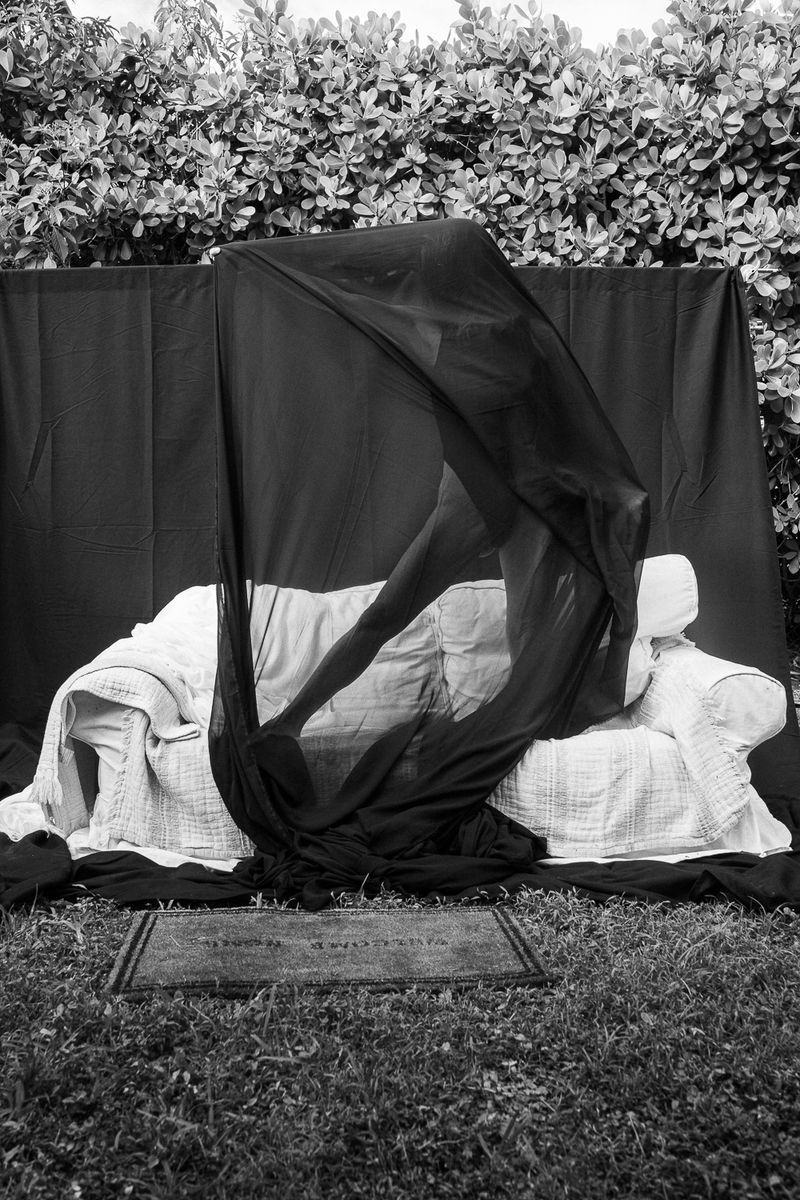
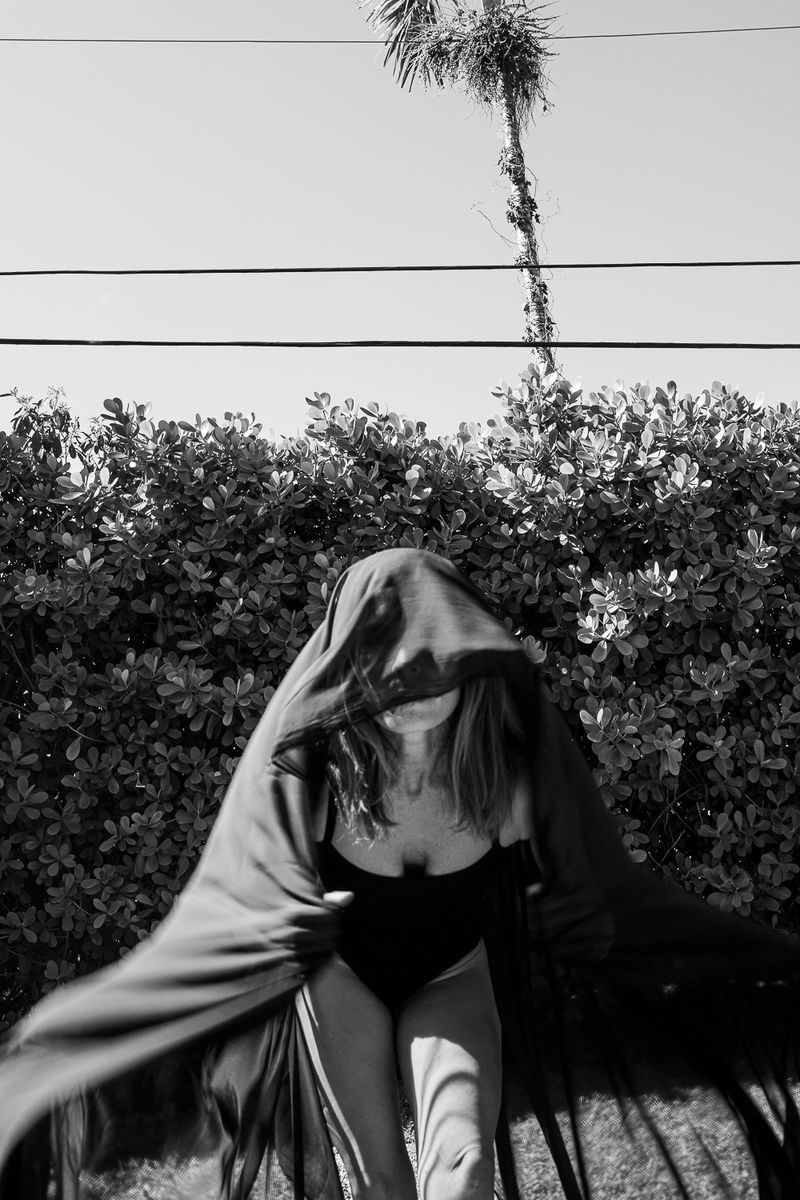
Throughout the project, I position myself as Echo from the myth of Echo and Narcissus. Echo, who loses her voice and can only repeat, becomes a metaphor for rumination, longing, and the search to be heard. She is both character and self-portrait. In some images, my poses reference classical Greek and Roman sculpture, with draped fabrics and suspended gestures that suggest both fragility and monumentality. The body becomes statue, relic, witness.

Objects function as psychological anchors and symbolic language. Flowers, triangles, rosaries, confetti bursts, burned photographs, cake, fossils, shells, fabric, as props and evidence. They hold memory, devotion, celebration, rupture, triangulation, and inherited narratives of love. Naming internal states through objects becomes a form of self-therapy and reclamation.

Self-rescue is central to the work. During this period I returned to ballet and began improvisation practice, using repetition and physical discipline to redirect an obsessive mental loop. Though not always directly visible, this embodied effort informs the performative quality of the self-portraits. The body in front of the camera is not only grieving. It is attempting to reorganize itself.

Limerence does not claim resolution. It exists inside the process of trying to get out. Through staging, repetition, and image-making, I assert presence against invisibility. The photographs become a quiet insistence: I am here. I am not vanished. Art becomes both witness and method of survival. Through this I attempt to transform psychological pain into form. Beauty and darkness in grief can coexist. The work asks whether art can hold grief long enough for the body to survive it, and whether, through repetition, Echo might slowly recover her voice, instead of turning into stone or being wasted by grief.

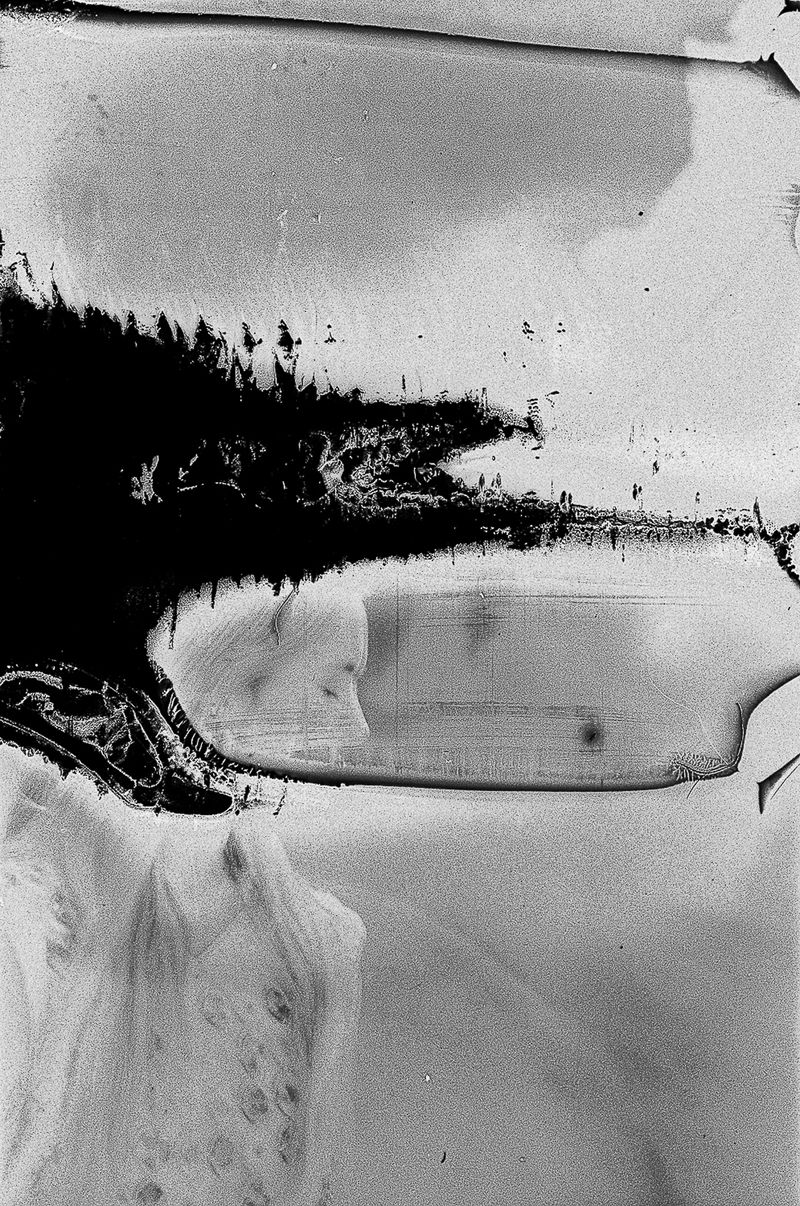
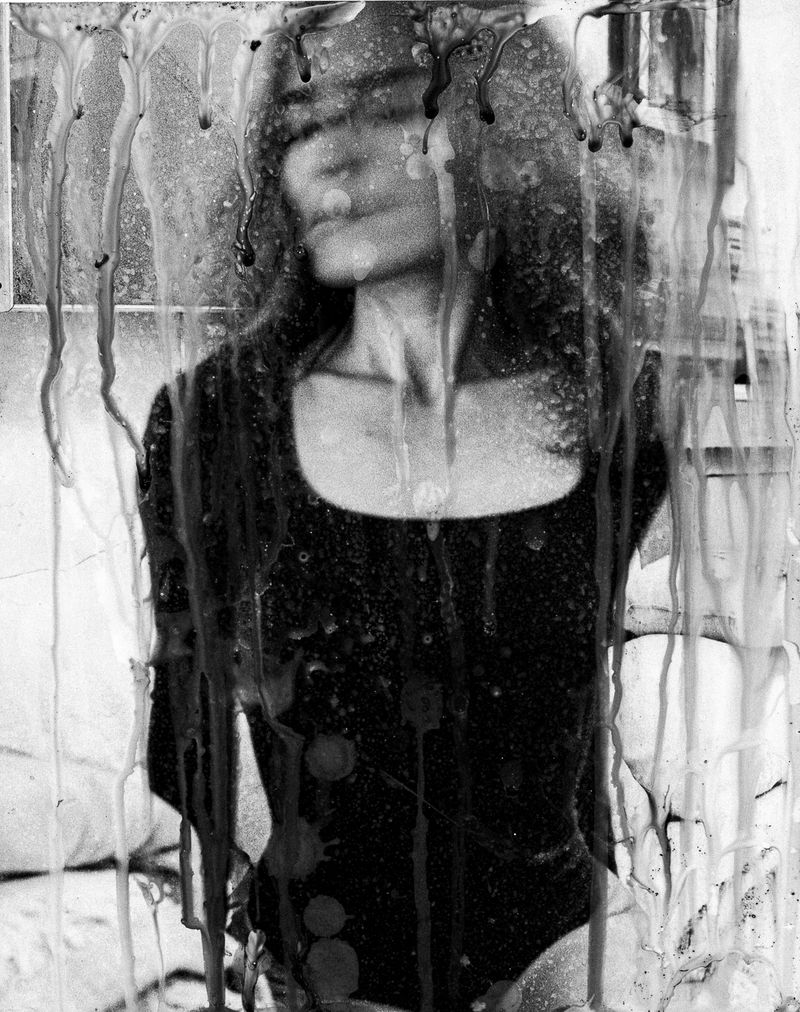
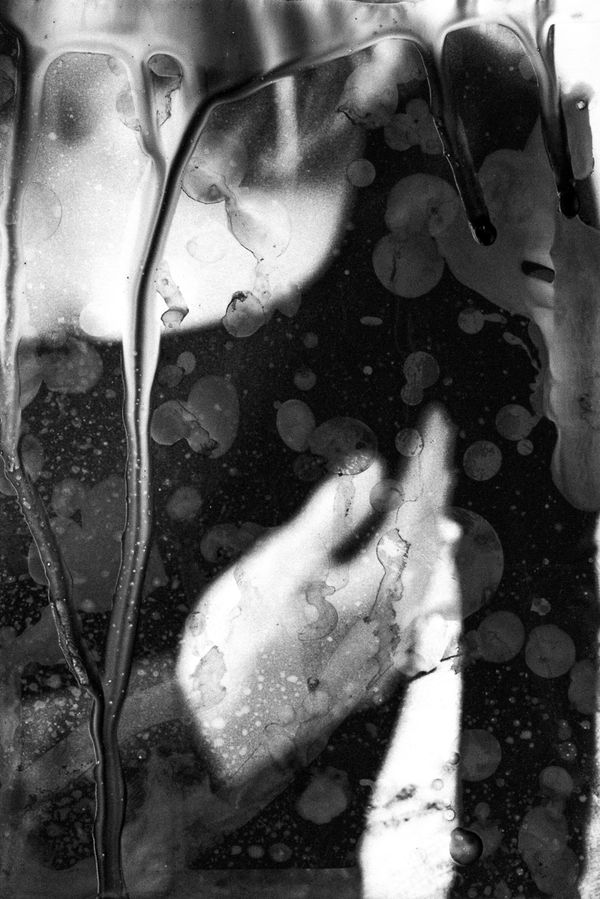
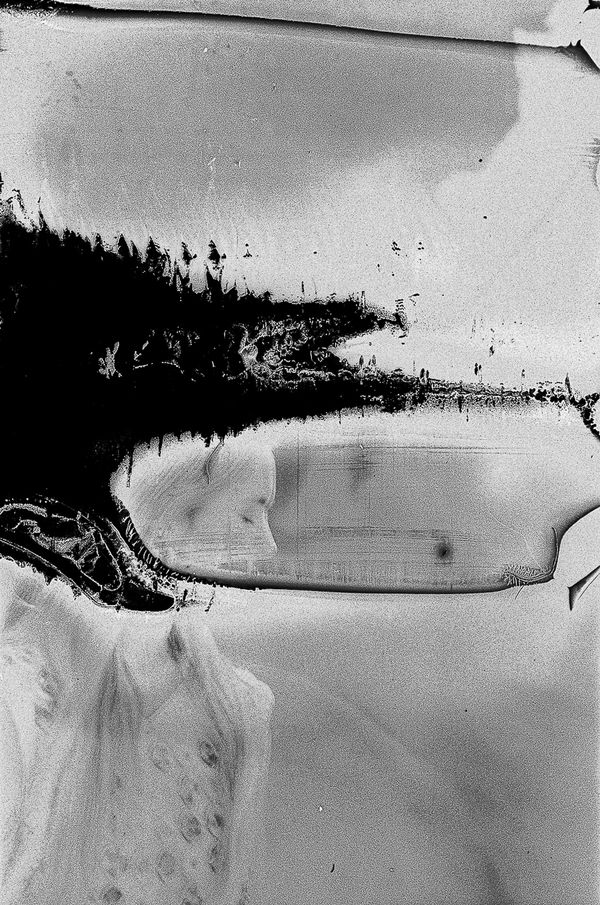
This project was produced through a hybrid process that mirrors its psychological fragmentation. I work with analog film, medium format photography, digital self-portraits, and alternative processes, double exposures including chemical alteration and destruction of both negatives and prints. Surfaces are distressed, burned, layered, and reworked so that the material itself carries rupture and repair. Moving forward, I intend to deepen this exploration by creating digital negatives and expanding into 19th century processes such as Mordançage and other historical methods that physically transform the image. I see this project as ongoing. Grief is inseparable from love and loss, and I want to continue studying and exploring without stigma, as a practice, not only as a wound but as a form of preparation and understanding. By working through image-making, I aim to build a language that allows me to endure future losses without losing my sense of self each time. Support would enable the technical expansion of this process and the sustained development of this body of work.
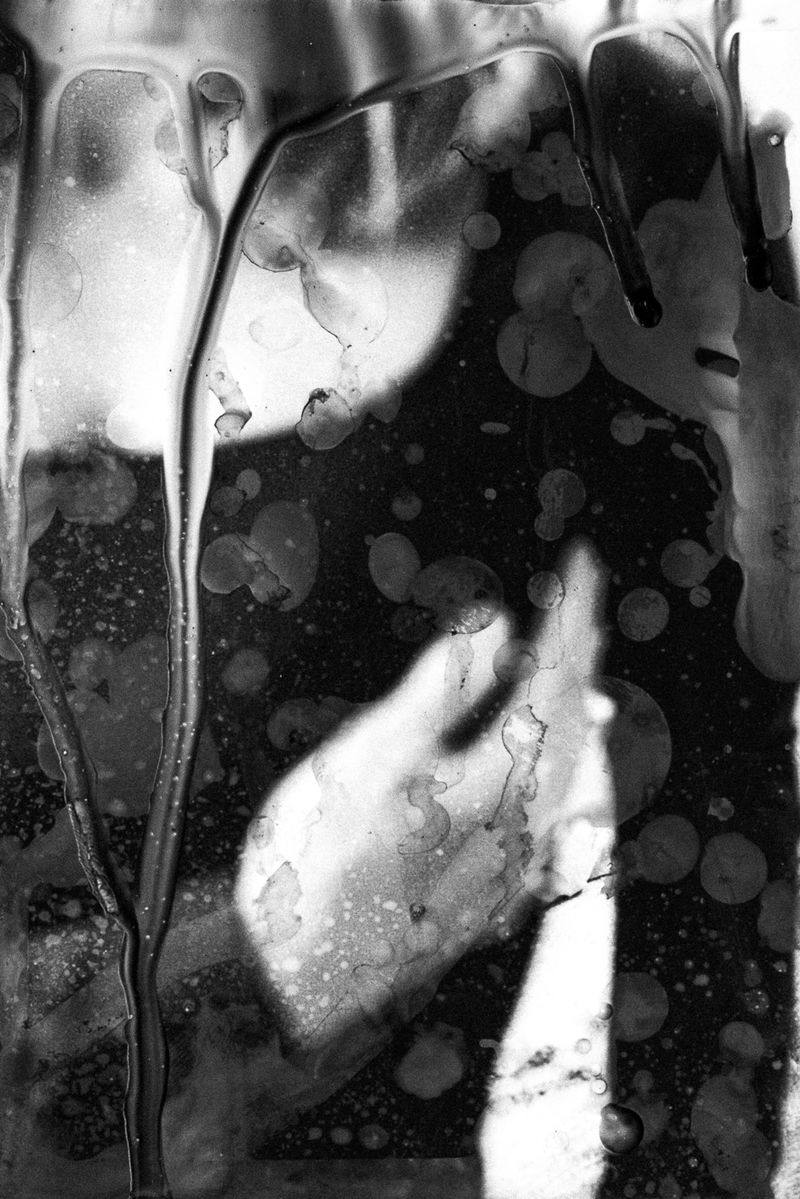
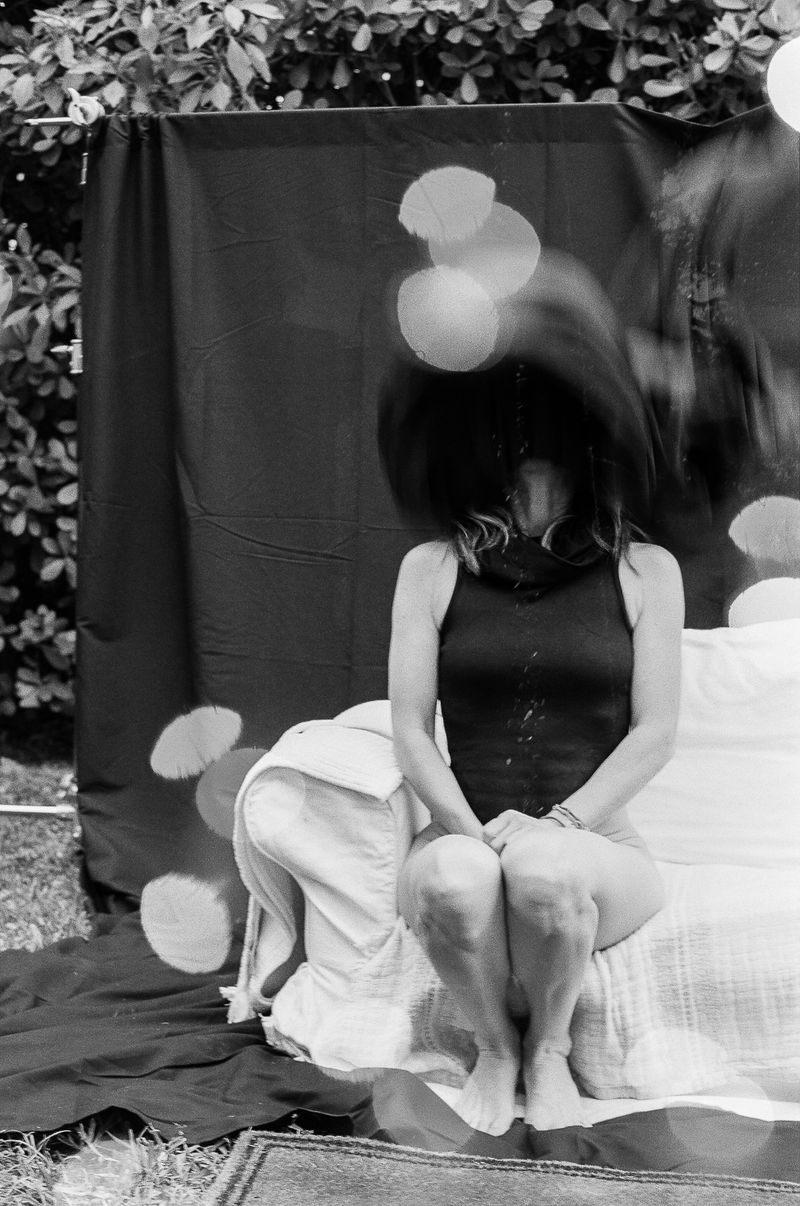
© melissa Guerrero - Image from the "Limerence Reverie" photography project
i

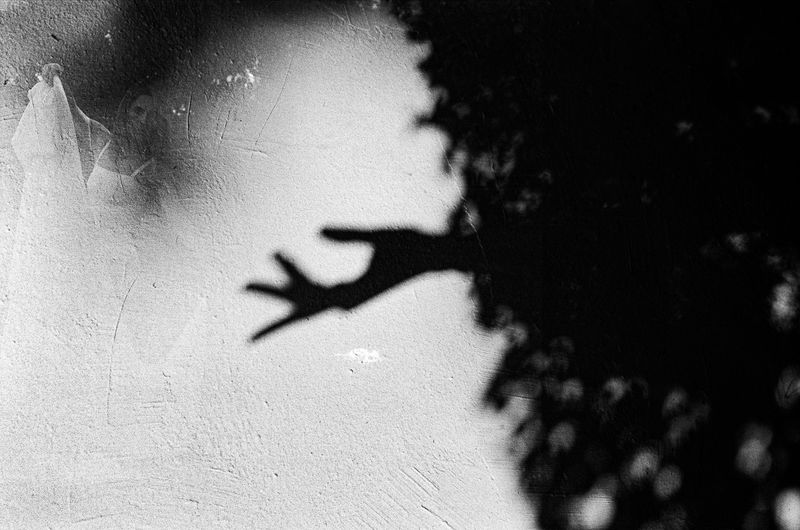
Limerence ReverieThe brain can turn feral.It manufactures devotion, rewrites memory, sharpens longing until it feels like destiny.This is the moment before impact when fixation devours reason. When grief is not yet grief, only a fever dream. The film was chemically altered, like the mind under obsession. The wolf is not outside of me. It is neurological. It feeds on fantasy.

© melissa Guerrero - Image from the "Limerence Reverie" photography project
i

Limerence Reverie is not love. It is fixation wrapped in fantasy. It is the mind rehearsing proximity in the absence of it.Reverie is a softer daydream, a drifting. But together, limerence reverie becomes a looped interior cinema. The beloved becomes mythic, magnified, purified of contradiction. Reality thins.This is the hijack. Grief and desire fuse. T

© melissa Guerrero - Image from the "Limerence Reverie" photography project
i

Time distorts. Hours collapse into rumination. The external world loses.Limerence reverie is both anesthesia and addiction. It protects from the void while deepening it.As a project, it is not about the person. It is about the architecture of obsession. The way the mind builds cathedrals around absence. The way longing permanent.It is the study of fixation as survival.

© melissa Guerrero - Image from the "Limerence Reverie" photography project
i

Temporal Distortion It feels like suspension, restlessness.Temporal distortion feels like a waiting room and in this waiting room, you practice patience. You observe everything around you. You don't know when the waiting will end, and when there is no clarity and uncertainty of course this creates anxiety.

© melissa Guerrero - Image from the "Limerence Reverie" photography project
i

Exponential PatternTriggers do not rise in a straight line. They compound.An exponential pattern begins one memory, one sound, one absence. But because it is rooted in history, it does not operate in the present tense. Each new trigger activates archived ones. Past and present stack.

© melissa Guerrero - Image from the "Limerence Reverie" photography project
i

Limerence Reverie's reaction feels disproportionate. It isn’t about the single event. It is about accumulated information. Repetition into the body.Exponential emotion is not irrational it is the stacked experience.Until the pattern is interrupted, it will continue to escalate. Not linearly. But geometrically.

© melissa Guerrero - Image from the "Limerence Reverie" photography project
i

In a dream a dismembered body: there is no gore, only labor. The work of gathering limbs. The quiet question: which parts are mine? Which parts were projections? Which parts can live without the other? My own burial

© melissa Guerrero - Image from the "Limerence Reverie" photography project
i

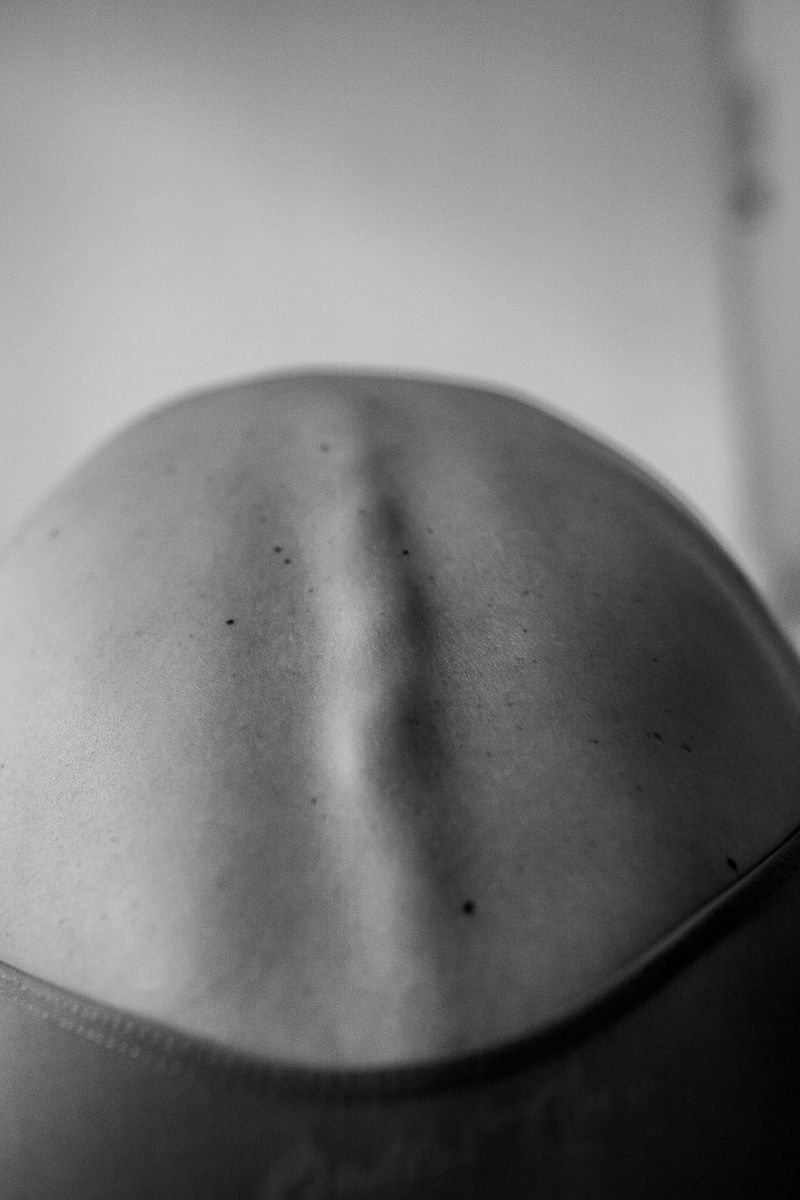
Fragmentation in the BodyNot about appearance. About architecture collapsing. The body records what the mind refuses to accept.Grief is not abstract. It settles along the spine, pulls the shoulders forward, compresses breath. Fragmentation is not only psychological it is structural. A body learning to carry absence.

© melissa Guerrero - Image from the "Limerence Reverie" photography project
i

Fragmentation is what happens when identity was co-authored and the co-author disappears. If a part of you lived inside that relationship, then when it ends, something inside you feels amputated.Grief is not only emotional it is structural. The architecture of the self destabilizes. You are left holding pieces that once formed a recognizable whole.

© melissa Guerrero - Image from the "Limerence Reverie" photography project
i

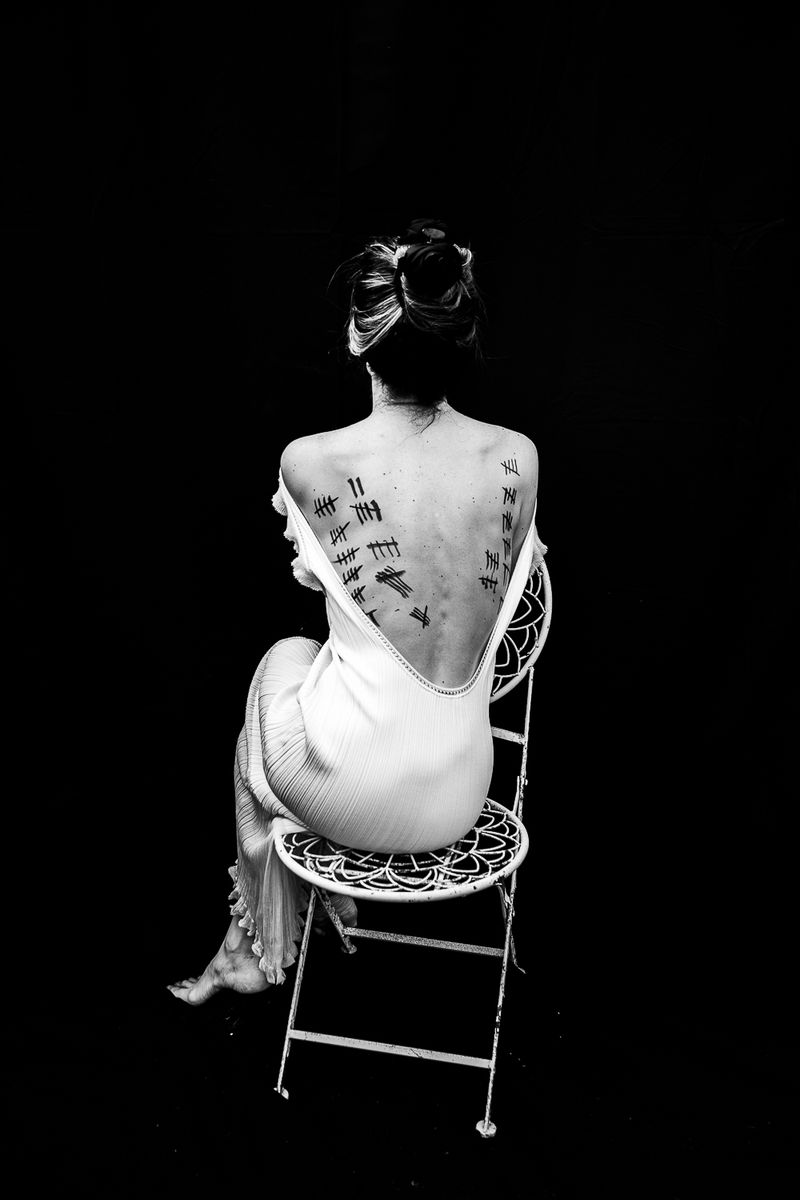
Time intervals.How do we measure time?Through comparison.A fossil.A flame.Repetition.Fragmentation.Gravity pulling everything downward at the same speed,yet not everyone falls the same way.

© melissa Guerrero - Image from the "Limerence Reverie" photography project
i

Triangulations Three can become two.One is out. ExcludedCliff drop.A body at the edge of something transparent.Emotional vertigo.A distrust of your own vision.

© melissa Guerrero - Image from the "Limerence Reverie" photography project
i

Smoke and Mirrors: In the dark, I build distractions.Creation becomes both concealment and excavation. I lost myself in the shock; the images begin blurred because I could not see clearly. Clarity returns slowly, like light trying to come out.

© melissa Guerrero - Image from the "Limerence Reverie" photography project
i

Temporal Distortion Should you even be in this waiting room?In this waiting room, you can't fall asleep. But sometimes, when you do, you might have nightmares: Machiavellian, perverse.The brain is smart at finding solutions, and sometimes the things you want to do in life can only be done in dreams, or in nightmares.

© melissa Guerrero - Image from the "Limerence Reverie" photography project
i

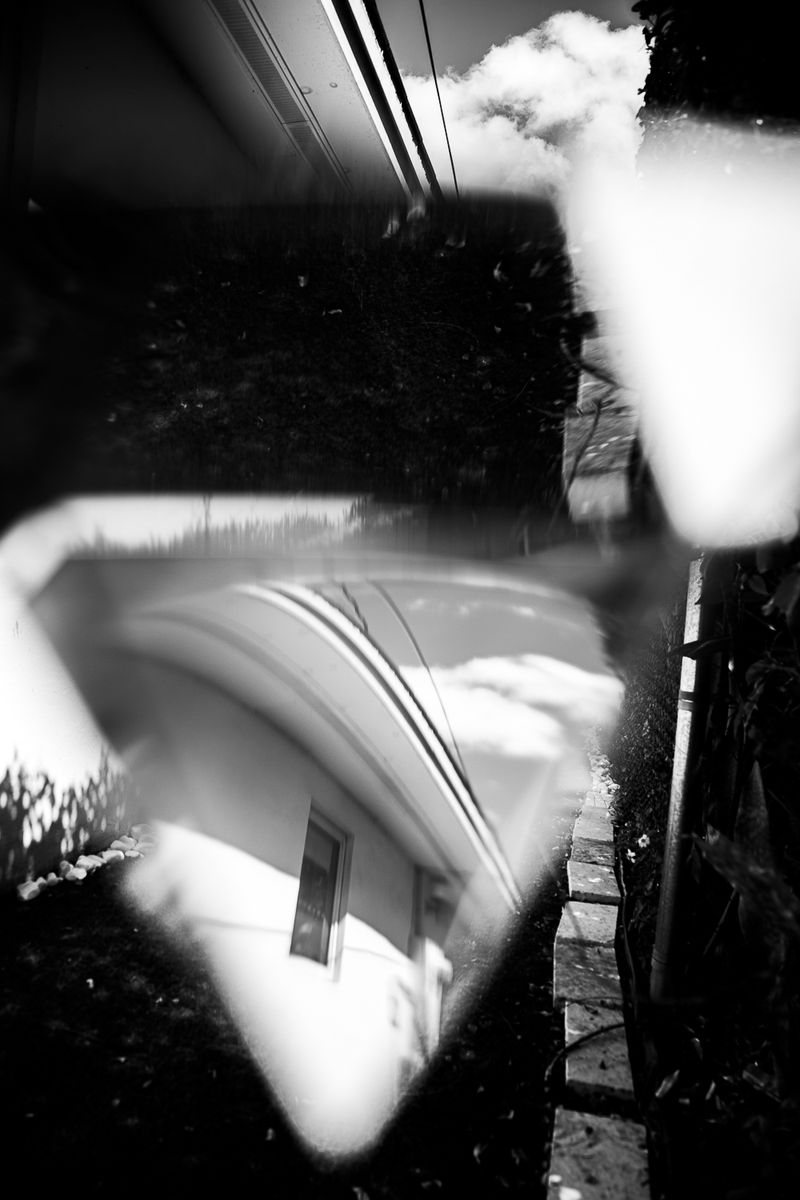
Perception. Illusion. Fear of falling.Echo reflection.Narcissus surface.Reality split.Distorted depth.Doubted depth.Cellophane glass: an illusion a glass lusterDepth perception requires stable reference points.Triangulation removes stable reference points.Depth collapses.

© melissa Guerrero - Image from the "Limerence Reverie" photography project
i

Depth perception requires two points.Distance is triangulated.Remove one pointand space collapses.An interval.A delay.A repetition altered by distance.Is time an echo?A response arriving late,reshaped by the terrain it crossed?Silence is empty.

© melissa Guerrero - Image from the "Limerence Reverie" photography project
i

Echo and The Pressed Flower It began with a flower.Pressed, Preserved and Silenced. I held it in my mouth as if to keep from speaking. As if to become decorative instead of disruptive.There are moments when you feel yourself thinning becoming echo instead of body. A reflection of someone else’s desire. Overlapped. Replaced by the next bright object.

© melissa Guerrero - Image from the "Limerence Reverie" photography project
i

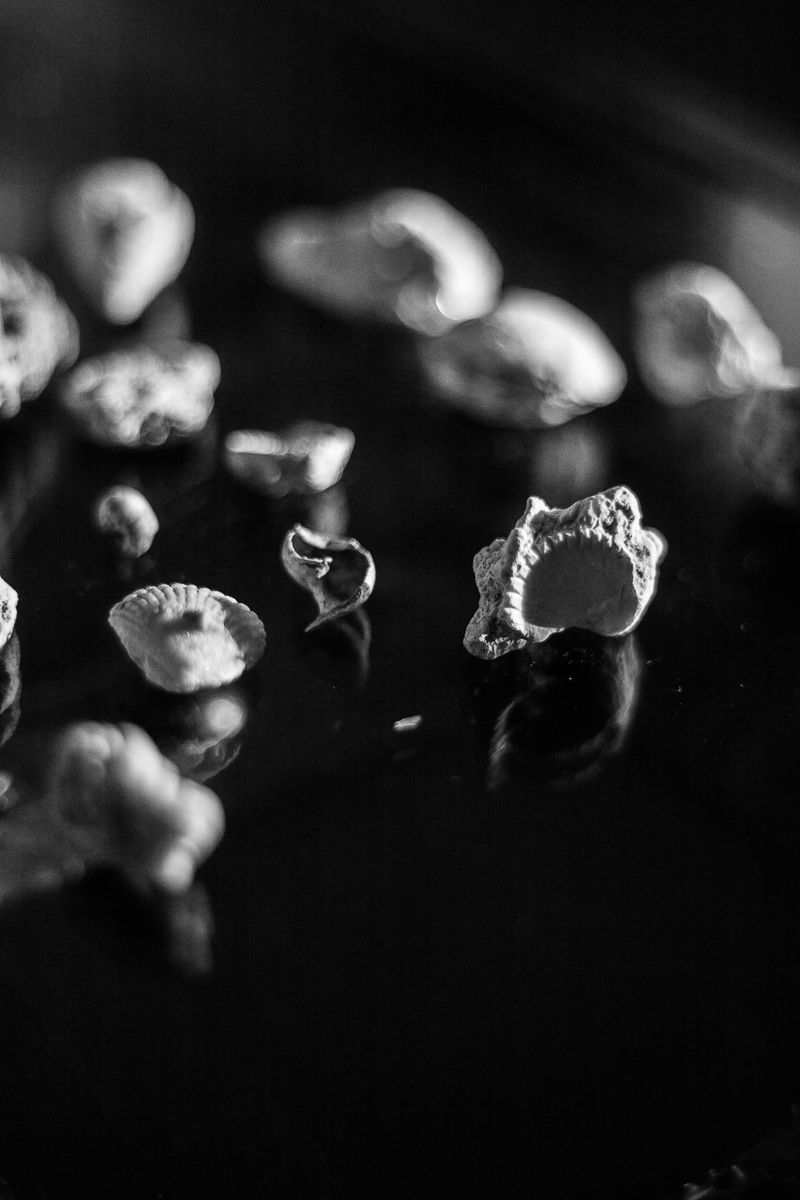
Fossils measure time in silence.Grief bends duration. Three months can feel prehistoric. The negative was chemically disrupted, memory behaves the same way. What remains are fragments, eroded but intact.

© melissa Guerrero - Image from the "Limerence Reverie" photography project
i

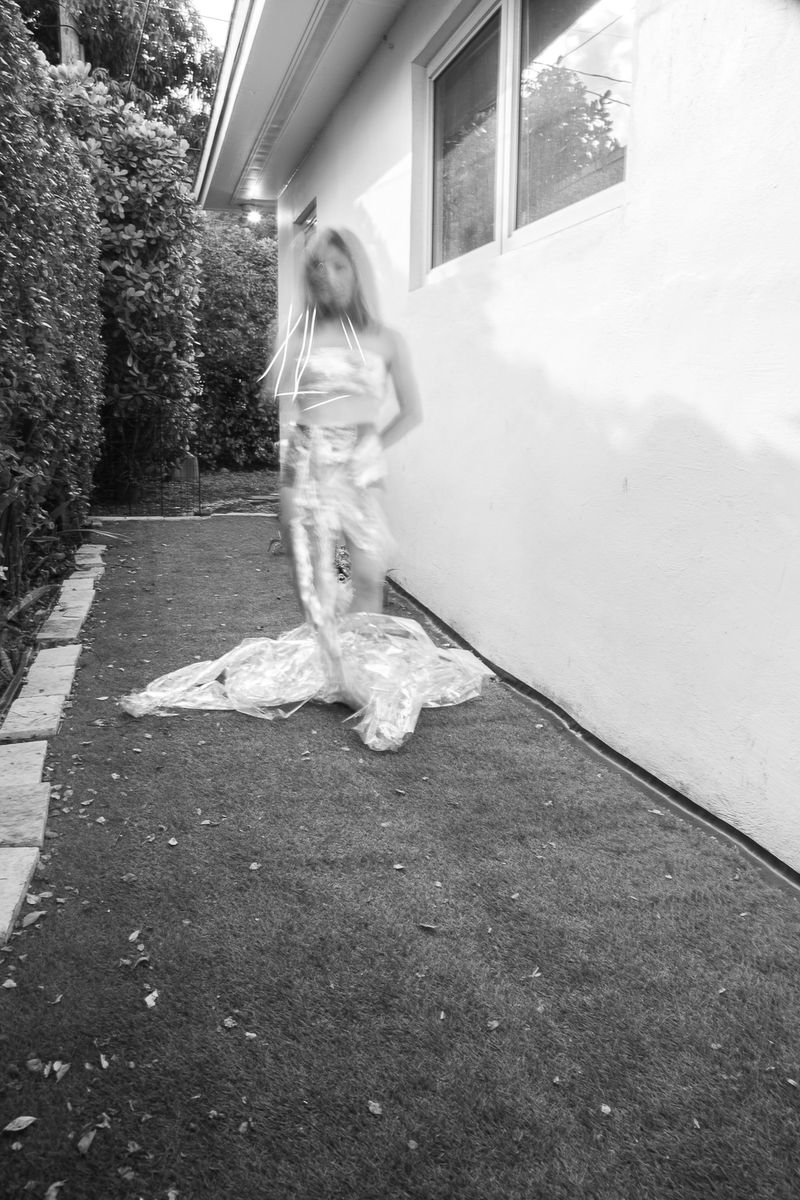
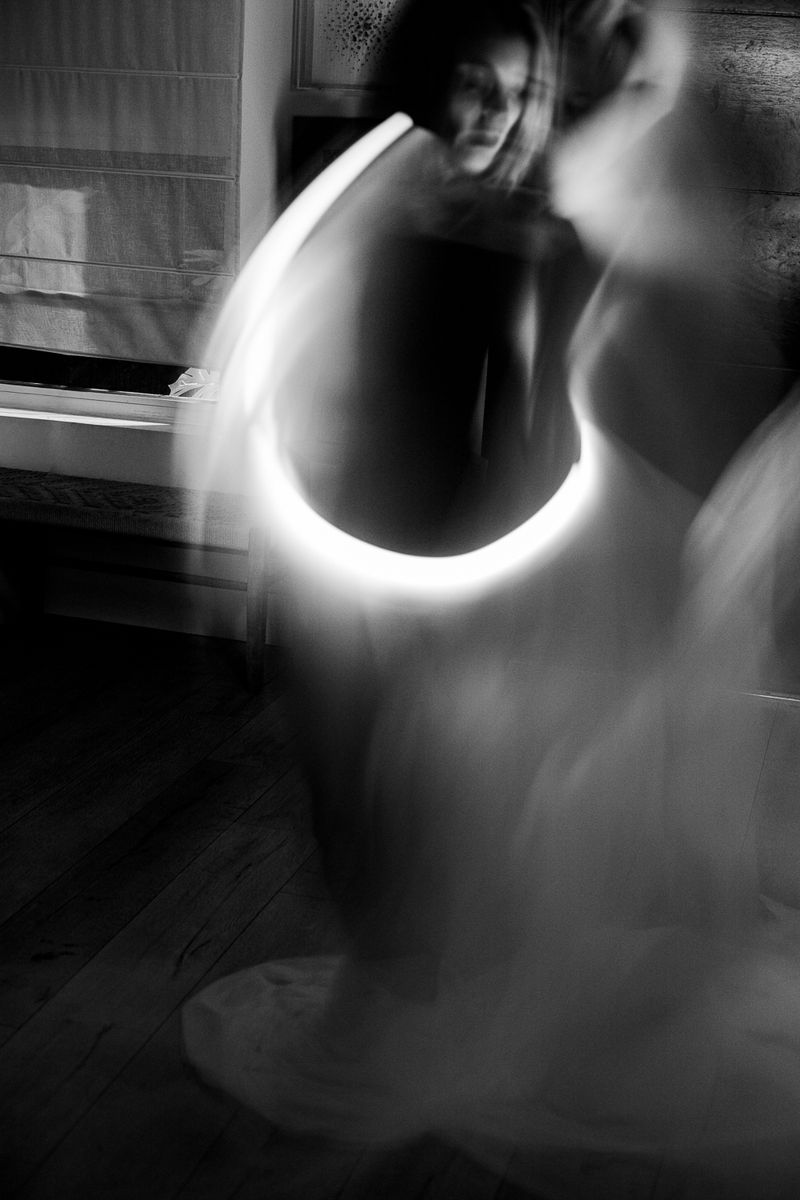
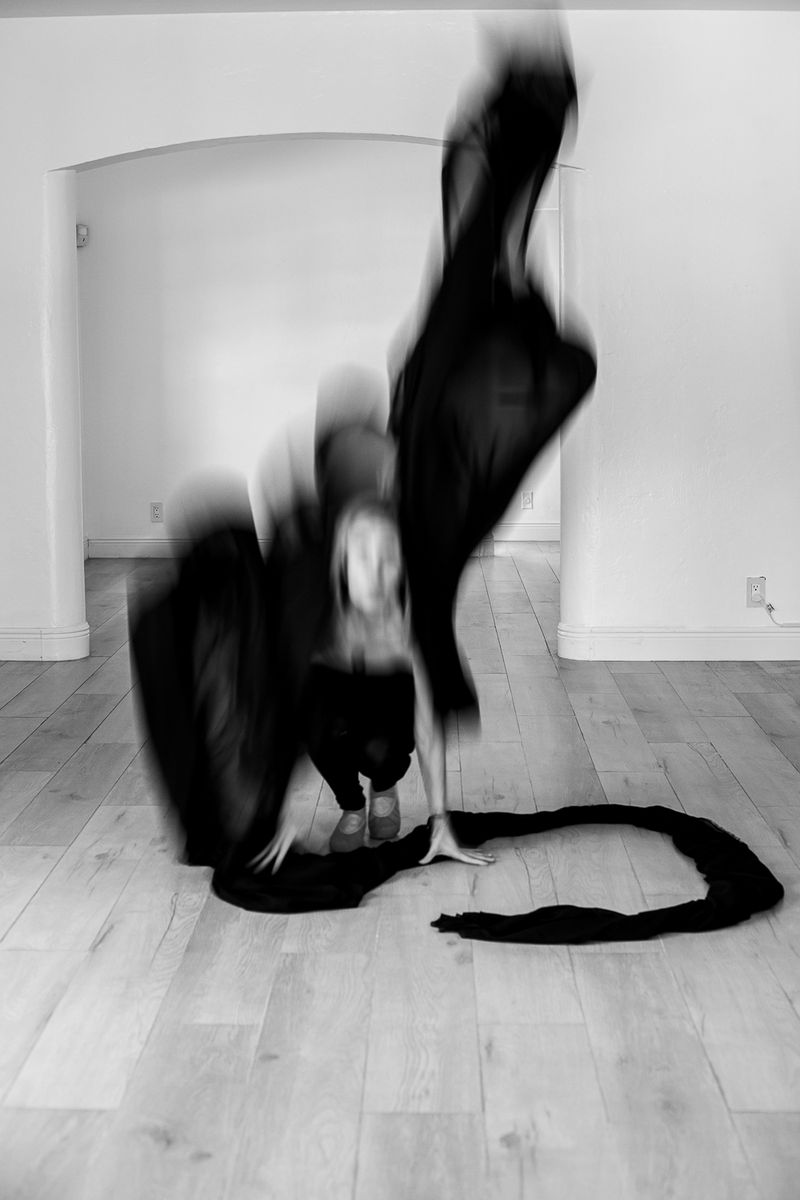
Suspension is its own atmosphere.Not grounded. Not gone. Hovering between what was and what will be. In grief, the self becomes translucent visible, but altered. A body moving through air a temporal distortion.

© melissa Guerrero - Image from the "Limerence Reverie" photography project
i

During this waiting time, you feel a void. You invent schedules, activities, far-fetched ideals and expectations: things that might happen, (that will not) all to fill that void.The void is real, even though we don't want it to be. Yet it exists.You have to hold its hand. And while you're in this waiting room, you are holding the void's hand.

© melissa Guerrero - Image from the "Limerence Reverie" photography project
i

Overlaid with fossils and flowers evidence of what survives pressure, burial, time.I am learning to excavate without shame. To hold grief without trying to cure it. The void, the restlessness, the fractures in the mind they are not intruders. They are pain and beauty. To look directly at them is not defiance. It is recognition.