Life at Brazilian Backlands
Brazilian backlands: an extremely arid region that struggles against poverty and drought, but certainly one of the richest regions in terms of cultural significance. Its inhabitants are strong, resilient and warm-hearted.

I spent three weeks walking across the dry lands at the northwest of Minas Gerais, searching for the right moment to photograph and the right person to talk to. It were 150km from the first village – Sagarana – to the last stop of my journey: Grande Sertão Veredas National Park. Although I was with my camping tent, since there are no inns in those places – I have to admit I only used it once. All the other days, people who have never seen me before offer a place at their homes for me to stay.

© Ana Caroline De Lima - Image from the Life at Brazilian Backlands photography project
i

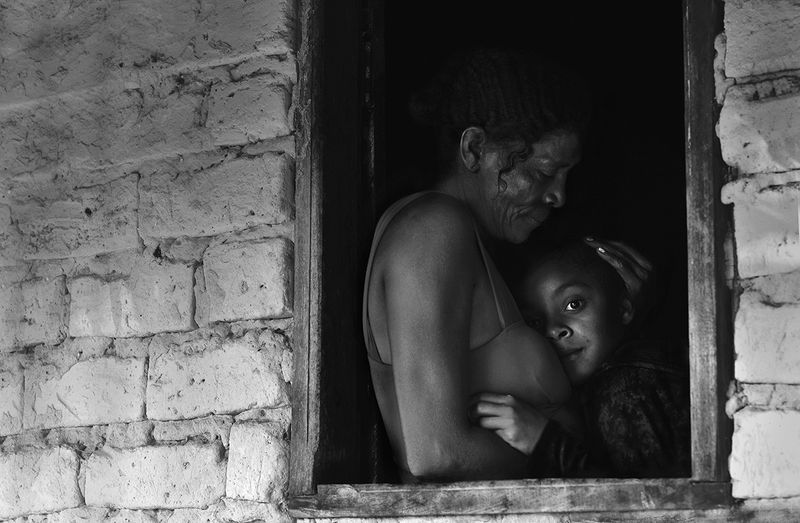
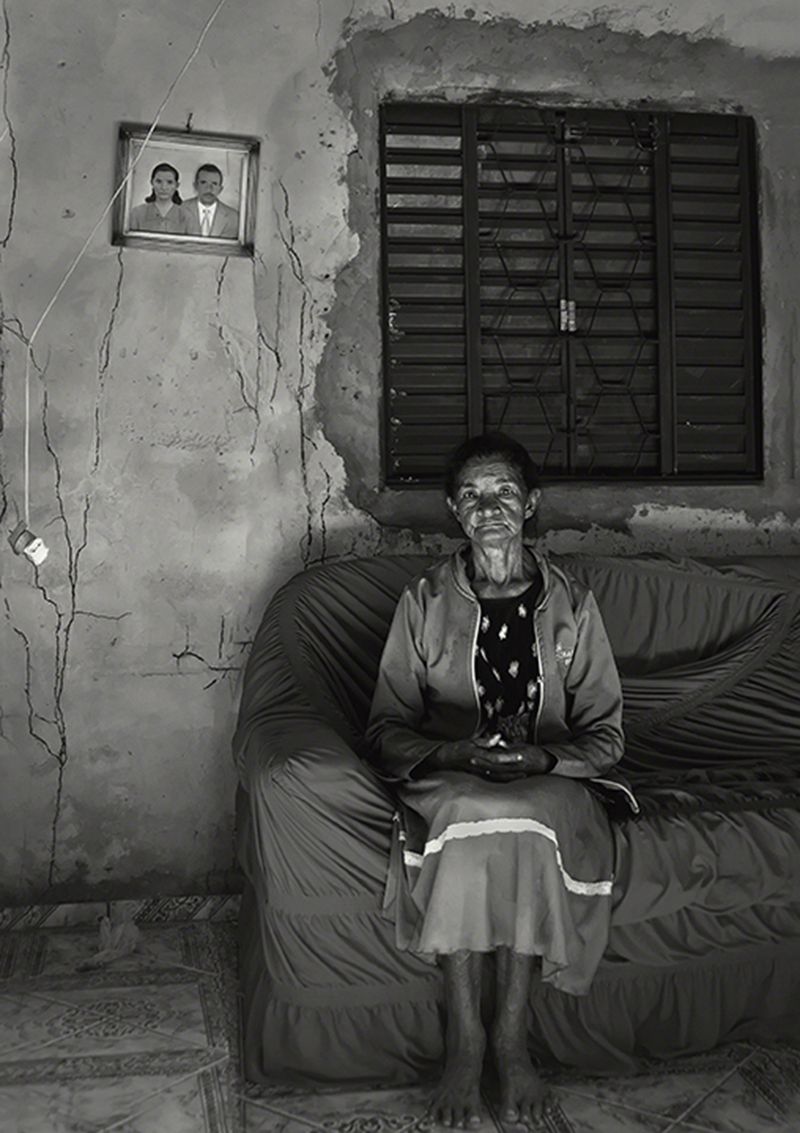
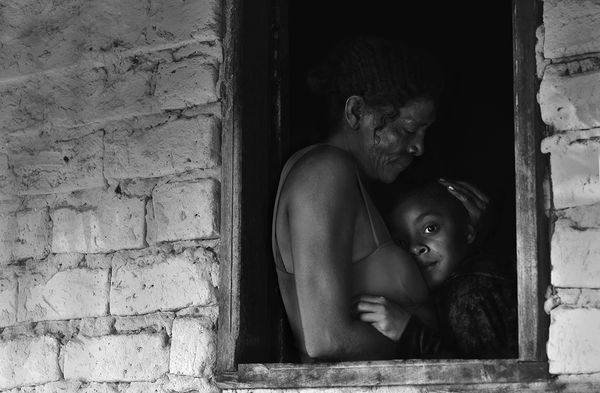
Da Silva was 15years old when she got married. Her husband told her they would build their home far away from civilization. She left a small town in the north of Minas Gerais, Brazil, to a place where the nearest house was 15km into the backlands. They built a house there, with bricks made of anthill sand. Forty years has passed and her house still have no electricity or sanitation but one thing has changed: Da Silva's husband died a year ago while he was walking through the jungle. Nowadays though, some people visit her, like Brenda’s family, whose mother lives around 8km far from Da Silva, yet it’s her closest neighbor. Da Silva knows the girl since she was a baby, and tells me she feels like she’s part of her family. Brenda, which is only 9 years old, agrees. “Da Silva is like a granny to me. I really love her.”

© Ana Caroline De Lima - Image from the Life at Brazilian Backlands photography project
i

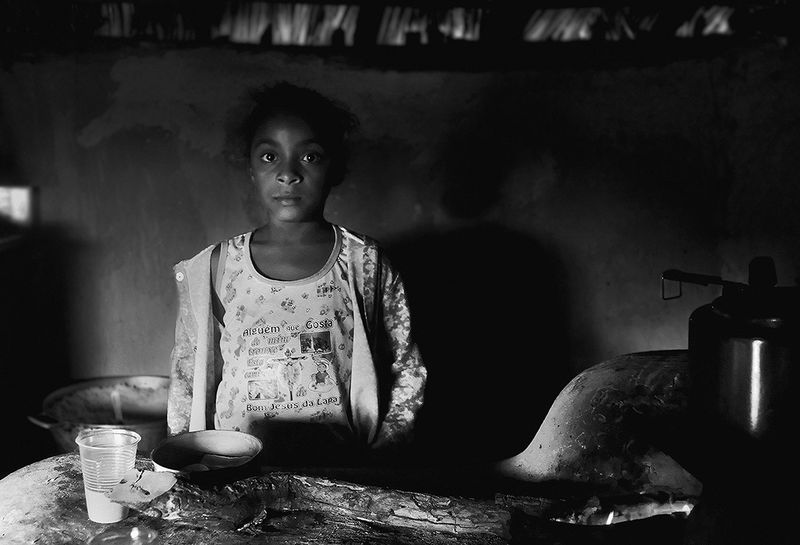
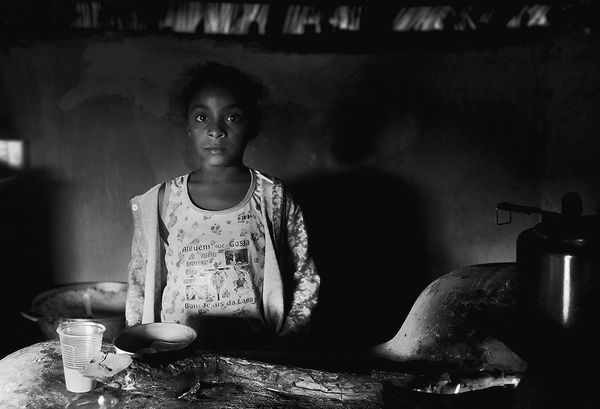
Brenda tells me she likes to go to Da Silva’s house to listen to her stories or to eat some corn porridge prepared on a wood stove.

© Ana Caroline De Lima - Image from the Life at Brazilian Backlands photography project
i

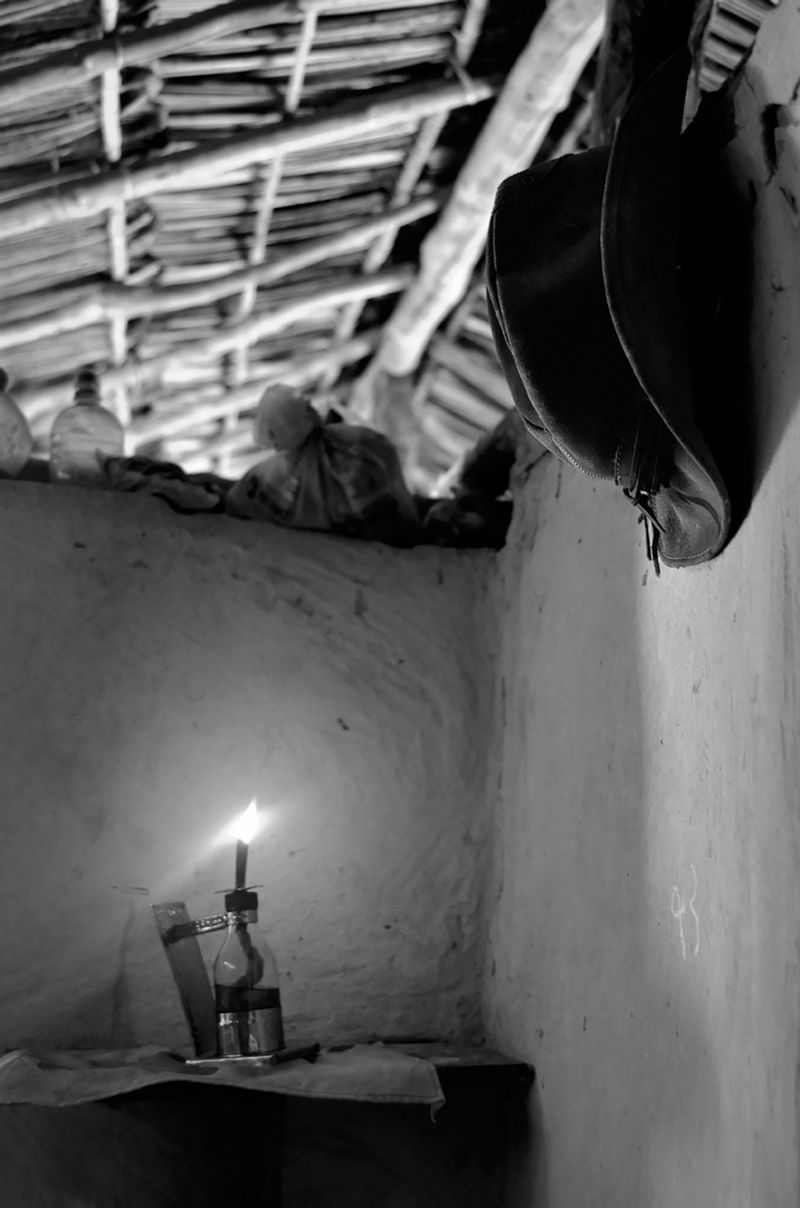
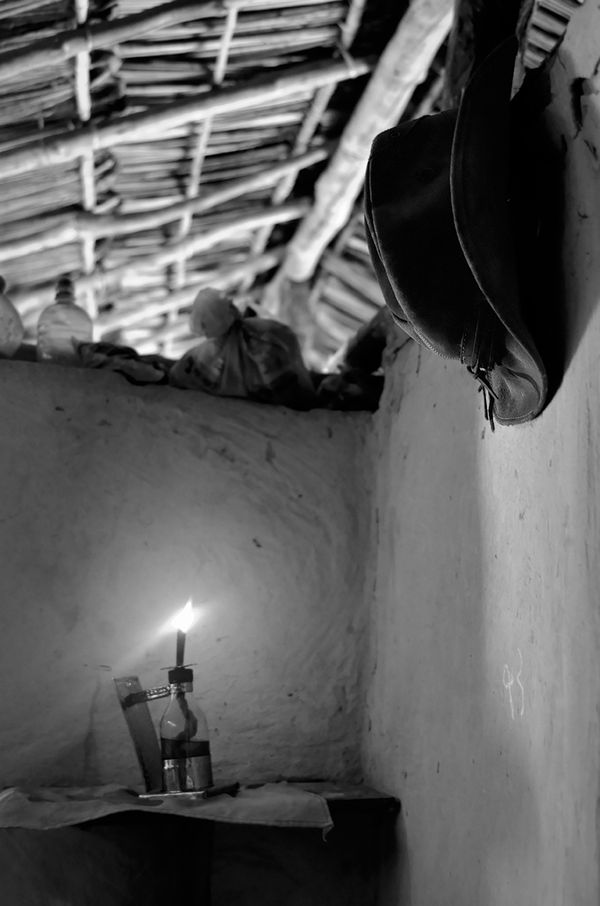
When the girl or her parents are not around, Da Silva looks at her husband’s hat hanging on a wall close to a lamp. “My husband used to put on his hat every time he went to cut some woods in the field. One day it took him a long time to come back. The hours were passing and I decided to go after him. I found him lying on the ground. He had a heart attack.” – says Da Silva, with tears in her eyes.

© Ana Caroline De Lima - Image from the Life at Brazilian Backlands photography project
i

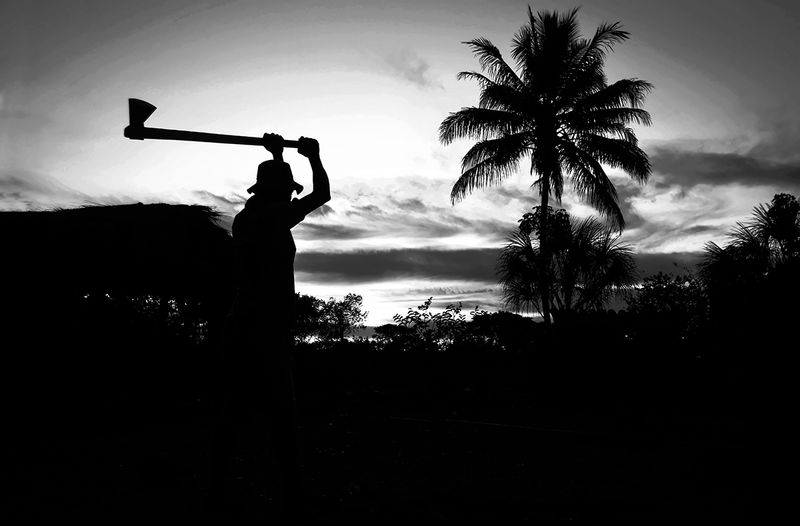
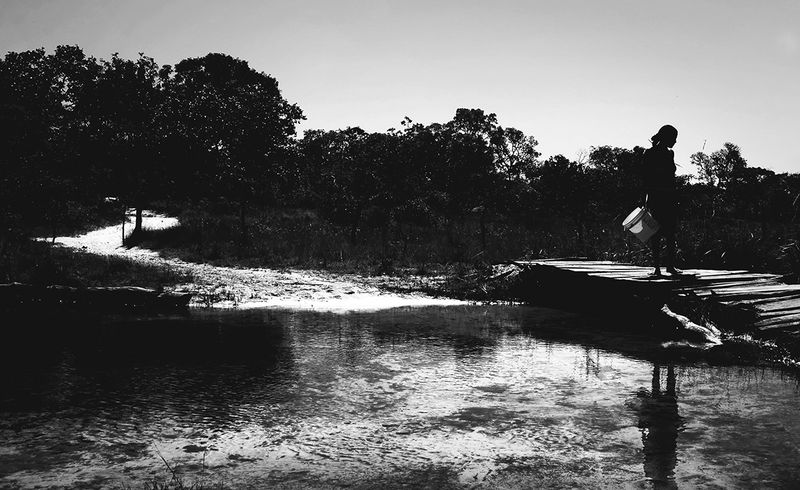
Nowadays, Da Silva is the one who has to cut wood in the field, and she does it every week, after going to take some water from the small stream that runs at the backside of her house.

© Ana Caroline De Lima - Image from the Life at Brazilian Backlands photography project
i

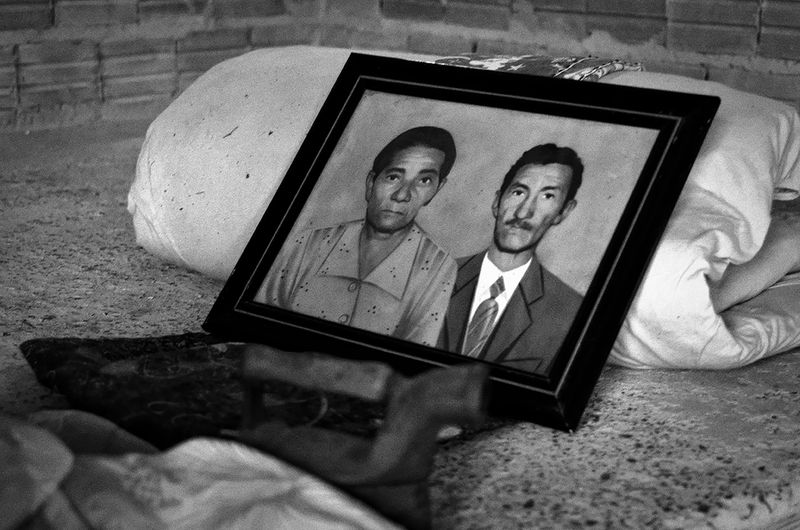
More than 50km away from there, is Mariazinha who lives in a small house with her husband. When Photoshop wasn't even close to be created, Brazilian "bonequeiros" were already creating and retouching portraits. These popular artists are very common in Brazilian countryside and their portraits are hanging at walls of many poor families in the northeast of Brazil. Many families who cannot afford fancy clothes or jewelry look for bonequeiros to have a portrait painted by them using these accessories. Even halos are added to children’s heads (!) or dead people are portrayed with their relatives. When I entered Mariazinha’s house, she was keen to 'pose with her husband ' for my portrait. When I asked where he was, she told me he was at work. "How can I take a photo of your husband if he's not here?" - I asked. She said: "Simple. Take a picture of me and that painted portrait at the wall".

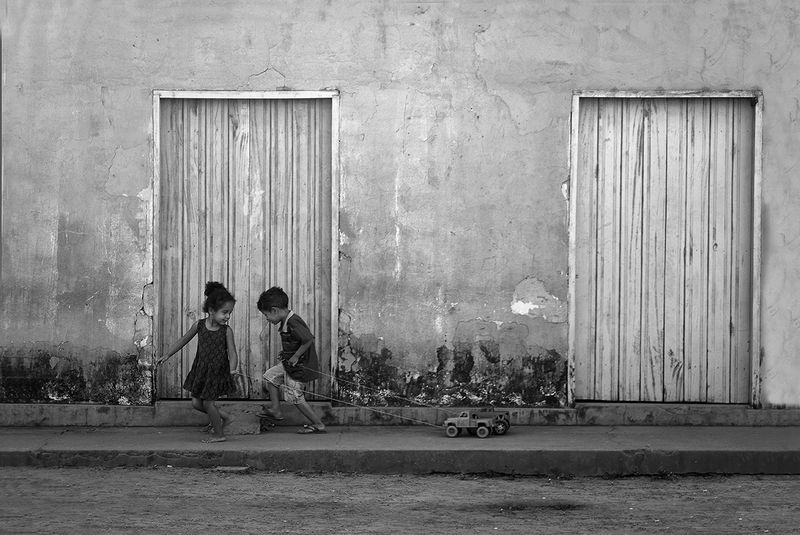
© Ana Caroline De Lima - Children of this region have to travel long distances by bus to go to school to everyday.
i

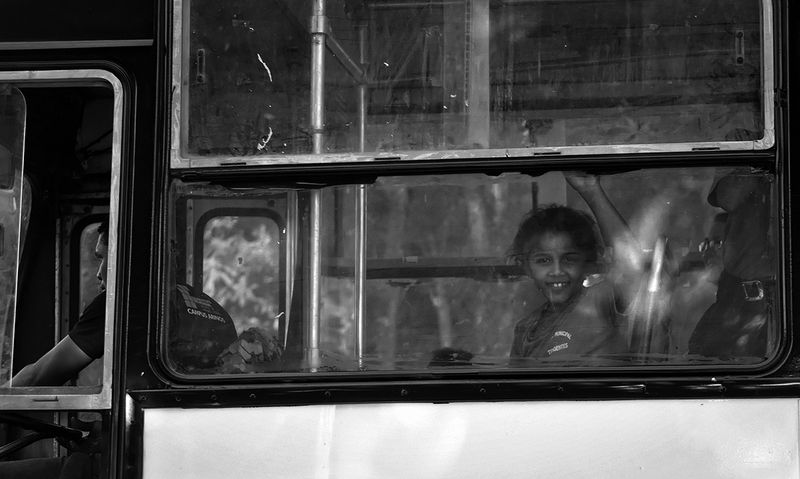
Children of this region have to travel long distances by bus to go to school to everyday.

© Ana Caroline De Lima - Therefore, there’s not much time to play when they arrive home
i

Therefore, there’s not much time to play when they arrive home

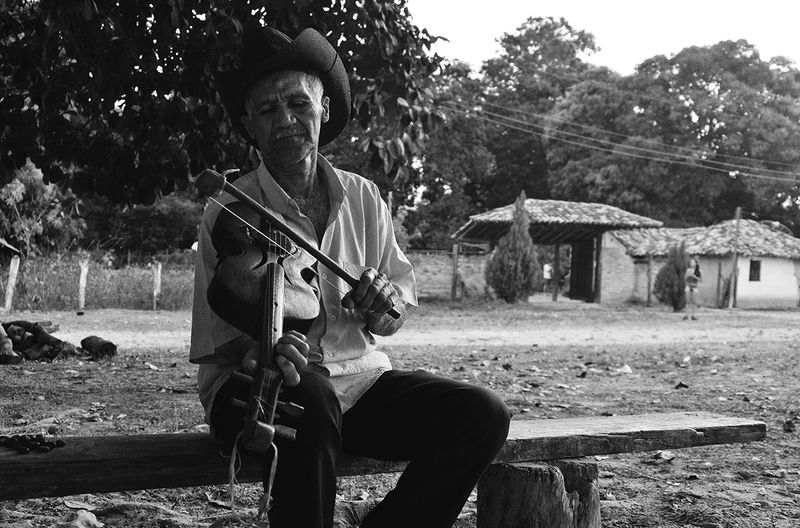
© Ana Caroline De Lima - João plays a fiddle made by himself. Music is very popular amongst people who live in the backlands.
i

João plays a fiddle made by himself. Music is very popular amongst people who live in the backlands.

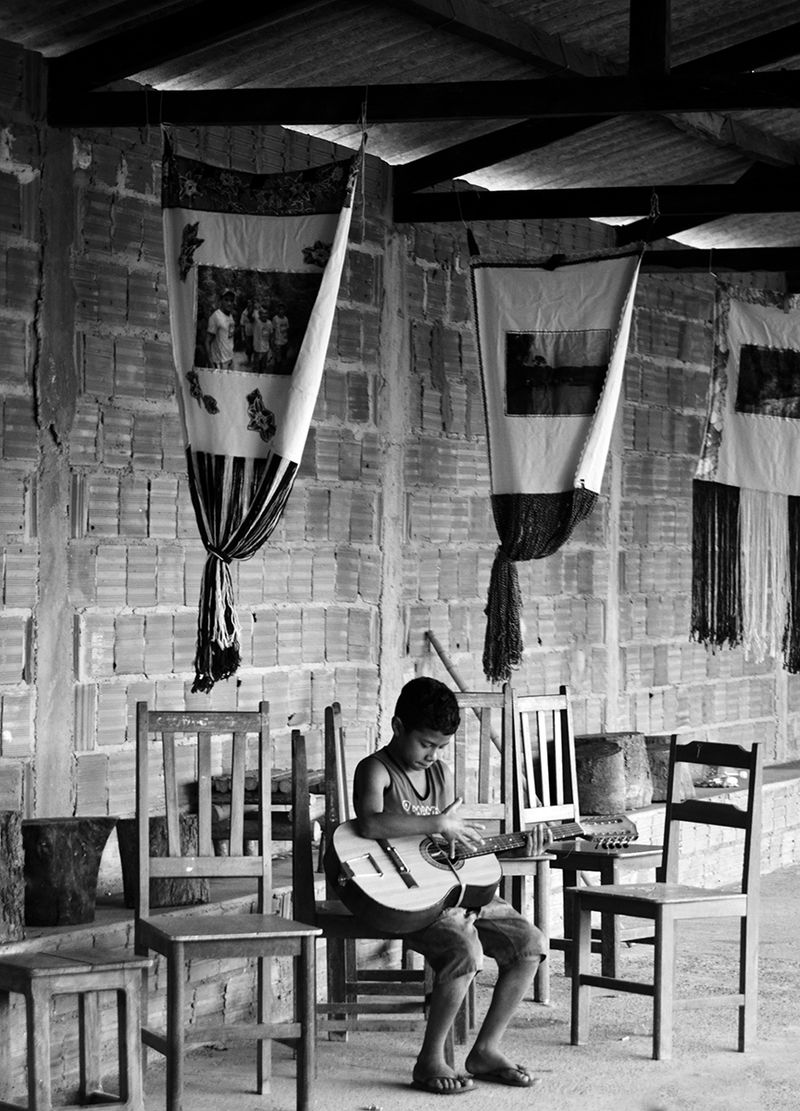
© Ana Caroline De Lima - One of the villages has a center which offers free music lessons for kids...
i

One of the villages has a center which offers free music lessons for kids...

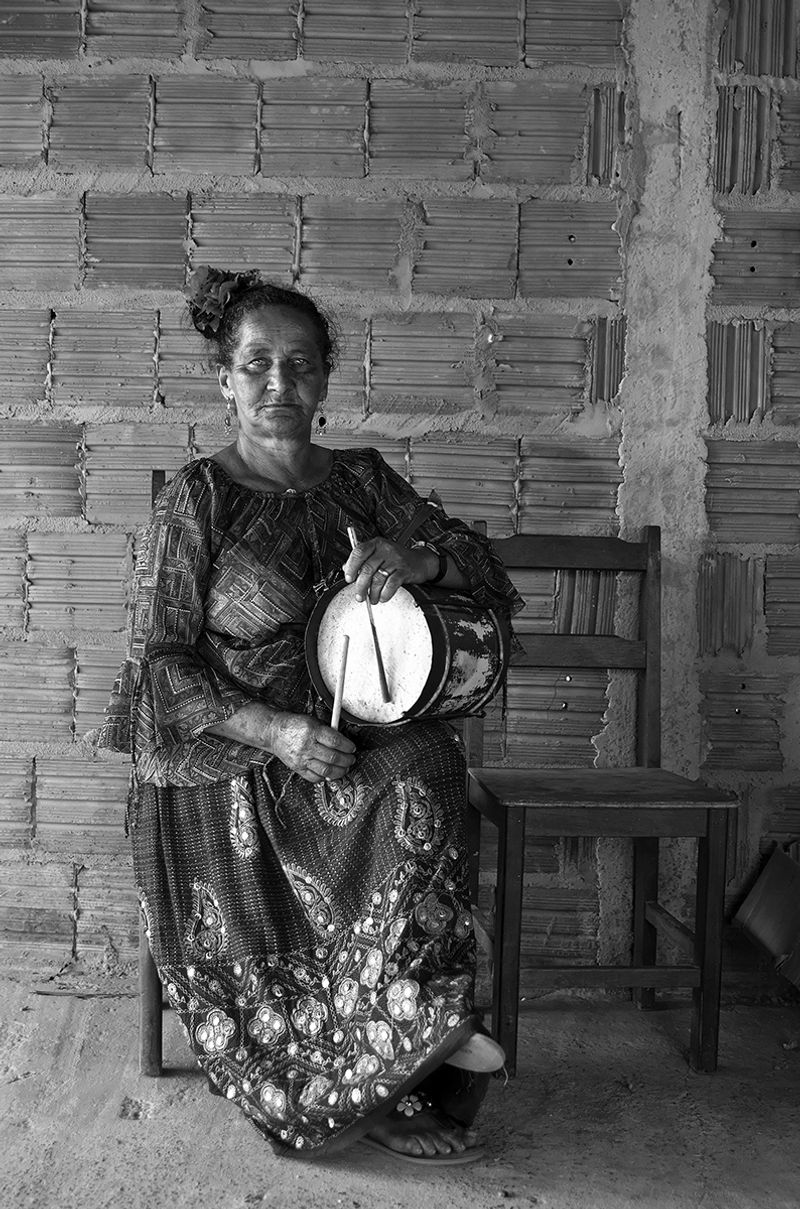
© Ana Caroline De Lima - ...and for adults.
i

...and for adults.

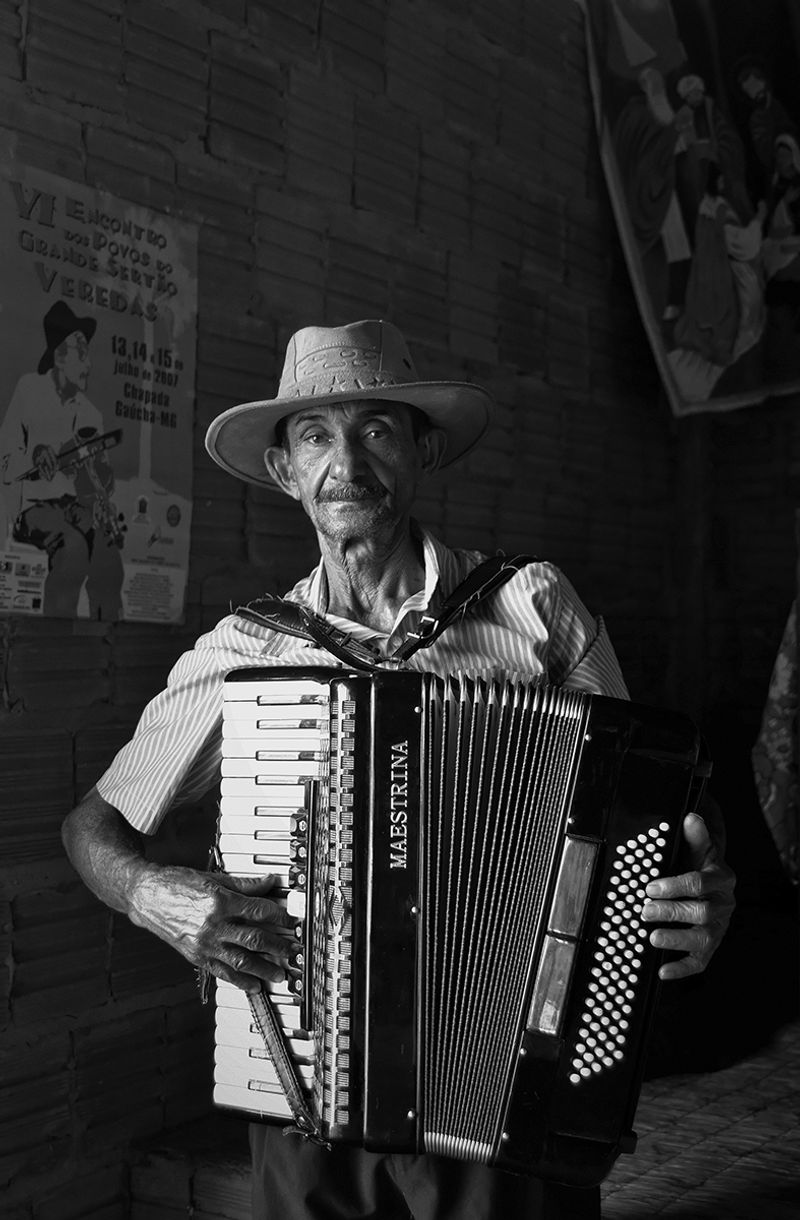
© Ana Caroline De Lima - Jose is one of the teachers. "I'm really happy to teach music for other people. It's a way to keep our traditions alive.
i

Jose is one of the teachers. "I'm really happy to teach music for other people. It's a way to keep our traditions alive.

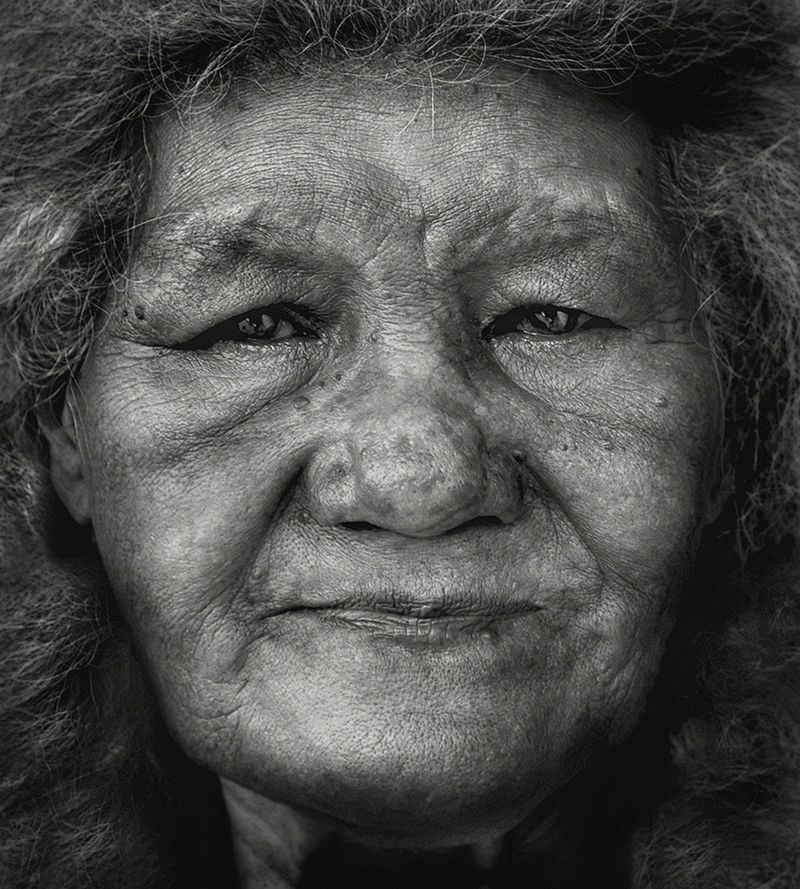
© Ana Caroline De Lima - Faces of the Backlands: Alice is descendant of slaves, dutches and indigenous who inhabitated the region decades ago.
i

Faces of the Backlands: Alice is descendant of slaves, dutches and indigenous who inhabitated the region decades ago.

© Ana Caroline De Lima - Image from the Life at Brazilian Backlands photography project
i

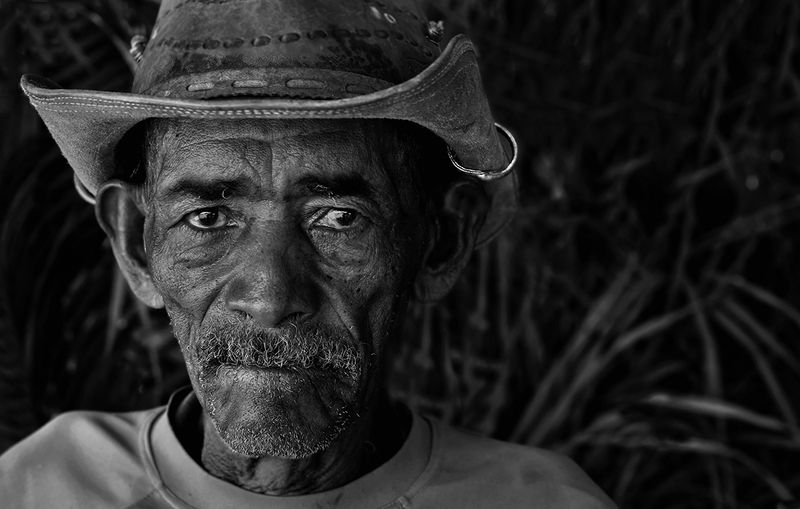
Faces of the Backlands: Geraldo uses a traditional hat, made of leather to protect people from the sun and from the thorns of plants edemic to that region.

© Ana Caroline De Lima - Image from the Life at Brazilian Backlands photography project
i

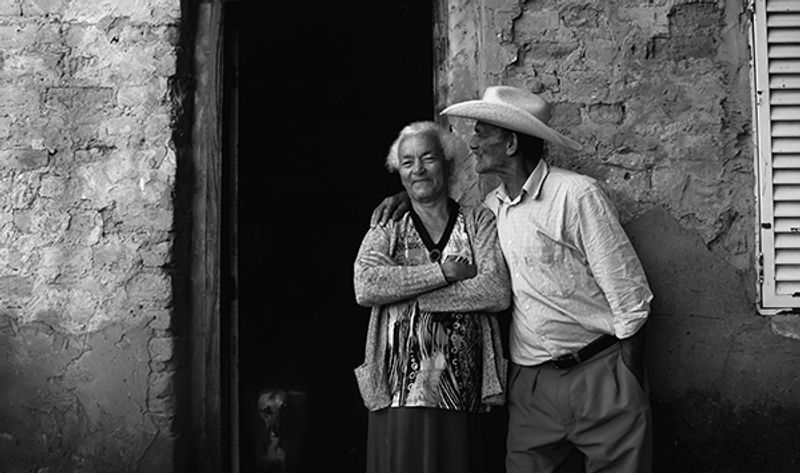
Dog “Teimoso” (Stubborn in Portuguese) poses in front of the house he lives with Geralda and Jose, whose marriage endured the Brazilian dictatorship times, even when a gun was pointed at Geralda's head and when José was arrested for no reason and tortured several times. They've been married for 53 years now, and I asked Jose to kiss his wife so I could take a portrait of them as a happy couple. Although he promptly tried to kiss her, she stopped him and said: 'Walk it off, man!".

© Ana Caroline De Lima - Image from the Life at Brazilian Backlands photography project
i

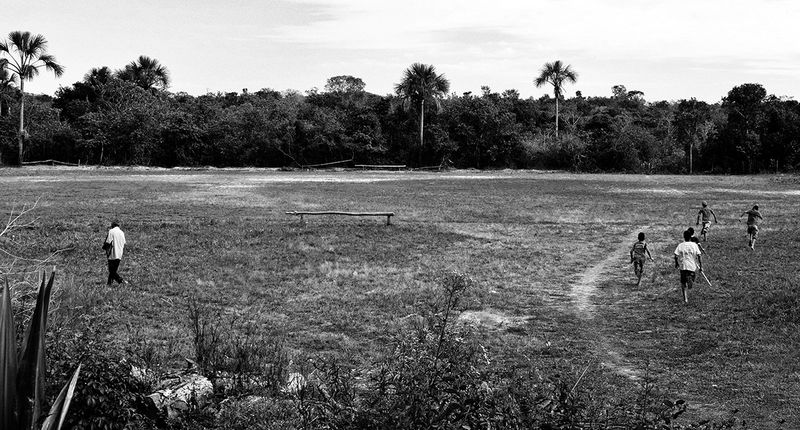
The day comes to and end at Brazilian backlands: while children go to their houses after playing soccer, José, the music teacher goes back to his home, 1km from there. At the backlands future and past struggles to find a way to merge and thrive.